

[image]
[title]In a world of apps and algorithms, Subhas Kandasamy is betting that four people around a square table – tiles clacking, strangers becoming friends – is still the most compelling thing a city can offer. It started with his grandmother in Singapore. Now it's everywhere, Bangkok included.
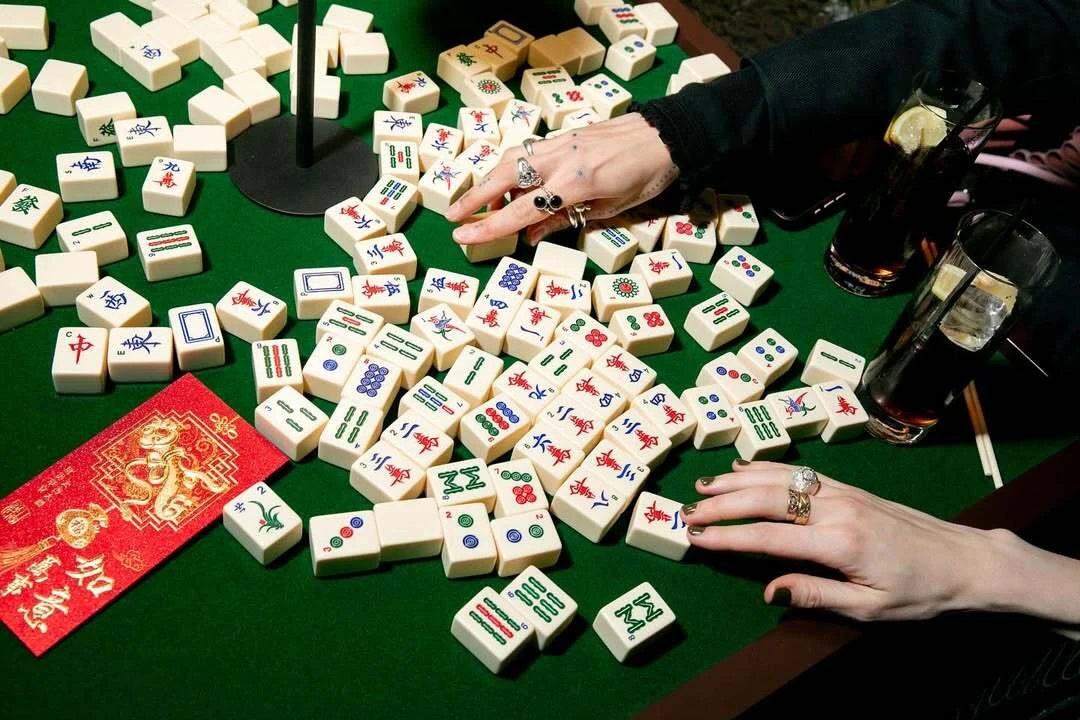
There is a particular kind of household that stays with you. The kind where the door is always open, where something extraordinary is always being cooked and where, if you look through the right window on the right evening, four people are hunched over a square table, fingering tiles against a wooden surface like a low, insistent percussion.
Subhas Kandasamy grew up in one of those houses – in Singapore, with his grandmother Dolly, in a different era of the city-state, when multi-generational living was simply how things were done and the veranda looked onto a garden of mango and guava trees. That house, those evenings, that grandmother: they followed him everywhere. And eventually, they became a business.
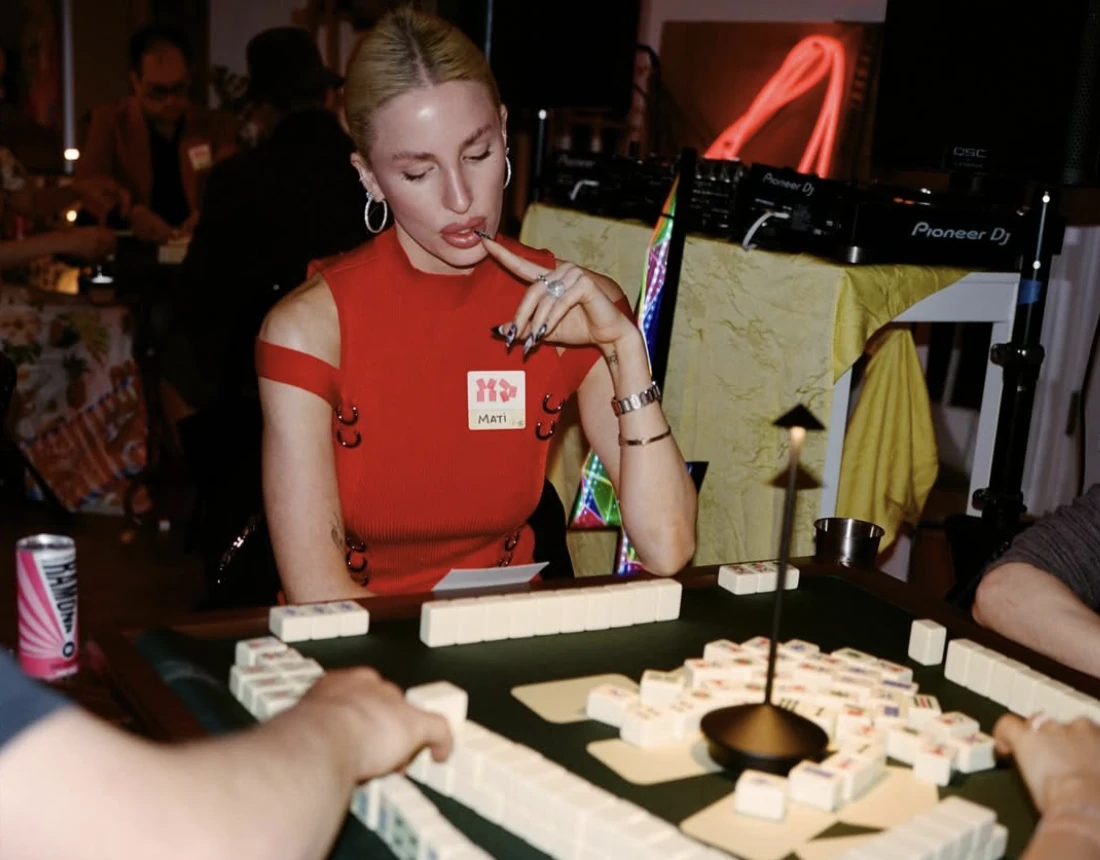
Mahjong Palace, the social club that Subhas founded in New York in September 2023, is not your usual Mahjong club, even for the US, and it’s certainly not a gaming den. It is not a Chinese cultural centre or a wellness concept or a members' club either – although it does borrow something from all of these.
It is, at its core, a reimagining of what it means to play mahjong in the 21st century – stripped of the money, filled with strangers who quickly stop feeling like strangers and roaming – staged wherever possible, inside galleries, museums and cultural spaces.
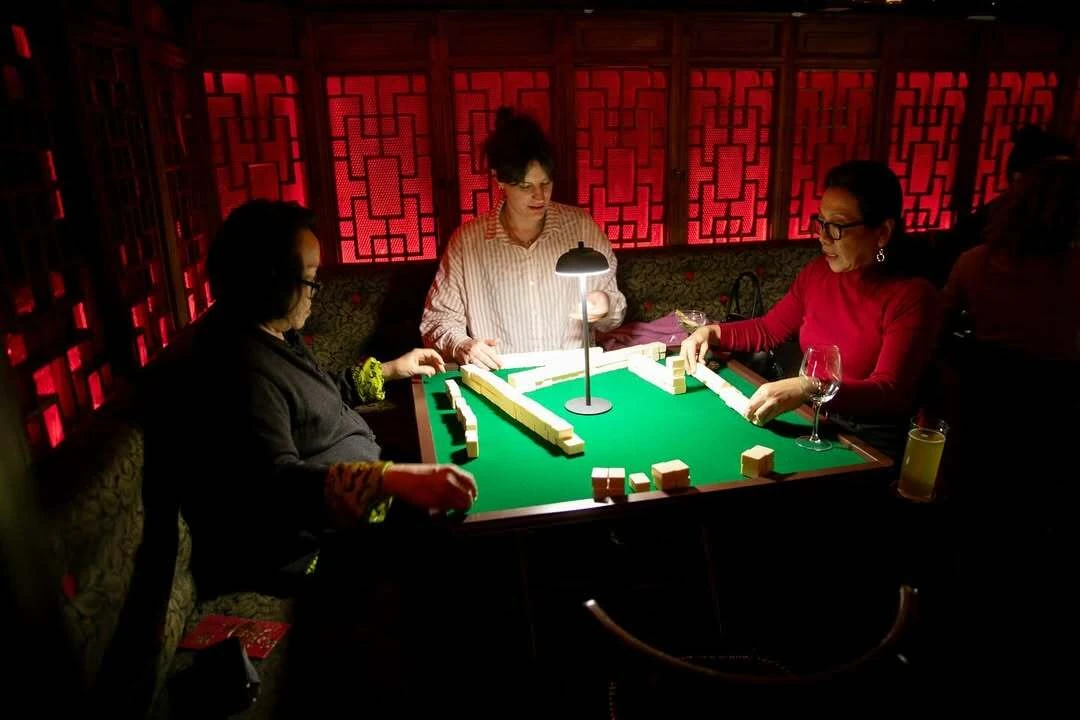
'It aims to get people off their phones and apps,' Subhas says, with characteristic directness. 'To promote intergenerational interaction. To foster a genuine non-digital community.'
The origin story begins, as many good ones do, with a grandmother. Dolly was, by all accounts, a force of nature – 'the template Peranakan matriarch', as her grandson puts it – who ruled the household with the particular authority of someone who knew exactly how to make everything feel abundant.
Peranakan culture, born out of Chinese immigrant communities settling across the Malay Peninsula centuries ago – mixing with local Malay populations and absorbing their spices, textiles, languages and rituals into their own culture – is understandably, and famously an in-betweener. Not quite Chinese, not quite Malay. Something that carved its own distinct identity out of that in-between-ness. Subhas is drawn to that idea. After all, he himself has always straddled worlds – Singapore, Europe, the US, the art world and the domestic, the formal and the spontaneous.
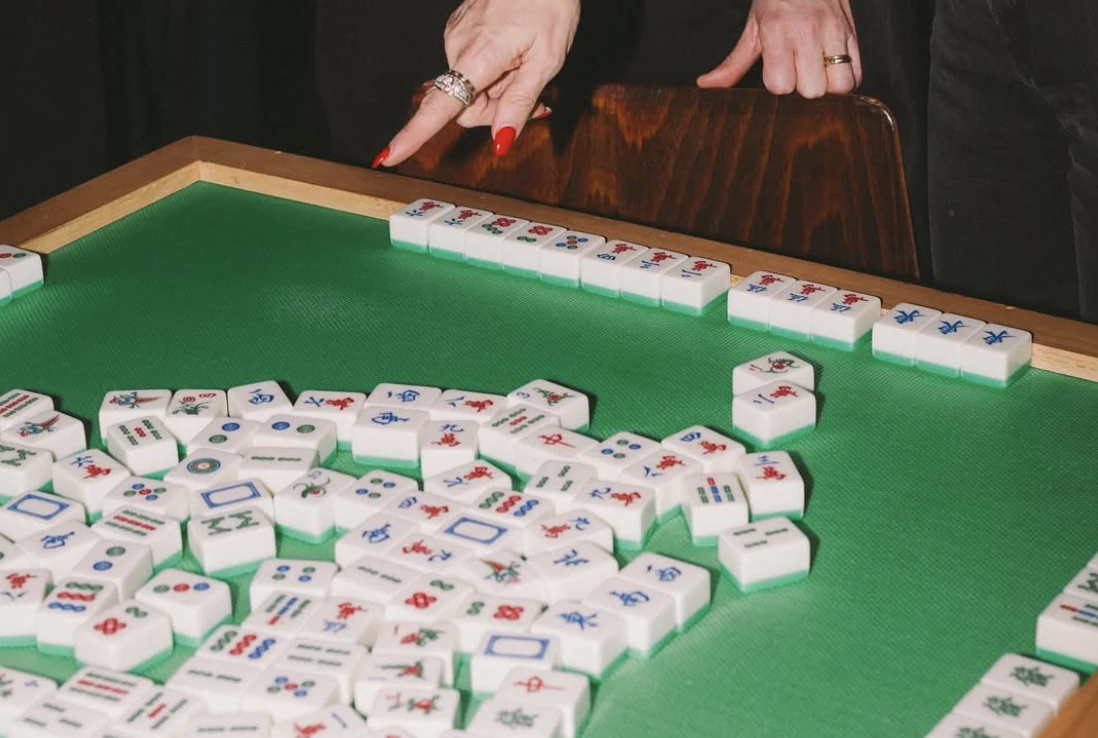
It is fitting, then, that the game at the centre of his life shares a similar origin story. Mahjong was born in 19th century China, most likely in the Yangtze River Delta during the Qing Dynasty, before travelling south with the Chinese diaspora across the sea routes of Southeast Asia.
By the time it reached the shophouses and clan halls of Singapore, Penang and Kuala Lumpur, it had already absorbed local inflections, adapted to new hands and new climates and settled into the rhythms of communities that were themselves in the process of becoming something new. It was never purely Chinese. It became, like the Peranakans themselves, something richer for the crossing.
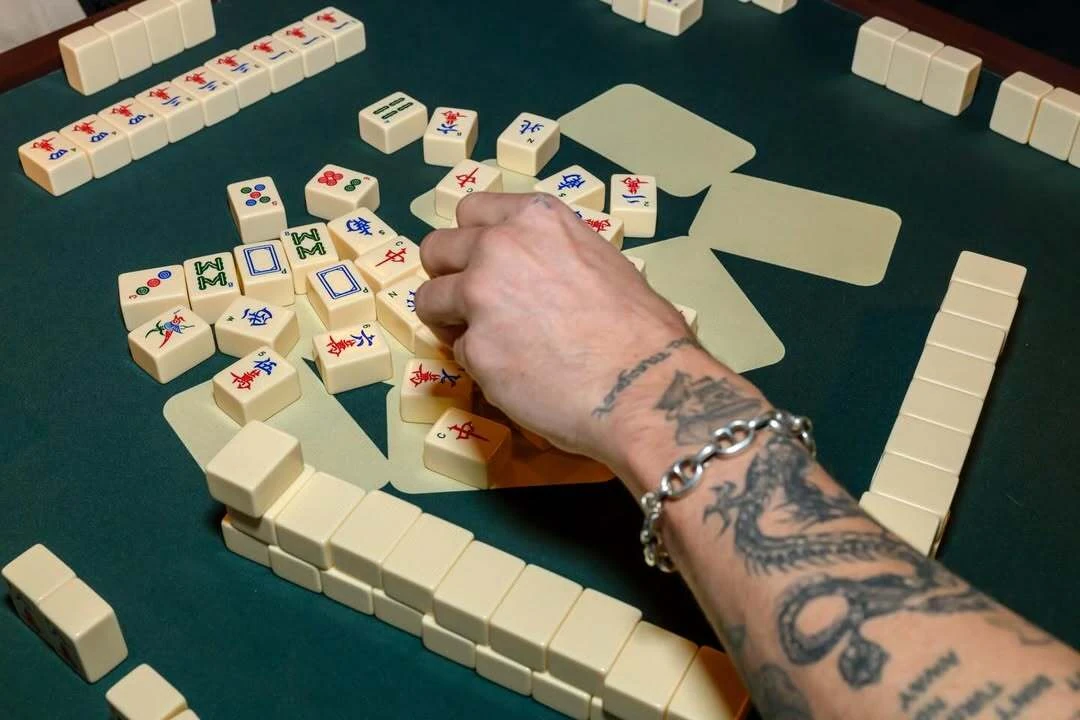
At Dolly's table, a mahjong set was always out. Dinner guests would drift from the food to the veranda, where the tiles were waiting. By the age of five, Subhas was standing at his grandmother's elbow during games. By seven, Dolly had – as is tradition – handed him a little money to play with.
'If I lost that money,' Subhas recalls with a laugh, 'she would absorb the loss. If I won money, I could keep the money. This is the best gambling education for children.'
But the lesson was not really about gambling at all. It was about consequence, attention and the pleasure of being taken seriously at a table full of adults. Two things stayed with him from those evenings: the warm hospitality and the generous inclusivity. 'These two characteristics,' he says, 'have always influenced my hosting.'
Before Mahjong Palace, there was the art world. Subhas spent years working in high-pressure roles at institutions including Carpenters Workshop Gallery, Superblue and Company Gallery – director of sales, the kind of position that requires both a finely tuned eye and a constitution for sustained stress. He is diplomatic but candid about what that world taught him. 'Aspects of it taught me how to never treat people,' he says. 'The entitlement and bullying that people get away with is shocking… you know who you are.'
But he also credits the art world with igniting what he calls 'the hustler in me', which has come in very handy since. He made friends he still considers lifelong. And it gave him an intimate understanding of the smaller galleries and cultural spaces that, he felt, were always being eclipsed by the bigger names – an injustice he would begin to address once he went his own way.
The tipping point came through the body rather than the mind. 'My husband, Martin Andersson, could tell from my happiness level in the room whether I was working on gallery work or Mahjong Palace,' he says. In December 2025, he handed in his resignation. He gave a month's notice, went to Sri Lanka for Christmas and came back someone else. 'After such a dramatic decision,' he reflects, 'returning to Asia was like going home.'
Mahjong Palace had actually begun the year before, in September 2024, when Subhas emerged from a six-month break between jobs, burnt out and restless – and decided to take the mahjong lessons he had been giving friends on Sunday afternoons out into the world.
The first session: two tables, eight people, a neighbourhood restaurant in Dumbo, Brooklyn. No grand plan. Just a feeling. 'It's just going to be a friend's thing,' he told himself.
It was not, as it turned out, just a friend's thing. Within weeks, messages were arriving from friends of friends who had heard about this mahjong club. Two tables became four. Four became six. Six became eight. By January 2024, the Financial Times was on the phone.
'I thought it was a joke,' Subhas says. But a joke, it was not. A cultural moment had arrived and Mahjong Palace was positioned inside it. 'I started Mahjong Palace not because I knew a trend was coming,' he is quick to clarify. 'I just wanted to bring my friends together. The fact that it hit the curve at the right time was an added bonus.'
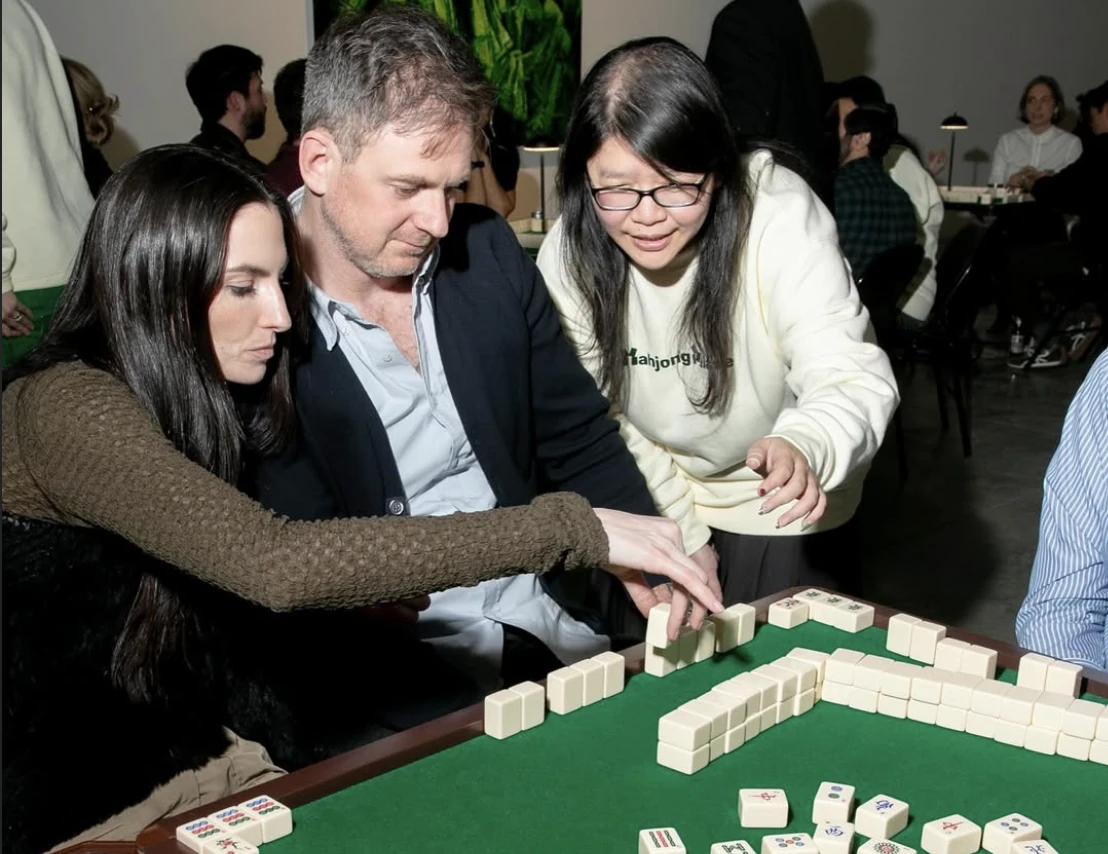
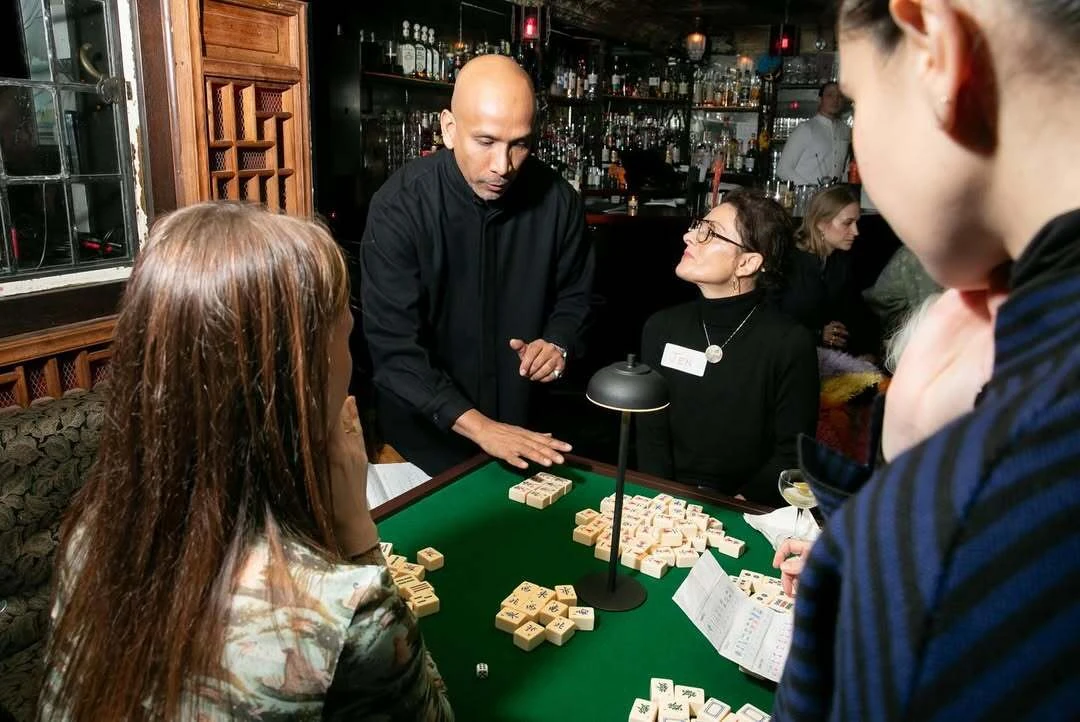
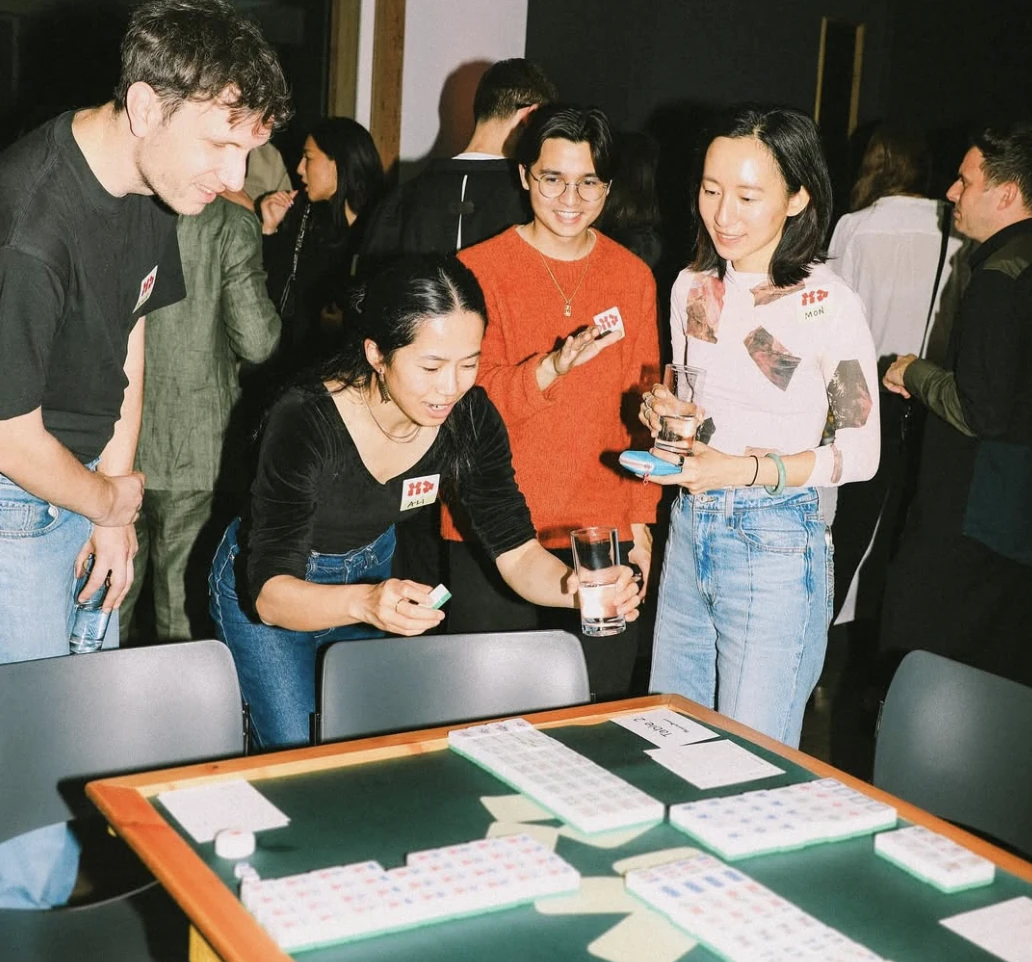
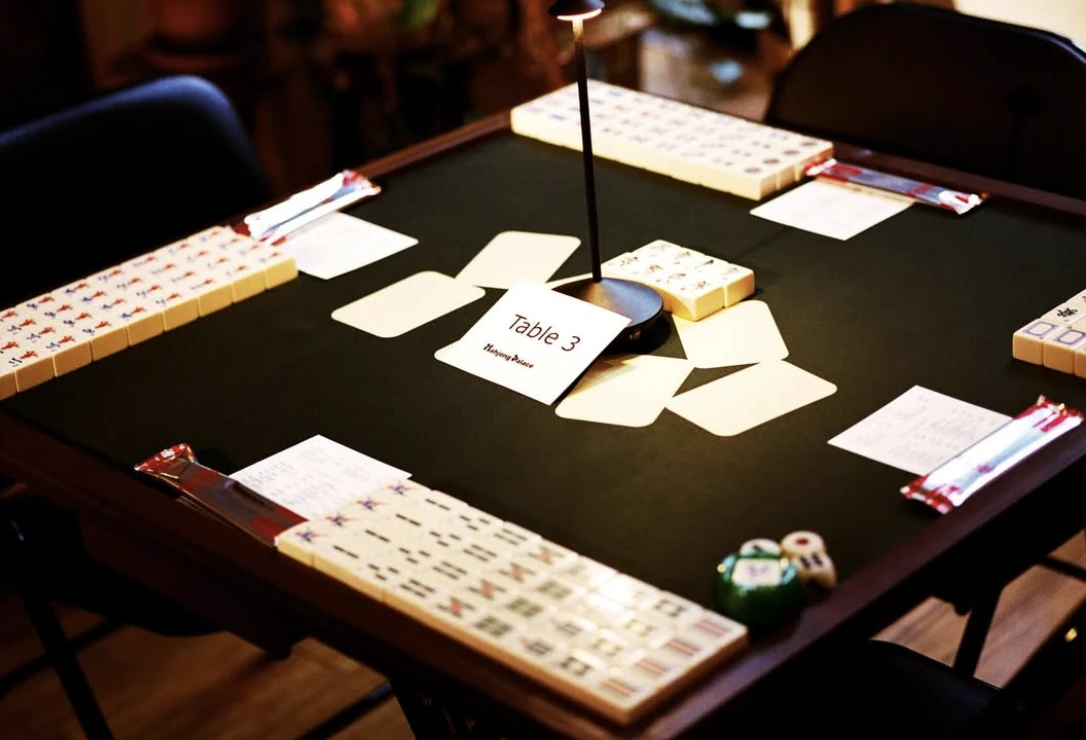
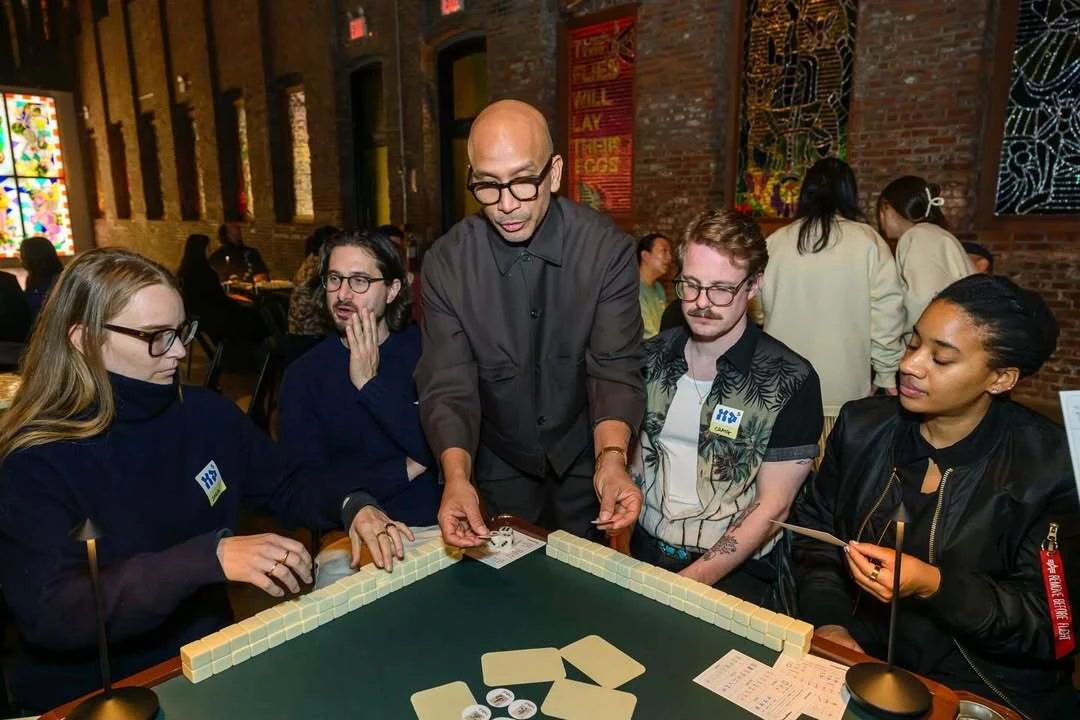
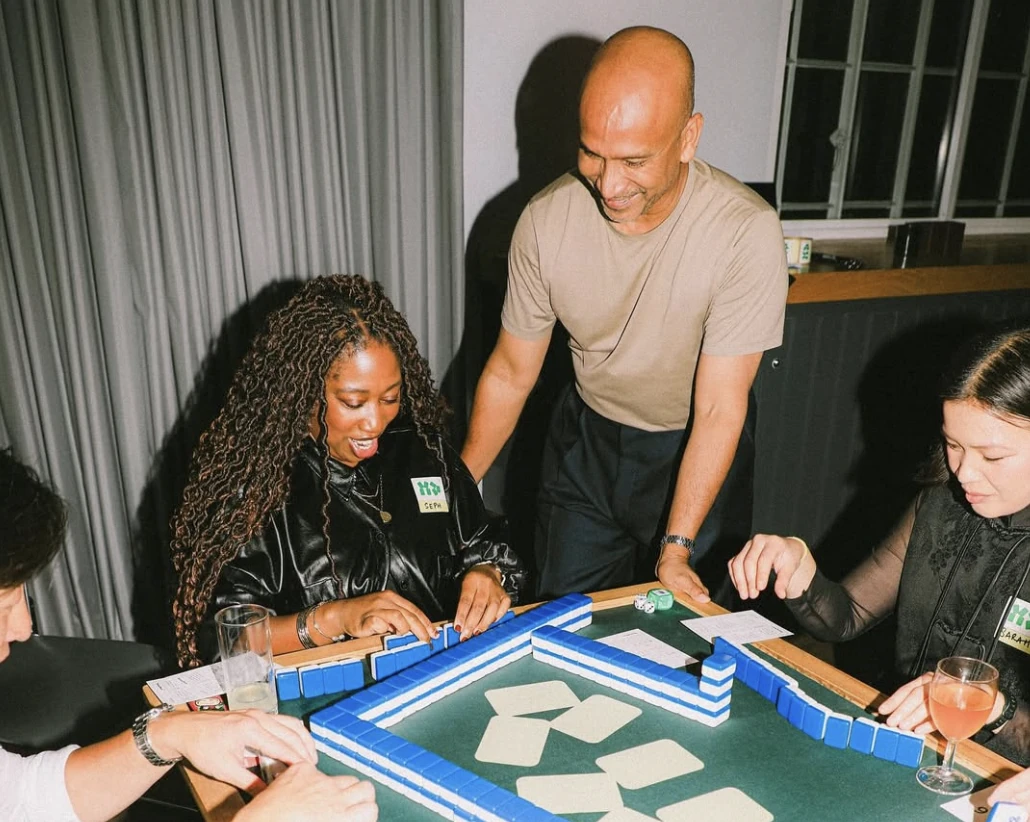
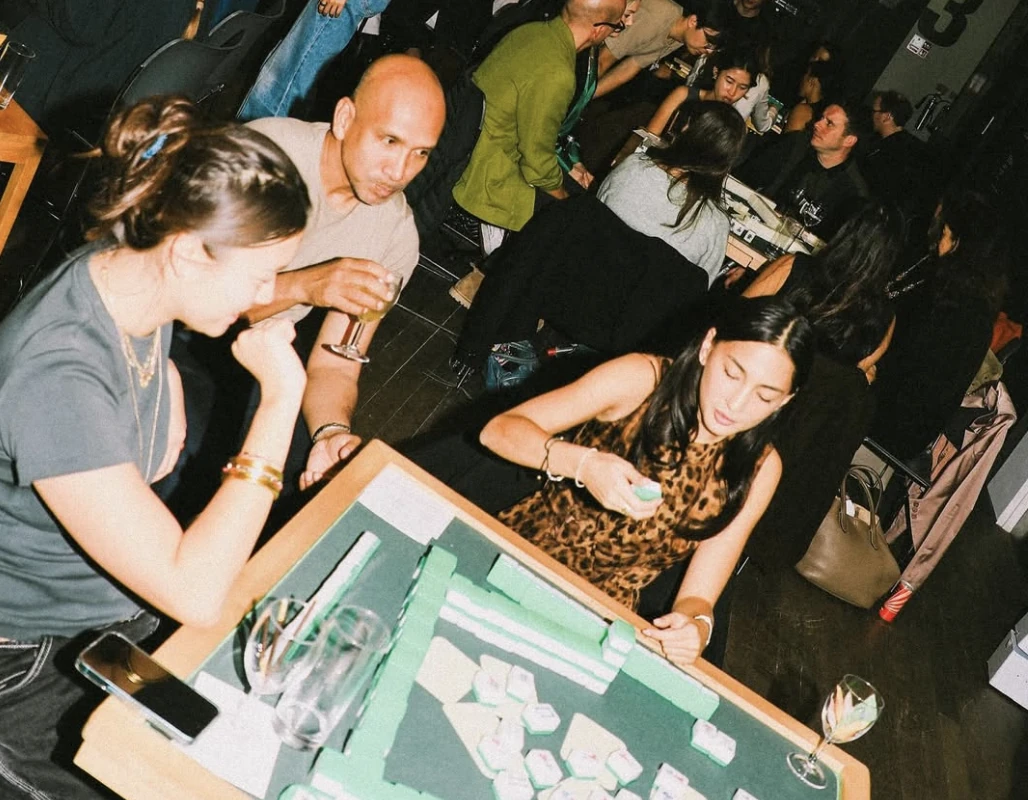
Walk into a Mahjong Palace session and you will find something that feels considered in every detail. Guests receive a welcome email in advance requesting they arrive on time. There are drinks, food, a welcome speech. In gallery and museum settings – the natural home of Mahjong Palace – a tour of the current show is played out by the curator or director before anyone sits down to play.
Then comes what Subhas describes, with evident satisfaction, as the seating plan. Tables are allocated by skill level. But there is also something more intuitive at work. 'I like pairing guests up if I think there is room for a spark,' he says. 'This is my Peranakan aunty side showing.'
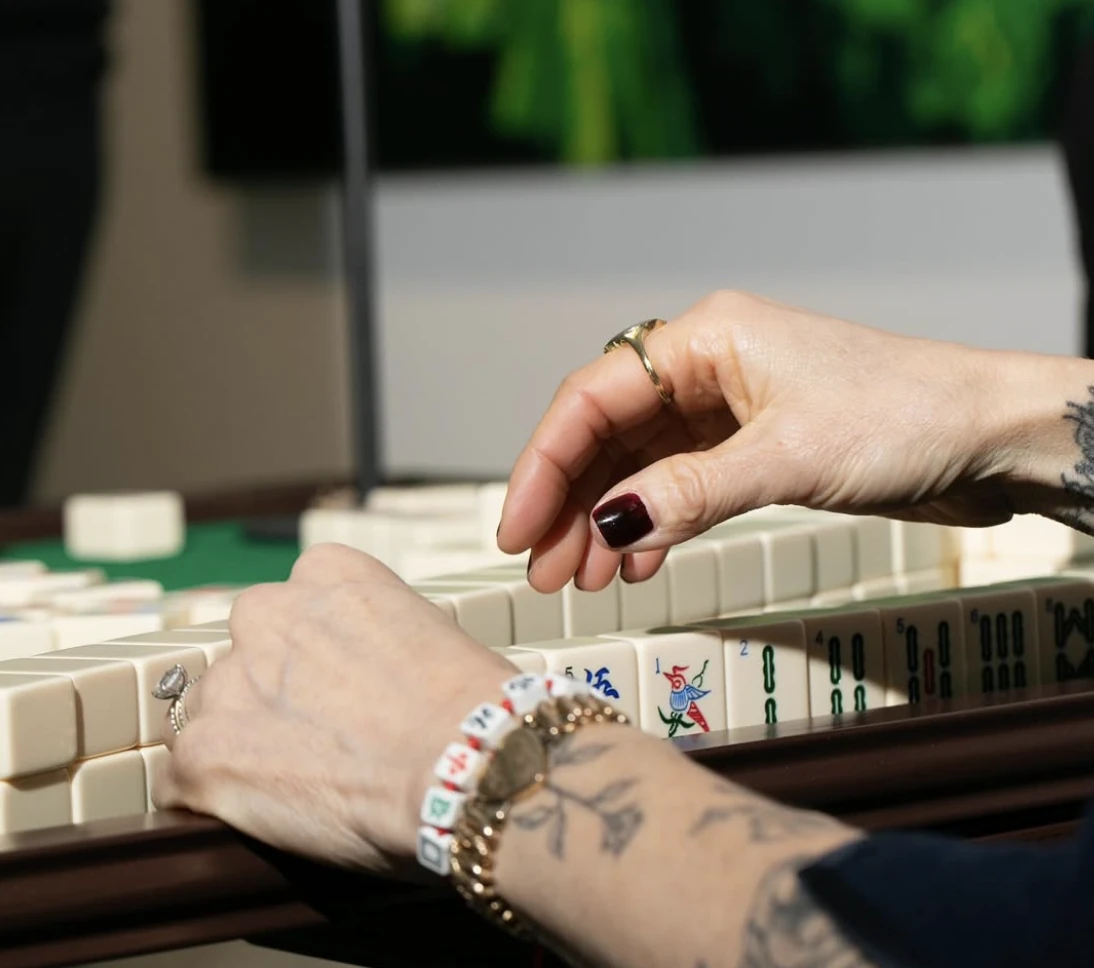
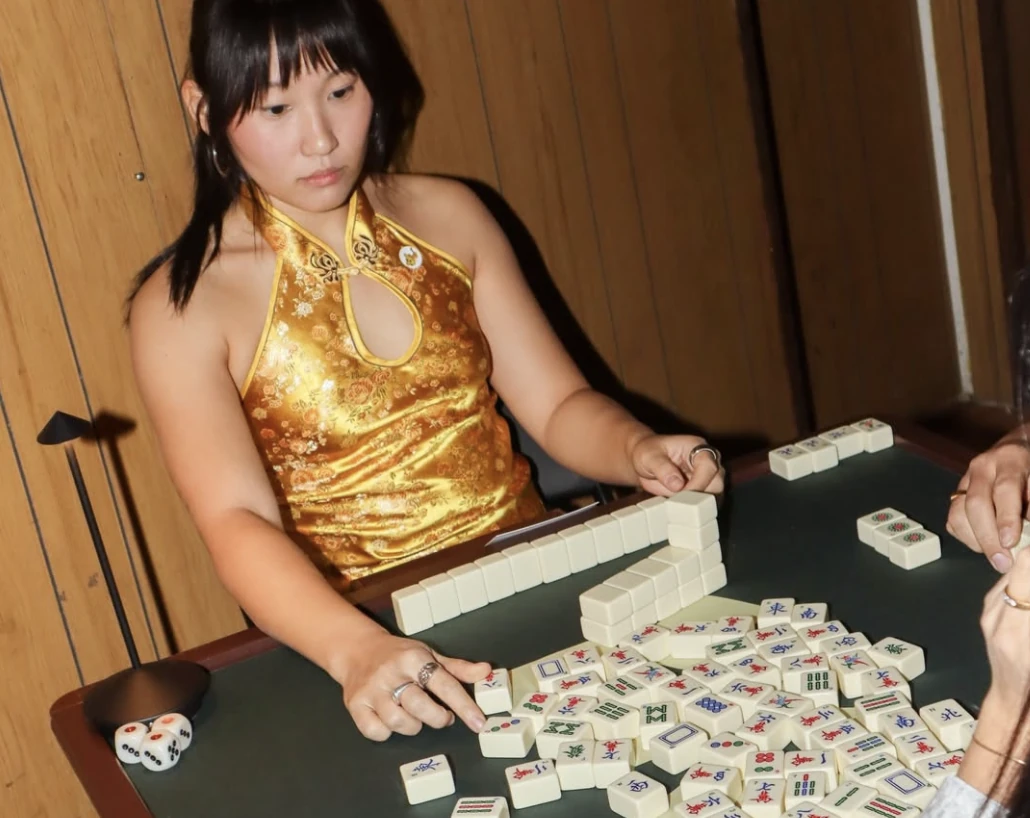
There is also, it should be said, a dress code – not an enforced one, but an understood one. People show up. They put on something nice. Mahjong Palace has become the kind of evening you get ready for.
'It's very much like date night,' Subhas says. 'People dress up, they come to Mahjong Palace, they know there's going to be a nice bar.' For a game that most people associate with their grandparents' back room, that reframing alone is a minor cultural coup.
'It's a very 360 experience,' he says. 'There's the food and drink, the nice bar, great Asian food. Sometimes, for up to 50 players, I still do the cooking myself – it's kind of like my love language to cook. And then for three hours, you forget about everything else and just be present in the game.'
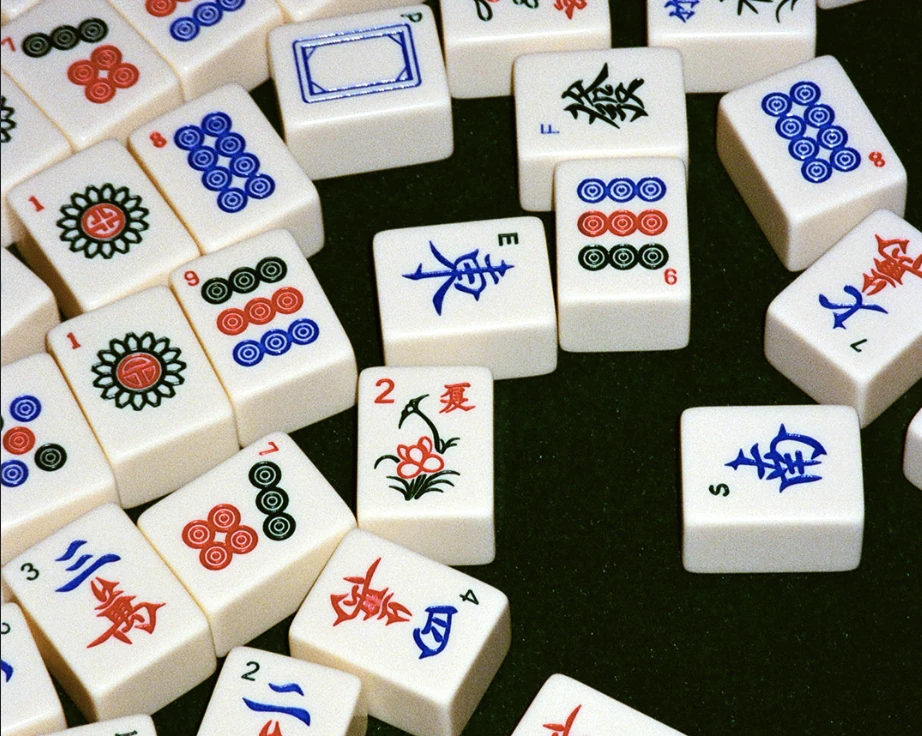
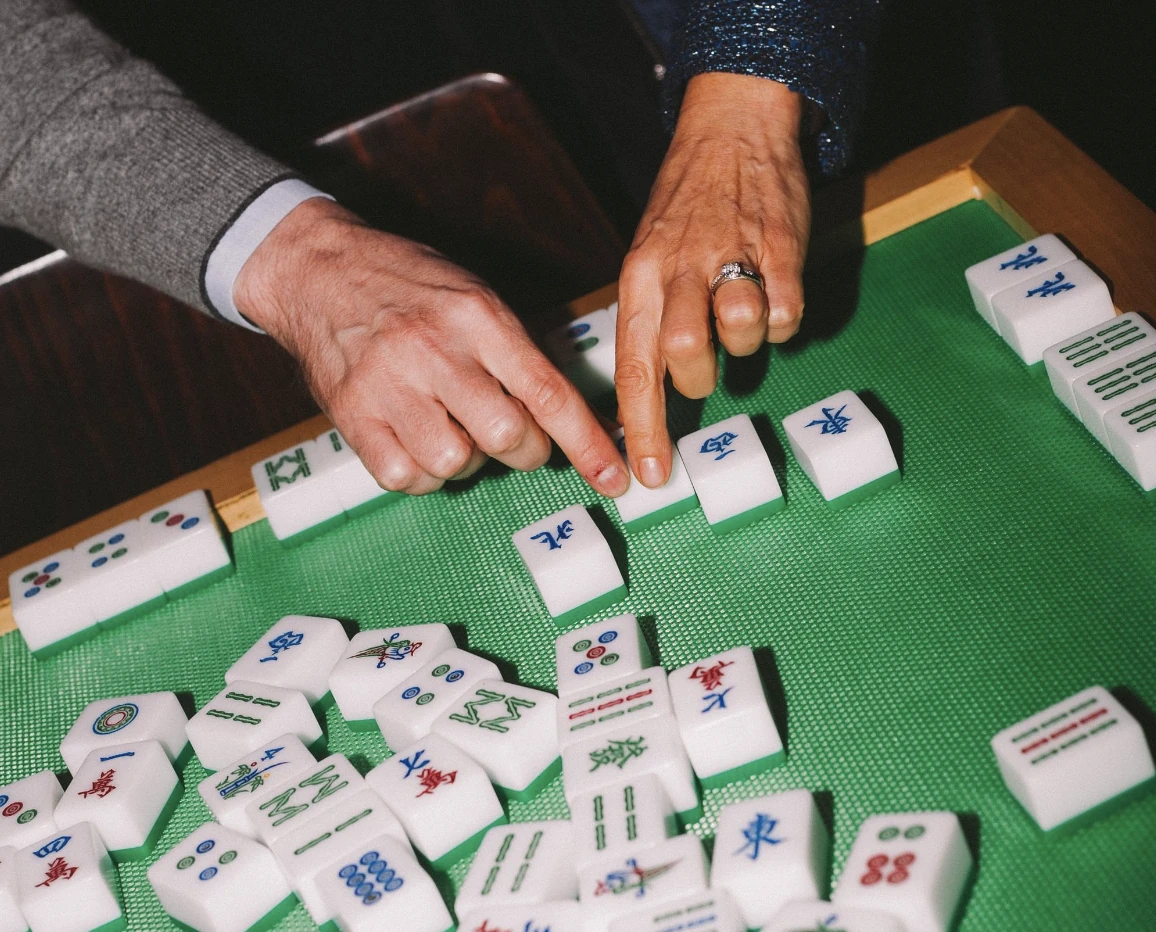
The teaching itself is systematic and also rather elegant. Subhas has designed a method that moves from the hardware to the software – you learn the tiles before you learn the game, because 'if you don't understand the hardware, how can you understand the software?' He breaks the tiles into their three categories – suits, honour cards, flowers – and then shows players the final destination before they begin. The way a driving instructor might show you the route before handing over the wheel. When someone accumulates enough points to earn a place on the leaderboard, he walks through the room and sounds a gong. The whole room erupts in cheering. 'People love seeing their name in lights,' he says.
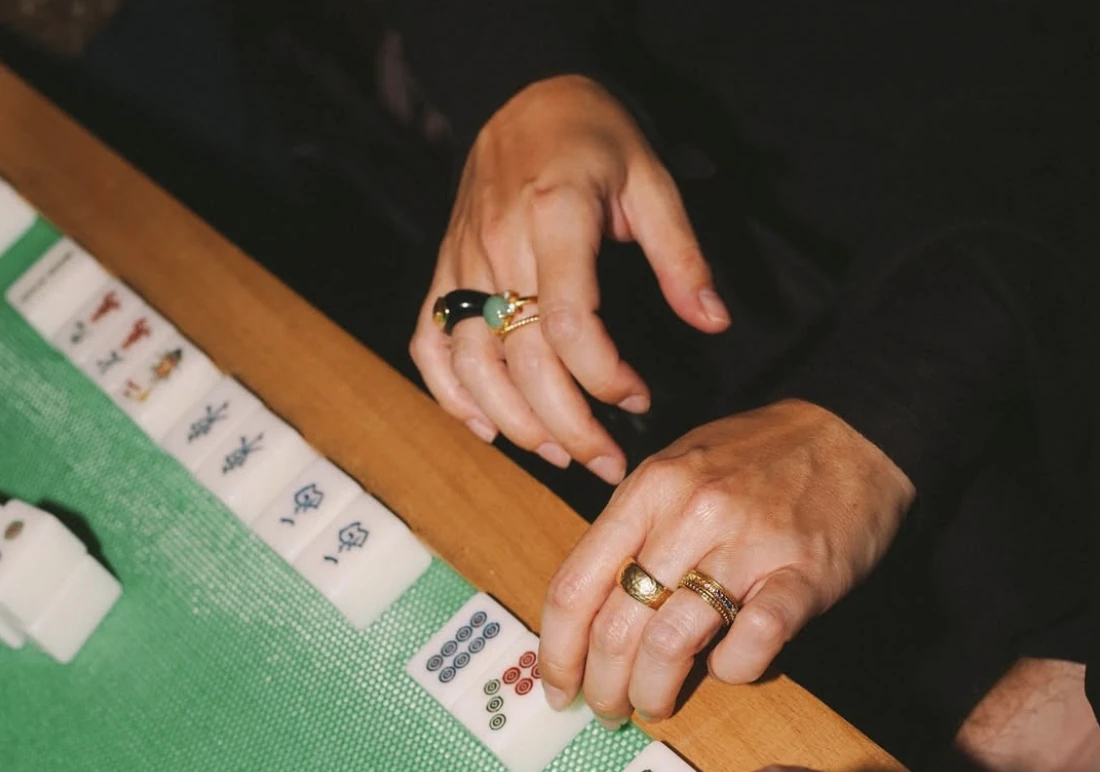
In place of money – which Mahjong Palace famously eschews to the occasional bewilderment of Asian audiences accustomed to the two being kind of inseparable – the leaderboard provides the competitive charge.
Re-educating players on this point has been, he admits, one of the harder parts of expansion. 'When I brought it to Singapore and Bangkok, everyone was like, oh, I don't want to lose so much money,' he says. 'I have to say: we're going to teach you a way to enjoy it so there's no money involved.'
The point, he insists, is that 'you can still enjoy the game immensely without the money aspect.'
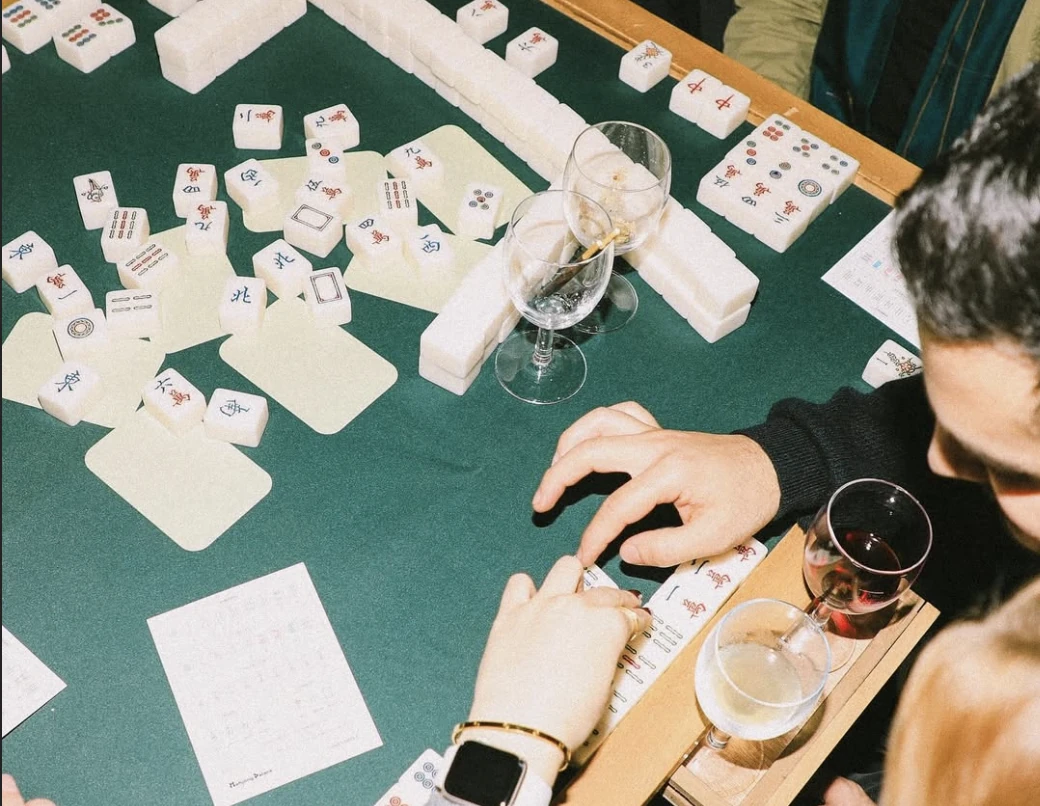
For someone running sessions across New York, London, Singapore and Bangkok, the logistics are, understandably, a little theatrical. Subhas travels with two mahjong sets in stainless steel cases that he describes, without a trace of understatement, as looking 'like James Bond Roger Moore era cases that carry the Cold War nuclear codes.'
He also packs two neoprene playing mats in Mahjong Palace's signature colourways, so the tables look right regardless of where he has landed. 'I get funny looks at airports,' he says. We’re not surprised.
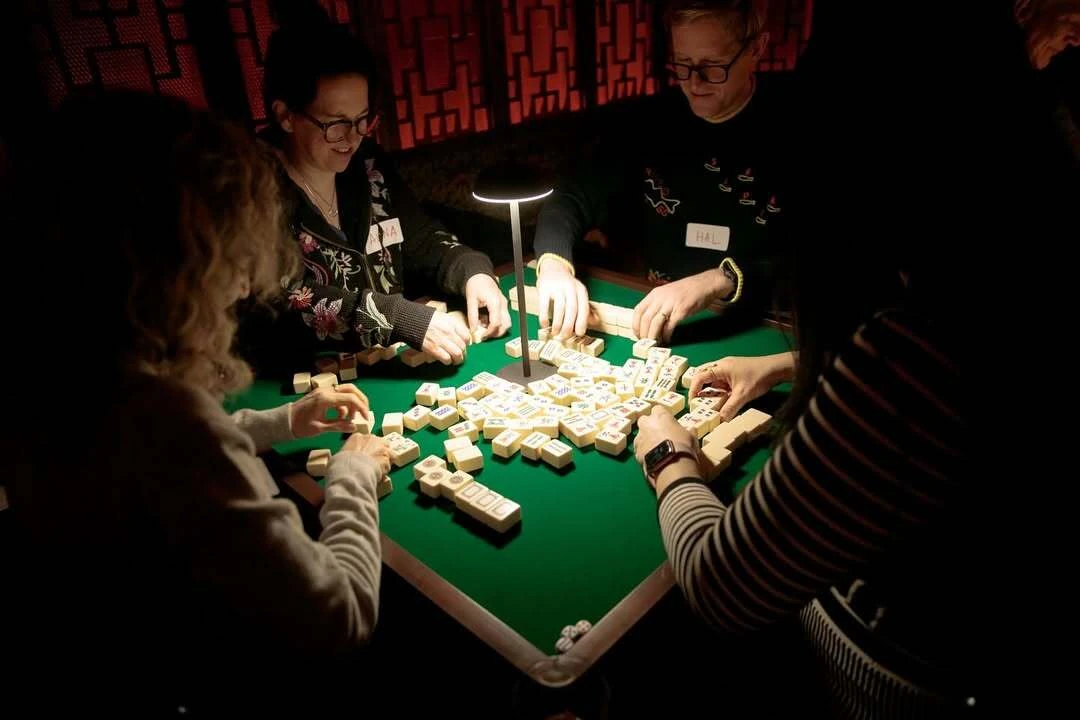
And then there’s the peculiar venues. Why galleries? Why museums? Most people, imagining a social gaming club, would go solely straight to a bar. Subhas's instinct ran elsewhere. Having watched brilliant smaller galleries be perpetually overshadowed by the big institutions, he wanted to give them a new kind of energy and a new kind of audience. 'It just seemed like my natural fit,' he says. 'I now get to engage with art in a different way.'
Mahjong Palace has hosted sessions at the Faurschou Foundation in New York (with Ai Weiwei's blessing), partnered with Studio Ashby in London for an early pop-up and played in Bangkok's Siri Sala, Irma Go's lovingly restored canal-side villa in Bangkok Noi. Three century-old teak houses brought back to life as a boutique guesthouse, it marked the club's Thai debut. With guests staying overnight at Siri Sala, conversations stretched into the next morning, creating a kind of intimacy and camaraderie that felt especially rare in a fast-moving city like Bangkok.
Now, in what Subhas describes as a milestone moment for the club, Mahjong Palace is heading to the National Gallery in London on April 17 – a collaboration that feels like a threshold being crossed. 'They have been so wonderful to work with,' he says of the National Gallery, London, 'and their vested interest in community is so legit.'
At the event, he will also be serving Mahjong Palace's first branded ice cream – a collaboration with a company called Baobae, the flavour a meditation on Dolly's garden – pandan and coconut, mango and pineapple. 'Always with a hint of what Dolly would have cooked,' he says.
What Subhas is building, at its most essential level, is a counter-argument to the digital age. He talks about the way apps and online communities create the 'false belief' that you are part of something, when true community is still, he believes, found face-to-face.
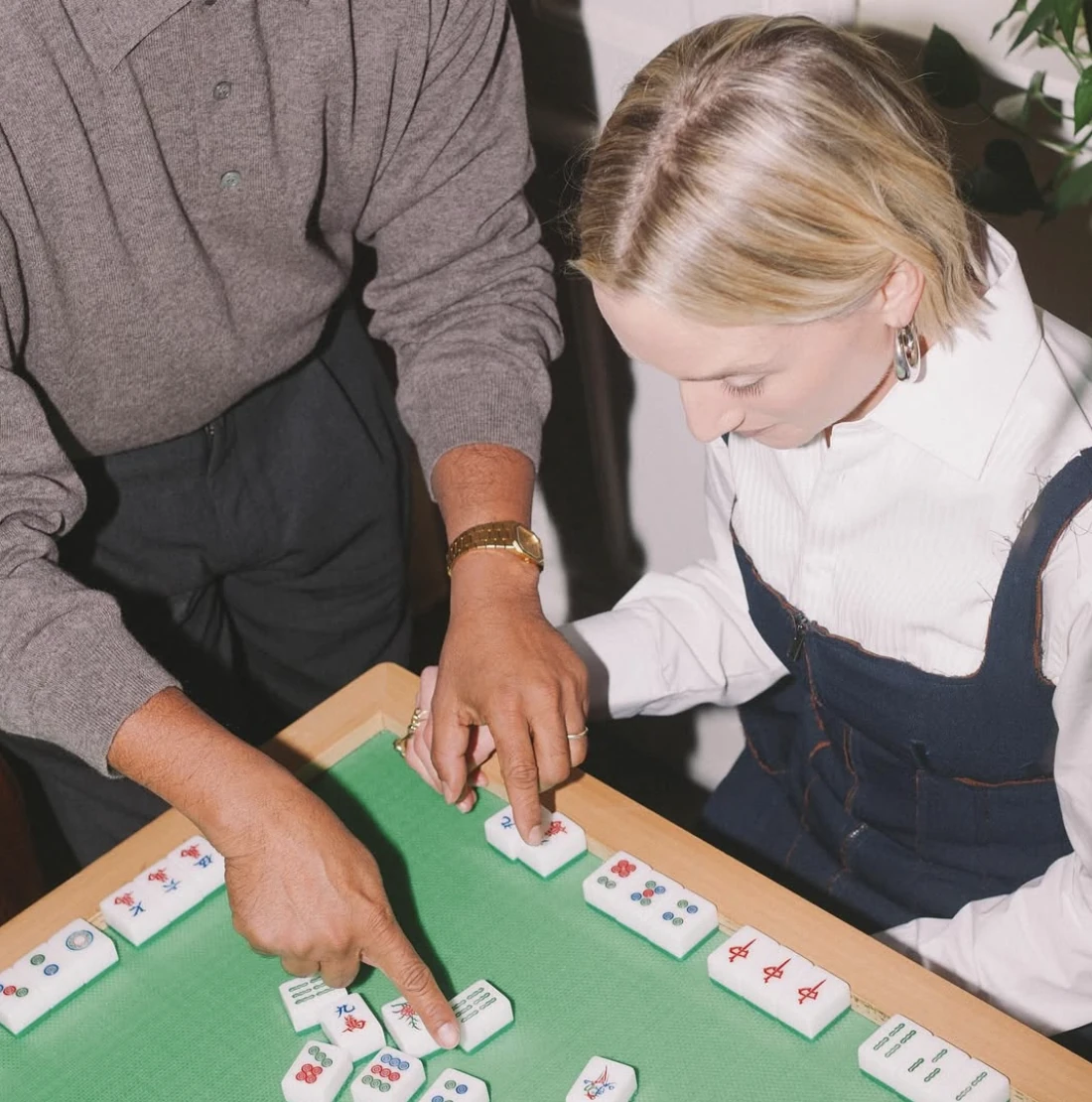
The age range – anywhere from 23 to 86 in New York and London – is something he is proud of. There is now a group in London, strangers who met at a session, ranging from their twenties to their seventies, who go to dinner together, to the cinema. 'It really makes me happy,' he says. He mentions, almost in passing, that people over fifty 'start becoming invisible to the world.' He would like Mahjong Palace to push back against that.
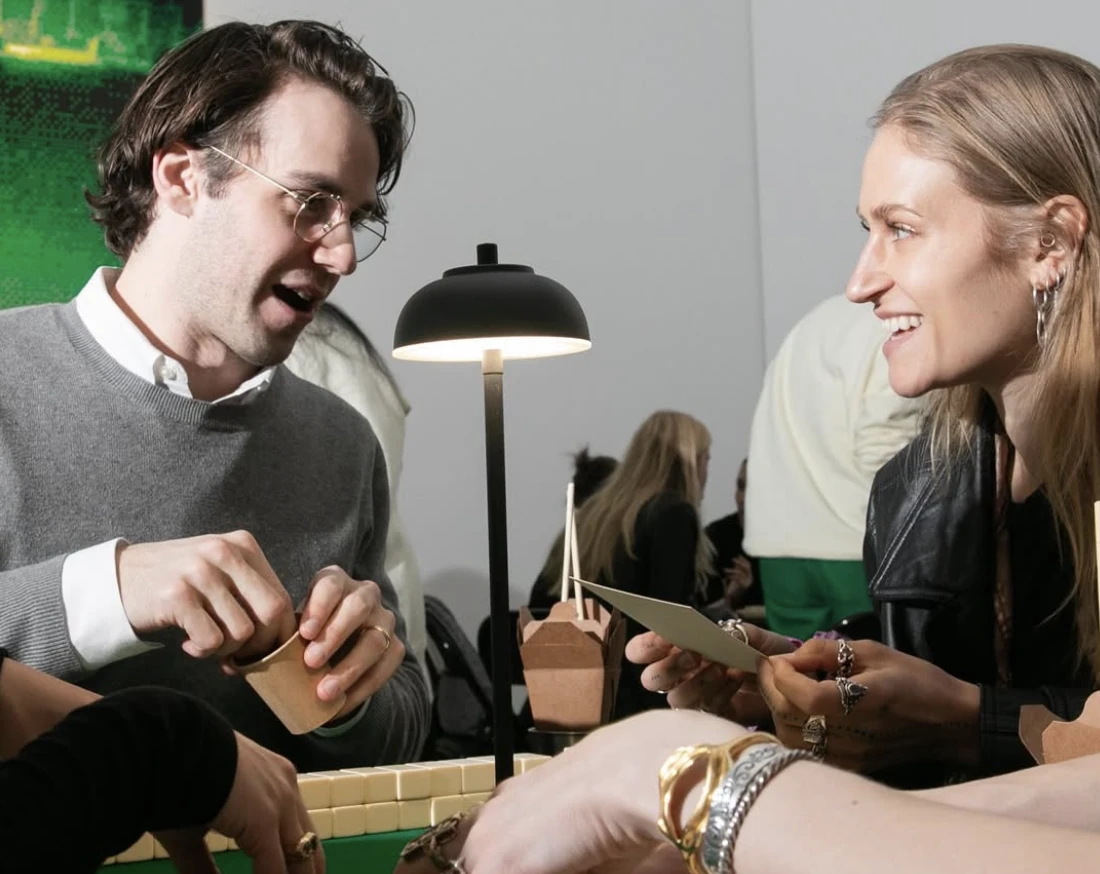
He also does not shy away from the fact that competitive games are, among other things, excellent dating tools. 'If you are going on a first date,' he says, smiling, 'you can save time by bringing your date to Mahjong Palace, because they can never disguise their personality when they're playing. It all comes out.'
View this post on Instagram
Bangkok, where Subhas has been spending more time as of late, feels like the next real frontier. He has already confirmed a return to Siri Sala in the first week of June and beyond that he is thinking bigger – a two-day event, his husband flying in from New York to co-host, cocktails, food, more tables.
In three years, he says, he and his husband plan to split their time between Europe and Bangkok exclusively. He already feels at home here. 'It's such a dynamic city,' he says. 'A nice mix of high culture, low culture, everything in between.'
If Mahjong Palace were ever to have a permanent home in Bangkok, he knows exactly what it should feel like. 'An intersection of art, culture, food and drink,' he says. An emerging gallery, perhaps. A boutique hotel. Somewhere like the Jim Thompson Art Center.
'I feel that the role of museums has changed,' he adds and you sense he is talking about something larger than venues. 'They should become a meeting point for people to come together, especially in these times where there is so much exclusion and division in the world.'
He has been around the block, as he puts it – Singapore, England, Switzerland, New York and now everywhere that two stainless steel cases can be carried through airport security without too much incident. He has worked in difficult rooms and made lifelong friends in them. He made some hard decisions, he says, because he did not want to keep waiting. 'If it doesn't work, I only have myself to blame,' he told himself on that December morning. 'But I leave with a lot of satisfaction in my heart.'
That is, it turns out, the Mahjong Palace philosophy in miniature – play with abandon, don't mind losing, learn from the risk and find melody in the clacking of tiles.
Mahjong Palace returns to Bangkok's Siri Sala in late May/early June 2025. We’ll share details once dates are announced and follow mahjongpalace.net for all the latest updates.