
[image]
[title]There are corners of photography you tiptoe into, and others you breach with a steady breath and a sharpened sense of responsibility. The naked form sits stubbornly in the latter. For decades the unclothed body, especially the female one, populated magazines like wallpaper. Familiar, unchallenging, endlessly posed. Today, many of those images read as dated relics, tinged with voyeurism and a faint whiff of something that doesn't sit quite right anymore. The female nude once felt like a default, a visual shorthand for seduction. Now it often feels like a reminder of an era when the camera wasn't always kind.
The male nude, by contrast, has always been trickier. Less culturally sanctioned, less expected, shadowed by stigma yet charged with a different kind of electricity. Contemporary photography has swung the doors wide open, and the male body has entered the room with a force that feels both overdue and disarmingly intimate.
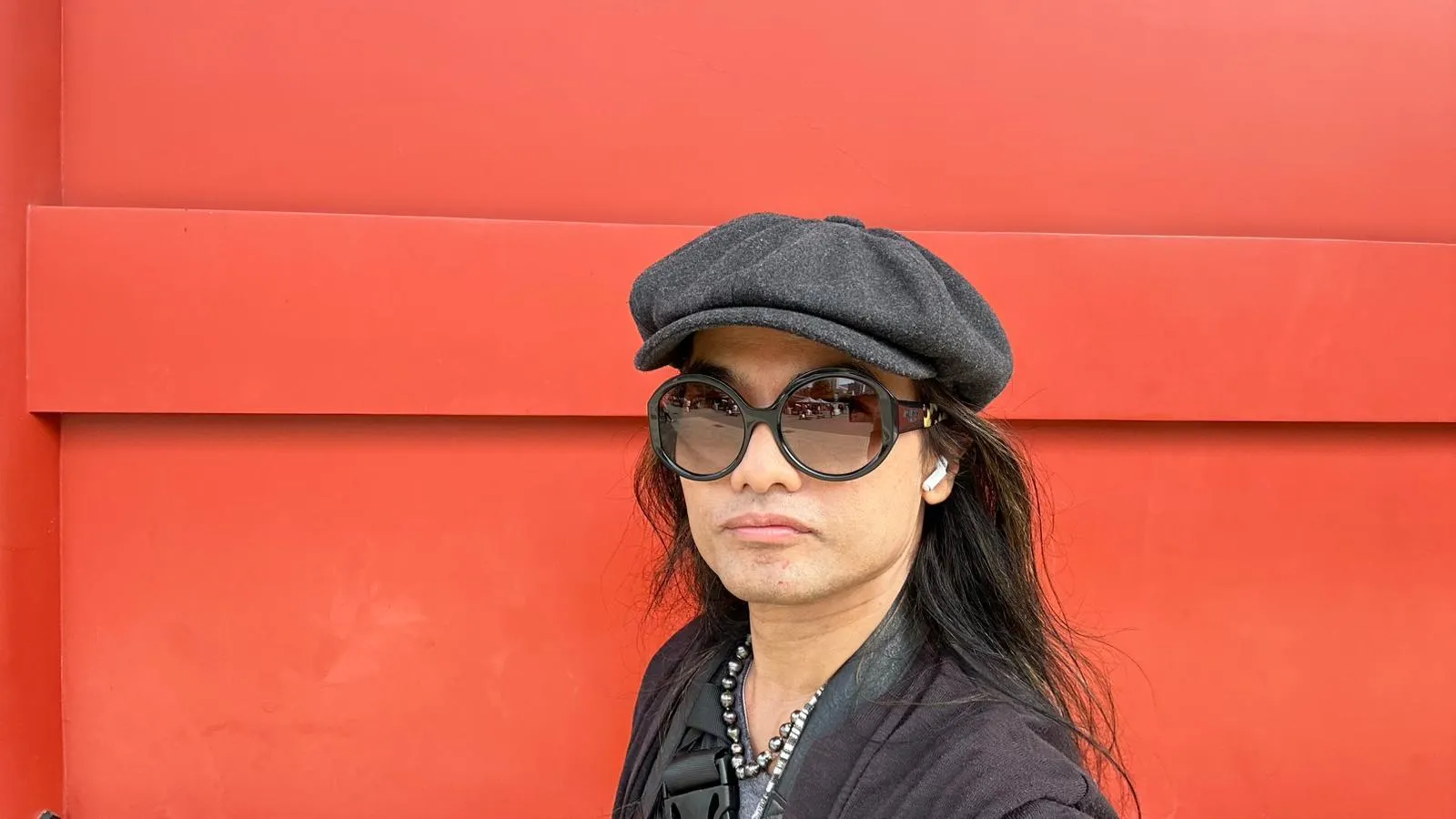
This is where Ohm Phanphiroj steps in. Or perhaps more accurately, where he has stood all along, in that uncomfortable sweet spot where desire, danger and vulnerability meet. An international, award-winning photographer, filmmaker, educator, former fashion director and self-declared chronic observer, Ohm has carved a body of work that traces sexuality, identity, exploitation and the unvarnished male form across continents. His images are not polite. They're tender in one moment and confrontational in the next, as if caught between confession and dare.
His new photobook Desire is the reason I'm here, hunched over my screen, reading his email replies at an hour when sane people have closed their laptops. I feel a strange tug – curiosity and mischief, because few artists talk about attraction with this kind of audacity. In some answers he's almost whispering, in others he's ripping the plaster straight off the wound. At one point he writes,
“I want my subjects to be as real, as imperfect and as fucked up as life itself.”
And because of that, Desire makes you want to look, sit with it, maybe dance a little just to shake off the heat.
What sparks a desire
Let's begin with Desire. What set this project in motion? What made you circle back to the eroticised male body now?
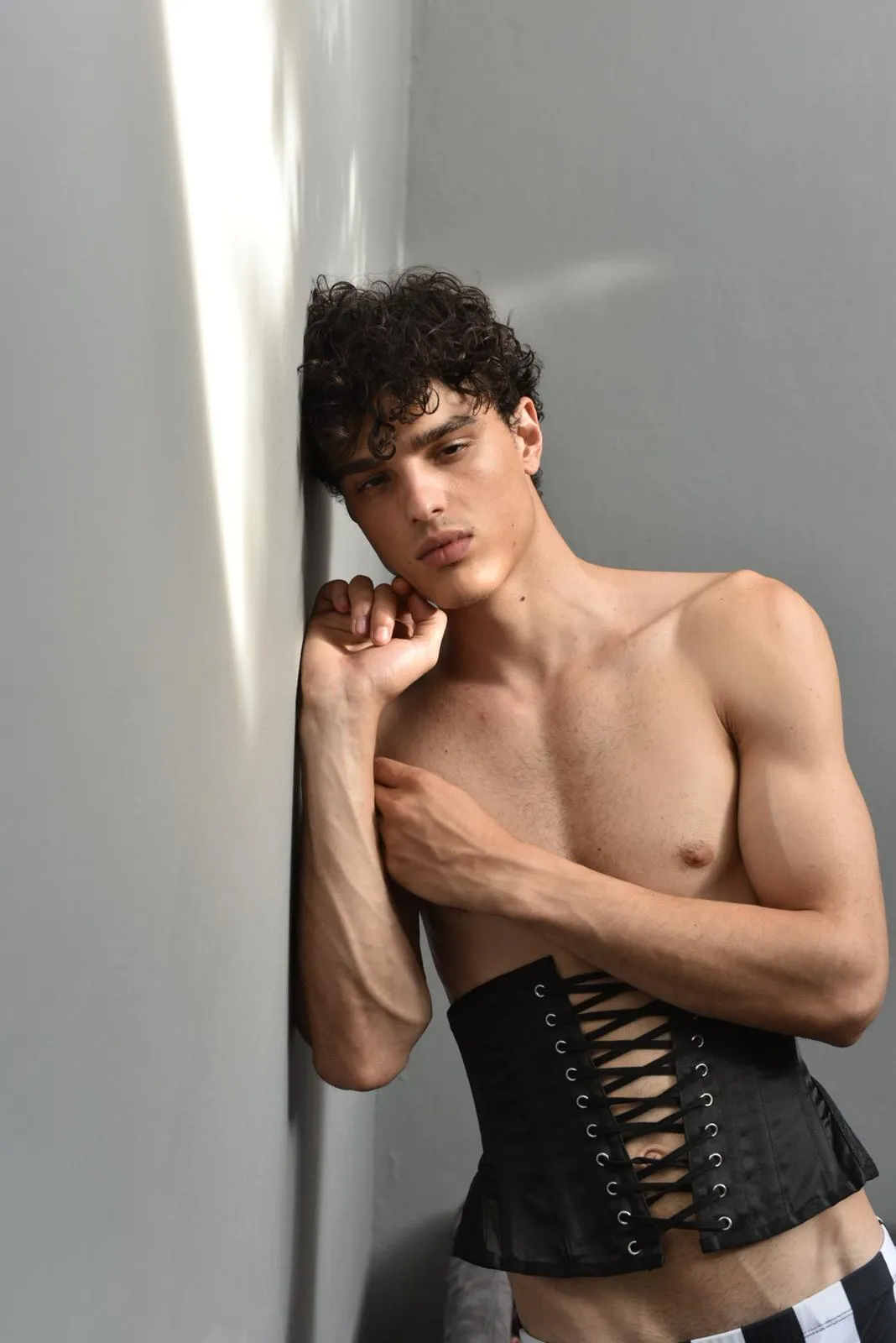
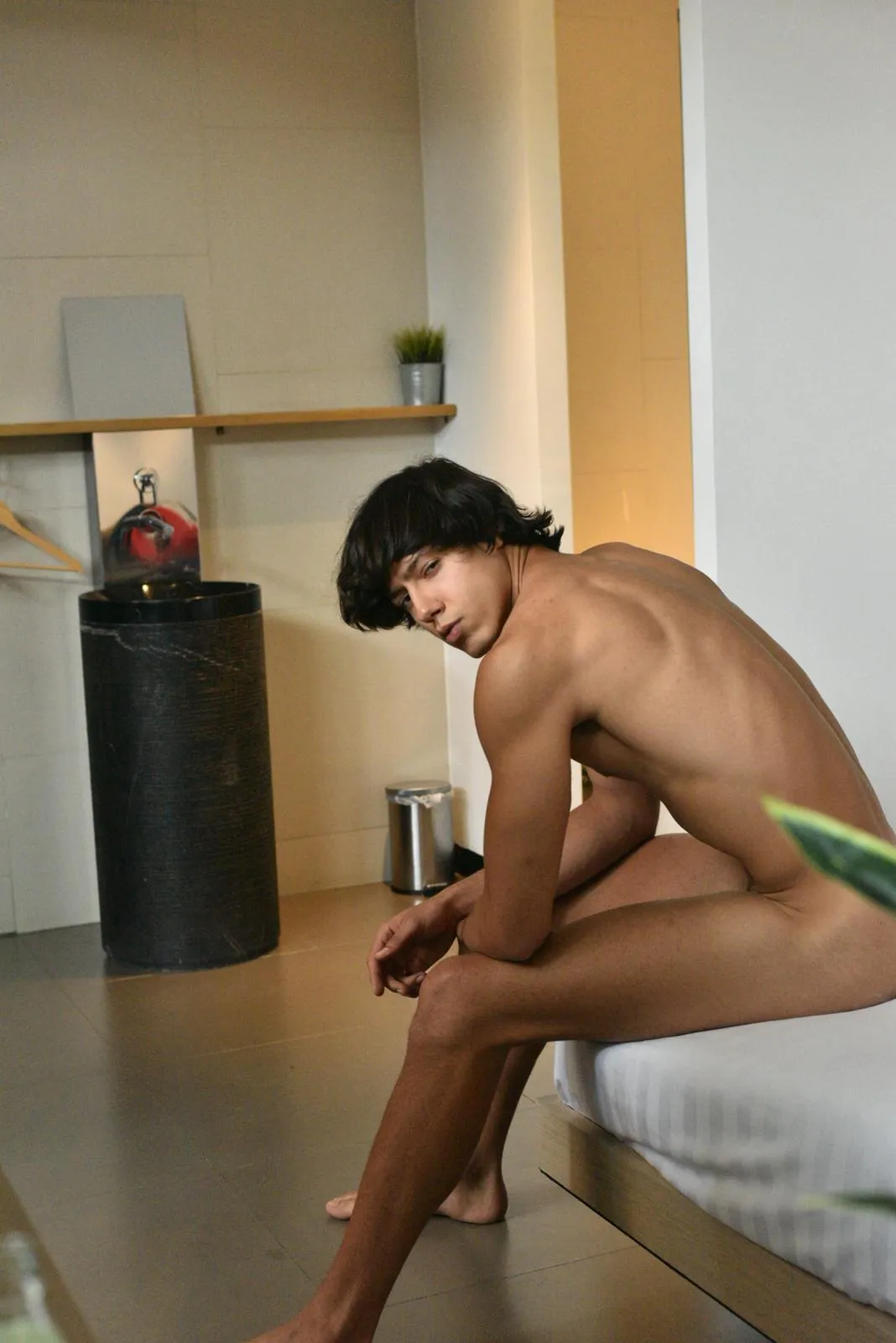
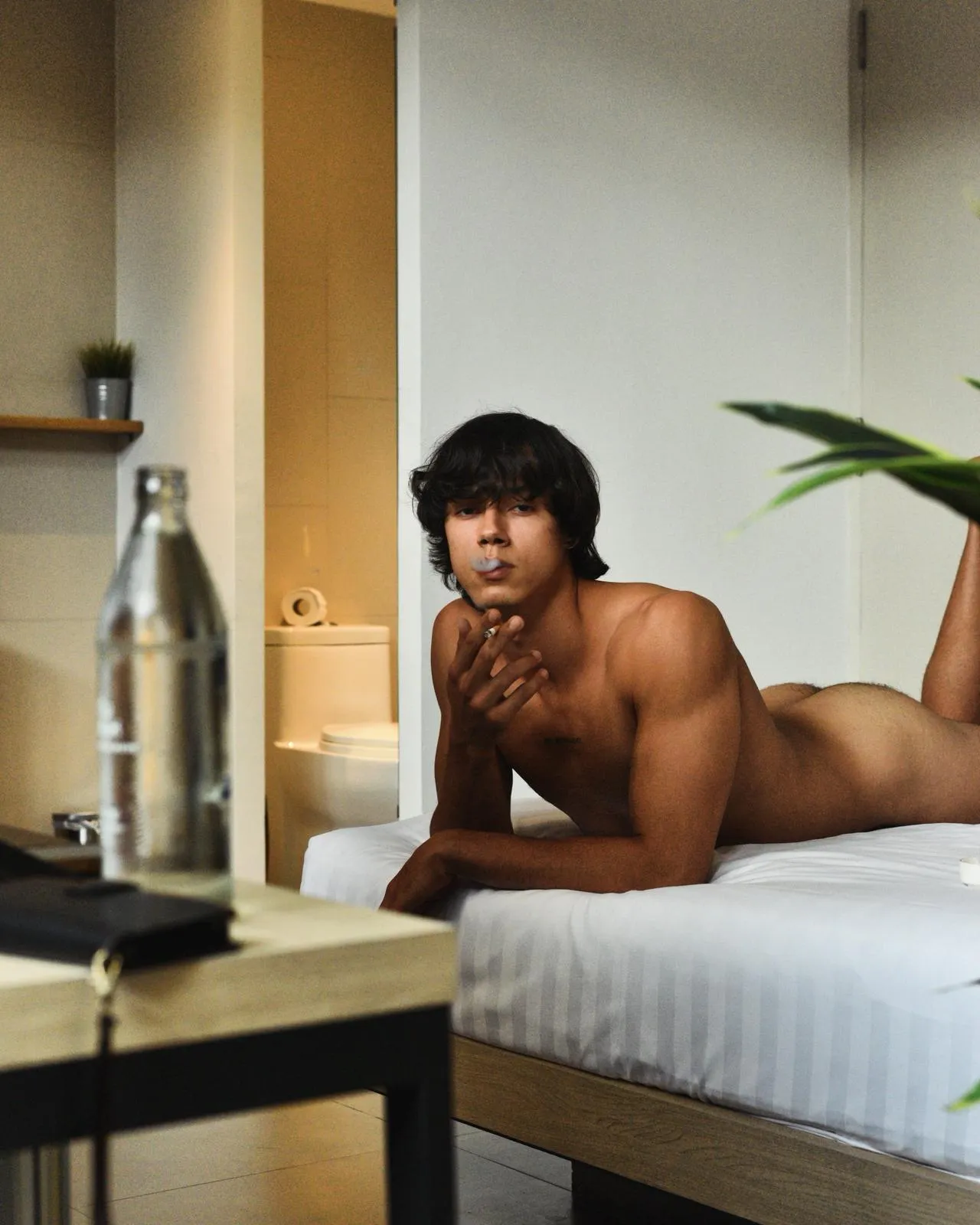
'Desire brings together everything that has defined my artistic journey: beauty, vulnerability and sexuality,' writes Ohm. He describes his new book not as a return but a continuation, a slow fire he has tended for years. Heterosexual men have always fascinated him, he tells me. Not because they're forbidden, but because they prompt questions he can't resist poking at.
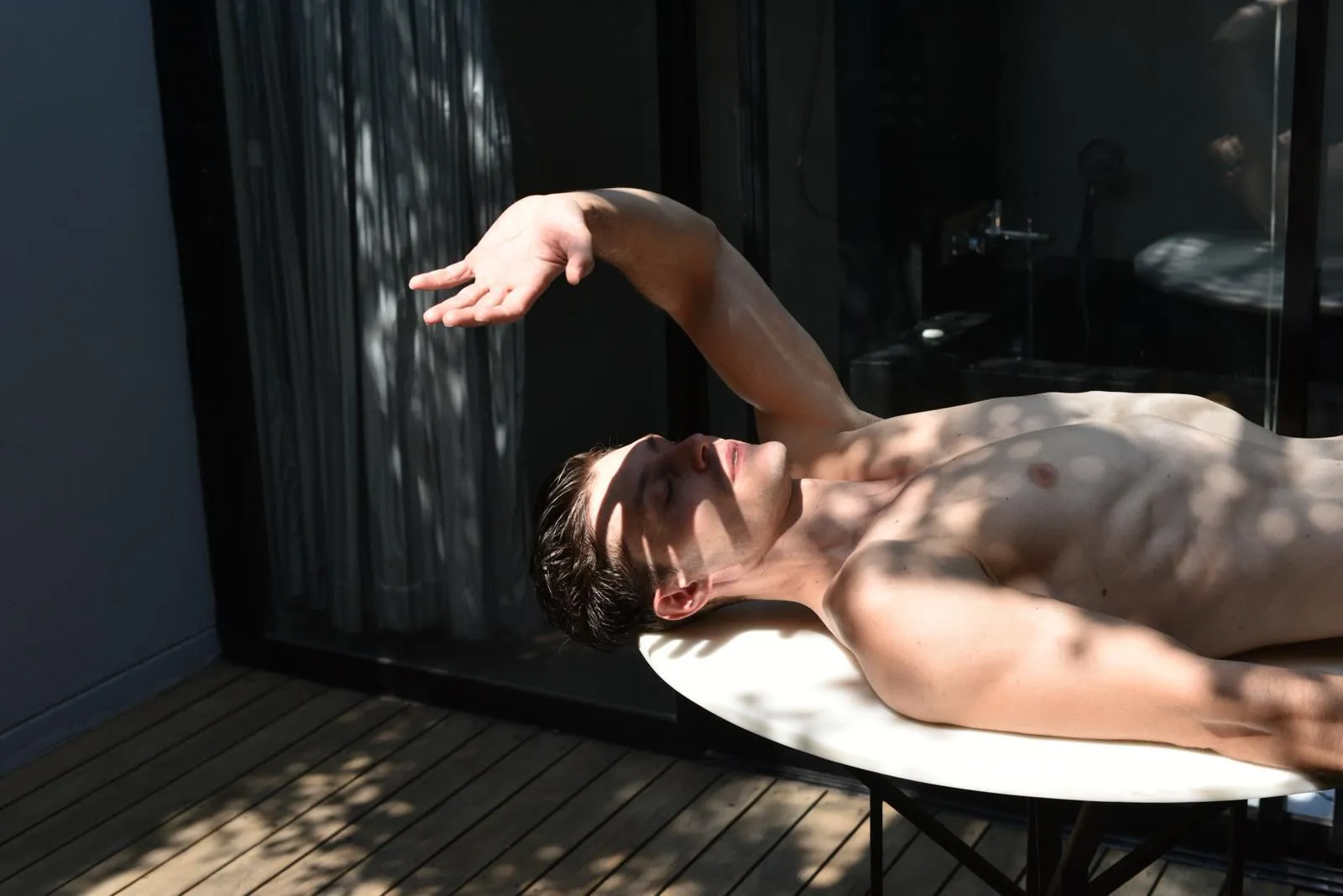
I can feel the pulse of that in the way he phrases it: 'I place myself in their presence to challenge myself, and to challenge them.' The whole project feels like a high-wire act between curiosity and confession. Trust forms the backbone – long stretches of time spent building enough intimacy for someone to stand bare in front of him without armour.
What surprises me is that he isn't chasing provocation. He's chasing permanence. 'I want them to look back and feel proud of that moment,' he says. 'Proud of their courage.' For him, the book becomes a kind of archive, a record that outlives the fragility of time.
And when I ask whether Desire is a confession, a study or a rebellion, he simply answers, 'All of it.' A mirror to the world inside him, where longing, uncertainty and self-examination fold into one another.
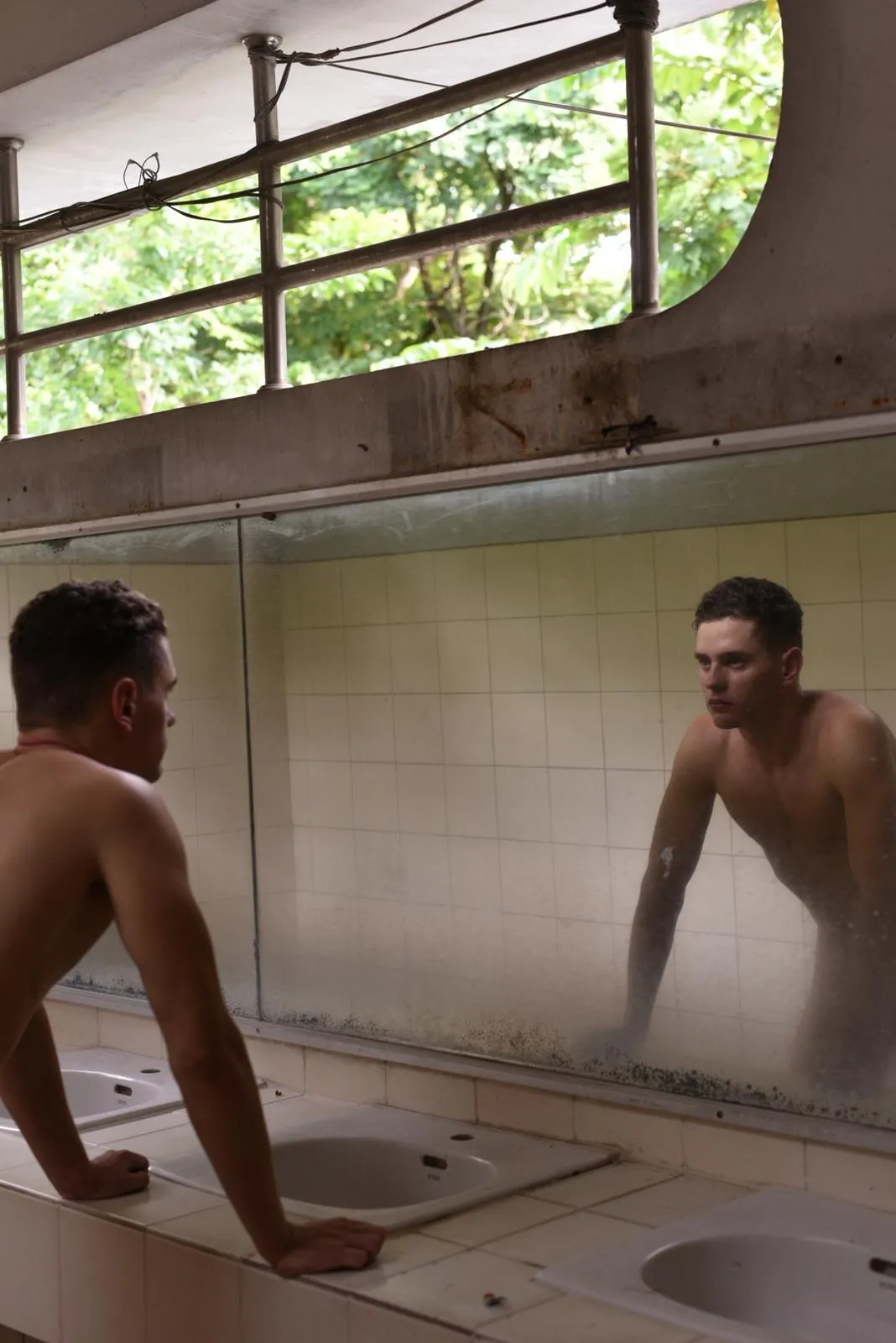
Light, flesh and the art of catching ghosts
I tell him there's a tension in the images, an almost impossible mix of closeness and detachment. 'What comes first for you. Aesthetic or emotion?' I ask.
He replies that his instinct is always to immortalise, to create something that resists erosion. He wants the men he photographs to exist untouched by time, even if the world around them is falling apart. The light, the lines, the shadows – they matter, but they're secondary to what he calls 'the soul of the person in front of me'.
There's a quote I read twice: 'I simply feel it.' He's describing the moment when everything in the frame aligns, when desire flickers before vanishing again. This, he says, is where the magic happens. A kind of cosmic timing born from waiting, watching, knowing how quickly the spark can slip away.
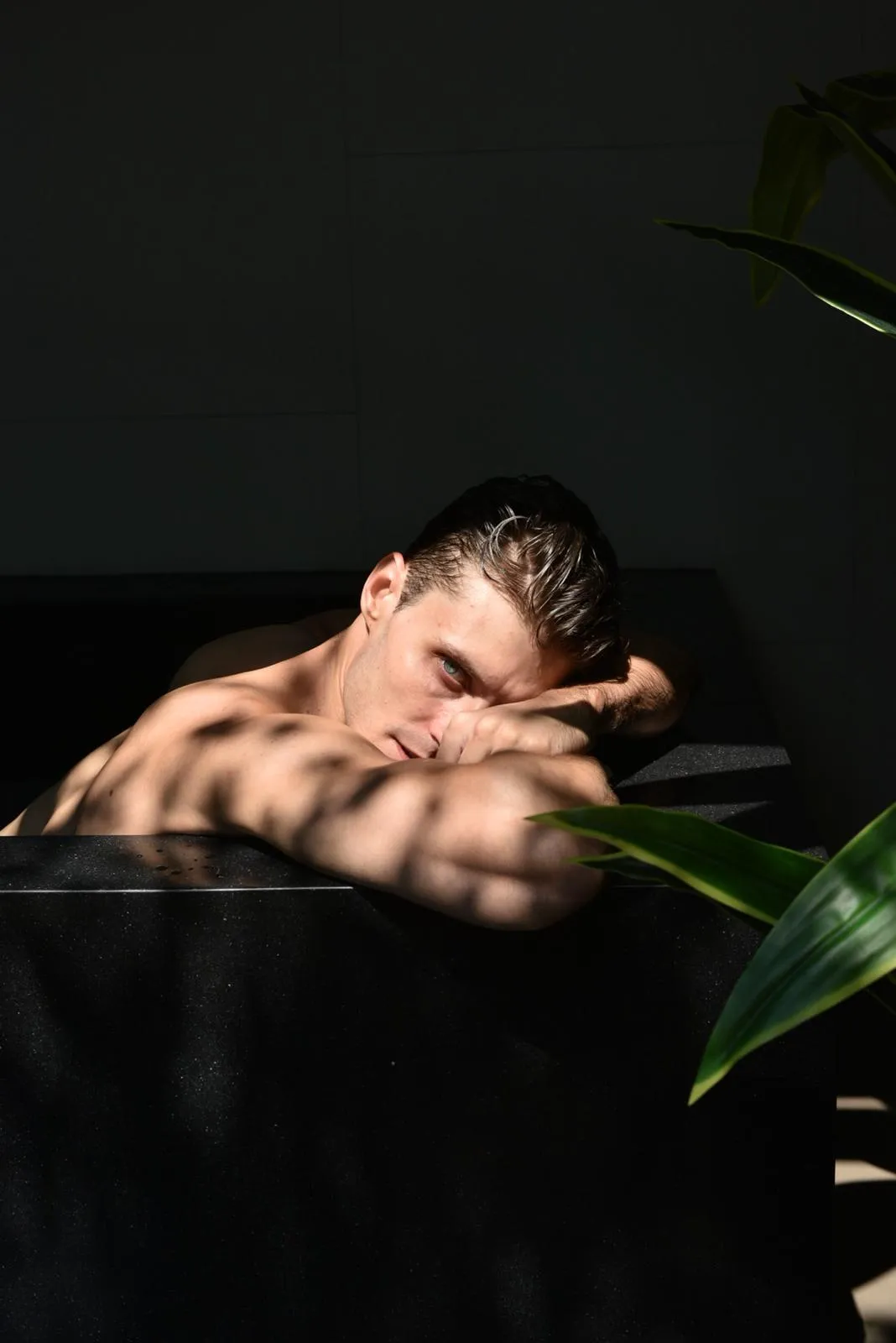
Imperfection fascinates him more than symmetry. Tattoos, scars, uneven skin – he calls them 'evidence of a journey'. It's here I catch glimpses of self-portraiture disguised as observation. Ohm isn't just documenting bodies. He's studying himself through them.
When I push him about his attraction to so-called controversial subjects – male sex work, gender fluidity, the raw male nude – he counters with something disarmingly honest: 'I'm not interested in shock. I'm interested in truth.' Representation, for him, is a kind of care. Even when it demands intrusion.
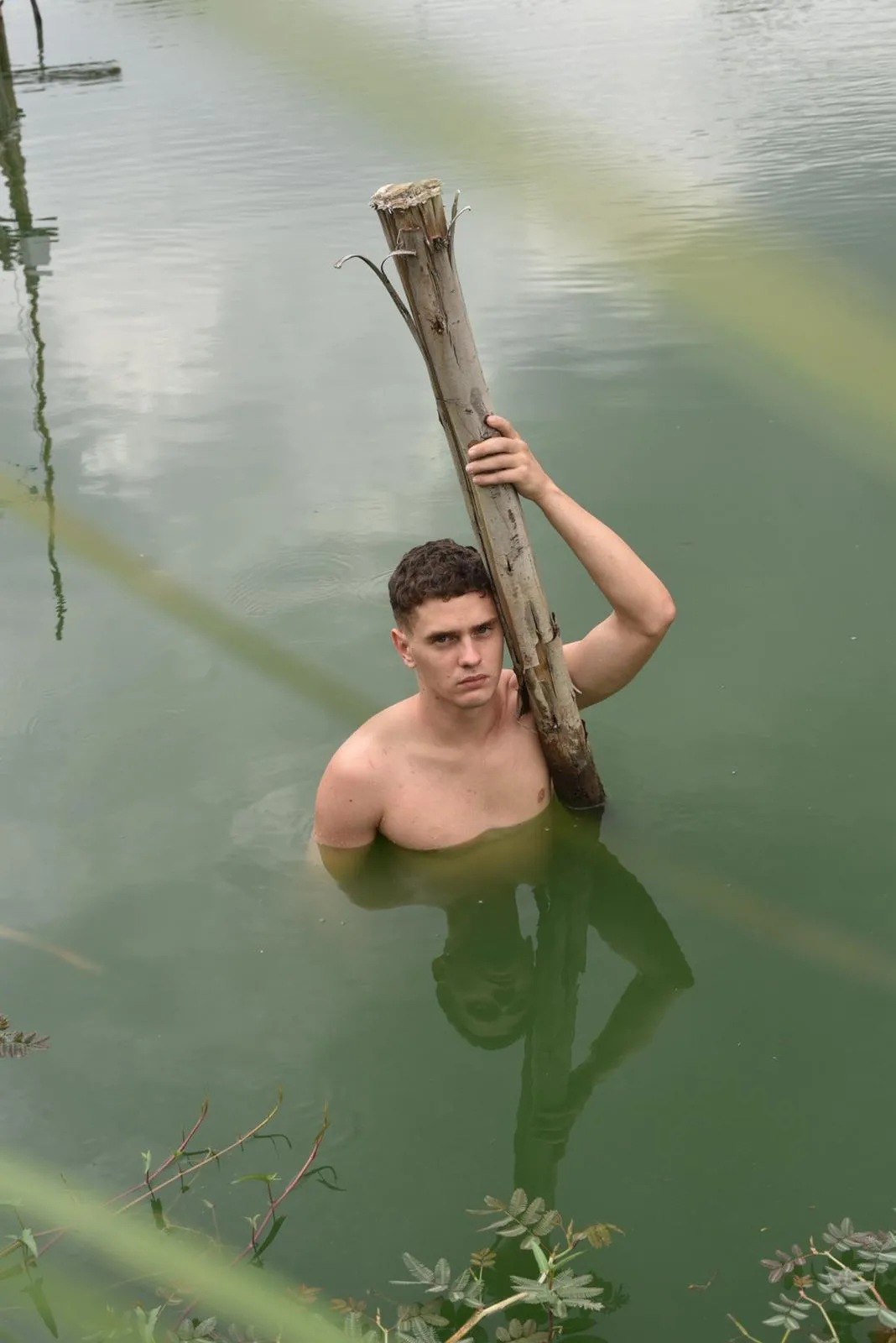
Cities, critics and the beautiful mess of belonging
Bangkok surfaces often in his replies, not merely as a setting but as a character. 'A treasure trove,' he calls it. A place where rot and beauty lie in the same alley. I know exactly what he means – Bangkok seduces and bruises in equal measure. I tell him it feels like his camera thrives in that unpredictability.
Would Desire read differently if shot entirely here? Absolutely, he says. Bangkok is in his blood.
“I'm both predator and prey.”
New York and Berlin sharpen him in other ways, yet he remains the outsider there. In Bangkok he feels everything more viscerally.
When I bring up the accusations of exploitation that have shadowed some of his Bangkok projects, he doesn't flinch. 'I welcome harsh critics,' he writes. His argument isn't defensive but unsettlingly clear: life itself intrudes. He sees his role as illuminating what people would prefer to ignore, even if that illumination comes at a cost.
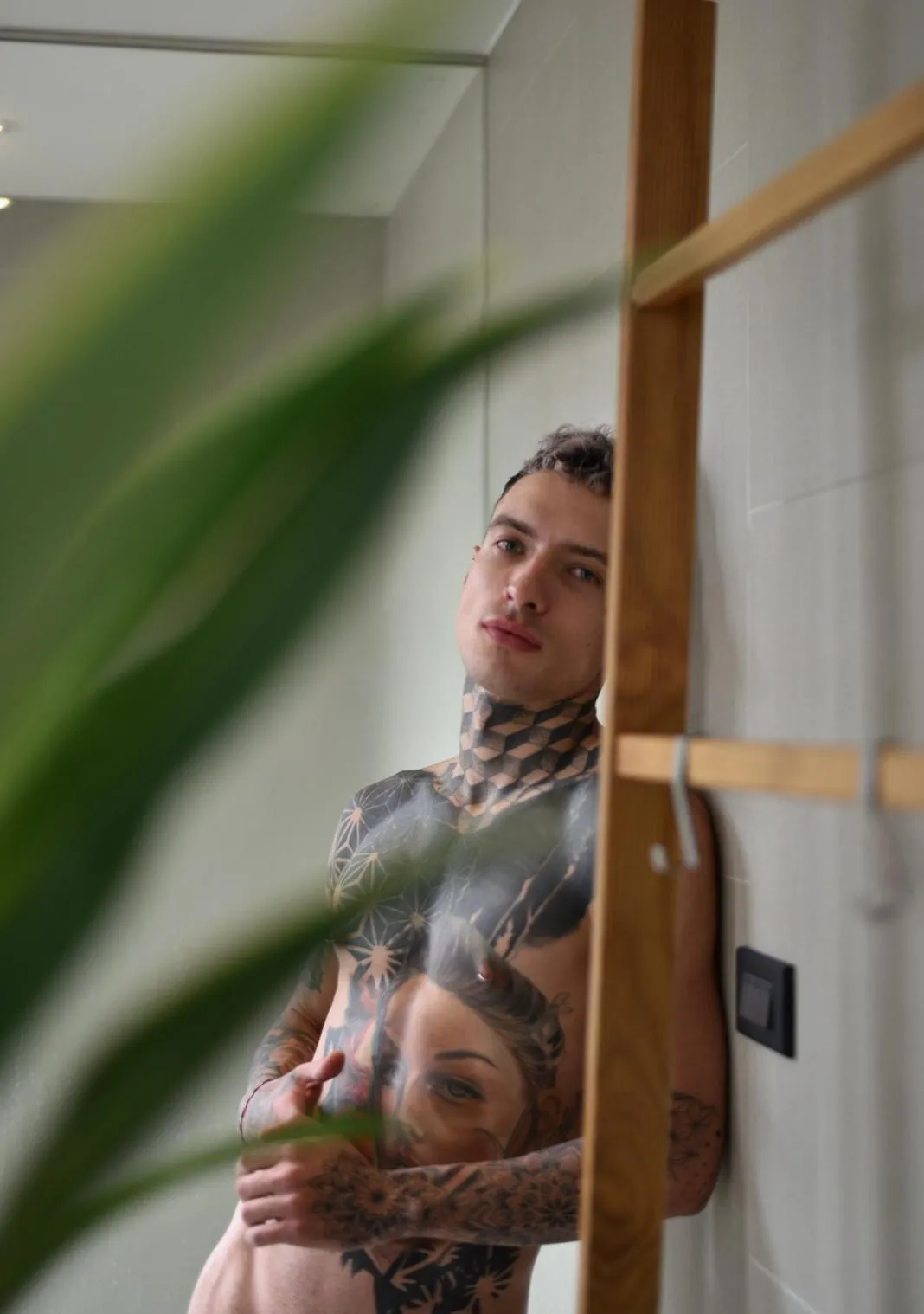
Then there's the chapter of his life in Idaho – a story he recounts with a tone that swings between wicked amusement and quiet ache. His dresses, Prada sunglasses, leather bags and unapologetic presence caused an academic meltdown. Students complained. Colleagues whispered. Yet one line stays with me: 'It taught me resilience and audacity.' Sometimes belonging isn't a place but the refusal to shrink.
Bodies, myths and the versions of ourselves we outgrow
Masculinity, in Desire, feels both ancient and strangely modern. The men become something like Greek ephebes under strip lights, luminous in their own vulnerability. I ask if masculinity has evolved, and he shakes that idea off immediately. What has changed is the way we look at it, he says. It's almost a lament, almost a celebration. And that tension permeates the book.
His relationship with his own body has softened over time. He writes about bullying, insecurity and the slow acceptance that comes with age. Wrinkles, grey hair, imperfections. These have offered him a different clarity. A wiser kind of eroticism. I understand that shift intimately. Your body becomes less a battlefield and more a loyal witness.
When I ask if there's ever been a photograph he refused to take, his answer is immediate: 'My mother.' Too delicate, too immense. Some truths stay off the record.
We talk about movement – Atlanta, New York, Germany, Jamaica, and he insists desire is universal. Cultures shift, landscapes change, but the spark remains the same. A fleeting exchange of glances, an unspoken risk. Something shared and lost within seconds.
The legacy of wanting
If Desire were a film, Ohm already has the opening shot in his head: a long road, an uncertain destination, a shirtless hitchhiker, a brief collision of two lives trying to decode each other. It reads like a metaphor for his entire practice. Two strangers meeting in a moment that feels like fate.
I ask him what photography has taught him about being human, and he answers with the kind of blunt poetry that feels like an ending: 'We are all fucked up.' But because of that, he adds, we have the capacity to change things, to imagine differently, to create something that outlasts us.
Recognition used to matter, he admits. Not anymore. Now it's about making work that makes his heart beat. Something that leaves a mark on the world rather than on his CV.
So what does he hope a newcomer feels when opening Desire for the first time? Heat. Tension. Longing. A spark that follows them beyond the page.
“I hope it awakens something raw inside them.”
And truly, it does.
Hours after closing his email, I find myself lingering on the photographs again. The men stare back with the kind of unguarded honesty you rarely see in real life. Ohm's camera doesn't flatter them, nor does it pity them. It simply reveals, with a tenderness that borders on dangerous.
Desire isn't a book you flick through once and abandon on a shelf. It stays with you. It pricks, teases, unsettles, occasionally soothes. It reminds you that wanting is both primitive and sophisticated, that beauty is rarely clean and that vulnerability is a form of power.
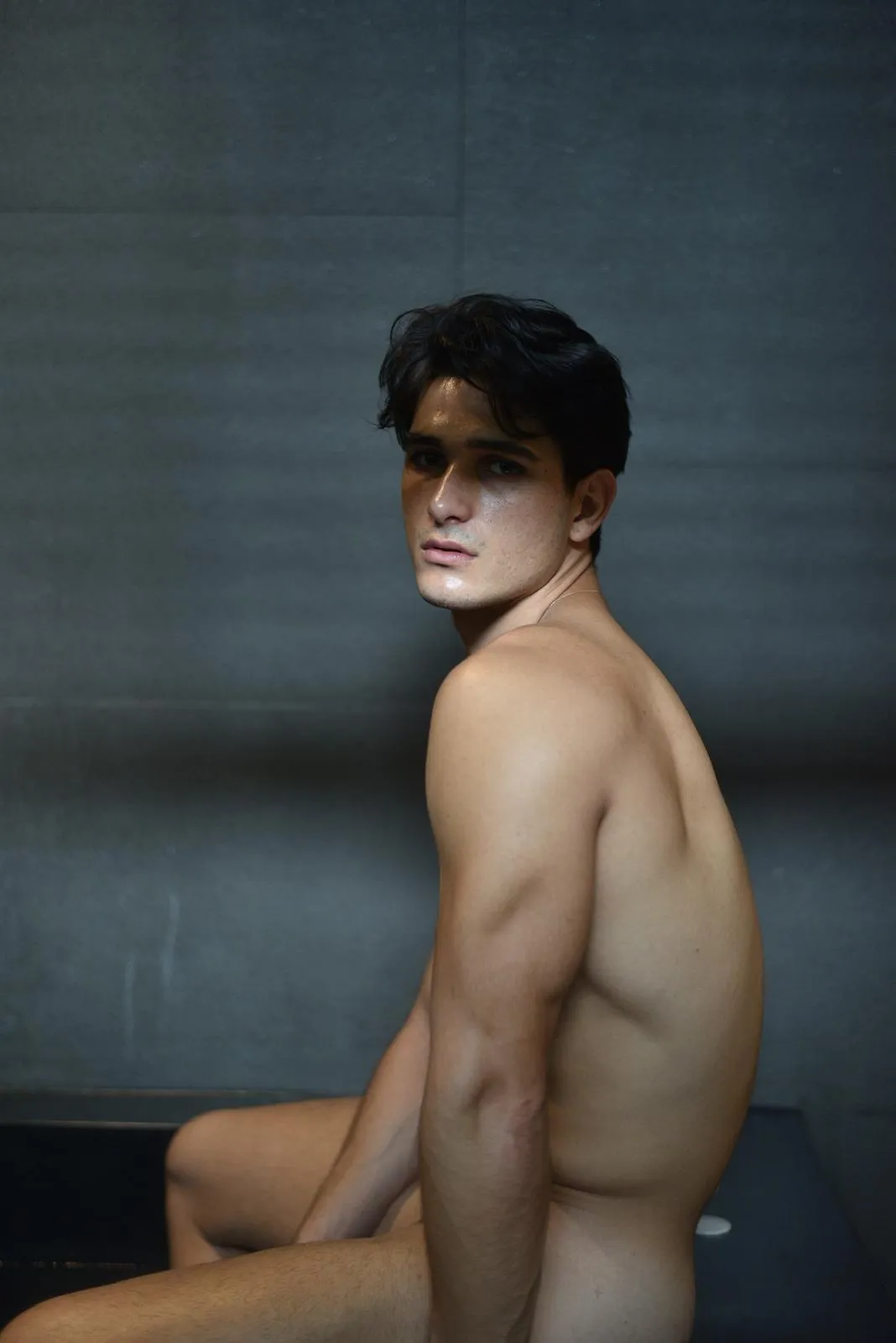
More than anything, it urges you to look. Really look. At bodies, at strangers, at yourself. At the parts we hide and the parts we hope someone will notice.
And maybe that's the quiet brilliance of Ohm Phanphiroj: he shows us that desire isn't just an emotion. It's a story we tell with our eyes long before we dare to speak it aloud.