

[image]
[title] Somewhere in Bangkok – or halfway around the world – there is a cinema screen where it is still 2007. Mew is 18, about to walk through Siam Square with somebody's hand in his. He does not yet know that Scala will close, that Lido will shut and return as something else entirely, or that the cassette tapes and CDs he grew up with will give way to entire music libraries carried in a pocket. He knows none of it because he never gets any older. Every time Love of Siam begins, Mew is 18 again.
Witwisit Hiranyawongkul – Pchy to almost everyone now, Mew forever to a generation of Thai cinema-goers – is nearing 40 and has spent much of this interview thinking about that other, unageing version of himself.

‘Cinema has a way of freezing time,’ he says.
‘For Mew, it is 18. He will never grow any older than that.’ He says with the fondness you might reserve for a much younger sibling.
Then, almost without meaning to, he begins talking directly to him, ‘If I could tell him anything, I would say thank you – most of who I am today, I owe to him. And also: it is okay. This is only the beginning. In the future you will meet plenty of men who will walk you through Siam.’
It is a strange, tender exchange with a version of himself who was never quite like him: a boy who existed only on film, wearing Pich’s face for two hours at a time. But Love of Siam was never simply a family drama. It became something people held onto, a defining film for a generation – and Pich gave it his youth, his teenage years and, in many ways, the adult he became.
The decision that kept him awake
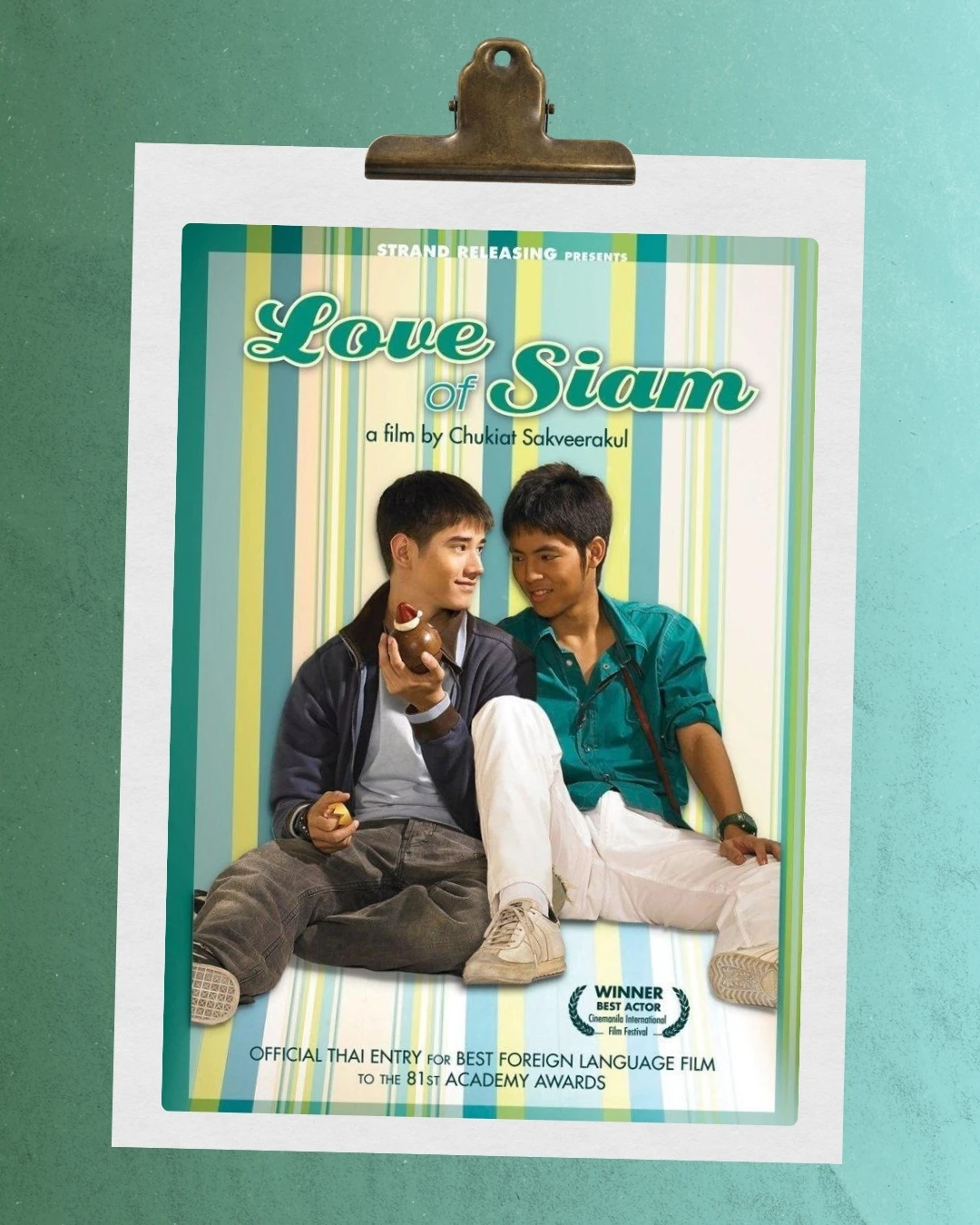
Before Chookiat Sakveerakul found him – Pich still calls the director พี่มะเดี่ยว, o r‘P’Madiaw,’ the affectionate honorific that can stick to a mentor for life – he was a Chiang Mai student cramming for university entrance exams. He had no formal acting training, just a love of singing in the shower and a childhood spent in a house filled with cassette tapes.
Chookiat was an alumnus of his school. That was more or less the entire pitch. ‘I trusted the director,’ Pich says now of his 17-year-old self's leap of faith.
‘I knew that P’Madiaw would not let me fall flat on my face.’
It was not quite that simple. This was 2006, and while the script didn’t advertise itself as such, it was frank about the relationship at its centre. The kiss itself was not the problem. What worried him was everything that might follow: how people would see him once the film was out. His mother did not forbid it; she gently asked whether he was sure he could handle the attention. ‘She was worried,’ he says. ‘I lay awake for days thinking about it.’ What finally tipped the decision was less bravery than a kind of clear-eyed pragmatism rarely credited to 17-year-olds.
‘I felt the chance might never come again. If it runs past you and you don't take it, it just keeps running. You never know when – or whether – it will come back.'
He said yes without, as he puts it, thinking too far ahead. He was not chasing stardom. He was about to close the chapter on school before university, and this felt like a good way to do it.
Finding Mew by interrogating himself
With no technique to fall back on for his first major role, Pich built Mew the only way he knew how: by interrogating the script and himself.
'Whenever I went home to do my homework, I would ask myself: if Mew were me, how would I answer?' he says. Sometimes a line was nothing like something he would say, and that gap became the exercise.
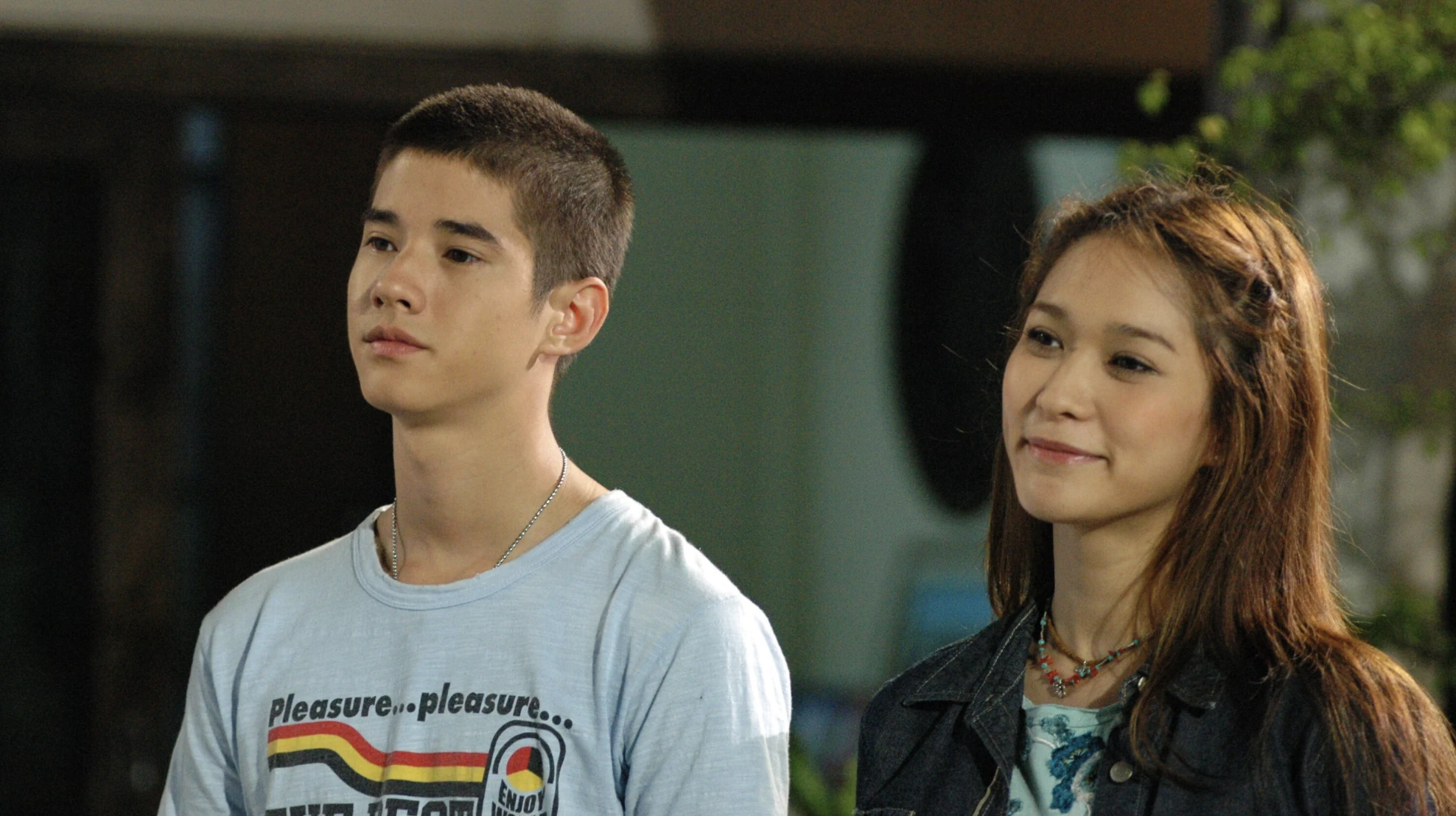
‘I would ask why I wouldn’t say it that way – and then why the character would. What kind of person has to exist for that answer to make sense?’
Curiousity did the rest. Gradually, Mew came into focus. Pich checked anything uncertain with Chookiat, though the director often reached him first – spotting when what Pich projected did not match the scene and asking simply: what were you thinking when you said that?
The habit followed him into every job. Years later, working with directors trained in method acting, he found himself asking the same forensic questions with deeper immersion and higher stakes: memory work, embodiment and everything in between. He has never adopted one school of acting wholesale.
‘In the end, you take a bit from here and a bit from there, then mash it into something of your own.’
For Pich, acting is less about technique than building a relationship with whoever is watching.
‘I never know what the audience is carrying. A hundred people can watch the same scene and find a hundred meanings. I just reach for a connection. If they feel something – even if it is not what I intended – the performance is complete. The rest belongs to them.’
The family drama that wasn’t quite what it seemed

The marketing team faced a genuine dilemma. Was Love of Siam a teen romance, a family drama, or something the industry had no clear category for? The studio ultimately leaned into the ‘family drama’ angle, despite romance being central to the story.
Some straight couples arrived expecting a conventional boy-meets-girl story and walked out when two young men kissed. Parents who thought they had booked a wholesome family outing suddenly had no idea how to explain what was happening on screen. ‘It created some pretty mixed reactions,’ Pich says, with the calm of someone who has had almost two decades to process them
Alongside the confusion, however, came devoted fans – first of the film, then of the band it created – and stories that made the gamble worthwhile. People travelled to overseas festivals simply to shake Pich's or Chookiat’s hand and say, ‘This is my life.’ Mothers told him the film helped them understand their children. At a recent House Samyan talkback, a Thai-Belgian couple said they met because of Siam Square, the place that gave the film its name.
‘Loneliness – solitude – is universal,’
he says, explaining why the film travelled far beyond Thailand.
‘You do not have to be in high school to find something that lands. You might think of your childhood or recognise somebody you know. Everyone has felt lonely – as an only child, moving out alone or even while surrounded by people.’ Mew expresses that loneliness through music, a medium that slips easily past defences. Pich thinks that is why so many viewers found themselves in a character they had never met.
Becoming a landmark
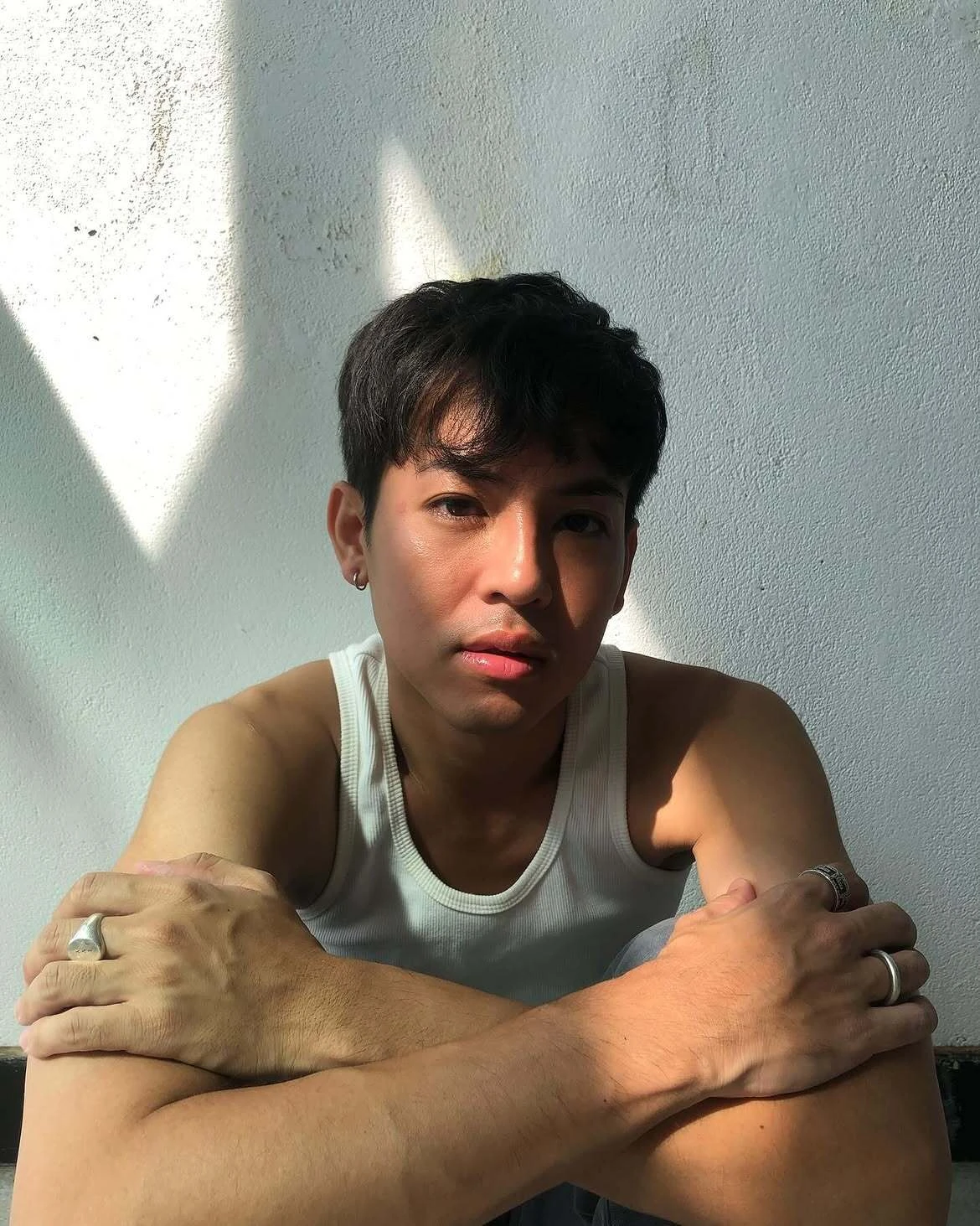
None of it felt historic at the time. ‘Honestly, I never thought of it as a turning point or something ground-breaking,’ Pich says. ‘I was only thinking: can I carry this? If it flops, will I be okay?’ There was no grand plan to redefine what a mainstream Thai film could discuss. That interpretation – and the imitators and successors that followed – became clear only later.
What convinced him he had made the right choice was not the box office. It was watching an unscored, unpolished rough cut and feeling immediately that the film worked.
‘It was good – properly good,’ he says.
‘I had not even started wondering whether it would succeed.’ More than anything, it felt like a graceful ending to one chapter: his final school year, with exams looming, before the next began.
Nearly two decades later, the Director’s Cut has brought a new audience into cinemas, including viewers who were not born when Love of Siam premiered. What strikes Pich now is not the story, which has not changed, but the people watching it.
‘The story hasn't changed in 20 years,’ he says.
‘What has changed is who is watching. People are still seeing it for the first time, and it still speaks to something they recognise as their own.’
Mew of August, forever Pchy
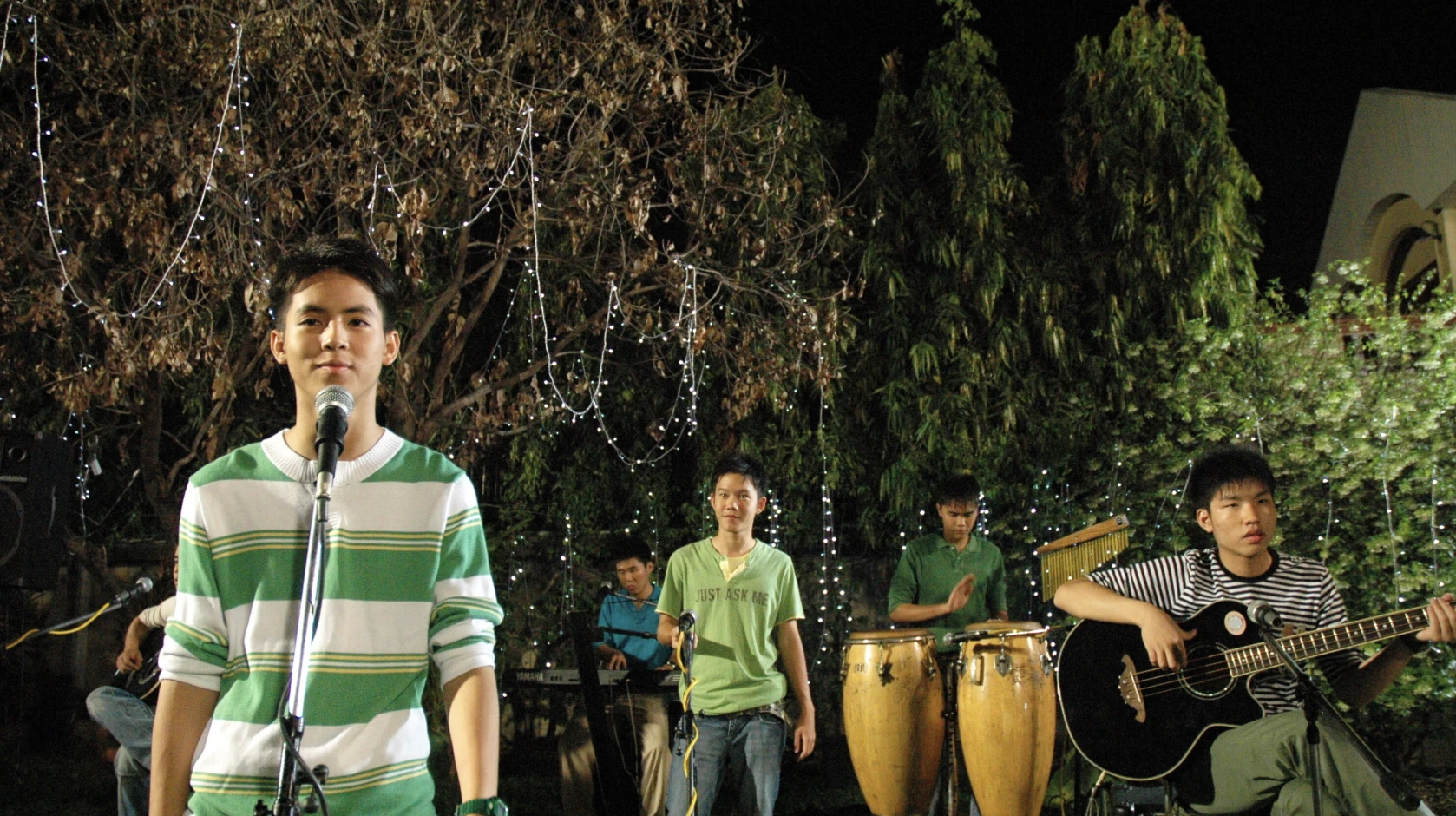
For all the weight attached to Love of Siam, the story behind the name ‘Pchy’ is wonderflly slight. At school, two or three boys were called Pich, so classmates needed a way to distinguish them. He was the smaller one, which produced Big Pich and Little Pich – until a third Pich arrived and broke the system. Somebody jokingly called him Pchy instead. When he later needed a stage name, he kept it. ‘There was nothing more to it. It was easy. It didn't need a surname.’
Music did not arrive with the film; it had been there since childhood, shaped by old cassette tapes and singing without formal lessons. August began as Mew’s fictional band in Love of Siam, then made the rare leap into real life. After filming, the cast realised they worked naturally together and began performing at the film's promotional events before moving on to music festivals and standalone shows. A marketing team trying to sell a film that was part romance, part family drama and part youth music movie had accidentally created a real band.
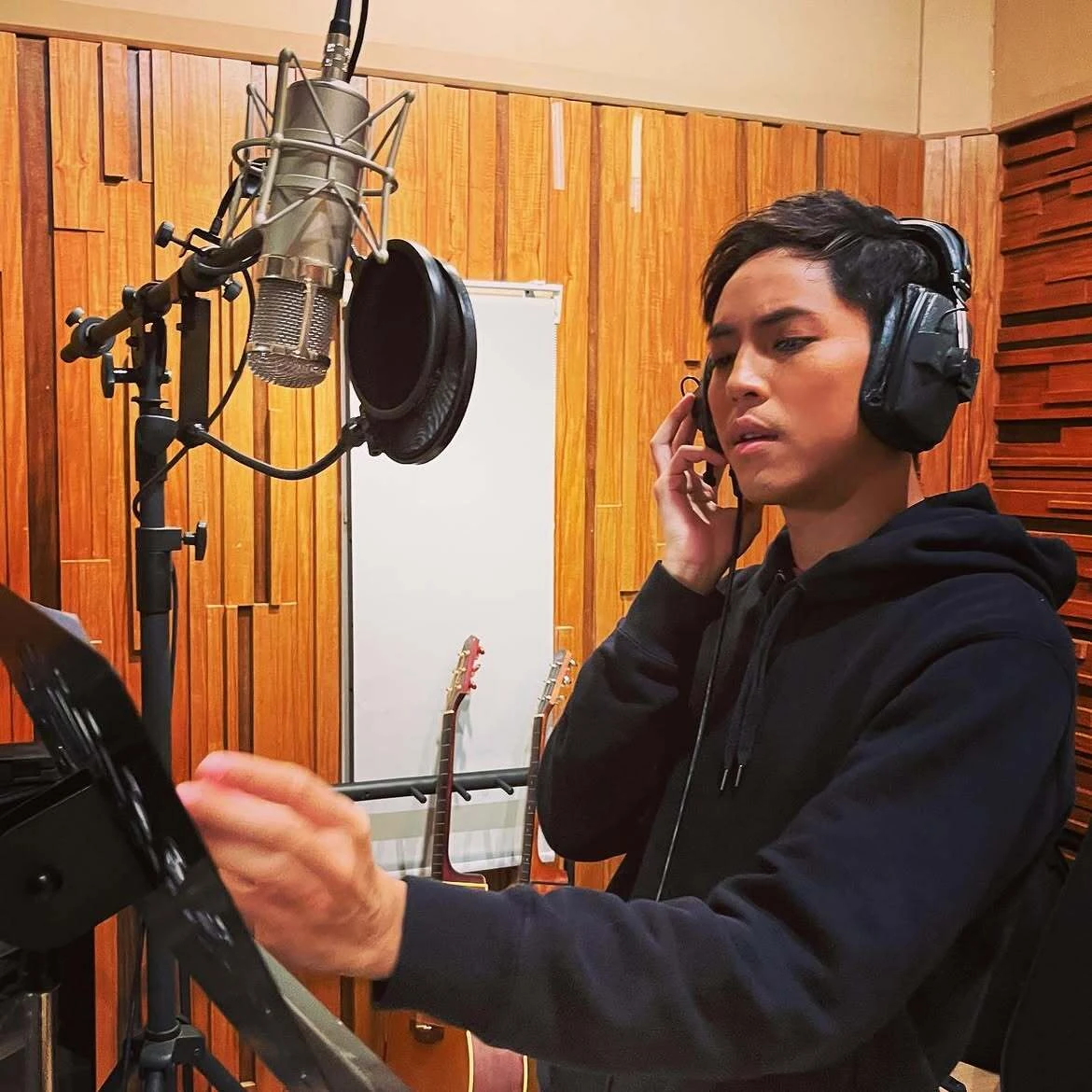
Pich still writes today – for himself, other artists and occasionally musicals. He describes the work as a negotiation between two identities.
‘You’re an artist but you’re also a craftsman. You have to hold both.’
His own songs begin with a feeling and the search for the key line everything else can hang from, usually somewhere in the middle. From there, he builds outwards, ‘joining the head to the tail, and the tail back to the head.’
Pich on success
‘Success is a word other people use about you. I would rather talk about what I have achieved – what I have been through what I have picked up along the way, good or bad.’
Sometimes success is deliberately small. ‘It might be waking up intending to cook something, actually cooking it and having it turn out well,’ he laughs. Or it might be a stranger on the back of a motorbike taxi turning around mid-ride to ask whether he is the actor from that film or the writer of that song – then saying they liked it. ‘Then makes the day a success too.’
Happiness, for Pich, is less about circumstance than perspective. ‘There is something to laugh about every day,’ he says. ‘It depends which way you choose to look’ Even experiences that once felt unbearable can become funny in hindsight. He remembers somebody telling him during a meltdown: look at it simply and it is simple; look at it as difficult and it becomes difficult. ‘The moment you start thinking, oh no, first I have to do this, then that, and there is a whole process – you exhaust yourself before you begin.’
‘Every challenge is another step. Once you have taken enough of them, the next feels less daunting. You think: I have been through this before. I can get through it again.’
Still an artist first

Pich has spent less time in front of the camera lately and more behind the scenes, but the appetite to act remains. ‘I would still love to land a great role.’ Scripts arrive regularly, and many are interesting, but he is selective about the stories he takes on, often looking for something that feels new to him. Genre, drama and shock value matter less than a more basic test: ‘The question is whether it speaks to me first.’
Because acting has never been his only outlet, he chooses his medium deliberately. A feeling may become a song; an experience might need a play; something else may work best as a short story. ‘I get to choose the medium,’ he says. The roles he accepts therefore tend to leave room to say something rather than simply perform it.
One role he would actively chase is not fictional at all. ‘Honestly, I would like to see myself in a biopic,’ he says – playing somebody who really lived, drawn from history. No particular figure yet; just the idea.
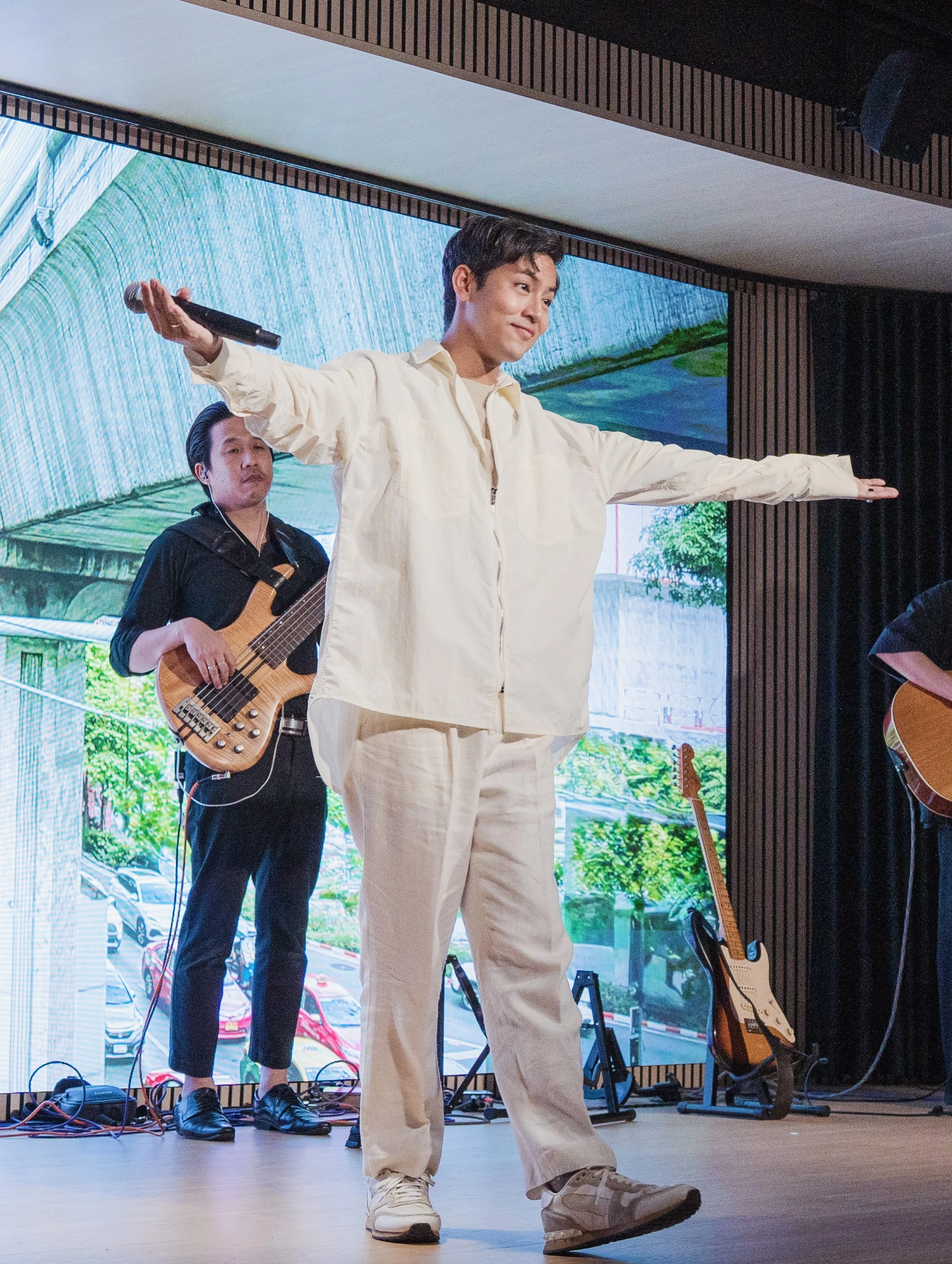
Nearly 20 years into a career of writing and performing, he has also begun teaching – or, as he modestly frames it, talking through the process. He has appeared at acting workshops and songwriting classes and is considering a small lecture-performance series: unpacking songs he has written, explaining the thinking behind them, then performing them. ‘I do not know whether I am really in a position to teach anyone,’ he says, despite a resume suggesting otherwise. ‘But people keep asking, and I actually enjoy it. So perhaps it is another path worth trying.’
Still doing the work
Ask what Love of Siam's international reach says about Thai film – a Thai-language story with a Thai cast and setting that viewers still discuss around the world – and Pich says:
‘Love conquers language. The characters go through enough that people in many places can map themselves onto it – love, loneliness or family. It is not strange to me that the film is still considered a classic.’
What he wants now is stronger support for Thailand’s performing arts as a whole – not only film, which can travel and sell, but the wider ecosystem around it. ‘Performing arts here are still not valued in the same way as other media,’ he says. ‘Film gets to travel and sell, but other art deserves just as much support.’
Nearly 20 years after Mew, Pich is still balancing artist and craftsman, performer and person. He still sings in the shower. He still writes from a feeling before a brief. And somewhere on a strip of film that never ages, an 18-year-old version of him is still walking through Siam Square for the first time, unaware of everything that will follow.
Perhaps that is the beautiful part. Whether you are returning after nearly 20 years or meeting him for the first time, Mew is still there, walking into the square and figuring it all out. And Pich is ready to tell him, gently, that everything will be okay. He would know.