
[image]
[title]There is a certain cruelty to early fame in Thailand. It sticks, fossilises and refuses to move on even when the person inside the image does. We know NOTEP or Note Panayanggool as an artist, an influencer, a brand, a woman who seems to operate somewhere between sound bath and electronic music. Yet the country first met her as something else entirely – Note The Star, runner-up on a televised talent show, ukulele in hand, smile fixed in place.
That version of her lingered longer than she wanted. For years, she tried to outrun it, forming an indie band, leaning away from pop sweetness, pushing herself towards edges that felt less tidy. But reinvention is rarely a clean cut. There were fractures along the way, moments where ambition and expectation collided hard enough to rattle her sense of self. Eventually, the noise inside became louder than the one outside. She stepped back and began what she now describes as a spiritual journey, not in a hashtag sense but as a necessity.
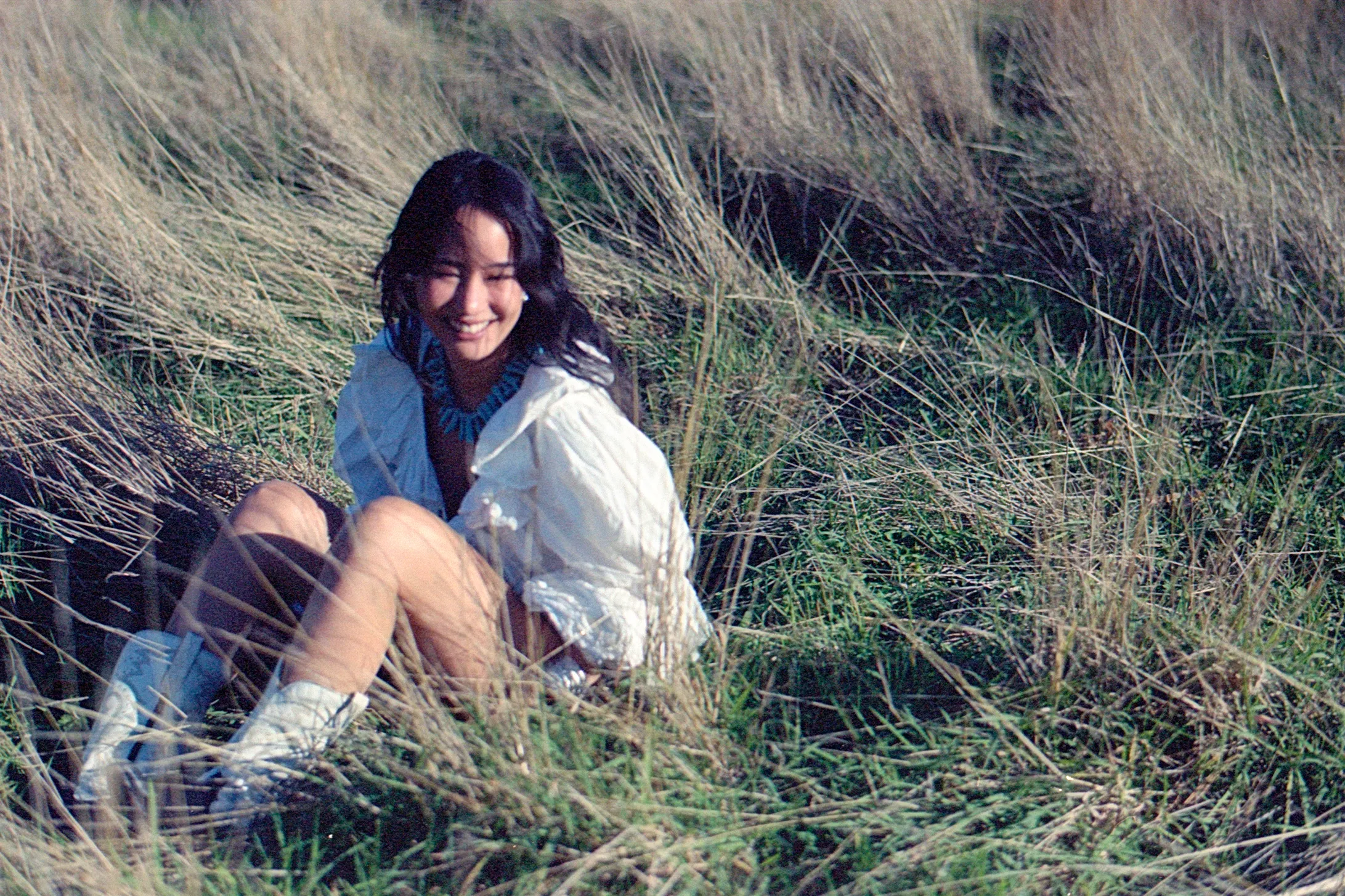
Today, Note Panayanggool feels like a complete picture. Or at least closer to one. She is a Thai artist, musician and environmental advocate whose work moves across disciplines, often blurring where one ends and another begins. Since starting out as a singer in 2010, she has expanded her practice into sound design, installations and collaborations that orbit environmental causes. Music is still the anchor but it is no longer the destination.
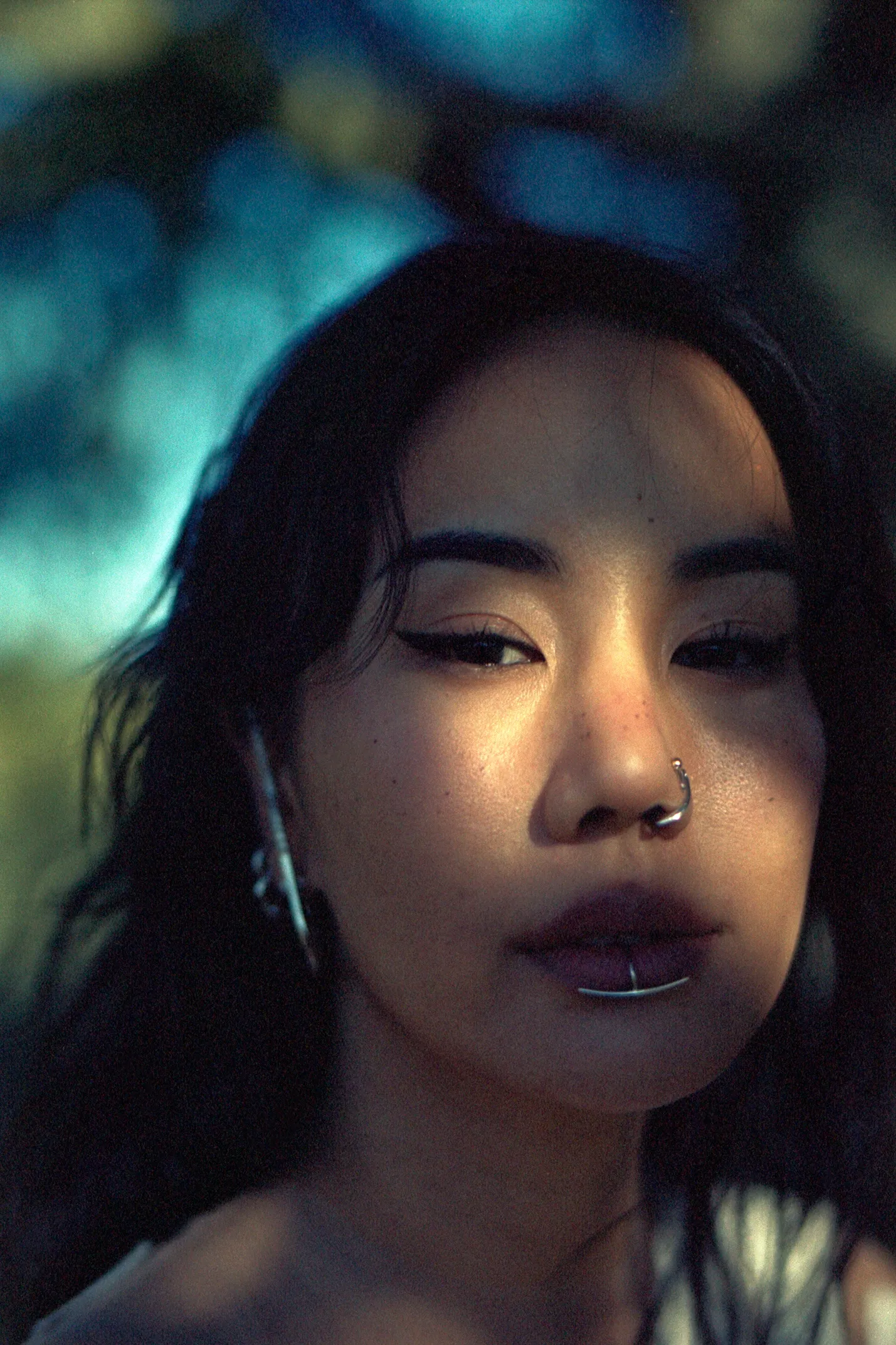
From hyperactive to hypnotic
The shift from mainstream television to meditative soundscapes feels so drastic it almost reads like fiction. When I ask what her younger self would never believe, she doesn’t hesitate.
‘That one day I’d be producing works that are very calming and mindful,’ she writes. ‘I used to be super messy and hyperactive leaning on the intense side hahaha.’
It’s easy to forget how radical calm can be, especially for artists who grew up equating success with volume. Her current work often sits somewhere between electronic rhythm, ancient instrumentation and field recordings gathered from forests, oceans and places far from the club. This hybrid did not arrive fully formed.

‘It was definitely intentional and gradual,’ she explains when I ask if the idea arrived in a sudden flash. ‘A lot of research, deep self-reflection and yes many late-night epiphanies. It came from wanting to reconnect with something deeper and primitive inside me and translate that into the modern world.’
There is something quietly defiant about that word, primitive, especially within a music industry obsessed with futurism. Her compositions resist neat structure, preferring slow evolution. It mirrors her own process. When she talks about her album Metamorphogenesis, the language shifts into something more personal.
‘It was therapy for me,’ she admits.
“Creating without the pressure to please anyone. Just pure dialogue with my inner self.”
I find myself pausing there, aware of how rare it is to hear an artist speak so plainly about removing the audience from the equation, even temporarily. In a city like Bangkok, where scenes mutate overnight, that refusal feels almost rebellious.
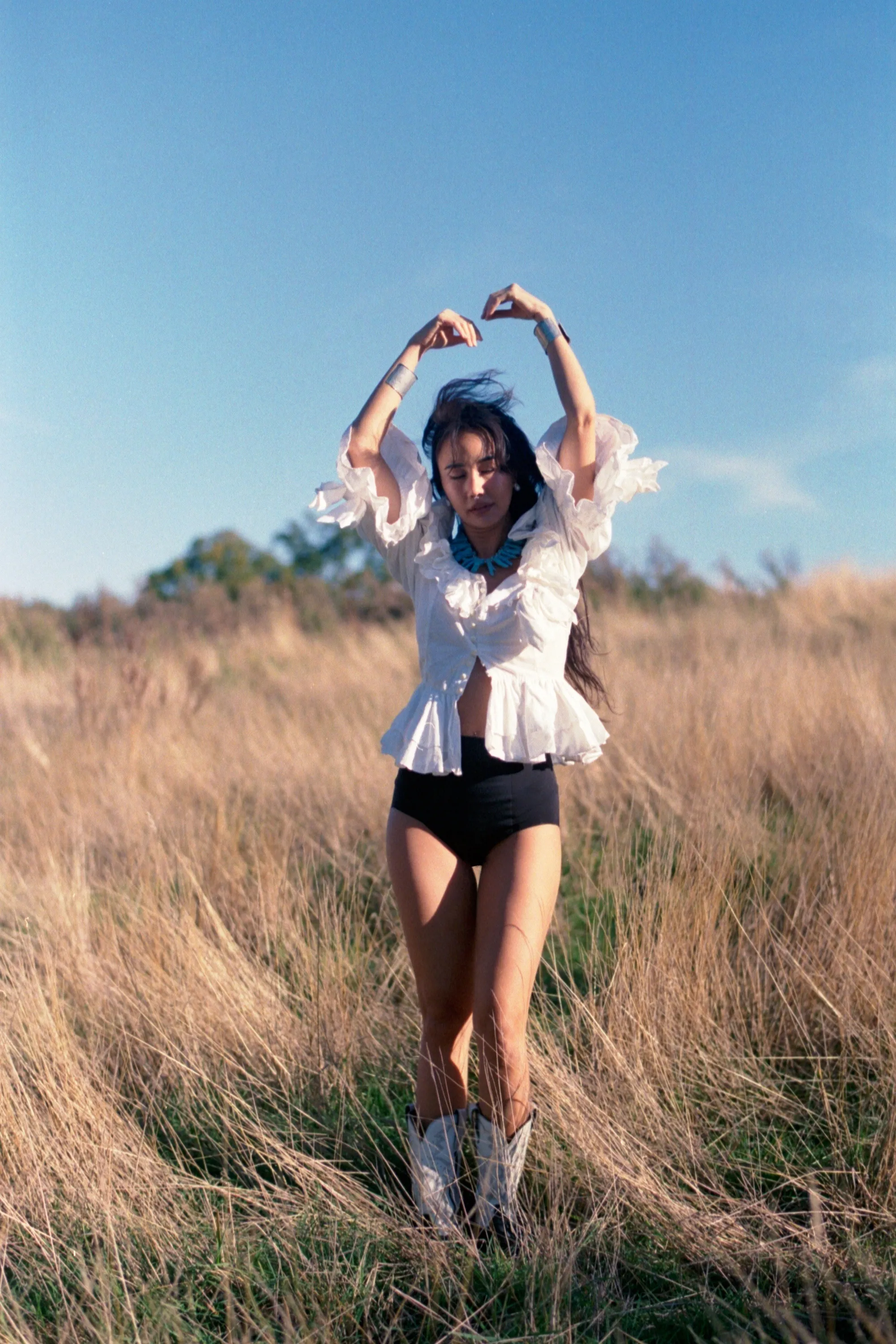
When sound becomes a conversation
Watching footage of her live sets, it’s hard to categorise what’s happening. People sway, dance, sometimes lie down. There are moments of stillness that would terrify most DJs. Her performances operate more like environments than shows.
‘The audience can always feel when something is happening in real time,’ she says. ‘When sound becomes a conversation instead of a script.’
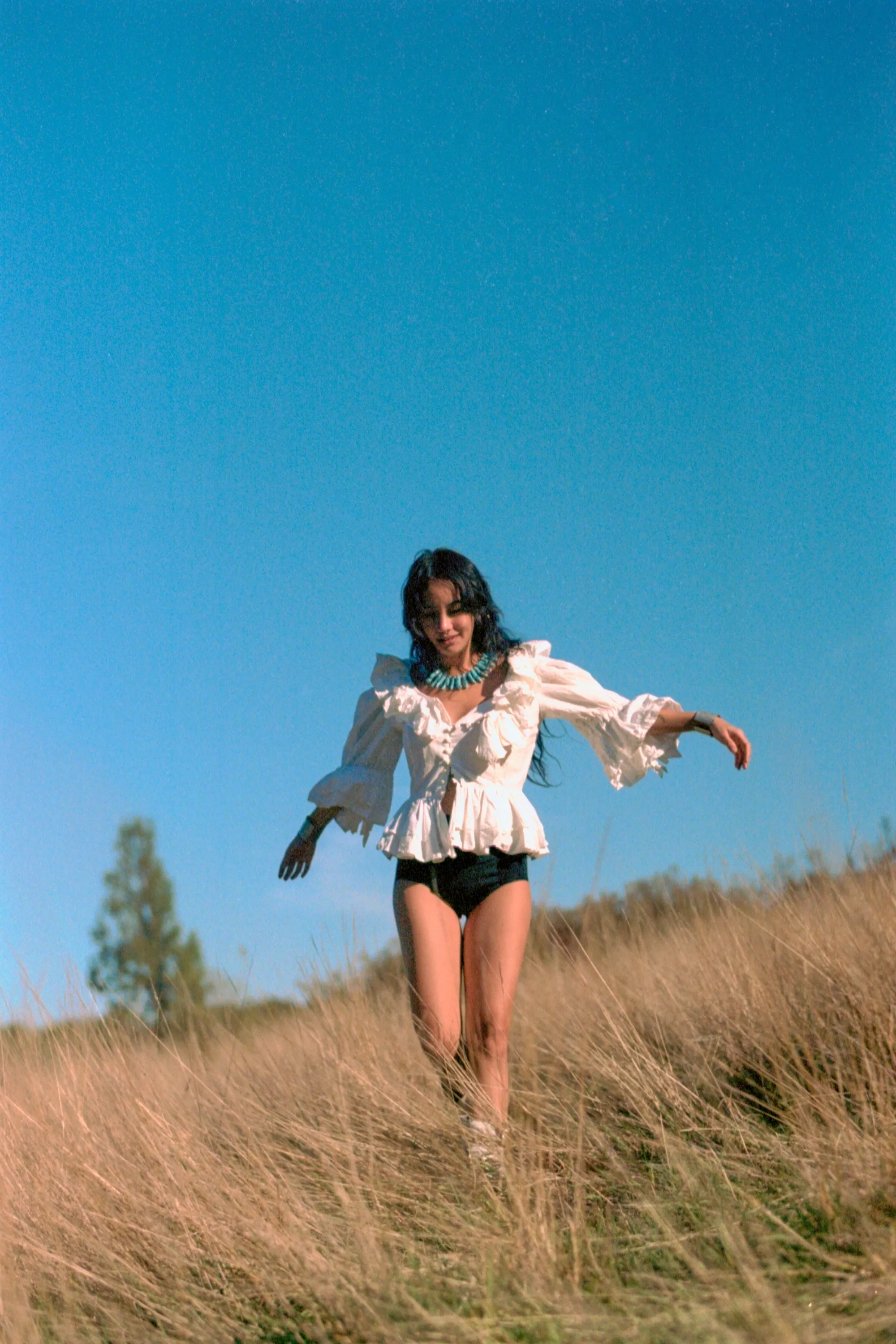
There is planning involved, she insists, but only at the edges. The introduction, the ending, a loose narrative thread. Everything else is left open, guided by instinct and whatever the room offers back. Improvisation keeps it alive, she tells me, and it keeps her interested too.
Field recordings play a central role in these experiences. I ask about the most unforgettable sound she’s ever captured, expecting something poetic. Instead, she delivers the kind of answer that punctures any lingering pretension.
“From random farts to toads having orgies, the world has a wild sense of humour if you really listen.”
It’s a reminder that nature is not a wellness moodboard. It’s chaotic, funny and occasionally grotesque. Her work doesn’t sanitise that. It invites it in.
When I ask how she balances hypnotic repetition with movement-friendly rhythm, her answer avoids technical jargon.
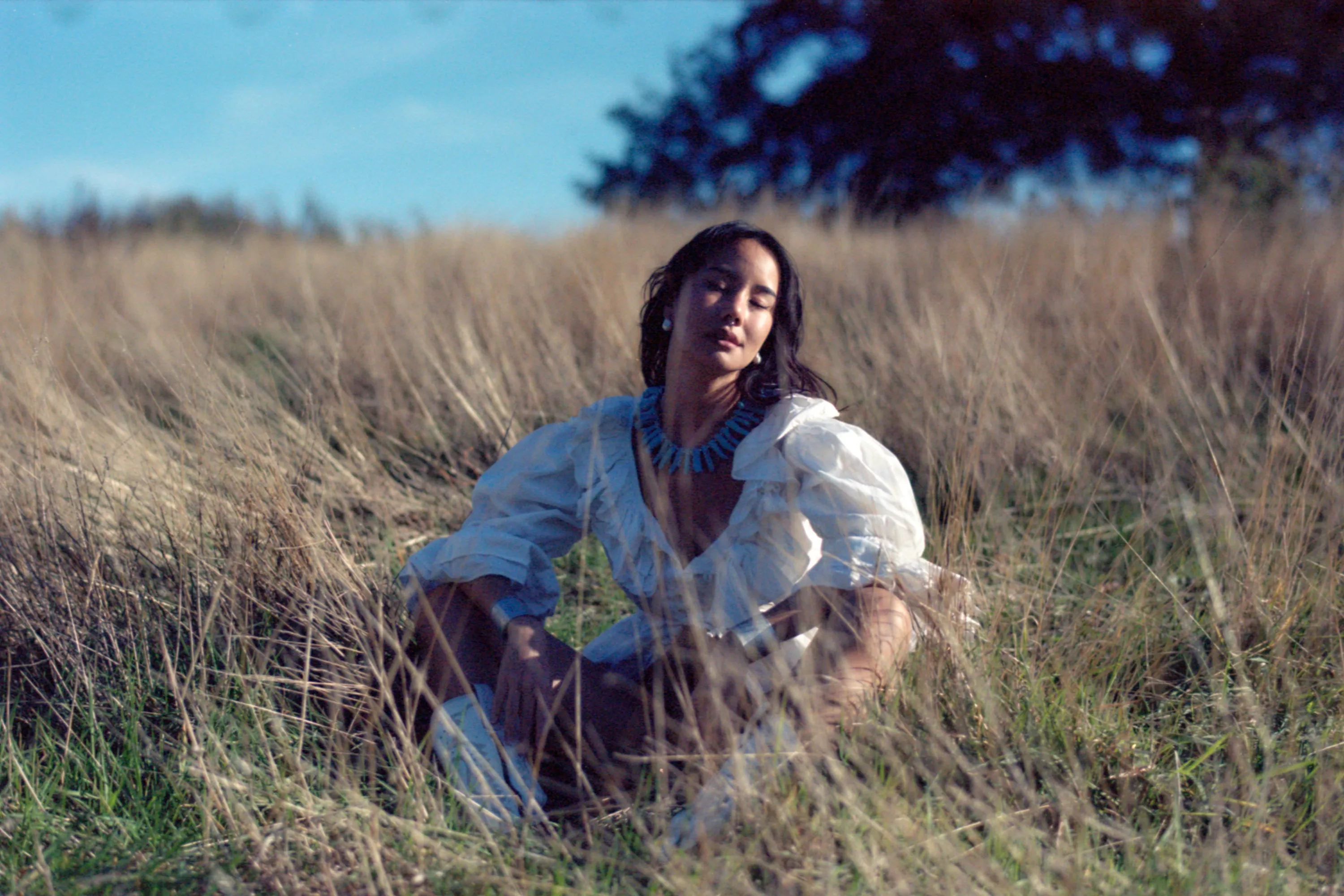
‘It’s a mix of intuition and rhythm,’ she says. ‘Knowing when to build tension and when to let it breathe. I listen to how the body naturally wants to move, not just the ears. Feel first, think later.’
That line sticks with me. Feel first. Think later. It feels like an ethos that runs through everything she does now.
Activism without the burnout
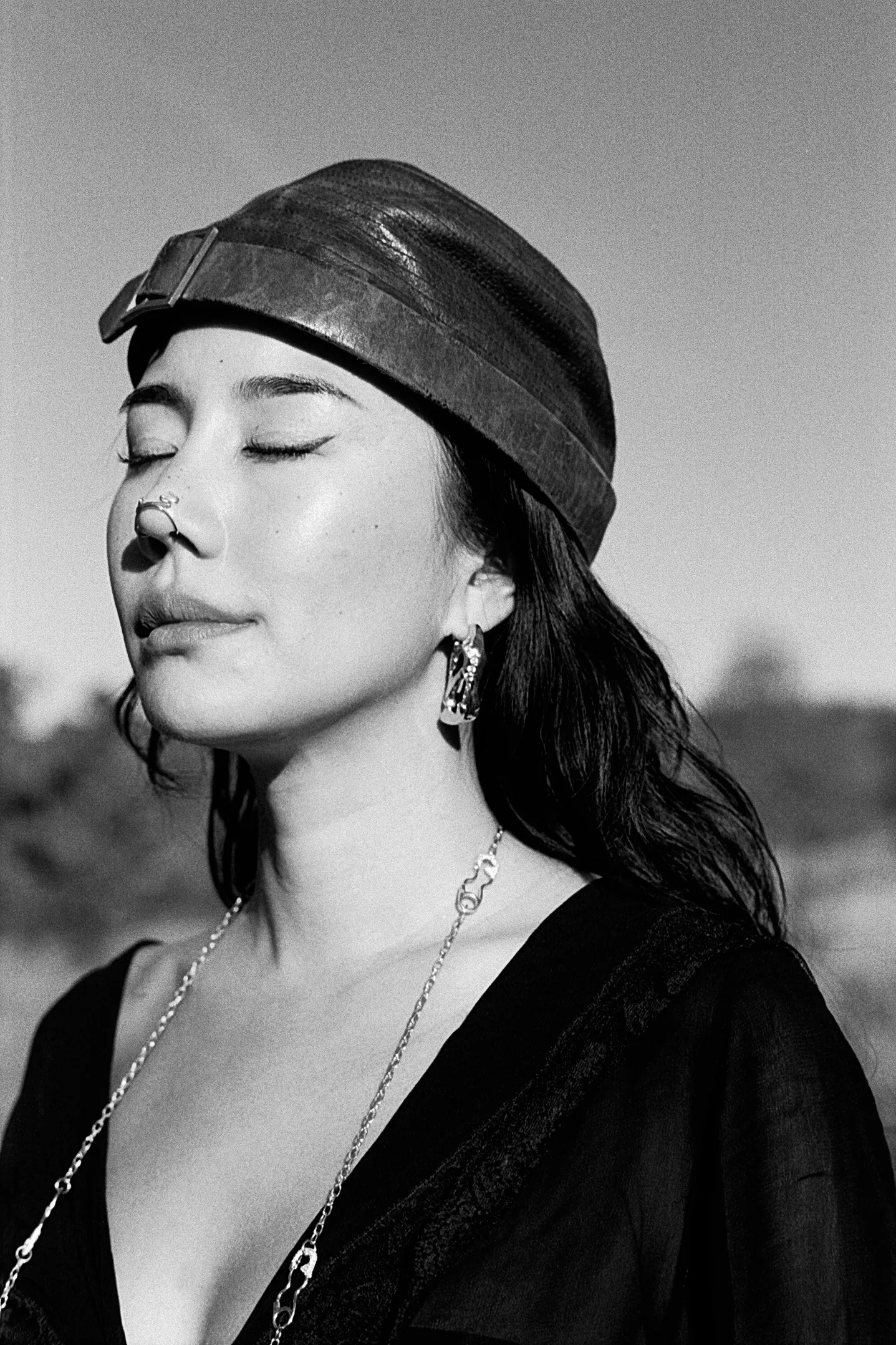
Note’s environmental work is extensive, spanning collaborations with Greenpeace, UNDP and Coral Gardeners. It would be easy for this to slide into branding territory but she remains cautious, even sceptical, of scale for its own sake.
‘If it’s for a cause I believe in and I have the bandwidth, I’m always down no matter the budget or size,’ she explains. ‘If it’s rooted in intention, it’s already worth it.’
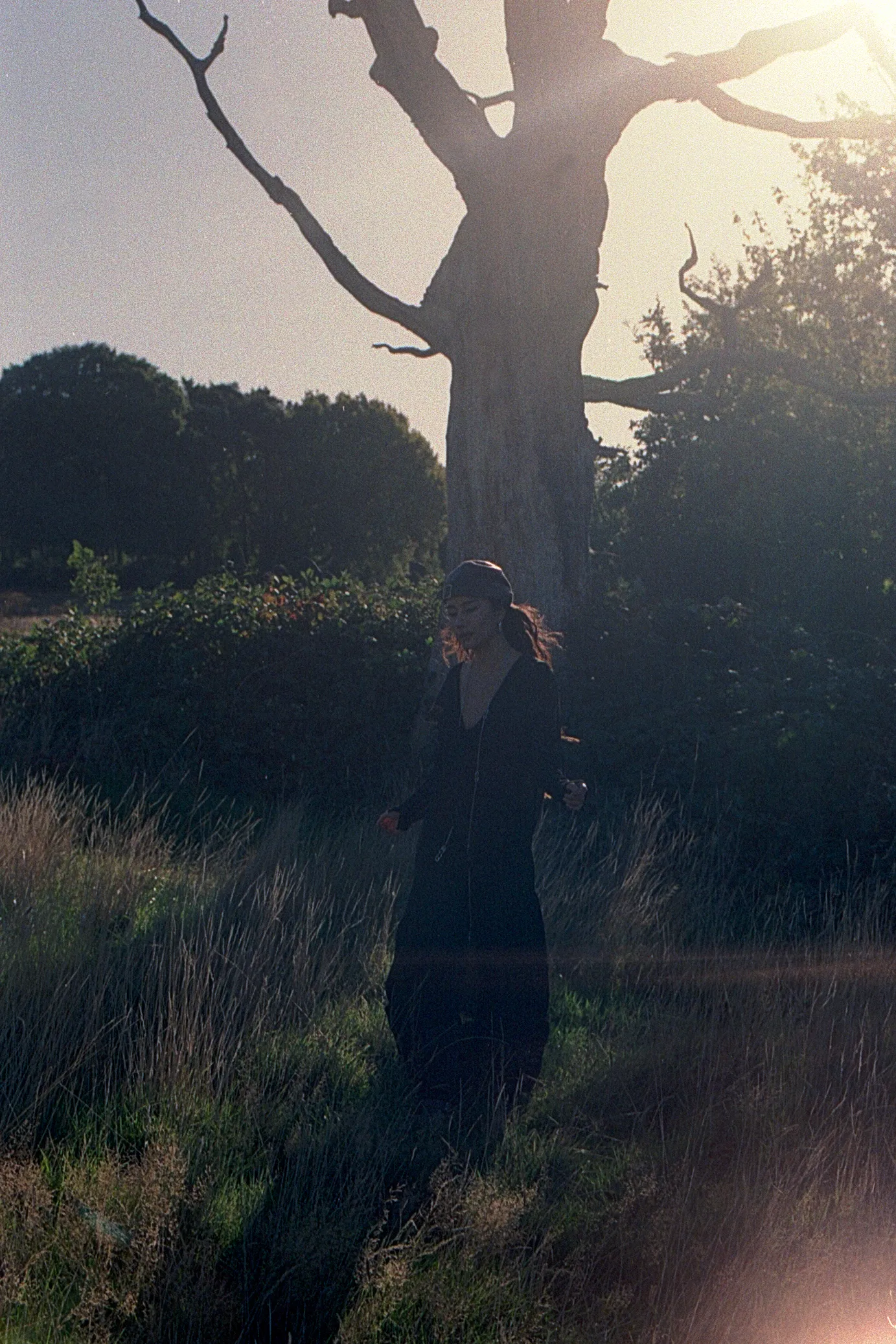
That emphasis on bandwidth comes up repeatedly. Burnout, she believes, is creativity’s quiet killer. In her studio routine, meditation and exercise are non-negotiable. She stops working by 10pm. Screens are avoided. Discipline, here, is an act of self-preservation rather than productivity.
Her project High On Your Own Supply centres on self-sufficiency, a philosophy she weaves into performances without sermonising. ‘I want people to feel inspired, not lectured,’ she writes.
“If you can make people laugh, dance or feel deeply they’ll naturally get the message.”
When I ask which environmental project made her feel like she was actually making a difference, she refuses to rank them. ‘All of them,’ she says. Each reconnects her to purpose in a different way, whether through coral planting, community building or simply starting conversations through sound.
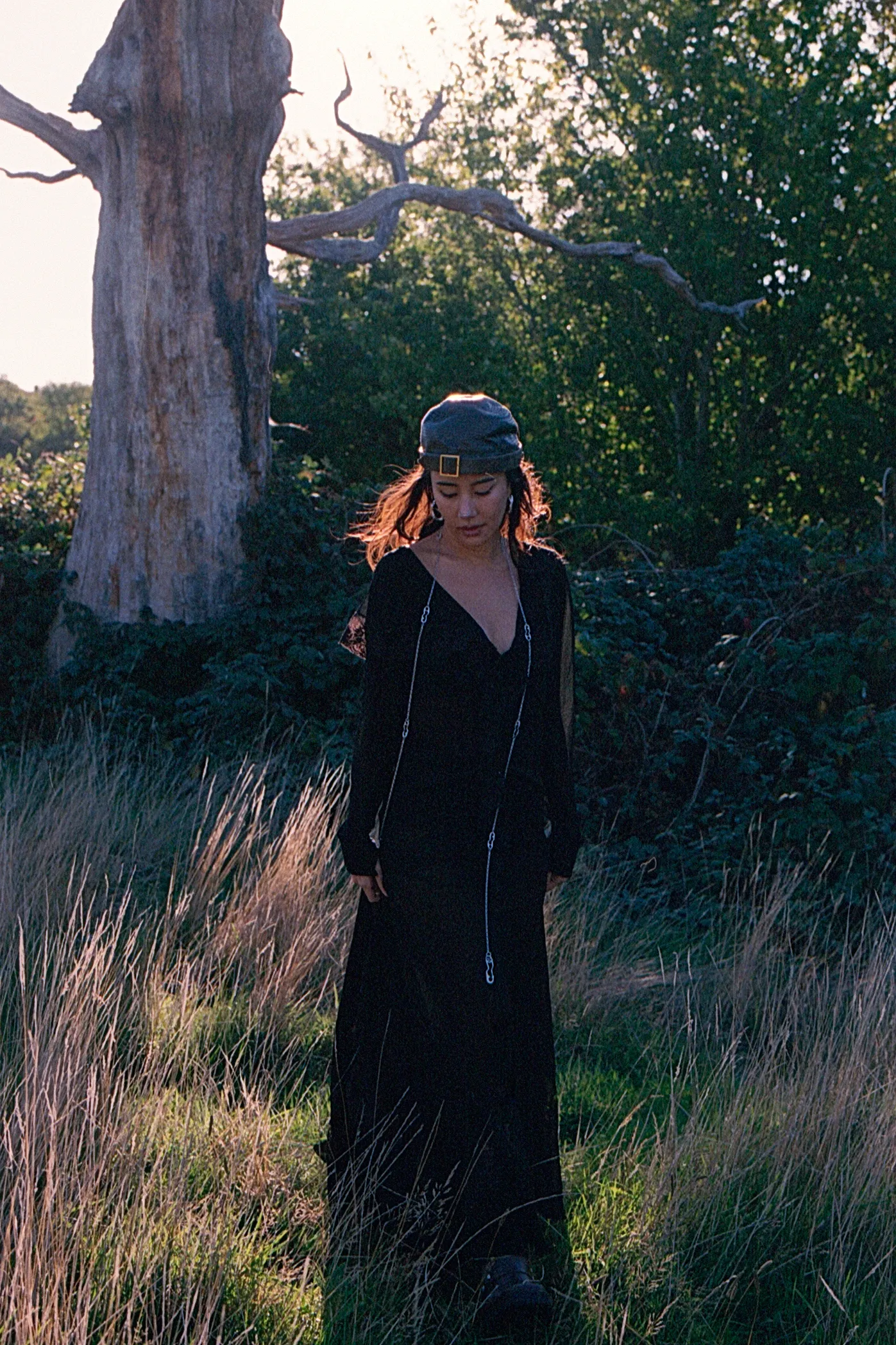
This resistance to hierarchy feels intentional. Activism, for her, isn’t about saviour narratives. It’s about sustained attention without self-destruction.
‘You can’t save the world alone,’ she reminds me later. ‘Protect your energy, stay informed but not consumed. Joy is part of the resistance.’

Quiet futures and staying put
Bangkok’s cultural scene is notorious for its speed. Trends flare and vanish before you can decide how you feel about them. When I ask how she stays relevant without losing herself, her answer is disarmingly simple.
‘By not chasing trends,’ she writes. ‘Trends fade but authenticity doesn’t.’
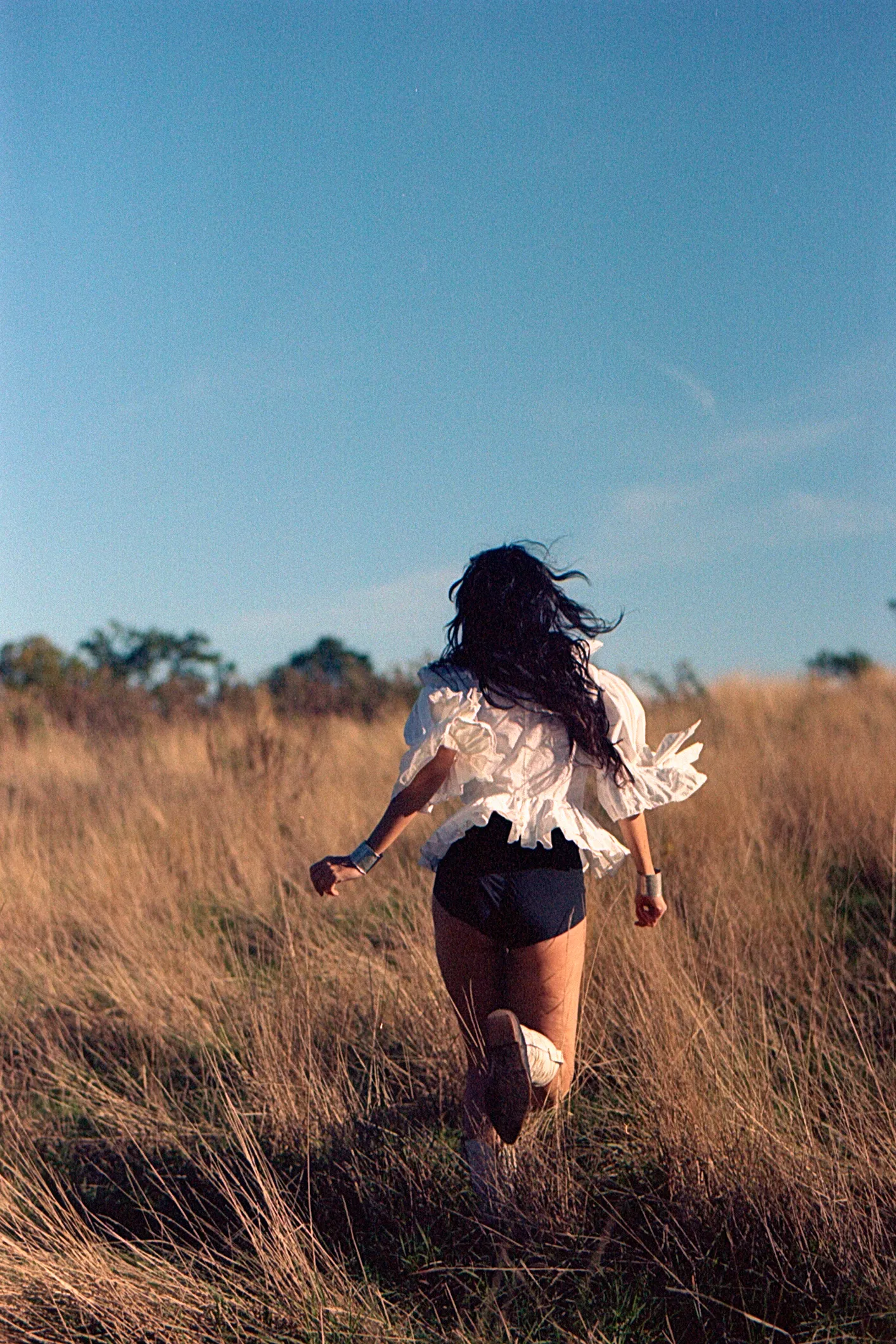
Recently, she’s been immersed in Japanese ambient music, drawn to its restraint. Minimalism, she says, at its best. It aligns with her growing preference for calmer spaces where people are truly listening rather than performing attention.
Her relationship with crowds remains fluid. Having played across Asia, she refuses to generalise.
"Every crowd is its own organism, quiet rooms can be deeply emotional, loud ones sometimes turn inward without warning"
Wonderfruit, the Thai festival she has played multiple times, holds a particular place in her memory. Not for the spectacle, but for sunrise in the fields. ‘I’m a total grandma,’ she admits. Nature, she adds, is always the real headliner, whether through rain or dust storms.
When I ask about hidden Bangkok spaces that nurture her experiments, she lights up. Brownstone studio, with its rare synths and unpredictable collaborations. Temp in Sept’s shop, filled with cacao and tribal instruments. Places where you might arrive for rehearsal and leave with something entirely new.
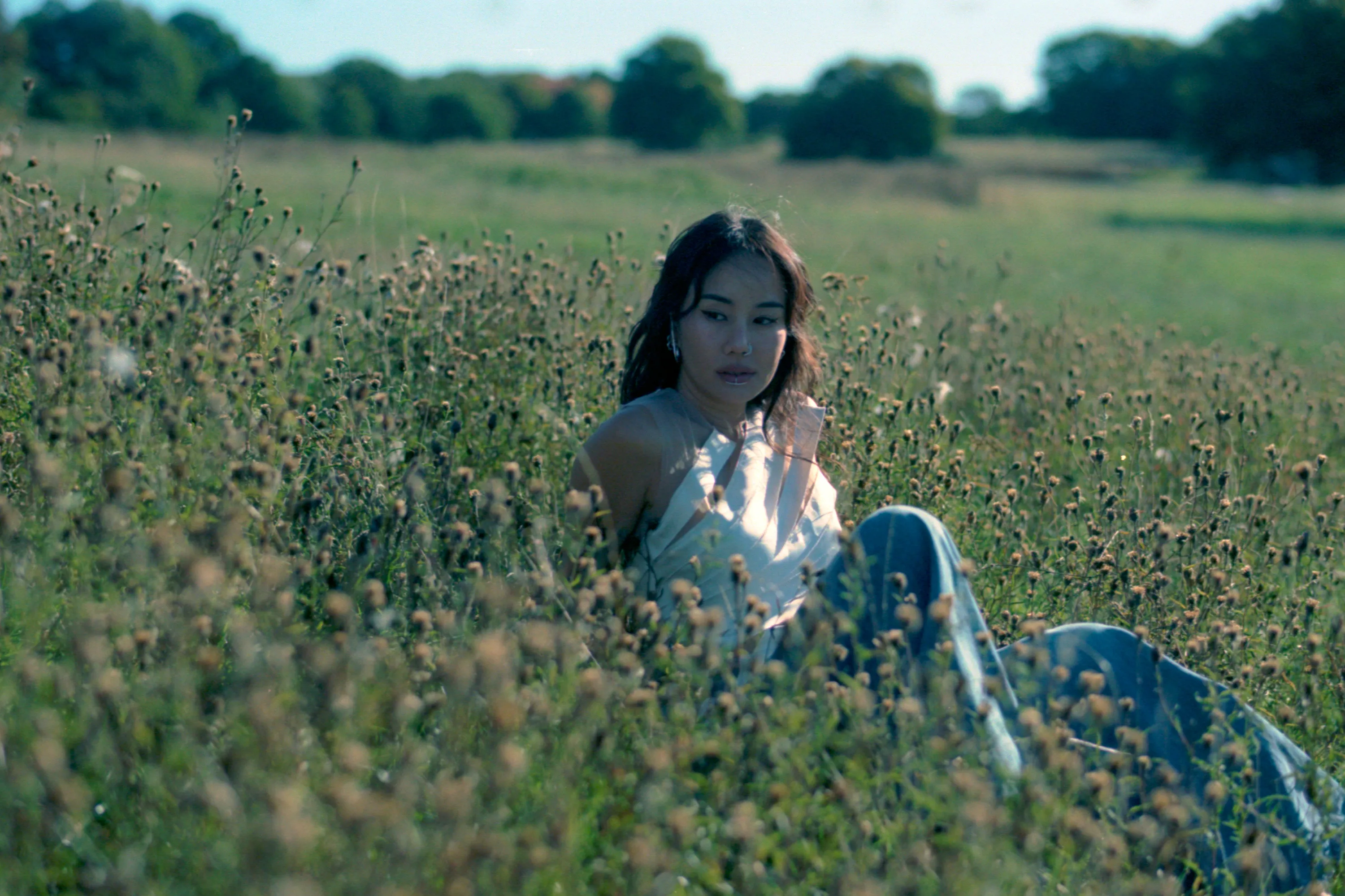
Towards the end of our exchange, the questions turn softer. What if music and activism disappeared? She imagines painting by the sea, running a small cafe and workshop space. It sounds plausible, even likely.
Perhaps the most revealing answer comes when I ask about misconceptions. ‘That I’m a party girl or an extrovert,’ she says. ‘I’m actually an introverted grandma who loves tea, quiet nights and personal space. My wildness just expresses differently.’
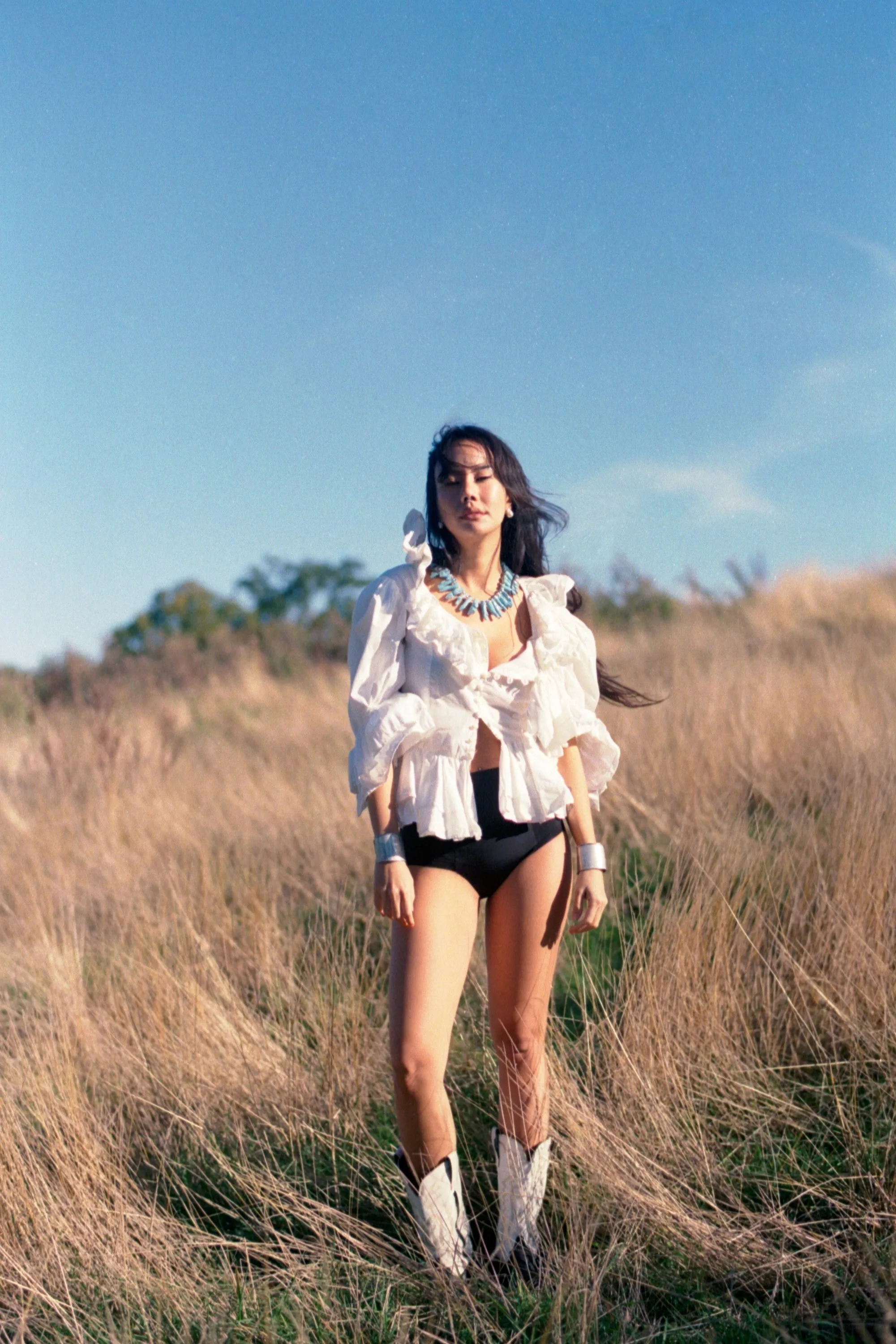
By the time I reach her final line, it reads less like a slogan than a gentle instruction manual.
‘It’s not about the destination, it’s about the journey. Be present, celebrate the small steps and never forget how far you’ve already come.’
I realise that this is what her work ultimately offers. Not escape, not spectacle, but permission to move at your own pace. In a city addicted to acceleration, that might be the most radical sound of all.