
[image]
[title]There are many ways to unpick a person's listening habits. Some people journal, others overanalyse dreams, but most of us simply wait for that neon billboard masquerading as self-reflection: Spotify Wrapped. It arrives every December like a digital horoscope announcing that your personality is apparently built on Scandinavian synth pop and whatever you played once by accident in March. This year they're even telling you your listening age, my friend at 25 got told she has a 70-year-old’s taste in music. I don't get one from Spotify. I'm the stubborn Apple Music holdout who refuses to migrate, so I must accept my sonic identity will remain unquantified forever.
And that is what eventually led me, in a knotty roundabout way, to Da Minot.
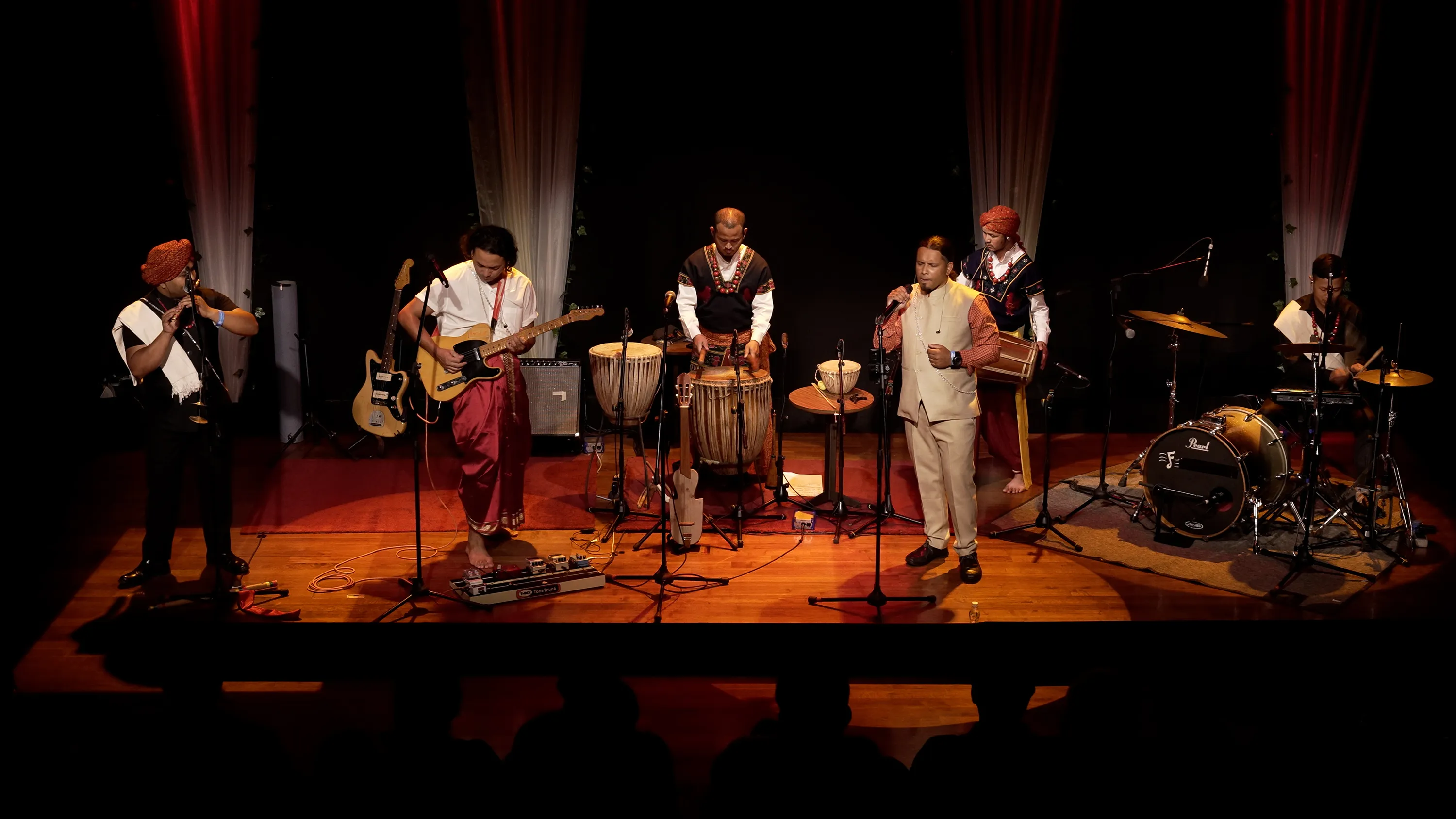
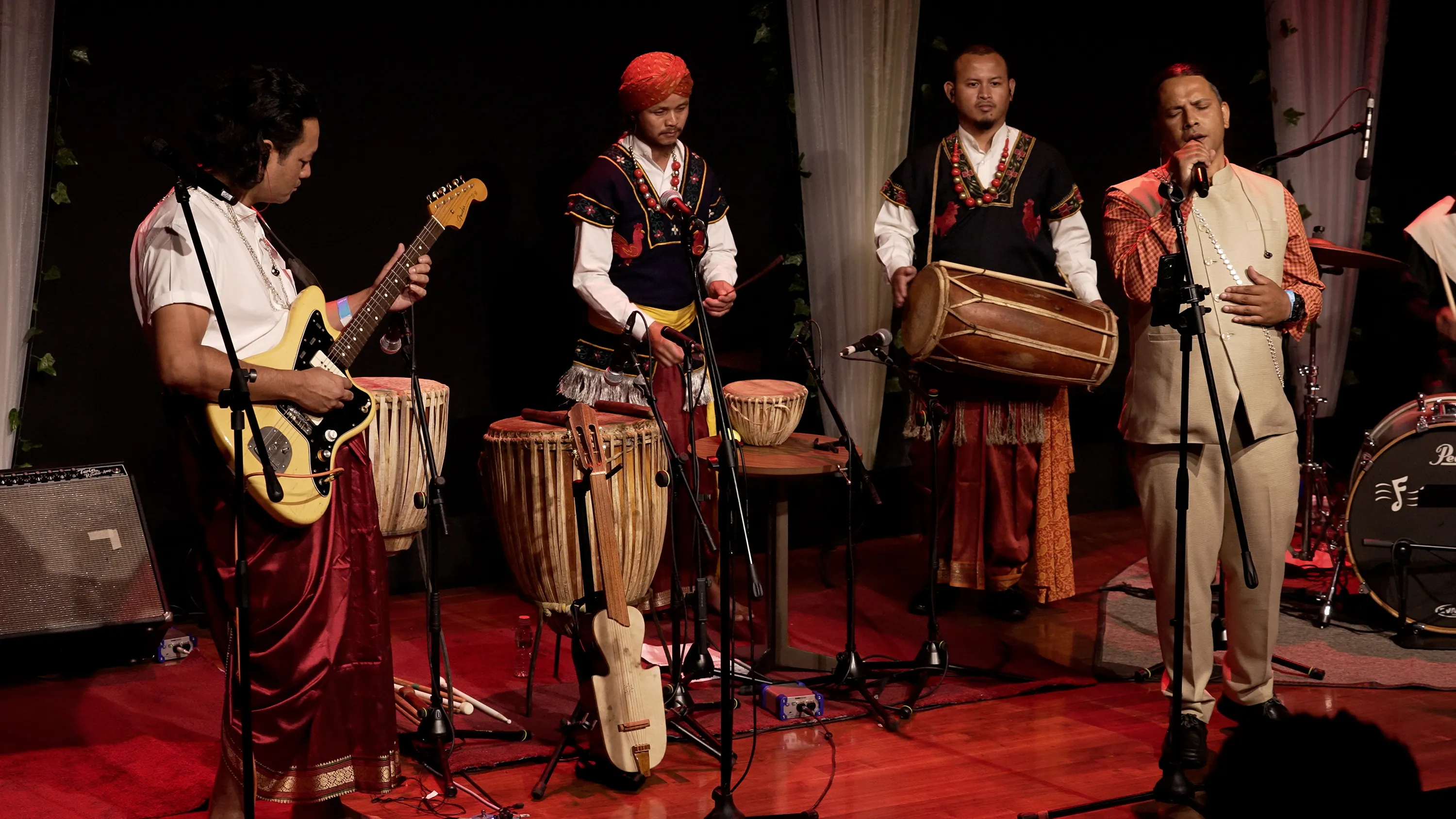
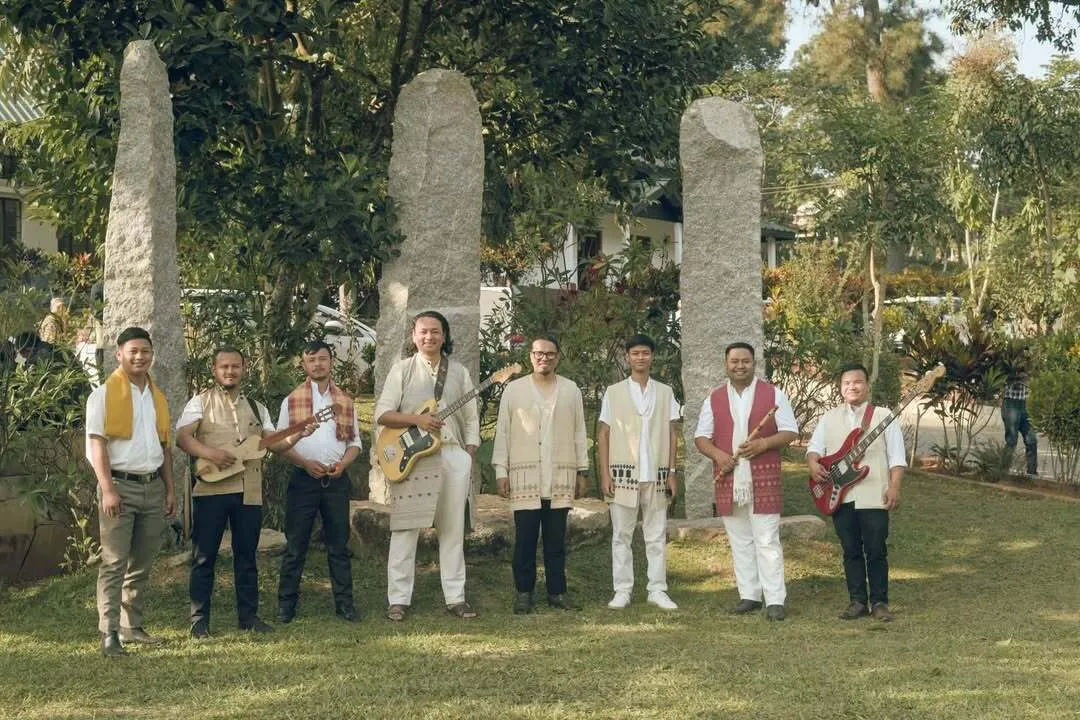
If you've never pressed play on Indian folk before, especially the intricate lineage from the Khasi and Jaintia hills, prepare your ears for something ungoverned by genre categories. India-born artist Hammarsing Kharhmar's ensemble Da Minot does not simply borrow from heritage. It treats ancestral rhythm as oxygen, using instruments like the duitara, bom and various bamboo flutes to carve out a sound that feels older than language and newer than the internet's attention span.
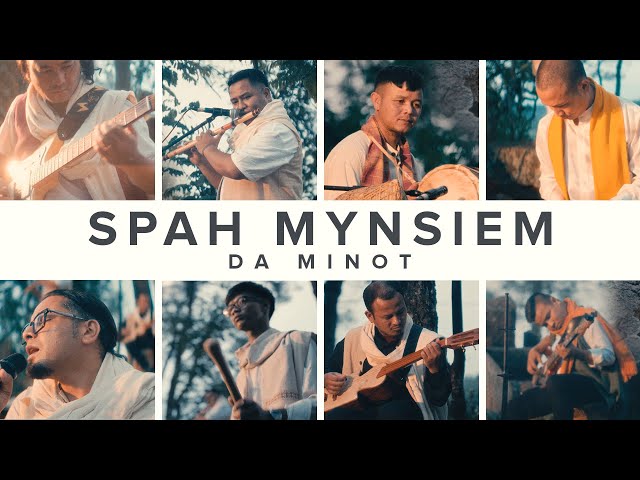
Before this interview, while waiting for him to reply to my email, I returned to their songs again. I told myself I'd listen to one track, then fell straight into another, then another. They have that effect. A pull that is both meditative and defiant. The sensation of stepping through a door into someone else's memory.
View this post on Instagram
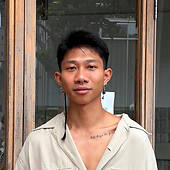
So we caught up with Hammarsing Kharhmar, Shillong-based musician and the founder of Da Minot, a project that grew from cultural instinct, community and a quiet insistence that local stories are worthy of global conversation. His journey has taken him from Shillong to Delhi to Boston to New York and back home, where he has now built a contemporary sound rooted in the cosmology he grew up with.
What follows is our full conversation, shaped over email with moments that made me pause, laugh or stare at the ceiling wondering why so many creative breakthroughs only arrive after circling back to your own beginning.
The spirit, the city and the first shift
I begin with the obvious question, though his answer is anything but. What would you say to someone who has never heard your music before?
'Our music is rooted in the traditional rhythms and stories of our home which is in the state of Meghalaya in North East India,' he writes.
“We build a contemporary sound on this timeless foundation.”
It's a neat description, though what he means reveals itself only when you hear a song like ‘Ka Hok Ka Shikyntien’, where layered percussion and breathy flutes twist through harmonies that feel suspended in ceremony.
Shillong has long been crowned the rock capital of India. Growing up in a place where Led Zeppelin blasted from taxi radios and Bob Dylan lived rent-free in teenage bedrooms, I ask when music shifted from backdrop to life plan.
'I went to study music at the Berklee College of Music in Boston after I completed a degree in Economics in Delhi. That's when things changed drastically. Music was no longer just a passion. It became a responsibility.'
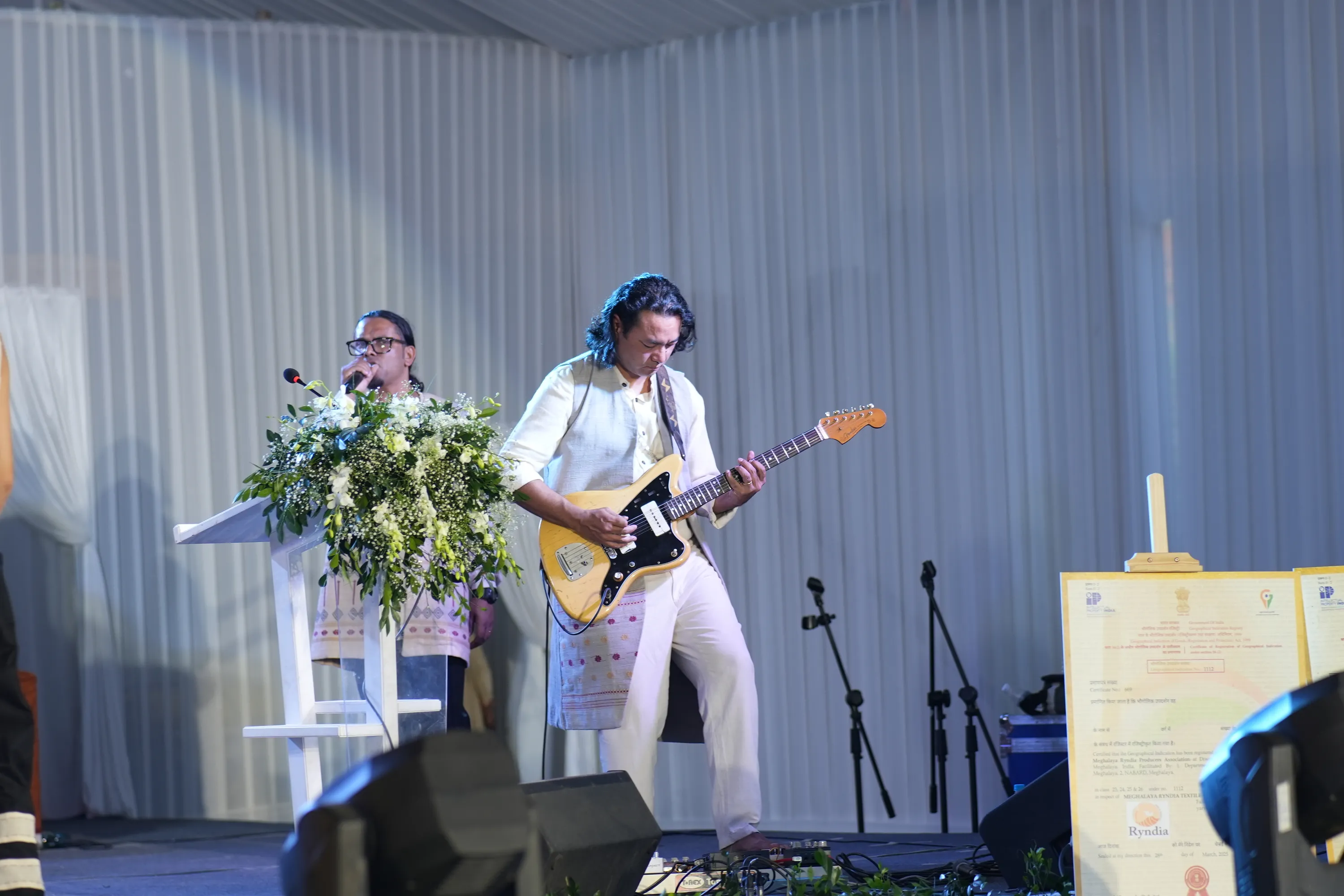
I picture the moment: a young man leaving Shillong armed with a guitar, a degree he perhaps wasn't fully committed to and a hope that somewhere in Boston's practice rooms he'd understand where sound actually comes from.
Shillong musicians, he once said, spent years mimicking Western bands. So what pushed him towards building something original rather than copying yet another Iron Maiden solo?
'I always thought creating your own style was the most important thing. It's really hard to do but it's absolutely necessary to try to achieve it, for art to keep moving. Along the way, inspiration will be found.'
There's something comforting about that: inspiration is inevitable if you keep your eyes open long enough.
His father played guitar. Gatherings ended the way all good ones do, with voices layering over each other. How much of his identity comes from those early moments?
'They were integral and still are to my musical identity. It was the energy that grabbed me most and still does.'
It's never the technical precision that stays with you. It's the feeling of being held inside a room full of noise that belongs to everyone.
Reclaiming sound, reclaiming self
Today there is an entire wave of young artists in Shillong singing in Khasi and digging into tribal rhythms. What sparked this shift?
'I think it was a simple realisation that the biggest and deepest pool of inspiration to create from was right there in our own beats, melodies and stories,' he writes. 'This sense of reverence and pride combined with our exposure to the world is a perfect mix for young artists to lift off from.'
It feels like a cultural renaissance disguised as a music trend. Self-respect turned into a movement.
Da Minot's work is rooted in Khasi-Jaintia cosmology, ancestral guidance and a memory that exists outside linear time. So how does he know he's honouring heritage rather than romanticising it?
“Our songs honour and romanticise. It's fine to do both. We're sharing what we know and have learnt about our heritage with the world.”
I love this. The refusal to split authenticity from emotion. Why pretend those things are separate?
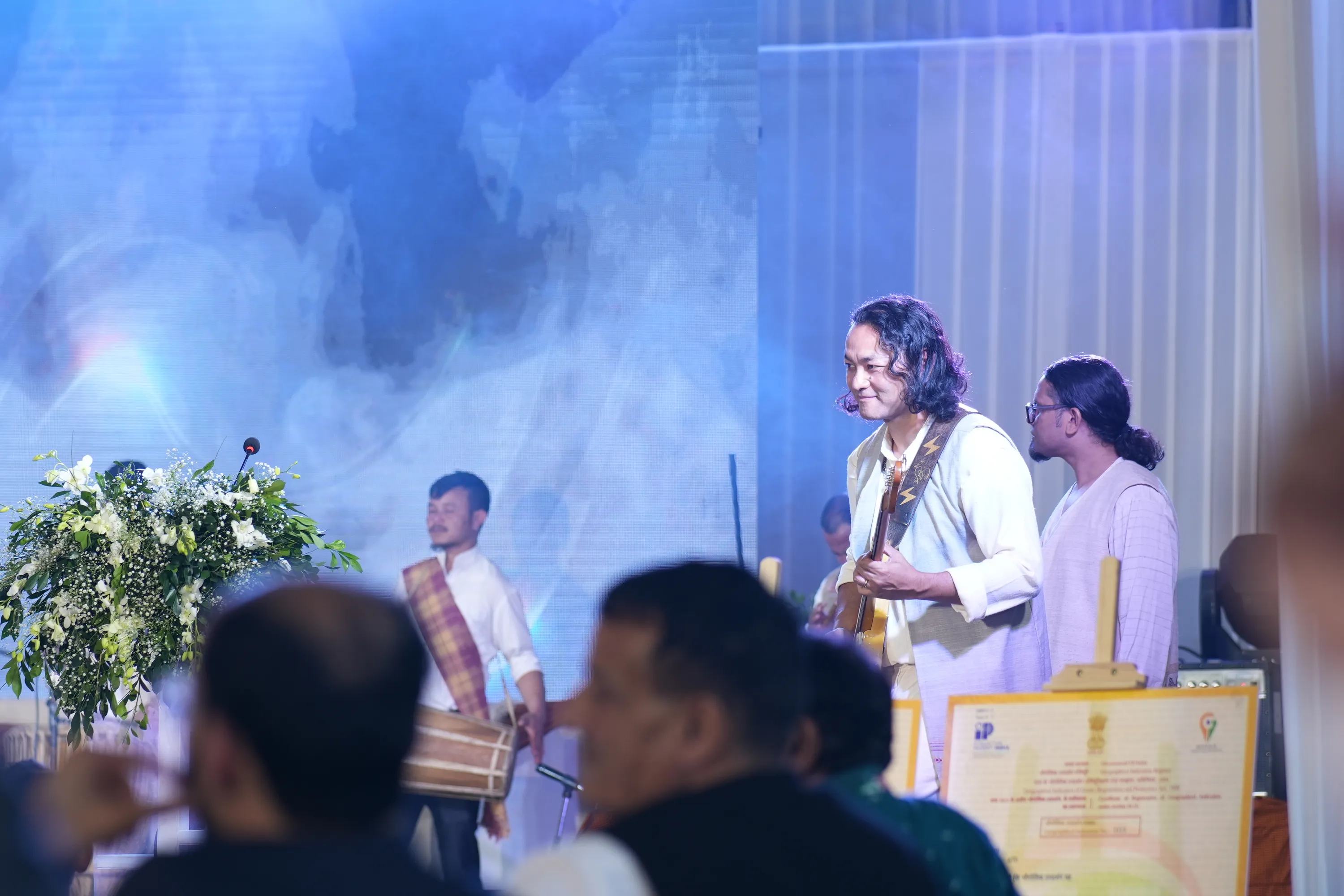
In November 2025 at the Global Indology Conclave he received the Bharatiya Dharohar Puraskar award for cultural preservation. What was the unfiltered thought when he heard?
'I never had expectations of receiving an award for what I honestly consider a duty. That being said, I'm really proud of the award and delighted that it's actually brought more focus to the subject matter, rather than to me. That's important.'
It's very Shillong to fear attention but embrace the responsibility that comes with it.
His journey has taken him from the hill station to Boston to New York and back. What's the one lesson the road gave him that school never did?
'You realise that music isn't only about how good you are at your instrument. It's also really important to keep meeting people; constantly absorbing, learning and evolving while still staying true to who you are.'
I've never been a touring musician, but the idea resonates: art is people watching filtered through a pulse only you can feel.
Returning home, rebuilding sound
When he looks back at the young guitarist who left Shillong for Berklee, what does he think that kid underestimated about the industry?
'Looking back, I realise that I actually had no real idea of what I was getting into. I almost have panic attacks when I think of the young musician that landed up in Boston. It's been one hell of a ride but I'm really glad I went and I'm also really really glad I'm back home now. A whole new cycle is in motion.'
Cycles matter. You leave, you return, you remake yourself with the pieces you collected on the way.
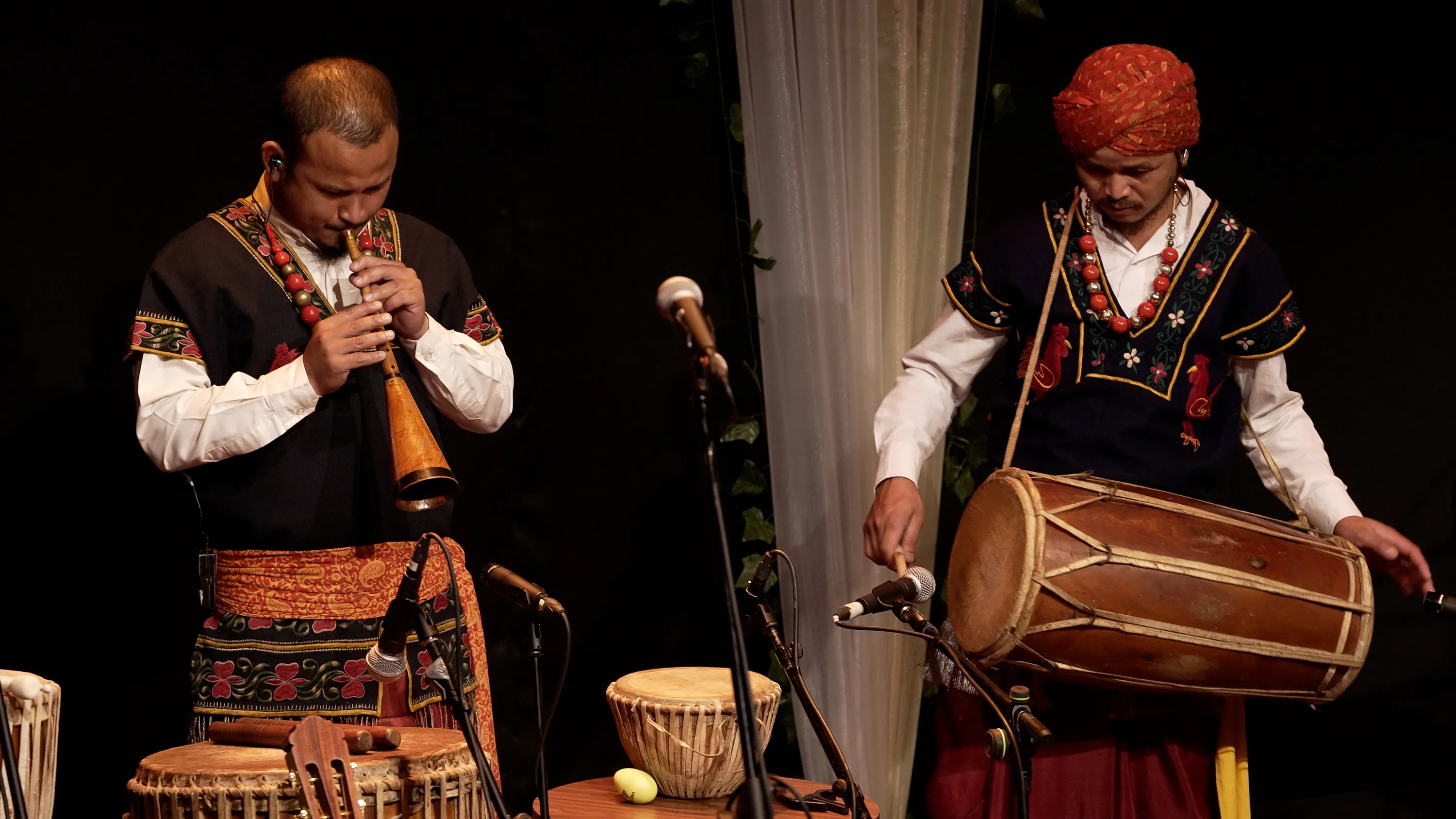
I ask whether Da Minot came together by destiny or creative disorder. The truth is beautifully unromantic.
When he moved back to Shillong in 2017 he wasn't keen on continuing music. New York had numbed him, he admits. But traditional music pulled him back. Dance festivals, where melodies shift like weather and drummers move with ritual precision, reminded him why sound matters.
“I slowly fell in love with music again.”
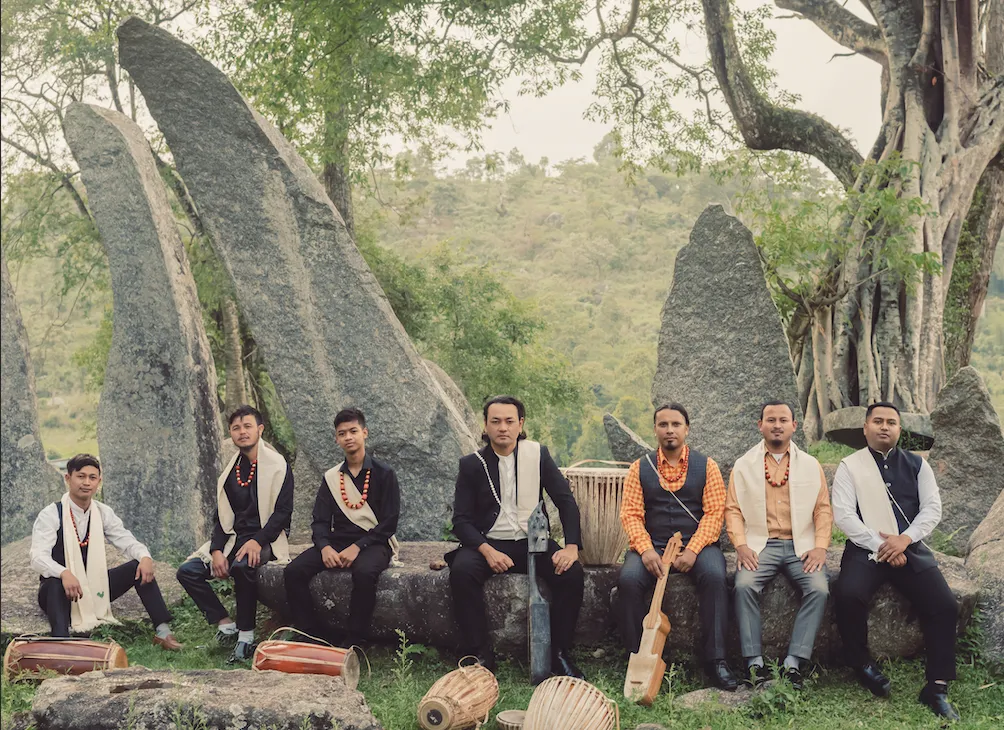
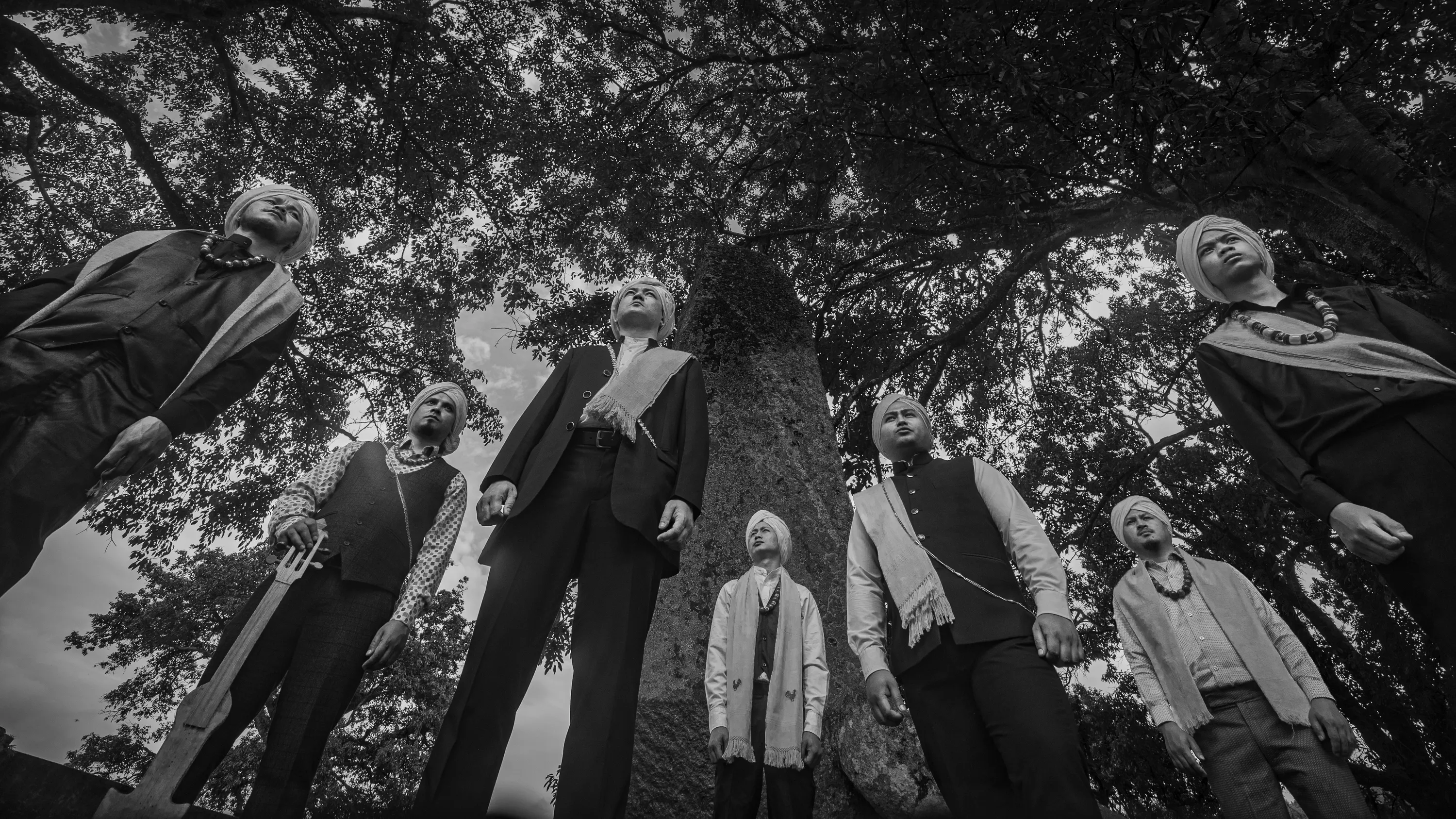
He had drafted songs in New York based on rhythms he remembered but didn't yet fully understand. Returning home allowed him to study them properly. That is when he met the members who would form Da Minot. Some came from their earlier band Ṅion. Others arrived through instinct and timing. Singer Priyo Laloo, with whom he worked on the demo for ‘Ka Hok Ka Shikyntien’, helped spark the beginning. Multi-instrumentalist Dajied Sing Kharkongor, flutist Marwan Rymbai and traditional drummer Swissco Sunn formed the core. Three younger members later joined: Melvyn Kharumnuid, Airailang Kharakor and Piston Khonjee.
'We immediately knew that we had something different and most importantly, something meaningful,' he adds.
Every collective has internal logic. What keeps Da Minot from becoming a creative free-for-all?
“Mutual respect and a consciousness that each part has its own beauty and uniqueness.”
He writes. 'I do, however, have to rein in things from time to time to keep the creative process from stalling or slowing down. However, all ideas are heard and tried, even the mistakes, which often turn out to be the best parts.'
There it is: the secret ingredient is room for mistakes.
Visual language, global crowds and the art of the stage
Their music video ‘Ri Shongpdeng Pyrthei’ is visually thick with symbolism. What was the hardest part to translate?
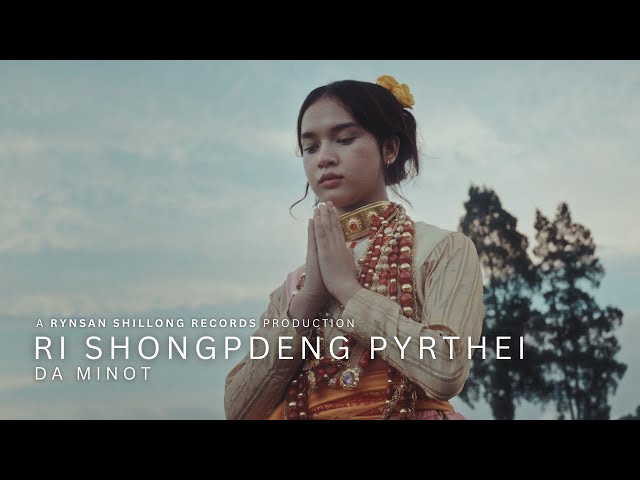
'The ninth member of Da Minot is a young filmmaker and videographer Sankirang L Khongwir. It's his talent in this realm that enables the translation of abstract words into cinematic, powerful and peaceful images.'
It's a generous acknowledgement. Some musicians gesture towards their visuals. Da Minot lives inside them.
If someone watches the video without any cultural reference, what detail does he hope they catch?
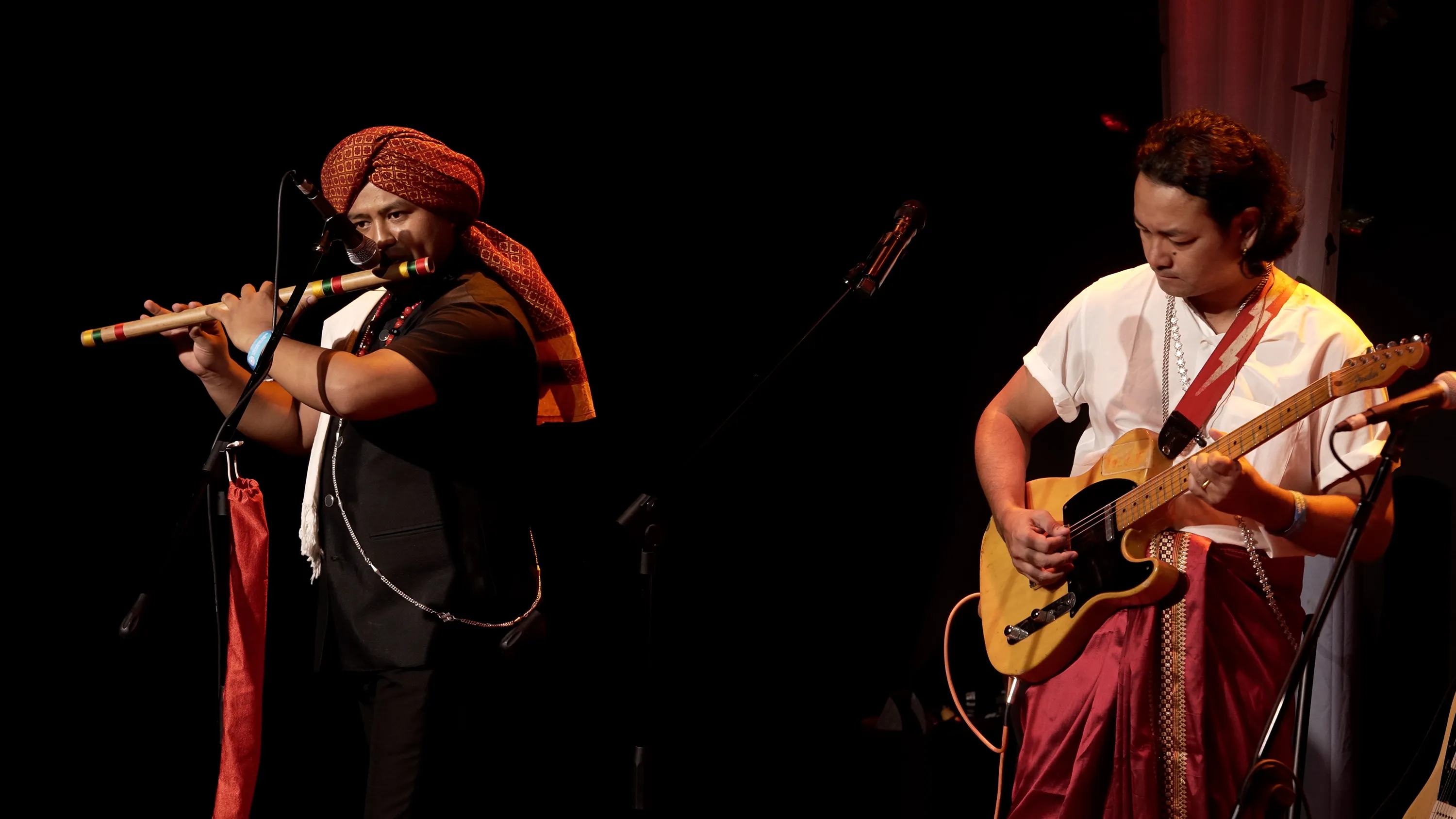
'I hope they feel enriched and are curious to learn more about the people and the land in the video. I also hope they feel a familiarity and discover some parts of themselves in the music, words and visuals too.'
That universal particularity again, local story, global echo.
Their sound blends rock lineage with ancestral rhythm. How would he explain it to a confused Thai customs officer?
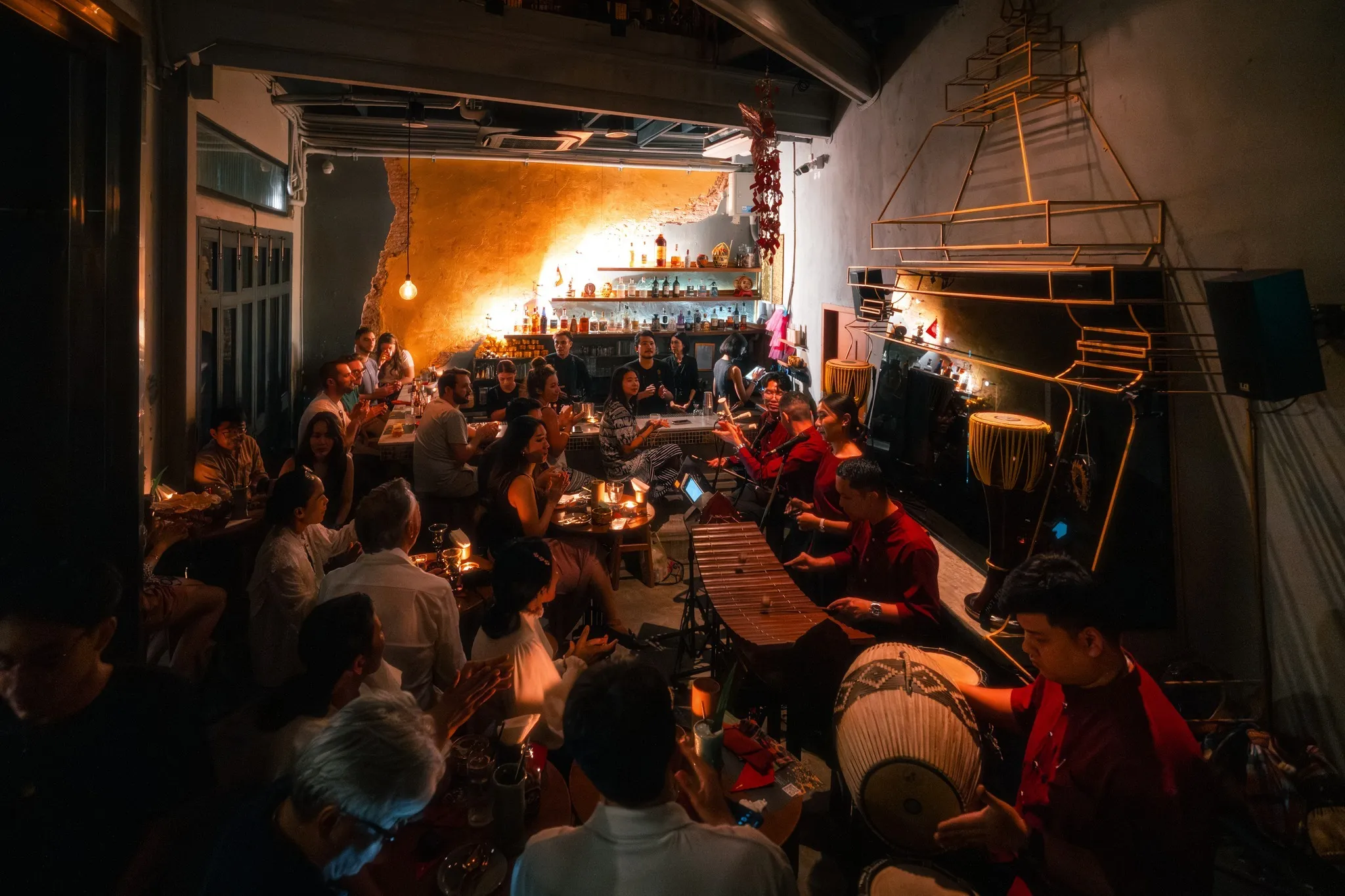
'I'd say we are like the bands that play at TEP Bar, except we get a lot heavier.'
As someone who has spent many evenings at TEP Bar nursing tamarind-based drinks and watching musicians improvise under neon light, I laughed out loud.
Da Minot is about to play Bangkok, Chiang Mai and Wonderfruit. What is he anticipating?
'We're so excited. I've been to Thailand several times before but this tour will be the first time to Bangkok and Chiang Mai for the rest of the band. It's going to be an incredible experience. Our focus is mainly on delivering our songs as best as we can. Please come say hi at the shows!'
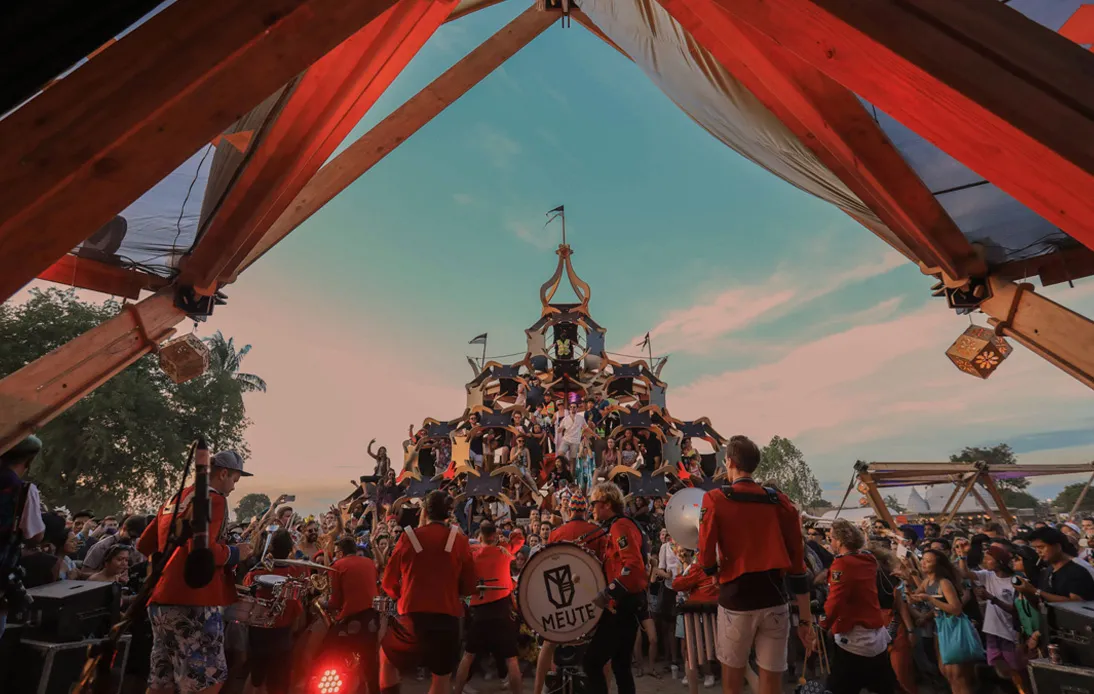
Chiang Mai's venue is known for its presence. How does a space like that shift performance?
'Intimate venues often are more memorable and intense but there's also that incredible energy that comes from a big crowd. If you're excited and proud about playing your music, the energy and focus needed to adapt comes naturally no matter where you play.'
Touring with Albert Hammond Jr taught him that Argentina and Mexico are volcanic. Japan is quiet but devoted. Shillong surprised him the most.
'A sea of young people sang along to every word of several of our songs, including a few that haven't been recorded yet.'
There is nothing more disarming than realising your hometown finally hears you.
Is there a particular song he expects will land differently in Thailand?
“I think the Thai audiences are going to be pleasantly surprised to find a strange connection with many elements in all of our music.”
Does he feel a responsibility performing outside India?
'This time there is definitely a pressure to represent our relatively lesser-known part of India responsibly. It is a huge honour for us to play the venues on the poster. But this is the power of music. It can transmit feelings and emotions like no other medium.'
Rock stars, relevance and the studio fears that never go away
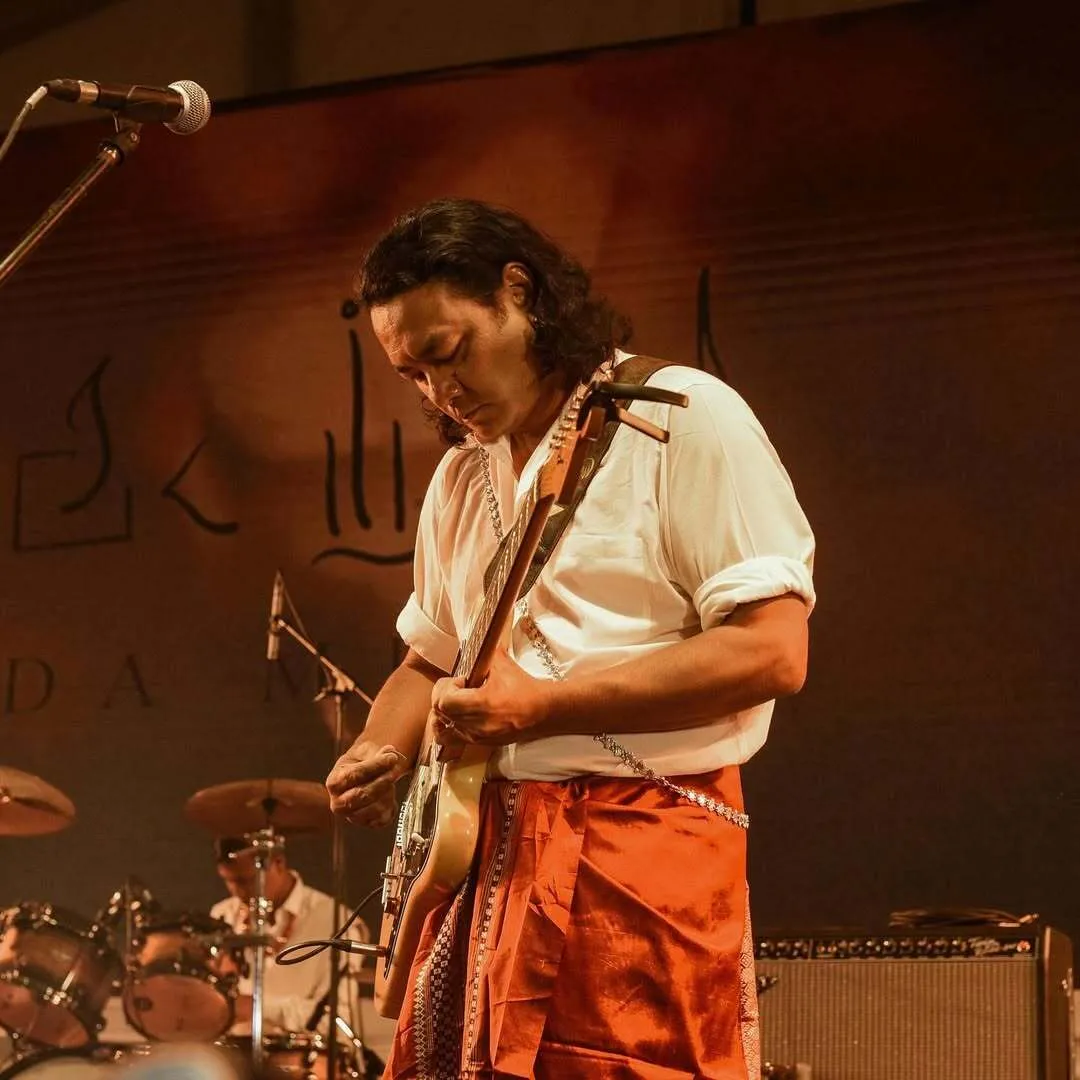
He has performed on major late-night stages including Jimmy Kimmel Live. What did that teach him?
'Everything goes by super fast and every minute can feel like forever. Those performances made it clear that you can't take your instrument or art lightly. Once the song starts even if your mind wanders your fingers have to deliver.'
It's the most honest description of performance anxiety I've read.
From a kid in Shillong to working with Albert Hammond Jr, what did that collaboration reveal about his sound?
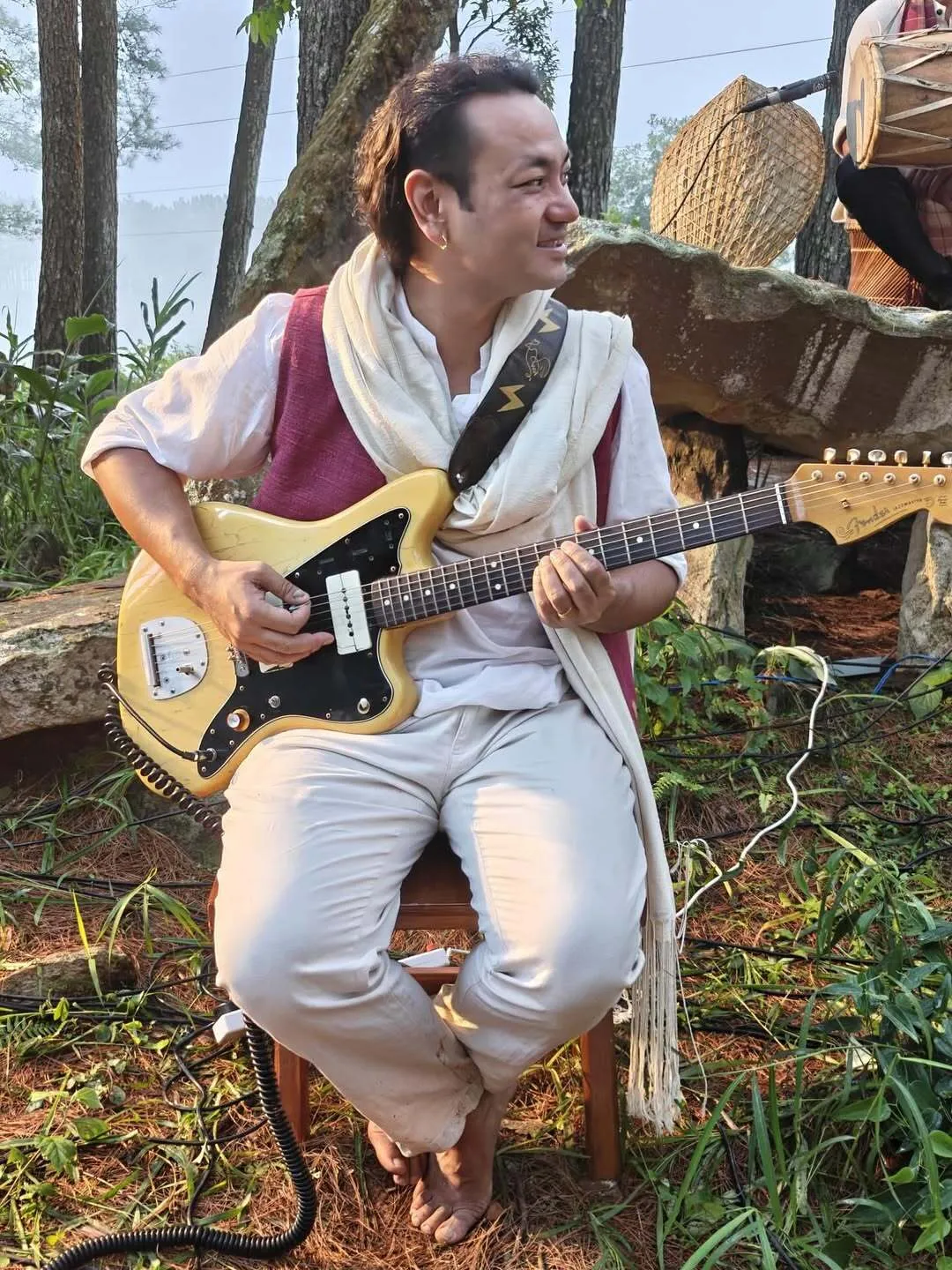
'He had his own thing going. When he strummed his guitar the sound was unmistakably his. I knew I could play all his songs easily but I also knew I would have to work really hard to "really" play them.'
He describes this period as more educational than all his semesters at Berklee. Before returning home he also collaborated with Julian Casablancas on a track called ‘No One There’.
'This was also a life- and perspective-changing experience.'
Trends travel fast. How does he keep his work relevant?
“I've never been more excited and inspired about making and playing music as I am now. I feel liberated from all the unnecessary pressures that weighed me down before.”
There's a new clarity in him, I notice. A refusal to measure relevance by speed.
What frustrates him about the way musicians are romanticised?
'I think most people don't understand the amount of energy, time and emotion that goes into making a song, especially one that isn't there simply to entertain.'
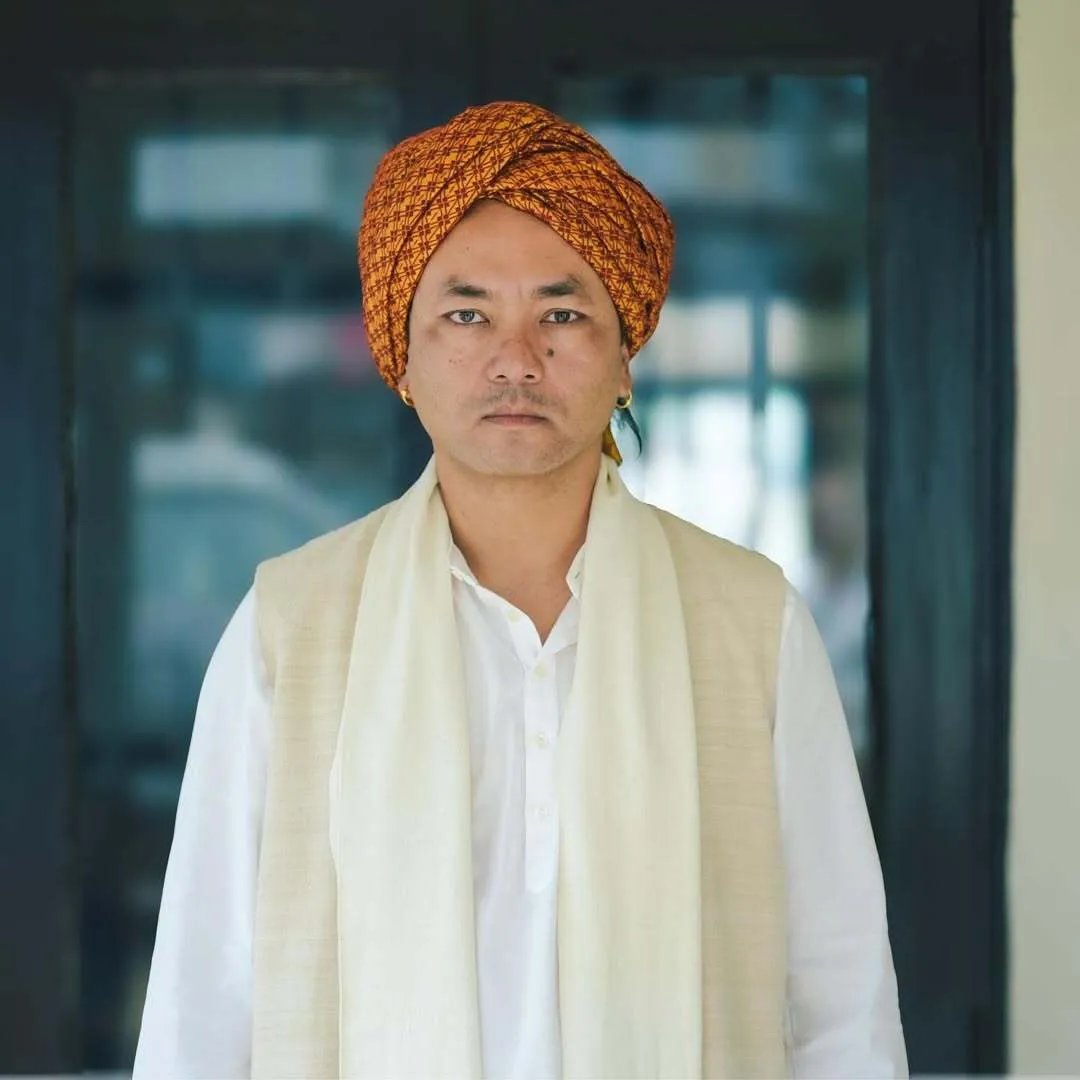
He adds that he senses young listeners wanting more sincerity again.
After everything: awards, tours, cultural responsibility. What still scares him?
'I always worry about rushing my parts in the studio. I also worry that I might ruin the perfect take by overthinking how good the take is going in the middle of the take.'
It's oddly reassuring. Even the most seasoned artists still panic halfway through a perfect take.
The road ahead
What strikes me most about Hammarsing is not the scale of his experience but the way he returns to the same truth: sound doesn't live in achievement. It lives in memory, community, ritual, the people who taught you how to listen long before you owned an instrument. Da Minot's rise is not the story of a band finding its footing in the industry. It is a story of remembering one's starting point and turning it into a compass.
There is something almost cyclical about what he says, as though every city he has lived in was simply a way of circling back to the rhythm already vibrating under his childhood. His work feels carved from history yet unafraid of the future. Heritage not as museum artefact, but as a living, breathing engine.
And for anyone curious enough to see this world unfold on stage, Da Minot is stepping into Thailand with a line of shows that promise to be loud, tender and rooted in the land they come from.
Catch them live at:
December 12 – Wonderfruit Festival, Pattaya
December 14 – Wonderfruit Festival, Pattaya
December 16 – North Gate Jazz Co-op, Chiang Mai
December 17 – Mellowship Jazz, Chiang Mai
December 18 – Bangkok Mojo Music Lovers Club, Bangkok
If you've never listened to Khasi folk before, this might be your doorway. If you already have, this might feel like home. Either way, go. Let them show you where their sound begins.