

[image]
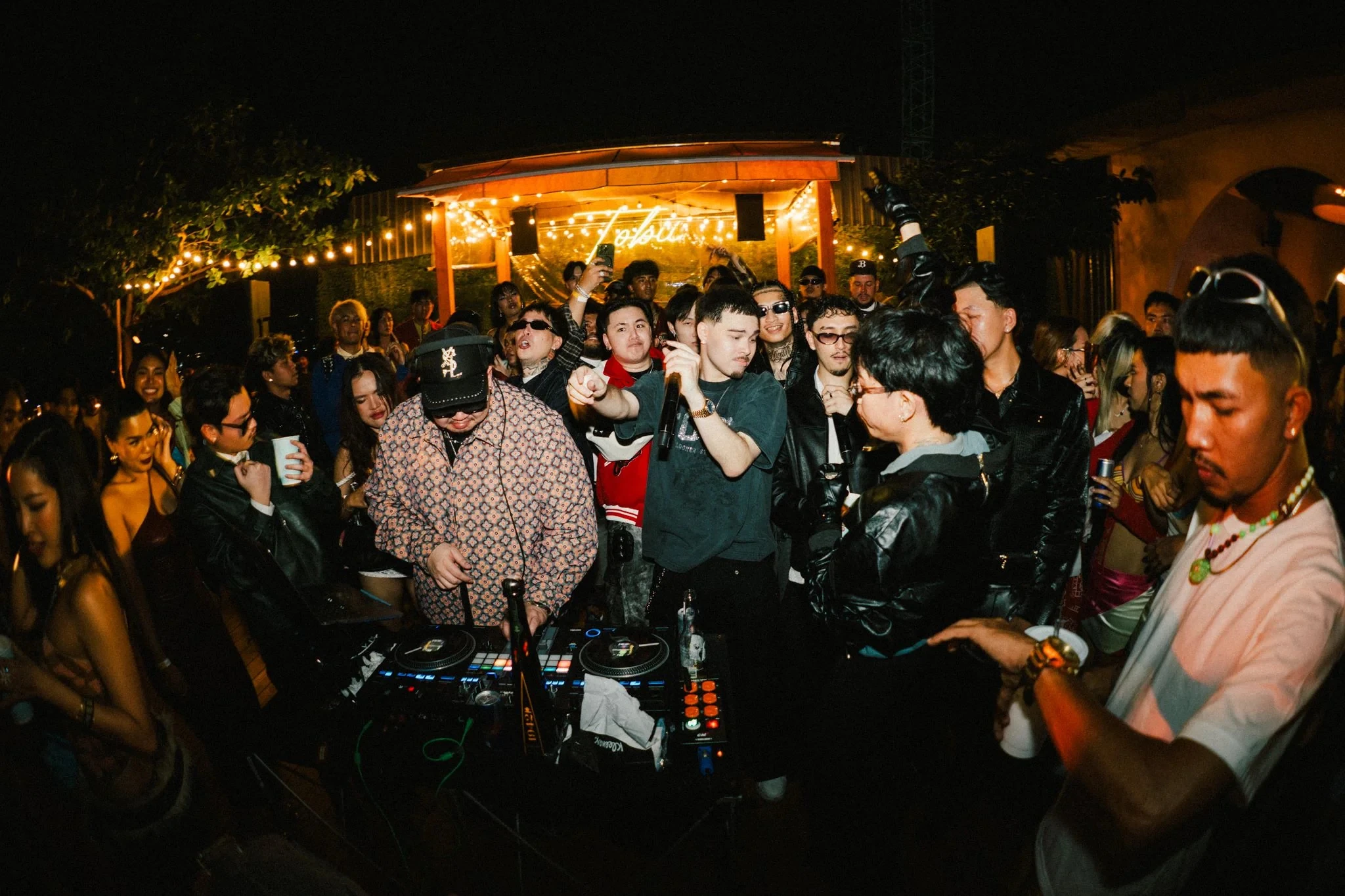
[title]A few weeks back, a new Afrobeats R&B Amapiano album dropped in Bangkok: Mr. Saxo Love. A genre the city is only just warming up to, Tobii – the artist behind this homegrown soundtrack – debuted its release at a poolside party, banana floats and all, the standout track Banana tying it all together.
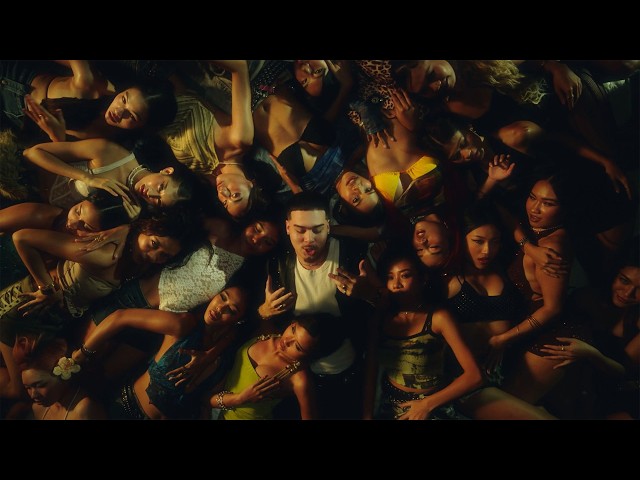
After the party, we sat with the full album, speakers positioned perfectly, and came out the other side a little sound-drunk. A little melody-soaked. One song bled into the next, just as you’d expect from good Afrobeats, until the final track. But we were left with questions – quite a few, actually. Next thing we knew, Universal Music Thailand office had Tobii – the man, myth and legend himself – sitting right across from us.
Tobii (Tobias Phuwanai Mattmueller) split his childhood between Swiss mountain air and the sweaty, electric sprawl of Bangkok. He taught himself to record music on a borrowed computer running cracked software, which is either very punk or very resourceful. Probably both.
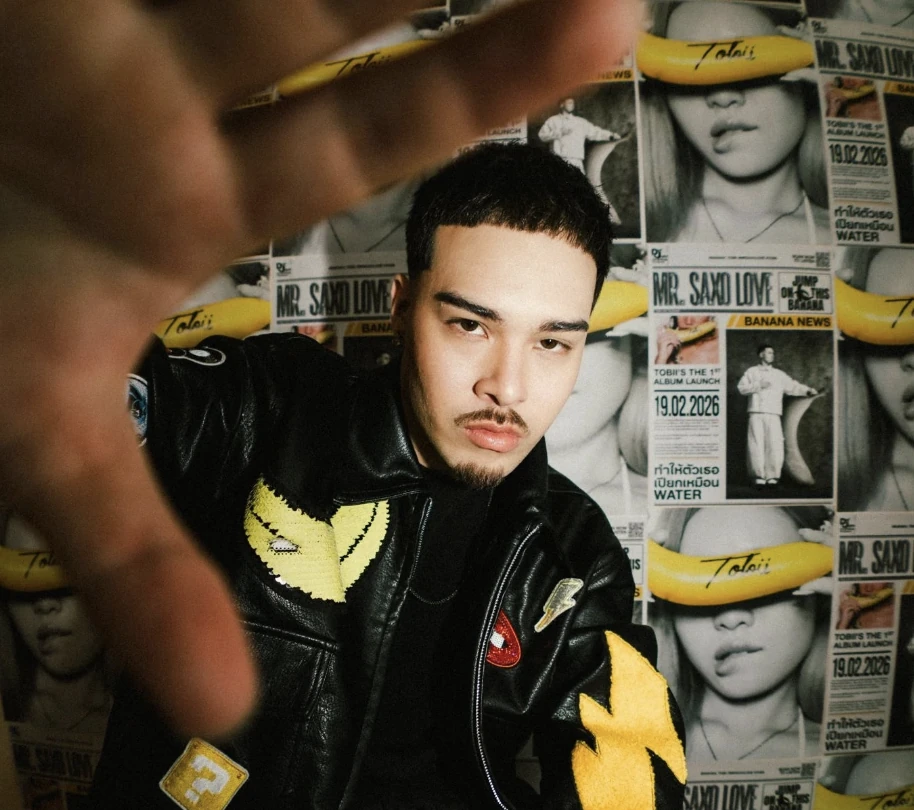
Fast forward a decade or so and Mr. Saxo Love is his latest, freshest, most danceable album yet. Undeniably sexy, his melodies drift somewhere between your hips and your better judgement – teasing, playful and fully aware of their effect. The virality it brought with it was never really a surprise.
This is Tobii. To the T.
Who exactly is Tobii?
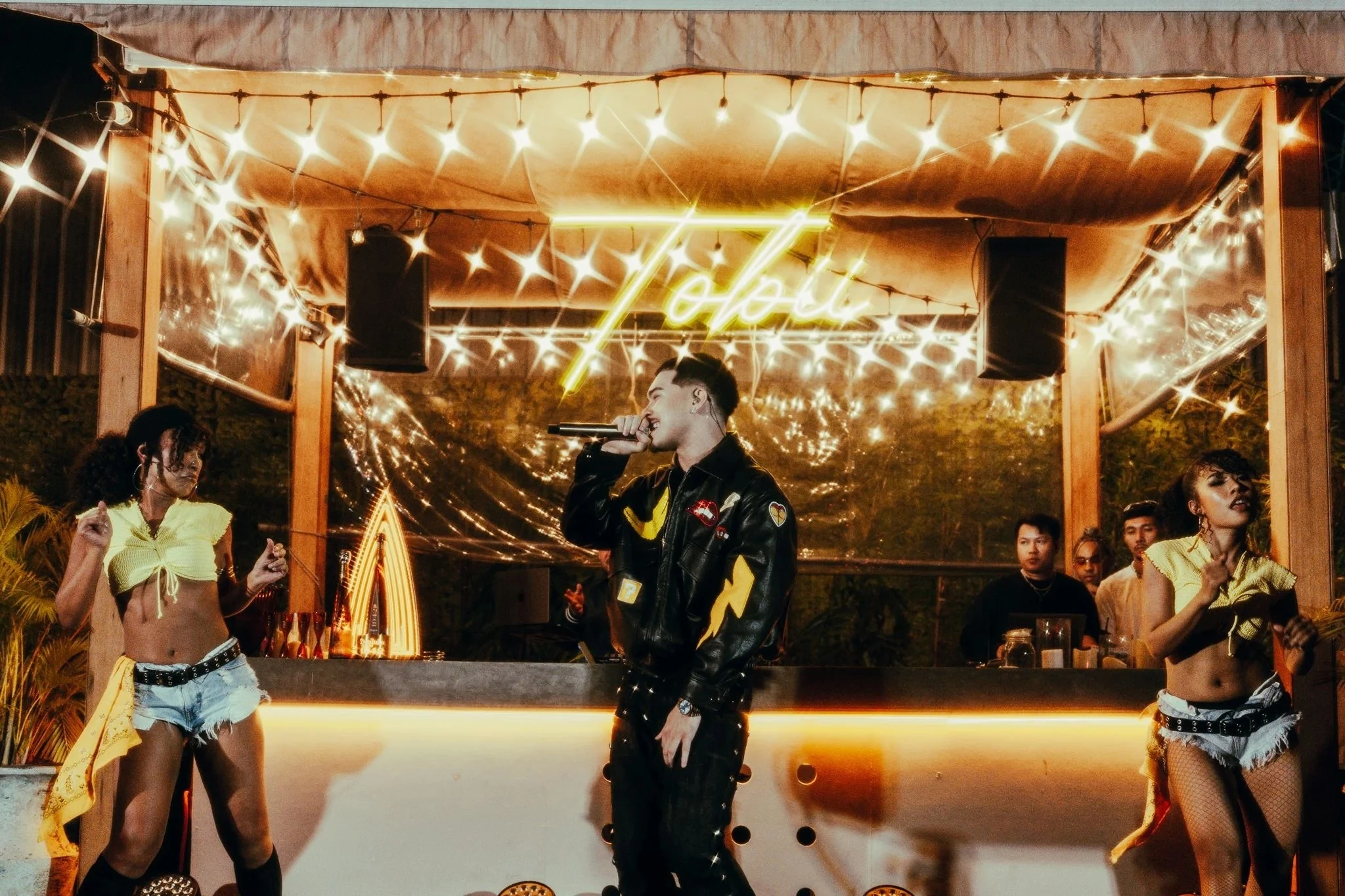
There's a particular kind of ease about people who've had to reinvent themselves more than once. Tobii has that ease in spades. Born in Switzerland and relocating to Bangkok as a young teen, he’s now carving out a lane in the city's music scene that nobody’s quite occupied before – an Afrobeats and Amapiano artist in a country where neither genre has deep roots, rapping and singing in a freewheeling mix of Thai and English and performing on stages that range from sweaty clubs to festival main stages.
At 26, he seems completely at ease with the unconventional route that brought him here, and honestly, that makes all the difference.
Where did it all begin?
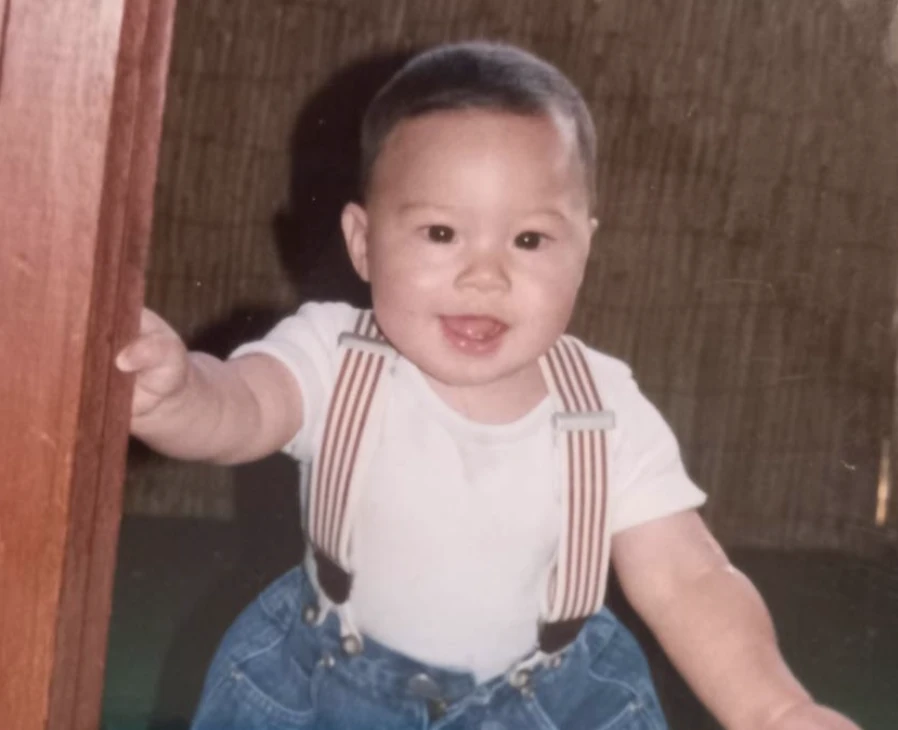
Wind back to Tobii at 15. Home alone a lot of the time, with too much energy and nowhere to put it. Figuring out software through intuition and a sense for good music, by 19, he'd found his outlet.
'I just wanted to record by myself,' he says. No fancy setup, no mentor, no plan. Just a borrowed computer, FL Studio on a cracked free download and whatever microphone he could get his hands on. It's the kind of origin story that feels almost cliche in its simplicity – but this bedroom producer stumbled into something far more real than most other wannabes.

What followed was years of quietly grinding, building a sound in a city that wasn't exactly clamouring for Afrobeats. But Tobii had a secret weapon: a complete lack of ego when it came to unashamed self-promotion. While a lot of his generation were too cool to push their own music, he was simply texting people – friends, acquaintances, whoever – telling them to listen.
‘Some people might feel like they're too cool to text someone and say: yo, listen to my song. I just didn't care. I just sent it to people!’
How did the mic confidence come?

Before the studio sessions and the label deal, there was the club circuit. Tobii fell into MC work through his DJ friends, who one day just asked if he fancied giving it a go. He said yes, more or less on the spot. Because why would you turn that down, right?
'It gave me confidence,' he explains. 'I didn't really know how to talk on a mic, so it was a good chance to go outside. Explore. Try things out.'
It's worth noting that standing in a packed Bangkok club and keeping a crowd alive is no small feat. That kind of on-the-job training – for use of a better word – gives in to raw, unforgiving, and immediate experience, while also giving performers something no studio session could ever achieve. ‘You either hold the room or you don't,’ he says.
What's Tobii’s sound and where does it come from?

Here's where Tobii's story gets genuinely interesting. Afrobeats and Amapiano in Bangkok is not an obvious pitch. But for Tobii, the connection is more personal than calculated.
He grew up in Switzerland around Black friends from kindergarten – and he'll tell you straight, that it shaped him. The music they listened to, the culture they moved through together, the sounds that filled those early years. 'I think that inspired me a lot,' he says simply. It's not a marketing angle. It's just how he was raised.
Throw in a deep love for African culture more broadly and the musical direction starts to make sense. Add Chris Brown, Michael Jackson and 50 Cent to the mix – artists he's been absorbing since childhood – and you start to hear where that melodic, Afro-driven sensibility comes from.
As for language, Tobii writes in whatever works. English gets the nod for its double meanings and flexibility. Thai, he admits with a laugh, is 'very difficult to write in a certain way.' The solution? Mix both. It's a code-switching approach that feels natural for someone who's always existed between multiple worlds and fits the Bangkok music scene perfectly.
Multi-lingual, he speaks Swiss German, English and Thai – though by his own admission, 'I'm not good at Thai, I'm not good at English either.’ His solution is to mix them both – smart.
Mr. Saxo Love hit the internet running – Tobii on why digital culture changes everything for new artists
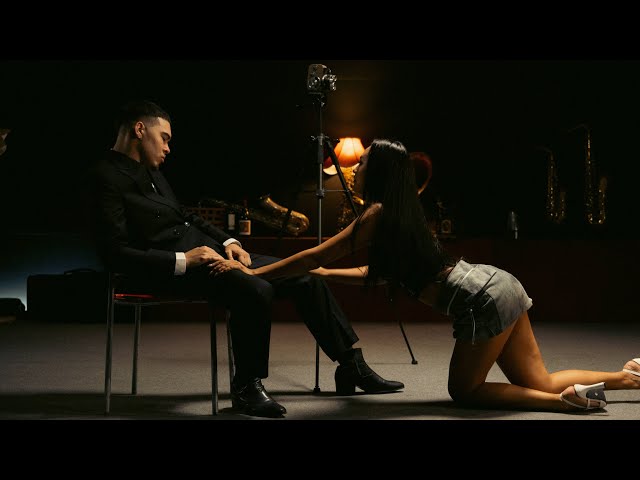
The album has 15 tracks – Banana, Hotel Lobby, Naughty, Phuket, Bad Girls Like You to name a few – and TikTok Thailand has been featuring them all. Bad Girls Like You sitting at close to 3.9 million user-created clips alone, more coming in as we speak. Tobii thinks he knows why.
‘It's nostalgic, passionate, a little sexy – okay, maybe more than a little,’ he laughs. ‘That 2000s R&B feeling crashed into Afrobeats and Amapiano and came out the other side wanting to dance. No heavy stuff. Just love, groove and good intentions. People felt it. And when people want to move, TikTok dances happen.’
He's quick to share the credit too – throwing big shoutouts to the dancers and choreographers who took the song further than he could have alone. We can’t help but wonder: is digital the necessary path for new artists now? Tobii replies before we can think; 'I think in this day and age, virality is part of the game.’
What's the big moment so far?

Ask Tobii about his first festival performance – Rolling Loud – and he deflects the hype slightly. The stage was big, yes. The excitement was real. But it's the backstage moments that he keeps coming back to.
'I saw artists I'd only ever seen on TV,' he says. The highlight? Chris Brown, in the flesh, performing live. 'I had my little glasses on. I was crying.' He never did get to say hello. But here's the thing – it was the same stage Tobii would go on to perform on himself. Watching your biggest inspiration from the wings of a festival, then standing on that exact same stage. That's the kind of full-circle moment you don't forget.
Going international – was it the plan?

Not exactly. The English version of Bad Girls Like You featuring Dolla came together less through grand strategy and more through good timing and proximity. The label had arranged a lunch where artists could connect. Tobii ended up in the same room as Dolla, they talked, they clicked and the collaboration followed.
'They came actually,' he says, still sounding mildly delighted by the low-key way it unfolded. Organic, unforced and ultimately a move that started to open doors beyond the Thai market.
Clubs, festivals or intimate gigs – where does it hit best?

Put the question to Tobii and he thinks about it properly rather than just giving the diplomatic answer. Clubs are fun – they're where he cut his teeth, after all. But he's candid about the reality.
'If I'm being real, at the club they don't just come to see me,' he says, a smile creeping in. 'They're trying to do other things.' Fair enough – the music gets you through the door, but Tobii himself might just be the reason you stick around. He laughs and we'll leave it at that.
Festivals are different. 'People really pay and come to see you,' he says. There's the freedom of the stage itself – the space to move, to breathe, to feel genuinely unrestricted. 'I just feel free up there.'
Big stages win.
Is Bangkok the forever home?

Tobii moved here at 12 because his parents decided Thailand was where they wanted to be. The music came later. But now, the two things – city and career – feel inseparable.
He misses Switzerland sometimes. Of course he does. But Bangkok has something that's impossible to walk away from.
'It just feels like peace,' he says calmly. It's one of those answers that sounds simple but the emotion runs deeper. 'People smiling. You have these big festivals, the UFC, you have mountains – it's just everything in one.'
He believes Thailand has a serious case to be made as Southeast Asia's premier festival destination. Tomorrowland has landed. Rolling Loud too. The infrastructure is growing, the energy is right and for Tobii, it was never really a question of going back.
What's next?
Tobii is still early in the game – and by his own reckoning, we've barely scratched the surface. 15 tracks made it onto the debut album. The vault, apparently, runs deep. If this is just the beginning, the rest of it is going to be very interesting indeed. As fans of the genre, we can’t wait to hear more.