
[category]
[title]
Despite dramatic scenes of flooding, much of Bangkok is operating as normal – here’s what any worried visitor needs to know


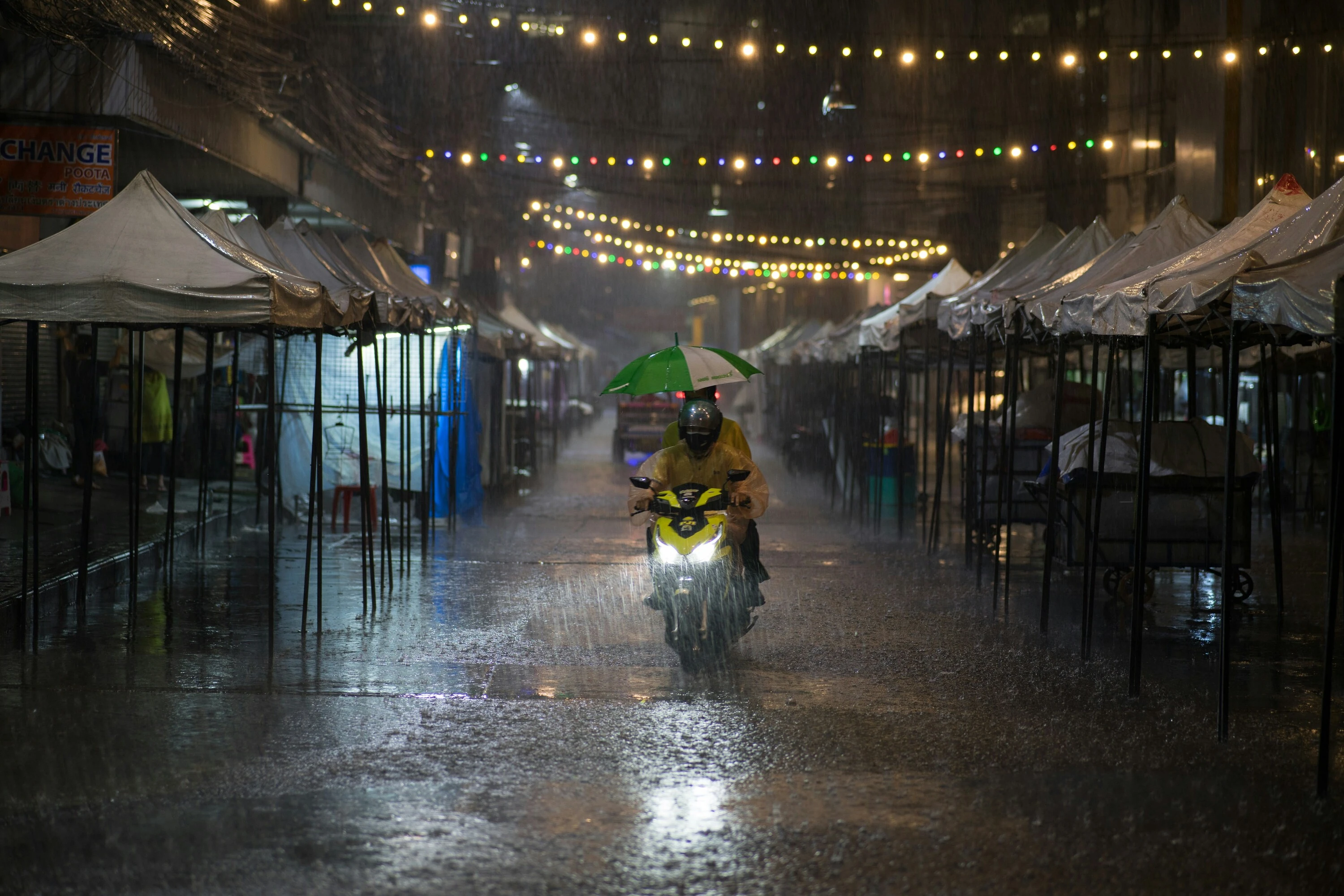
Over the last week, rain has poured continuously on Bangkok, leaving many parts of Thailand’s capital city flooded. Waterways have overflowed, drainage systems have become overwhelmed and reservoirs in nearby provinces have reached over 100 percent capacity.
For reference, around 320mm of rain fell over two to three days, quickly flooding some of the city's major streets and suburbs as drainage struggled to keep up. Homes, cars and main roads were feet deep in water and schools, workplaces and communities were closed, relocated and left stranded. But does this really mean Bangkok’s a city to avoid as a tourist now? We think not.
For most visitors, yes – but it pays to check conditions before travelling across the city.
Even at the height of the flooding, the city centre remained relatively unaffected. While severe flooding did hit communities across the capital, particularly in low-lying areas and neighbourhoods around canals, much of central Bangkok continued operating.
Most major attractions and visitor facilities remain open, while the BTS, MRT and Airport Rail Link are running. The Chao Phraya River has yet to burst its banks and is now expected not to, with riverside hotels, malls, restaurants and bars operating normally.
In the inner city, some events, shops and services have paused or reduced their offerings, mostly because staff living in badly affected areas have been unable to get to work. That same problem contributed to the disruption at Suvarnabhumi Airport over the weekend.
For locals, of course, the picture has been very different. Dozens of roads and communities were flooded, thousands of residents were evacuated and some neighbourhoods remain underwater. Fashion Island and The Promenade, for example, temporarily closed after flooding affected access to the shopping centres.
But conditions are improving quickly. As of September 30, most main roads have now reopened and cleanups are already underway across the city. Petchburi road – a major
artery – was up to the knees just three days ago, but is now dry and back to normal. BMA was conducting a citywide clean-up on September 29 in preparation for more normal travel, to mostly positive results.
In fact, according to the government’s live flood tracker, 28 of the 45 roads and zones declared ‘flooded’ are now clear, with seven improving and only 10 zones (mostly out of the city) still listed as flooded.
Click here for the live tracker.
You can also track the status of all Bangkok canals here.
Some districts remain affected, so this isn't quite business as usual everywhere. But if you're visiting Bangkok and staying around central areas such as Silom, Sathorn or Sukhumvit, much of the city remains accessible and your trip is unlikely to look anything like the most dramatic images circulating online.
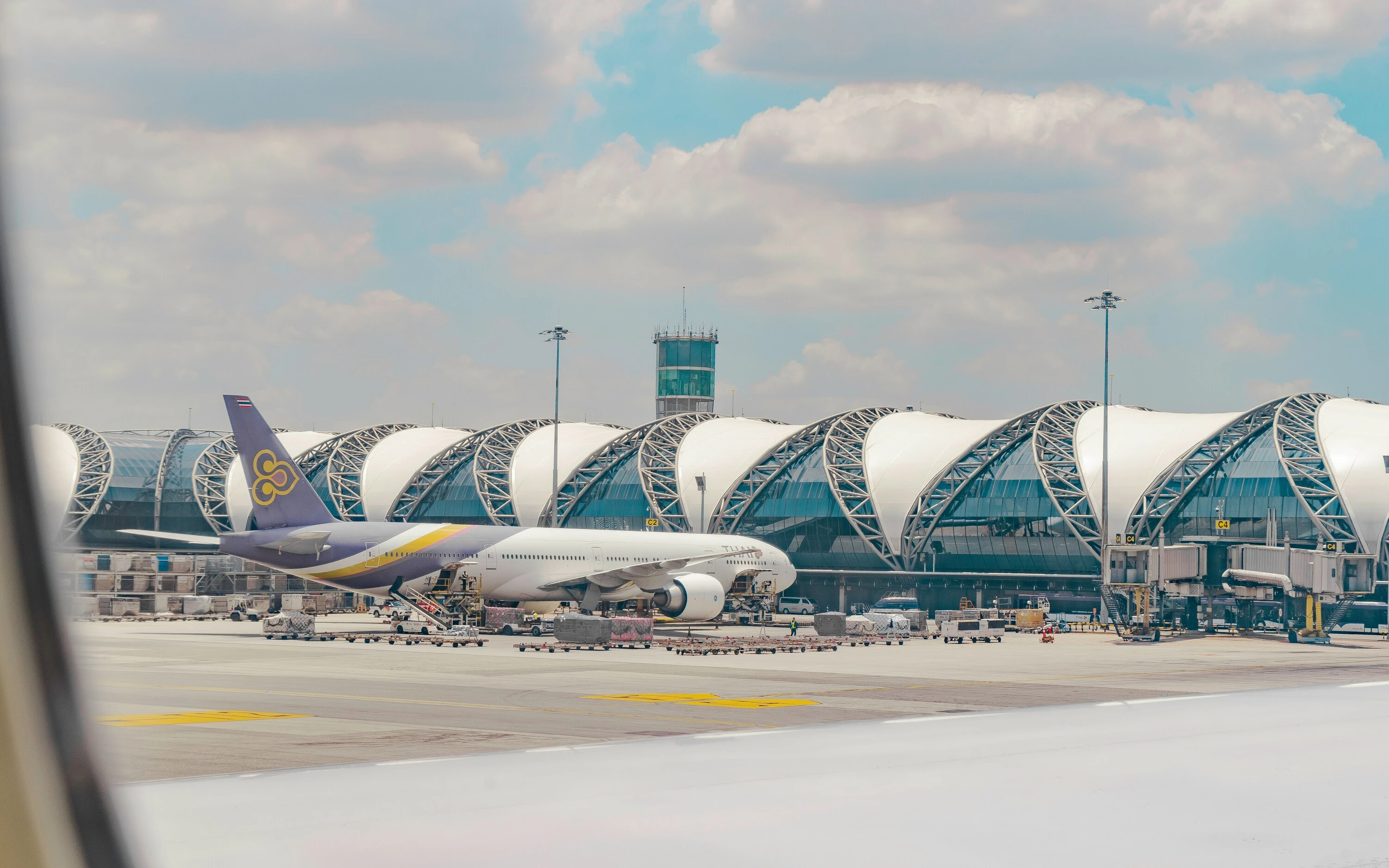
Both Suvarnabhumi and Don Mueang international airports remain operational, but travellers should expect some disruption and allow extra time.
The most significant problems have affected Thai Airways at Suvarnabhumi. Flooding prevented many ground-handling staff from reaching the airport, contributing to widespread delays and a backlog of more than 5,000 pieces of luggage.
On September 29, Thai Airways CEO Chai Eamsiri apologised for the disruption and said fewer than 3 percent of the airline’s departures over the previous two days had left on time. The carrier has set a 72-hour target to clear its baggage backlog, bringing in additional workers and outside support to speed up the process.
So if you’re flying into or out of Bangkok in the coming days, check your flight directly with your airline before leaving, allow extra time to reach the airport and leave some breathing room around any connecting flights.
For most travellers, there is currently little reason to cancel a Bangkok trip solely because of the flooding.
Bangkok's airports are open, its main public transport systems are running and most visitor attractions, hotels, restaurants, bars and shopping centres are operating. The worst flooding is receding, and the city is moving from emergency response into clean-up and recovery.
That doesn't mean the floods are over for everyone. Some communities remain affected and conditions can change quickly if heavy rain returns. But Bangkok is a vast city, and the scenes from its worst-hit neighbourhoods don't represent conditions everywhere.
Come to Bangkok. Just pack an umbrella, check where you're going before you leave and give the city – and the people keeping it running – a little extra patience.
Probably – this is still Bangkok in the rainy season, after all.
The Thai Meteorological Department continues to forecast thunderstorms across the Bangkok metropolitan area, although the exceptionally heavy rainfall that caused the worst of the flooding has eased. That means localised flooding can still happen, particularly after a sudden downpour and in low-lying areas.
The water disappearing doesn't mean the effects disappear with it.
Across Bangkok, clean-up operations are already underway, with city workers removing flood debris, cleaning roads and moving vehicles abandoned or damaged during the flooding. In some of the hardest-hit communities, however, recovery will take considerably longer.
For visitors, that means being a little more considerate about where you go and what you encounter. A street that looks completely normal today may have been under a metre of water a few days earlier, while the people serving your coffee, driving your taxi or checking you into your hotel may be returning to work while their own homes are still affected.
There are also practical things to keep in mind. Avoid walking through standing floodwater where possible, don't attempt to cross flooded roads or sois, and check traffic and weather conditions before making longer journeys across the city.
If you're in Bangkok and want to do more than simply stay out of the way, there are several organisations providing support to flood-affected communities.
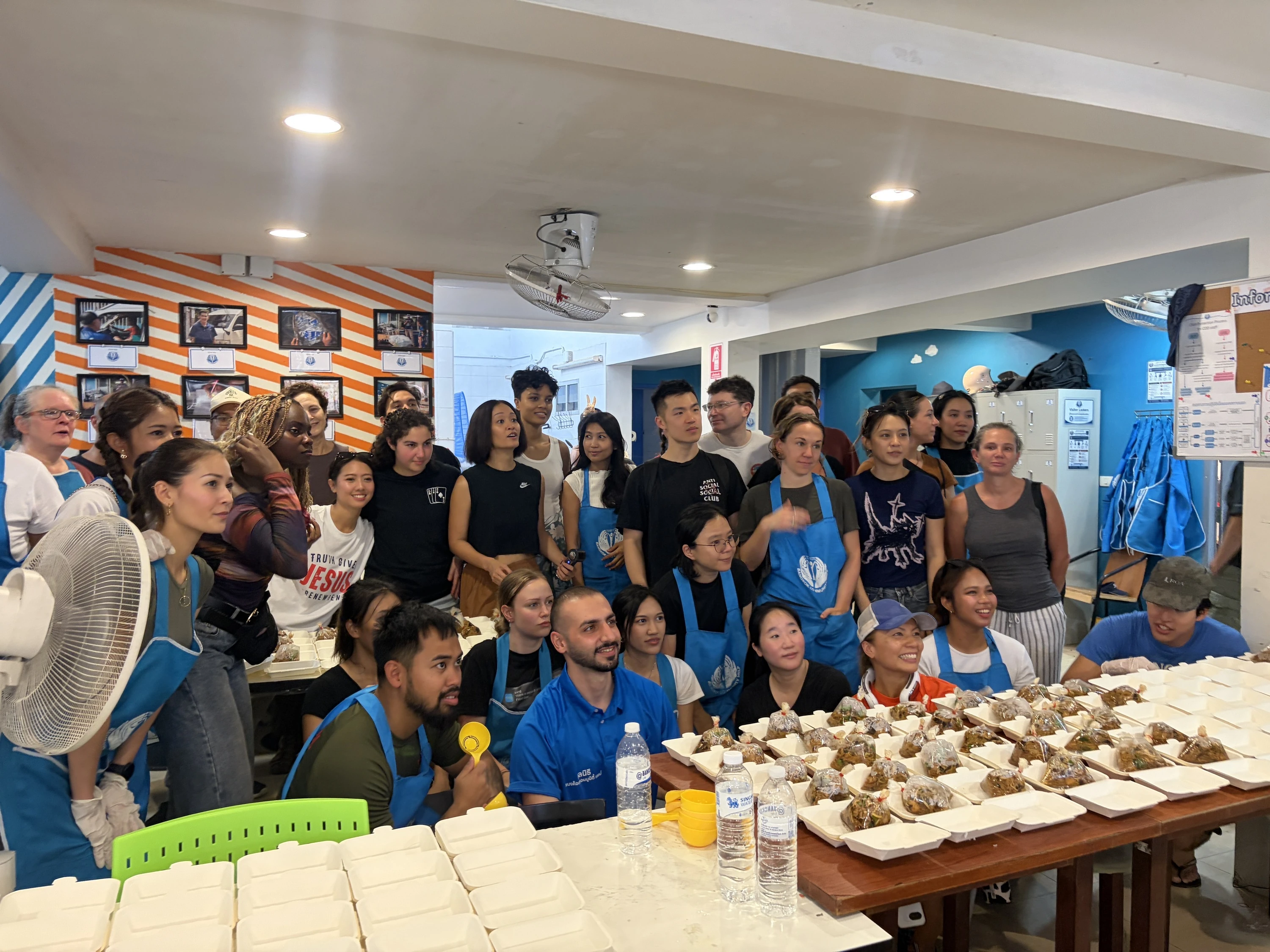
The Bangkok Community Help Foundation (BCHF) has been working directly with communities across the city, preparing and delivering meals to residents who remain stranded or are struggling to access food and essential supplies. The foundation is accepting volunteers to help cook, pack and distribute meals, as well as donations of food, drinking water and other essentials. Volunteers can join activities at its base on Sukhumvit Soi 10 from 11am most mornings – but check their socials for updates before you go.
The Thai Red Cross Society is another established option for those looking to contribute financially to disaster relief. Its relief teams provide emergency assistance including food, drinking water, hygiene supplies and other essentials to communities affected by floods and other disasters across Thailand.
The Mirror Foundation also mobilises volunteers during major disasters and emergencies, supporting affected communities with supplies, clean-up work and other assistance. Check its latest updates for current calls for volunteers, equipment or donations.
Needs can change quickly as the water recedes, so check each organisation's official channels before donating supplies or turning up to volunteer. Cash donations can often be more useful than physical goods, as organisations can purchase exactly what affected communities need at the time.
Discover Time Out original video