
[category]
[title]
How the capital adapts when dust levels hit the danger zone


Bangkok's been choking on something nastier than traffic fumes lately, and if you've stepped outside recently, you'll know exactly what we're talking about.
Forget those dreamy golden-hour Instagram posts, the city's currently wrapped in a thick blanket of PM2.5 dust that's turned a simple morning jog into a genuinely risky proposition. Over the past couple of days, dust levels have hit 47-59 micrograms per cubic metre, prompting AirBKK to slap an orange zone warning across the entire capital without any sugar-coating. The still air mixed with Bangkok's legendary traffic is brewing up a smog cocktail that nobody ordered.
But the city isn't leaving residents to fend for themselves. A full-team effort is underway, tackling everything from construction sites to work policies, all aimed at helping Bangkok breathe a bit easier.
Construction sites get the heavy treatment
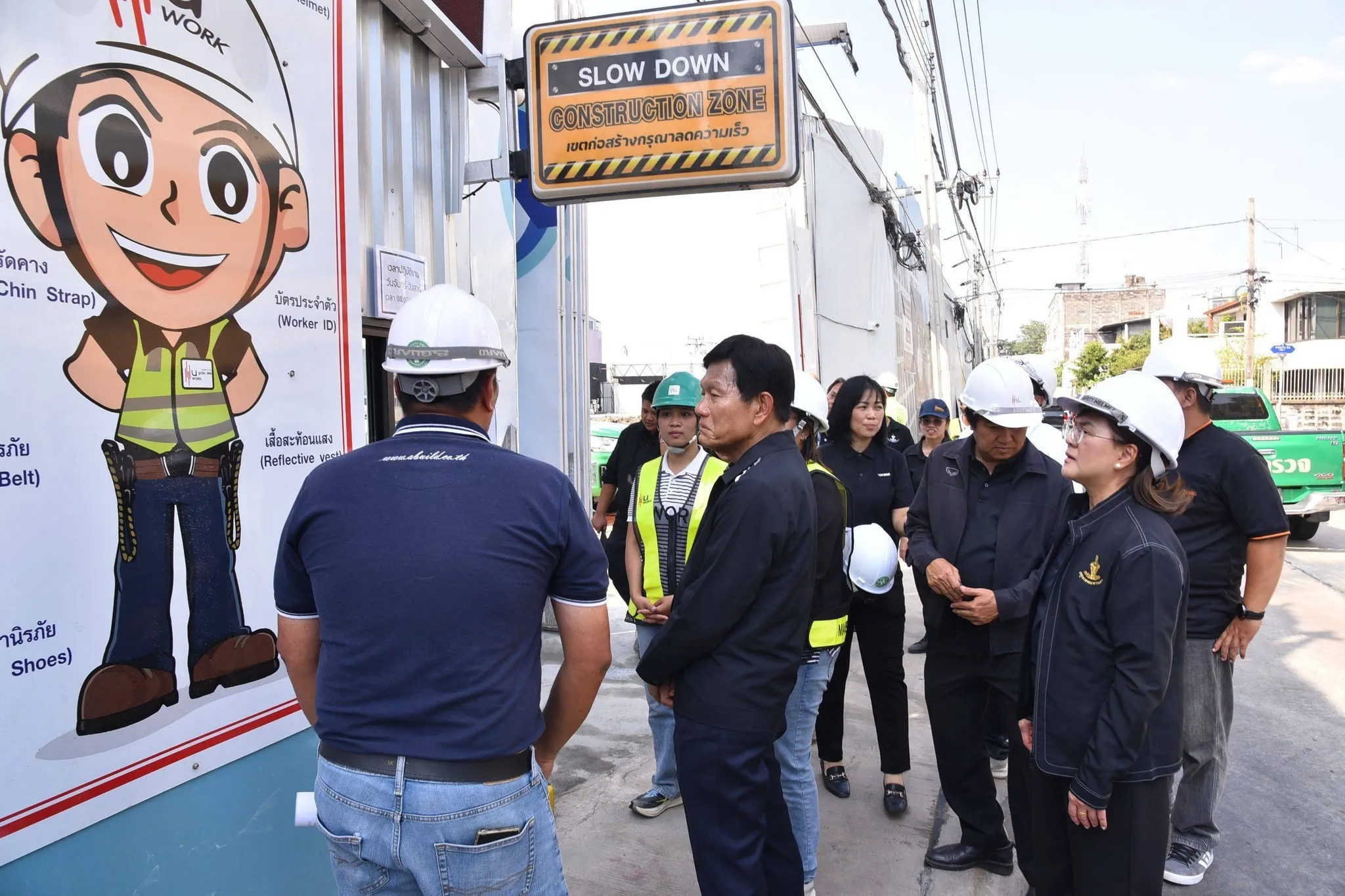
Construction sites are dust enemy number one, and Wang Thonglang district is getting special attention. The moment AirBKK flashed orange, the Deputy Governor turned up unannounced at the COBE Lat Phrao-Sutthisan project site, no messing about. What followed was a proper crackdown: mandatory wheel washing before vehicles leave, constant water spraying, six-metre-high dust barriers and a requirement for all vehicles to be registered in the Green List system. This isn't a plaster on a single problem but part of a bigger plan to cut dust dispersal citywide.
Meanwhile, factories and establishments across the area are getting random inspections, with nobody getting a free pass. Bangkok's also been sneaking in some natural air filters by transforming abandoned spaces along Saen Saeb Canal into parks you can reach within a 15-minute walk. Over 10 parks are being created or improved, adding green lungs to absorb pollution and improve airflow through residential areas.
Work from home actually means something
PM2.5 isn't background noise anymore. When dust levels started climbing, Governor Chadchart told Bangkok agencies to work from home on December 4, timing it just before a predicted three-day heavy dust period. This isn't about giving people a duvet day, it's about cutting vehicle emissions right at the source. City residents are also being urged to skip intense outdoor exercise, invest in a decent mask and steer clear of old diesel vehicles.
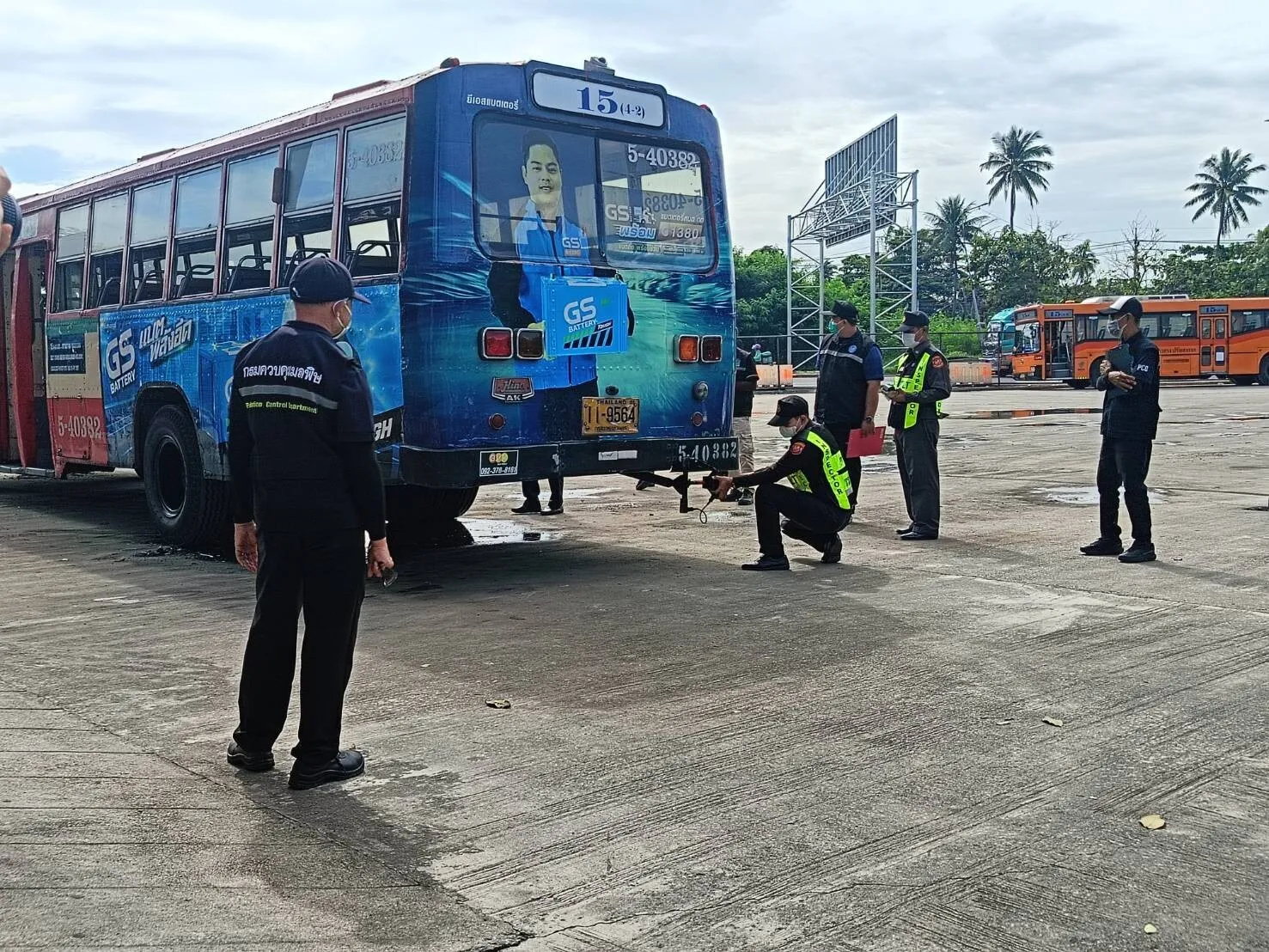
The Bangkok Permanent Secretary has ordered no-nonsense inspections of black smoke vehicles and polluting factories, get caught, face prosecution immediately. AirBKK is tracking dust levels at over 60 points across the capital in real-time (currently showing 34.9-59.5 micrograms per cubic metre), so people can adjust their plans on the fly.
The private sector's chipping in too
It's not just government bodies scrambling to fix this mess. The Mall Group has launched its Green List Plus project, encouraging residents to get their vehicles inspected and serviced to reduce black smoke. The incentives are pretty compelling:
Governor Chadchart's broken down the dust problem into three main culprits: closed weather conditions between November and February, ageing diesel vehicles and biomass burning. Together, these could push dust levels as high as 90 micrograms per cubic metre.
It's all connected
Here's the thing: all these measures, controlling construction sites, cutting waste, planting parks, reducing vehicles, inspecting factories, aren't separate initiatives working in isolation. They're part of a coordinated network designed to tackle PM 2.5 with whatever resources the city can muster. Every piece matters, from building sites to canal-side green spaces.
The dust isn't vanishing tomorrow, but Bangkok's learning to adapt, and residents have a proper role to play in this. Whether it's choosing to work from home when possible, getting your vehicle serviced or just checking AirBKK before planning outdoor activities, small actions add up. The city's moving together on this, trying to make Bangkok breathable again, one measure at a time.
Discover Time Out original video