

Bangkok's cool season should mean evening strolls and outdoor drinks, but instead it brings back that unwelcome guest: PM2.5 dust. Early December sees the capital in stagnant air mode once again, with dust levels climbing and facemasks making their grim return. For a while there, it feels like groundhog day: same pollution crisis, different year.
But this time around, things are shifting. The Bangkok Metropolitan Administration (BMA) has actually started moving with some urgency, with Governor Chadchart keeping close tabs on the situation and rolling out Work From Home measures to cut down traffic, one of the city's biggest dust culprits. And it looks like these proactive steps are beginning to pay off, giving those of us living here a bit more breathing room. Here's what's happening on the ground and why this year might just be different.
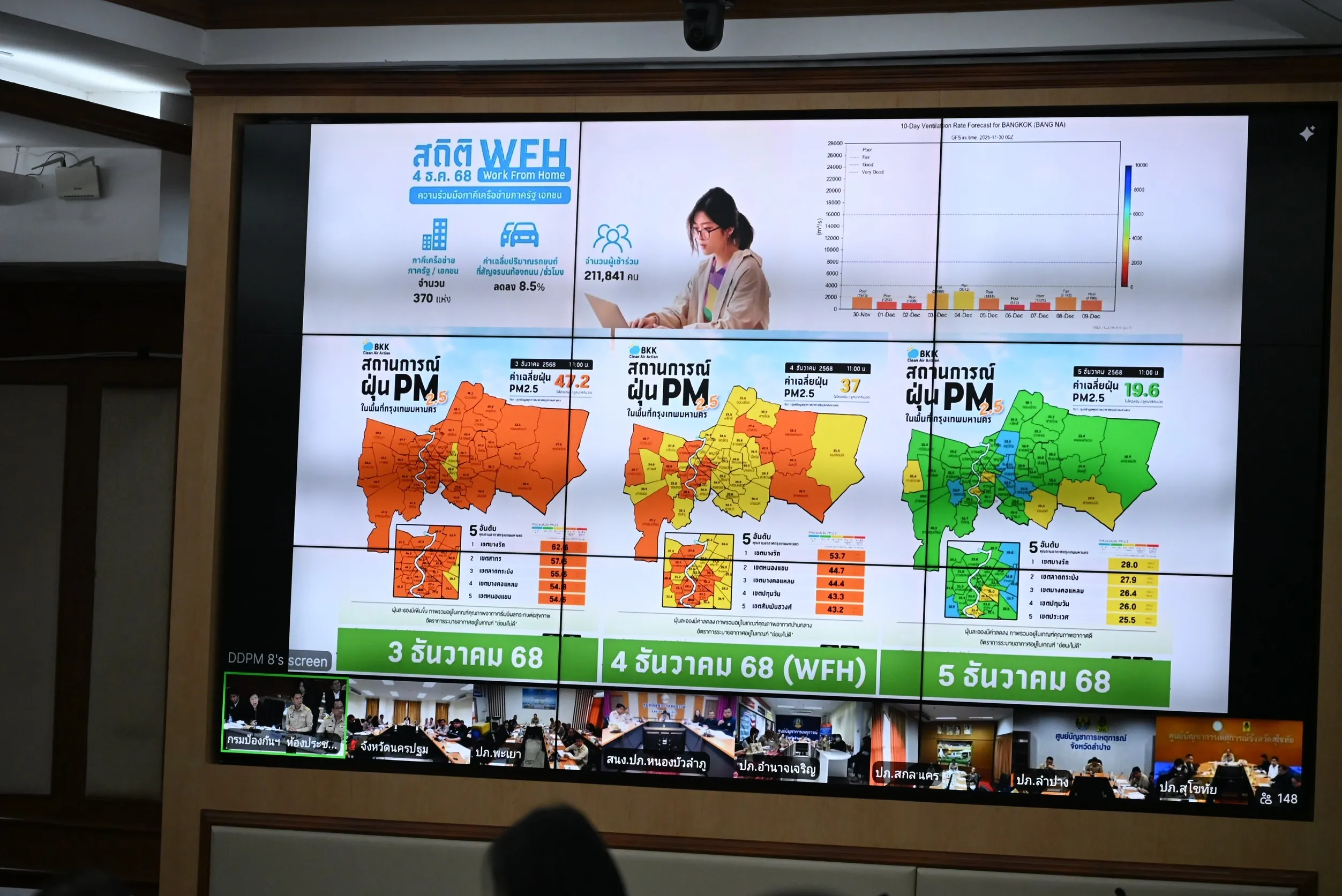
WFH actually works: traffic down 8.5 percent, lungs saved on stagnant days
Credit where it's due. The WFH cooperation measures announced by BMA on December 4 have genuinely made a difference. The numbers don't lie: working from home cuts average hourly vehicle traffic by up to 8.5 percent, which leads to a noticeable drop in accumulated dust, particularly on those stagnant air days when the stuff just hangs around at street level like an uninvited houseguest.
It's a reminder that tackling the dust problem isn't just down to government agencies. Everyone has a role to play, and this shows that the authorities are finally treating it as a long term issue rather than just issuing seasonal warnings and hoping for the best. Beyond managing city traffic, there's been proper focus on getting the Ministry of Agriculture to crack down on sugarcane burning and biomass, plus instructions for provincial governors to handle forest fires, all major sources of PM2.5 across the region.
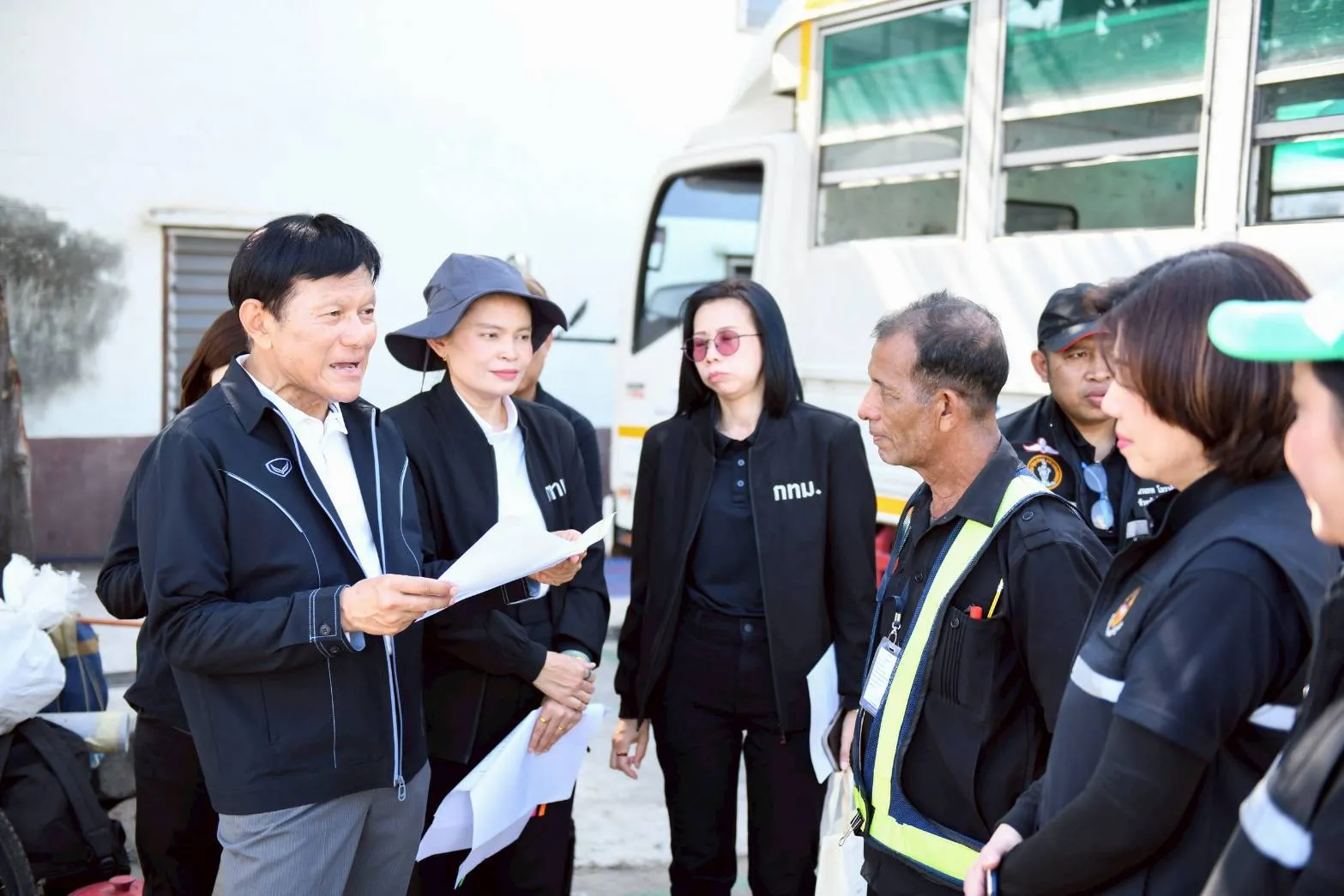
Rat Burana gets stuck in: sand yards inspected, construction sites held to account
Sometimes the most effective action happens at district level, and right now Rat Burana deserves a shout out. The Deputy Governor has been carrying out inspections of dust control measures, paying particular attention to Mitcharoen Sand Pier, a risk hotspot where trucks constantly ferry dust into the city.
Operators there have been told to wash every truck's wheels before it leaves, check for black smoke and keep dust properly managed. Meanwhile, the Italian Thai construction site has been instructed to separate waste at source, cutting down on the material debris that often creates fine dust particles.
The district has also drawn up an inspection plan for businesses likely to release dust (boilers, cement plants, construction sites) making sure they're all meeting legal standards. It's proof that solving Bangkok's air quality problem doesn't just come from sweeping citywide policies but from districts rolling their sleeves up and doing the graft.
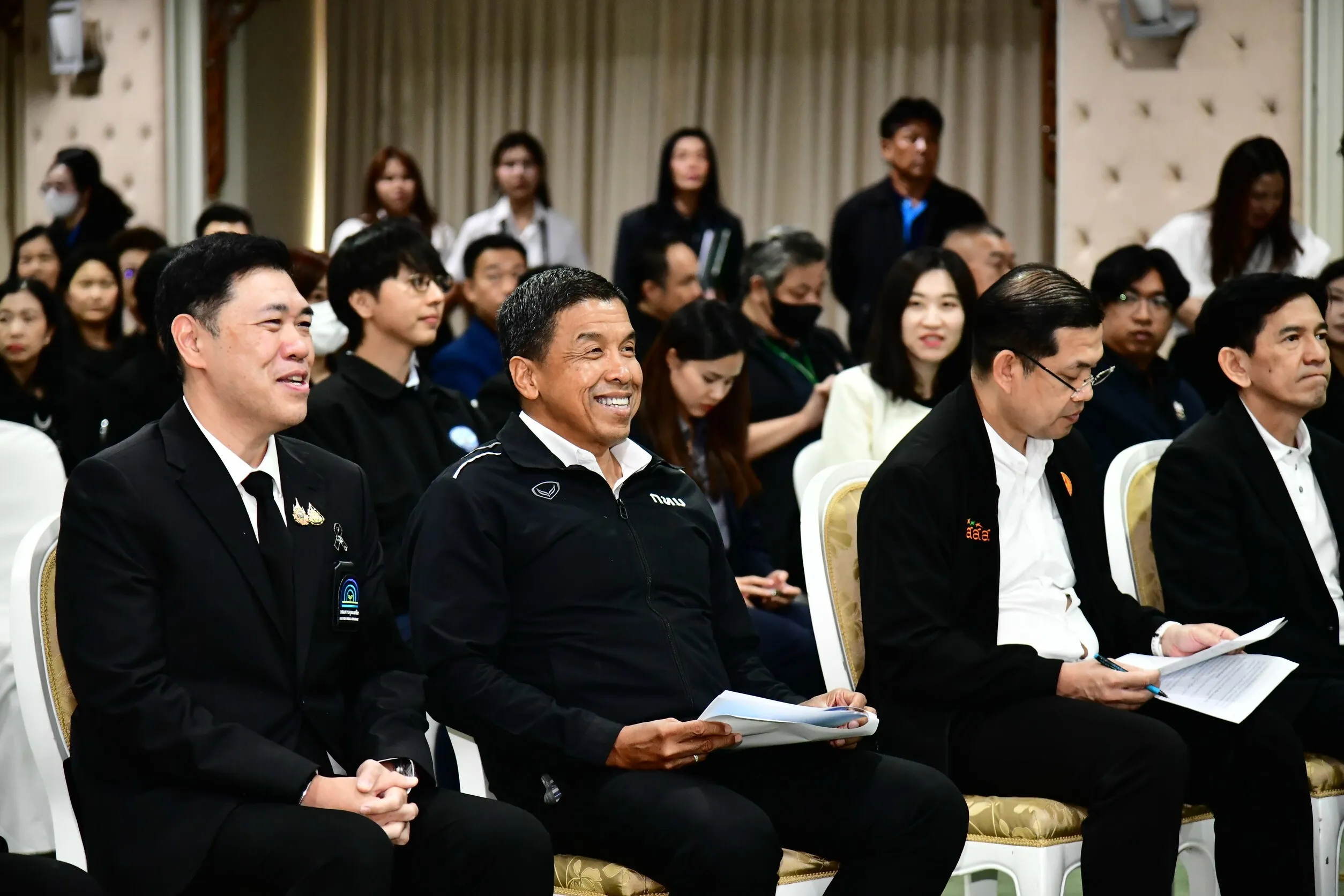
New 10 point anti-dust plan: Chadchart tackles roads, factories, adds green lungs
Most recently, Governor Chadchart Sittipunt has doubled down on tackling pollution with an upgraded action plan to fight PM2.5, expanding measures to a full 10 points for the official pollution control period (November to March each year).
This plan covers everything. There's the vehicle side: expanding Low Emission Zones to all 50 districts, ramping up black smoke inspections and requiring construction site trucks to register for the Green List. Industry gets attention too, with factories being pushed to install automatic exhaust emission monitoring systems.
Crucially, there's proper focus on residents' health. The completion of dust free rooms in schools and childcare centres is being fast-tracked, dust alerts are being extended to seven days in advance, and green space is getting a serious boost. The target is to plant three million trees whilst promoting the 15 Minute Park concept across 500 locations throughout Bangkok.
The WFH measure isn't just a temporary fix either. It's being built into long-term planning, with a target of 300,000 participants by 2026 and a requirement for city agencies to work from home at least one day per week to cut down on commuter pollution.
This year's response to PM2.5 is more intensive than we've seen before. From WFH cooperation that's genuinely helping to detailed district level action and Chadchart's comprehensive 10 point plan covering vehicles, factories and urban greenery, it feels like the pieces are finally coming together.
It shows that clean air and a decent quality of life in a mega city like Bangkok isn't down to luck or favourable winds. It comes from proactive measures backed up by cooperation across all sectors. If everything goes to plan (and that's admittedly a big if) those of us living here might actually be able to breathe easier this dust season. About time too.