[category]
[title]
After 14 years of campaigning, Nakhon Si Thammarat's grand old temple finally gets its global moment


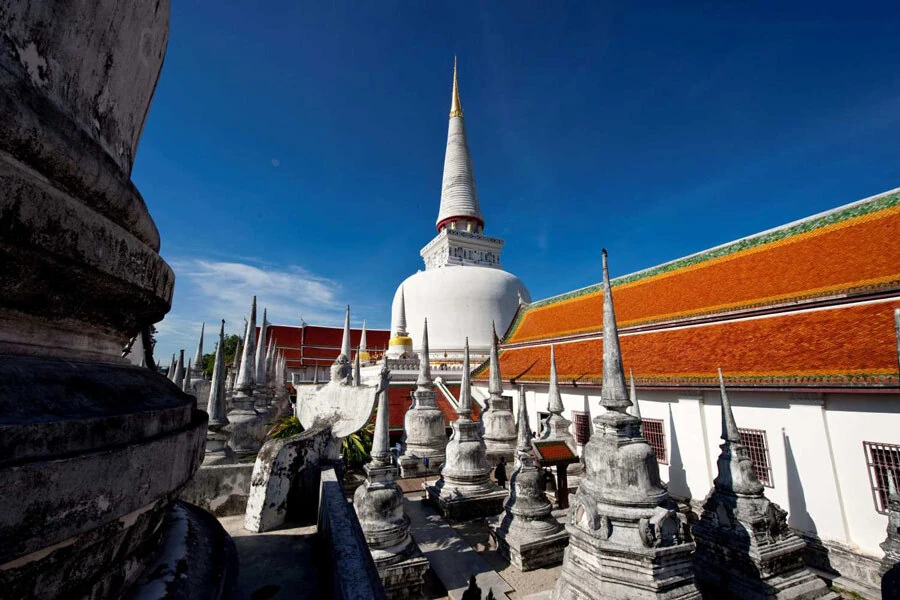
Wat Phra Mahathat Woramahawihan in Nakhon Si Thammarat officially becomes a UNESCO World Heritage Site on July 25, and honestly, it's about time. This is a grand old temple that's been quietly holding court in Thailand's deep south for longer than most countries have existed, so the rest of the world catching up feels less like breaking news and more like a long-overdue thank-you note.
Here's the backstory. The nomination starts life back in 2012, then crawls through more than 14 years of paperwork, campaigning and sheer community graft to get over the line. That's over a decade of southern Thais writing reports, hosting site visits and lobbying officials to keep their sacred landmark in the running. And when the moment finally arrives, it arrives in style. Delegates at the 48th Session of the World Heritage Committee, gathered in Busan, South Korea, vote it in unanimously. Not one hand raised against. If you know how fraught these rooms usually get, that's the diplomatic equivalent of a standing ovation.
Now for the numbers, because they matter. This makes the temple the first UNESCO Cultural World Heritage Site in all of Southern Thailand, the country's sixth cultural listing and its ninth World Heritage Site overall. For a region that too often gets skipped on the glossy tourist maps, that's a proper flex.
The jewel in the crown? The Phra Borommathat Chedi, a colossal bell-shaped stupa built in the Sri Lankan style and rising roughly 78 metres. Locals circle its base clutching lengths of yellow cloth to drape around the spire, incense smoke drifting past the stalls selling lotus buds and gold leaf at the entrance. Buddhists across the south have come here to bow, pray and pay their respects for centuries, generation after generation drawn to the same white spire.
Discover Time Out original video