
[image]
[title]We arrive on Decho Road in the afternoon, the sun still strong outside but the air pressure dropping, hinting that rain is on its way.
It is unusual to be here before opening time, so we slip in through the back door and climb the stairs to a wine bar. In this wine bar, a small cinema is hidden behind curtained walls on the floor above and the dusty smell of old parquet fills our senses.
That, near enough, is the whole idea.
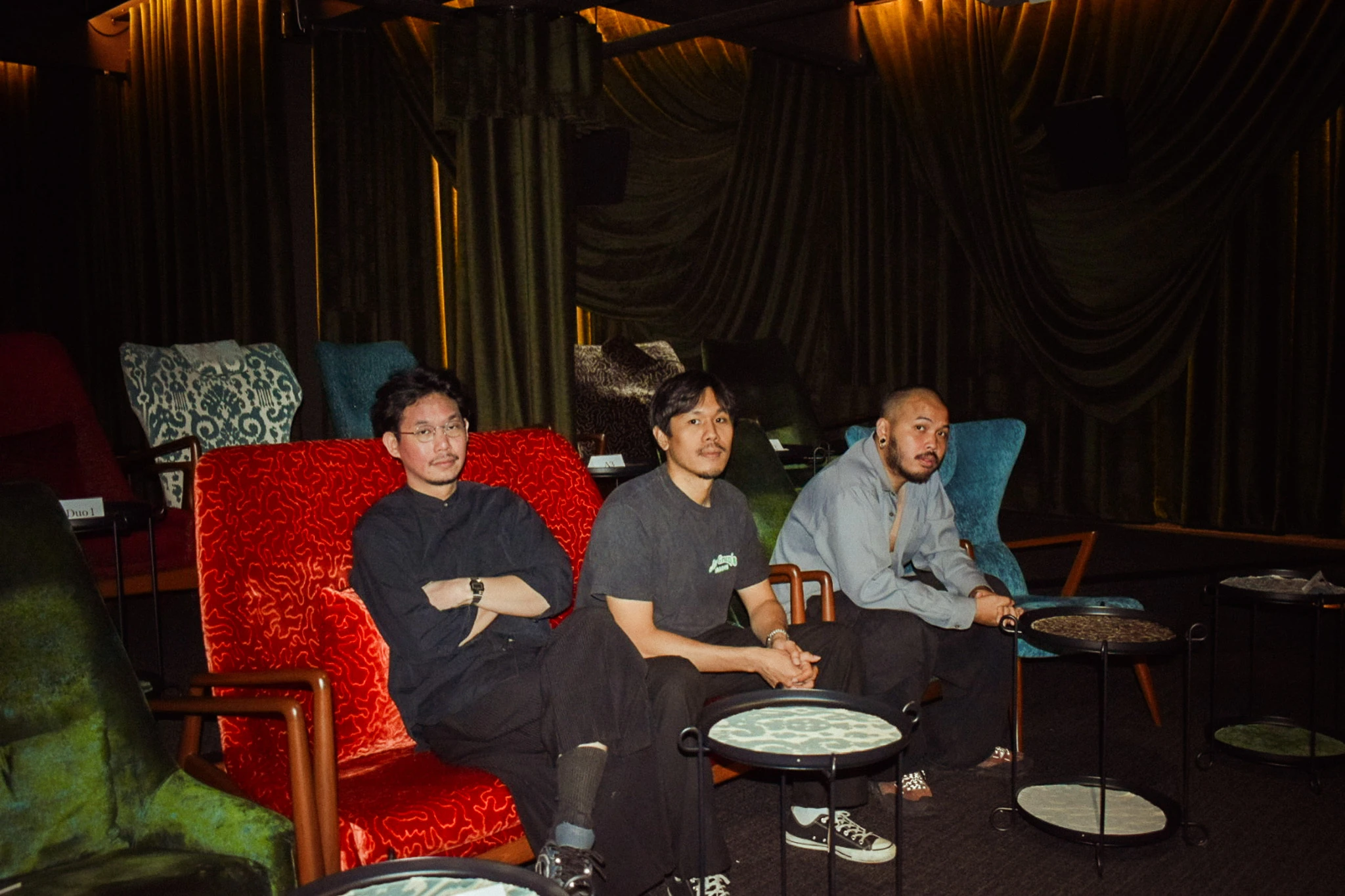
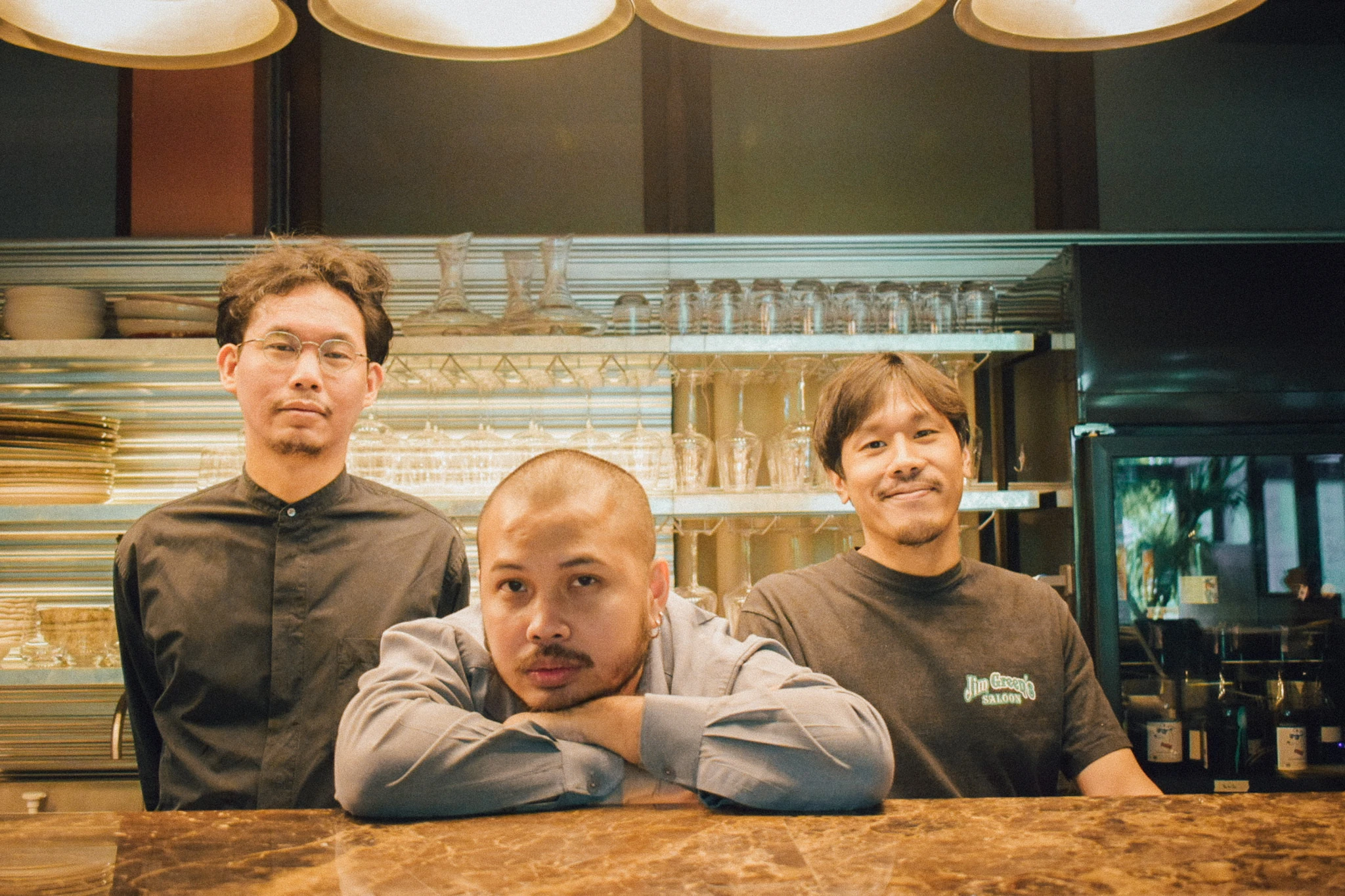
At a moment when independent picture houses around town are quietly going dark, Natchanon 'Vana' Vana, Pakapol 'Meang' Srirongmuang and Dit Thanasresthavilai have chosen to walk the other way. They have taken things they love – movies, wine, food and books – and poured them into a close-to decade old building, with help from more than a dozen friends drawn from the world of entertainment and art.
The result is Sala Saneha, a place built on the faintly old-fashioned conviction that going out to the pictures ought to feel like romance again.
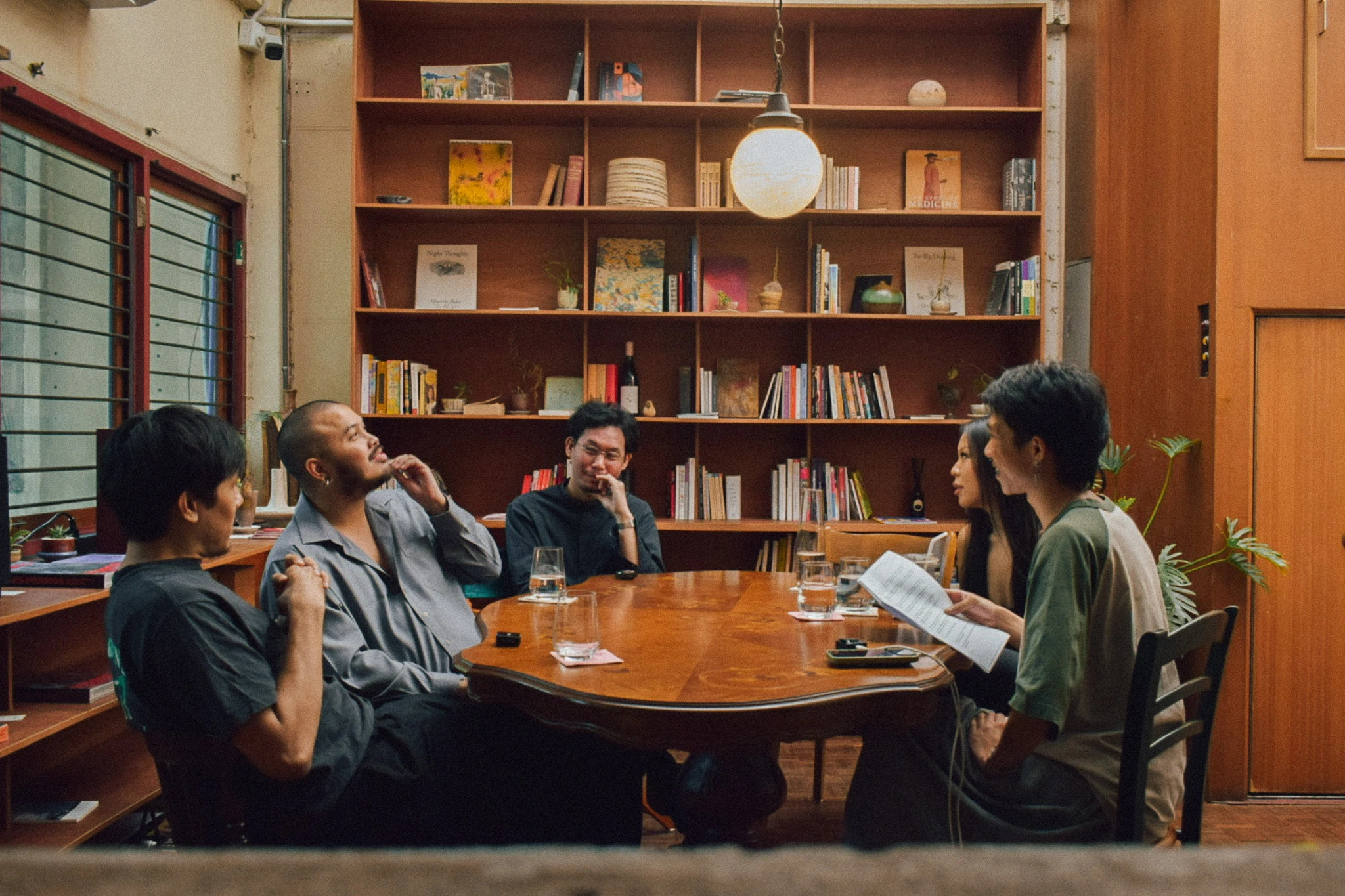
I met the three of them upstairs in the bookshop, on soft chairs among the wood – cladding the walls, forming the bookshelf, the floor, the table, the chairs – and as the early afternoon light came through the leaves just outside the windows, we began to talk.
A building with several past lives
What was clear, is how exact they are about the conditions. The venue could not disturb the community already settled around it. But it had to hold a person for three or four hours – not somewhere you duck into and flee. A cultural room, a space you sink into.
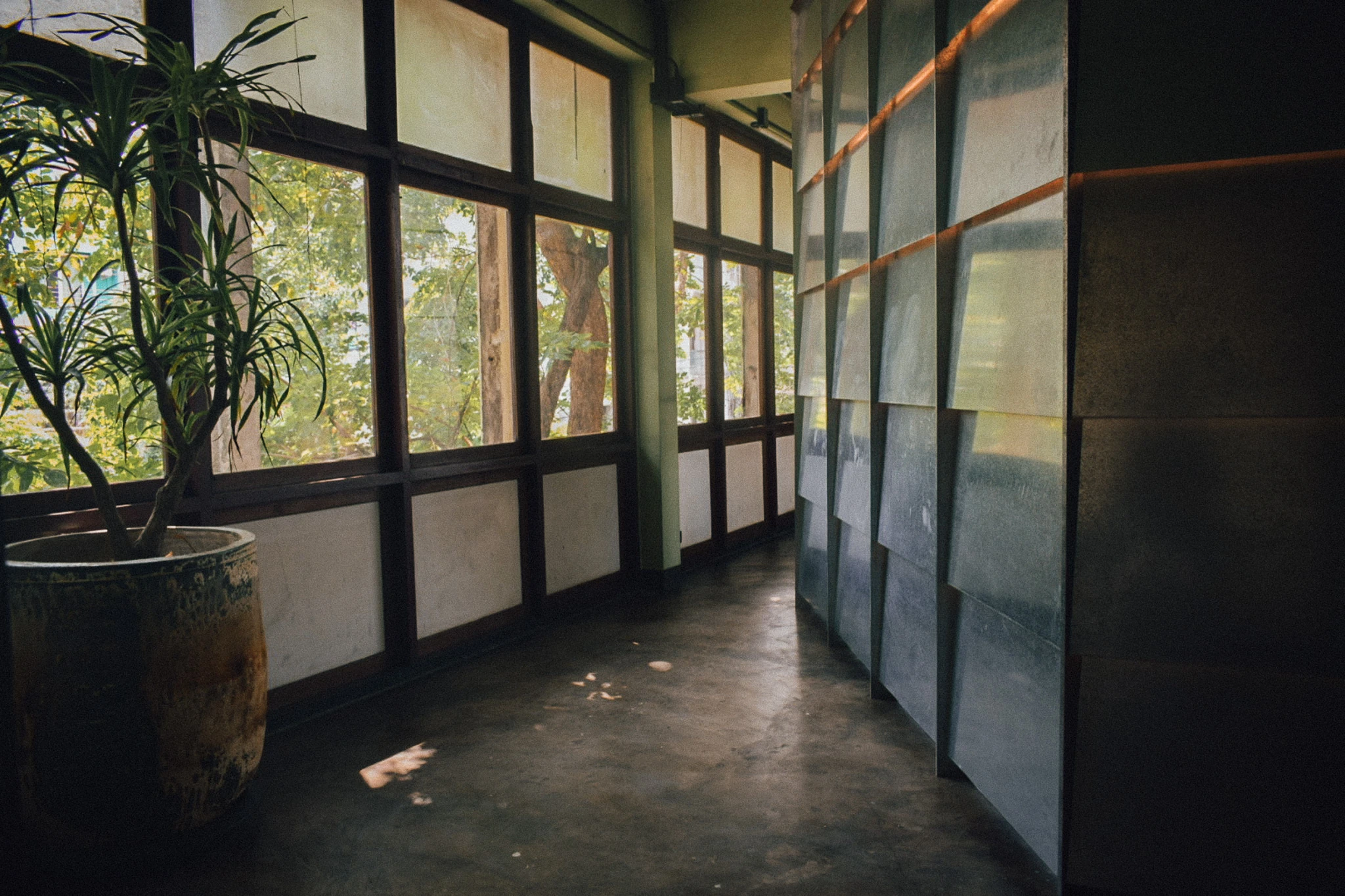
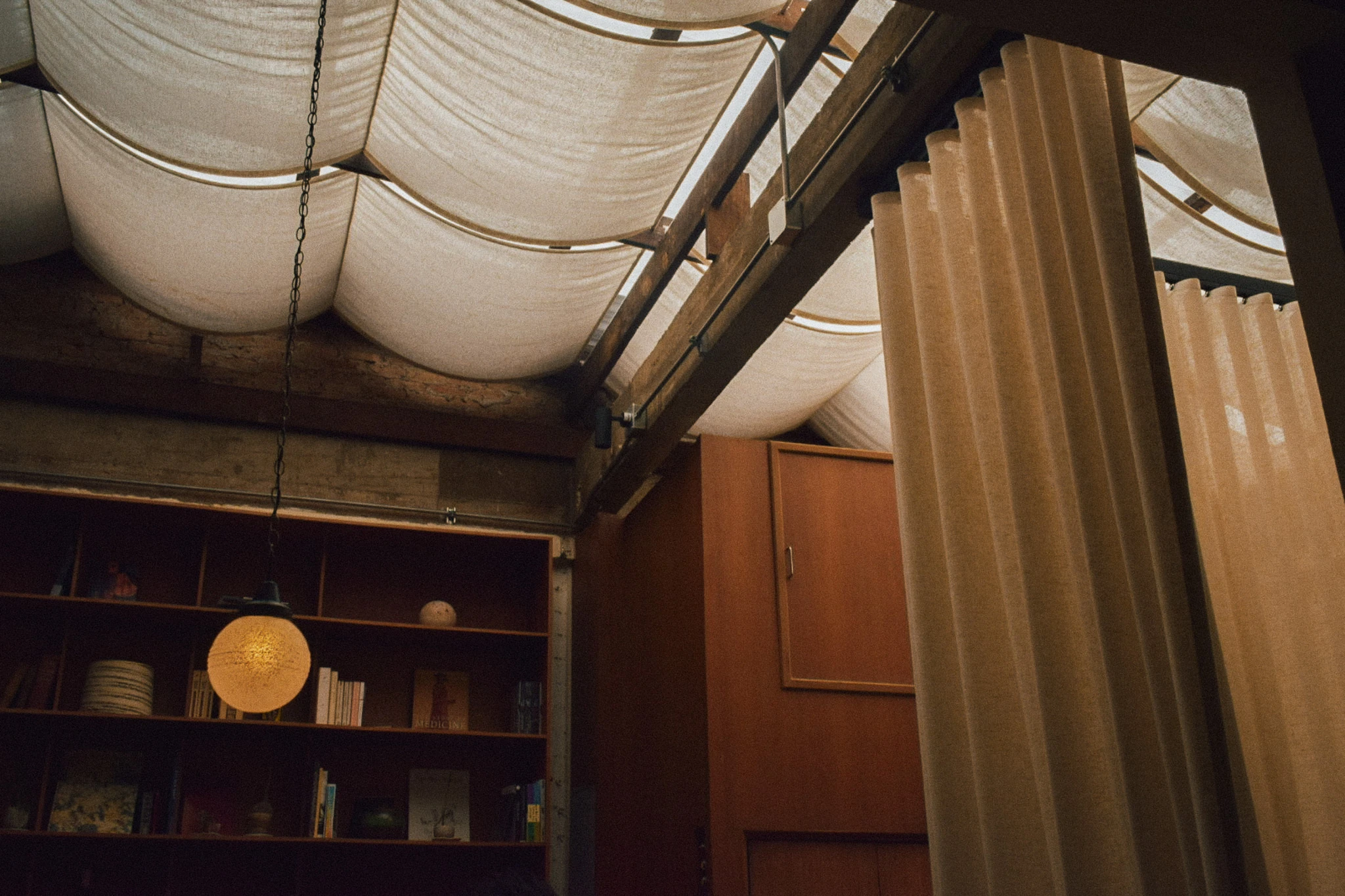
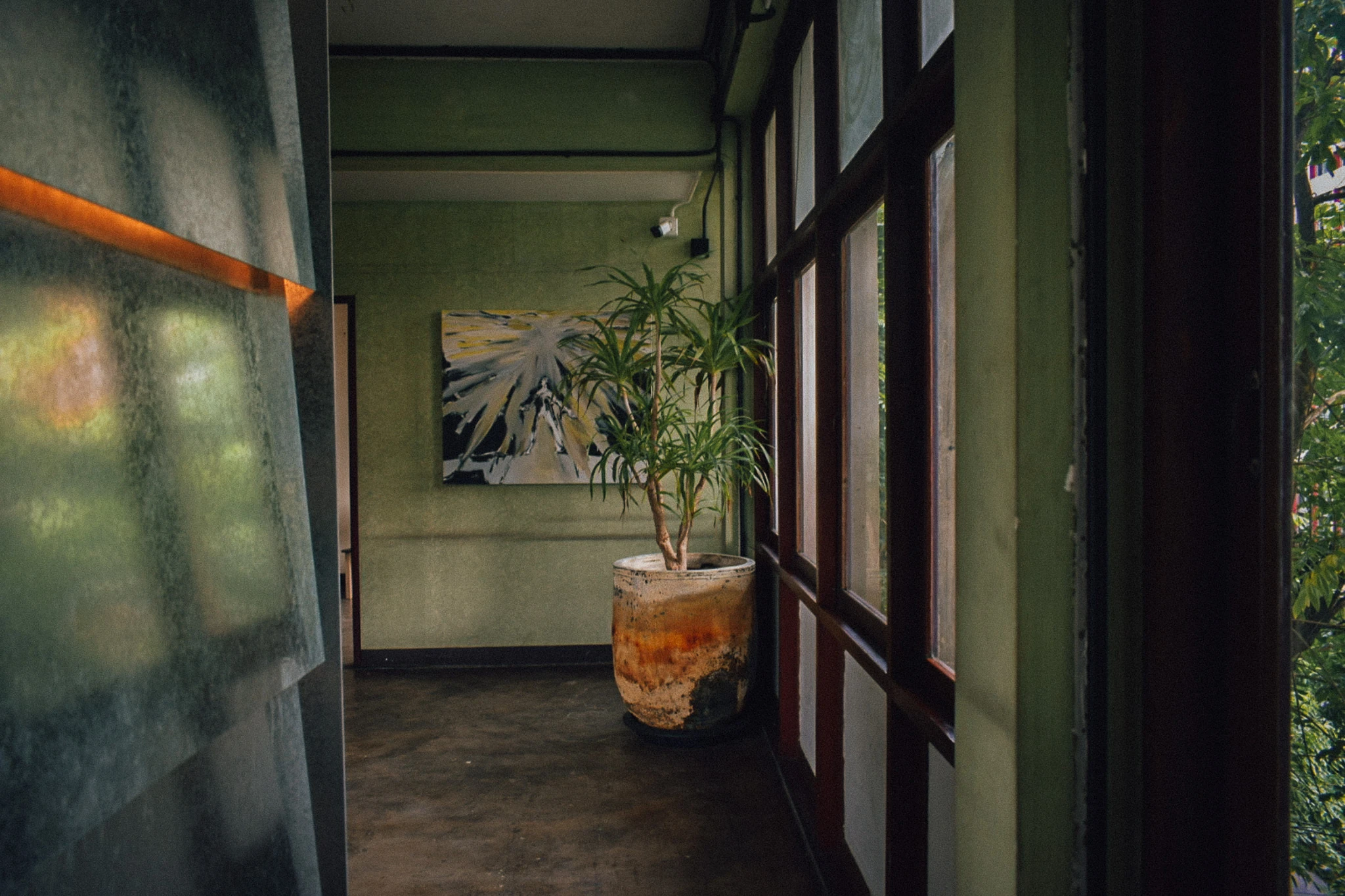
The structure earns that ambition. About 70 years old, the postal address older still. Over the decades, this building has worn a great many costumes: a family home for some three decades, then a clinic, a pharmacy, an antique shop and a jeweller's.
“When we first came to look at the building, it took us about 15 minutes – and we knew this was the place.”
The evidence of its age remains, and you look need to look hard. A diamond lift and a vault that now, pleasingly, keeps the bottles are just a few examples. The three were determined to lose as little of this as possible. Original parquet, the colours on the walls, the small forgotten details that carry the history – kept, mended, left alone.
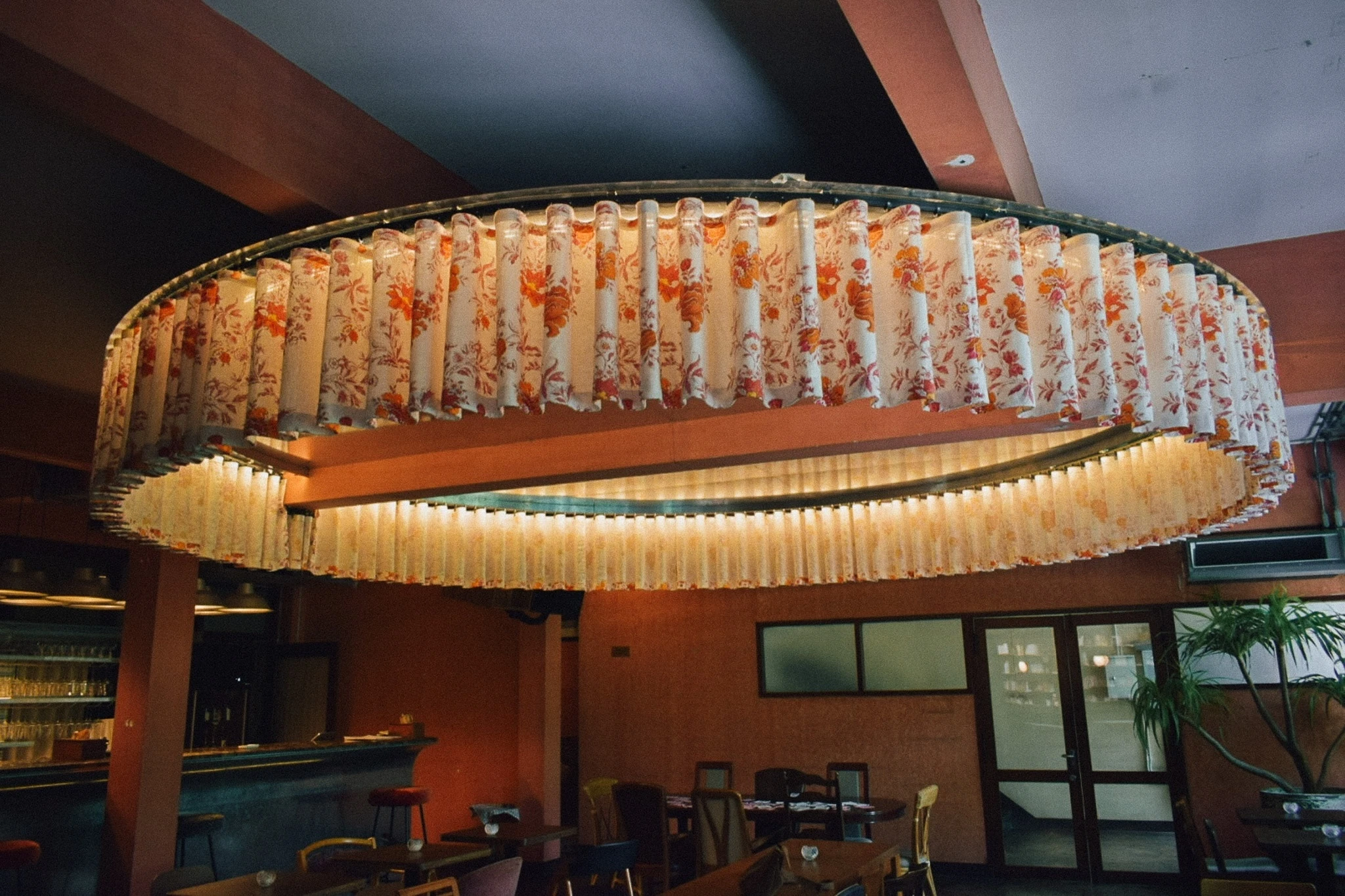
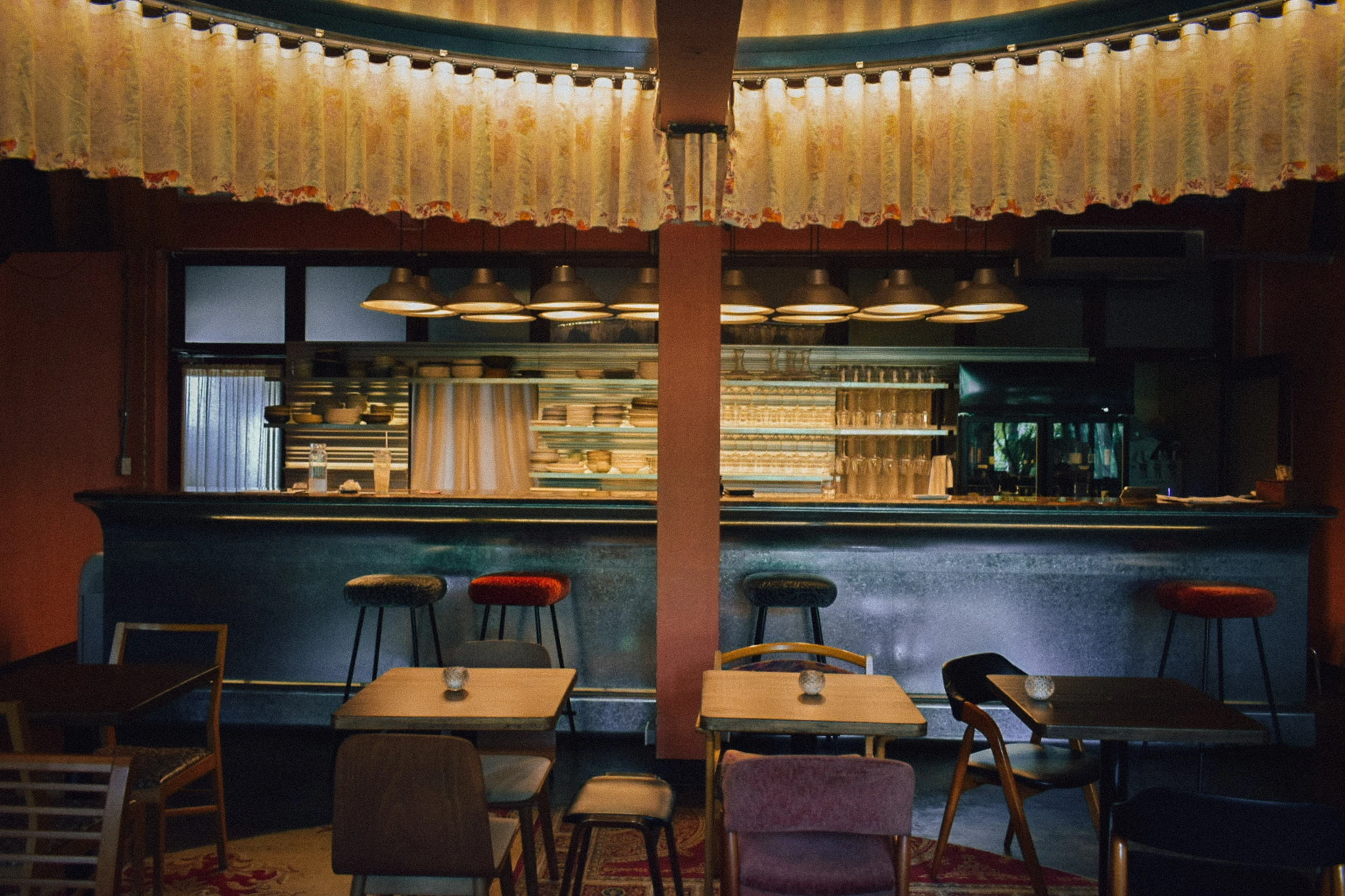
Godmother Studio handled the architecture, and their cleverest move is overhead: they took the shape of the old awning ceiling and reworked it into a softly curved dining room – smooth and sweeping.
I love it on sight. A form this sculptural, tucked into the rafters of a building this old, makes for a quietly surprising pairing, and the surprise is the charm.
Wine that remembers the place
Then there is the wine, which they take as seriously as the programme. Vana keeps three other bars – no bar wine bar, Khaoya Archive and Salon Kiku – and grew passionate enough about the subject to study it formally; he and Dit look after the drinking here. Wine, as Vana puts it, suits reminiscing. Meang adds that his friend will never quite tell you which bottle he prefers – the answer is always that it depends more on the feeling, or the moment you happen to be in.
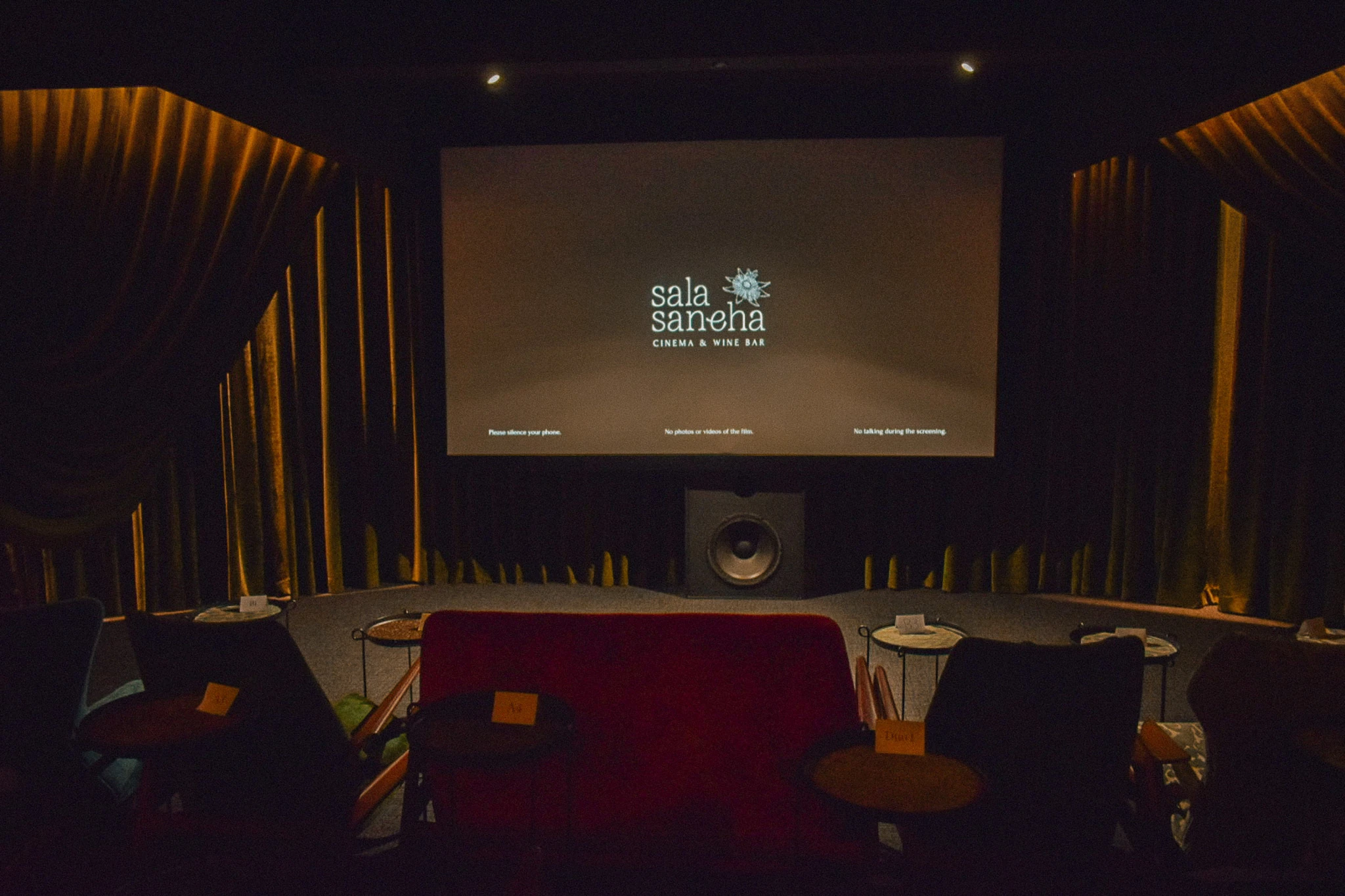
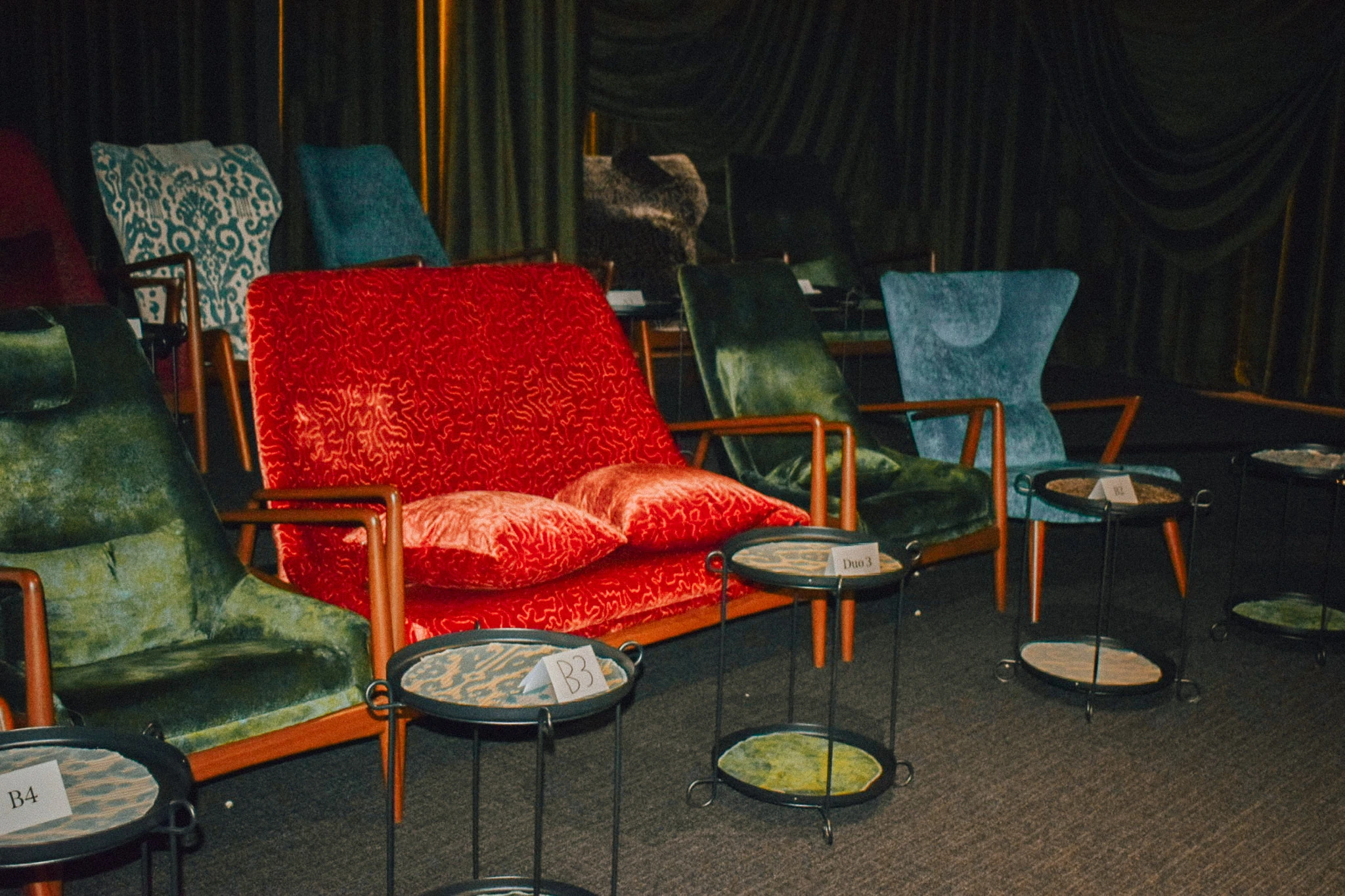
So the bar is built into the experience rather than parked beside it, the aim being to push a film past image and sound into taste and aroma. You may carry a glass into the auditorium, which is laid with soft, mix-and-match seating and tables – a splace that rearranges itself for whatever the week asks of it.
The pairings are deliberate. 'There are many films we watch and instantly think about what wine they should go with,' Vana says. 'Sometimes there's even a dish connected to the story that you can order.' Dit is drawn to a different variable, the state you arrive in.
“Whether you're tipsy or sober can change how you see a film.”
'It might become more fun, or completely incomprehensible – it really depends on what the film is about.'
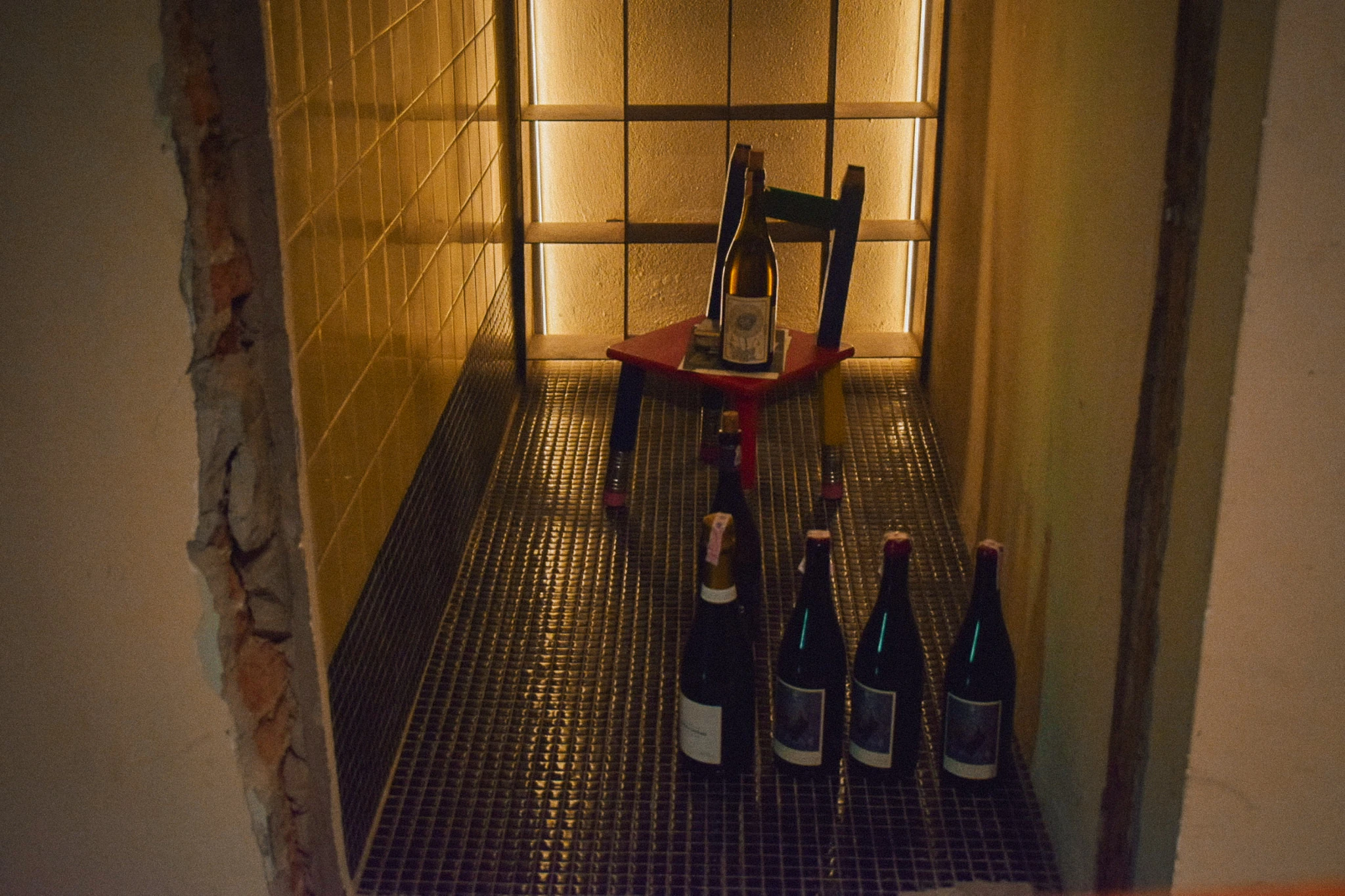
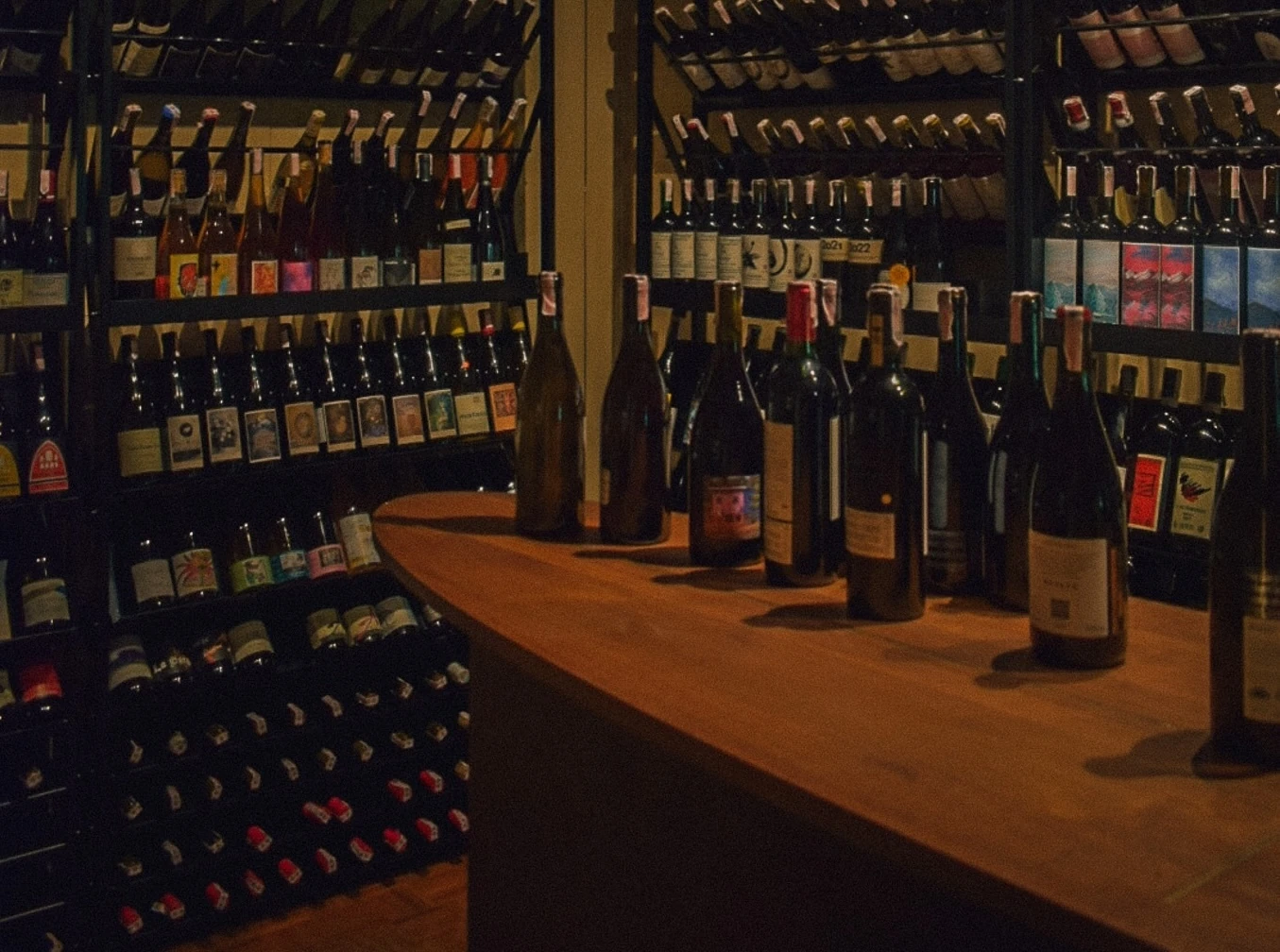
The catering follows the same instinct. By day the room downstairs pours fragrant Chinese tea; by night it turns into a bar of more than 2,000 labels gathered from around the world. The lot circled by a great ring of curtain rail suspended in the centre of the ceiling – a device that breaks up the structure and, among the old timber furniture, does something ethereal to the light. The kitchen keeps things comforting rather than clever: easy, satisfying, loosely Thai, free to shift with the season or the festival, its menus sketched two months ahead.
In July 2026 it has a date to keep. Pen-Ek Ratanaruang's revenge thriller Morte Cucina – a chilling story of vengeance concealed within a favourite dish – comes to the screen, and for the run the restaurant will compose a special menu to sit alongside it, so the meal on your table and the one on the screen answer each other.
A voice of its own
For all the talk of mood, Meang, who runs the programming, is firm that this is no shrine to the difficult. Art-house and the classics, yes, but not exclusively; the schedule bends to the room, the hour and the temper of the people in it.
“We love spaces that dedicate themselves to something, and we want the cinema to have its own voice.”
'It's not designed purely for funding. It's not about whether it's indie or not – it's about diversity.' Having been inside the trade since his student days, he knows how steep the climb is for anyone starting out, so a share of the slots is held back for emerging directors and first-time names. Performance and visual artists are being ushered in too, the thought being to make the address less a venue than a place to meet life in several forms at once.
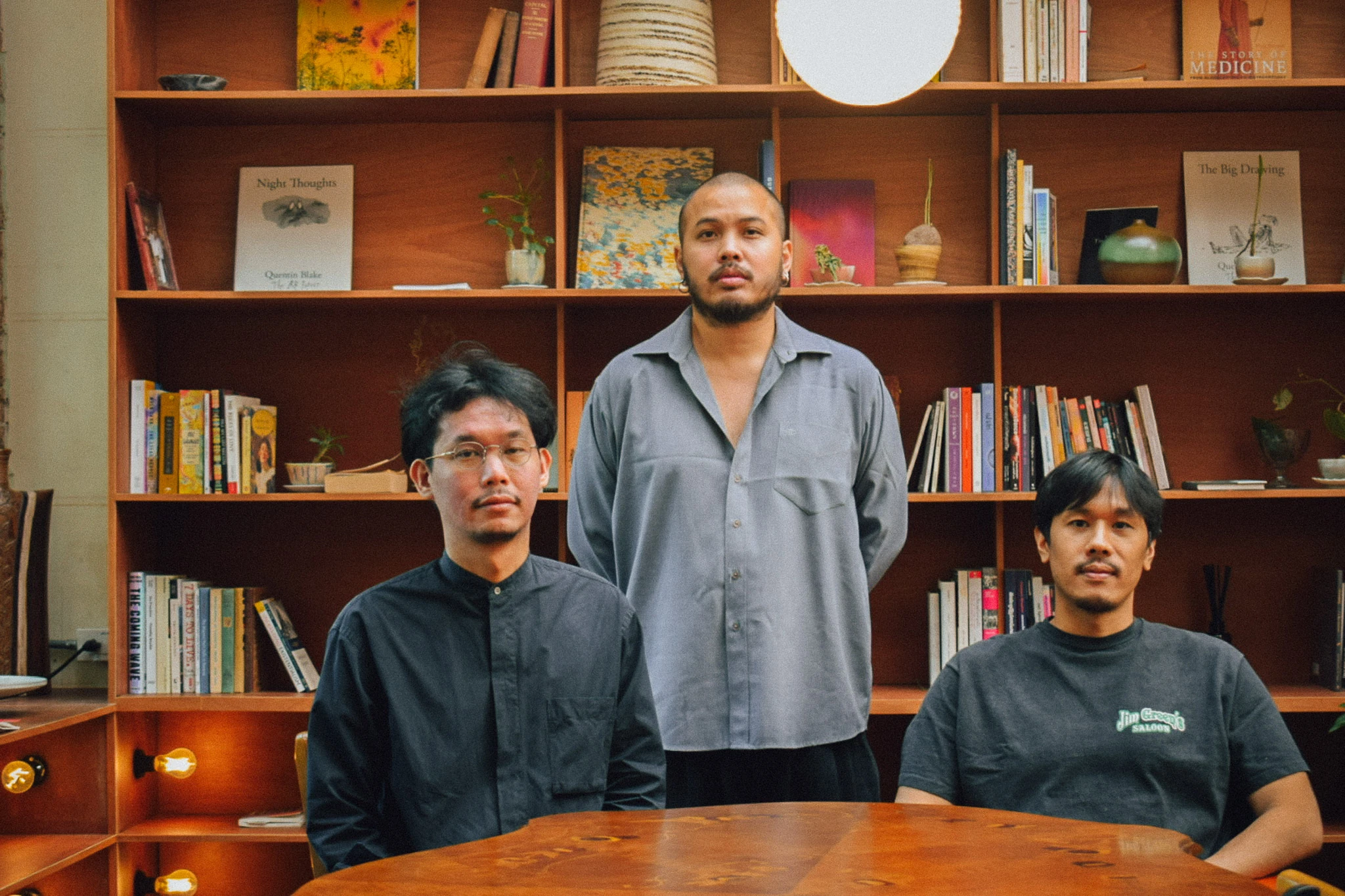
I asked, in the end, whether they fear it might not hold together. Meang did not flinch. 'Sala Saneha combines two things we're passionate about,' he says. 'Even when we step back and look at it as outsiders, we still want it to last a long time, because we think it's necessary for the city.' The dream, modest and enormous at the same time, is simply that people leave the house and sit in the dark together again – and that others, elsewhere, are moved to build their own small rooms like it.
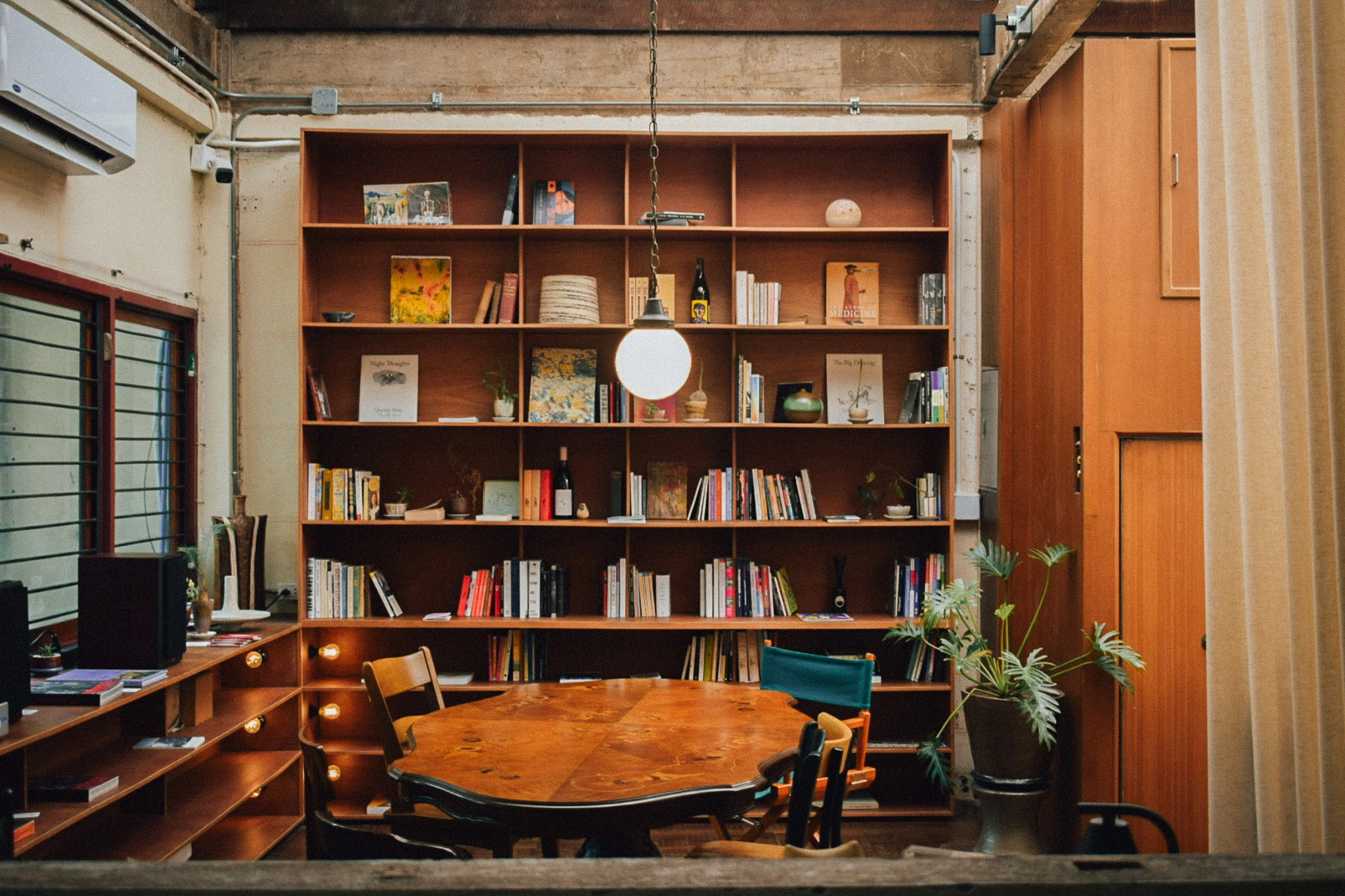
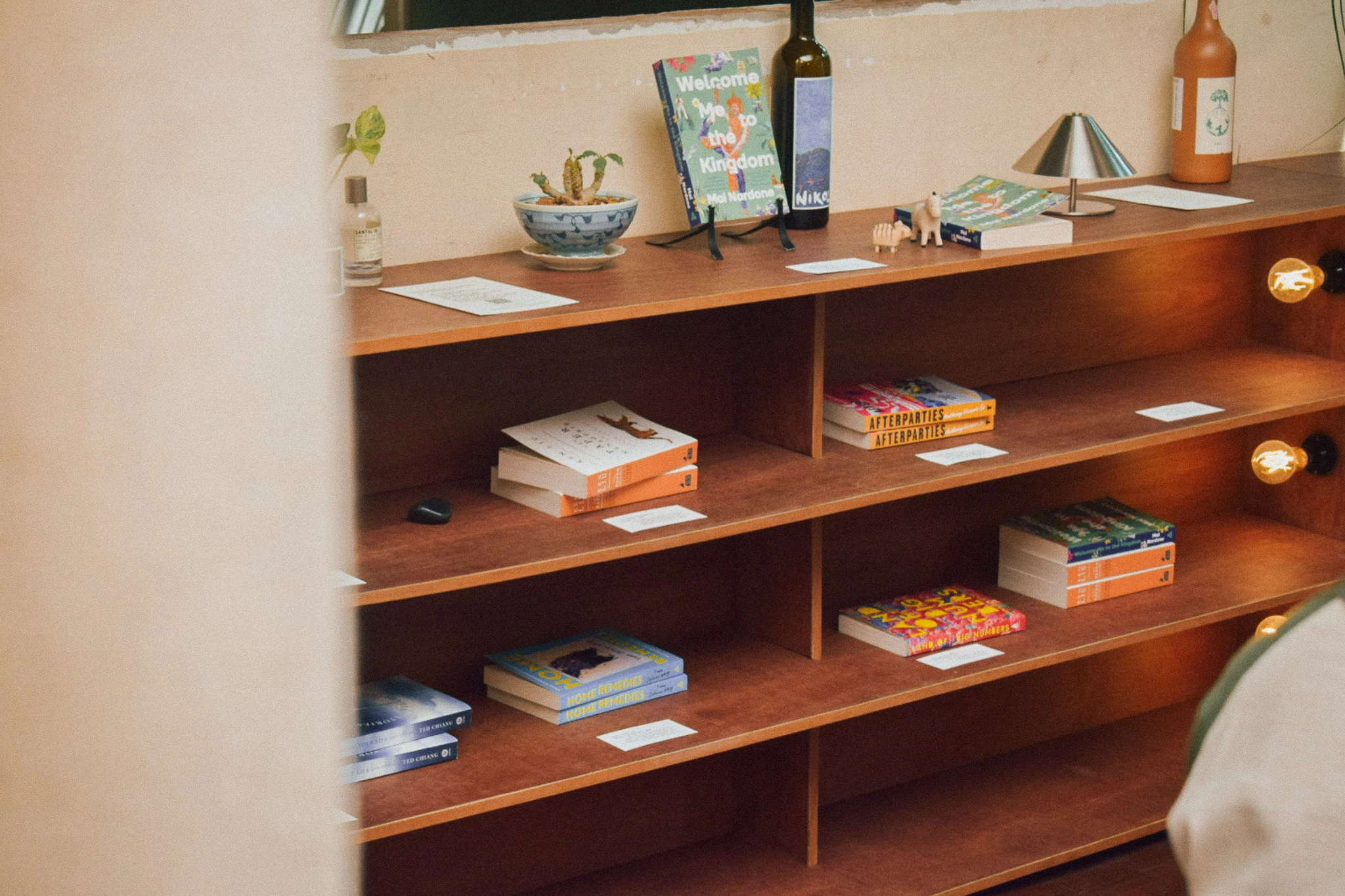
The bookshop where we had been sitting plays its part: a little library of titles donated by the founders and their circle, ranging across politics, society and the arts, the shelves dressed in wood and rotating work by notable hands, with Vacilando Bookshop and shortshorts.bkk are on the shelf.
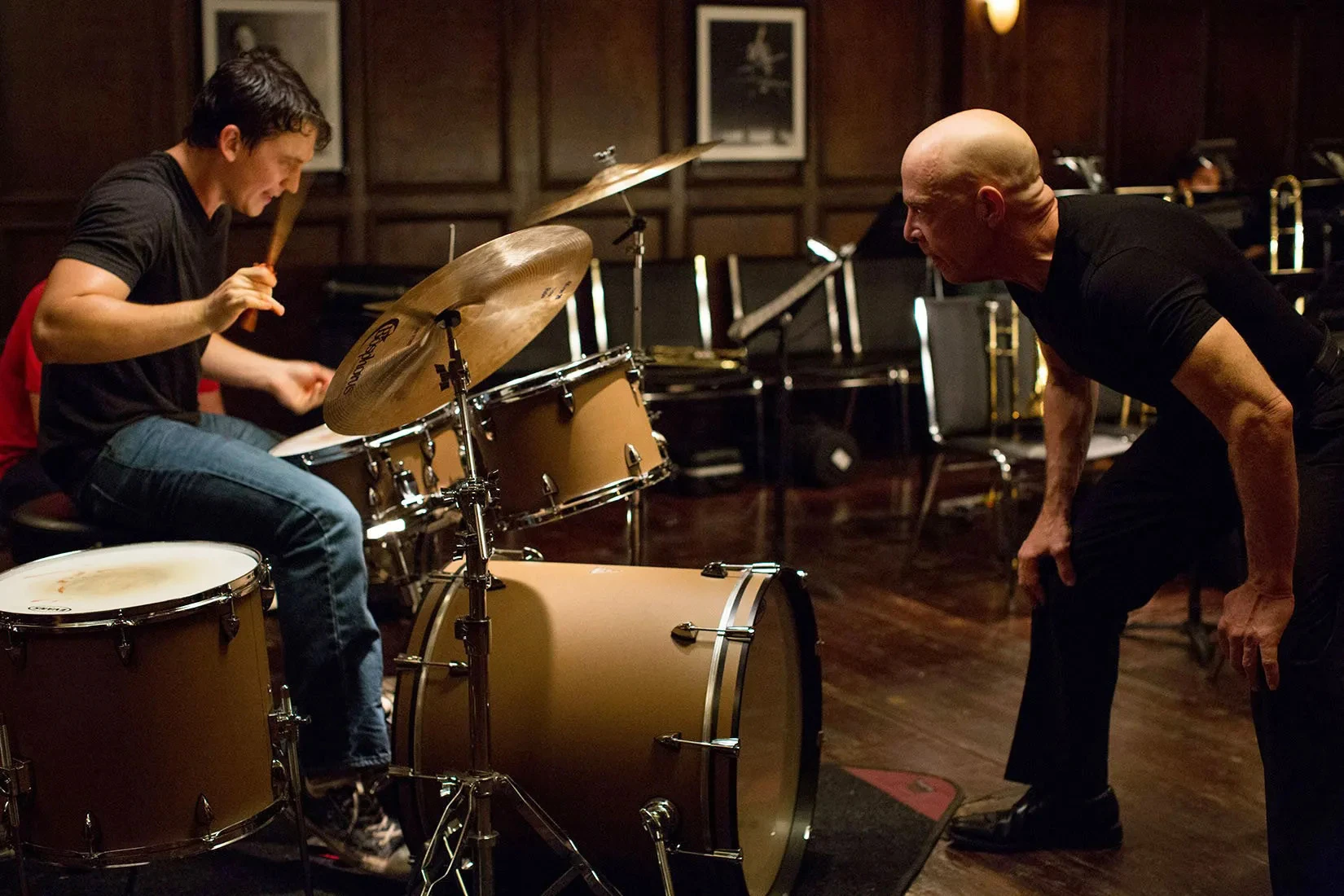
If the place were a film, the three decide, it would be Whiplash (2014). Not for the cruelty – for the intensity of making the thing, and, more than that, for the act of celebrating something you believe in down to the bone.
By the time we left, the light had slid off the floor, replaced by raincloud. Someone, somewhere, had started opening bottles.
If you'd like to go to Sala Saneha
Sala Saneha sits at 9/1 Desho Road, Silom, and opens Thursday to Monday, 6pm until midnight; the easiest place to leave a car is the Pullman Hotel Silom next door. Think to budget somewhere between B600 and B2,000 per head, depending on how the night unfolds and how the bottle behaves.
Tickets and the rolling schedule live on the cinema's Zipevent page, and the gentlest way to keep up with what's screening, pouring and hanging on the walls is its Instagram, @sala.saneha. Go on a whim, if you like. The place was built for it.