
[image]
[title]Thai food travels well. Walk through any major city in the world and you'll find tom yum simmering somewhere nearby, green curry ladled into bowls at tiny kitchen bistros and queues forming outside pad thai food trucks. But while Thai cuisine has become one of the world’s most recognisable comfort foods, the version many travellers know is only a small part of the story.
In Thailand, food is tied to landscape, local wisdom and everyday produce. Recipes shift from province to province. Curry pastes are shaped by what grows nearby. Herbs aren’t only added for fragrance or heat but for balance, digestion and wellbeing. Even the country’s fruit culture follows a rhythm, with different harvests rolling through markets nearly all year long.
This is one of the reasons Thailand continues to attract foodie travellers who plan entire trips around what they want to eat. In fact, that’s just how most Thai’s do it too – good food is often the epicentre of a great holiday.
Look beyond Bangkok’s vast restaurant scene, and you’ll find fishing communities preserving old recipes, family-run curry shops perfecting dishes passed down over generations and orchards growing fruits that ebb and flow with the seasons.
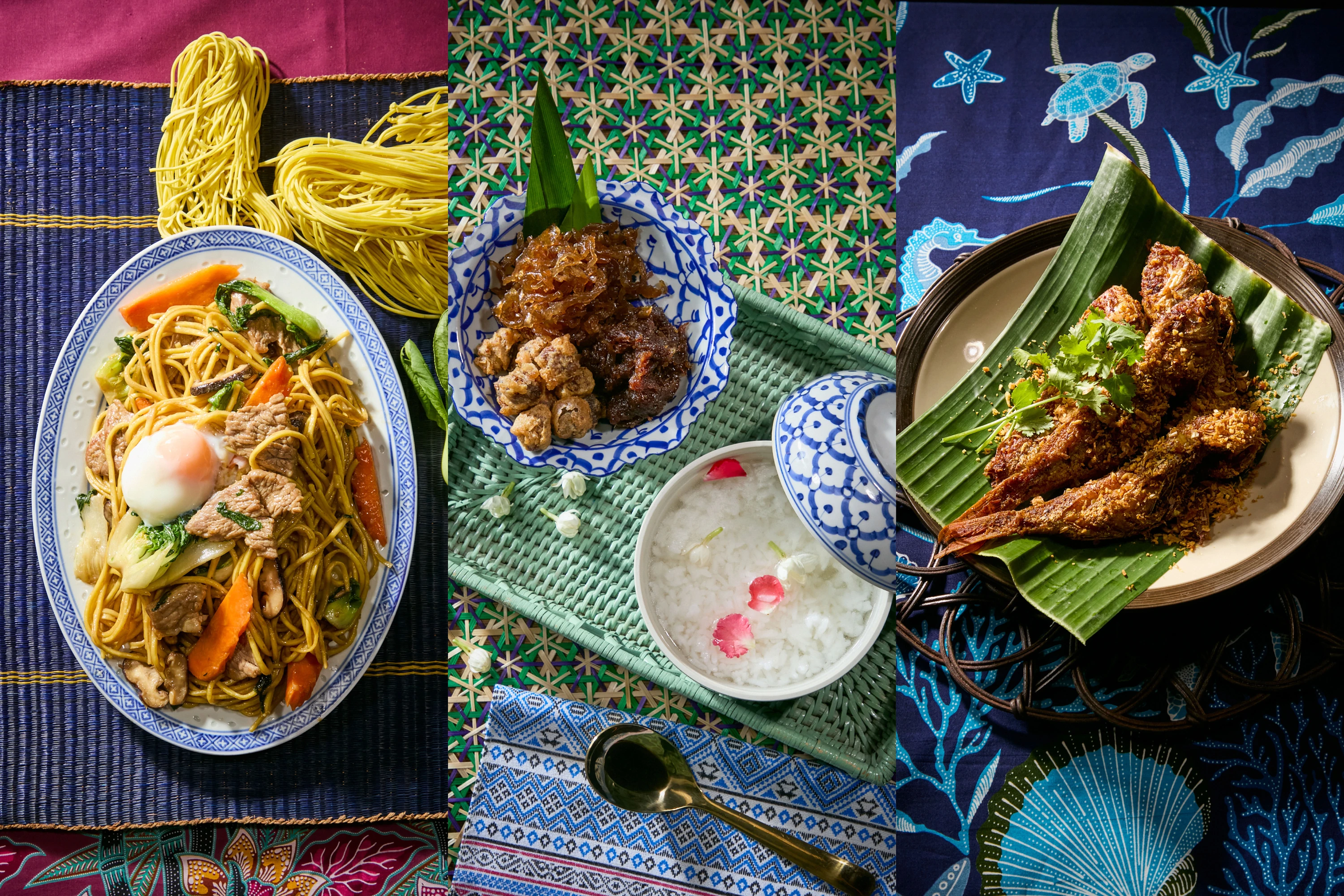
Thailand’s UNESCO worthy food
The country’s culinary reputation has gained international recognition through UNESCO’s Creative Cities Network, which celebrates cities using creativity and cultural heritage to shape sustainable development.
Thailand currently has three UNESCO Creative Cities of Gastronomy: Phuket, Phetchaburi and Songkhla – each one telling a different story about the country through their individual food cultures.
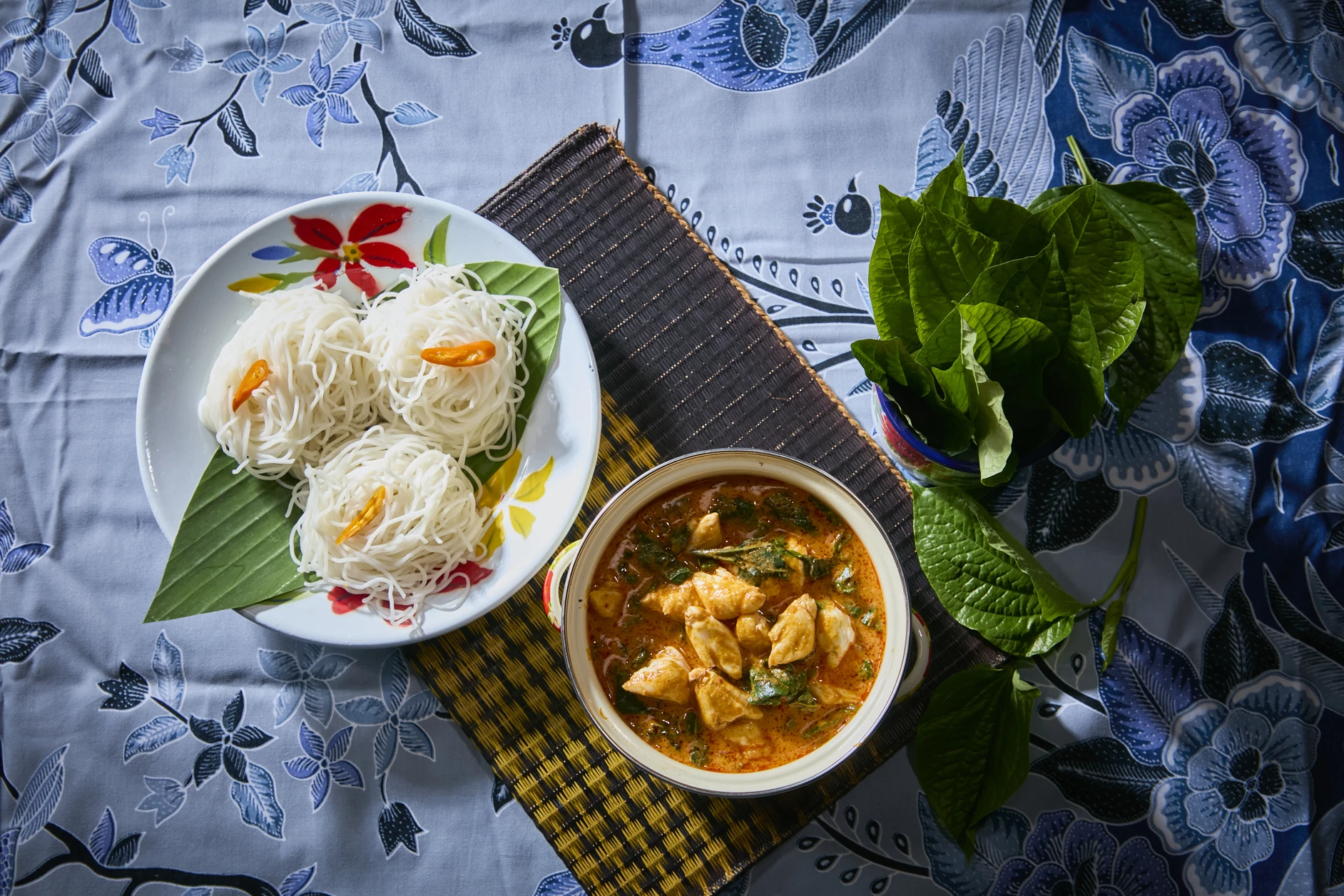
Phuket’s food identity is rooted in centuries of migration and exchange. Chinese, Malay, Thai, Indian and Peranakan influences all meet on the island, shaping everything from rich coconut curries to Hokkien-style noodle dishes and spicy southern seafood.
Wander through Phuket Old Town and you’ll still find recipes connected to old trading routes and family histories. The island’s recognition as a UNESCO Creative City of Gastronomy reflects not just its famous restaurants but the way food continues to connect communities and generations.
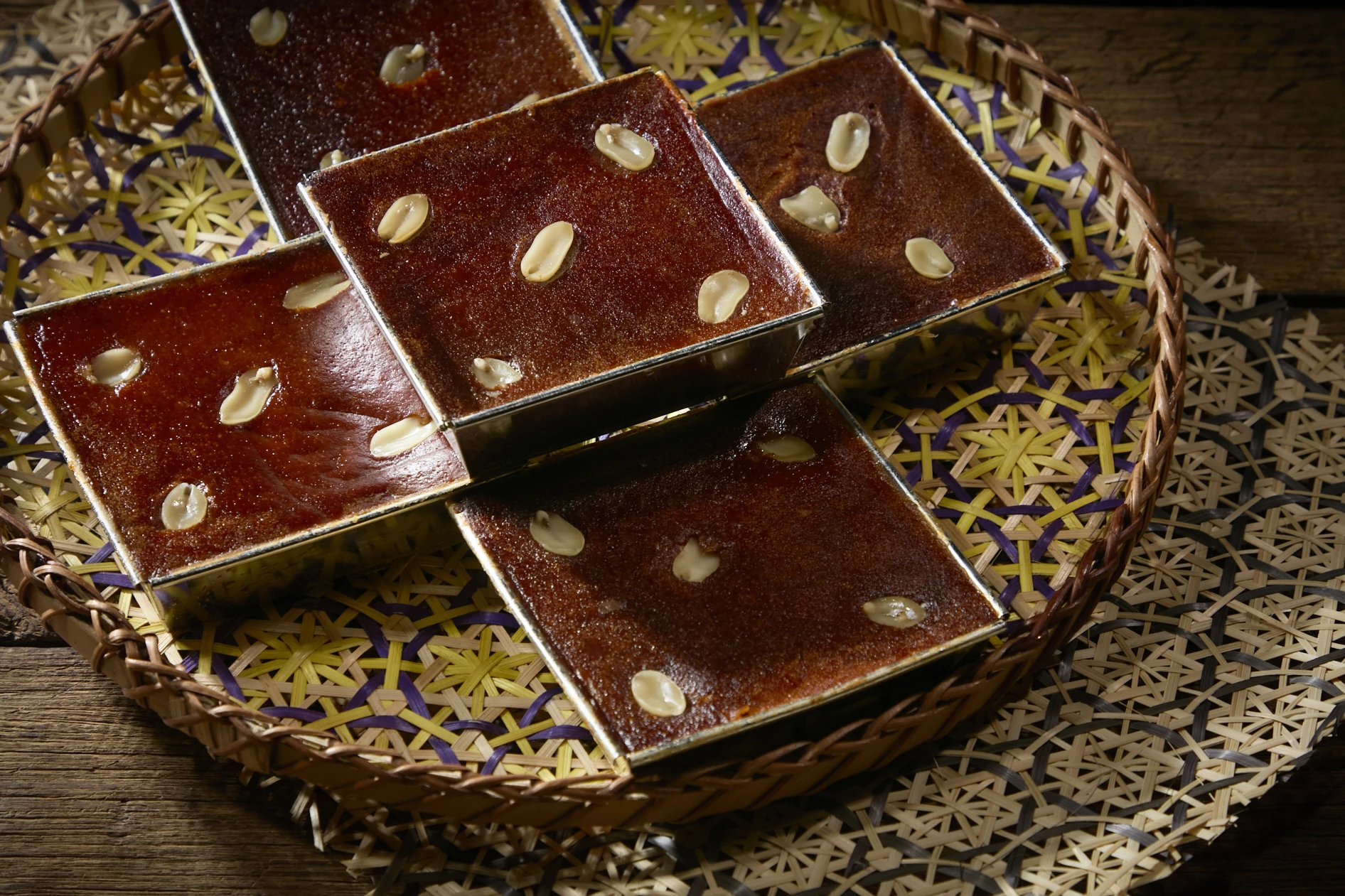
Further north along the Gulf coast, Phetchaburi has built its culinary identity around craftsmanship and local ingredients. Palm sugar from the province is prized across Thailand for its deep caramel flavour, while recipes often combine sweet, salty and smoky notes in ways that feel distinctly local. The province has become known for protecting traditional recipes while also supporting new generations of chefs, artisans and food producers.
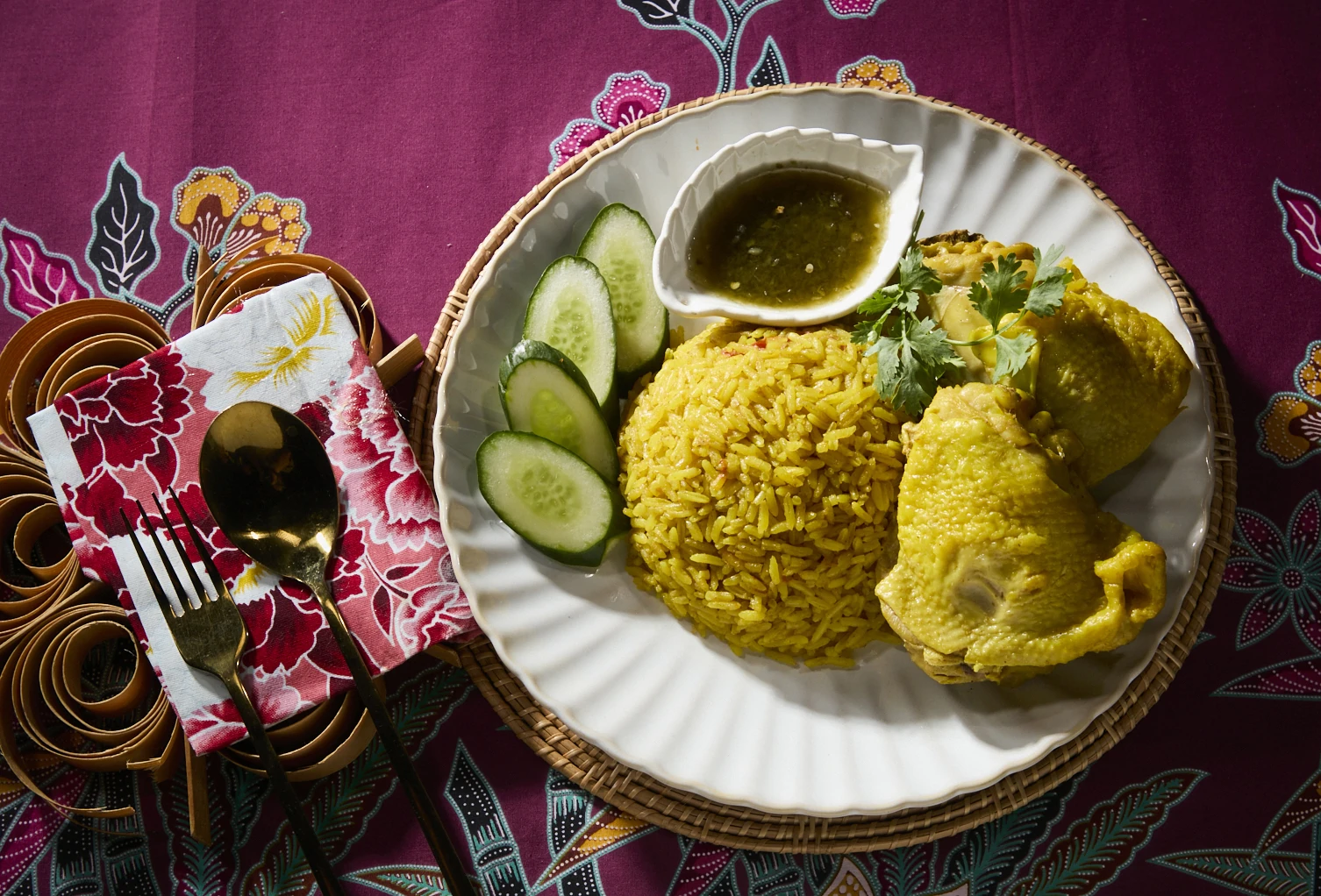
Then there’s Songkhla in the deep south, where food culture is shaped by the lake, the sea and a long history as a global trading port. The city blends Thai, Chinese, Muslim and Javanese influences into a cuisine that feels deeply southern but uniquely its own. Seafood from Songkhla Lake remains central to local cooking, while street food stalls and markets continue to anchor daily life.
The wholesome taste of Thailand
While these three cities represent Thailand on the globally accredited gastronomy stage, some of the country’s most important food traditions are still surprisingly humble.
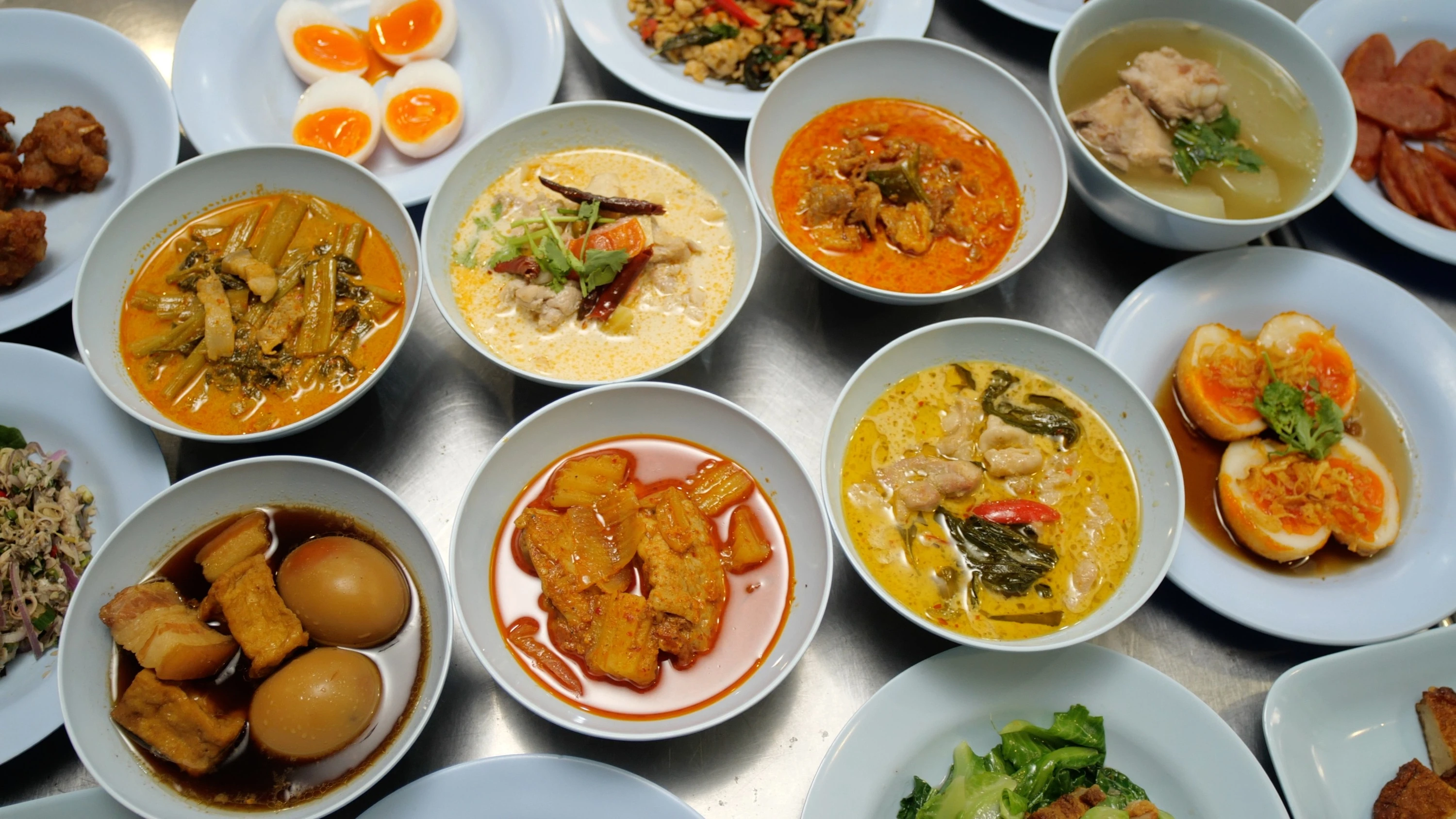
Take khao kaeng, Thailand’s rice-and-curry culture. For many locals, it’s the default lunch. Sometimes dinner too. Stainless steel trays filled with curries, stir-fries, fried fish, boiled eggs and chilli relishes sit behind glass cabinets waiting to be spooned over rice. Some shops specialise in fiery southern curries while others focus on central Thai comfort food or home-style northern dishes.
Khao kaeng is fast, affordable and very personal. Everyone has their own go-to combination, each vendor their own recipes. Maybe a dry curry with a spoonful of stir-fried greens. Maybe spicy basil pork balanced with a mild coconut curry. It’s one of the clearest reflections of how Thai people actually eat on a daily basis.
That everyday tradition is now finding new life through contemporary Thai dining. Bangkok restaurant Wana Yook recently earned a Michelin star for reimagining khao kaeng in a more refined setting while still preserving the flavours and spirit of the original experience. Chef Chalee Kader’s approach shows how Thai comfort food can evolve without losing its roots.
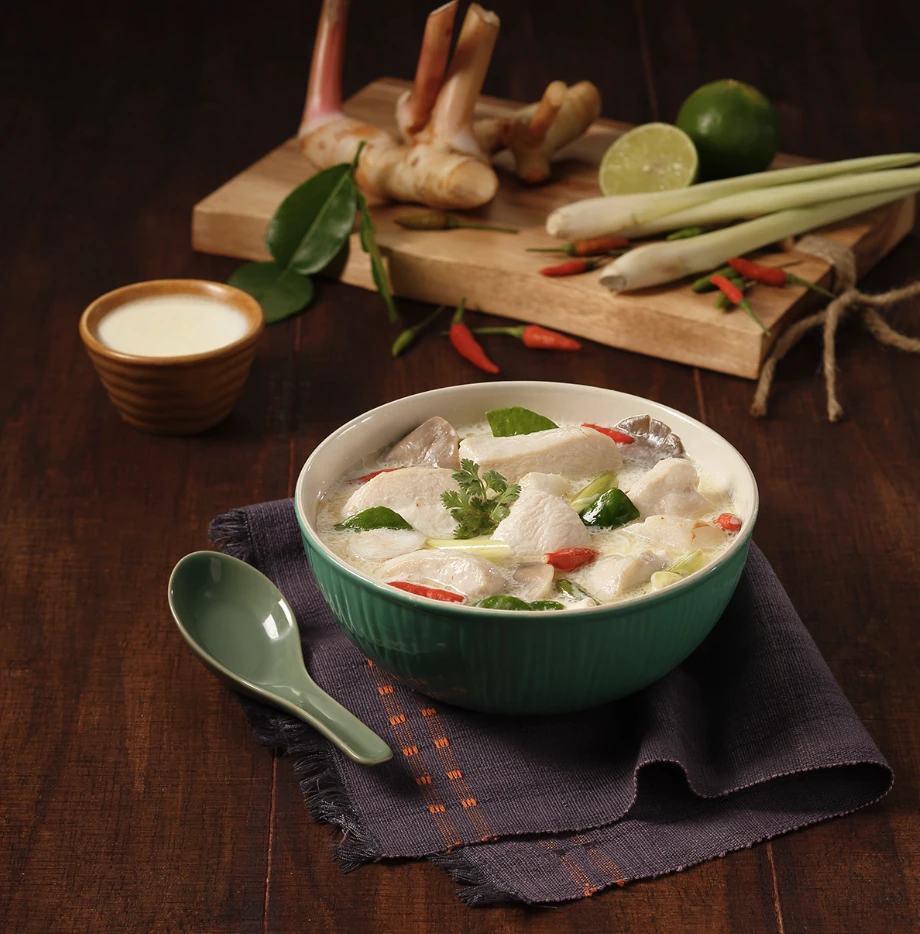
Still, wellness might be one of the most interesting parts of Thailand’s food story right now. Long before phrases like ‘functional foods’ or ‘gut health’ became global wellness buzzwords, Thai kitchens were already working with ingredients believed to cool the body, improve circulation, ease digestion or support immunity. Many dishes naturally combine herbs and spices not only for flavour but for balance.
Galangal brings sharpness and warmth to soups like tom kha. Turmeric appears throughout southern cuisine, adding colour and earthy bitterness. Holy basil is used in stir-fries and herbal drinks. Fingerroot, pandan, kaffir lime leaf, lemongrass and ginger all appear constantly across regional cooking.
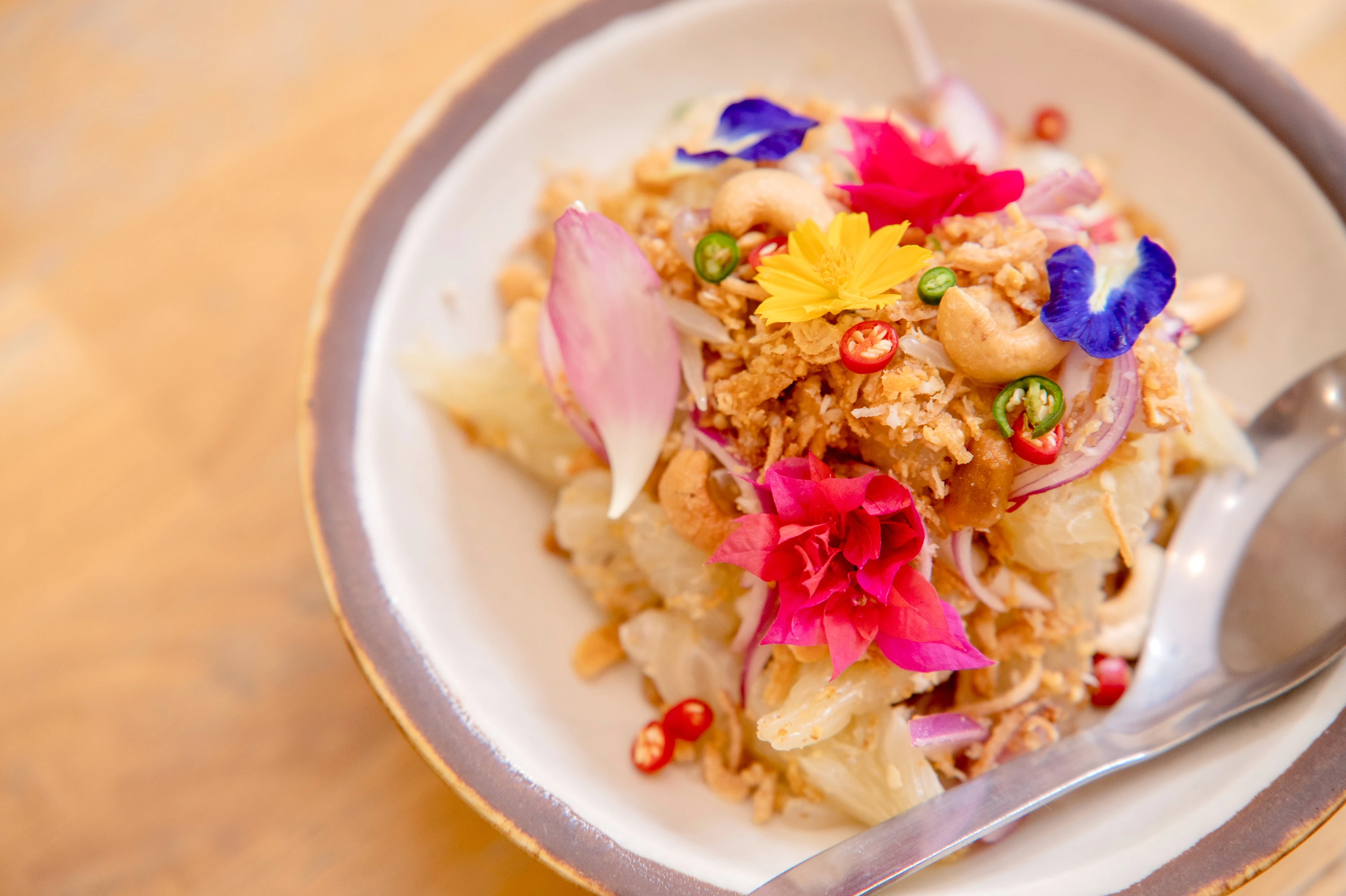
In many parts of Thailand, local food traditions are also tied directly to the surrounding environment. Communities in Phetchaburi cook with palmyra palm in everything from curries to desserts and drinks. In Prachuap Khiri Khan, coconut-based dishes reflect the province’s agricultural landscape. Pomelo orchards in Nakhon Pathom turn fresh fruit into salads layered with herbs, chilli and toasted coconut.
This connection between food, agriculture and wellbeing is becoming increasingly visible through farm visits, cooking workshops and community-based tourism projects that allow travellers to experience Thai food beyond restaurants.
Thailand’s best fruit is seasonal
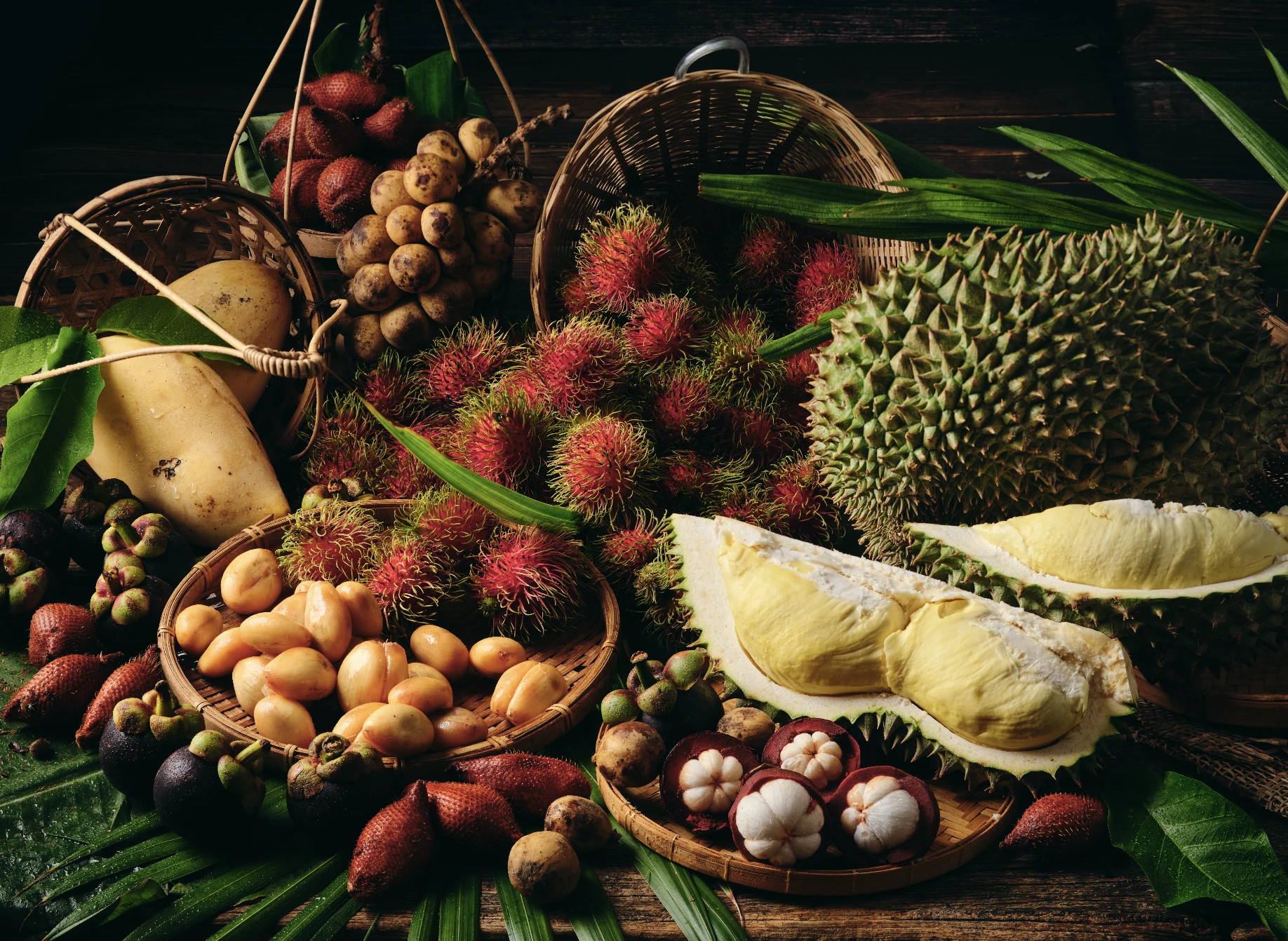
Thailand’s tropical fruit culture is another world entirely. Forget the supermarket mangoes shipped halfway across the globe. In Thailand, fruit follows seasons and geography in ways that locals know instinctively. Summer means durian, mangosteen and rambutan begin taking over markets and road-side vendors. Mango season shifts throughout the year depending on the variety and region. Pomelo from central Thailand tastes different from southern varieties. Pineapples from Rayong have their own sweetness and texture.
Chanthaburi remains one of the country’s best-known fruit provinces, especially during peak durian season, when roadside stalls pile fruit high and orchards open for tastings and buffet-style experiences. Across the country, tropical fruit appears not only as dessert but inside salads, savoury dishes, drinks and snacks.
Even Thailand’s most internationally famous dishes reveal how deeply regional the cuisine really is. Tom yum, with its hot, sour and herbal broth, draws heavily from central Thai flavours and river ingredients. Green curry carries the richness of coconut milk balanced by sharp green chillies and sweet basil. Southern Thai cuisine leans bold and fiery with turmeric-heavy curries and seafood. Northern dishes often bring smoky spice blends, herbs and fermented ingredients into the mix.
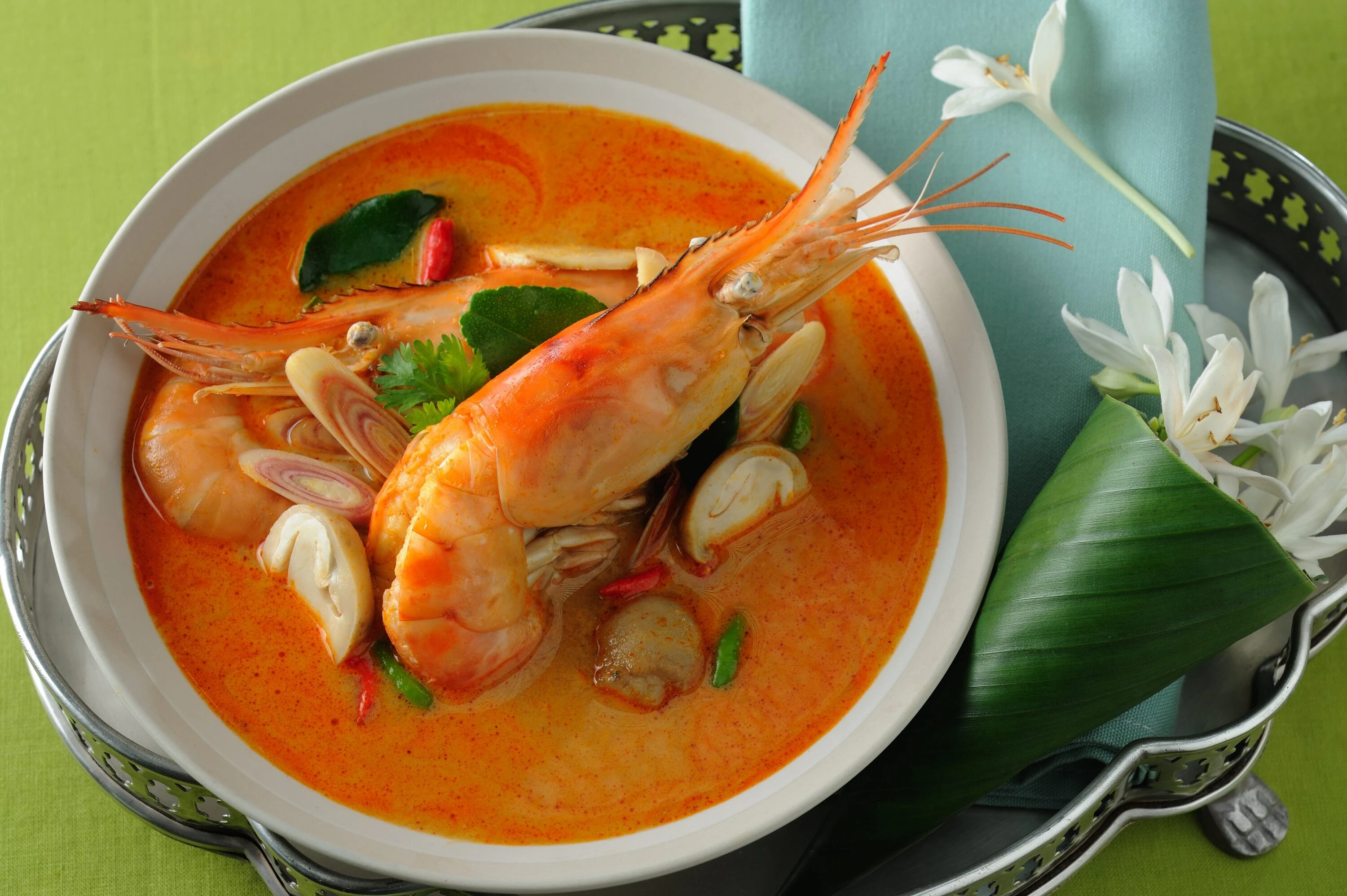
Despite Thai food’s reputation abroad for heat, balance remains the real foundation. Sourness cuts richness. Sweetness softens spice. Herbs lift heavier flavours. Texture matters just as much as taste. That complexity is one of the reasons Thai cuisine continues to resonate globally. It works as comfort food, street food, celebration food and wellness food all at once. But perhaps the best way to understand Thai food is simply to spend time eating across the country.
Sit at a plastic table outside a curry shop in Songkhla. Wander through a bustling Phuket market at breakfast. Taste fresh pomelo straight from an orchard in Nakhon Pathom. Order too many dishes somewhere in Chiang Mai with friends and let the table slowly fill up.
Thai cuisine isn’t static and it isn’t confined to a single dish. It changes from coast to mountains, from market stalls to contemporary dining rooms and from family kitchens to UNESCO-recognised cities. More than anything, it reflects the country itself: layered, generous, seasonal and deeply connected to the people who make it. Once you start paying attention to those details, Thai food becomes one of the best ways to understand Thai culture altogether.