


What drives the dream weaver after 35 years on the front lines of fashion
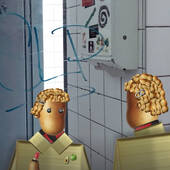
With their uncanny shapes, elusive facial expressions and strange yet natural-looking motifs, Meriyasu Kataoka’s plushies are a different (stuffed) animal. Since going professional in 2011, Japan’s soft-toy artist extraordinaire has attracted a loyal international following with her inimitable weird-cute creations, and expanded her artistic activities to include painting and puppet theatre. She celebrated her tenth anniversary as an artist with a sweeping retrospective at the Yokohama Doll Museum and has recently held successful exhibitions in South Korea and Taiwan.
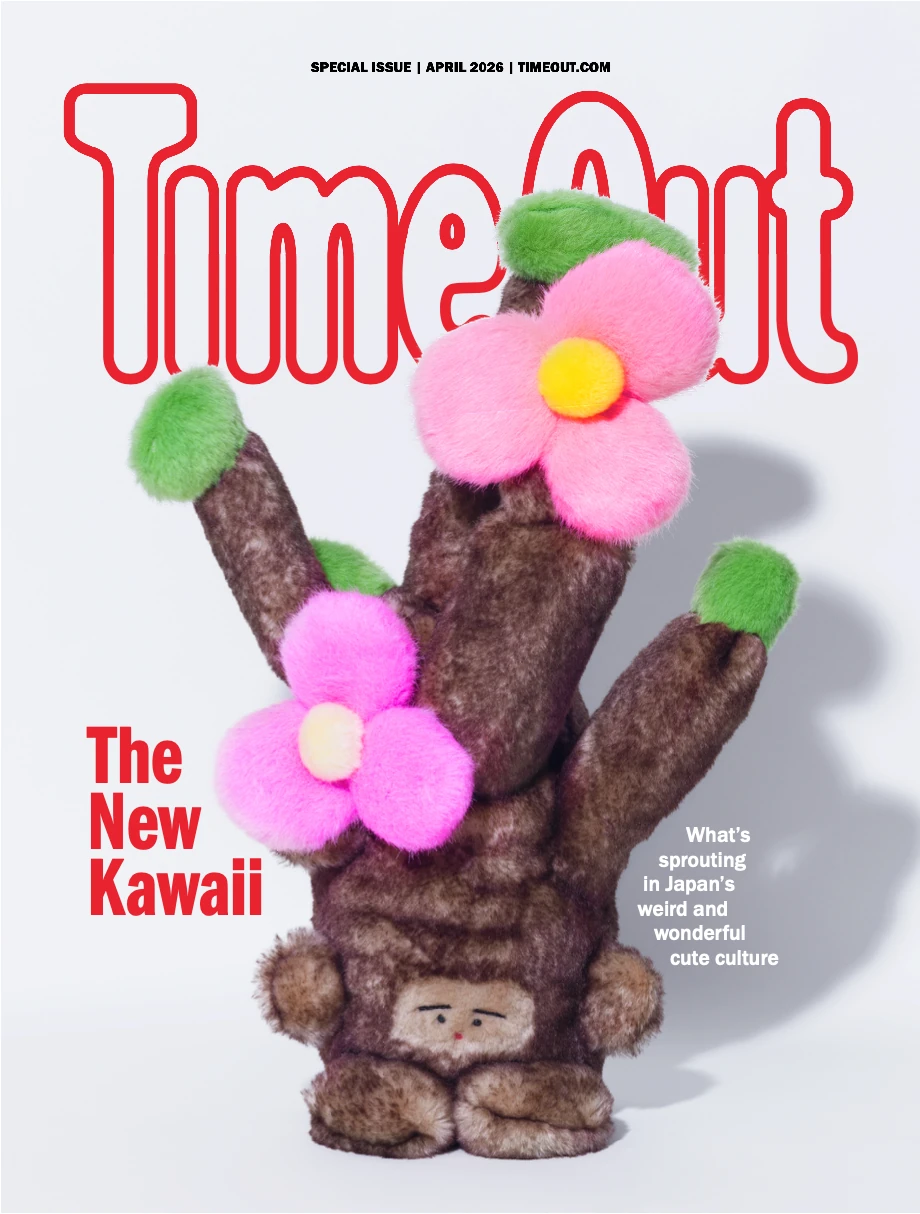
But no matter how popular her adorably strange companions have gotten, Kataoka has stayed true to her calling of making authentic art that speaks to her honest feelings. She has deep respect for nature, cherishing every last piece of fabric when transforming scraps of faux fur into mellow but magnetic characters like the cedar treeling on the alternate cover of Time Out Japan’s May 2026 special issue. Who better then to tell us what kawaii means in 2026?
How did you get into making plushies?
I didn’t set out with the intention of making plushies – it just felt like a natural progression because I’ve loved them since I was a child. I was terrible at both schoolwork and sports, and quickly realised that kids around me grew up faster than I did. It wasn’t until adulthood, when people told me they wanted the things I made, that I felt like the world had taken notice of me. That was incredibly liberating.
What do you think about the growing popularity of soft toys?
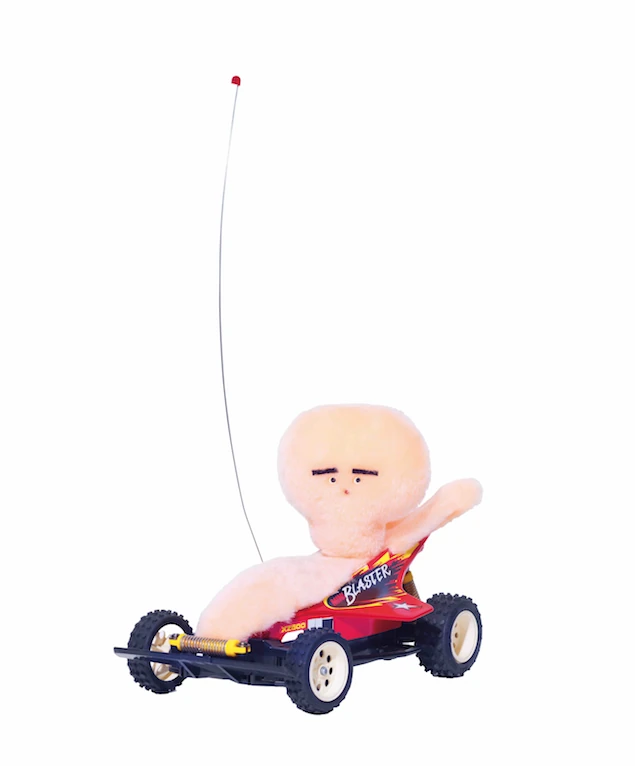
I always talk to my plushies at home… that’s not something you can usually say out loud, right? But these days, when I hold an exhibition, visitors sometimes come over to quietly show me their own plushies and tell me about them. Plushies can be kind of a gateway to meeting new people, so I really hope this trend catches on even more.
Where can you feel that plushie culture is gaining traction?
Lately, I've definitely noticed an increase in the number of people bringing their stuffed animals on hikes. You’re supposed to minimise your load when you climb a mountain, so I find it interesting that people bring their plushies along anyway.
I enjoy hiking and often bring a stuffed animal I call Shingo with me. Having him there makes me feel at ease, and I find it comforting to snuggle with him in my sleeping bag when the wind is blowing hard. Shingo gets his energy from a power cord, so even if he gets tired, he can recover almost instantly. He’s perfect for the mountains.
How do people overseas respond to your exhibitions?
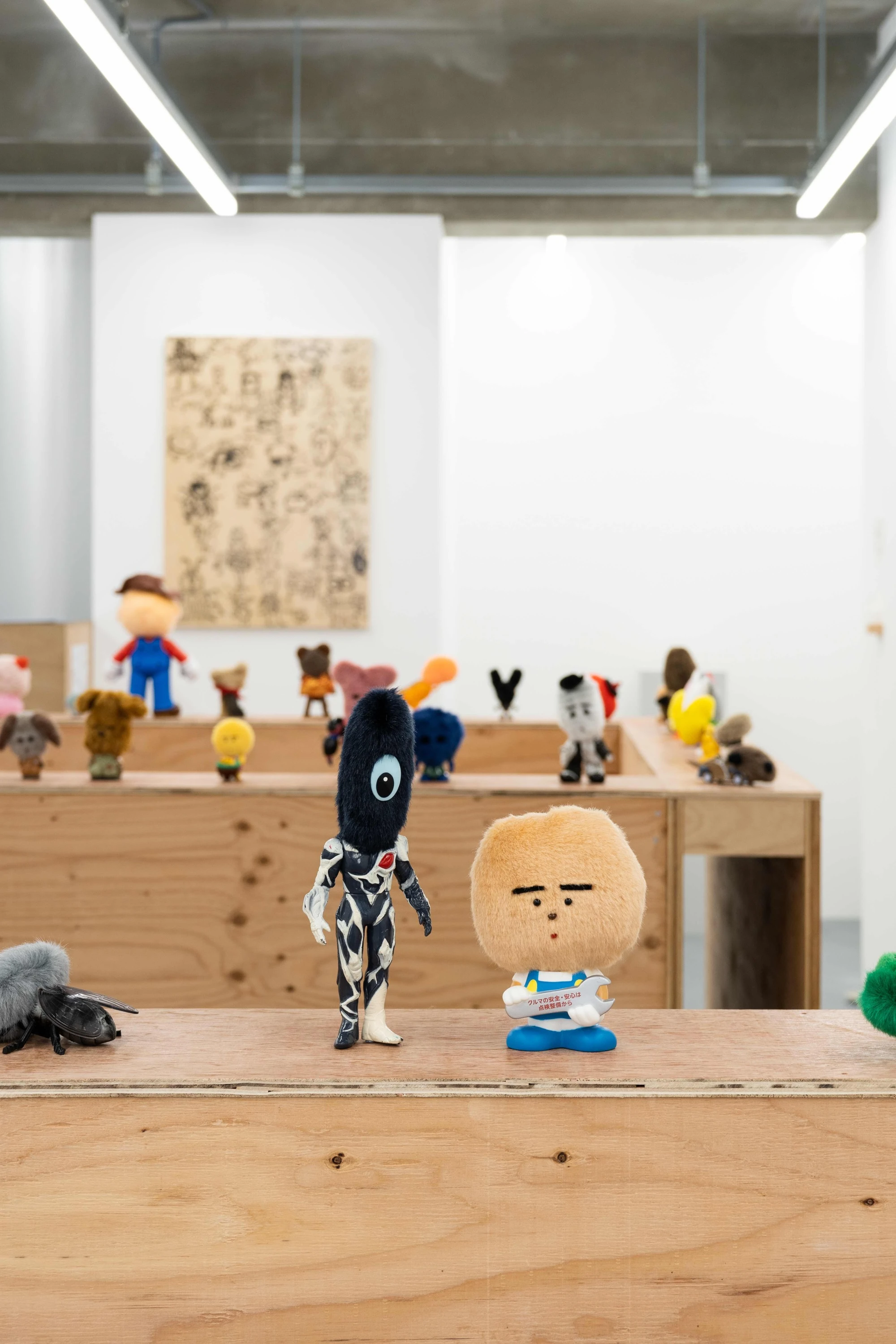
It’s actually not that different from when I exhibit in Japan. The people who come to my shows tend to be pretty reserved, but in the end they’re just really nice people. To put it bluntly, stuffed animals are lifeless objects. But these are people who have the heart to sense life in lifeless things – kind souls who treat objects with affection.
What does kawaii mean to you?
I guess it’s my lens for understanding the world. Parents cherish and raise their children because they find them cute, kawaii; it’s a primal emotion, and one that humanity couldn’t have developed without.
I feel like if you don’t appreciate kawaii, you’ll have a hard time grasping the meaning of life. In Japanese, ‘kawaii’ has a much broader and more ambiguous scope than ‘cute’ in English, and there are aspects of it that defy description. Nowadays, even things that would have been called creepy in the past are included under kawaii. It’s a term that can encompass all forms of life.
What’s your favourite kawaii space?
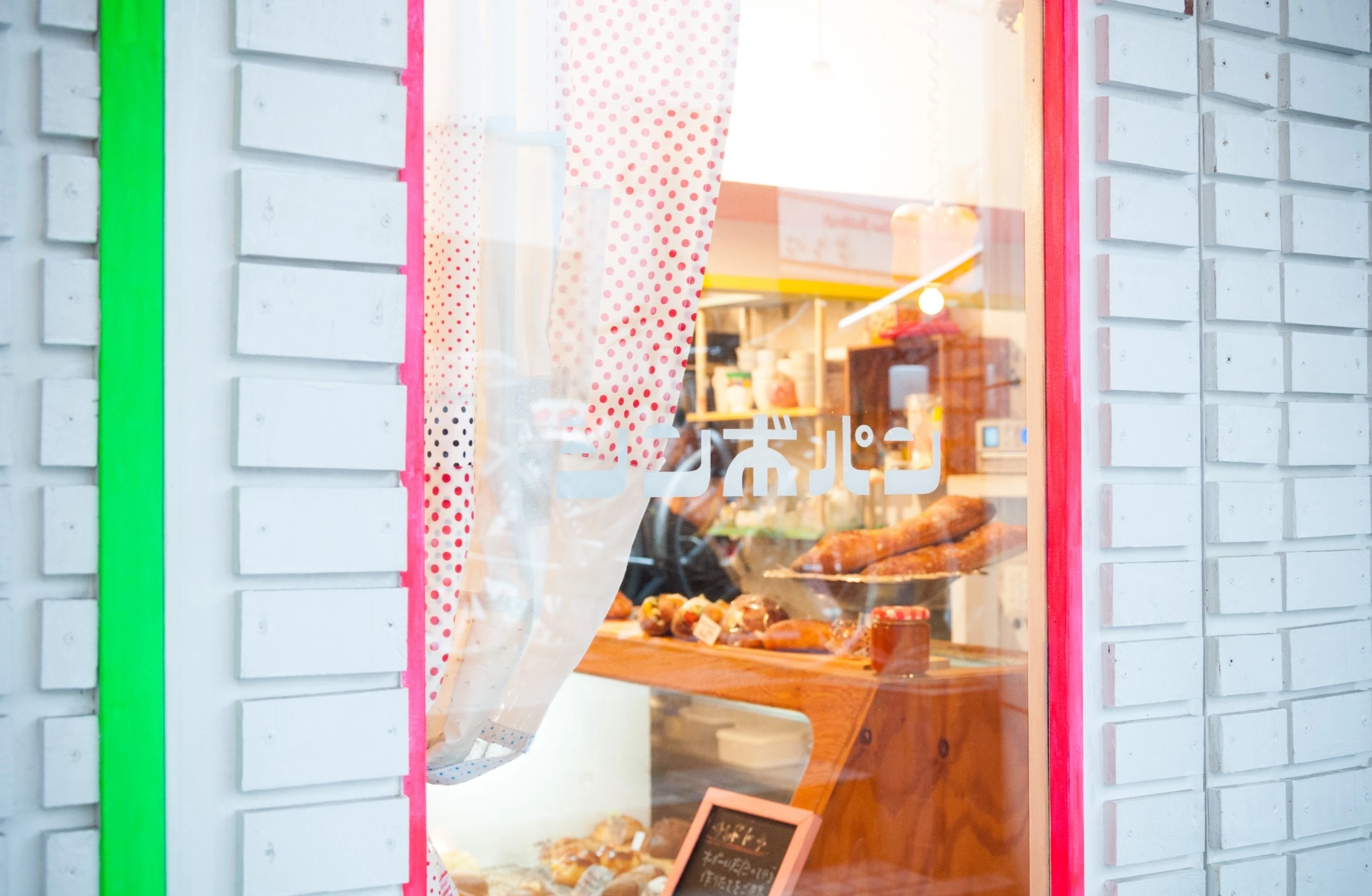
This bakery called Shinbopan (in Tachikawa). It’s run by a friend of mine and has such a cute interior. They put a lot of thought into their ingredients, like the flour they use, yet they never really mention it. That kind of awkwardness just adds to the shop’s charm. I love their salted butter bread, and the ham and cheese sandwich is great too.
Emu in Nakano Broadway is another favourite. It’s a kissaten my family has been going to since I was in elementary school, and the atmosphere really appeals to people who love toys. I always order the pilaf – I don’t think I’ve ever tried anything else on the menu. The taste and atmosphere have remained exactly the same over the years.
Meriyasu Kataoka’s work is on display at the ‘Soup as Life’ exhibition at 21_21 Design Sight in Tokyo until August 9. ‘Atsu-atsu Udon Tantei Q – Toki no Ankake’, a puppet play by Kataoka and Kensuke Ide, is showing at Mori Michi Ichiba in Gamagori, Aichi on May 22.


