[category]
[title]
Featuring food photography, beastly ukiyo-e, Buddhist masterpieces and occult-inspired media art


Summer has officially arrived in Tokyo, and with it a glorious slate of seasonal festivals, fireworks shows, beer gardens and – yes – art exhibitions. The steamy season is an excellent time for museum-hopping, and not just because of the heat refuge factor: the crowds are often quite manageable, especially on weekdays, and many museums and galleries extend their evening hours, opening up opportunities for cheeky art appreciation after dark.
But what’s worth seeing in the city this summer? A lot. Whether you’re into traditional woodblock prints, ambitious photography, thousand-year-old Buddhist statues or meticulously hand-printed posters, there’s sure to be something to pique your interest at Tokyo’s museums in July and August.
‘Animals & Monsters: Cute, Scary, and a Little Weird’
Ota Memorial Museum of Art, until August 23
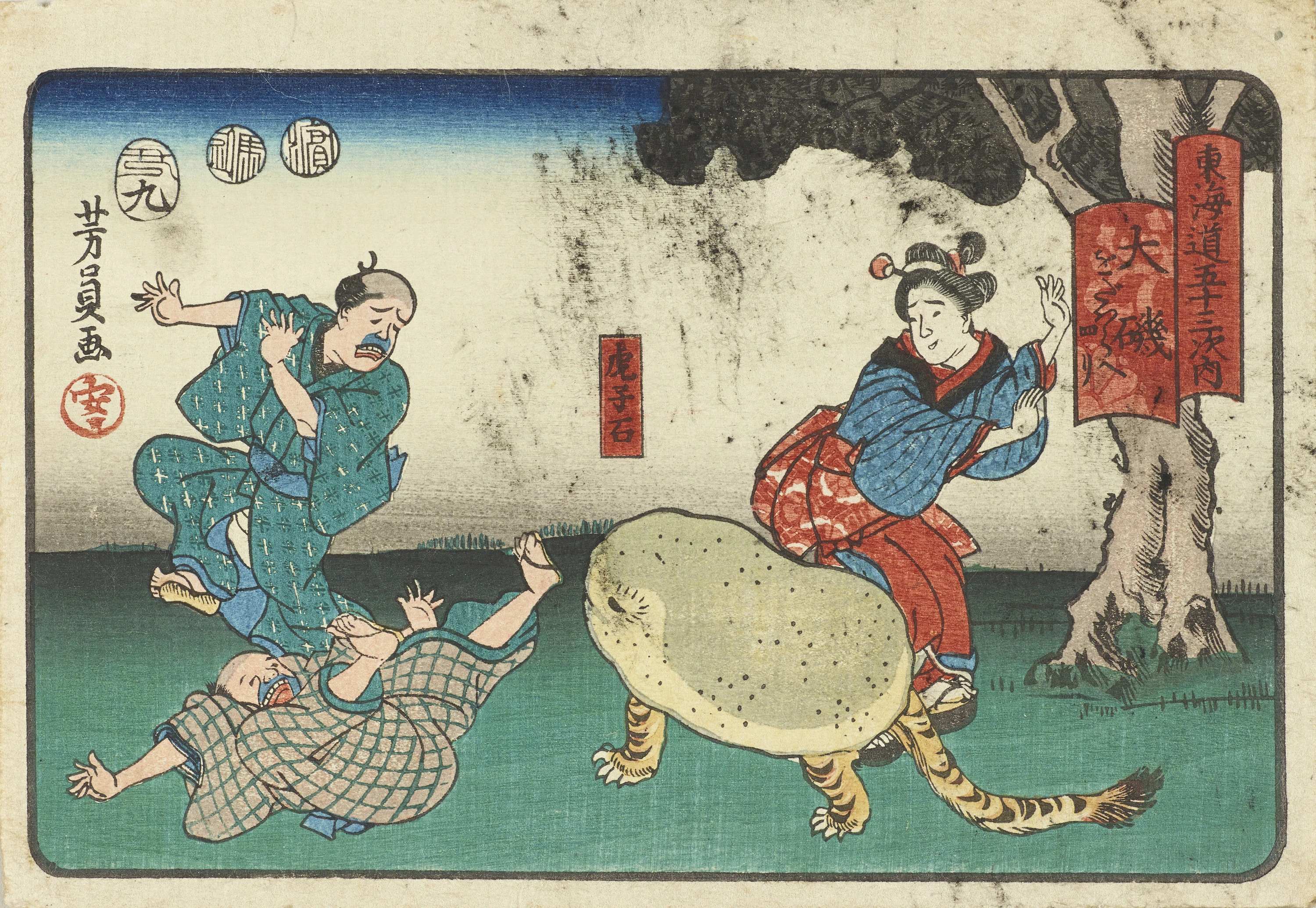
Harajuku’s Ota Memorial Museum of Art dives into the playful, uncanny and fantastical side of ukiyo-e by bringing together 140 works shown across two exhibition periods. The show explores the extraordinary menagerie that populated the imagination of Edo-period (1603–1868) artists, from beloved household pets to bizarre supernatural creatures and delightfully absurd hybrids. One highlight is the museum’s rich collection of works featuring anthropomorphic animals, including famously humorous scenes of cats relaxing in soba restaurants, bathhouses and eel shops.
‘Western-Style Architecture in Japan’
Edo-Tokyo Museum, until August 23
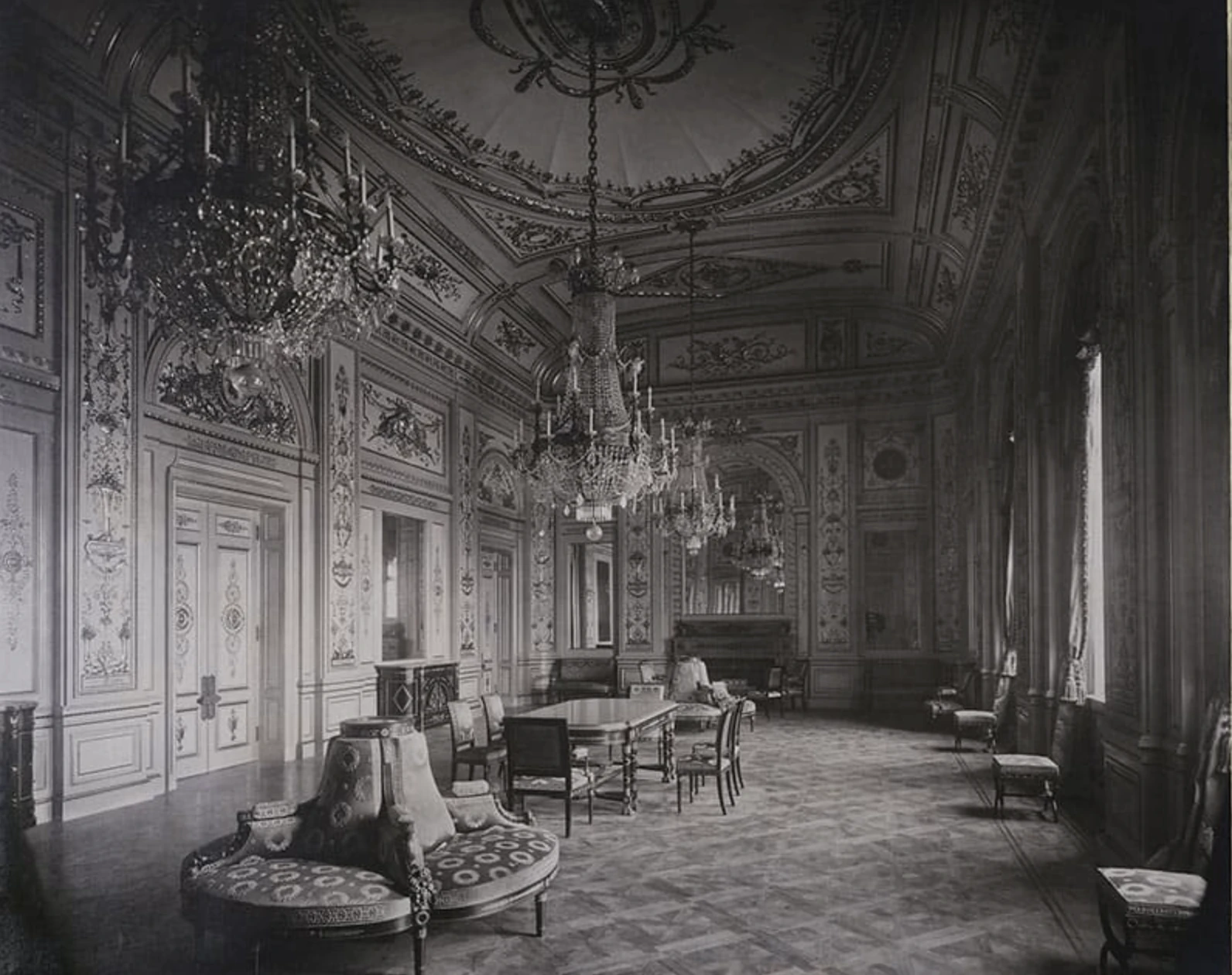
The transition from the traditional society of the Edo period to the modernity of the Meiji era (1868–1912) marked one of the most profound transformations in Japan’s architectural history, as centuries of relative isolation gave way to an influx of Western ideas and techniques. This expansive and richly contextualised exhibition explores that pivotal moment by focusing on the emergence of yokan, or Western-style buildings, beginning in the mid-1800s with the opening of treaty ports such as Yokohama.
‘TOP Collection: Tomorrow’s Dining Table’
Tokyo Photographic Art Museum, July 2–September 21
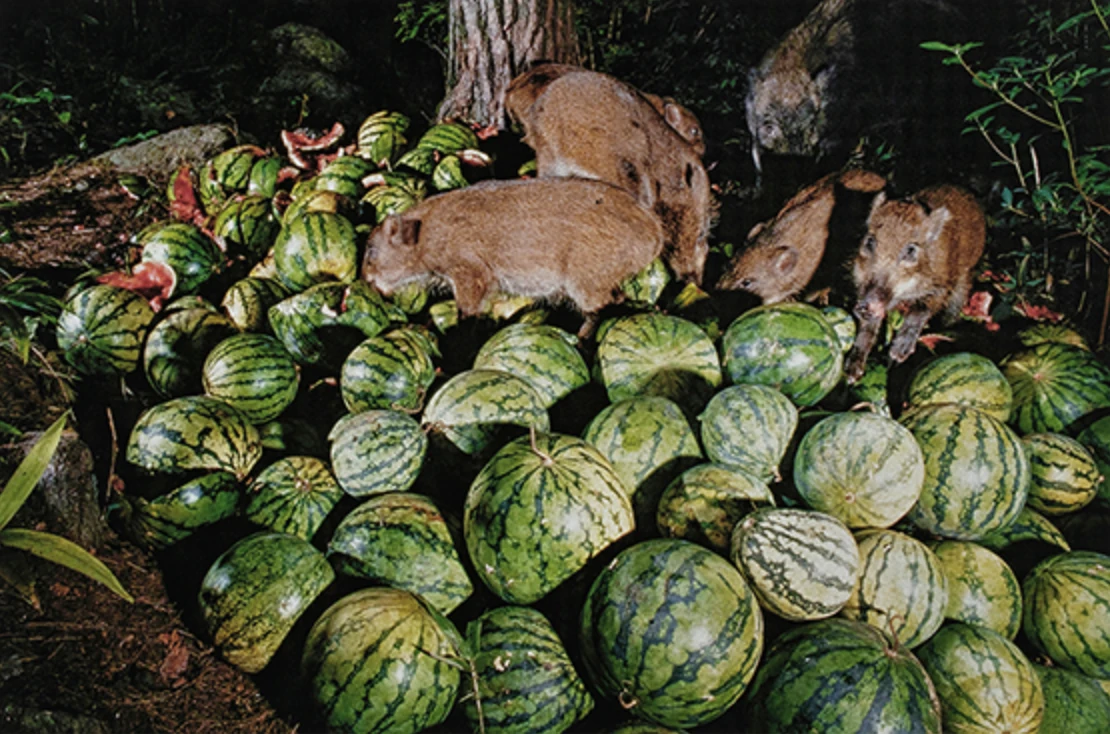
Food is one of the most universal aspects of human life, yet it’s also deeply personal, shaped by memory, place, community and social change. The Tokyo Photographic Art Museum explores these connections by bringing together works by fourteen artists, including Rinko Kawauchi, Ikko Narahara, Tokuko Ushioda and Tatsumi Orimoto, to trace the many meanings attached to eating and sharing meals. ‘Tomorrow’s Dining Table’ considers the future of eating in an aging society marked by solitary living and changing social structures.
‘Tony Oursler: Tech/Gnosis – Magic, Media, Art’
Tokyo Node, July 3–September 27
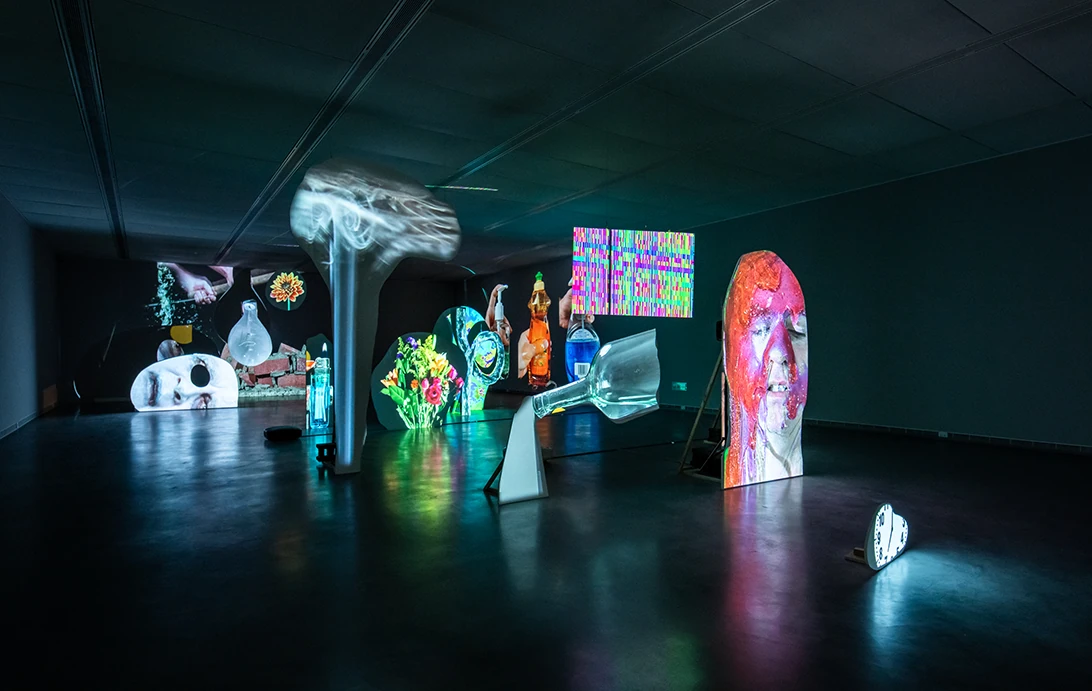
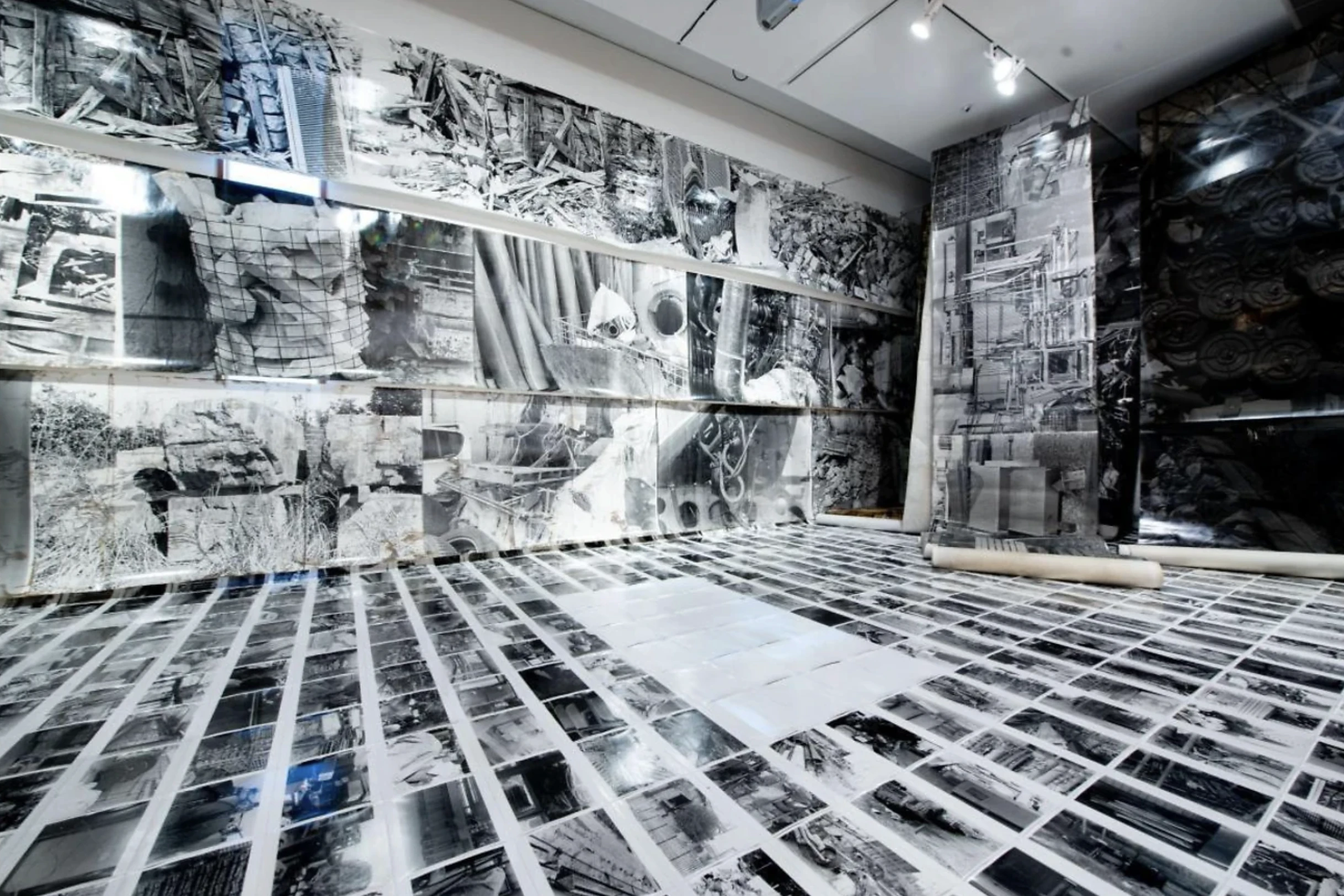
A master of immersive installations that merge video, sculpture, sound, light and language, Tony Oursler is one of the most influential multimedia artists of his generation. He’s been a pioneering figure in video projection and media-based art since the 1980s, probing the uneasy intersections between technology, psychology, belief systems and contemporary society. This show is the artist’s first large-scale solo exhibition in Japan and offers a comprehensive survey of Oursler’s practice from the early 1990s to the present. It features Chimera (2026), a monumental, site-specific work conceived for Tokyo Node’s soaring 15-metre-high space, where mythical hybrid creatures appear to float above the city.
‘I’m So Happy You Are Here: Japanese Women Photographers from the 1950s to Now’
Shibuya Hikarie (Hikarie Hall), July 4–August 26
This one invites you to reconsider the history of Japanese photography through the eyes of women artists. Presented in Japan in an expanded form following an acclaimed international tour, ‘I’m So Happy You Are Here’ brings together around 200 works by approximately 30 photographers – including Miyako Ishiuchi, Mao Ishikawa, Rinko Kawauchi, Tomoko Sawada and Lieko Shiga – spanning more than seven decades. Through works ranging from postwar documentary photography to contemporary experiments with installation, collage, video and photobooks, the exhibition offers a vital counter-narrative to a photographic canon long dominated by male figures.
‘Lucie Rie: Elegant Vessels Fusing East and West’
Tokyo Metropolitan Teien Art Museum, July 4–September 13
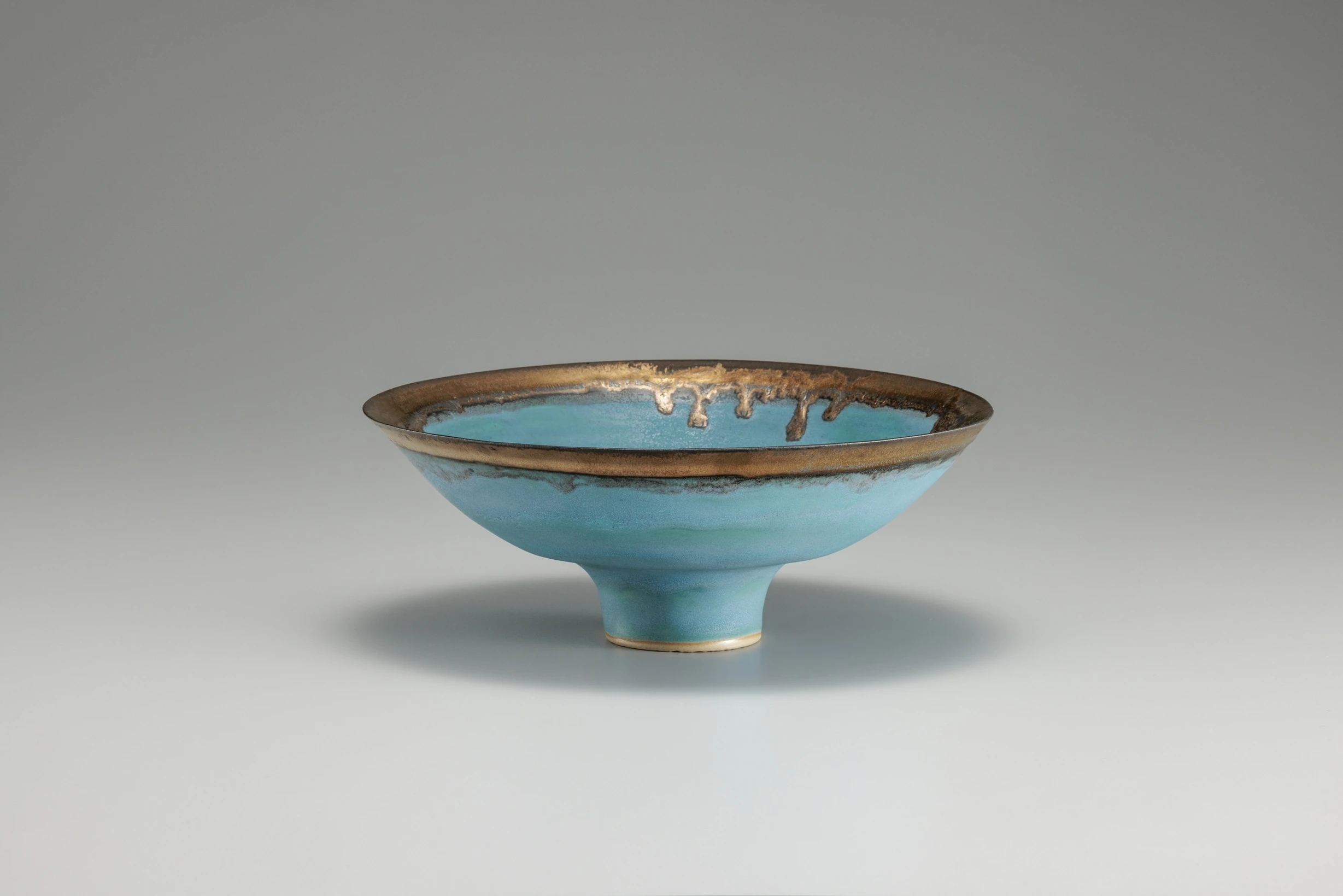
One of the most influential ceramic artists of the 20th century, the Vienna-born Lucie Rie created a distinctive body of work characterised by elegant wheel-thrown forms, delicate incised and inlaid decorations, and luminous glazes. This exhibition at the Teien Museum explores her connections with key figures such as Josef Hoffmann, Bernard Leach, Hans Coper and Shoji Hamada, revealing how dialogues between European modernism and East Asian ceramic traditions shaped her creative practice. Presented throughout the museum’s Art Deco structures, ‘Elegant Vessels’ engenders a compelling conversation between Rie’s work and the refined architecture of the former residence of Prince Asaka.
‘Rembrandt the Etcher: His Challenges and His Impact’
The National Museum of Western Art, July 7–September 23
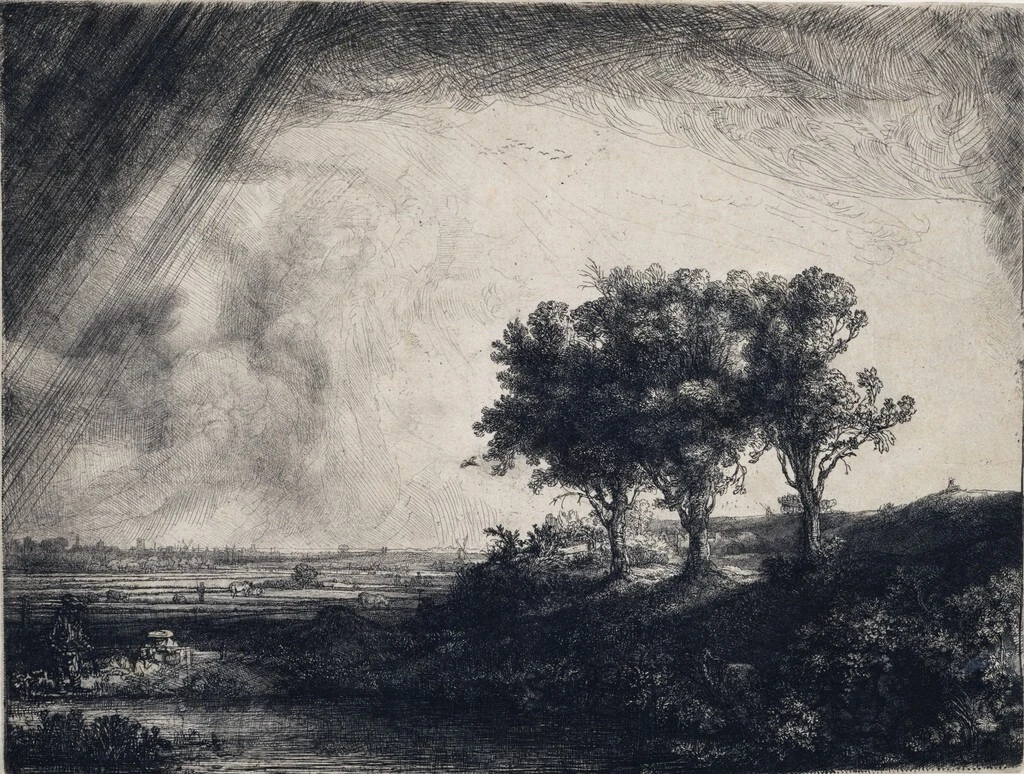
Revered for his ability to capture the human condition in all its complexity, Rembrandt van Rijn (1606–1669), the Dutch master whose genius extended across painting, drawing and printmaking, revolutionised the medium of etching, transforming it into a vehicle of artistic expression equal to painting. Co-organised with the Rembrandt House Museum in Amsterdam, the NMWA’s summer special traces Rembrandt’s relentless experimentation with etching techniques, revealing how he expanded the expressive potential of printmaking.
‘Kukai and the Treasures of Shingon Buddhism’
Tokyo National Museum, July 14–September 6
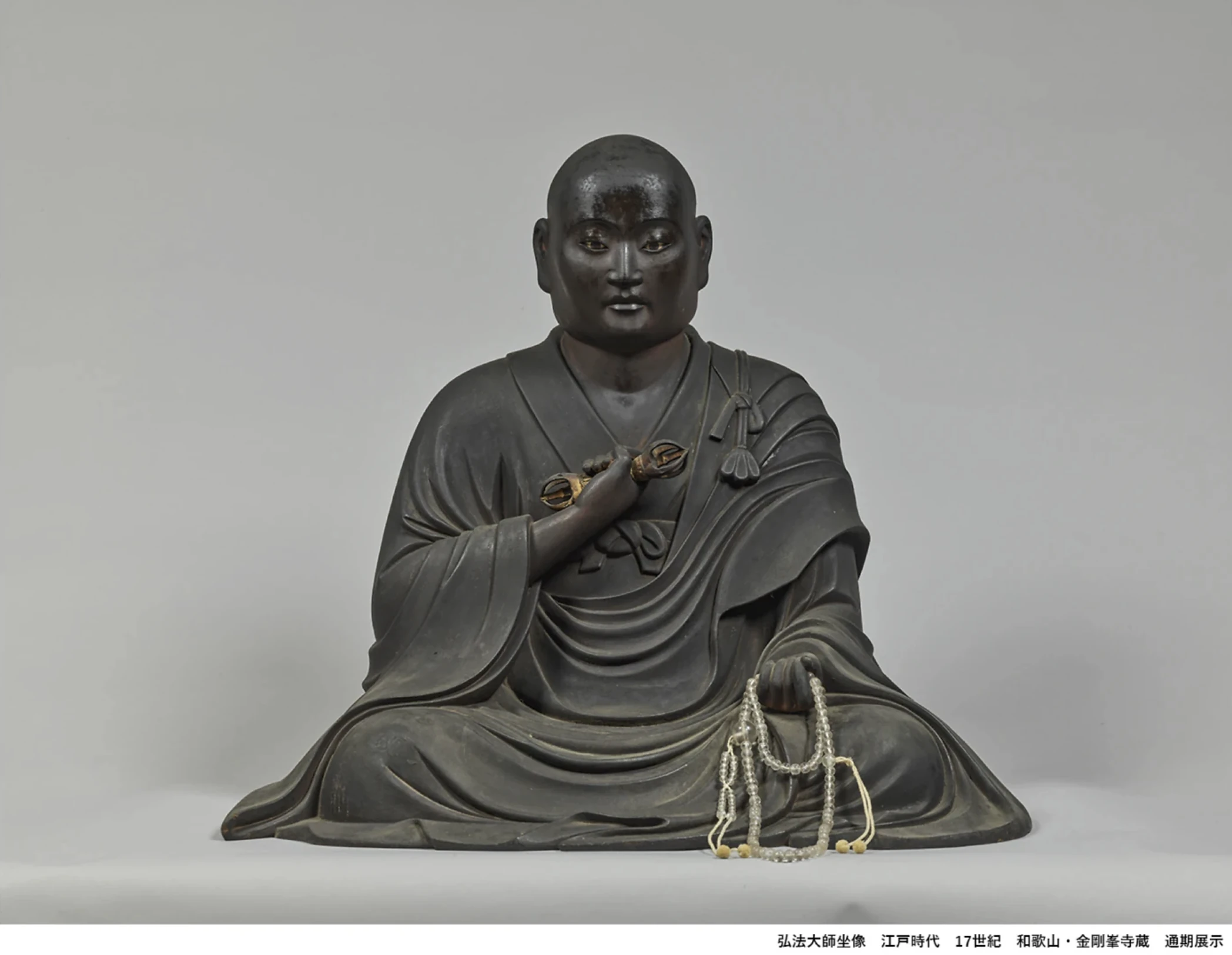
The Buddhist priest Kukai (774–835) is one of the most influential figures in Japanese religious and cultural history. The founder of Shingon Buddhism introduced esoteric teachings from China in the early ninth century, and in doing so initiated a process that has shaped spiritual practice, art and ritual across Japan for more than twelve centuries. This landmark exhibition marks 1,250 years since his birth and brings together an extraordinary assembly of National Treasures and Important Cultural Properties from across the country. A particular highlight is the rare public display of revered hibutsu (‘hidden’ Buddhist images), including statues of Kukai himself and exquisite representations of the bodhisattva Kannon, which are shown only on exceptional occasions.
‘Dafi Kühne: Constructing Posters’
Ginza Graphic Gallery, July 14–August 26
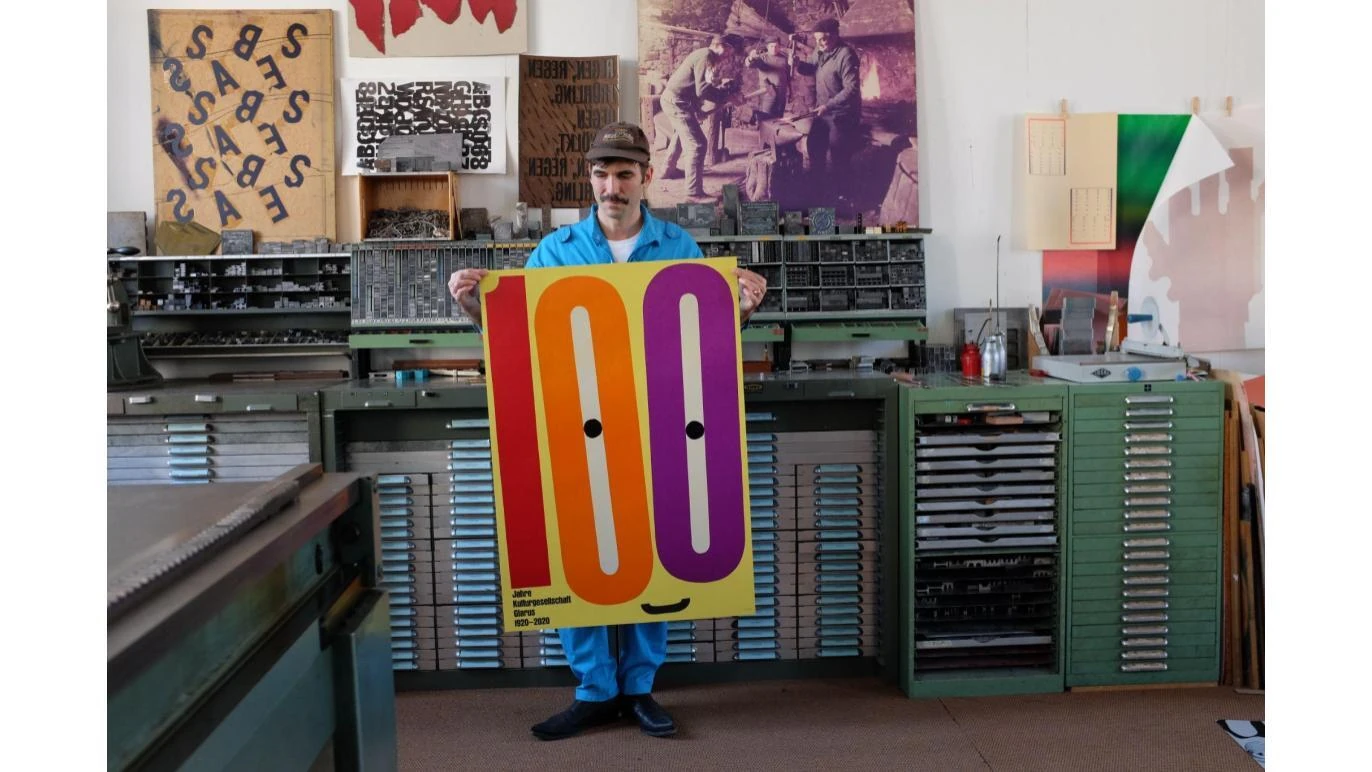
At a moment when digital production and AI-generated imagery increasingly dominate visual culture, Swiss designer Dafi Kühne has devoted himself to the tactile rigor of letterpress printing, transforming a centuries-old technique into a radically contemporary form of expression. Far from nostalgic revivalism, Kühne’s practice pushes analogue printing into unexpected territory. Working from his studio in the Swiss Alps, he operates nearly forty tons of presses, metal type, woodblocks and custom-built tools to produce monumental posters by hand. ‘Constructing Posters’ traces this intricate process from conception to finished object. Alongside completed works, you’ll encounter printing blocks, typographic elements, handmade linocuts and material fragments that reveal the labour embedded within each image.
‘Edo in Focus: Japanese Treasures from the British Museum’
Tokyo Metropolitan Art Museum, July 25–October 18
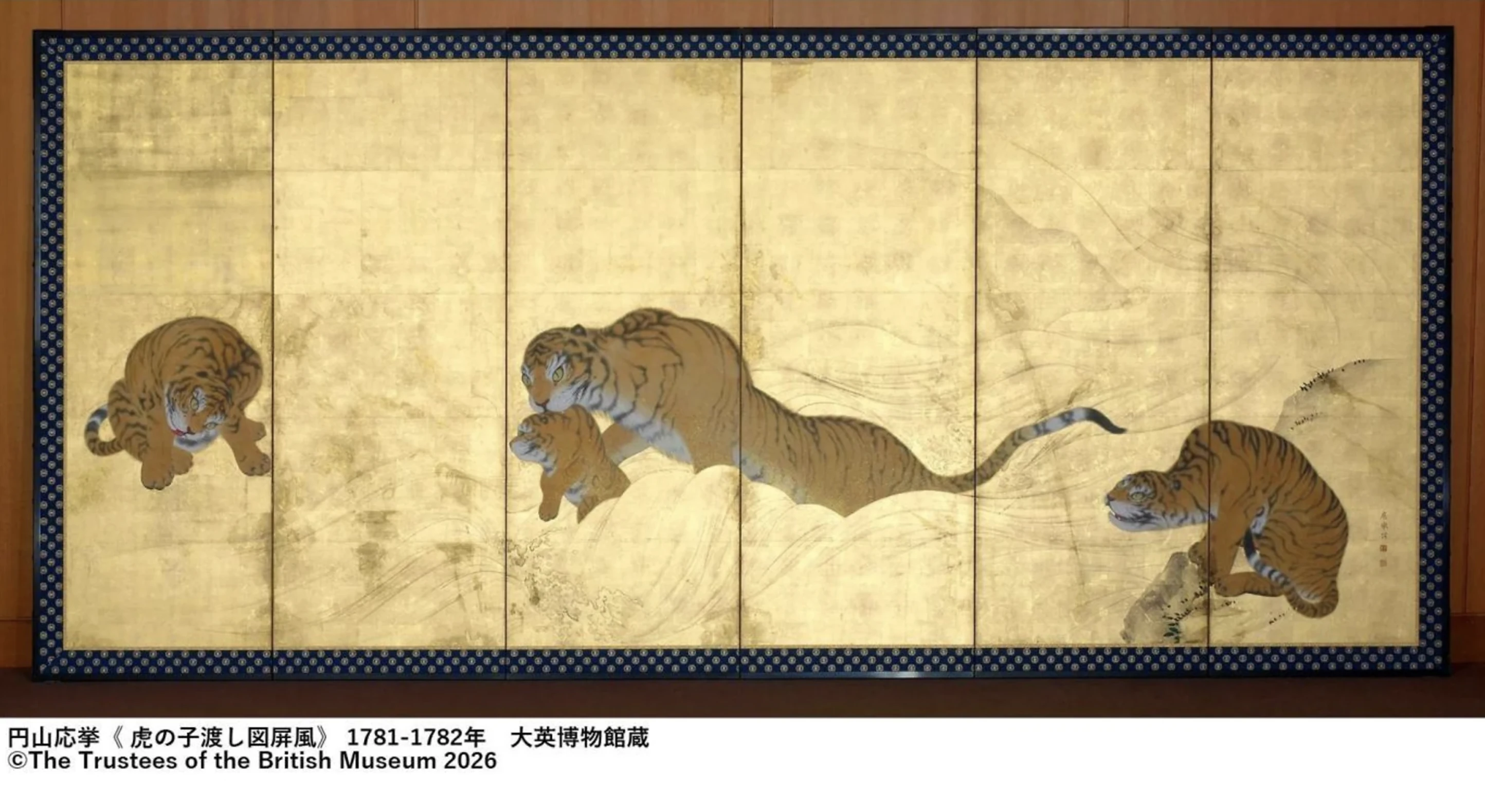
To celebrate its 100th anniversary, the Tokyo Metropolitan Art Museum hosts this exceptional exhibition showcasing masterpieces borrowed from one of the world’s most iconic institutions. The British Museum houses the most comprehensive collection of Japanese art outside Japan, and ‘Edo in Focus’ brings together a carefully curated selection from that 40,000-piece trove. Look forward to folding screens, hanging scrolls and narrative handscrolls from the Edo period, plus celebrated ukiyo-e prints by eight masters, including Utamaro, Sharaku, Hokusai and Hiroshige, that capture the vibrancy of Edo culture.
Craving even more art? Check out our full picks of the best exhibitions showing in Tokyo right now.
More from Time Out Tokyo
Pompompurin takes the crown for 2026’s most popular Sanrio character with over 7 million votes
5 of the best gigs to catch in Tokyo this July
4 upcoming Tanabata festivals to catch in and around Tokyo this July
Shinjuku’s legendary Dug Jazz Cafe & Bar closed its doors on June 27
Bruno Mars is returning to Japan for a 12-show dome tour
Want to be the first to know what’s cool in Tokyo? Sign up to our newsletter for the latest updates from Tokyo and Japan.
Discover Time Out original video