[category]
[title]
Now in its third year, the citywide celebration offers rare, free access to 70 notable structures usually closed to the public


As one of the world’s great megacities, Tokyo’s identity has been shaped as much by the buildings that define its skyline as by its streets and neighbourhoods. From late-19th-century brick structures to bold postwar experiments and contemporary landmarks, the city’s architecture offers a fascinating lens through which to understand the capital’s history, culture and ethos of constant renewal.
This May, design lovers are in for a treat as the Tokyo Architecture Festival returns from May 16 to 24 with its biggest programme yet. Spanning districts including Ueno, Marunouchi, Ginza, Shinagawa, Roppongi and Shibuya, the festival invites visitors to step inside some of the capital’s most significant structures, many of which are typically closed to the public.
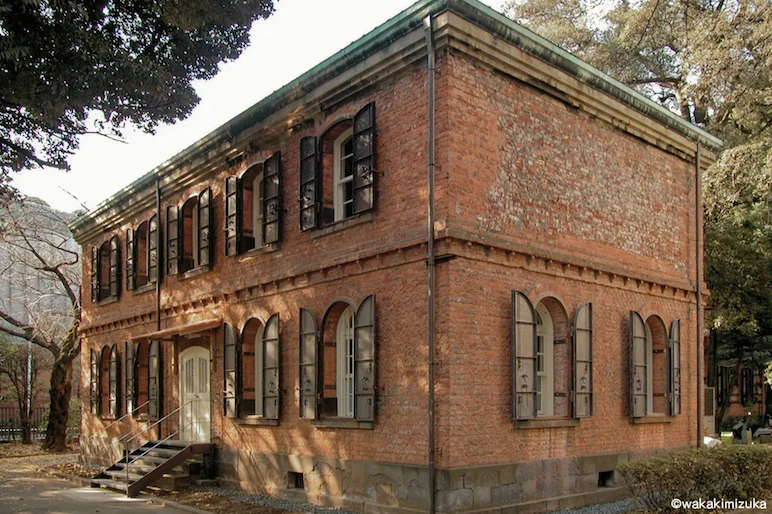
This year, the number of buildings offering free entry without advance reservations has expanded to 70. Among the highlights is the Tokyo University of the Arts Red Brick Building No. 1, believed to be the oldest surviving brick building in Tokyo. Built in 1880, the structure opens its second floor to visitors, revealing original roof trusses, arched windows and traces of past earthquake damage.
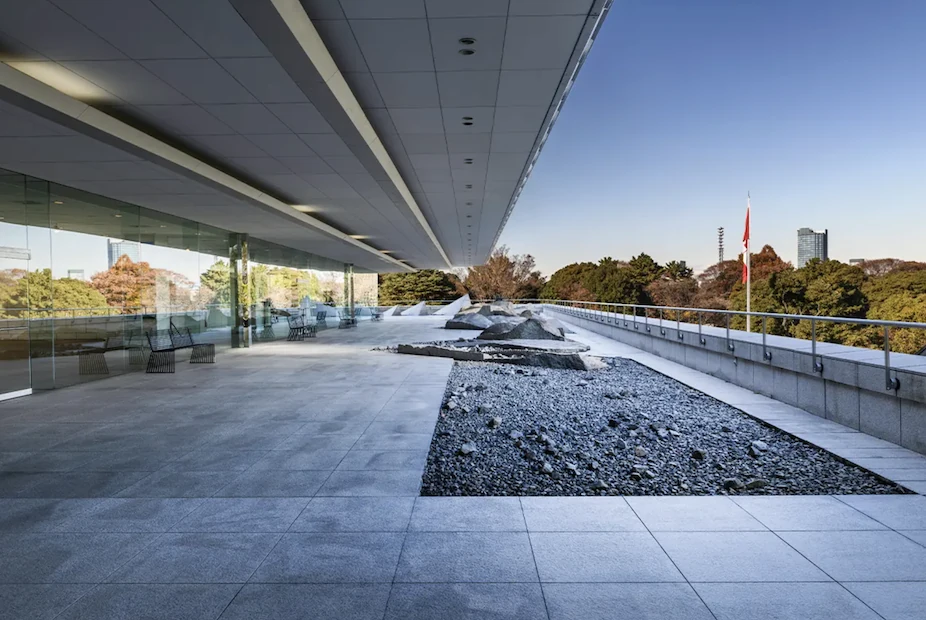
Another standout is the Canadian Embassy, designed by Japanese-Canadian architect Raymond Moriyama. Visitors can explore the serene Canada Garden, the Prince Takamado Gallery and the E.H. Norman Library, while also learning how the building’s layout supports diplomatic functions.
Other must-see sites include the Kyu Iwasaki-tei House & Gardens, a grand Western-style mansion designed by British architect Josiah Conder, and the striking Noa Building near Tokyo Tower. Designed by influential postwar architect Seiichi Shirai, the cylindrical office complex remains one of the city’s most distinctive modernist structures.
Alongside the free programme, the festival’s line-up of lottery-based, paid guided tours has also grown substantially, now featuring 120 courses across 257 sessions. Led by architects, engineers and building owners, these tours offer deeper insight into the stories, concepts and technical details behind each space (in Japanese only).
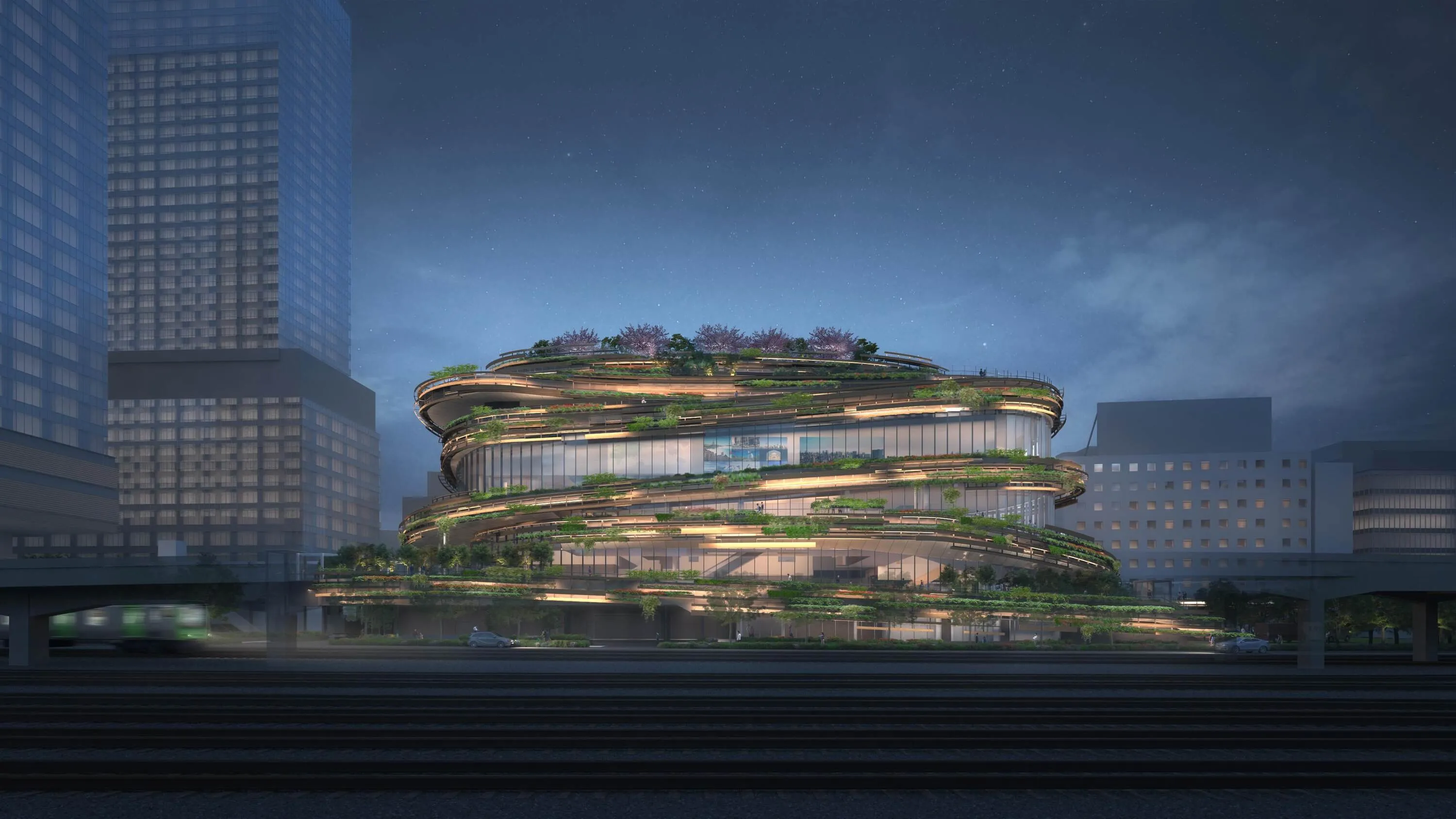
One of the most anticipated additions to the tours programme is Mon Takanawa: The Museum of Narratives, which opened in March 2026 as part of Takanawa Gateway City. The tour offers a look inside the new cultural hub designed by Kengo Kuma & Associates, including its vast 100-tatami room, showcasing an experimental space that blends traditional Japanese spatial design with future-facing creative programmes.
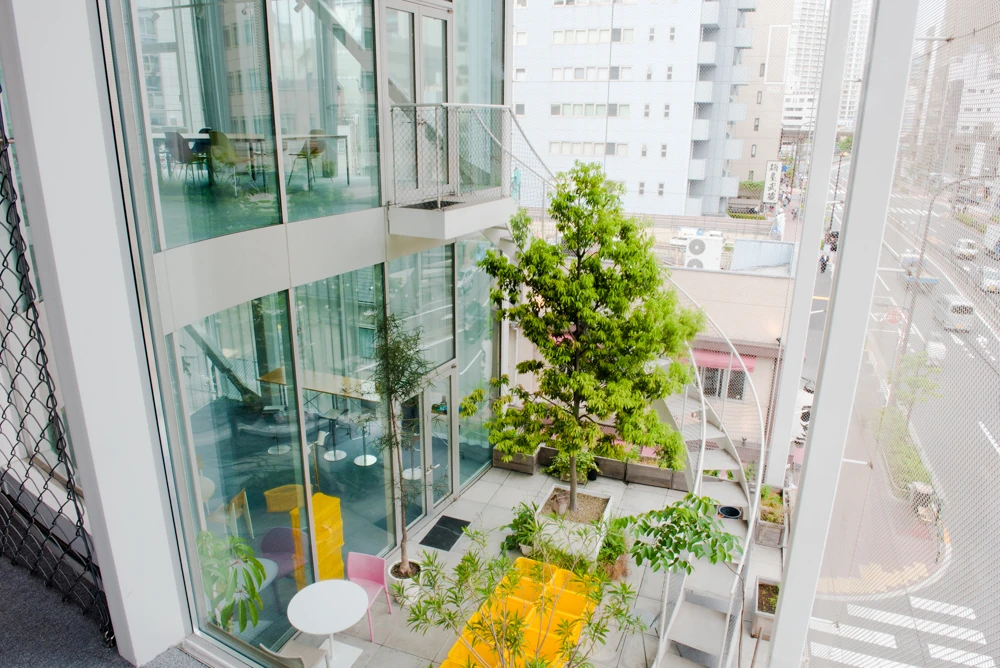
Elsewhere, visitors can join a paid tour of the Watari Museum of Contemporary Art to explore the connections between architecture and art, taking in everything from the exhibition galleries to the rooftop and back-of-house spaces, all while enjoying specially crafted Japanese sweets. At Shibaura House, a newly created accommodation area will be unveiled, offering a fresh perspective on the building’s signature ‘floating’ design.
Whether you are an architecture enthusiast or simply curious to see the city from a different angle, the Tokyo Architecture Festival looks like one of the most rewarding ways to experience Tokyo this spring. Be sure to check the event website before visiting for full details on tour registration and dates.
More from Time Out Tokyo
Japan Post is now accepting US-bound packages over 100USD (again)
Here’s what you’ll find at the new Oimachi Tracks complex near Oimachi Station
10 art exhibitions to check out in and around Tokyo this spring
The popular Zushi Beach Film Festival is back for the Golden Week holidays
Pondering cosmic mysteries high above Tokyo at the ‘Orb’ exhibition
Want to be the first to know what’s cool in Tokyo? Sign up to our newsletter for the latest updates from Tokyo and Japan.
Discover Time Out original video