[category]
[title]
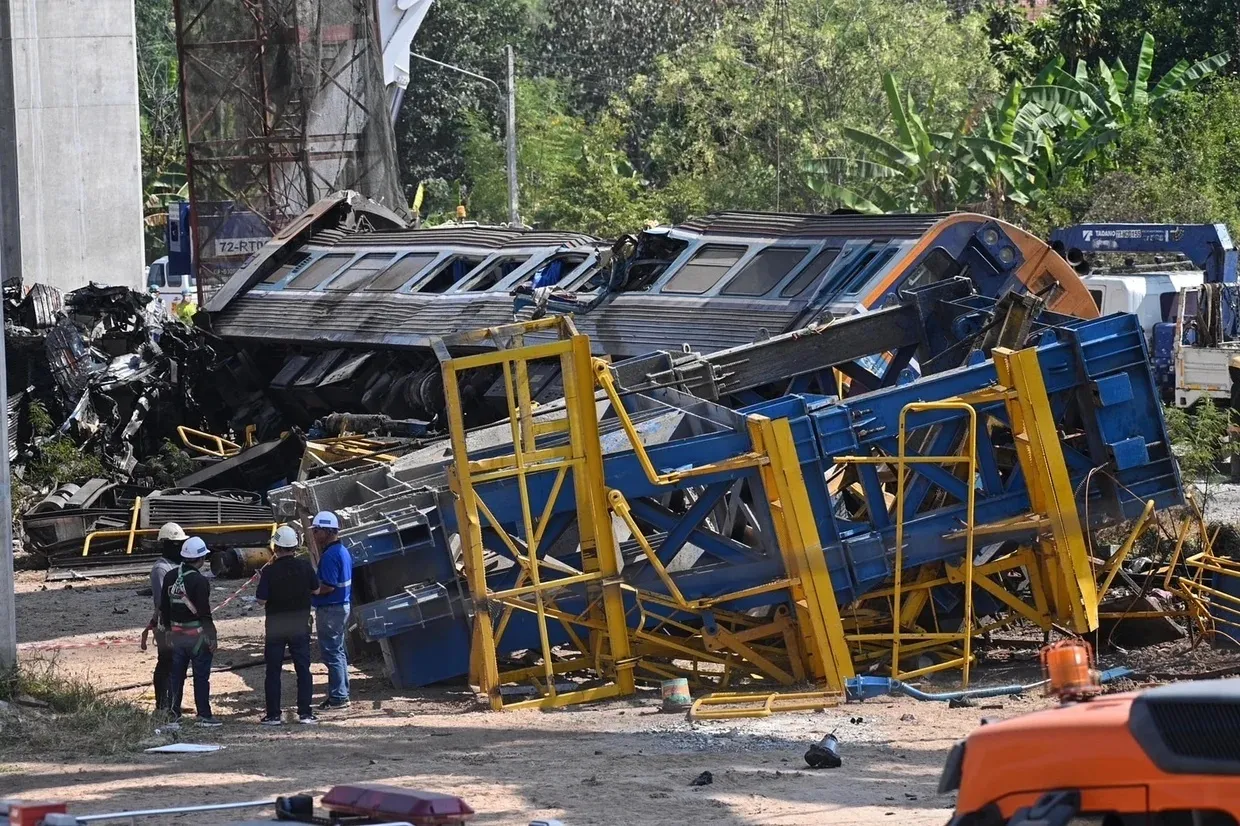
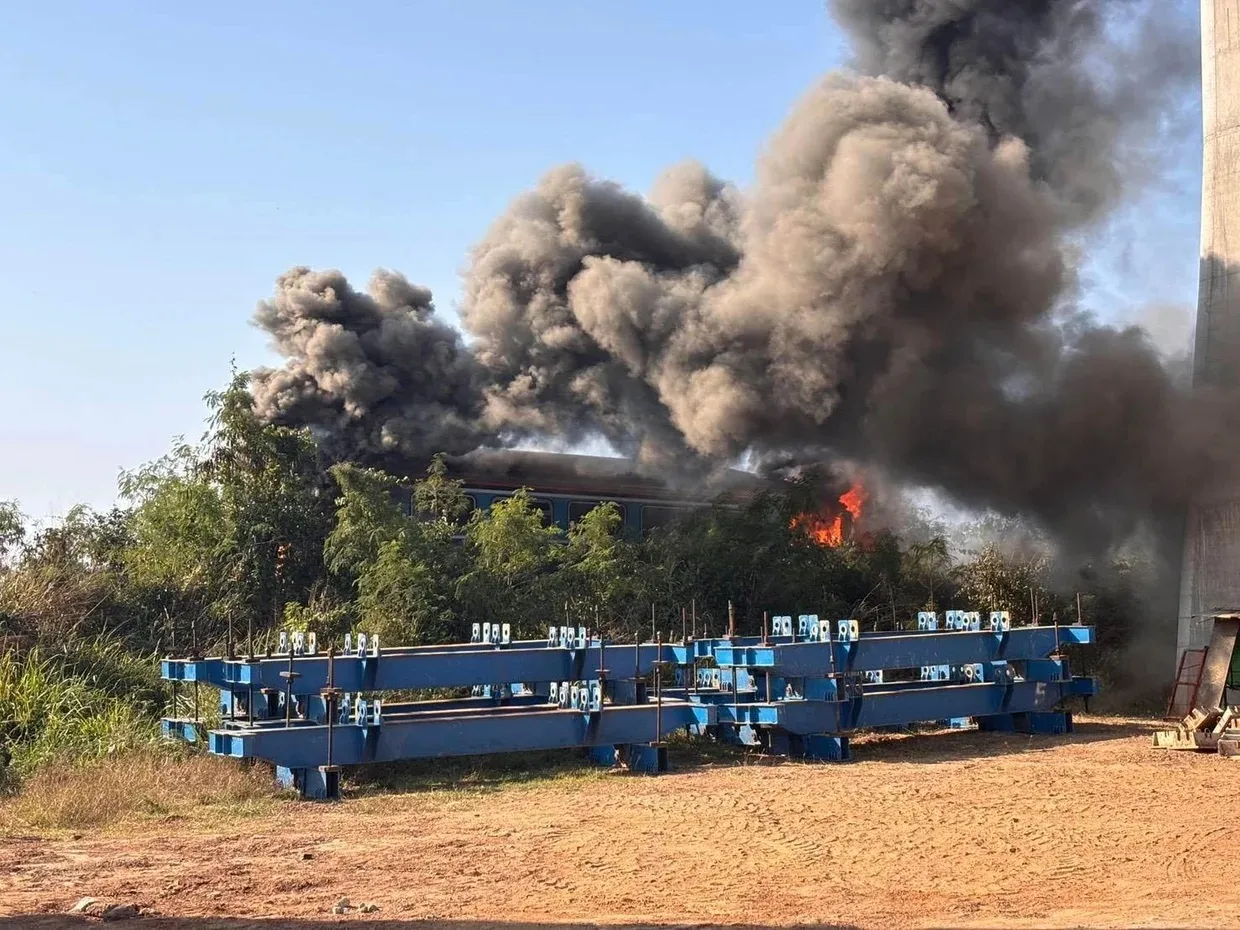
After two crane collapses, a bridge fire and a sinkhole within days of each other, the safest move is to avoid active worksites and never linger under construction


Bangkok is a city that runs on movement – trains, taxis, tuk-tuks, motorbikes, expressways, shortcuts, side streets. You don’t have to be here long to realise its biggest talent is flow.
But the past week has delivered a different kind of reminder: Bangkok and its surrounding routes are also constant works-in-progress. And when construction zones sit directly over live traffic, the safest thing you can do is re-route around them.
Several recent incidents have involved infrastructure works and major corridors used by everyday commuters and weekend escapees, including the Rama II axis heading southwest toward Samut Sakhon and the South. If you’re heading out of town, or simply moving across the city, it’s worth travelling with more caution than usual.
Ask anyone in Bangkok and they’ll have a Rama II story. Sudden merges. Shifting lanes. Bottlenecks that appear out of nowhere. And construction that seems to last forever.
People call it a curse because it feels relentless, but the reason is more practical than supernatural: Rama II has become a long-running construction corridor while still carrying huge volumes of traffic. That combination creates risk.
When a major artery doubles as a worksite, the margin for error shrinks. Sightlines get worse. Lane markings change. Temporary barriers shift. Drivers speed up to escape congestion, then brake hard at chokepoints. Heavy equipment operates nearby, sometimes overhead. Even when safety measures exist, the setup itself is high stakes.
If you’re getting around Bangkok this week, the goal is avoidance, timing and good habits.
Bangkok is still one of the world’s great travel cities. But right now, the smartest way to move through it is the same way you’d move through a storm: watch the risk, give it distance and choose the safer route.
Discover Time Out original video