[category]
[title]
A new 45 percent tax is set to turn the kingdom into a classic car hub, complete with special black plates and some weekend-only driving rules


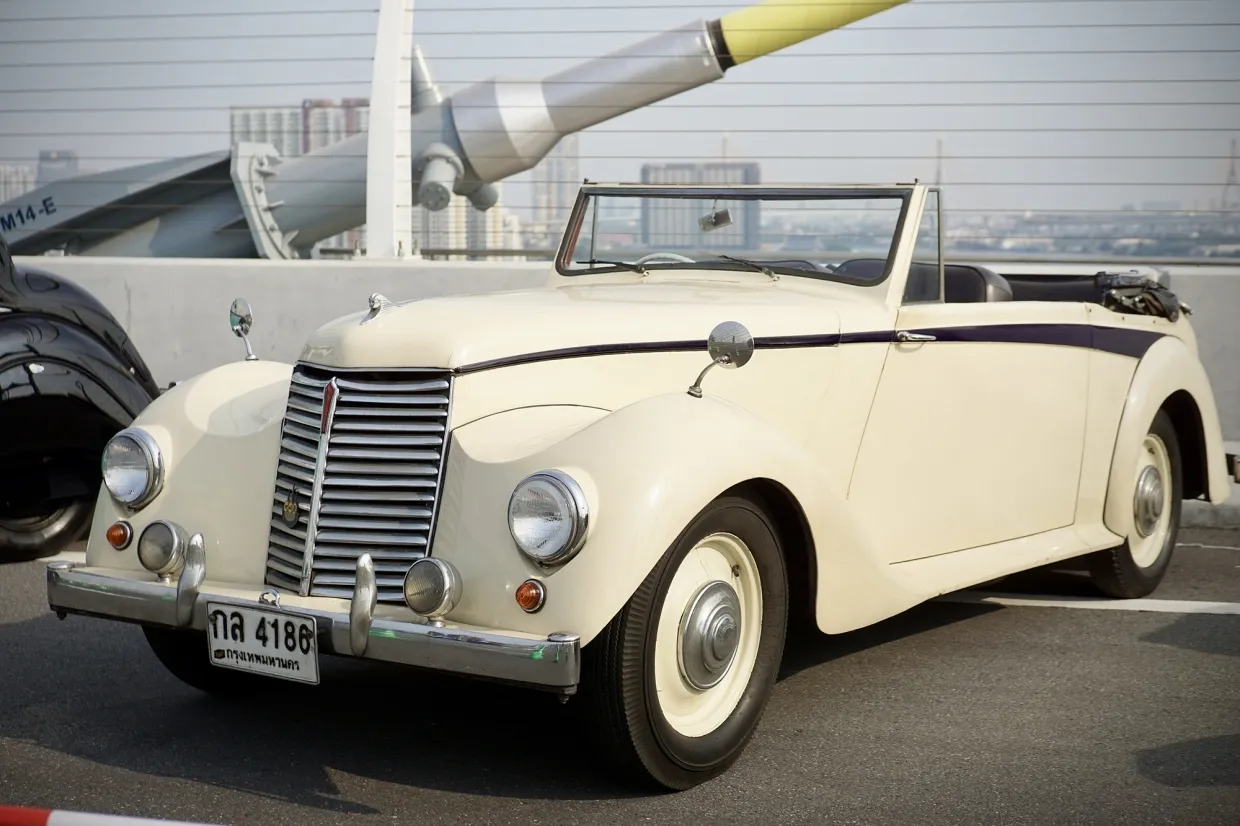
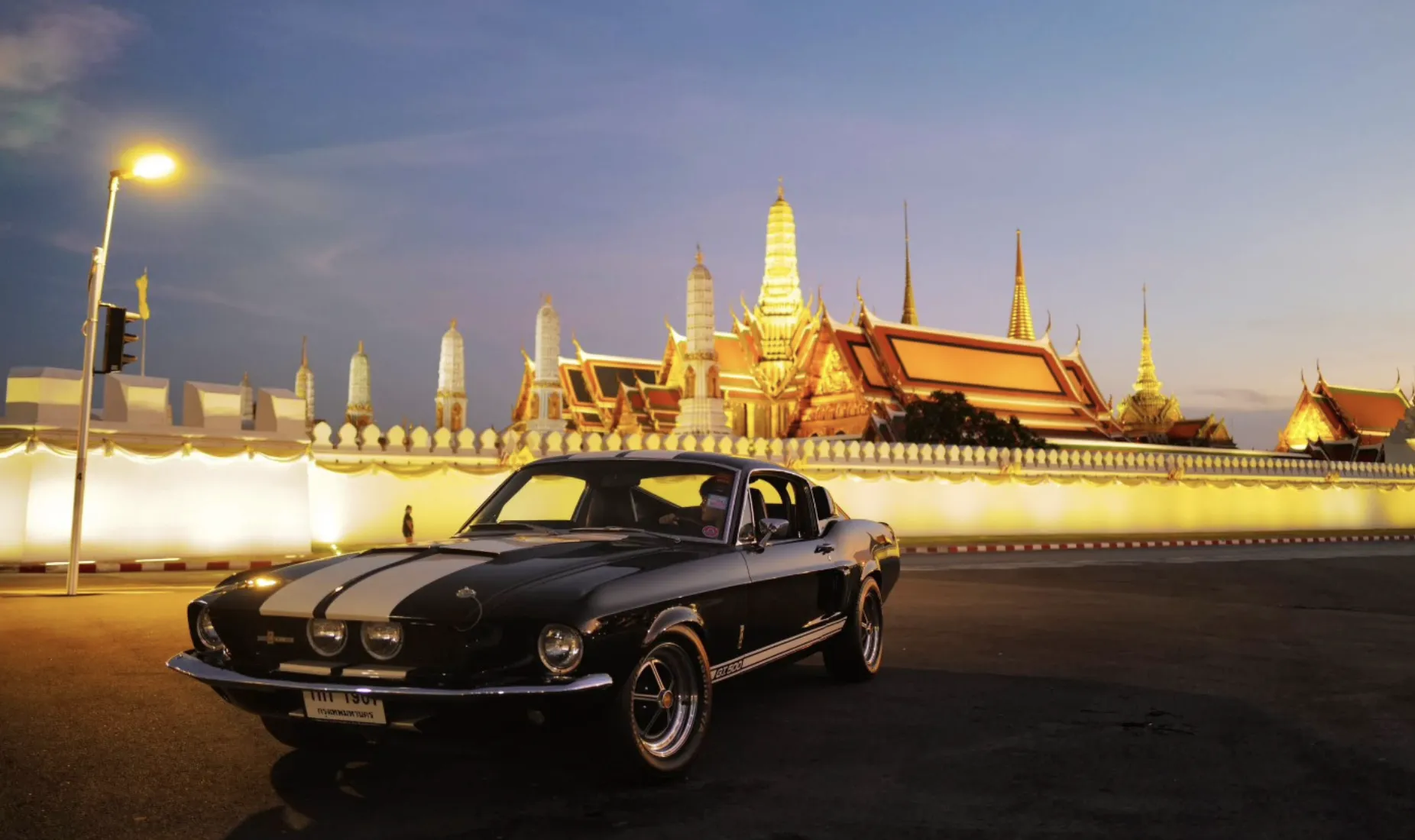
So, you’ve been daydreaming about cruising down Sukhumvit in a gleaming ’67 Mustang, top down, with a soundtrack straight out of a Tarantino film. For years, that fantasy was just that – a fantasy – thanks to a tax system that could slap a bonkers 200 to 300 percent levy on imported used cars, making it a non-starter for almost everyone.
Well, it’s time to polish your chrome. The Thai government has just given the green light to its first-ever dedicated excise tax for vintage cars, and it’s a total game-changer.
Announced in the Royal Gazette on 12 September, the new rule rips up the old, punishing tax structure. Instead, it introduces a much simpler (though still hefty) 45 percent excise tax for classic rides that meet the new official criteria.
This new system finally gives vintage wheels their own lane in the tax code, recognising them as cultural treasures rather than just second-hand vehicles.
The government isn’t just letting any old banger through the gates. To snag that sweeter 45 percent rate, your dream machine has to tick every box on the official checklist:
Nail all four and you’re sorted. Miss one, and you’ll be bumped up to a steeper 50 percent tax bracket.
This all sounds pretty sweet, but here’s the thing: this tax only applies to new imports. If you’ve been eyeing up a classic that’s already parked in a Thai garage, don’t expect the price to magically drop.
And there are a few other strings attached for these newly imported beauties:
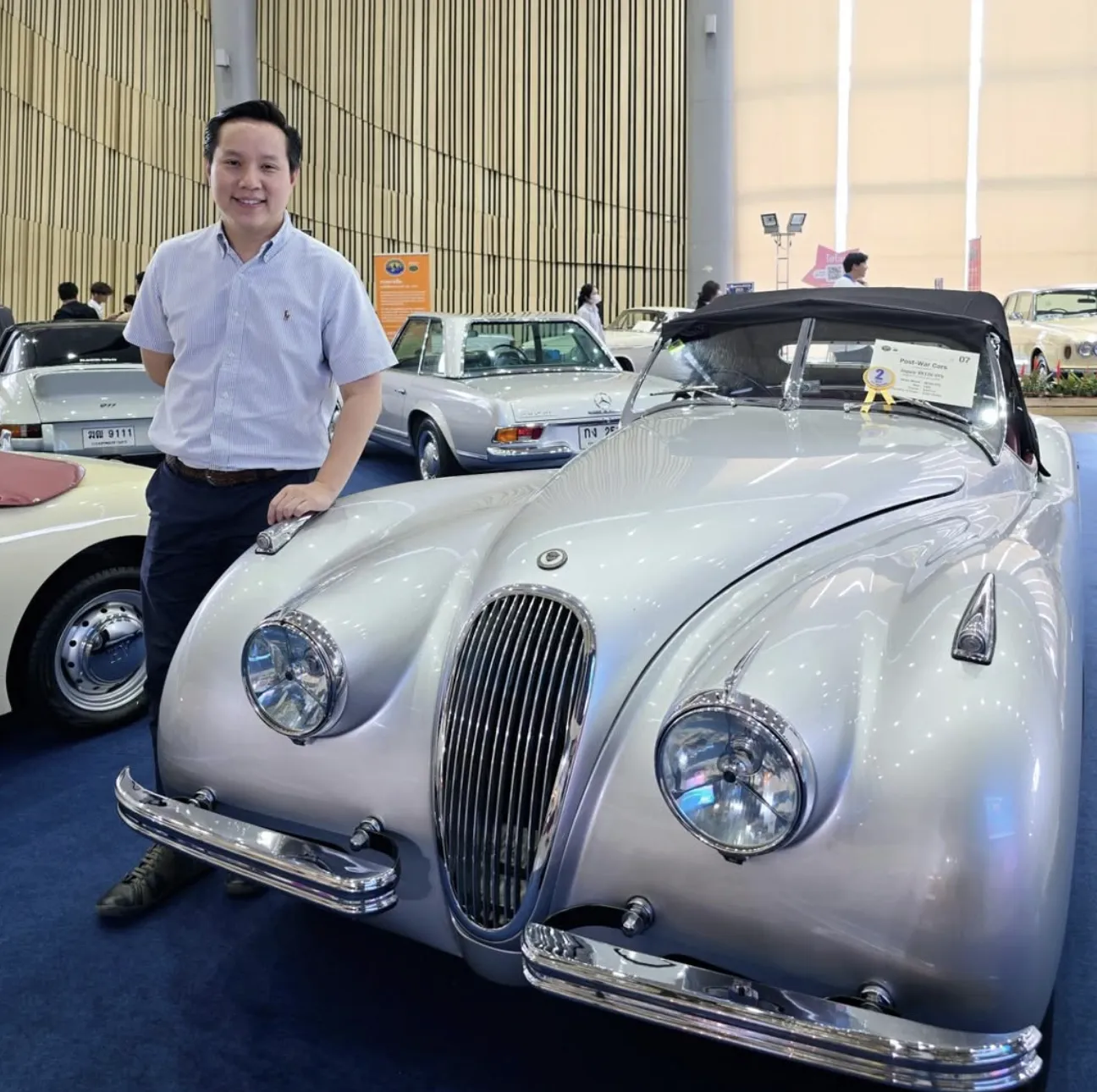
We grabbed a moment with Dr Atavit Suwannapakdee, the secretary-general of the Vintage Car Association of Thailand, who has been instrumental in pushing for these changes. He says it’s all about creating jobs and putting the country’s world-class mechanics on the global map.
But will this new wave of imports send prices for local classics spinning?
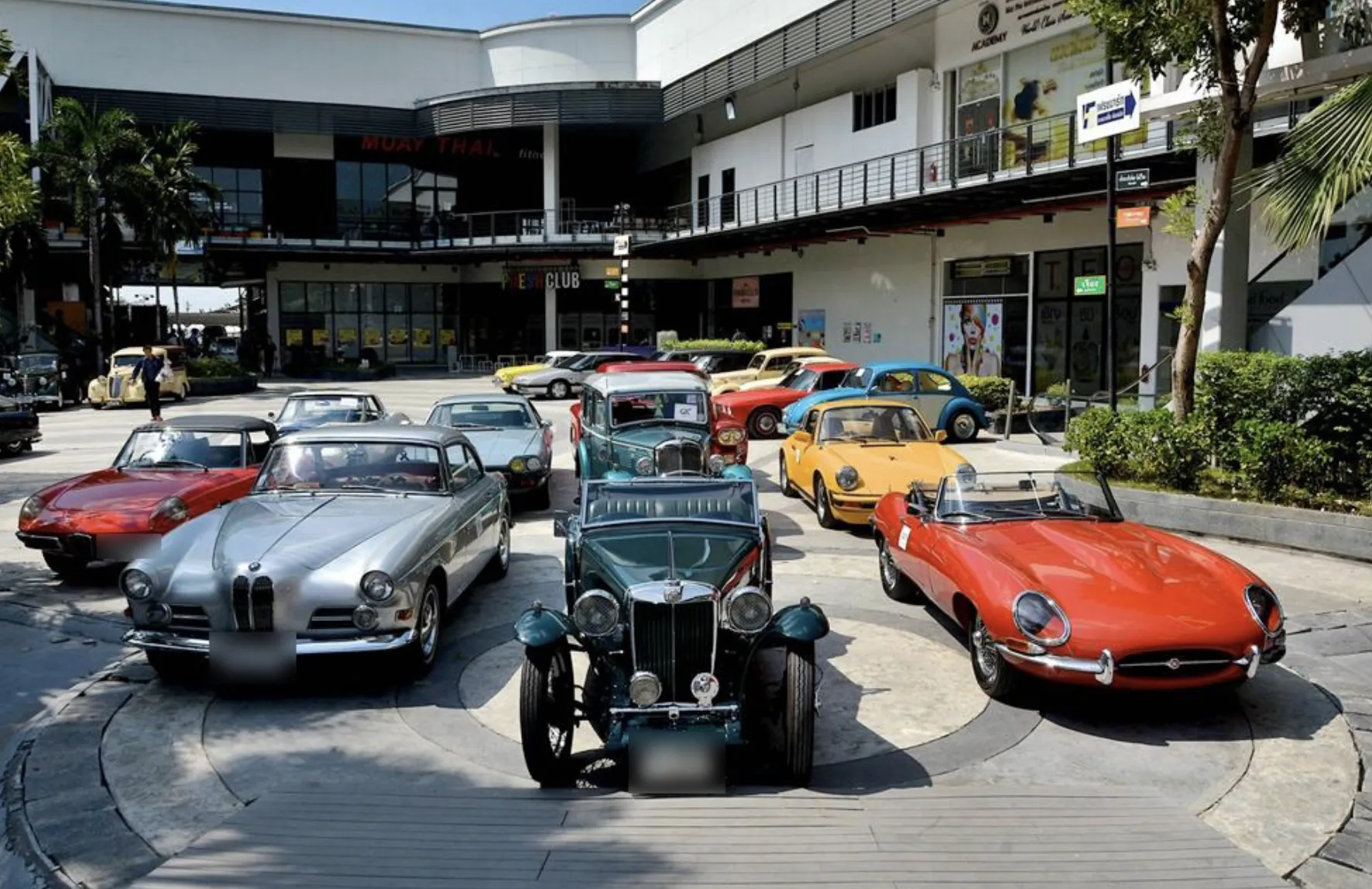
‘Not really,’ reckons Dr Atavit. ‘Cars brought in under the new rules will have restricted use, unlike the white-plated Thai classics already on the road daily. This key difference should keep the core market steady.’ The one exception? High-ticket models like classic Porsches, which he thinks might now edge closer to international prices, making global trading smoother.
He also pointed out that for decades, Thailand has effectively banned the import of used cars, a rule that was tightened after the 1997 financial crisis. Many of Southeast Asia’s best-preserved classics have been hiding in Thai collections, but many more left the country.
This new measure isn’t just a new tax rule – it’s a turning point that cracks open a door that’s been slammed shut for a generation. Get ready to see some seriously cool metal hitting the streets.
Discover Time Out original video