

[image]
[title]If you’ve been paying attention to the global dining circuit, you’ll know Potong isn’t just having a moment. It’s shaping one.
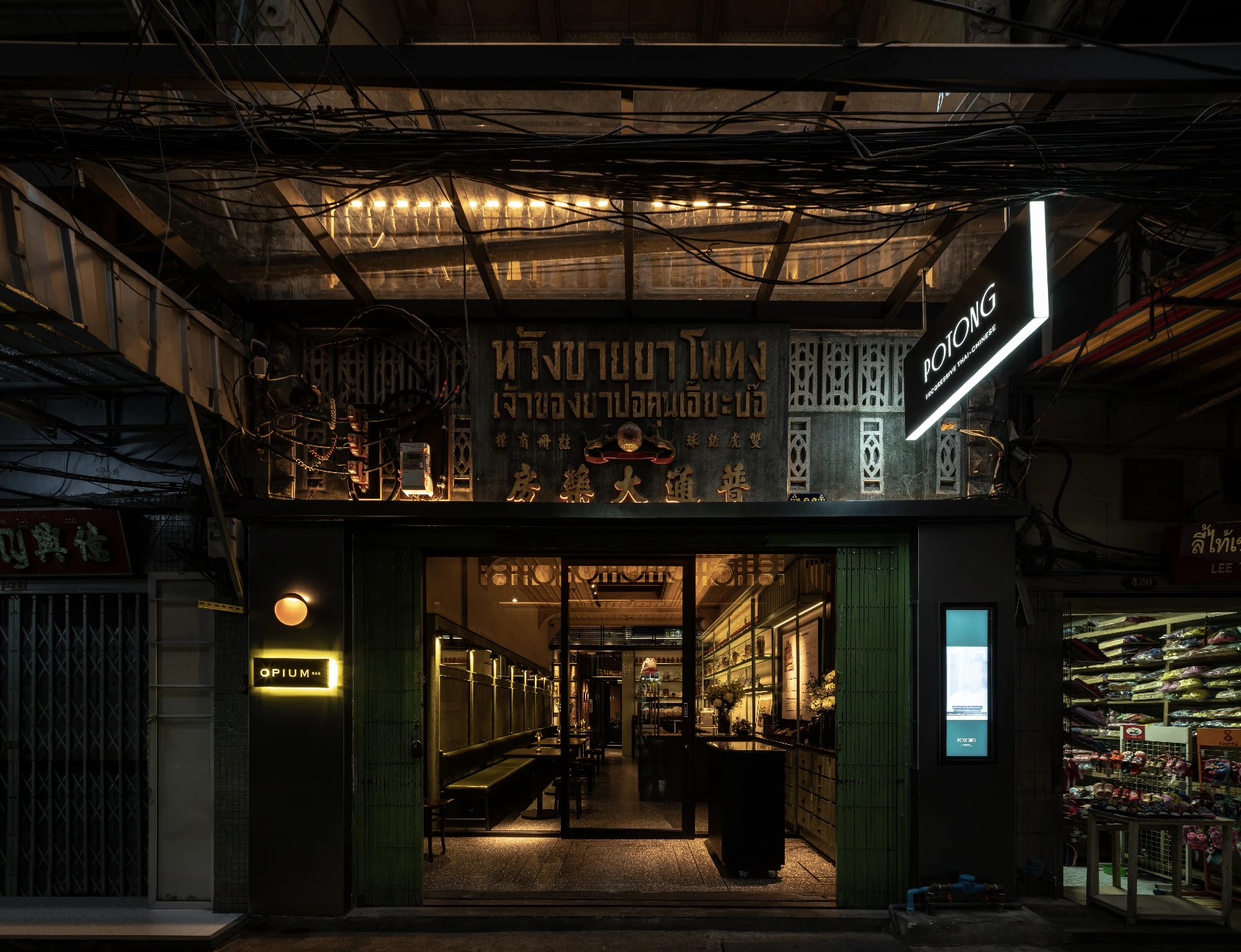
Set inside a 120-year-old former Chinese herbal pharmacy in Yaowarat, the restaurant has become one of Bangkok’s most talked-about dining rooms, where chef Pichaya ‘Pam’ Soontornyanakij turns personal history into something you can really taste.
Now, with Potong landing in the top 10 of the Food & Wine Global Tastemakers Awards, it finds itself in a different kind of spotlight. The annual list, built from nominations by more than 400 chefs, writers and travel experts – before being ranked by a global advisory board – is less about white tablecloth tradition and more about how food connects to place, memory and identity.
For Pam, this recognition is very significant.
‘It’s a very meaningful recognition, both personally and for the team, because it reflects a long process of building something with intention and consistency,’ she says. ‘When you open a restaurant like Potong, you don’t think about rankings at the beginning. You focus on developing your identity, your food and your team step by step.’
And then there is the bigger picture.
‘For a long time, Thai food was often simplified or misunderstood globally. Recognition like this helps expand that perception and allows people to see the full complexity of what our cuisine represents.’
So what does ‘world-class dining’ even mean now?
For years, the idea of ‘world-class dining’ came with a fixed image. Tasting menus, formal service, a certain European framework. Picture Michelin. Now, that’s changing.
‘I think there is a clear shift happening,’ Pam says. ‘In the past, fine dining often followed a very specific format. Today, there is more openness in how excellence is defined.’
‘This creates space for more diversity in the industry. It allows chefs to build something that reflects where they come from, rather than adapting to a fixed global standard.
I think this is a positive evolution because it makes the dining landscape more interesting, more personal and more connected to different cultures.’
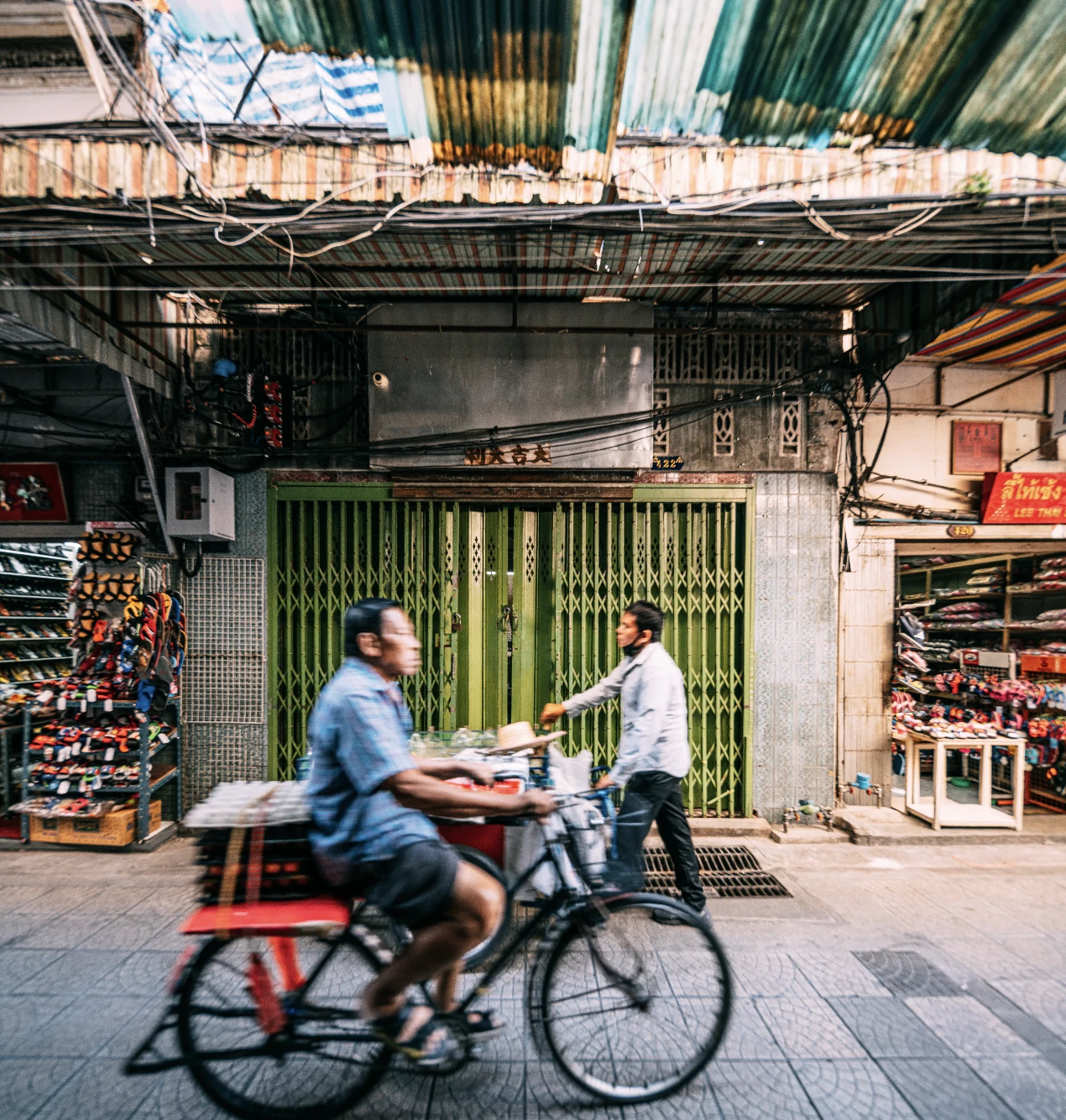
At Potong, that shift feels natural rather than strategic. The cooking is rooted in her Thai-Chinese heritage, guided by family history and the building itself, but never weighed down by it.
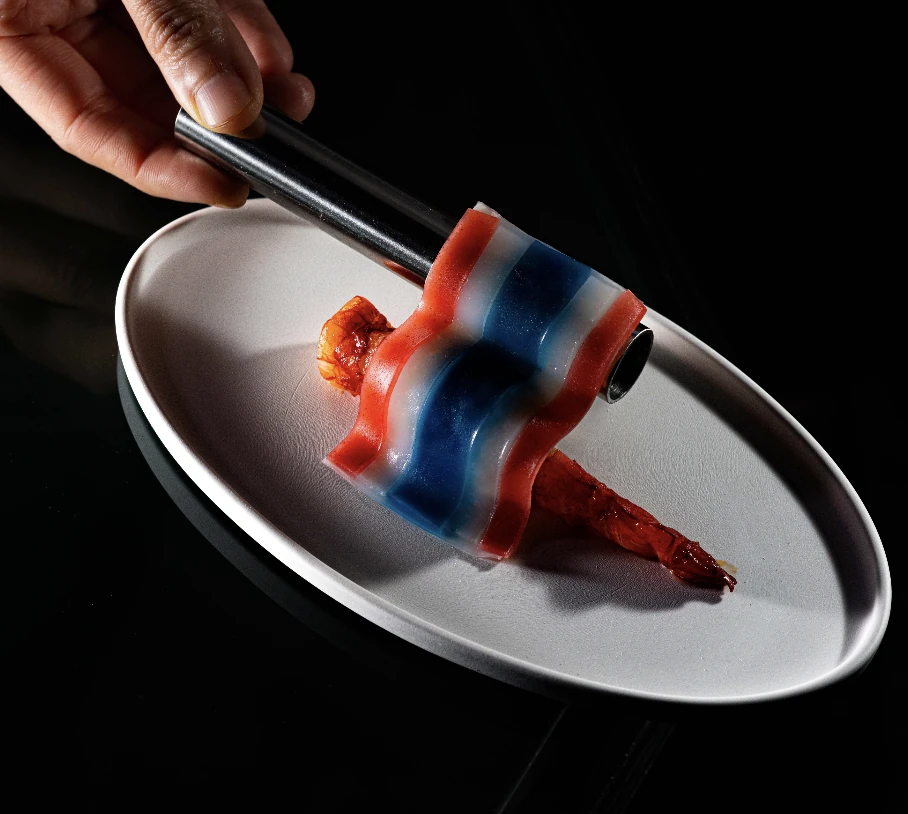
‘The experience must be led by the food itself,’ she explains.
‘Flavour, balance and technique are the foundation. The idea behind the dish should support that, not dominate it.’

Not all lists are created equal
With more global rankings than ever, credibility has to be a part of the conversation.
‘What stands out to me is the broader perspective it takes. It looks beyond technical execution and considers what a restaurant represents – its identity, its cultural context and the overall experience it creates for guests. That allows for a wider range of restaurants to be recognised, including those that may not follow traditional fine dining structures.’
‘At the same time, what makes a list feel more relevant is when it reflects diversity and has a clear, consistent perspective. When different styles of cooking are recognised and evaluated thoughtfully, it becomes more credible for both chefs and diners.
In the end, it’s not just about the ranking itself, but about the conversation it creates around food and culture.’
Bangkok is not catching up. It’s already here
If anything, this moment feels less like a breakthrough and more like recognition catching up with what’s actually happening in Bangkok’s kitchens.
‘Bangkok has become a very strong part of the global dining conversation, and I think that will continue to grow,’ Pam says.
‘The city has a unique balance – very strong street food culture, access to diverse and high-quality ingredients and a new generation of chefs who are confident in expressing their own identity.’
‘What makes Bangkok interesting is that it remains very connected to its roots, even as it evolves.
You can see traditional cooking methods, family-run businesses, and modern restaurants all existing together in the same space. That creates a very dynamic environment, and it gives chefs a lot of inspiration to work with.’
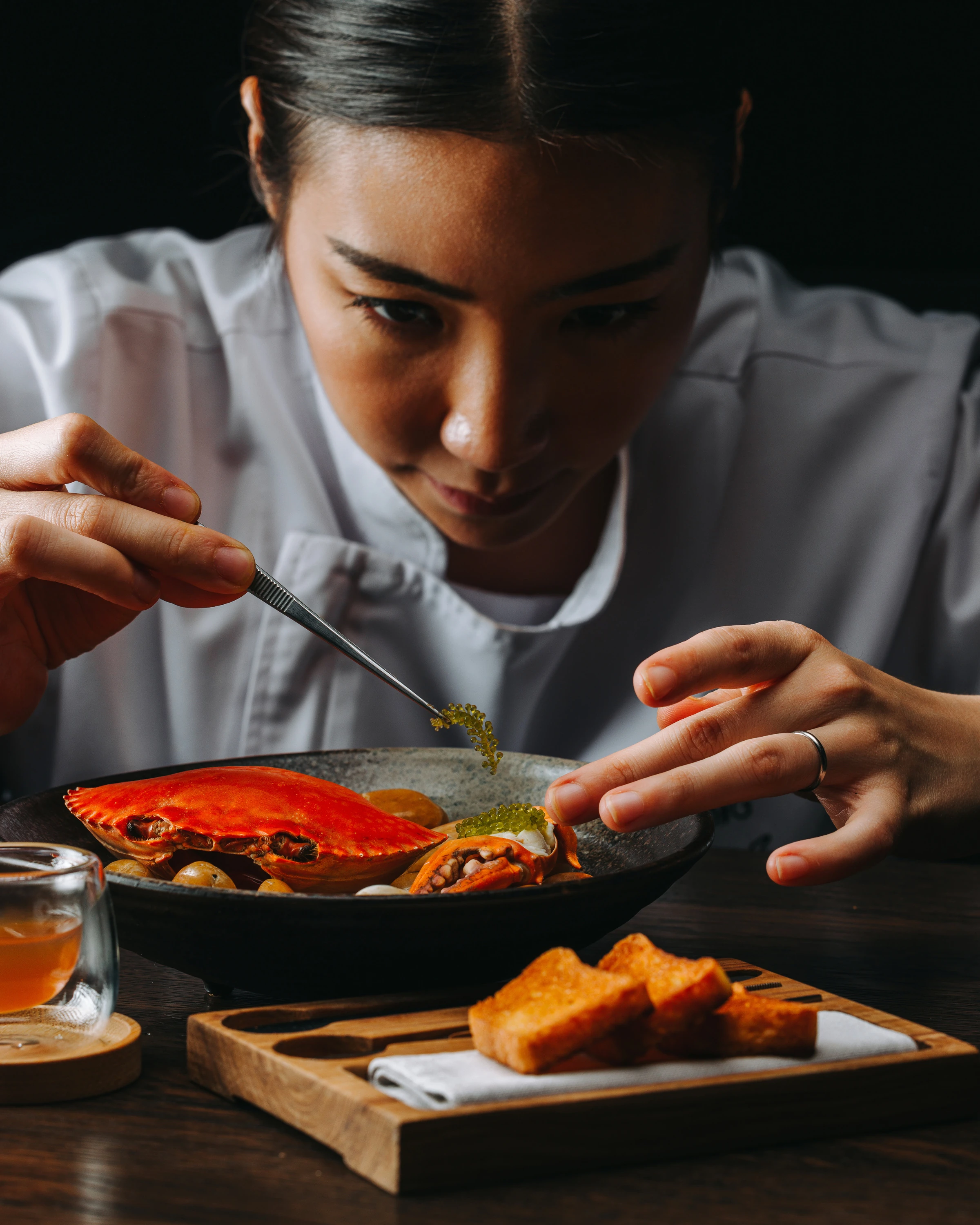
And when guests finally walk through the door?
Forget the rankings. Forget the lists. What matters is the feeling you leave with. Good food leaves a mark, and encourages return.
‘I want guests to feel that the experience was thoughtful and balanced – not just in the food, but in the overall journey. If they leave remembering how the meal made them feel – something calm, complete and considered – then I think we’ve achieved what we set out to do.’
Looking ahead
If Southeast Asia’s presence on global lists still feels sparse, that’s because it is. However, that may not last for long.
‘Southeast Asia has a very strong culinary foundation, with deep traditions, diverse ingredients and a wide range of techniques that have been developed over generations. As chefs continue to explore these elements with more precision, I believe the region will play an even bigger role in shaping global dining.
The influence will come from authenticity – from understanding our own roots properly and presenting them with clarity and confidence.’
Which, in many ways, is exactly what Potong has been doing all along.