[category]
[title]
Sleet, flooding and warmer-than-average temperatures will make this winter feel different than what we’re used to.


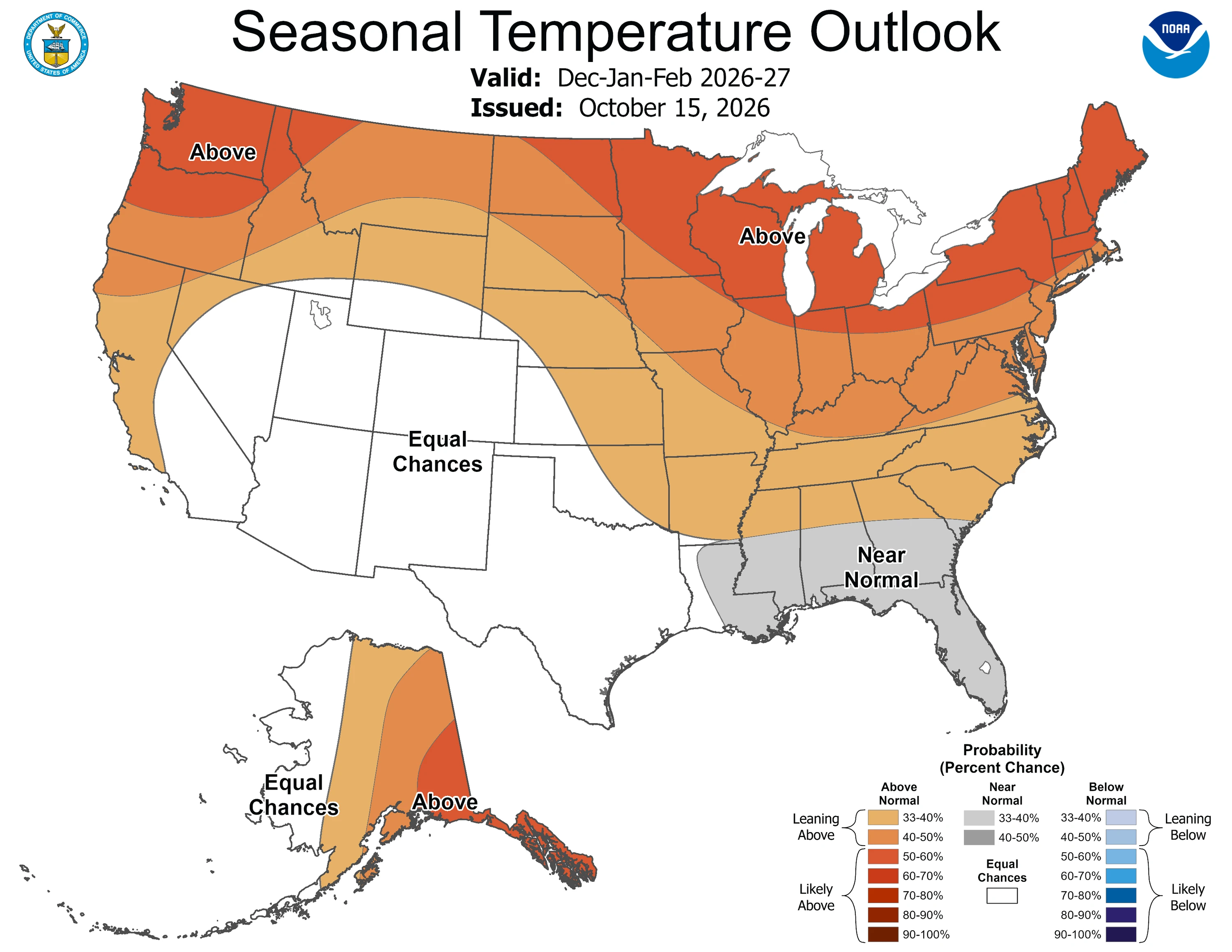
It looks like Chicago is in for another warm winter, thanks to a super El Niño. As the weather pattern continues to strengthen across the Pacific Ocean, experts are becoming more confident that the Great Lakes region will experience a warmer-than-average winter.
According to a new weather outlook from the National Oceanic and Atmospheric Administration, the effects of El Niño will bring warmer temperatures and below-average snowfall between December and February. For reference, El Niño refers to the warming of the ocean surface or above-average temperatures in the central and eastern tropical Pacific Ocean. This phenomenon can significantly influence weather patterns across the globe.
But don’t pack away your parkas just yet: Despite predictions of a warmer winter, Chicago can still experience cold snaps and major snowstorms. Snow may also melt faster, creating sleet and possibly even rare wintertime floods.
RECOMMENDED: Chicago just smashed a nearly 20-year-old temperature record
Regardless of the temperature, beloved holiday traditions like Christkindlmarket and the City of Chicago Christmas Tree Lighting will still look the same—though you might be wearing fewer layers. Activities like sledding, skiing and calling “dibs” might look a bit different this year, but, hey, you might not have to dig your car out of a snow pile as frequently. Don't worry, though: some destinations have solutions for a low-snow winter. For example, the park district makes fake snow for the Sledding Hill at Soldier Field.
While predictions of a mild winter may come as a relief to some Chicagoans, it’s also a stark reminder of the effects of climate change. Kristen Maleck, of the University of Illinois Chicago's Center for Extreme Conditions and Health Excellence, told CBS News that “the extremes from climate are making the El Niños more dramatic.”
Chicago weather is reliably unreliable, and with a super El Niño at play, the months ahead could bring even more dramatic swings. For now, we can expect a relatively typical fall (even though Chicago just smashed a nearly 20-year-old temperature record last week).
Our advice? Take advantage of the rest of fall in Chicago before winter takes hold. There’s still plenty of time to enjoy autumnal activities like apple picking and visits to a pumpkin patch. And keep your windbreaker handy—it may be all you need to stay warm this winter.
Discover Time Out original video