

[title]
For a city built on 8:30pm dinner reservations followed by “one more drink” at several different neighborhood bars, New York has been acting a little suspicious lately. People look more rested, seem weirdly hydrated and are increasingly content eating dinner while the sun is still up. Going out for the night earlier and turning in at a decent time has almost become modus operandi around town. To put it simply: the 6pm reservation is no longer just something you book before a Broadway show or because your parents are in town. For plenty of younger New Yorkers, a table before 7pm is just… dinner.
The numbers back that up. OpenTable told Time Out New York that 6pm to 6:59pm was the most popular dining hour in New York City in 2025, up 12 percent year over year. Even earlier slots have become more common: 5pm reservations were up 20 percent and 4pm ones increased by 16 percent between 2024 and 2025. In a consumer survey, 45 percent of New Yorkers said they’d prefer “early dinner” in 2026, compared with 30 percent who chose “late dinner.”
Yelp’s data tells a similar story. Tara Lewis, Yelp’s trend expert, told Yahoo that 60 percent of dinner reservations on the platform in 2024 and 2025 were made before 7pm, up from 51 percent in 2018, while the share of 8pm bookings dropped from 14 percent to 10 percent. The city is clearly still going out, it’s just getting started earlier and, as a result, the ideal night for many is starting to look a bit different from what it used to.
For Hamilton Heights-based actor Ben Salus, 32, a satisfying night out is “centered more around community and connection versus that pit of exuberance” that defined his evenings during his early 20s. Now, his sweet spot is either 5:30pm or 6pm, when reservations are easier to snag. The overcrowded 7pm to 8pm crunch has become its own kind of nightmare, he said. “[Younger people have] more solidified routines in the morning,” he mentioned, so going out now often has to fit into a more structured life.
Julie Schecter, 33, a healthcare worker from Astoria, has felt that change, too. Her ideal night used to begin around 9pm or 10pm but, now, being home by 11pm on a weekend feels like a win. “I’m much more content having a good meal, maybe one to two drinks and winding down early,” she said, mentioning sleep and wellness as the biggest drivers behind her new preferences. Even one drink can mess with how she feels the next day, and being rested has simply become more important than squeezing every last drop out of a Saturday night.
That mindset is showing up behind the bar, too. At Raines Law Room and Dear Irving, bar director Meaghan Dorman said the late-night crowd hasn’t disappeared, especially on weekends, but guests during the workweek now tend to head home at more “decent” hours.
It’s much more [about] the night wrapping up on its own than us doing last call or moving people along,” she said to Time Out New York.
Another change she has noticed is folks’ interest in patronizing a single bar or restaurant instead of bouncing around multiple venues.
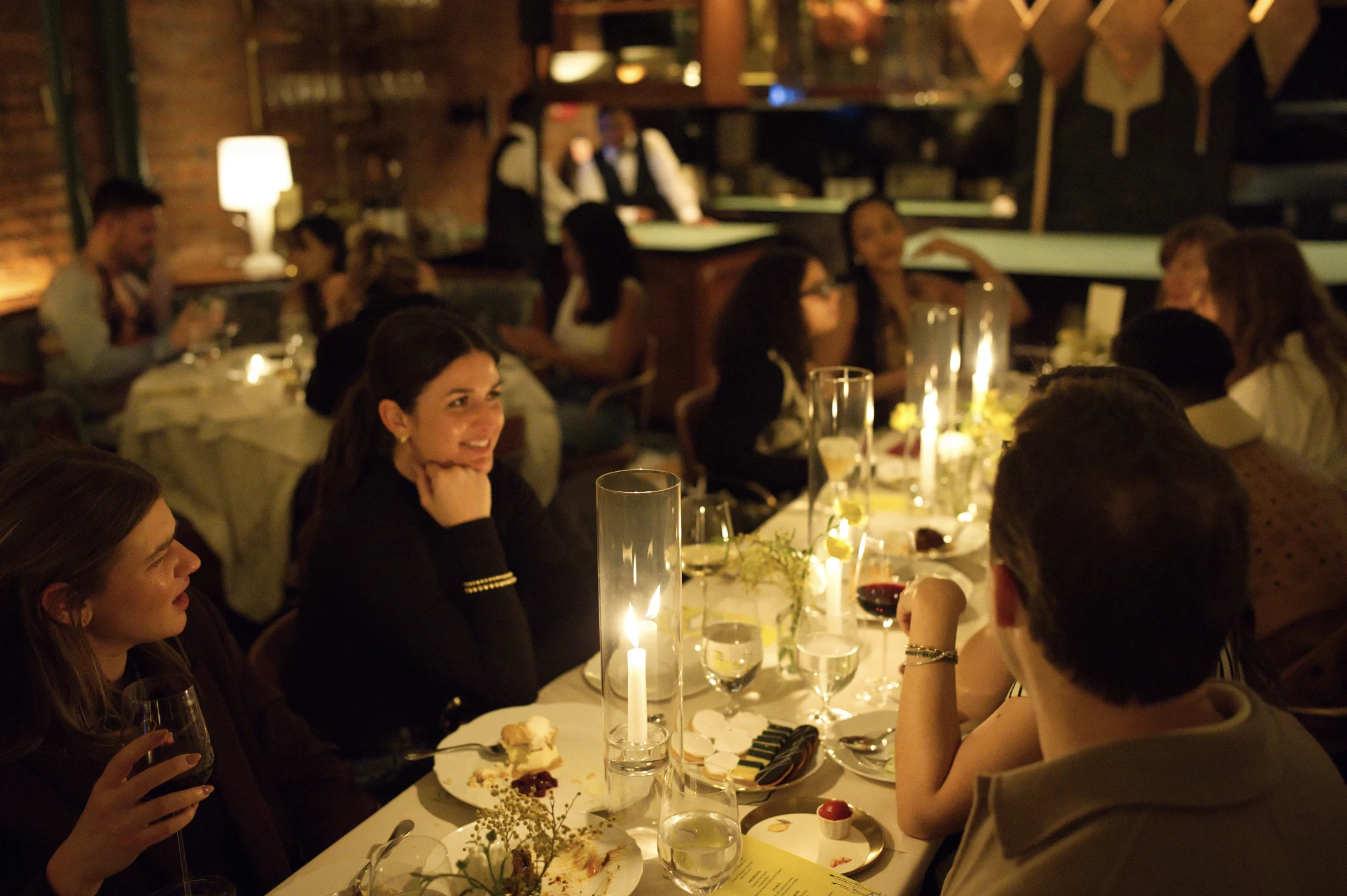
“It seems more intentional that people choose a spot and stay there,” she said.
That word, ”intentional,” comes up constantly in conversations about the topic, whether talking about money, drinking or energy. Comms specialist Madi Boring, 27, an Upper East Side resident, said that her whole approach to going out now is shaped by what it will cost her the next day, both literally and physically. She would rather enjoy a solid dinner than a drawn-out Friday that leaves her with “empty pockets and an unwelcome headache.”
What gets lost, of course, is some of the messiness that used to make a New York night feel like a New York night. As dinner reservations become the plan rather than the jumping-off point, there is less room for spontaneity, whether that means meeting new people, making an unexpected stop or letting the evening stretch into something unplanned.
Maddie Zingeser, 36, an Upper East Side resident who works for a tech company, said one downside of this shift is that it can be “harder to meet strangers,” since everyone is now “planted firmly at their tables” with less opportunity for mingling. Salus, who misses old nights at places like Bowery Electric and Turtle Bay, insisted that the city almost feels too curated now. “The exhaustion comes from pre-planning how the night will feel versus experiencing or finding new spots,” he said.
It seems like everyone is adjusting to the changes and their repercussions.
Carl Radke, co-founder of the nonalcoholic cafe and bar Soft Bar, sees it as part of a broader shift in how younger New Yorkers think about going out at all. “People still want to go out and have fun, but they’re way more aware of how they feel the next day, physically and mentally,” he told Time Out New York. “That ‘I’ll deal with it tomorrow’ mindset is kind of fading.”
At Soft Bar, he said, people are still hanging out for hours, ordering drinks and chasing a real social atmosphere. The difference is that they’re doing it without the same pressure to overdo it. “People aren’t going out just to drink,” Radke said. “They’re going out to be around other people, to feel something, to be part of a vibe.” That, more than anything, gets at what this moment seems to be about: not staying home, but being pickier about what counts as a good night out.
Dorman sees that same need for connection, just on different terms. Guests still crave the “unexpected moments that come with going out and experiencing their city,” she said, whether that means talking to the bartender, showing up solo or going to an earlier event built around an activity. At her bars, cocktail classes, book events and mingling hours have all resonated. So have day parties. The point isn’t to kill nightlife: it’s to widen what nightlife means.
Of course, not everyone thinks New York is becoming a city of early reservations and reasonable bedtimes. Justin Sievers, co-owner of Café Mulberry, said he’s actually seeing signs of a swing back toward later dining downtown. After a surge in reservations post-pandemic, he said 7pm to 8pm reservations are becoming popular again, with tables for 9:30pm getting snatched up as well.
Downstairs, the dance floor still stays full until closing on the weekends. In his view, the late-night turn is still “alive and well.”
That’s probably the real answer here. New York has not become uniformly sleepy, sober or predictable. It has, however, become a little more deliberate. People still want the dinner, the martini, a good scene and stories for the group chat. They just also want the workout class, to make their morning flight, a decent night’s sleep and maybe enough money left over to do it again next week.
So, yes, the clock has shifted, but this is still New York. The city that never sleeps is still here—just maybe with a dinner reservation for 6:15pm.