
[title]
What does American art look like right now?
According to the 2026 Whitney Biennial: complicated. Opening on March 8 at the Whitney Museum of American Art, the exhibition gathers 56 artists navigating everything from AI belief systems to climate grief and geopolitical power.
Co-organized by Marcela Guerrero and Drew Sawyer, the exhibition spans most of the museum’s galleries and extends into performance and public programming. The curators resisted the urge to build the show around a tidy thesis. “Rather than coming to our research for the Biennial with a preconceived container, Marcela and I let our conversations with artists guide us,” Sawyer said during an official preview.
After visiting more than 300 artists, the curators didn’t find a single unifying theme, like “AI” or “climate change.” Instead, they noticed that many artists were thinking about how we’re connected—to each other, to systems, to governments, to technology—and how those systems shape our lives.
The participant list reflects that breadth. In addition to artists working across 25 states, the Biennial includes artists from Afghanistan, Chile, Iraq, Okinawa, the Philippines, Puerto Rico and Vietnam—“places marked by the reach of U.S. power,” as the museum noted. The definition of “American art” here feels elastic and deliberately complicated.
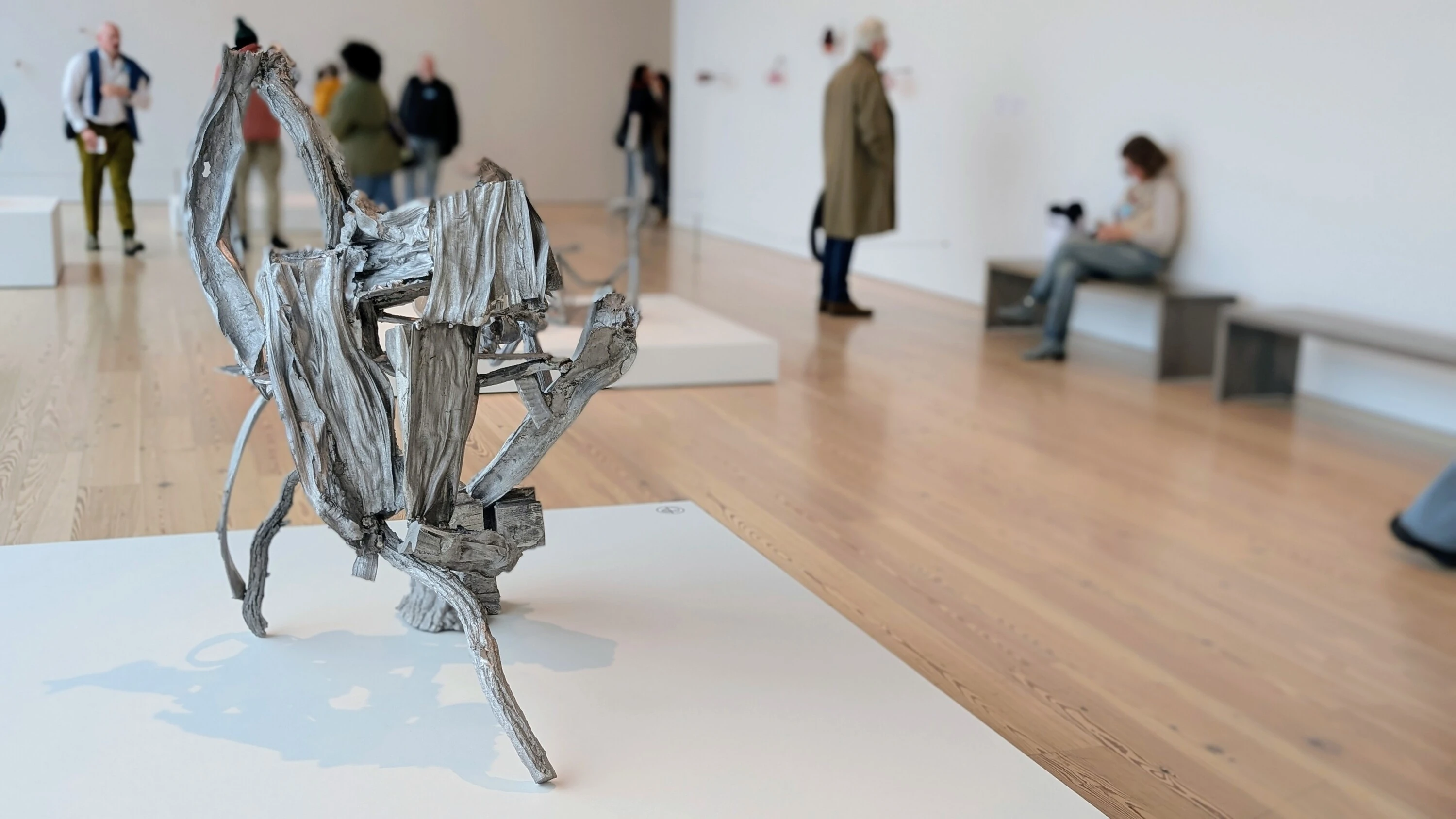
So what does it mean that the show doesn’t hinge on one hot-button topic?
In previous years, the Biennial has often felt tethered to a singular pressure point, whether it be identity politics, market critique, digital anxiety or even ecological collapse. This year’s edition doesn’t isolate one crisis. Instead, it suggests that the crisis is structural. The messy terrain of the present isn’t one issue; it’s the network of systems we’re living inside.
You see that immediately in Zach Blas’s CULTUS (2023), a five-channel video installation in the lobby that conjures AI prophets, ritualized tech worship and glowing LED architecture. The theatrical (and unsettling) piece frames artificial intelligence as a belief system, infrastructure and spectacle, rather than solely a tool.
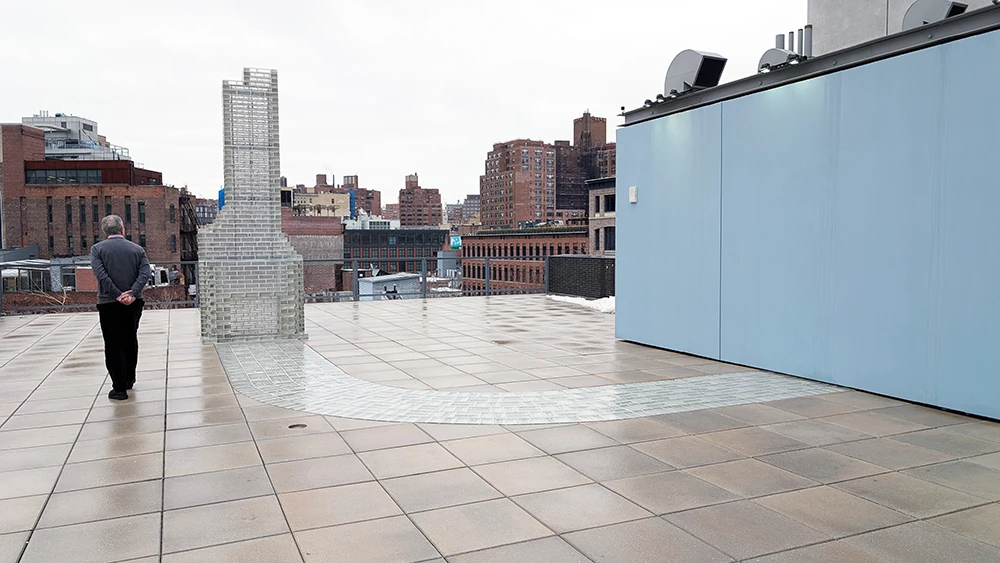
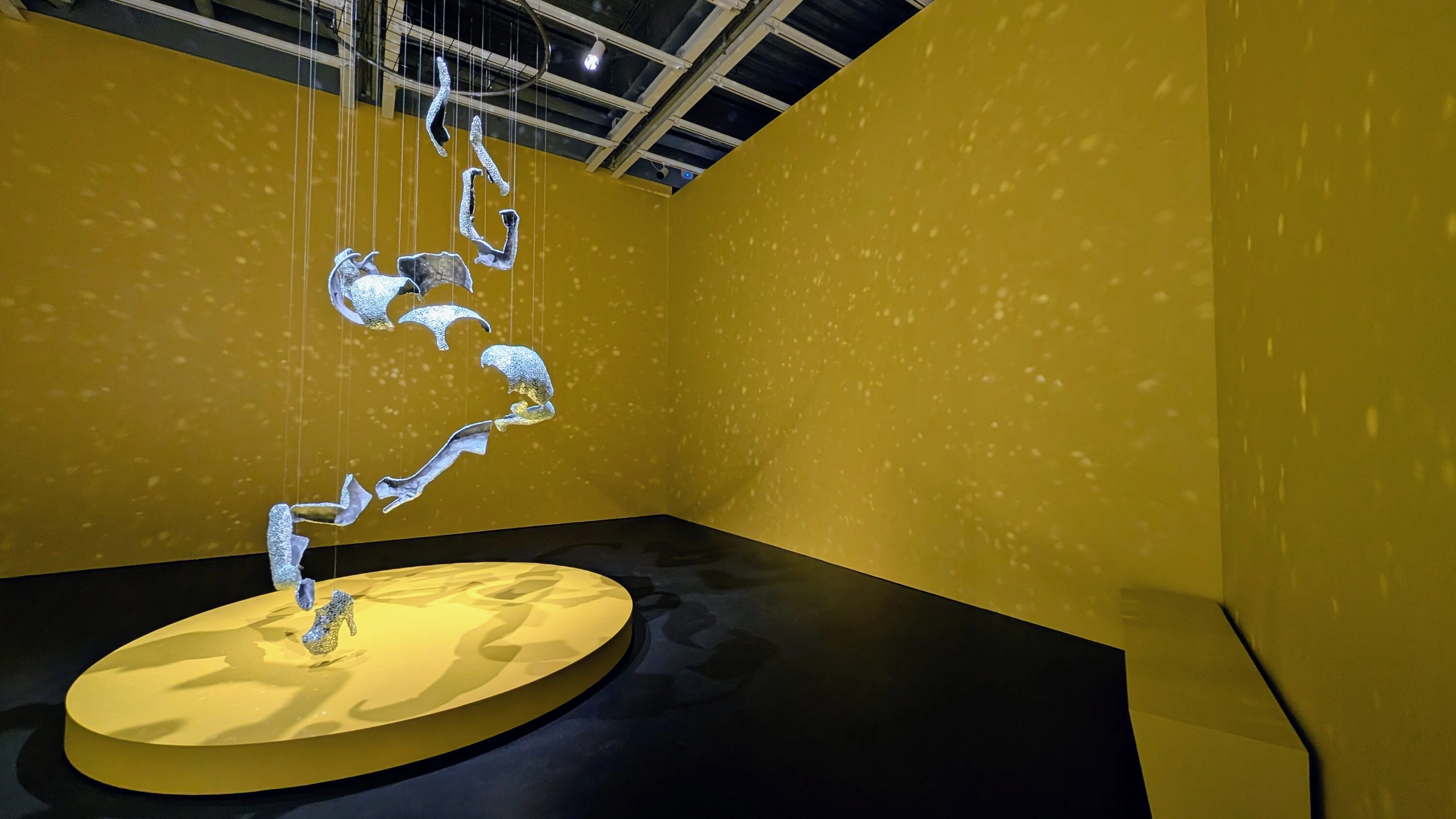
Kelly Akashi’s Monument (Altadena) (2026) responds directly to the fires that tore through Altadena, California, where the artist lives and works. Constructed from cast-glass bricks and stainless steel, the piece turns a breakable material into architecture. The result is a memorial that’s shaped by vulnerability.
Leo Castañeda’s Camoflux: Levels & Bosses Video Game Installation Incendio Igapó (2026) turns the gallery into a playable ultra-high-definition video game environment where infrastructure becomes immersive. The work makes visible how much of modern life—politics, climate crisis, even warfare—is now filtered through screens and digital systems.
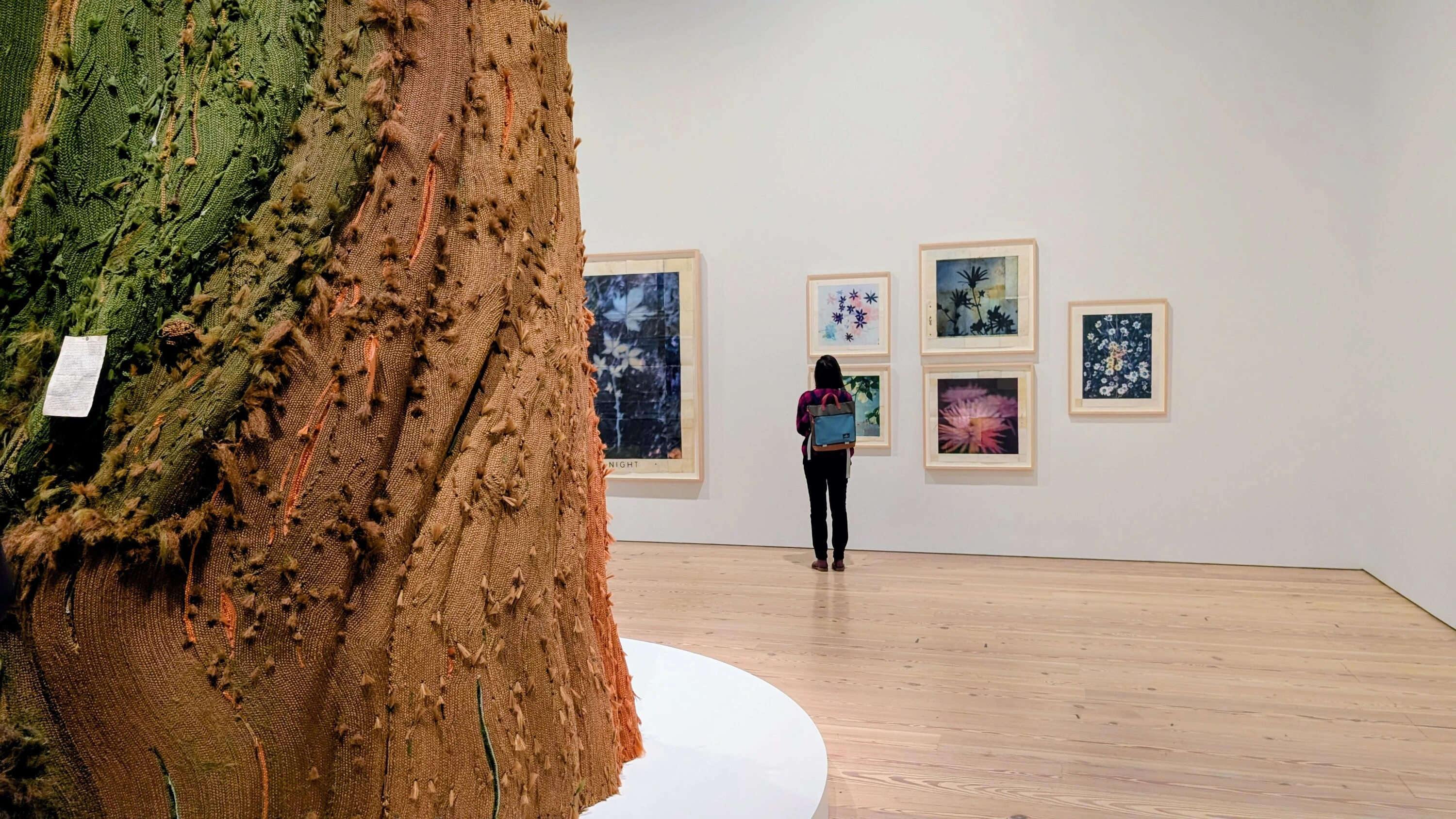
And then there are quieter pieces that are just as charged. Teresa Baker’s textile works, like The Harvest Melting On Our Tongue (2025) (made from yarn, buckskin and willow layered onto synthetic turf), bring Indigenous material traditions into dialogue with artificial surfaces so that nature and simulation occupy the same ground.
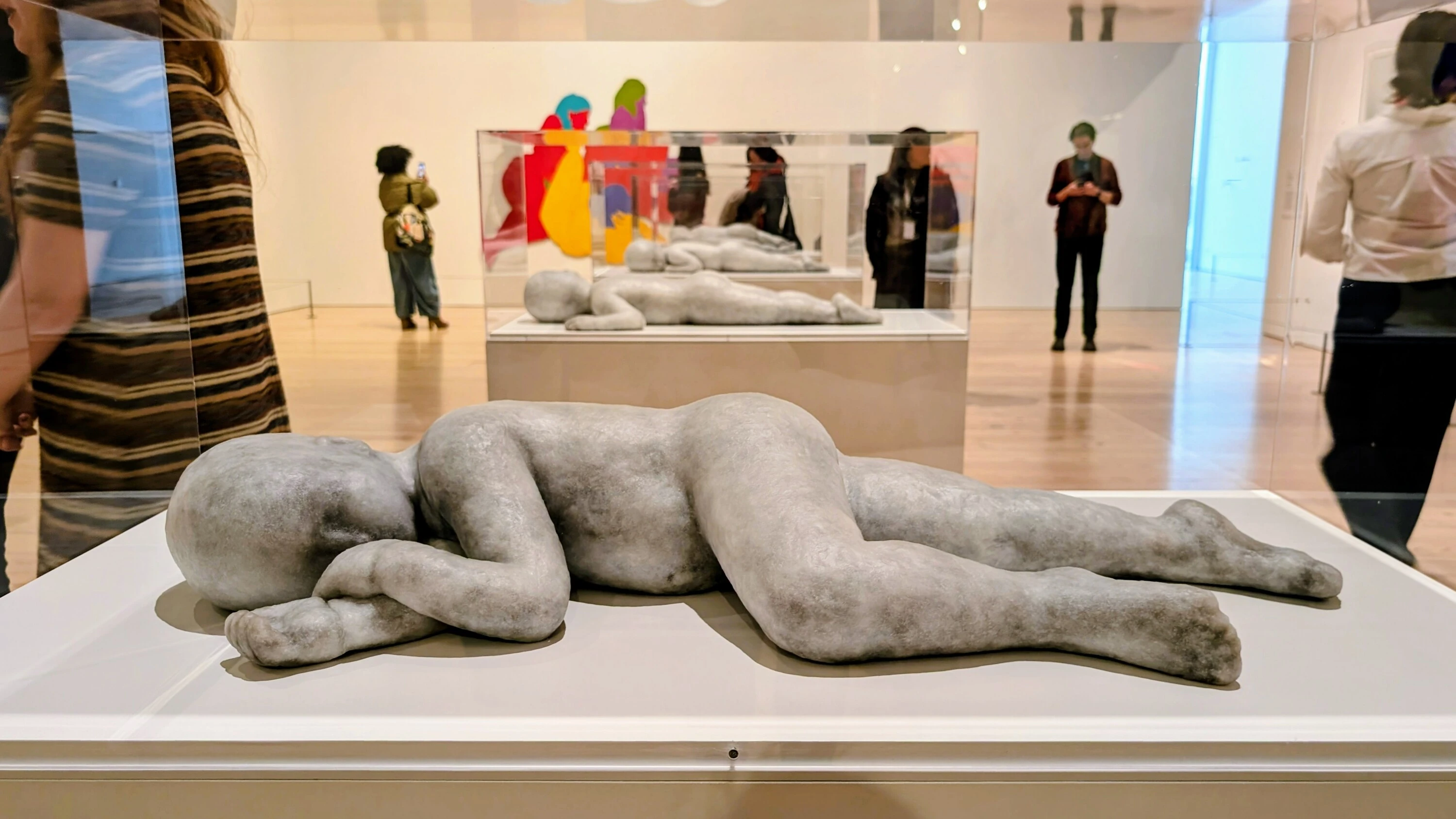
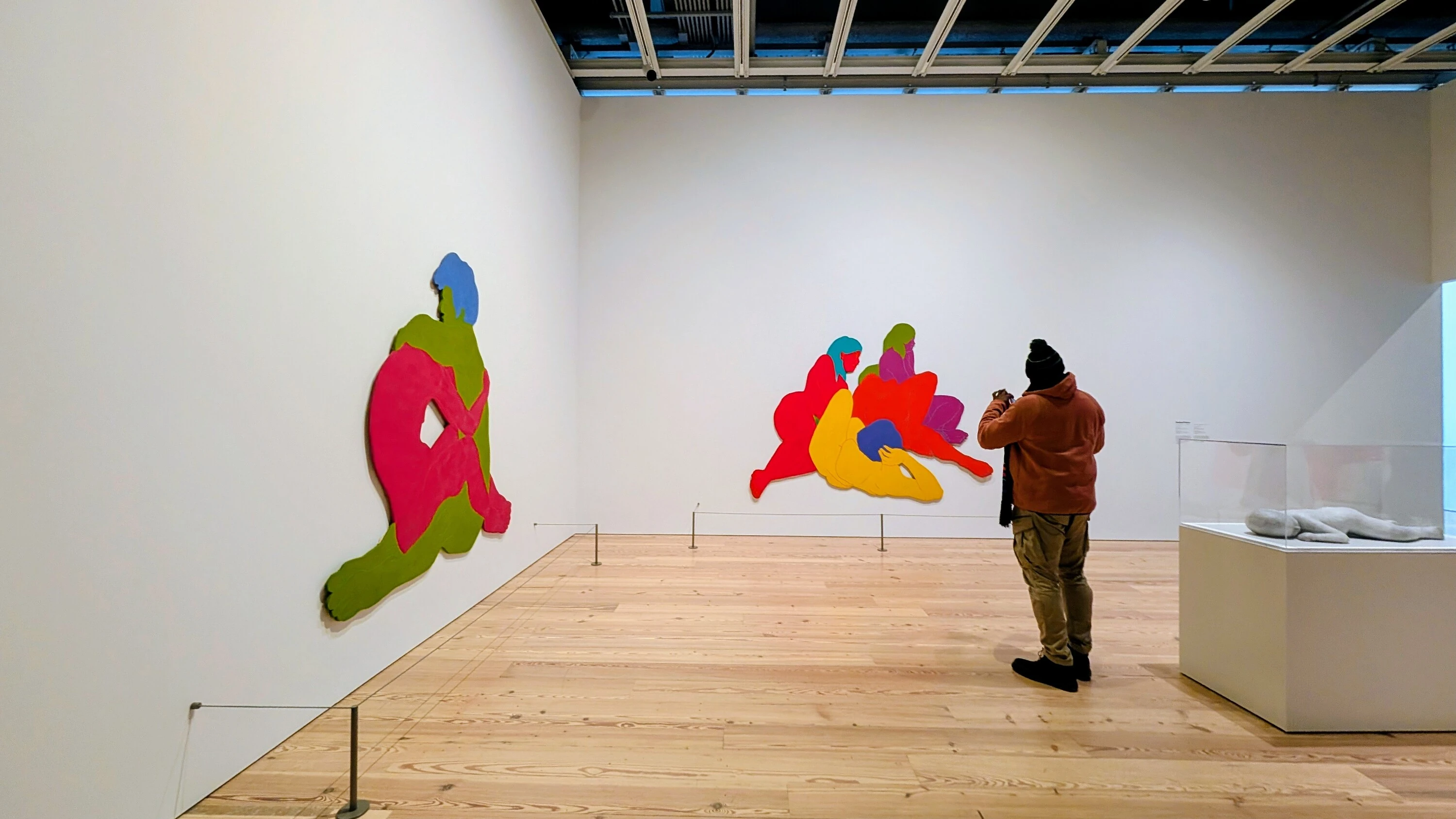
The generational range sharpens the point of the exhibition, too. Carmen de Monteflores, born in 1933, contributes late-1960s paintings, while younger artists like Taína H. Cruz present new works across painting, bronze and animation.
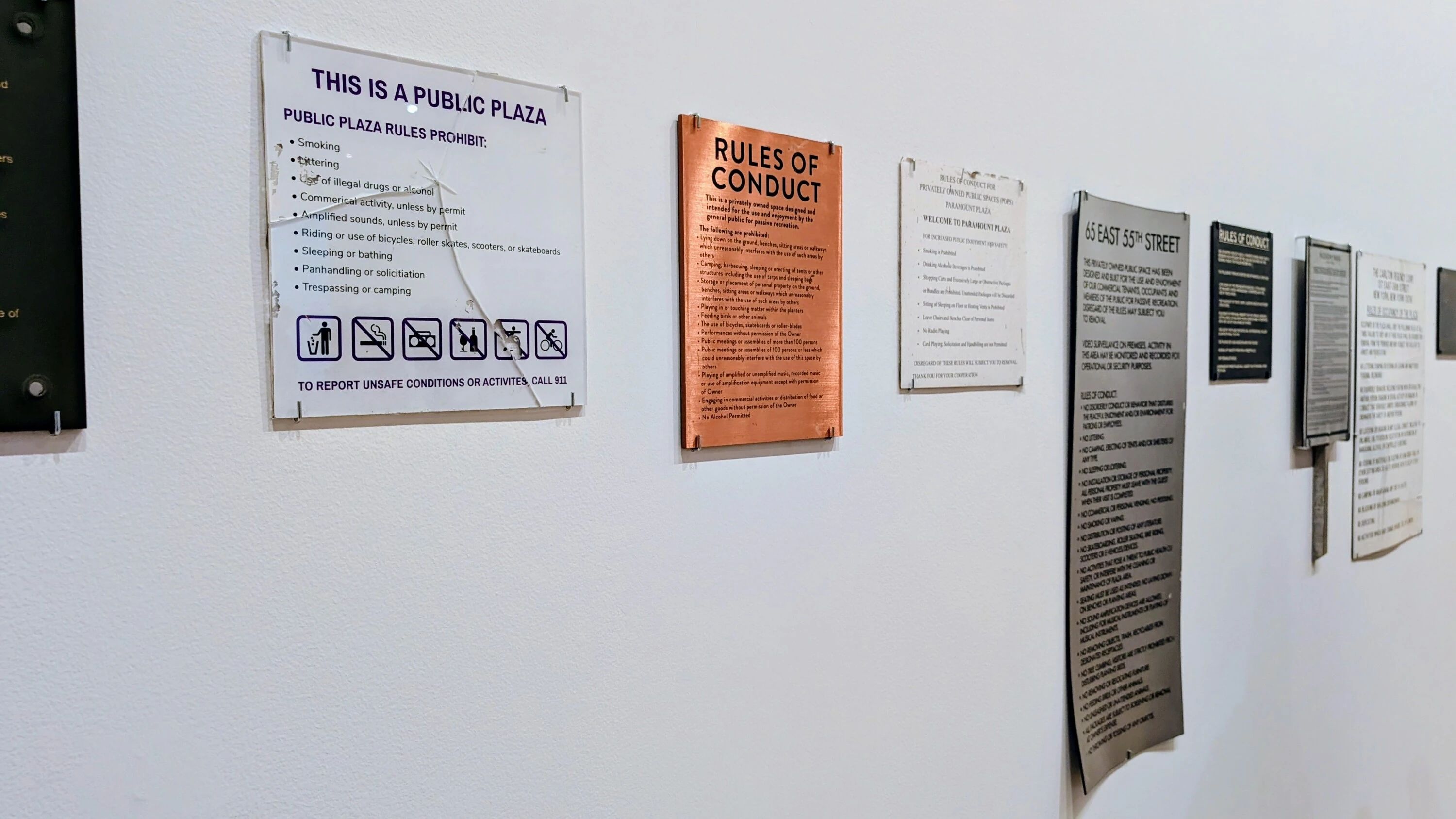
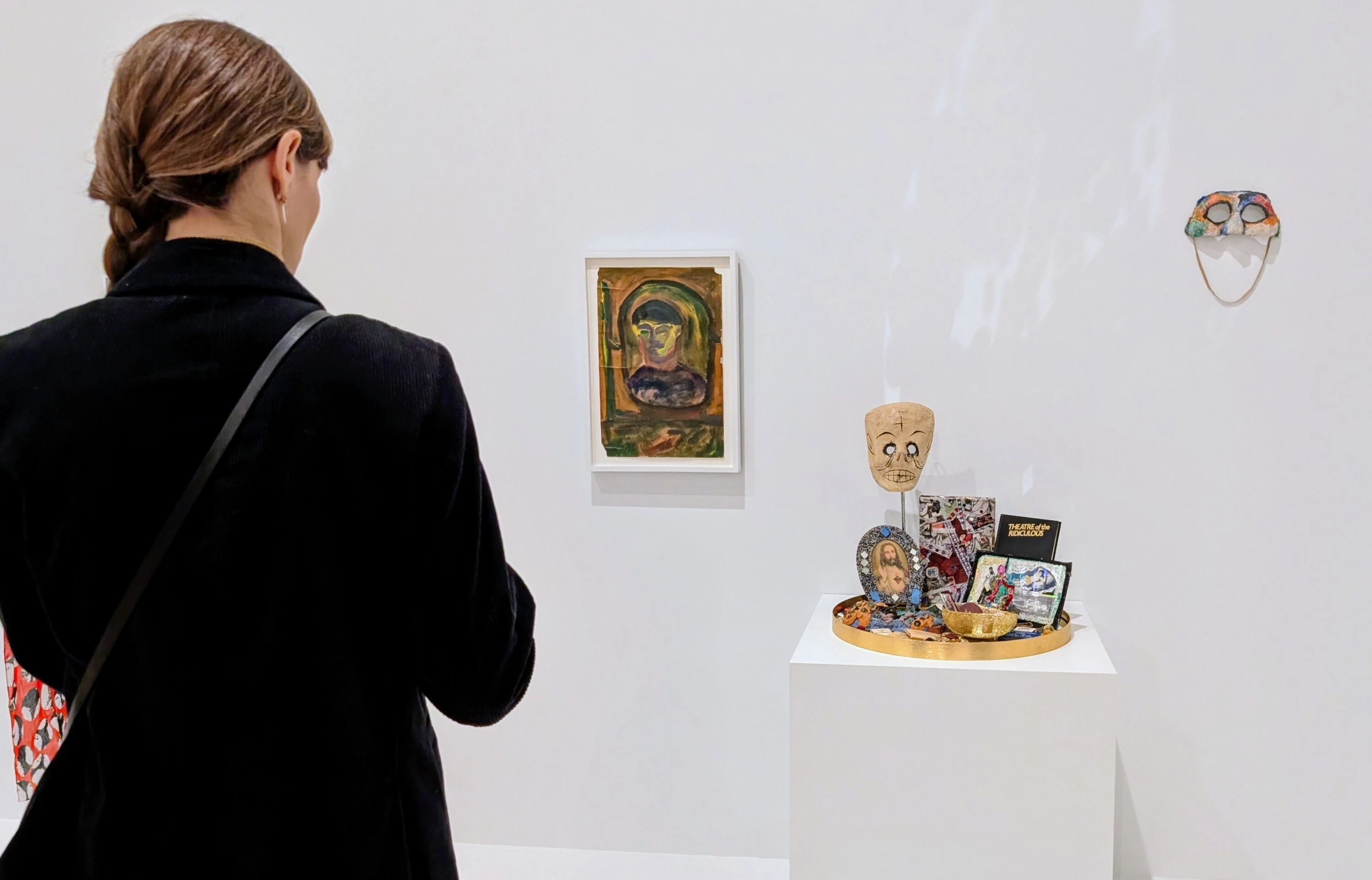
“Co-curating the Whitney Biennial offers a unique opportunity to think about the ways artists are entangled—formally and thematically—within this ecosystem we know as contemporary art, Guerrero said. “With this Biennial, we hope to foreground a network of kinships that gesture toward forms of coexisting in this world.”
Importantly, this Biennial also arrives under a new access model. It will be the first edition since the Whitney launched all three of its free admissions programs and it is entirely free for visitors 25 and under. It makes sense that a show preoccupied with relationality is also expanding who gets to enter the room.
The Whitney Biennial has been running, in one form or another, since 1932 and has introduced more than 3,600 artists. This year’s edition doesn’t try to pin the present to one defining issue. Instead, it reflects a moment shaped by overlapping systems—technological, political, ecological—and the uneasy ways we move through them.
It’s less about declaring where American art stands and more about asking how it functions now.