
[image]
[title]New York City is one of the greatest places in the world to pursue wellness, with world-class studios, parks, gardens and gyms around every corner. With days as packed as the subway at rush hour, though, scheduling can often be a choice between doing something good for yourself and doing something fun. Or maybe not.
There are so many good things to do in the city—a walk through a botanical garden, a visit to a farmers market, an evening yoga class before bed—that are also good for you. That’s the idea behind this guide, which we put together with NewYork-Presbyterian. Their world-class doctors from Columbia and Weill Cornell Medicine are leaders in their fields, bringing their expertise to every patient visit across more than 450 locations in New York City and Westchester. Here, they share the kind of practical, science-backed advice that fits neatly into the life you’re already living. No overhaul required.
New York Botanical Garden

Few places in the city make the case for immersing yourself in nature as effortlessly as the New York Botanical Garden. Spread across 250 acres in the Bronx, with 50 gardens and plant collections, a Victorian-era glasshouse and 50 acres of old-growth woodland in the Thain Family Forest—one of the largest remaining tracts in New York City—it offers the kind of quiet, unhurried beauty that slows you down. You don’t need a plan or a destination. A slow walk through the rose garden or along the forest path, with nothing more pressing than noticing what’s in bloom, is more than enough.
Health tips
“Just getting outdoors can be beneficial,” says Dr. Erin Engle, a psychologist at NewYork-Presbyterian and Columbia. “Start small by putting your sneakers by the door. Try a 10-minute walk to see what it’s like, what brings you joy and how you feel before going out into nature, then maybe do an informal self-assessment afterward. Chances are you’re going to feel better.” The research supports what most people already sense: time outside changes mood, reduces stress and supports emotional and psychological health, especially when it includes activity. “Anyone who’s been outside on their lunch break can attest to its importance,” says Dr. Engle.
New York Insight Meditation Center
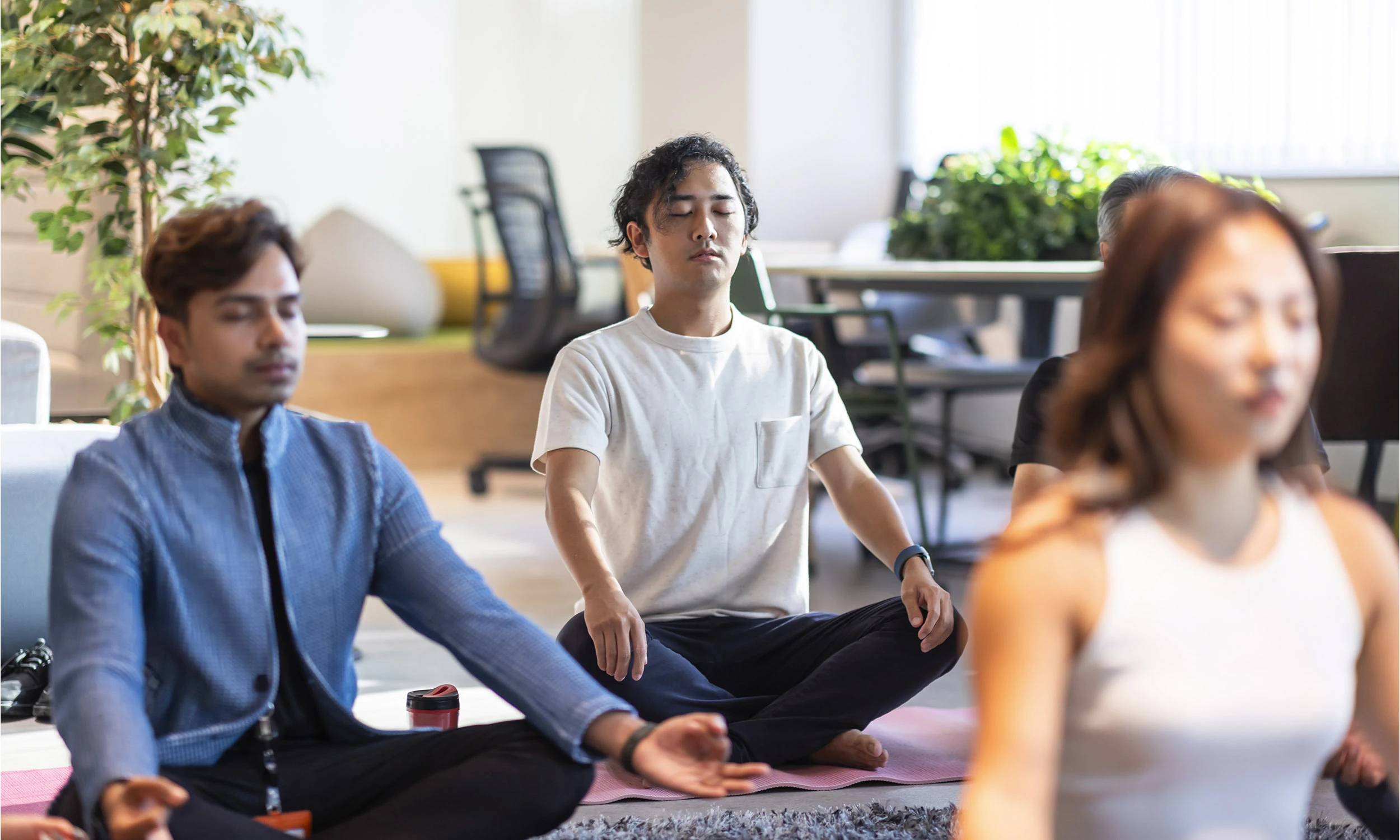
The New York Insight Meditation Center, a nonprofit in the East Village, has been offering drop-in classes, guided sessions and longer programs to meditators of all levels since 1997. There’s no required tradition or commitment, just a range of ways to practice stillness in the middle of one of the noisiest cities in the world. A restorative or mindfulness session here is one of the most direct ways to practice the wind-down habits your mental health depends on, and it’s the kind of thing that tends to have a longer impact than the class itself.
Health tip
A very close partner to meditation is getting enough rest for your mind to restore itself, which is where quality sleep comes in. “Getting quality sleep each night is crucial for overall mental health and for regulating emotions,” says Dr. Shannon Bennett, Associate Director of the Center for Youth Mental Health at NewYork-Presbyterian. "When we’re overtired or running on too little rest, our ability to handle stress, anxiety and sensory overload takes a hit,” she explains. “We become more reactive and more susceptible to symptoms of anxiety and depression.” Dr. Bennett advises setting a consistent bedtime and wake time, avoiding screens for an hour before bed and winding down with music, meditation or a book. Throughout the day, she also recommends pausing a few times to scan your body from head to toe, notice how you feel and take a few slow, deep breaths to release any tension. “It can help to tie this practice to a daily task, such as during breakfast, lunch and dinner,” she says.
Union Square Greenmarket

The Union Square Greenmarket runs year-round, four days a week (Monday, Wednesday, Friday and Saturday) and what you find there shifts with the seasons. In peak season, up to 140 regional farmers, fishers and bakers set up along the north and west sides of Union Square Park. And specifically, the range of high-fiber options is impressive: leafy greens, chicories and brassicas like kale and Brussels sprouts, dried beans and legumes, mushrooms, stone fruit and berries in summer, apples and pears in fall, root vegetables and winter squash when the weather turns. Wandering through it with an eye toward what’s seasonal and high in fiber turns a Saturday errand into a genuinely healthy habit.
Health tip
“Fiber helps you feel satisfied, so it can also help with appetite regulation and avoiding overeating,” says Dr. Carolyn Newberry, a gastroenterologist at NewYork-Presbyterian and Weill Cornell Medicine. “For people looking to improve portion control and maintain a healthy weight, fiber is a great tool.” The benefits extend well beyond satiety: maintaining a healthy weight is associated with reducing the risk of heart disease and metabolic syndrome, which is linked to elevated blood pressure, cholesterol and blood sugar.
Steps on Broadway
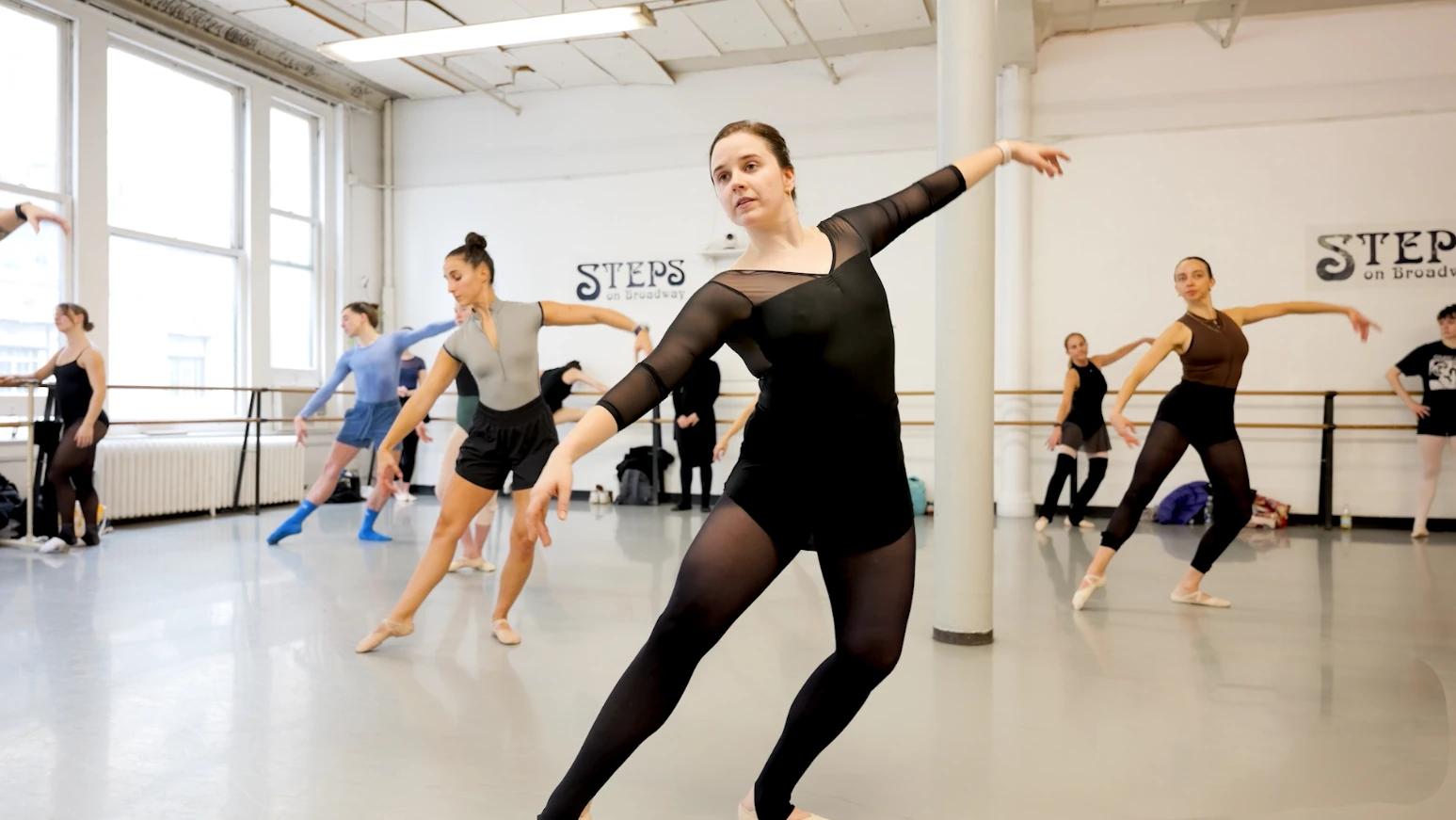
Steps on Broadway has been one of New York City’s most respected dance studios since 1979, and it draws professional dancers, serious students and complete beginners in roughly equal measure. A beginner ballet class here is essentially a masterclass in alignment. You’ll spend an hour at the barre learning to hold your head, neck and spine in ways that happen to be exactly what your body has been asking for through all those hours at a desk or over the phone. The instructors are among the best in the city, and they’re genuinely welcoming to newcomers.
Health tip
When you build your core and the muscles that run along your spine, you’re not only supporting proper spine alignment, you’re also helping to decrease neck and back pain, explains Dr. Katherine Yao, a physiatrist at NewYork-Presbyterian and Weill Cornell Medicine. Posture plays a very important role in maintaining our health—particularly our spine health—and is very beneficial for maintaining good balance and preventing falls. Posture is closely related to core engagement and core strength. However, note that someone could have the strongest core in the world, but if they don’t practice using it and activating it and holding their posture in the best way they can, it won’t do any good for their spine health.
Your living room
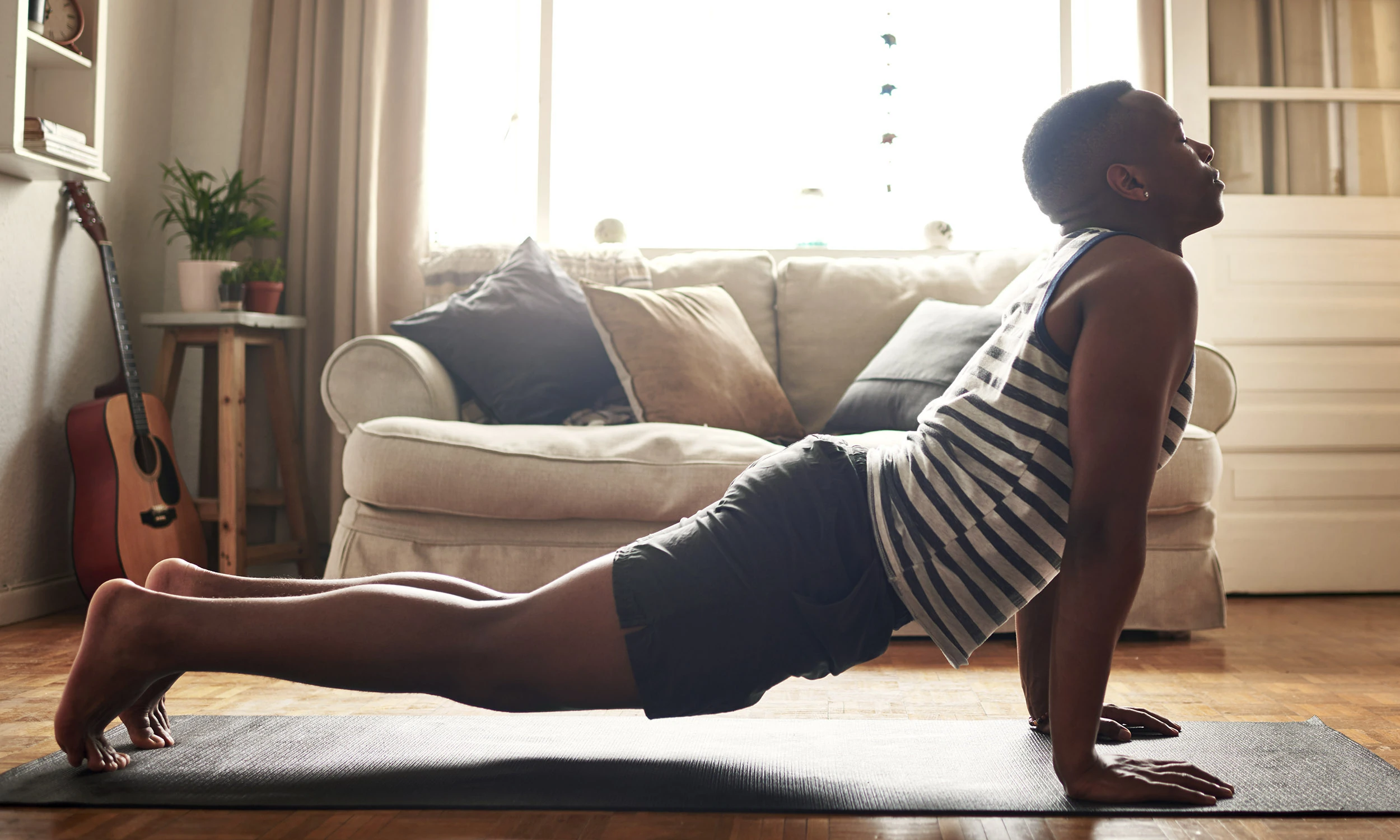
New York can be go-go-go, and there are times when we’d all rather stay at home, even when we know that being active matters. You probably already have everything you need, though, to get in a little workout without unlocking your door: a floor, a pair of sneakers you don’t need to lace up and something to watch. Cozy cardio—low-impact exercise done in a comfortable home setting—has gone from wellness trend to genuine lifestyle shift, and your living room is already the setting it was made for. No commute, no gear, no excuses. Walking pad while watching a movie, vinyasa yoga between episodes, wall sits during commercial breaks; it all counts, and it adds up faster than you’d think.
Health tip
“Low-impact exercises can still raise your heart rate, including in a comfortable setting like your home,” says Dr. Jessica Hennessey, a cardiologist at NewYork-Presbyterian and Columbia. “Use it in your overall toolbox of exercise, to warm-up, cool down, or be your entire workout for the day.” The mental health angle matters just as much as the physical one. “If you can create an environment where you look forward to exercise, the benefits aren’t just physical,” she says. A recent Columbia University study found that taking a five-minute walking break every half hour can help lower blood sugar and blood pressure, so even short bursts make a real difference.
YMCA

The YMCA has locations across all five boroughs, with pools, cardio equipment, group fitness classes and strength training areas that serve everyone from early-morning lap swimmers to after-work weightlifters. It’s one of the most accessible gyms in the city in every sense: geographically, financially, and in its offerings. And it turns out the cardiovascular work you do on a treadmill or in a spin class isn’t just good for your heart. It’s directly linked to the health of the blood vessels and brain structures that keep your memory sharp.
Health tip
“There are key links between cardiovascular health and brain health,” says Dr. Sonja Blum of NewYork-Presbyterian and Weill Cornell Medicine. “Exercise is linked to preservation and optimization of our heart health and our blood vessels. When we have issues with our blood vessels, it can translate into silent strokes that injure the brain over time.” The connection to memory is even more specific: exercise supports the health of the hippocampus, the brain structure central to memory formation, and may even support the growth of new neurons there. “The hippocampus is a rare place in the brain where we actually get new neurons,” says Blum. “Exercise supports that process. We really love exercise for the brain."
Your bedroom
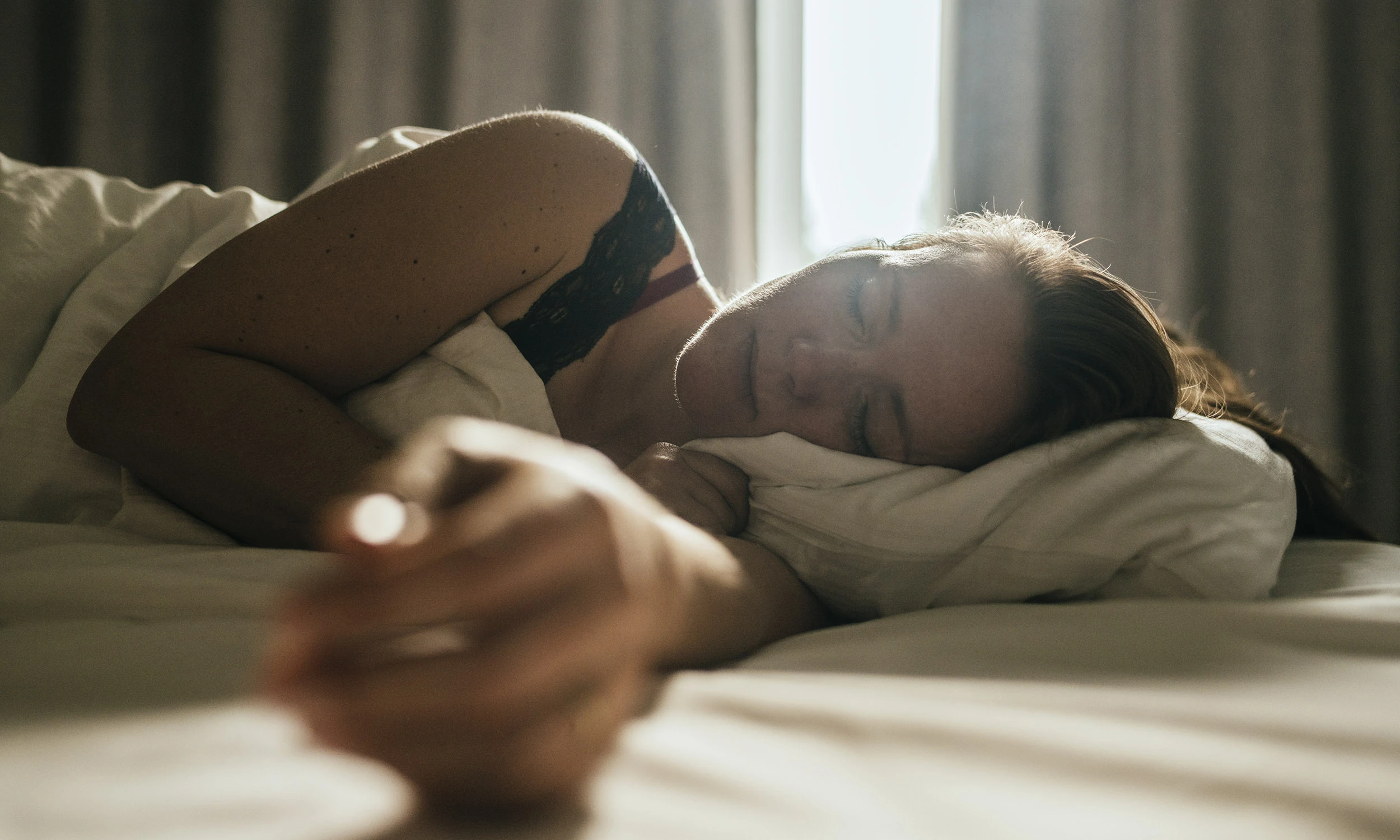
New York City does not make sleep easy. There is always something happening, always somewhere to be, always a reason to stay out another hour, and the city has built an entire identity around that fact. But the same energy that makes New York thrilling is also what makes a good night’s sleep one of the most countercultural and quietly radical things you can do here. Getting serious about your sleep habits is one of the most overlooked investments you can make in your health, and it starts with treating your bedroom as the recovery space it actually is.
Health tip
“Sleep is when the magic happens; it’s when the whole system of the body is revitalized,” says Dr. David Goldberg, an internist at NewYork-Presbyterian and Columbia. The REM cycle of sleep is particularly important. Dr. Goldberg recommends sticking to a consistent bedtime and wake-up time every day and aiming for seven to eight hours. He also advises we avoid alcohol and screen time before bed. “The blue light makes the brain think it’s daytime and can make it harder to fall asleep,” he says. Treat your bedroom as the recovery space it is, and the rest of your health tends to follow.
NewYork-Presbyterian is your partner in health and wellness, with world-class doctors from Columbia and Weill Cornell Medicine available across more than 450 locations in New York City and Westchester. Whether you’re looking for an annual checkup or specialized care, expert care is always nearby, wherever you are in the city.
To learn more, visit nyp.org.