


[image]
[title]Spain has a talent for contrast, and nowhere is this more evident than in Madrid and Valencia. One is lively, culture-obsessed and powered by late nights. The other runs on Mediterranean light, long lunches and a gentler sense of time. Together, they offer a version of Spain that feels complete without ever feeling hectic.
Better still, these two cities work perfectly as one trip. Thanks to Spain’s high-speed rail network, it takes less than two hours to get from Madrid to Valencia. That means you can move smoothly from gallery hopping and rooftop drinks to sandy beaches and sea air without rearranging your life or your suitcase.
From Madrid to Valencia made fast and easy
Getting to Spain is refreshingly simple, with nonstop flights from major U.S. hubs—including New York, Miami, Dallas, Atlanta, Boston and Los Angeles—to Madrid. Once you’re there, Valencia becomes a natural and simple extension of your trip. Spain’s AVE high-speed trains connect the two cities in under two hours, making it easy to pair Madrid’s cultural buzz with Valencia’s laid-back coastal scene.
Four rail operators—Renfe, AVLO, Ouigo and Iryo—run multiple services daily at competitive prices. Trains arrive at Valencia’s Joaquín Sorolla Station just minutes from the city center, with easy connections by metro, bus or public bikes. The trip is smooth and comfortable, backed by Spain’s reputation for safety and hospitality, which lets you relax into the journey from the start.
Choosing the train is also a smart move for the planet. Rail travel offers lower emissions without sacrificing ease or comfort. In less than two hours, you can swap Madrid’s buzz for Valencia’s sea breeze and change the pace entirely.
The art, culture and urban energy of Madrid
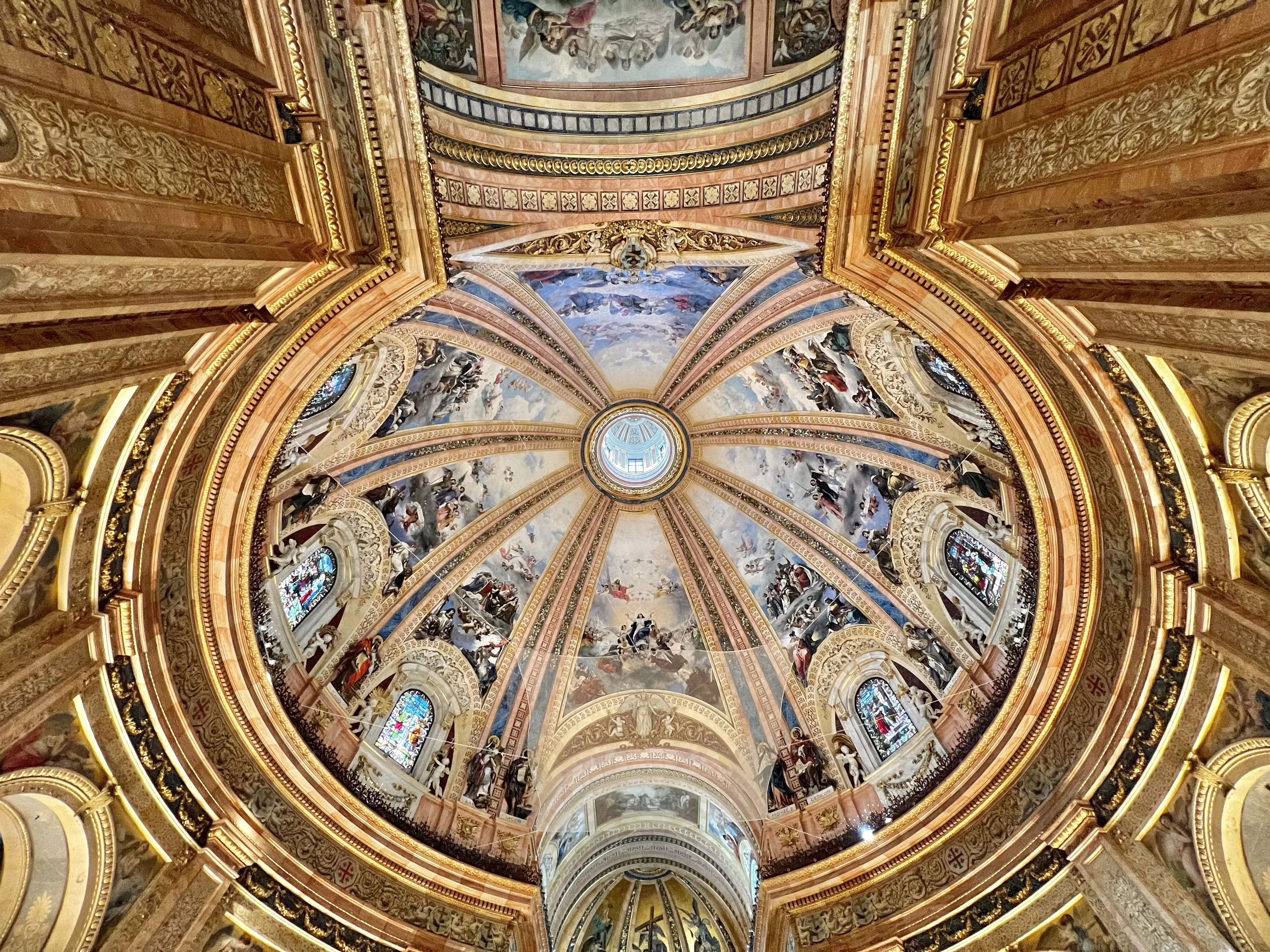
Madrid wears its history well. It moves easily between royal landmarks and everyday life, never feeling heavy or frozen in time. Walking the city means drifting through centuries while staying very much in the present.
The Royal Palace and the Gallery of the Royal Collections anchor Madrid’s past, while the nearby Art Walk brings together the Prado, Reina Sofía and Thyssen Bornemisza. The museums anchor the city’s reputation, but the city reveals itself in the streets.
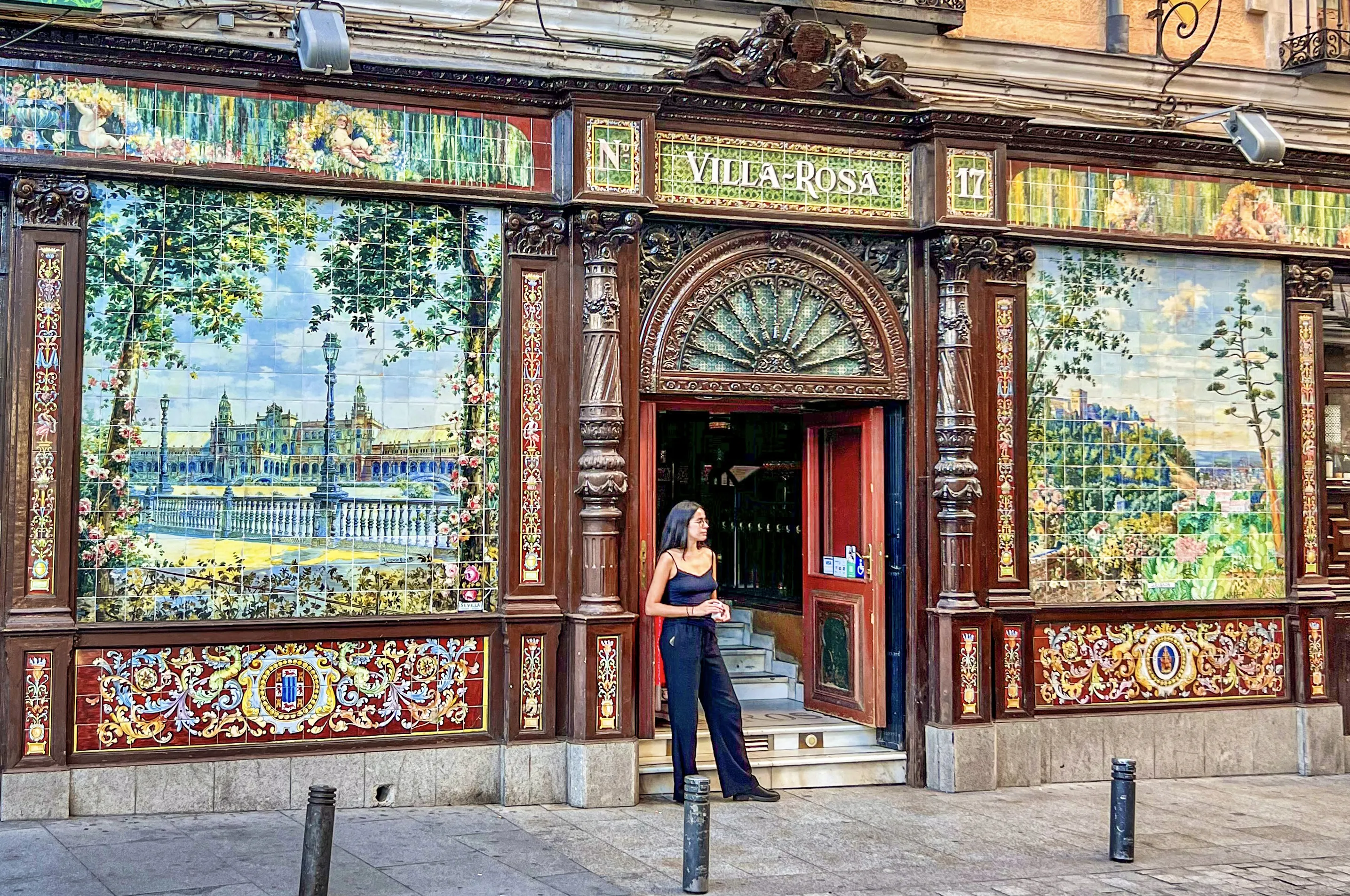
Its energy comes from neighborhoods and public life. The Literary Quarter still carries echoes of Cervantes, while Chamberí, La Latina and Plaza de España show how locals really spend their time. Parks like Retiro and Madrid Río offer space to slow down before evenings pick back up. Rooftop bars, theaters and late dinner reservations are part of the rhythm here. Madrid’s nightlife is not about going big early. It’s about lasting late.
Valencia and the Mediterranean spirit
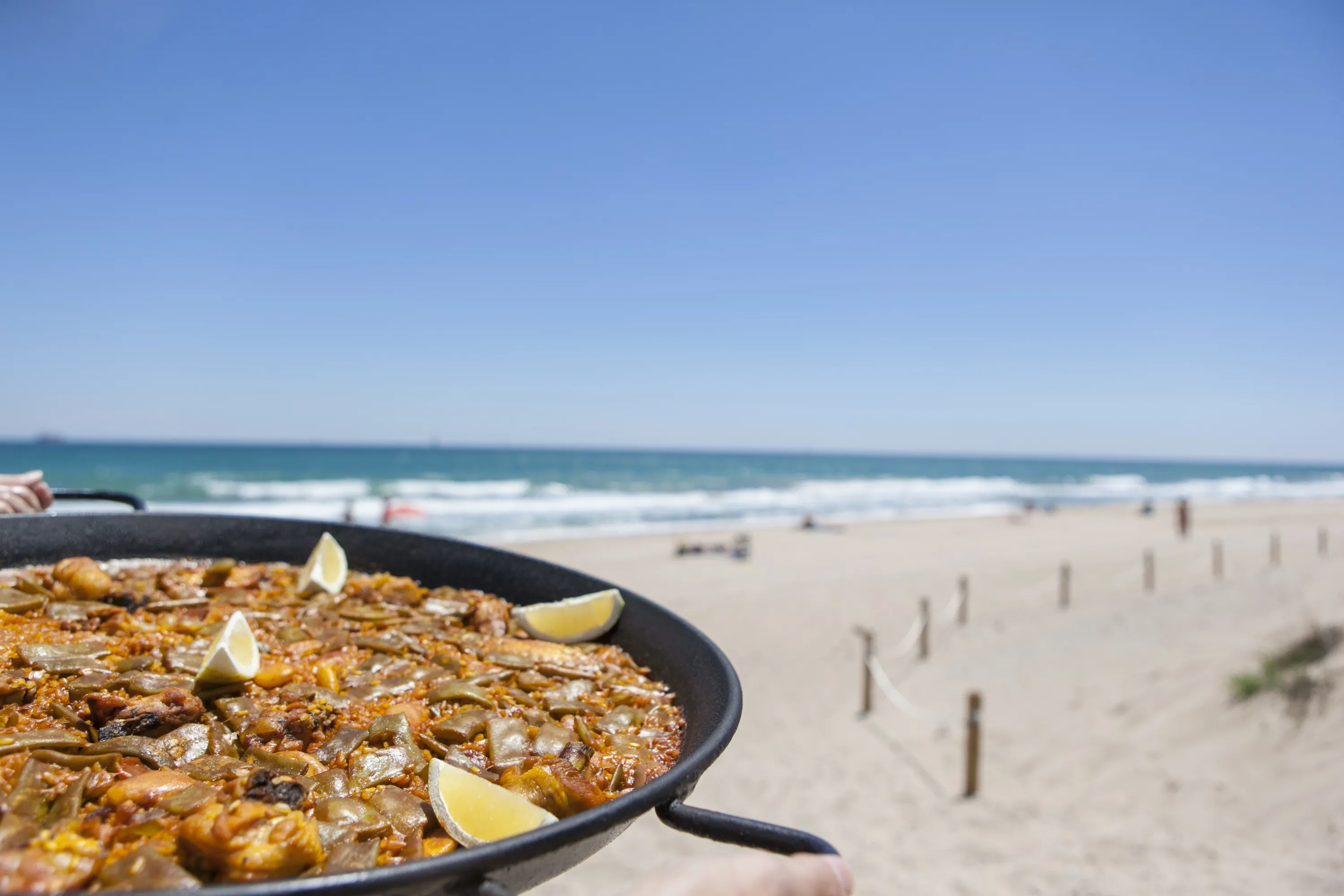
Valencia feels lighter by nature, literally. Shaped by sunlight and the sea, it embodies the Mediterranean idea that living well matters more than moving fast. Its layers of history feel open and accessible rather than formal.
The Cathedral is home to the Holy Grail, and in 2025, Valencia will celebrate the Third Jubilee Year of the Holy Grail with citywide exhibitions and cultural programming. The Gothic Silk Exchange reflects Valencia’s past as a trading hub, while the City of Arts and Sciences defines its modern skyline with sweeping white curves designed by Santiago Calatrava.
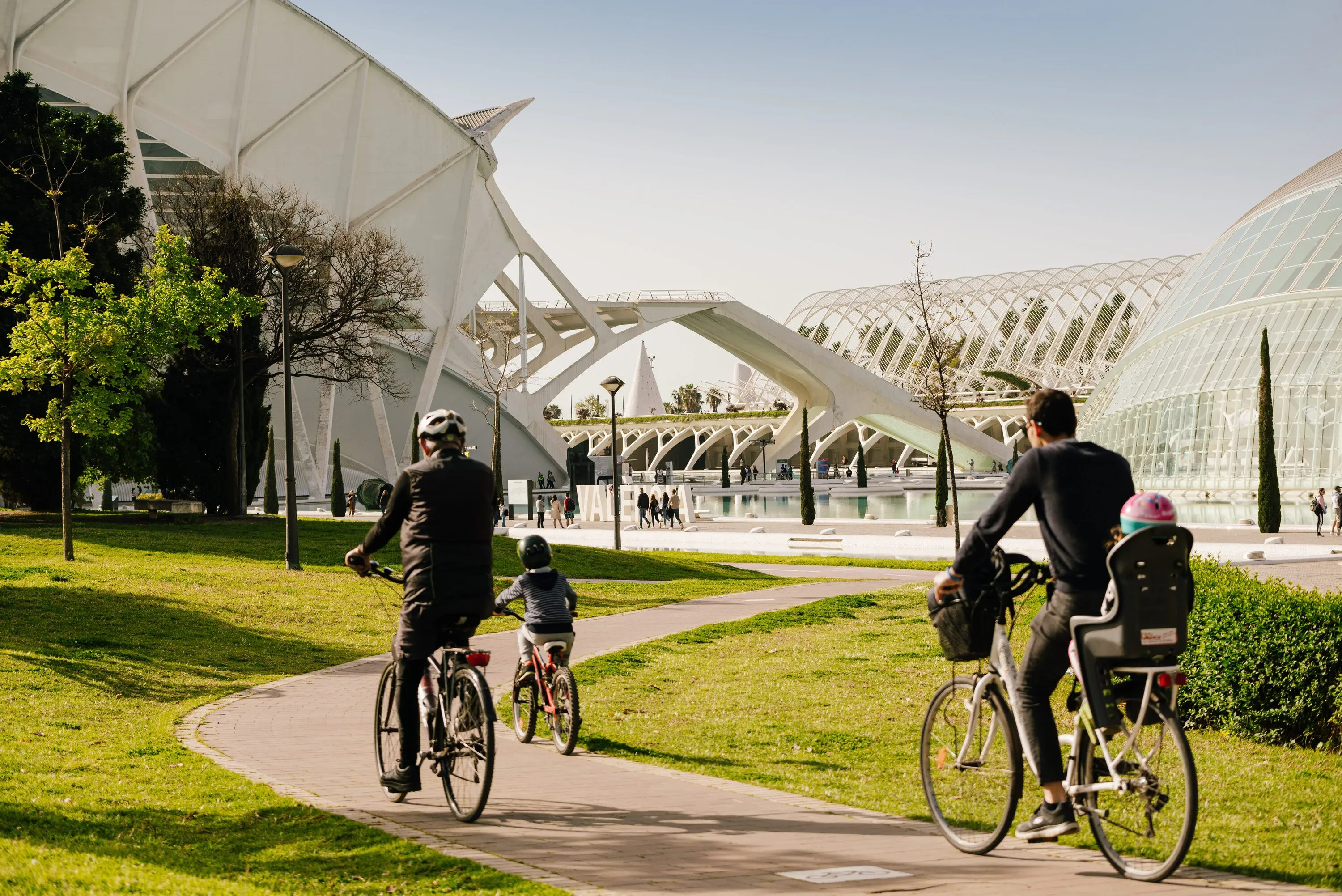
Outdoor life is essential here. The Turia Gardens, a nine-kilometer park built in a former riverbed, runs straight through the city and leads toward the sea. Beaches including La Malvarrosa, El Cabanyal and Patacona sit alongside La Marina, where beach bars, restaurants and sailing clubs keep things casual and social.
Just south, Albufera Natural Park offers a quiet contrast. Rice fields and lagoons set the stage for paella, best enjoyed at sunset in El Palmar.
Food is woven into daily life. From horchata in Alboraya to Agua de Valencia made with local oranges, flavor is rooted in place. Chefs like Begoña Rodrigo and Ricard Camarena carry tradition forward with creative confidence, making the city a standout for eating well.
Two cities, one Spanish story
Madrid and Valencia offer different moods but the same warmth. One leans into art and energy, the other into light and sea. Together, they capture Spain’s love of food, conversation and time well spent.
This is not a trip that asks you to choose. It simply lets you have it all.
More information can be found at esmadrid.com and visitvalencia.com.