[category]
[title]
Founder May Lin shares about Eliko’s beginnings, her approach to curating books for a tiny shelf, and what keeps her going on a personal level
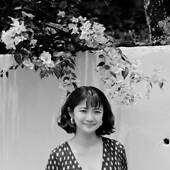

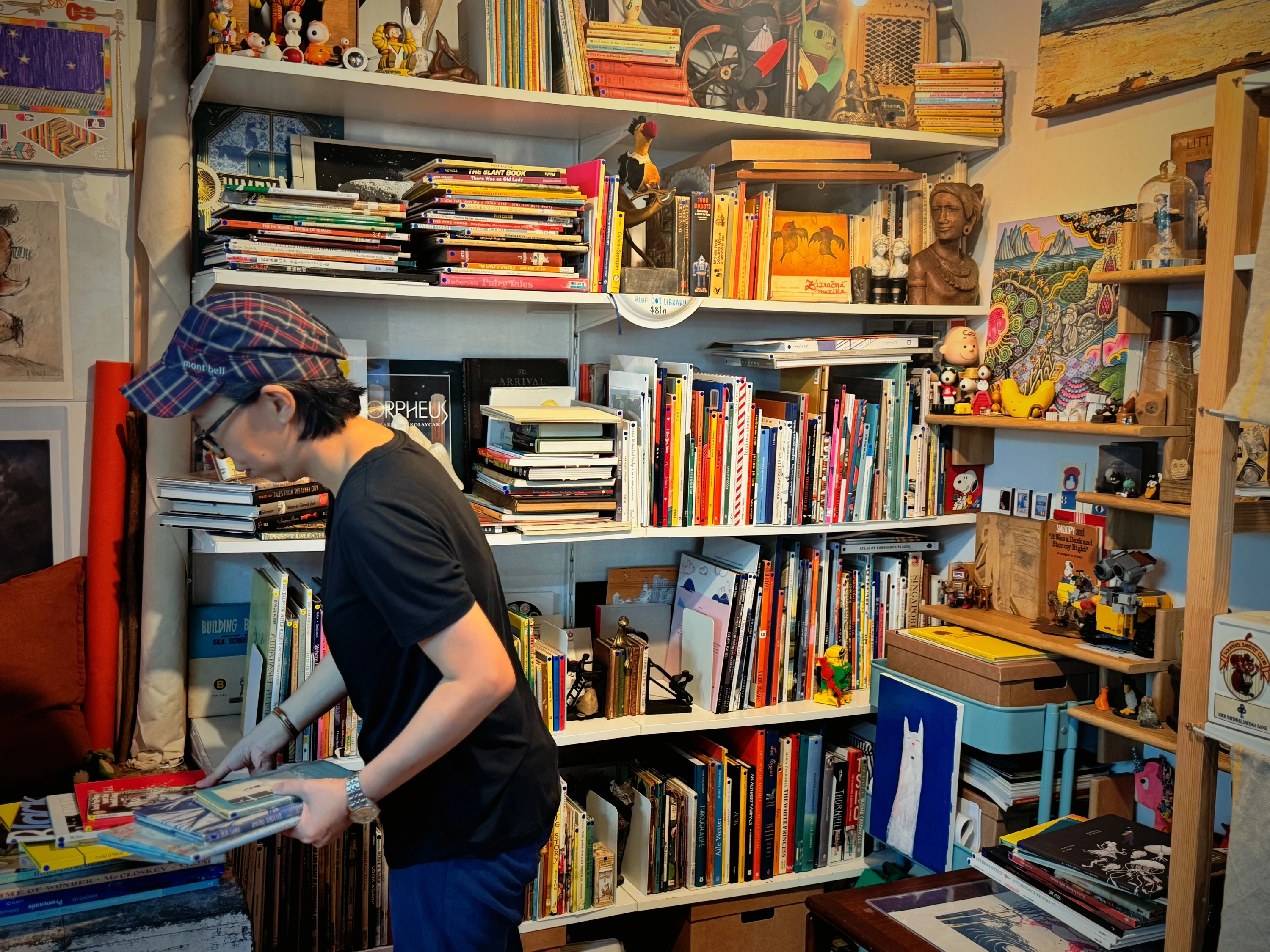
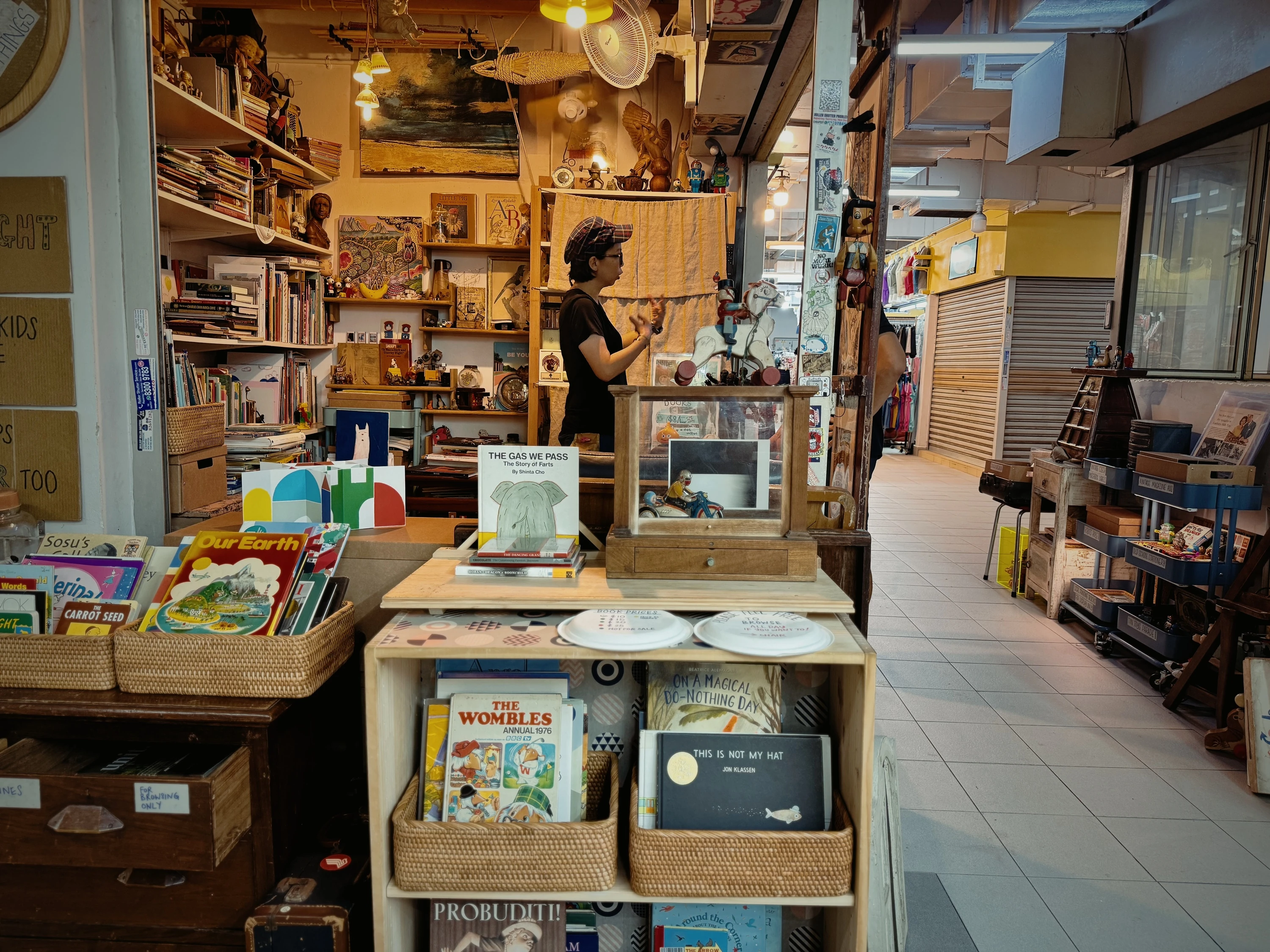
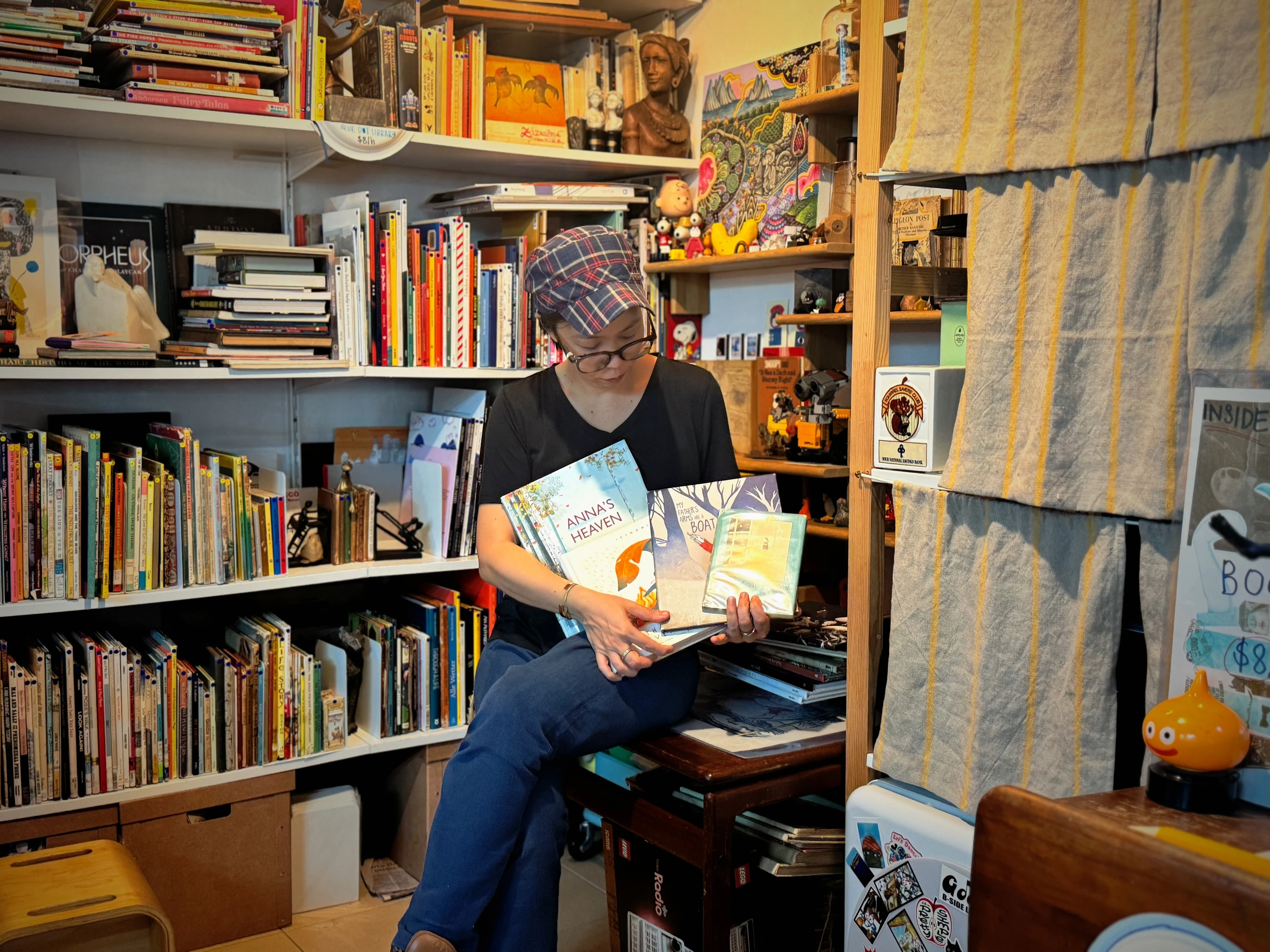
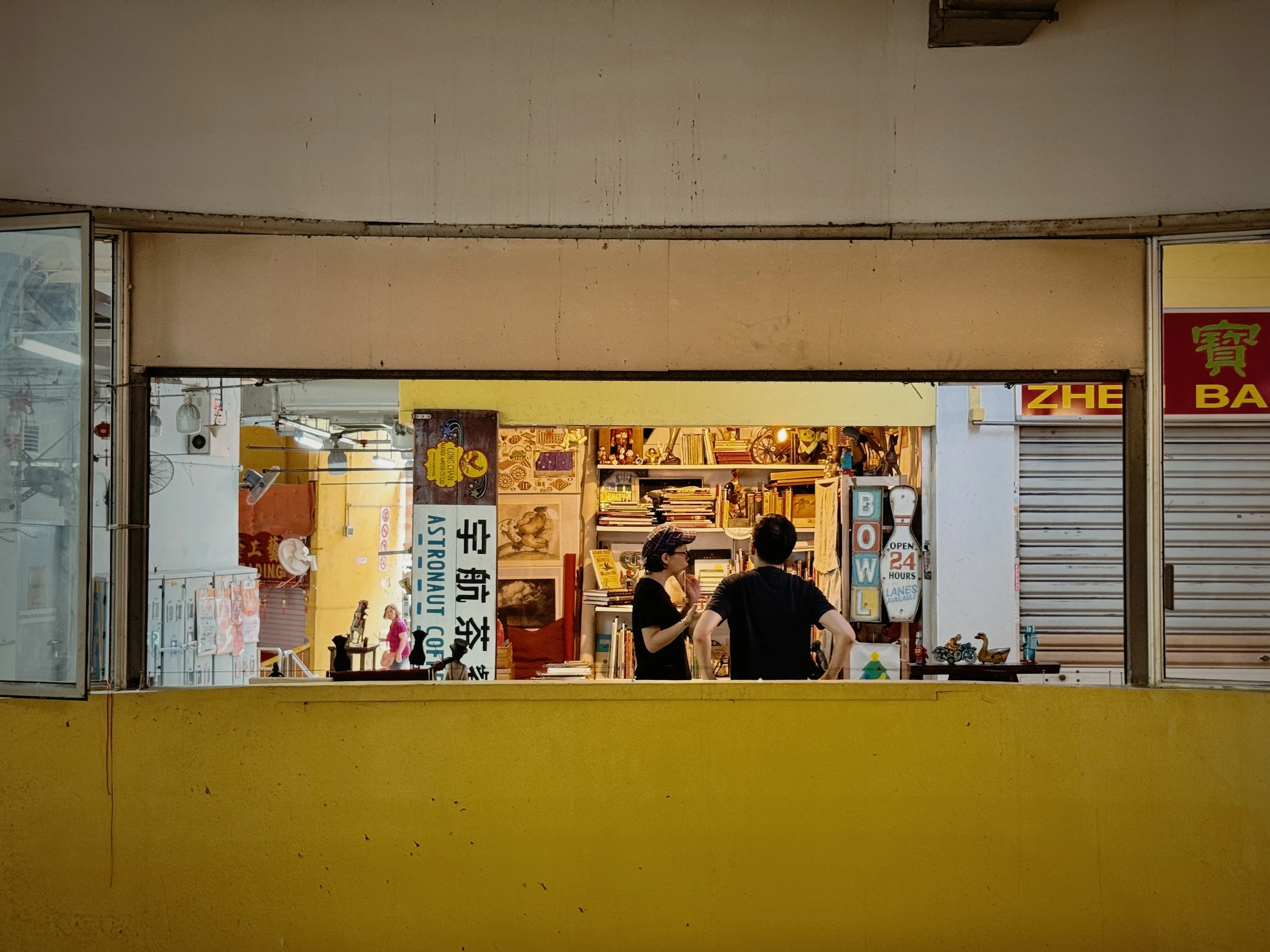
"Keeping the store everyday is just like playing Jenga," says May Lin, founder of Singapore's tiniest bookstore, Eliko. Looking around, I can see why – hundreds of titles are carefully stacked inside a cosy, roughly two-metre-by-two-metre space, snuggled between the long-standing vendors of Chinatown Complex.
It's hardly the sort of place where you'd expect to find a picture book store. Instead, the market is better known for its Chinese New Year decorations and miscellaneous household goods. Yet for May, there couldn't have been a more fitting home for Eliko. “I like markets, and I like how diverse they are,” she says.
The idea for Eliko came about during the Covid-19 pandemic, when May's nephew was born. “At that time, the idea of new beginnings and childhood wonder came to mind. Prior to that, I liked picture books, but I didn't really have a collection,” she says.
But what many don't know is that Chinatown Complex wasn't her first attempt at bringing the bookstore to life. “I thought, okay, let's begin something new, so I impulsively rented a space at Pearl's Hill Terrace,” she explains.
“It took me about a year to get the books together, and then I got too scared to start. For years, I was paying rent, but we never opened,’ she adds.
When the pandemic chapter came to an end, so did Eliko's first home. But the story wasn't over – May’s dream of owning a bookstore was still alive. During her search for a new location, she stumbled upon the charming units at Chinatown Complex. It was through a stroke of luck that she managed to claim one of her own.
“I came here to recce the place, took a photo of the directory, and started planning out the airflow and everything. I really loved this unit. However, the way it works is that the tenants have the rights to renew, so if they don't let it go, there was no way I could rent it. Then in August two years ago, this unit finally opened up – it was really pure luck that I managed to secure the space,” she says, happily.
Over here, it feels more grounded. I don't speak Mandarin too, so that's a bit difficult, but that makes life interesting.
Her decision to set up shop in the old-school market was both a philosophical decision and a practical one. “It's very small here so the rent is affordable. It didn't feel so scary. Secondly, I wanted to be uncomfortable. Previously at Pearl's Hill Terrace, it was a wonderful arts hub, but the people who go there are a particular type. Over here, it feels more grounded. I don't speak Mandarin too, so that's a bit difficult, but that makes life interesting. I wanted to be confronted with differences,” she explains.
The natural home for this bookstore might have been somewhere like Joo Chiat or Tiong Bahru, but I didn't want that...I don't want the bookstore to come across as too atas.
May also wanted Eliko to feel accessible to the masses. “A picture book store can be categorised as upper middle class, if you think about it. Prioritising culture and imagination is often a luxury for people who know the value of it. People who come to a place like this are naturally ones that are interested in art, illustration and design. It's a very different crowd. The natural home for this bookstore might have been somewhere like Joo Chiat or Tiong Bahru, but I didn't want that,” she says.
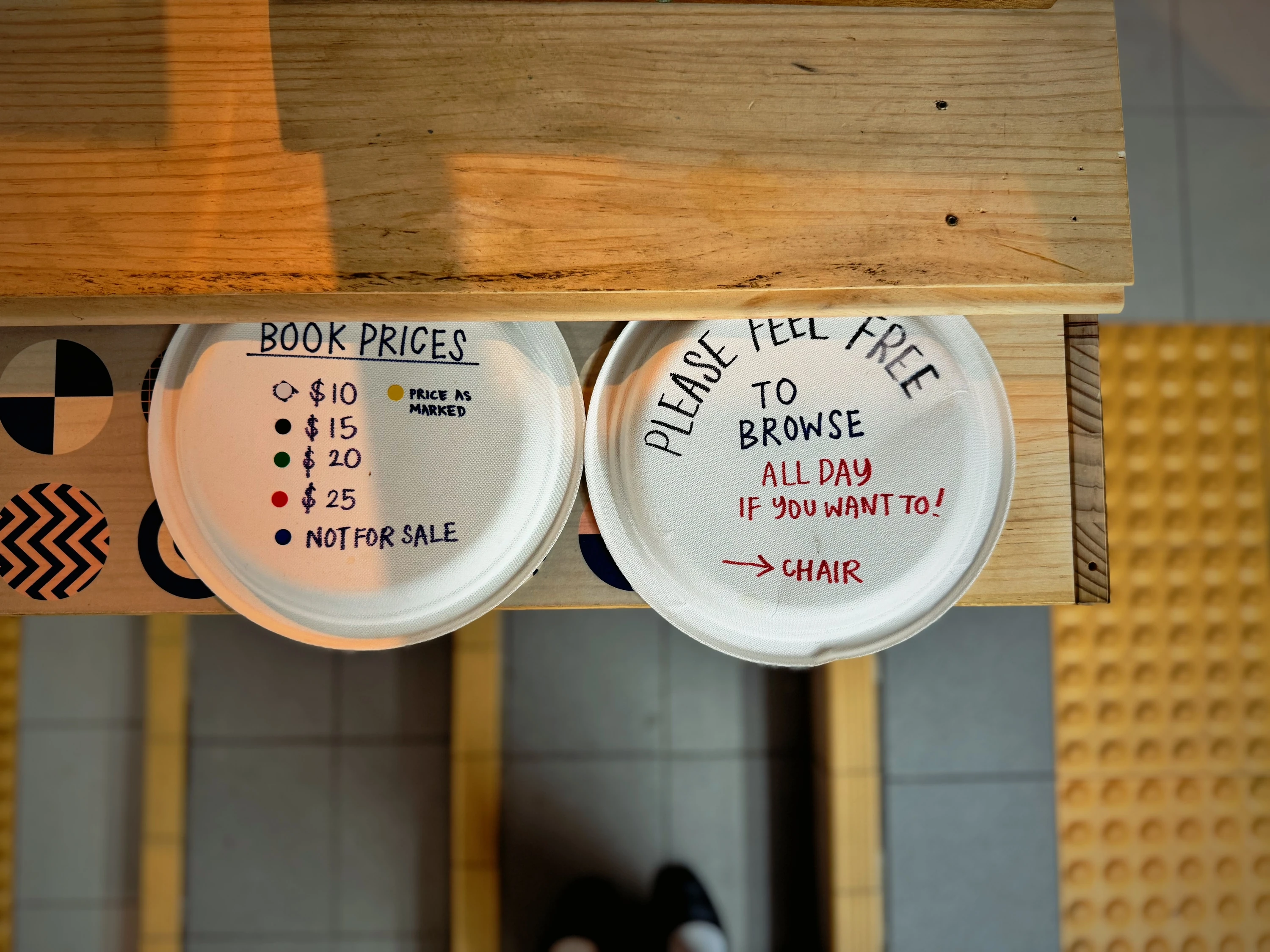
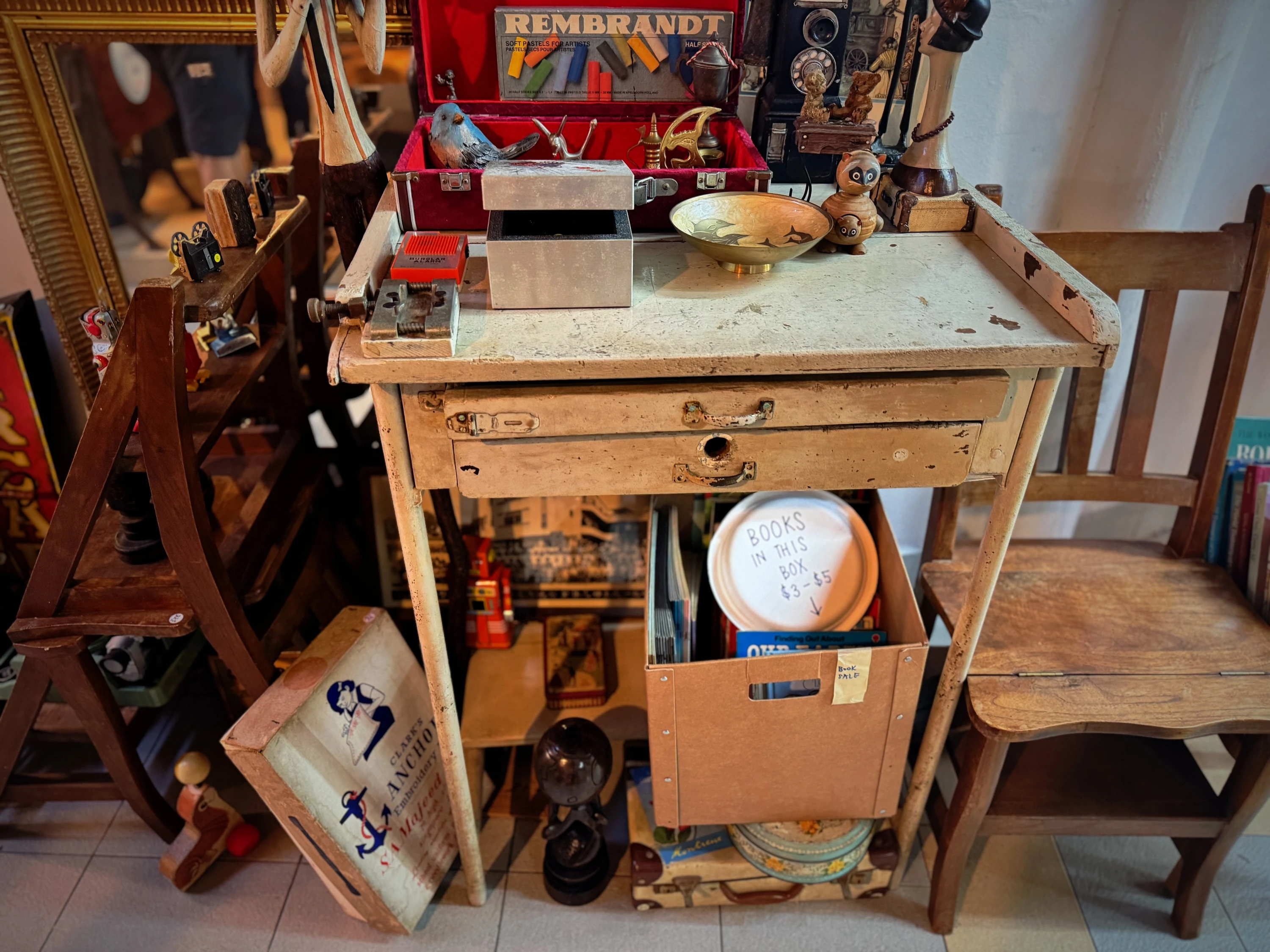
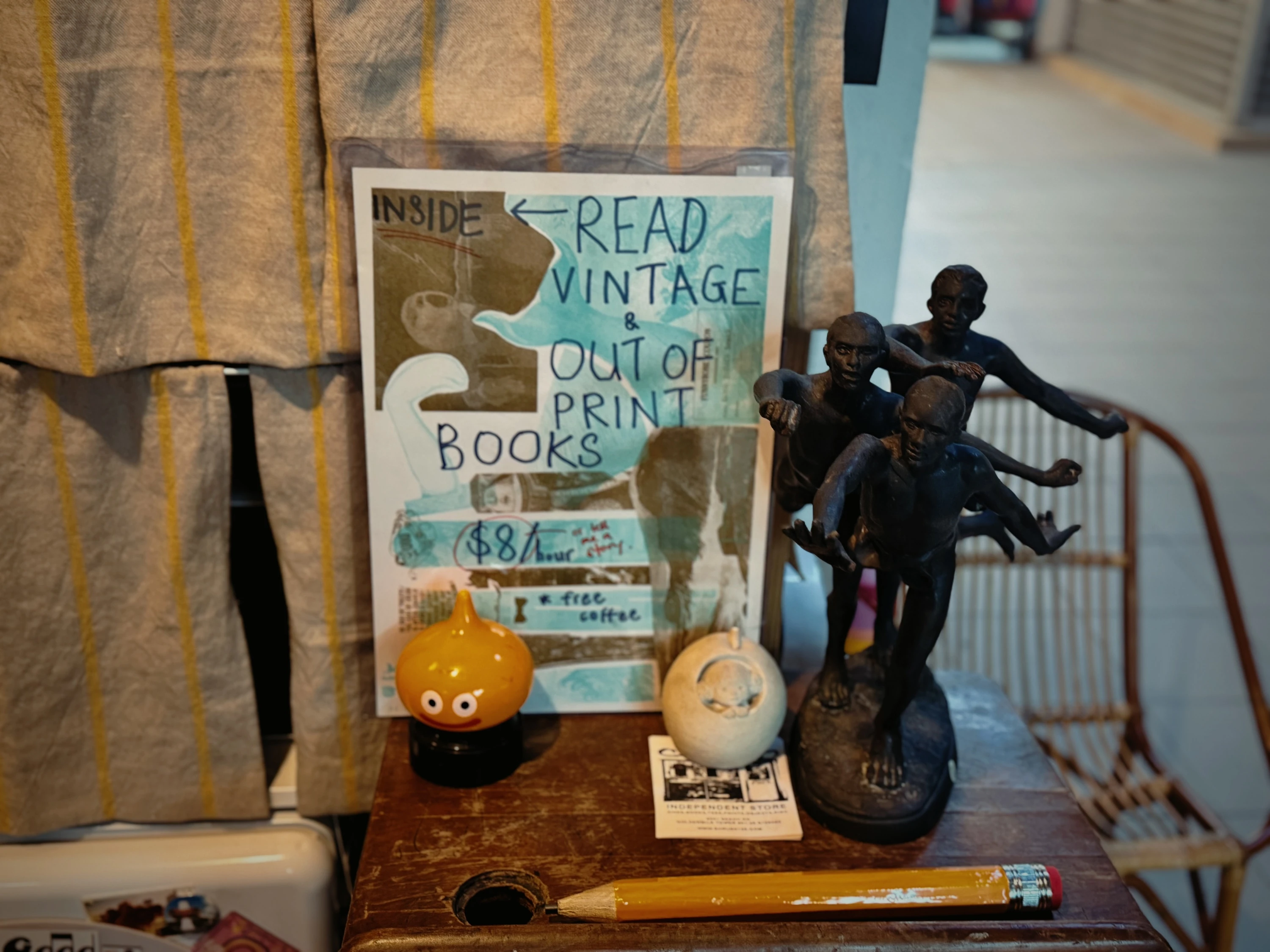
“That's also why I use cardboard and paper plates for my signs. I don't want the bookstore to come across as too atas. It already is, I mean, my books are in French, German, Dutch, Norwegian, Japanese, Russian... I can't deny that. But I don't want people to feel like it's not for them. I want to make it accessible and relatable,” says May.
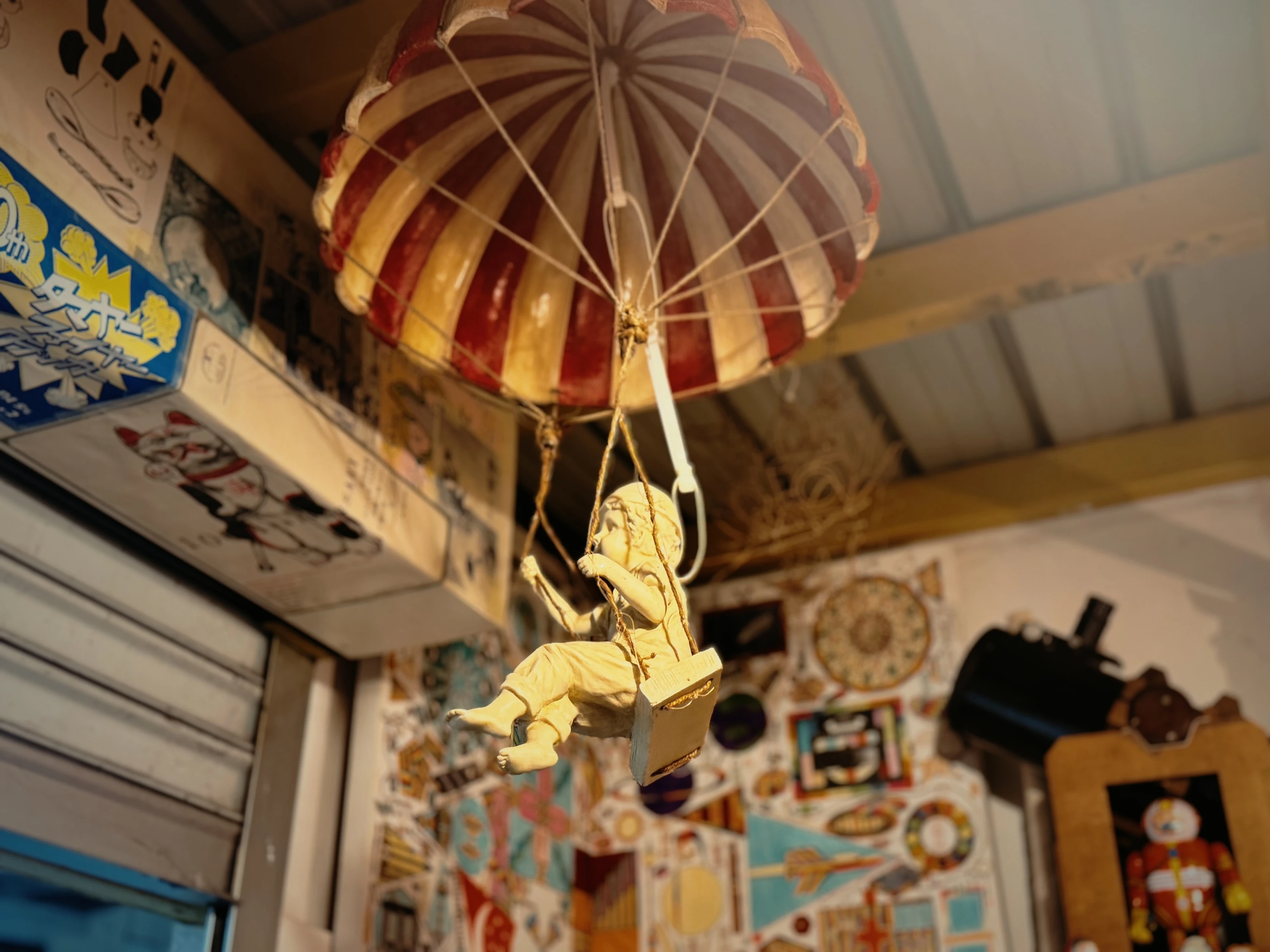
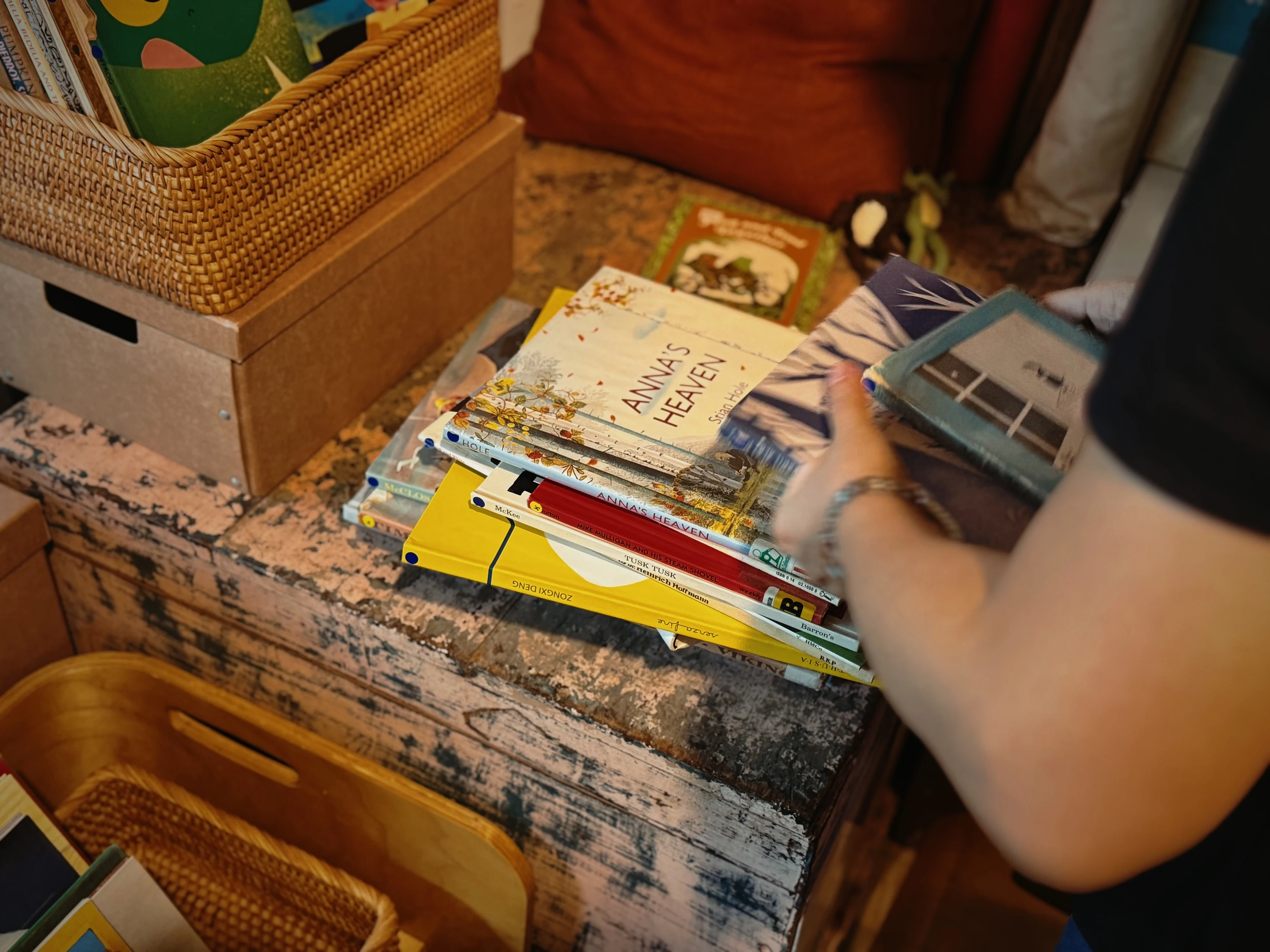
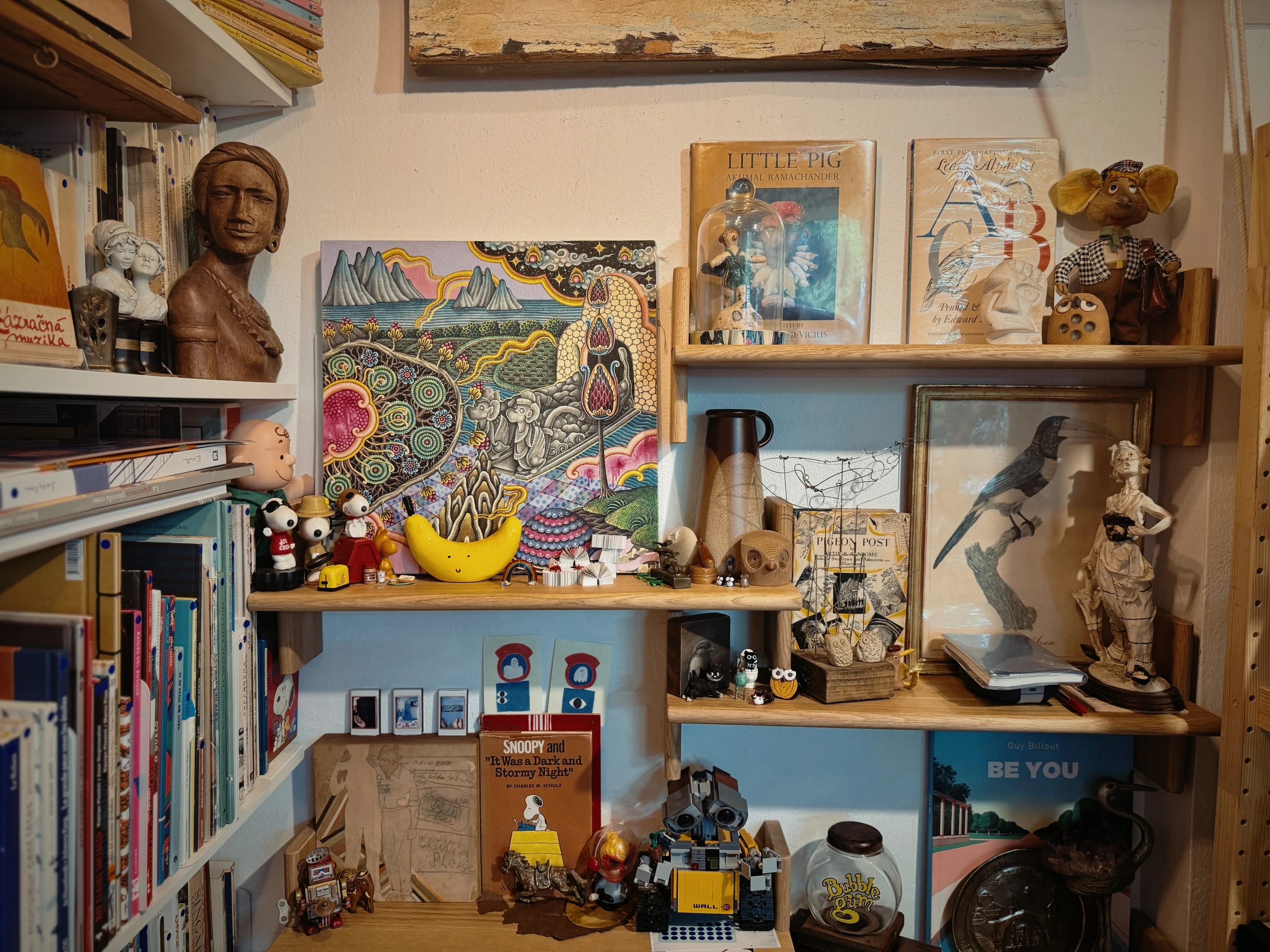
Arriving at the bookstore really had me digesting how small it truly is. It comfortably fits only two or three people at a time, but despite its size, it felt inviting and cosy rather than cramped. The bookstore spills beyond its tiny perimeters, with vintage finds, boxes of books, a coffee machine, display cases, chairs for lingering over a good read, and May's own collection of knick-knacks collected from across the globe, extending into the corridor outside.
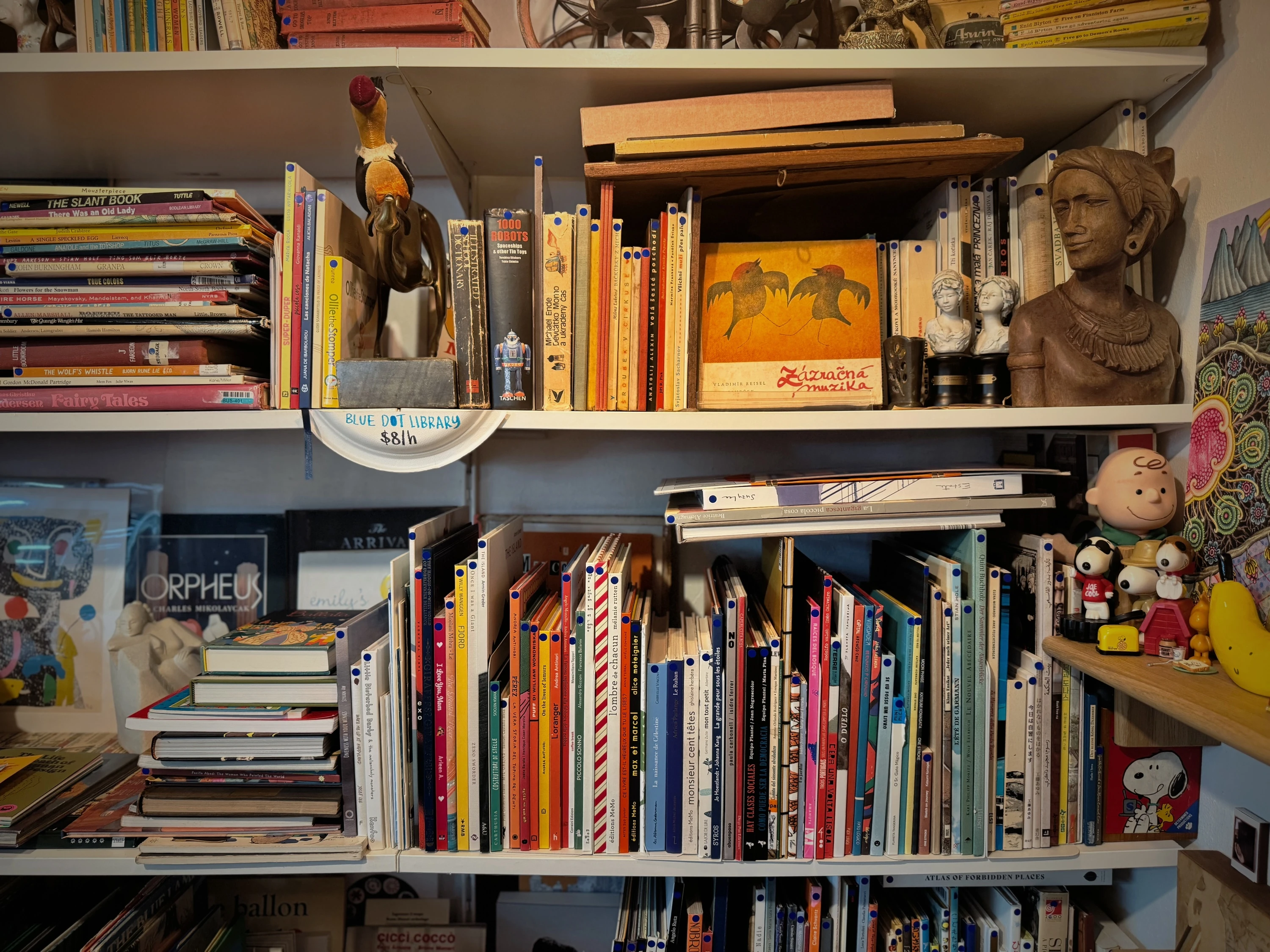
Here at Eliko, the bookstore runs mainly on a library system – eight dollars will give you one hour of browsing and free coffee. Books without the blue dot sticker are ones that you can purchase, while the rest are for browsing only.
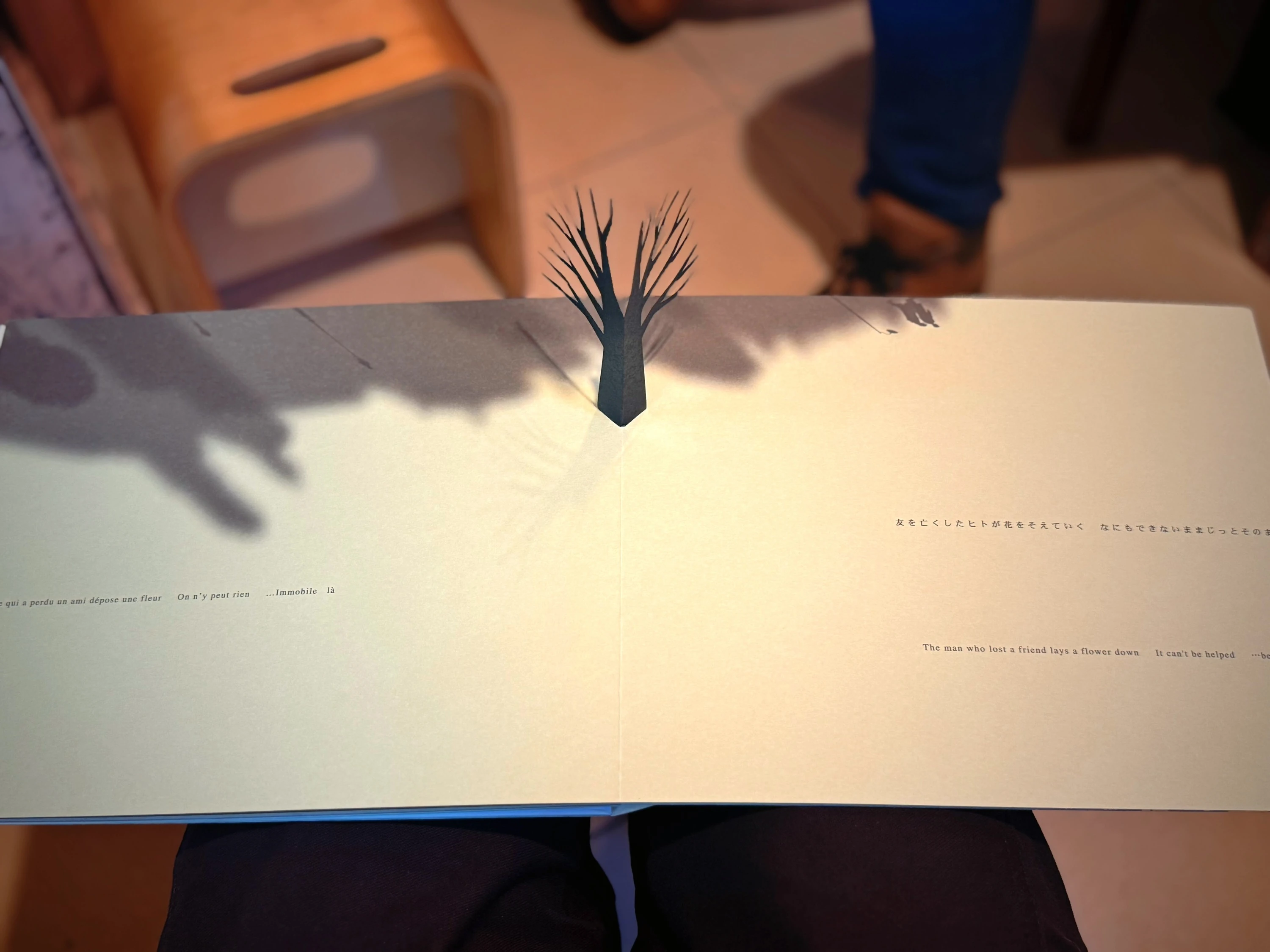
And what a treat that is – her shelves are packed with treasures. There are rare out-of-print titles, vintage picture books from the '70s and '80s, as well as more contemporary reads. What ties them all together is that their stories go beyond their beautifully illustrated pages. “The library has a lot of out-of-print books that you can't find anywhere else. Personally, I like stories that are surprising. European picture books also tend to be a bit more candid about heavier topics like death and war. And even though many of them are in foreign languages, there are fewer words, so you can just use Google Translate to get the idea,” she says.
Running a bookstore this tiny in this day and age also comes with its own set of challenges. With a space this small, not every book May discovers makes it onto her shelves. “One of the biggest challenges was learning what the good books are. When I first started, I was just going by all the 'Top 100 Picture Books' lists. But after a while, I realised a lot of those books were things like ‘My Best Friend Is a Bear’. I don't need hundreds of books like that, so then the question becomes: how do you learn what else to source?” she says.
A children's book that only appeals to children isn't a very good children's book.
Eventually, she found a way of narrowing down the thousands of books she come across. “A children's book that only appeals to children isn't a very good children's book. So I always ask myself: is this for kids or for adults? The books I really like are the ones where I can't quite answer who it’s for,” says May.
May has to get creative with storage and comfort too. “Every day during closing, I have to bring everything into the shop because there's no storage space. When people want to donate books to me, I don't always say yes – not because I don't appreciate it, but because I simply have no room,” she says.
“And inside here there's only enough space for two or three people to sit comfortably. When people come in, you end up chatting too. So as an introvert, that can get tiring. However, I also work as a documentarian, so I do enjoy it,” she adds.
To me, the value of a bookstore is being able to browse – to see and experience the books in person. And if I can't monetise that enough, then I'll just have to close down.
And in an era where buying books online is as easy as a few clicks, sustainability is also a huge topic. “Some bookstores actually discourage browsing – it's an iffy topic. And I understand why – people go to bookstores, look at the books, check the price online and then buy it right in front of you. But hey, you can't really do anything about it. To me, the value of a bookstore is being able to browse – to see and experience the books in person. And if I can't monetise that enough, then I'll just have to close down. That's just the way it works,” she says.
There are other simpler challenges that may not seem that obvious to us too. “At a bookstore, if you want people to spend time sitting and reading, we need air-conditioning. So sometimes it's hard to take your time with a book when it gets that hot because I don’t have that here,” she says.
But, the most important thing that’s keeping Eliko going is actually a simple, personal ritual. Behind the shelves, May is held together by two things, “Coffee. And cold water in my flask. Otherwise? I can't survive.”
Eliko is located at 335 Smith St, #01-079 Chinatown Complex, Singapore 050335
READ MORE
Tatsu Maker: American linocut printmaker creates intricate prints of local hawkers and food vendors
Ronggeng Records: This record store tucked away in Tiong Bahru has rare Southeast Asian vinyls
Uncovering a legacy: Son of Singapore’s pioneering photographer unveils his late father's photos
Discover Time Out original video