[category]
[title]
Remedial Kids is filling Singapore's bars with a lively intellectual life, one lecture and one drink at a time

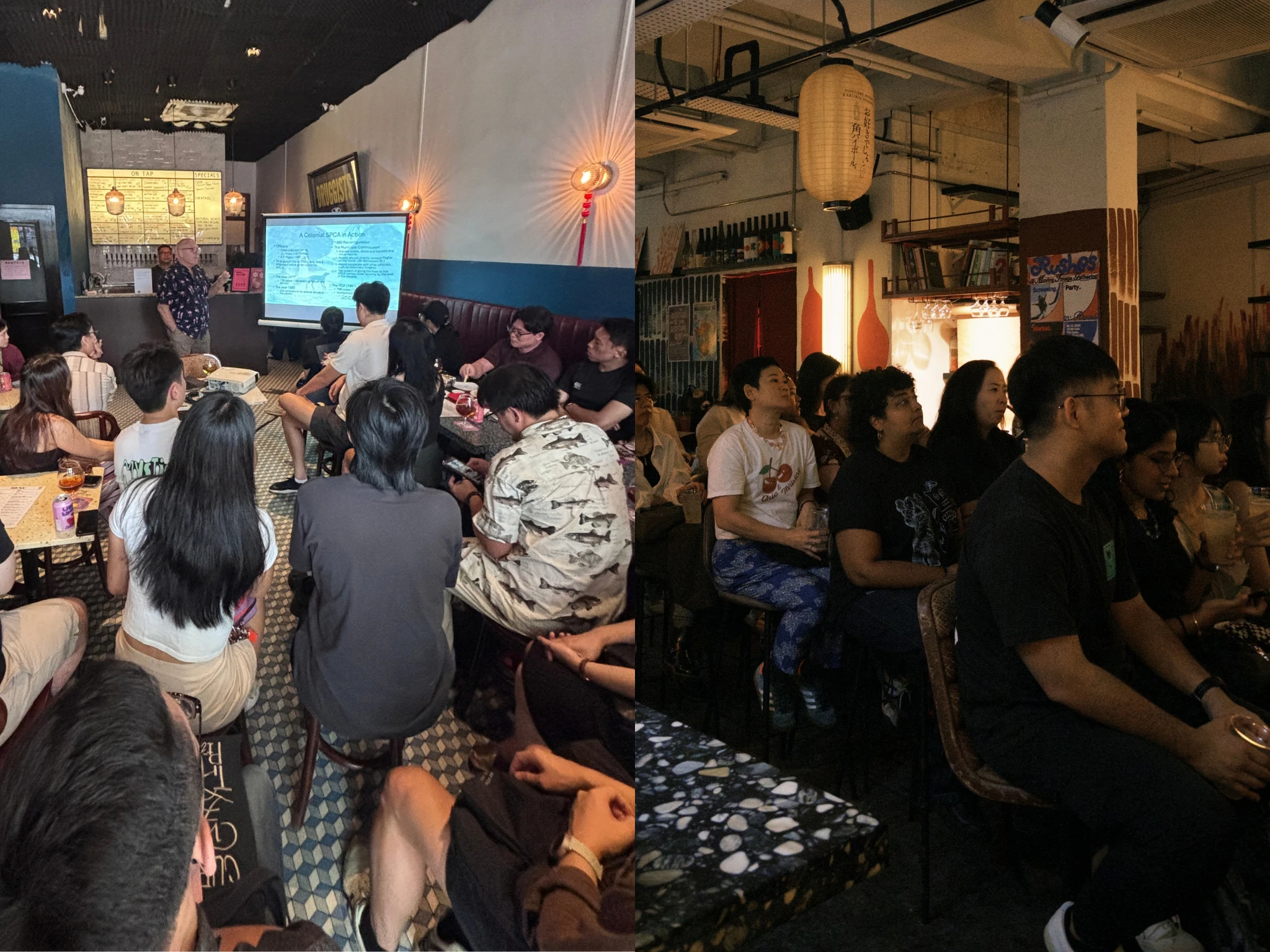
A bar might seem like an unlikely place to learn about Qing dynasty court politics or why ghost stories still circulate in hyper-modern Singapore, but that's the pitch behind Remedial Kids, a scrappy lecture series turning Singapore's watering holes into makeshift seminar rooms.
Since launching in July 2025, the series has found homes at bars like Druggists, The Coup and MyX in Holland Village, chosen for a slightly gritty, unstuffy character that keeps the mood casual. It's also built a devoted following of culturally curious adults who show up to hear academics talk not for career development or self-improvement, but because so much of life here is “centred on professional development and productivity, leaving little room for "playful, almost pointless learning and discovery,” according to founder Jo Lam, 38, who works in advertising.
The idea traces back to New York, where Lam once lived and frequently attended cultural events. She'd also chanced upon Lectures on Tap, a New York series that pairs academic talks with a drinking crowd, on Instagram, and wondered why Singapore didn't have something similar.
The spark arrived last July, when Lam's university friend Yuan Yin, an English professor based in California with a research interest in South Korean pop culture, was visiting. Yuan agreed to pilot the idea with a lecture on deliberately mundane, melodramatic slice-of-life K-dramas and what they reveal about Korean society. It worked, and Lam has kept the series running ever since, slotting talks into the downtime of the city's bars.
She's since become an unlikely talent scout, trawling faculty pages at the National University of Singapore, Nanyang Technological University, LASALLE College of the Arts, and the Singapore University of Technology and Design for researchers with compelling, even eccentric interests.
“Before going into it, I thought academic research in Singapore would be very serious, or all about STEM," she says. “I realised there are so many niche topics academics here are looking at, a lot of pop culture.”
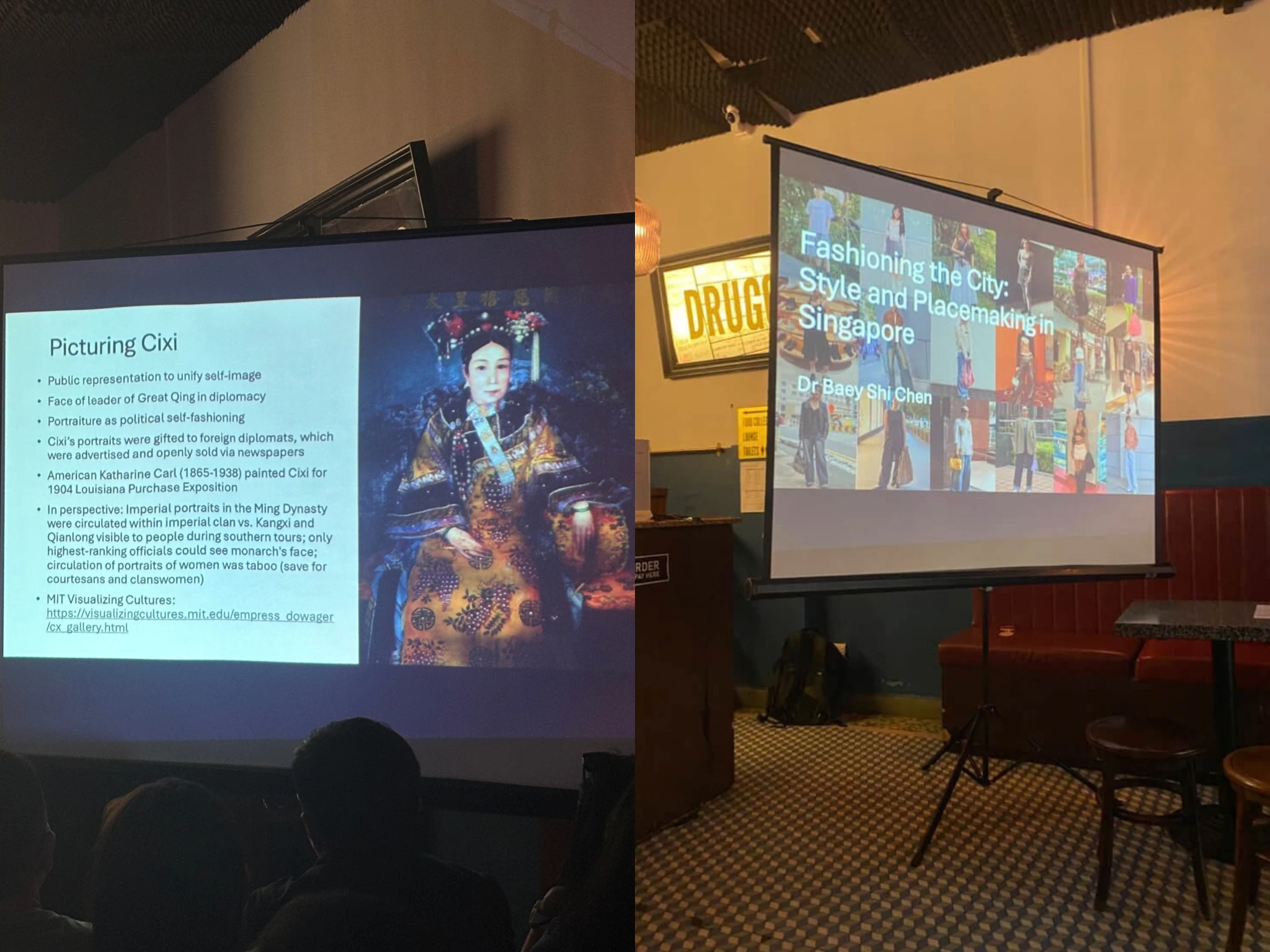
The result is a wide-ranging line-up: the history of Singaporean punk in the 1990s, social forgiveness in the age of cancel culture, bridal fashion and Muslim identity in China, the evolution of Thai Boys' Love dramas, the history of dogs in Singapore, food politics, and ghost stories in hypermodern Singapore. A talk on the Empress Dowager Cixi drew a crowd of Chinese history buffs Lam hadn't known existed, well versed enough to flock around the speaker with specific questions, while newbies beside them scrambled to catch up on Wikipedia.
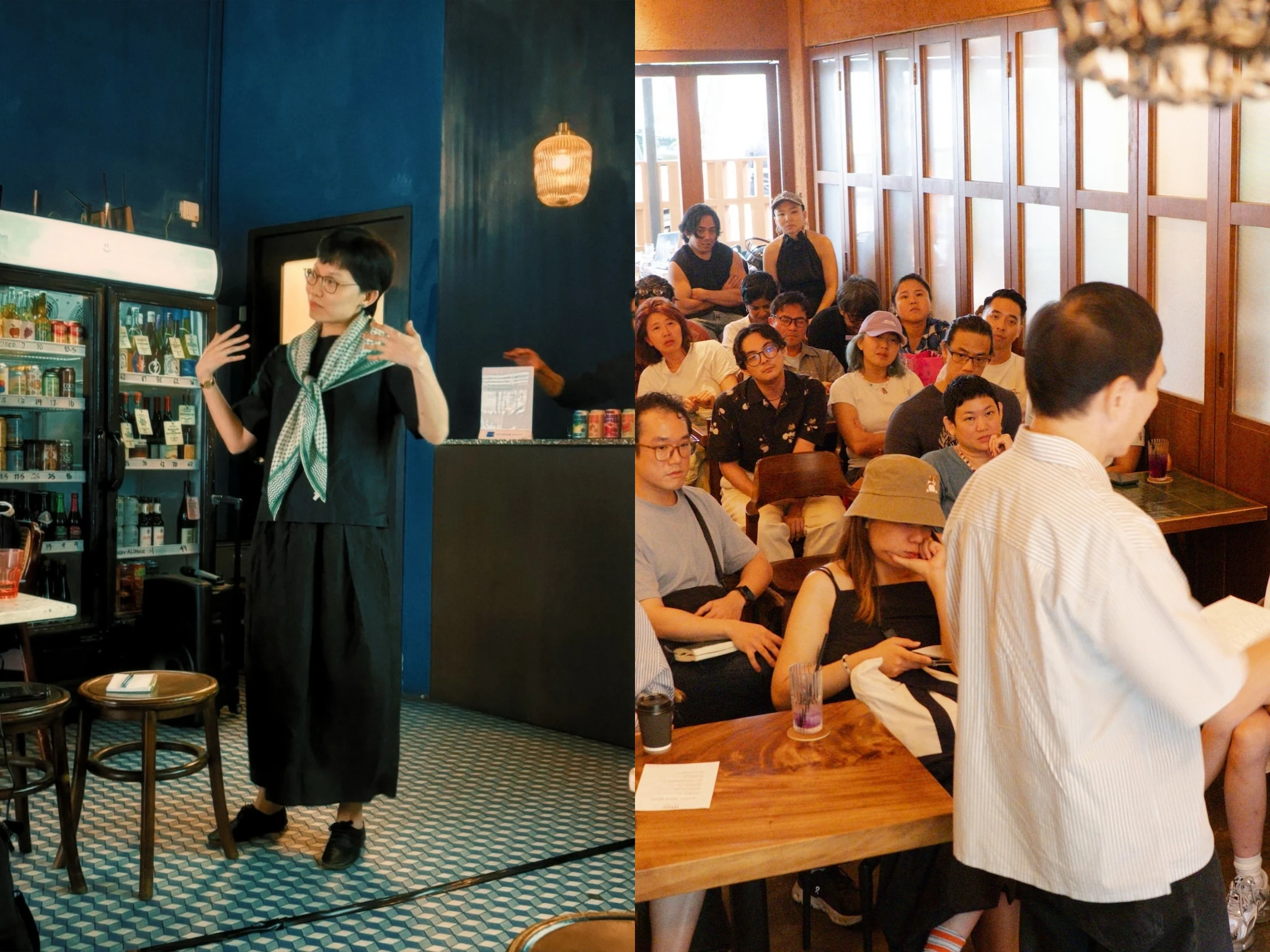
For most academics, it's a welcome change of scene. “Most of them are very excited that people who are not their students want to pay money to listen to them,” Lam says. Academia can feel like a bubble, where researchers mostly talk to other researchers about hyper-specific work at academic conferences; Remedial Kids lets them test their ideas on a new audience outside the classroom. “A lot of them are eager to ensure their work is seen by more people and has a broader impact,” she adds.
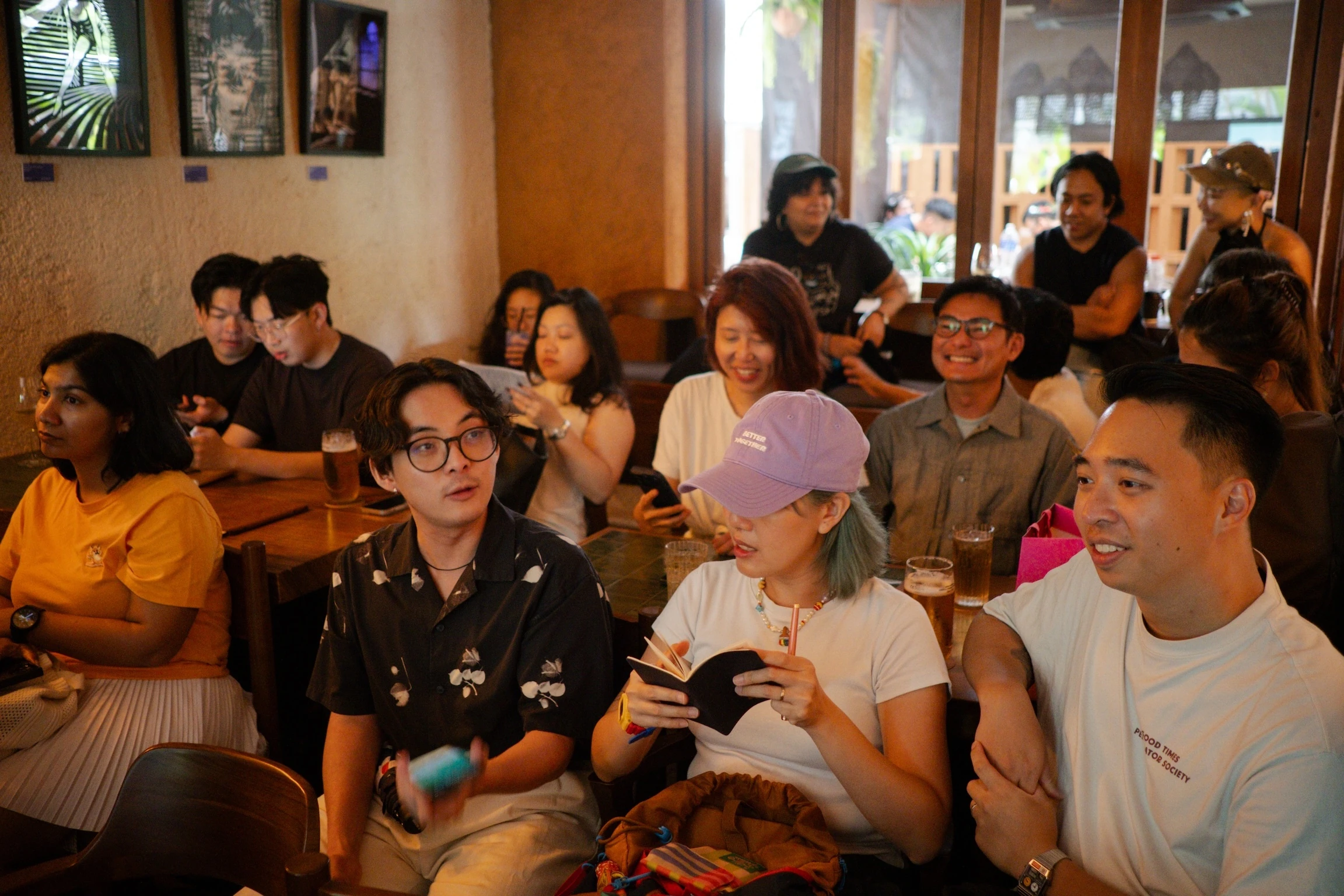
Some fourteen events in, it draws close to 4,000 followers on Instagram and reliably sells out. The crowd is a mixed bag: regulars who arrive early to nab seats, note-takers furiously scribbling in notebooks, friends who are there mostly to drink together, and a handful of overachievers who ask Lam for pre-reading materials.
As the audience grows, Lam is eyeing bigger venues but is wary of losing what makes the format work. “I want to preserve that seminar quality I quite like from university,” she says. “I never want it to be too big, like a lecture hall, where people feel self-conscious about speaking out.” She's also protective of the format's academic core. “That's how I want to keep it, a place for people to present their research rather than opinions or perspectives, versus people on the internet, on Instagram, on podcasts, where people share a point of view. There are a lot of people doing deep research, and it's important to give them a platform to share that.”
Because of that focus, the line-up leans heavily towards the humanities and social sciences, though Lam is keen to pull in more from math, engineering and the sciences as the series grows. An upcoming speaker studies insects that people tend to discriminate against, cockroaches among them, and why we fear them, a route into the natural sciences through something more visceral. Lam also keeps an eye out for visiting academics and PhD students passing through Singapore, keen to show the range of research happening here.
What excites her most are the connections an audience member might draw across an unlikely spread of talks. Lam plans the series two to three months out and is careful to keep it feeling like a hobby rather than too much work.
In October, a lecture on the ancient origins of the food on our plates will draw on archaeology, history, botany and genetics to trace how crops moved between Asia, Africa and Europe, held at Trifecta. Also in the works: a talk on the drinking culture of Chinese officials, and another on the riot grrrl (underground punk feminist) movement in Singapore. She's branched into adjacent formats too, including a recent silent reading session followed by drinks.
For Lam, Remedial Kids is one thread in a wider shift she's noticed in Singapore's cultural and intellectual life. Grassroots spaces, writing communities, life drawing sessions, book clubs, are multiplying, where once such things tended to come from research institutes, alumni networks or professional development programmes with a certain self-optimising, resume-building formality. Lam says, “I'm seeing a lot of pockets of grassroots communities around exploring intellectual, cultural interests just for enjoyment, for personal satisfaction. I like seeing that.”
Stay updated on Remedial Kids' upcoming seminars at https://www.instagram.com/remedialkids.
READ MORE
Soak like a capybara at this Sydney-born bathhouse in Tanjong Pagar
More room for slow living: Round and Round Gallery heads to Joo Chiat
Japanese stationery giant Kokuyo opens its first Singapore store
Discover Time Out original video