[category]
[title]
As of today, the PSI in all five regions of Singapore climbed above 100, reaching a record 191 in the central region at 4pm

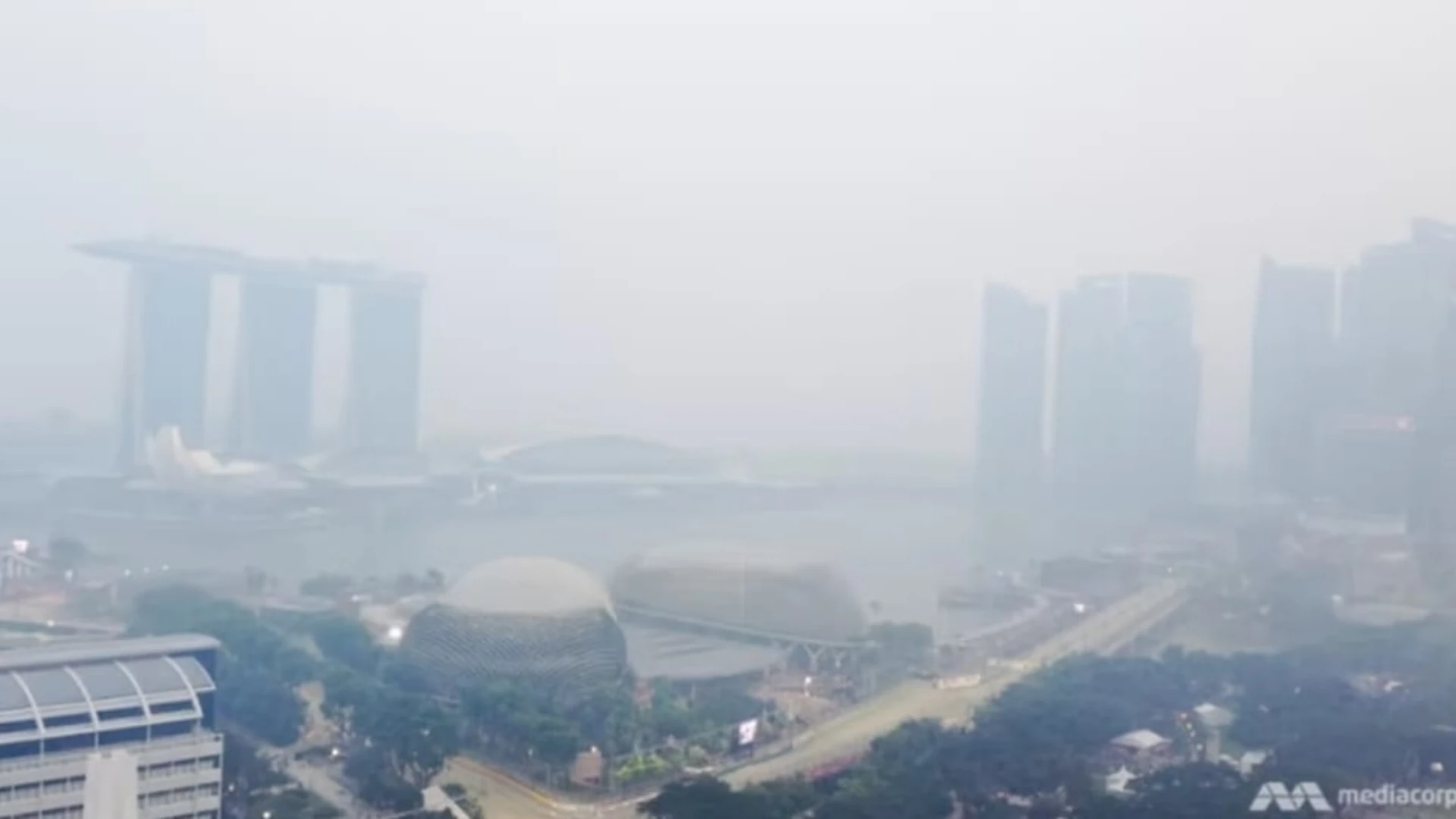
You might have noticed Singapore looking a little hazier than usual lately, with the skies appearing more washed out and the air smelling noticeably smoky in some parts of the island. This time, though, it’s not just a case of catching a whiff of something burning: air quality has actually worsened, with the 24-hour PSI in central Singapore peaking at 191 at 4pm today.
So, what’s behind the haze, and what does that mean if you’re heading out? From where the smoke is coming from to which air quality reading you should actually be paying attention to, here’s everything you need to know:
According to the National Environment Agency (NEA), clusters of hotspots have been detected across central and southern Sumatra, as well as parts of Kalimantan. Moderate to dense smoke haze has also been observed across parts of Borneo, Sumatra and southern Peninsular Malaysia, with smoke plumes seen coming from hotspots in southern Kalimantan and central and southern Sumatra.
With dry conditions continuing across parts of the region, the haze situation is expected to remain high for some time. Whether more of that smoke reaches Singapore depends on wind conditions, with prevailing winds currently forecast to blow from the southeast or south.
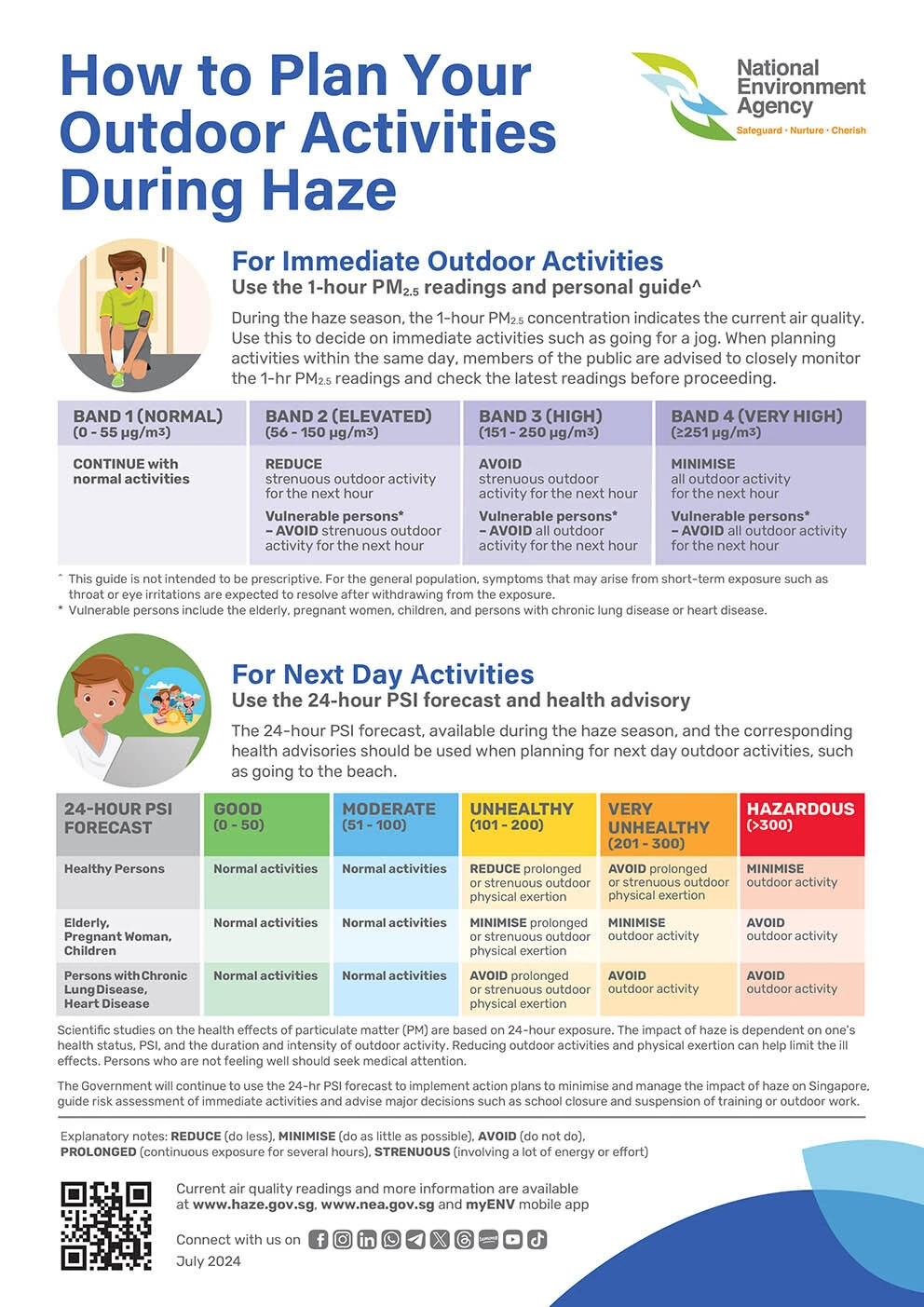
At 4pm today (October 9), the 24-hour Pollutant Standards Index (PSI ) reading hit 191 at 4pm – that's well into the unhealthy range (between 101 and 200) and a record high for 2026. At 4pm, PSI in all five regions of Singapore also remained in this unhealthy range, with the next highest reading of 183 in western Singapore. NEA advises people to limit outdoor activities at this level.
And this time, there’s more than just a smoky smell in the air. Regional fires are producing fine particles, including PM2.5, which are tiny particles that can travel deep into the lungs when inhaled.
Haze conditions can vary across the island, depending on wind direction and where the smoke is travelling. Today, central Singapore recorded the highest PSI reading well into the unhealthy range in the morning.
The rest of Singapore may not experience exactly the same conditions at the same time, so don’t assume that a clearer sky in your neighbourhood means the entire island has the same air quality. Regional weather conditions can shift quickly, too, which means the situation can change throughout the day.
If the haze is looking particularly grim outside, maybe don’t make today the day you decide to run a marathon.
When the PSI reaches the unhealthy range, the NEA recommends cutting down on outdoor activities. This is especially important for vulnerable groups, including children, older adults, pregnant women, and people with heart or lung conditions.
If you’re otherwise healthy, you can still head out when necessary, but it’s worth keeping strenuous outdoor exercise to a minimum when air quality is poor. If you start experiencing irritation or breathing discomfort, head indoors and reduce your exposure.
Time Out Tip: The most useful thing you can do is keep an eye on both readings: use the 24-hour PSI and its corresponding health advisory when planning your outdoor activities for the day, and check one-hour PM2.5 when making more immediate decisions about heading outside.
Keep updated on Singapore’s air quality through the National Environment Agency’s haze website or the myENV app, where you can check the latest readings and advisories.
READ MORE
Will the Singapore Grand Prix F1 2026 go on despite the haze? Here’s what to know
F1 Singapore Grand Prix 2026: everything you need to know
Bigbang’s official concert merch lands in Singapore – here’s where to get it
Discover Time Out original video