[category]
[title]
They’re planning a huge opening party and a slate of cultural events – and hope to keep building a community that stands up against gentrification


When you’re up for a chill day of strolling, snacking and shopping away from the high-strung vibe and domineering glass-and-steel surfaces of central Tokyo, few hangouts in the capital can compete with Koenji – and we’re not just saying that because the free-spirited district was recently named one of Time Out’s Coolest Neighbourhoods in the World.
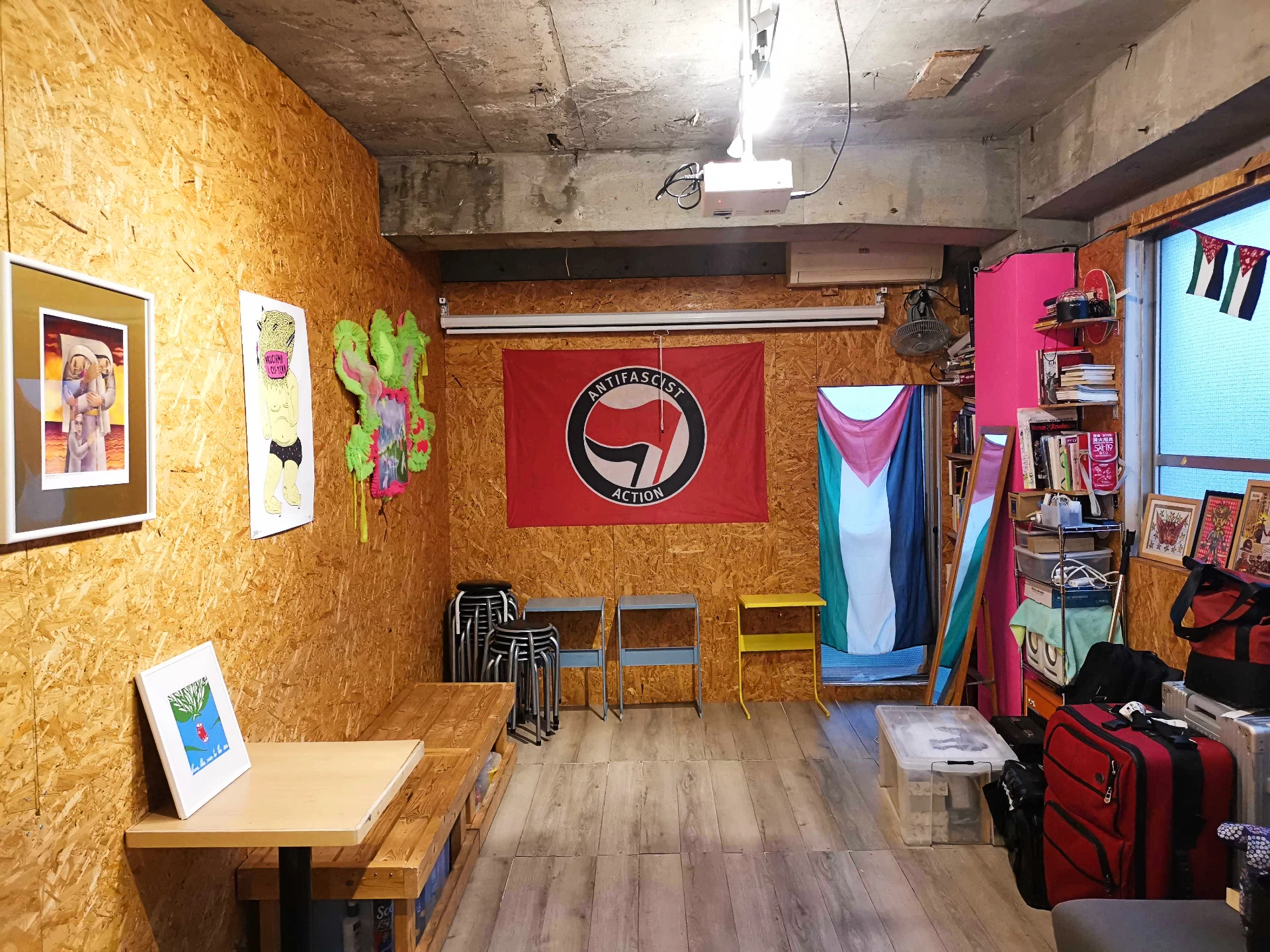
But the former punk scene epicentre’s hipness took a heavy hit last month with the closing of NamNam Space, an LGBTQ+ community hub known for hosting everything from art exhibitions and film screenings to bake sale pop-ups, open mics and more.
After NamNam announced the closure back in April – forced due to the end of a lease that wasn’t going to be renewed – the not-for-profit, volunteer-run organisation received an outpouring of support. Its fundraiser, launched to help raise money for a potential new location, has surpassed ¥1 million.
And in early October, good news came in: NamNam has secured a new space, about 20 minutes on foot from its previous locale and with easy access from Shin-Koenji and Higashi-Koenji stations. With an early December opening – and huge party – in the cards, we checked in with NamNam’s Nadina Osmani on the team’s plans for the new spot, the state of the neighbourhood and how you can help keep Koenji kicking.
NamNam’s previous 20m² space was on the snug side, with events often having to be kept at a smallish scale. That should be less of a concern at the new location, which extends across two rooms, totalling around around 50m². ‘We’re really excited to hold larger-scale events in the new space, including teach-ins, pop-ups and fundraisers,’ says Osmani.
What won’t change is NamNam’s focus on social justice and queer community building. ‘Our aim has always been about promoting queer culture outside of drinking and partying, empowering people to create their own futures and build a kinder world together,’ says Osmani.
That’s not to say there won’t be plenty of lighter fare on the side. ‘[The new space] will also be more able to handle musical performances, drag, immersive art and so on, so look forward to more razzle-dazzle too.’
NamNam’s update announcing the new space touched on a topic that gets plenty of Koenji locals fired up: gentrification. Residents have long been vocal about their opposition to redevelopment and homogenisation, but from the outside, their struggle can sometimes appear desperate.
Osmani, however, points out that NamNam couldn’t easily just pack up and leave for a different neighbourhood. ‘We have a lot of friends in Koenji and we all mutually support each other,’ she says. ‘The money we have is entirely from our community, so we treat it preciously and try to be extremely sensible with it. If our only way to continue to serve those people was to totally uproot, we were prepared to do it – but we were happy to find [a space] in Shin-Koenji.’
That’s not to say the challenge facing Koenji isn’t daunting. ‘It’s difficult not to feel powerless because the people who own the land and buildings, and the people who live here and run businesses, are increasingly disparate groups,’ says Osmani. ‘Until this summer, the building next to us contained several small businesses; now it’s a plot of land surrounded by a banner for Panasonic Homes.’
One way forward can be to look back – at past wins achieved by opponents of gentrification. Shimokitazawa, often dismissed as a lost cause, provides one example: ‘Many people don’t know that the free-use public spaces [in Shimokita] were won by the local anti-gentrification movement,’ says Osmani, citing a study that found that resistance there had contributed to opening up urban development conversations to a wider range of participants.
‘We hope not only to bring attention to [gentrification] through our work, but also to build a community resilient to these forces,’ says Osmani.
With a month or so to go until the reopening, the folks behind NamNam are keeping busy, posting progress updates on Instagram and their new mailing list. The fundraiser remains open, too, with all additional money going towards the new space.
In the meantime, here are five local spots where you might run into the crew:
Substore – ‘For the food and the tunes’
Uptown Records – ‘They’re basically our parents, you gotta go visit’
Nantoka Bar – ‘Specifically when Sophie is cooking her homemade regional Chinese food’
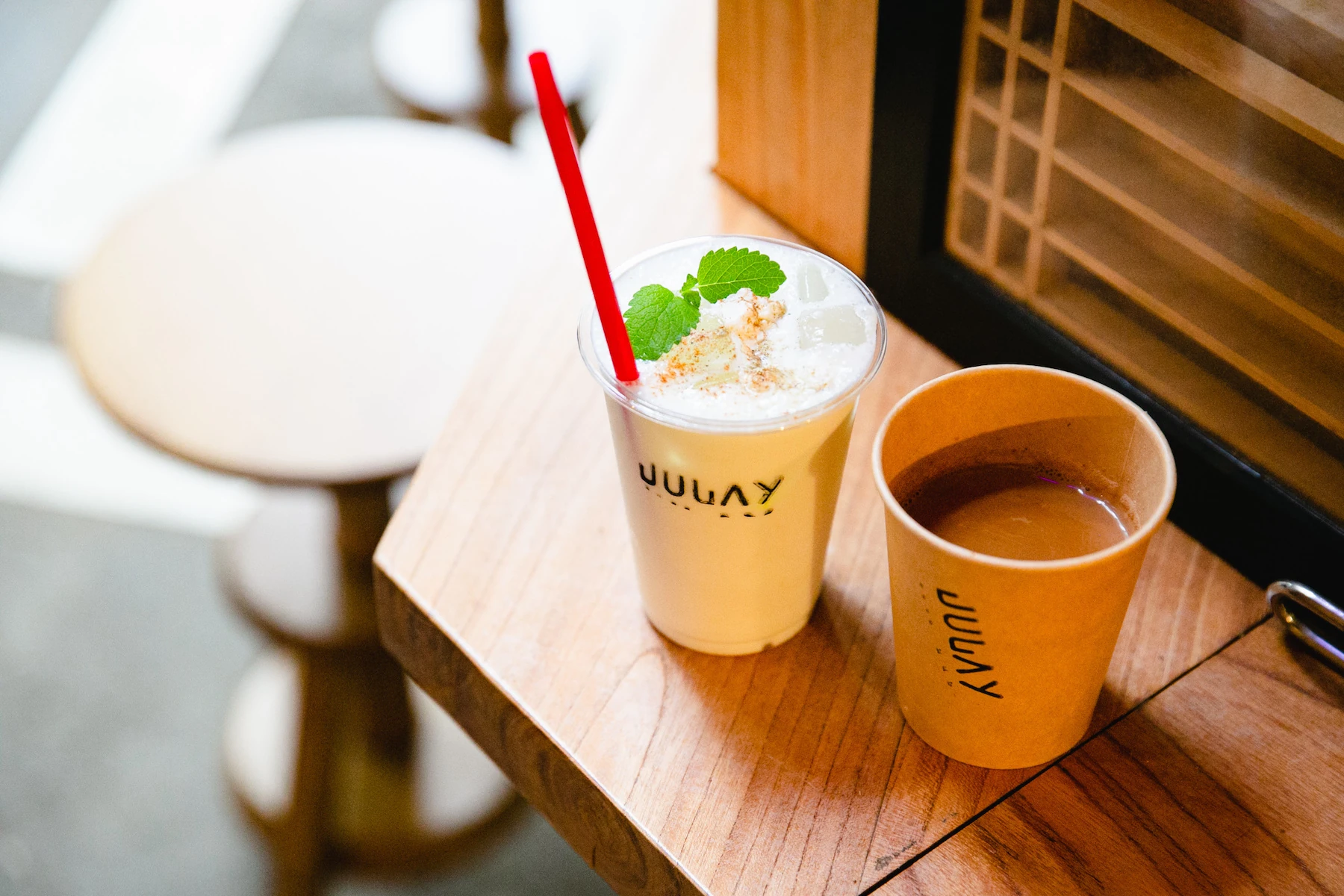
Julay Chai Stand – ‘For when you NEED a chai at 2am’
BolBol – ‘We order their Indian and Persian food for all of our team meetings’
More from Time Out Tokyo
Nia Archives on Tokyo nights and being an emotional junglist
Suica is going touchless with walk-through ticket gates at all Yamanote line stations
Hideo Kojima wants you to take the game home with you
DJI and Hasselblad just opened a joint flagship store in Omotesando
Want to be the first to know what’s cool in Tokyo? Sign up to our newsletter for the latest updates from Tokyo and Japan. Plus, check out our Time Out Japan coupons for exclusive discounts.
Discover Time Out original video