

[image]
[title]There’s a version of Thailand that exists purely on screen: a jagged limestone island hiding a villain, a beach so perfect it sends backpackers wild, a rooftop bar where four strangers wake up with no memory of the night before. None of it is fake, exactly. Somewhere along the way, though, the line between ‘shot here’ and ‘must go here’ blurred – and Thailand’s tourism board took notice.
This isn’t a list of films that happened to use Thailand as scenery. Plenty have, and most changed nothing. This is about the handful that did: the ones that turned a cinema seat into a boarding pass and a scene into a bucket-list photo, before the government eventually stopped watching from the sidelines and started engineering the effect. Call it set-jetting or film-induced tourism; either way, films have been shaping Thai travel itineraries since 1957.
1957: the film that renamed a river
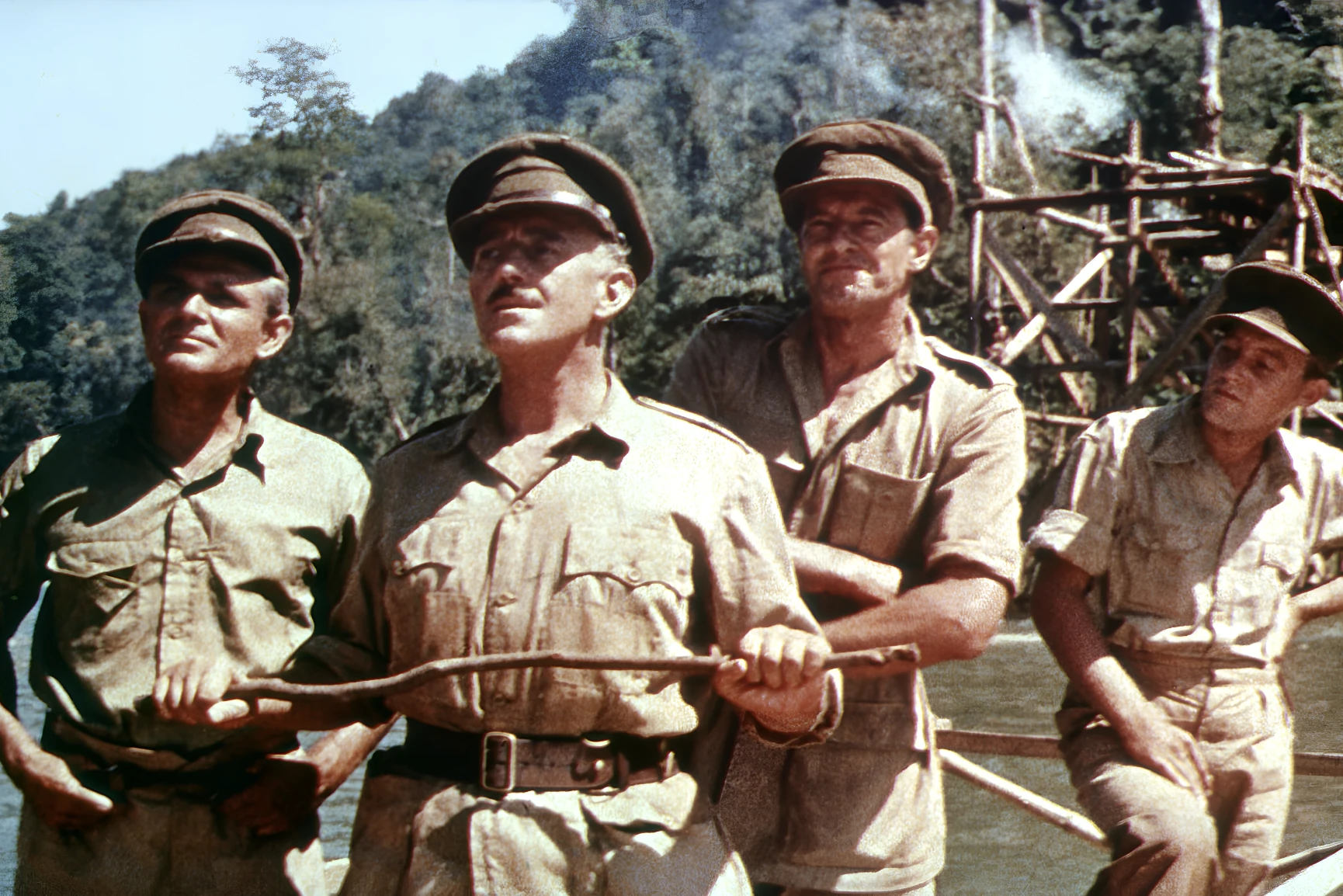
Start with the strangest case of all: it wasn’t even filmed in Thailand. The Bridge on the River Kwai (1957) was shot in Sri Lanka, won seven Oscars and told a heavily fictionalised story of the Death Railway – the brutal Second World War line built by Allied prisoners of war and Asian labourers under Japanese occupation, whose construction killed well over 100,000 people.
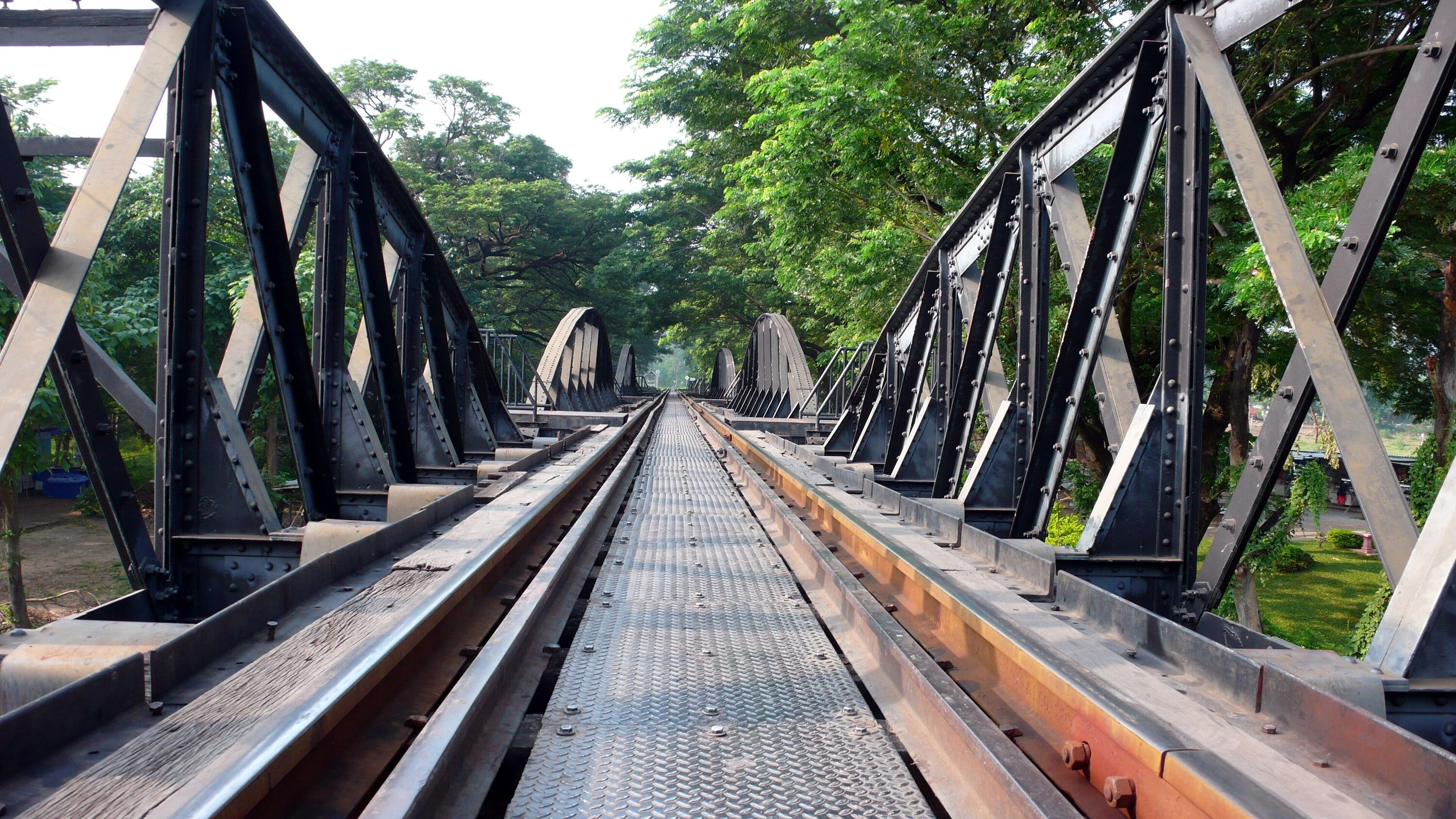
Then came the real plot twist. The bridge is in Kanchanaburi, but the river was never called the Kwai: it was the Mae Klong, running through the Khwae valley. Tourists arrived anyway, repeatedly asking for ‘the real Bridge on the River Kwai’, until Thai authorities renamed the relevant stretch Khwae Yai in the 1960s to match the film’s fiction.
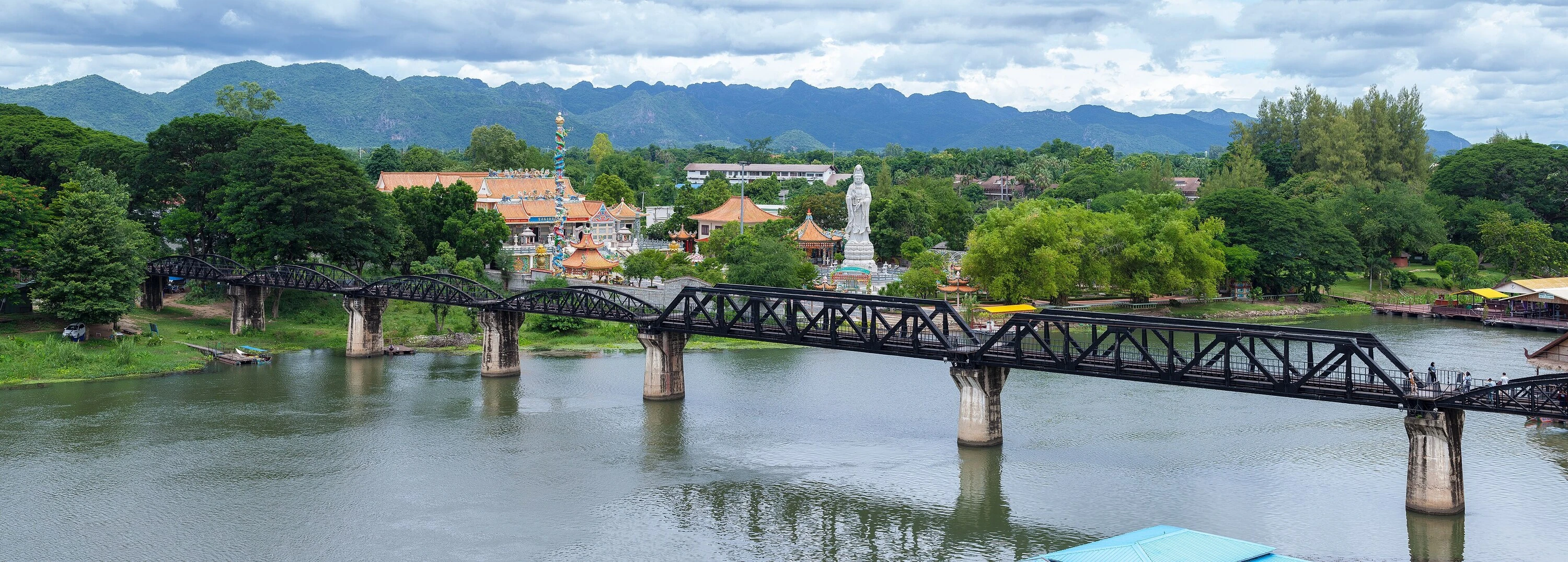
This was no marketing campaign or tour operator’s branding trick, but an act of state cartography triggered by tourists who had seen a film and wouldn’t stop asking. The whole set-jetting story is there in one renamed river.
The bridge still stands, trains cross it daily and the whistled Colonel Bogey March still plays in visitors’ heads before they have even boarded.
1974: a villain’s lair lands on the tour map
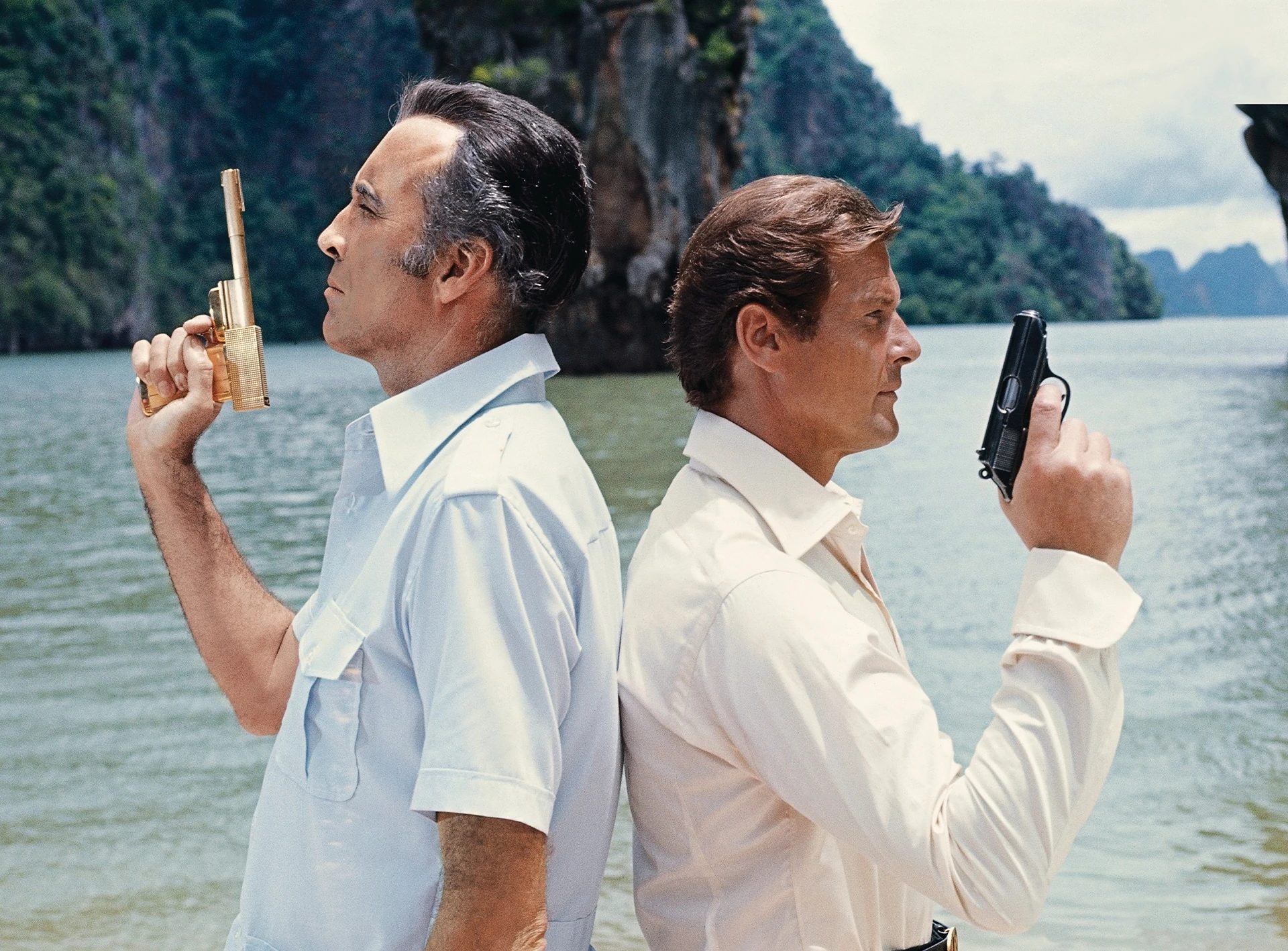
Producer Cubby Broccoli spotted an odd little island in a magazine and decided Bond needed to duel there.
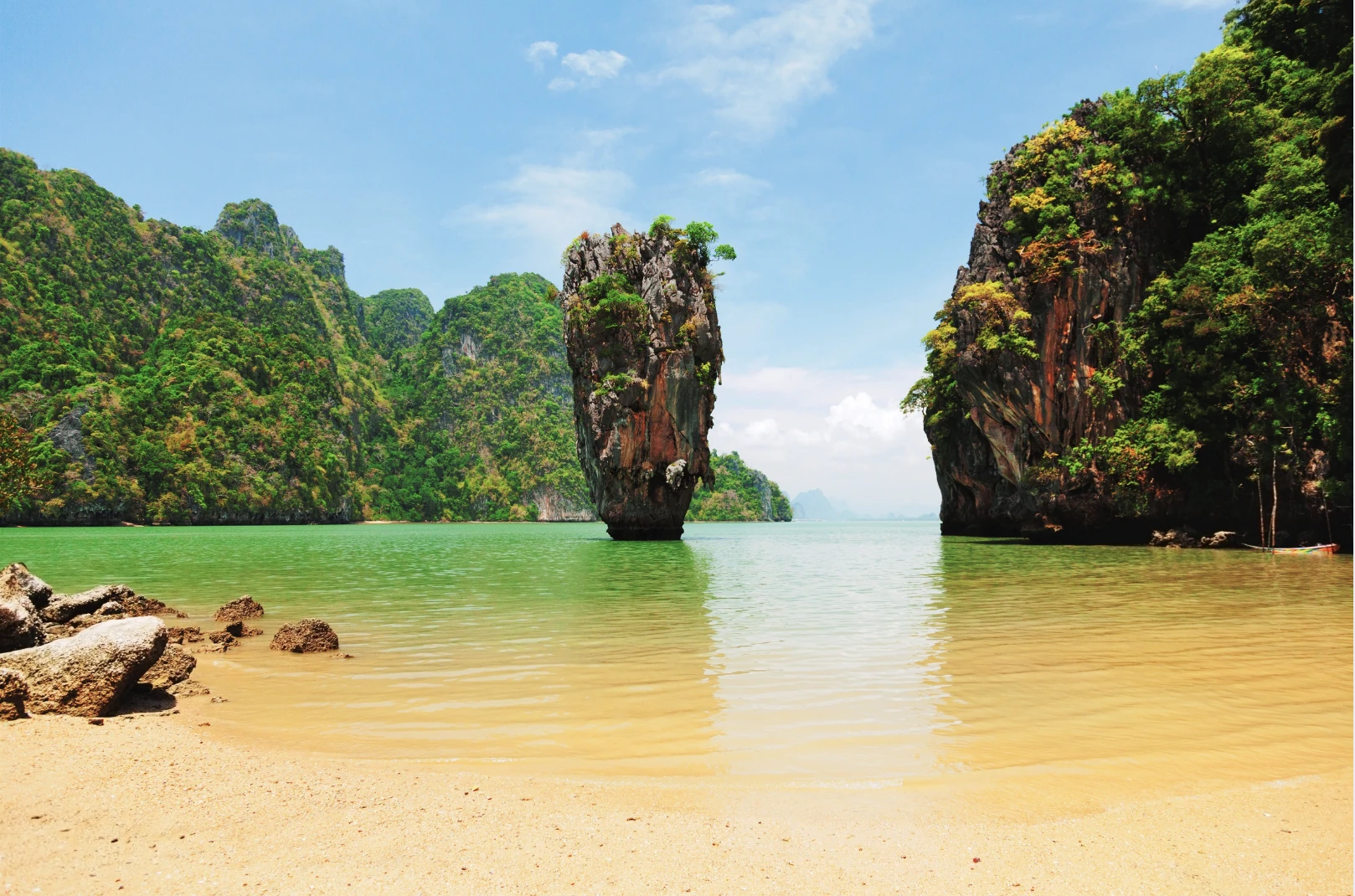
Khao Phing Kan – twin limestone islands with the 20-metre rock spike Ko Tapu jutting up beside them – had barely seen a tourist before The Man with the Golden Gun (1974) made it Scaramanga’s lair. Locals called it Ko Phing Kan. Everyone else began calling it James Bond Island, and the new name all but eclipsed the old one.
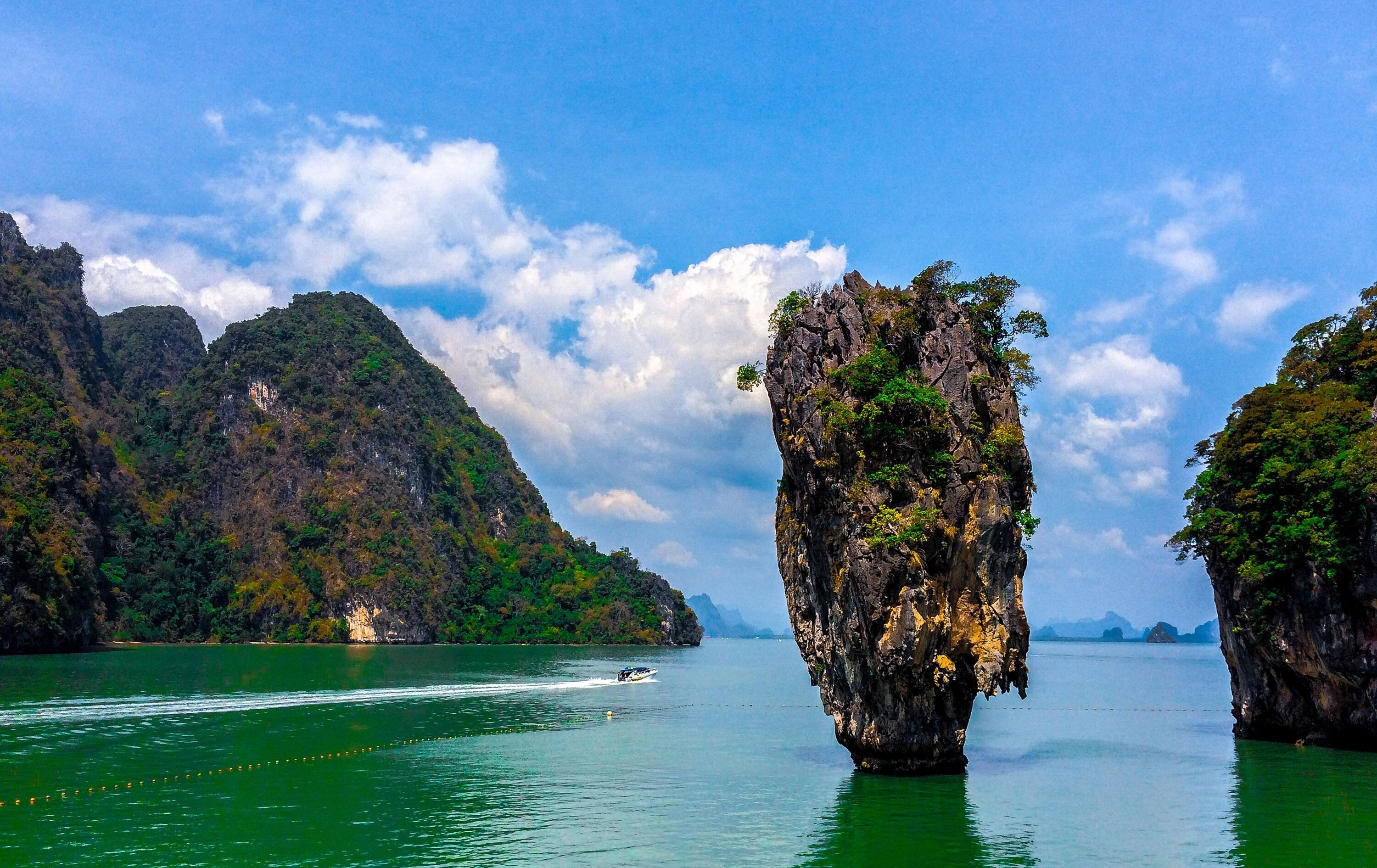
The scale today says it all. Phang Nga Bay, the wider stretch of water surrounding the island, now draws more than 4.1 million visitors a year. Speedboat and long-tail operators run three or four departures daily from Phuket alone, many built around a 40-minute stop at a rock made famous by a film of more than 50 years ago.
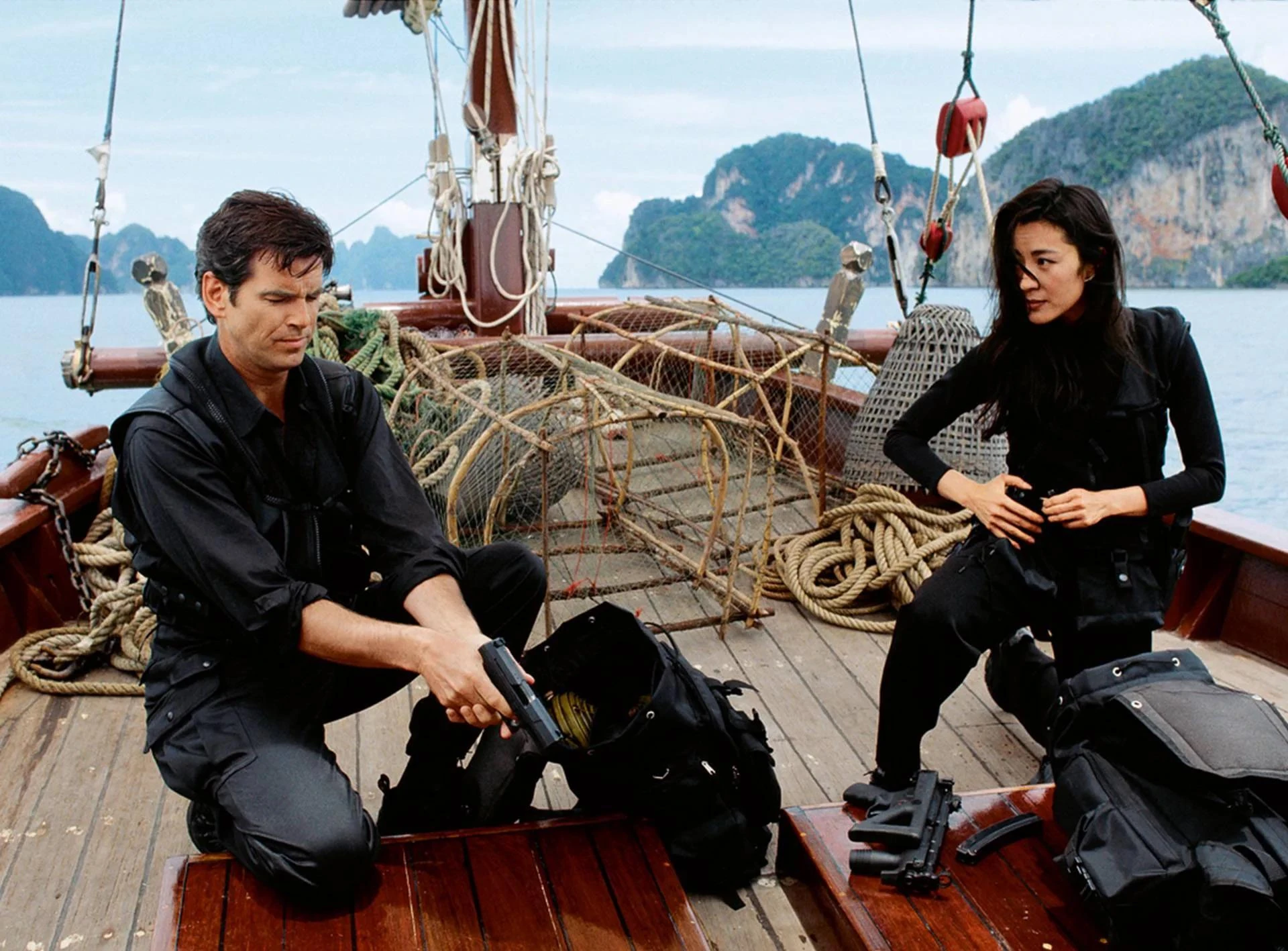
Pierce Brosnan’s Bond returned to Phang Nga Bay in Tomorrow Never Dies (1997), reinforcing the franchise’s claim on the location. Tourists standing on that beach today are there because of a producer’s magazine clipping: the geology hasn’t changed a bit.
2000: the beach loved into a closure

The Beach (2000) is the one everyone half-remembers: DiCaprio, Danny Boyle and a hidden lagoon at Maya Bay on Ko Phi Phi Leh that looked too perfect to be real. Less remembered are the brutally clear before-and-after figures.
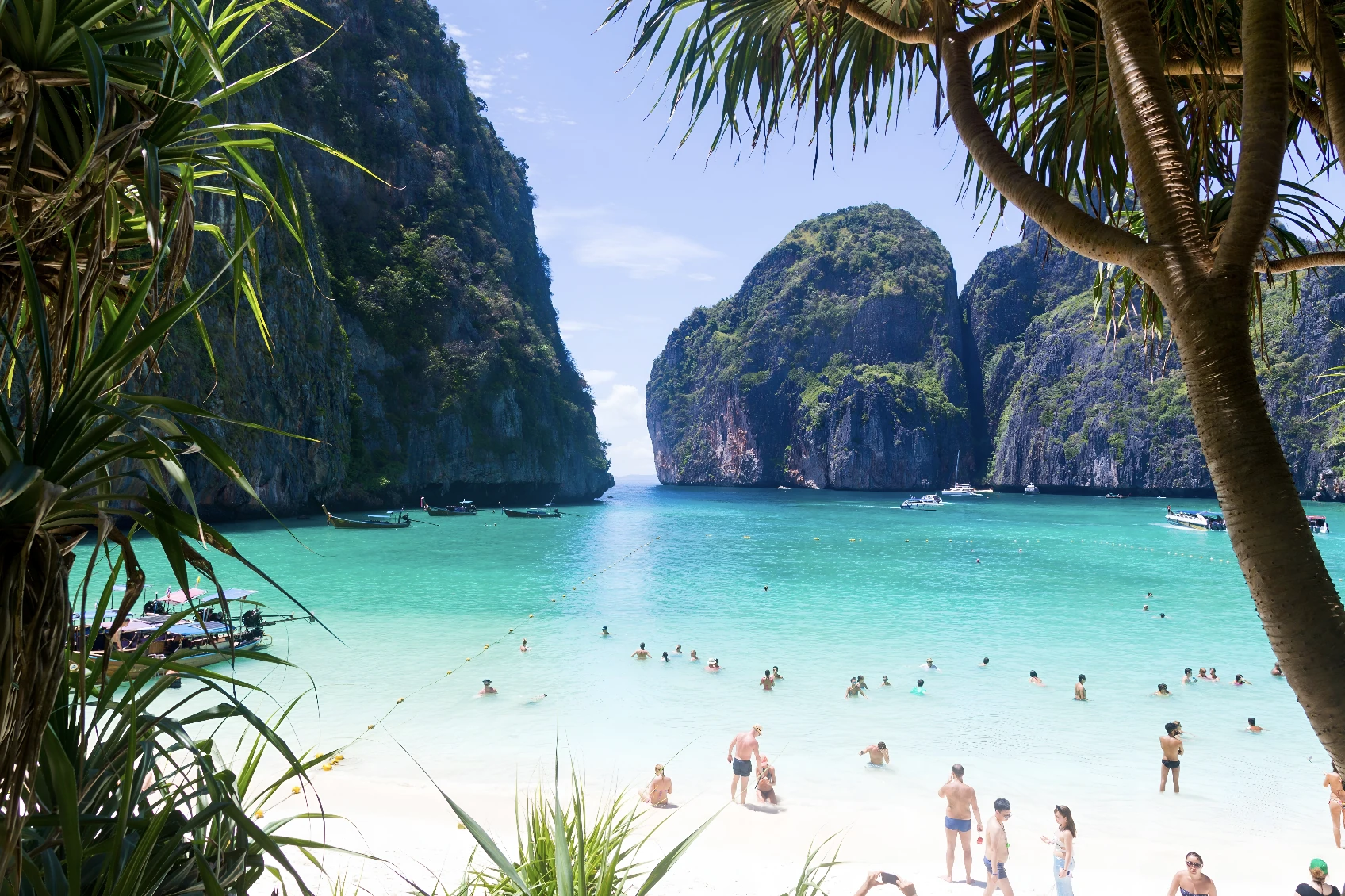
Before the film, Maya Bay received fewer than 1,000 visitors a day. By 2018, estimates put the figure at 5,000 to 8,000, arriving on flotillas of speedboats from Phuket and Phi Phi Don. One travel writer called it ‘the Instagram boom’: tourists came to stand where DiCaprio had stood and post the same view.
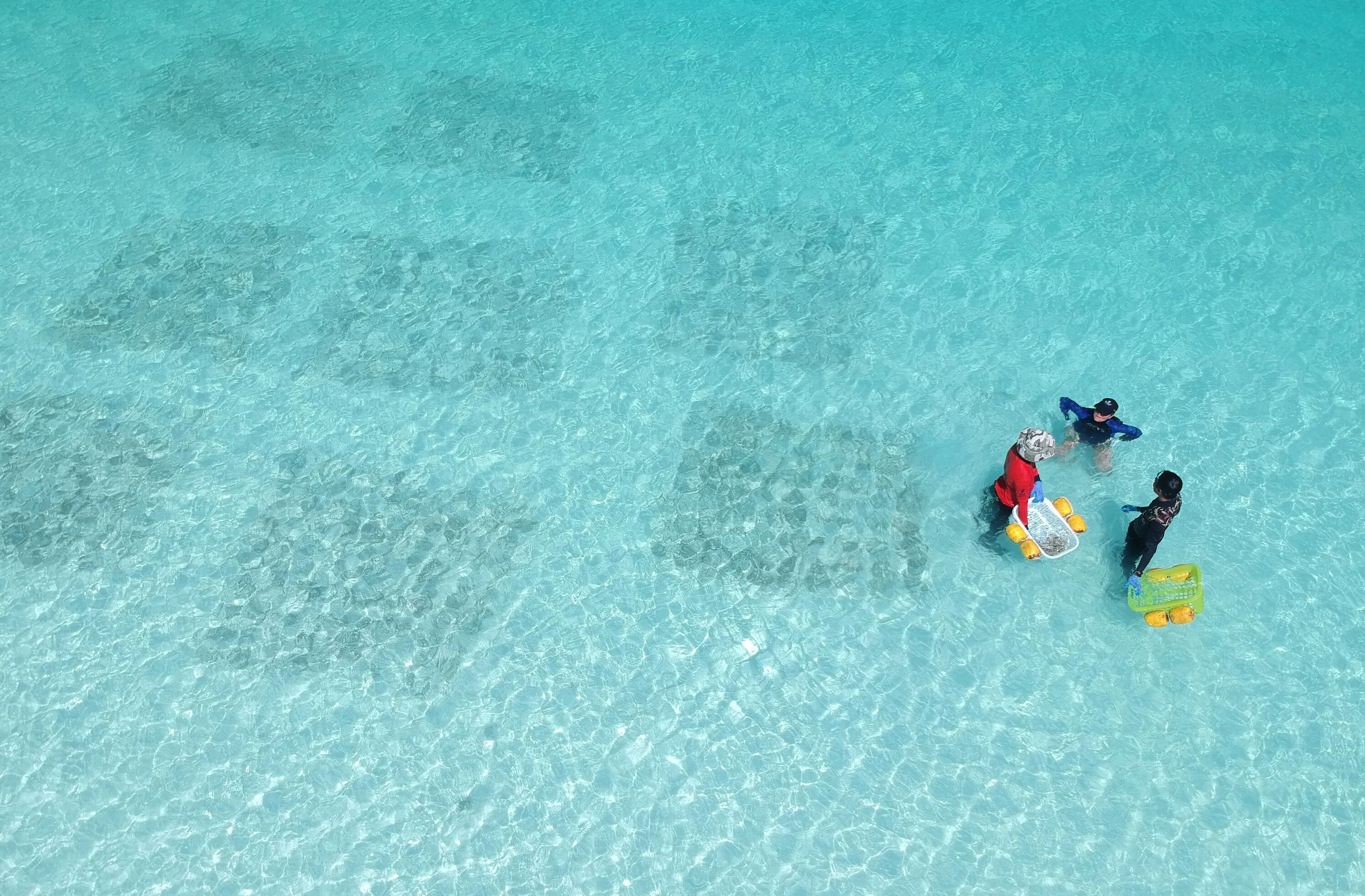
The damage went far beyond visitor numbers. Coral cover fell from around 70-80% intact to just 8% alive by the time the bay closed. The Thai government shut it completely in June 2018, initially for four months and then indefinitely; it remained closed for more than three years. In a twist possible only because of a film, Thailand’s Supreme Court later upheld a settlement requiring 20th Century Studios – the production company behind The Beach – to contribute 10 million baht to the bay’s rehabilitation. When Maya Bay reopened in 2022, boats were banned from anchoring in the bay, swimming was prohibited and daily visitor numbers were capped at 4,125 a day, admitted in timed one-hour slots. A film sold a beach so effectively that saving it meant legally limiting how many people could buy a ticket.
2011: the rooftop pose that won’t quit
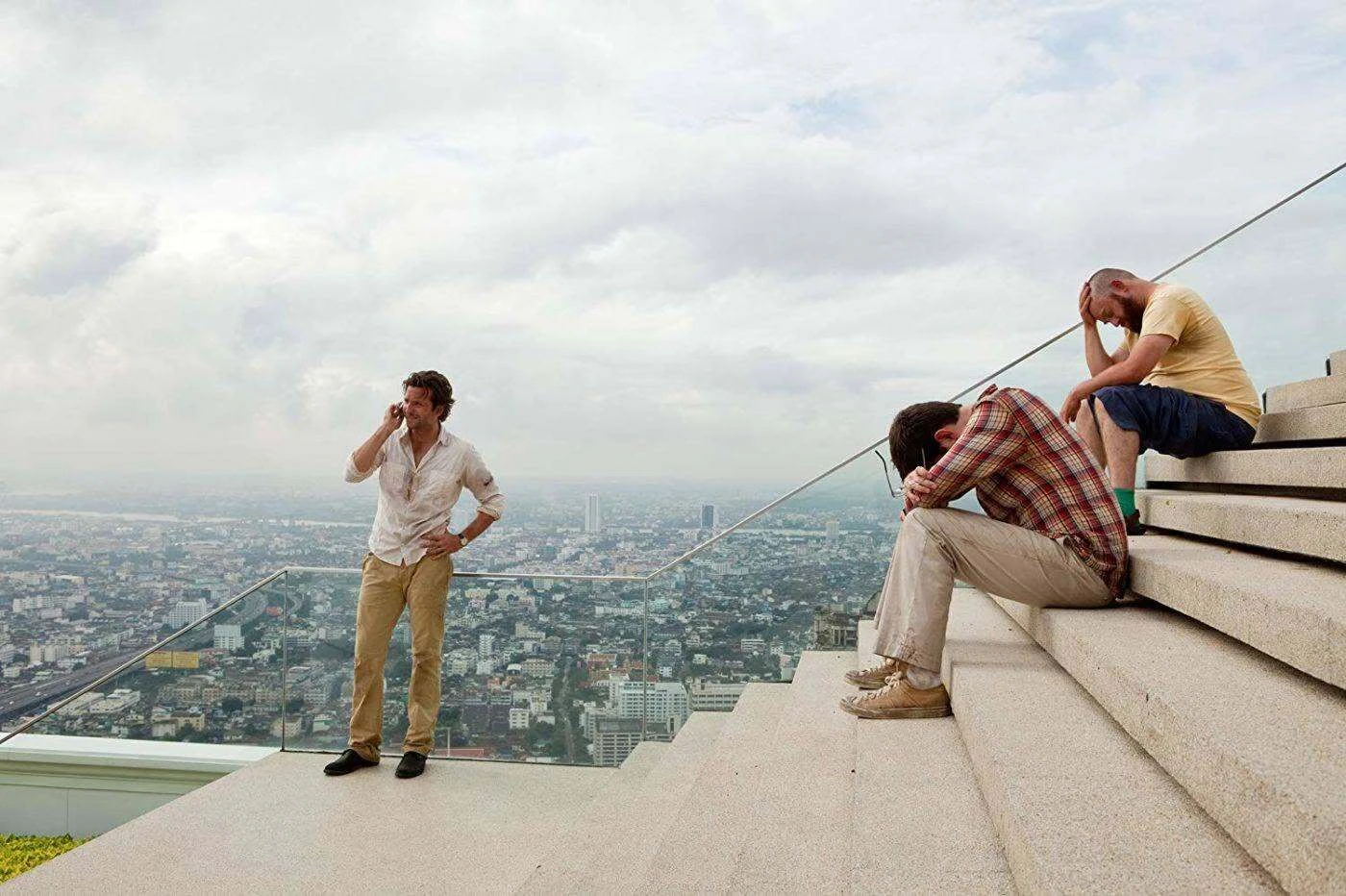
The Hangover Part II (2011) turned Bangkok’s chaos into the joke – and travellers into willing participants in recreating it, quite literally.
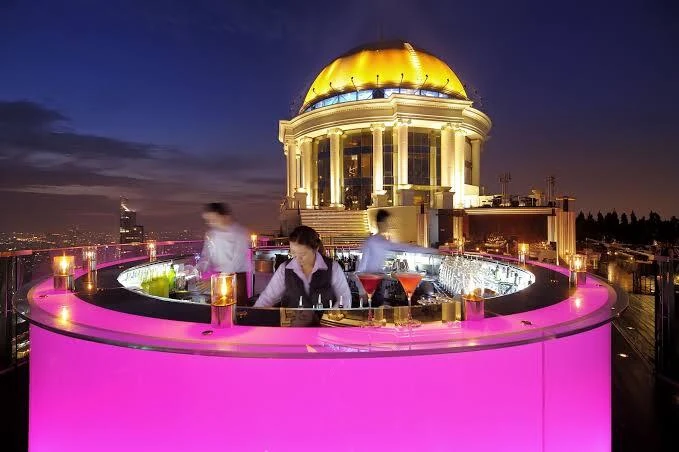
Sky Bar at lebua, glimpsed in a helicopter shot in the film, still serves the Hangovertini: green tea liqueur, apple juice, Martini Rosso and rosemary honey, mixed specially for the cast. More than a decade later, it remains the most-ordered drink on the menu.
The real evidence is on TikTok. Search ‘Hangover staircase Bangkok’ and you’ll find a genre of its own: travellers descending Sirocco’s sweeping staircase in the film’s exact pose. Captions include ‘worth the flight just for this shot,’ ‘POV: you couldn't visit Lebua without doing the Hangover pose’, while one #hangoverchallenge group declared, ‘I'm pretty sure we won this trend.’
2012: the film that put a university on guard
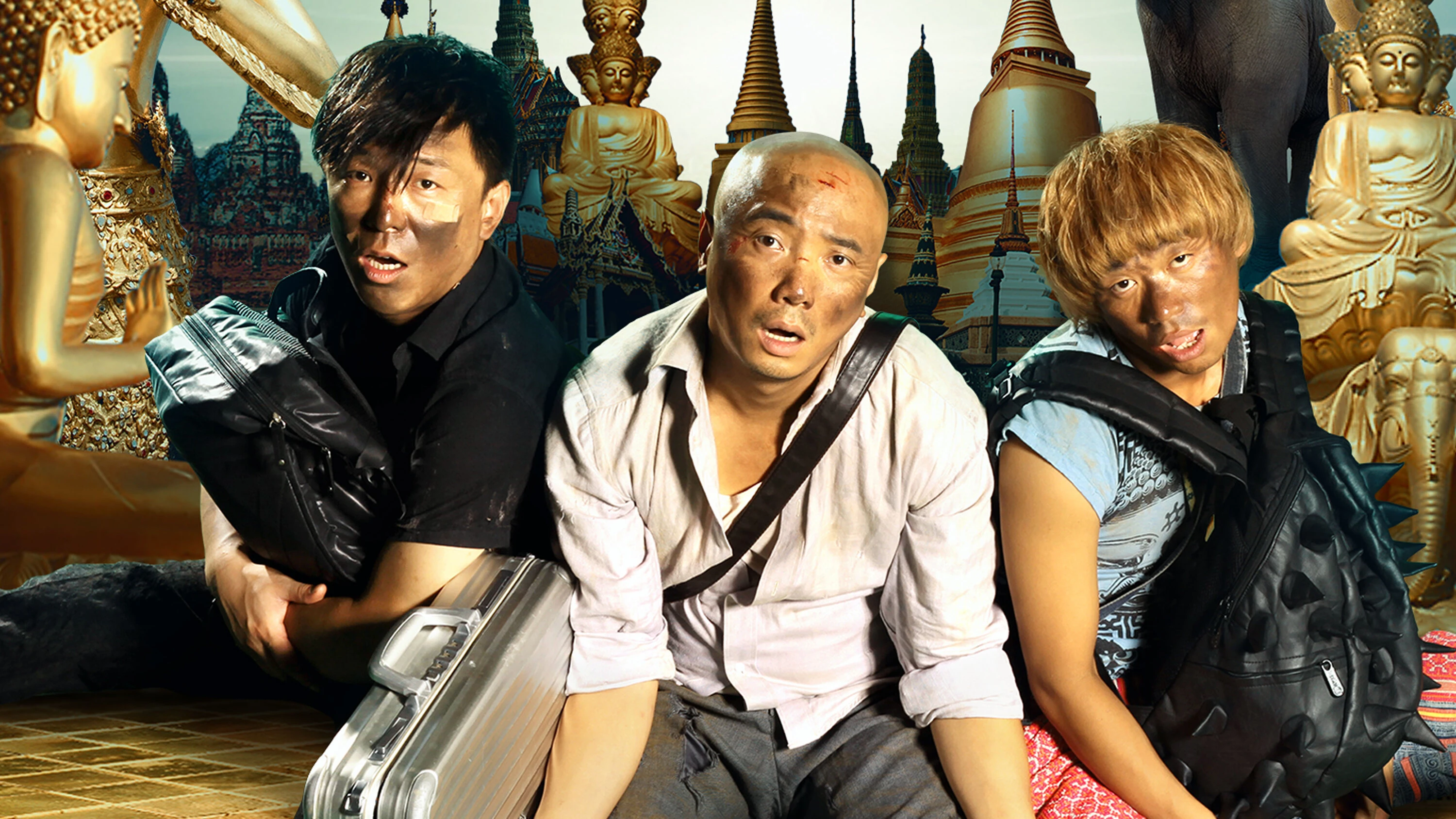
For the most measurable case in this story, look to Lost in Thailand (2012).The scrappy US$5 million Chinese road comedy went largely unnoticed in the West but became, on release, the highest-grossing domestic film in Chinese cinema history, earning more than US$200 million. It was shot almost entirely around Chiang Mai.
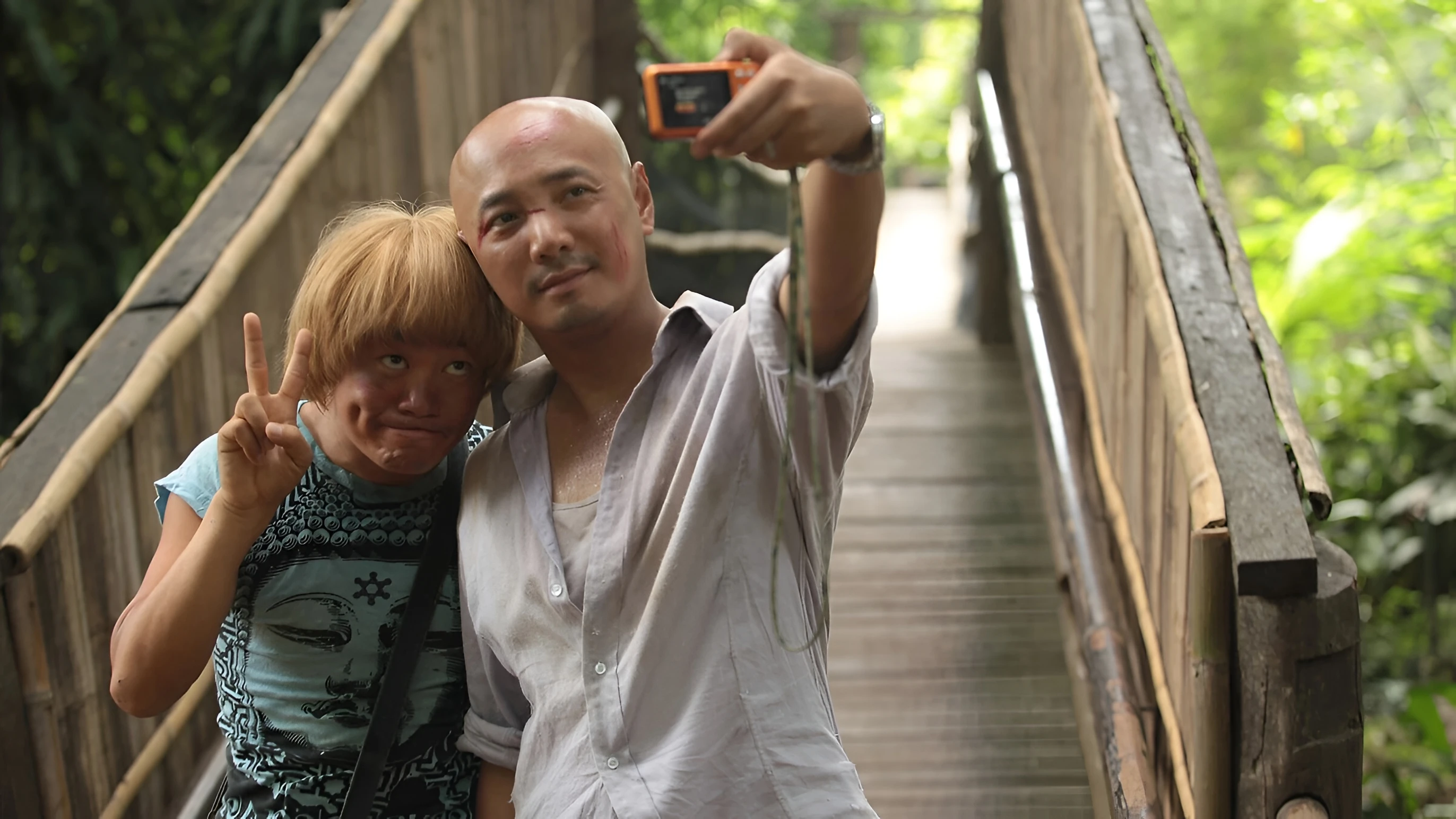
The numbers moved fast: Chiang Mai’s airport recorded a 28% jump in passenger traffic within months of release, while the city’s Chinese visitor count rose from around 70,000 in 2011 to roughly 80,000 in 2012, before the real surge. Chiang Mai tourism officials later described visitor numbers as trebling, while Chinese arrivals across Thailand roughly doubled year on year to an estimated 4.6 million by 2013.
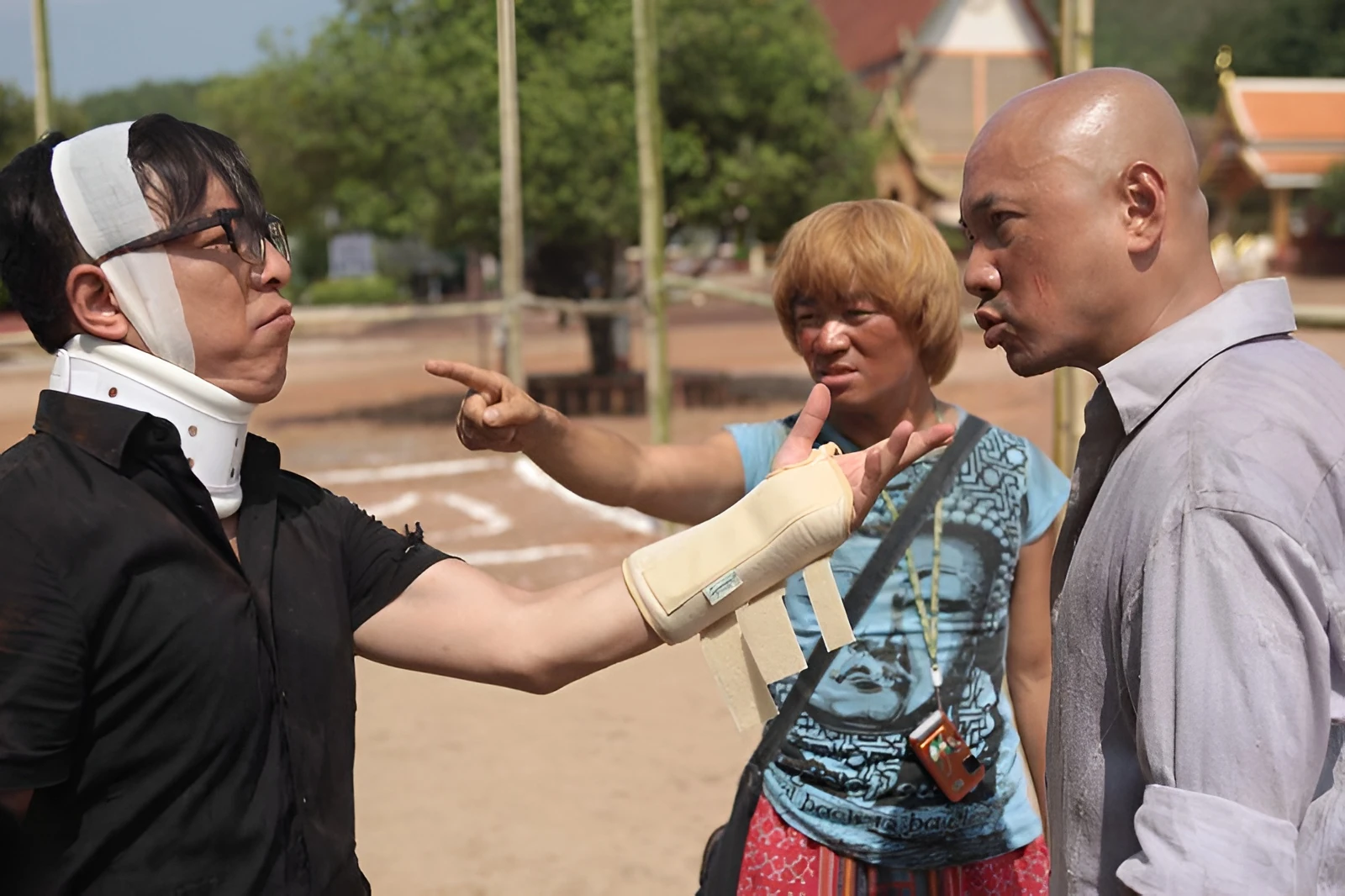
The behavioural evidence is even better. Chiang Mai University – a working campus, not a tourist attraction – became such a magnet for fans re-enacting scenes that visitors sneaked into lectures, pitched a tent beside the university lake and swamped the cafeteria. Eventually, the university began charging admission and installed extra security to manage the crowds. Standard Tour, a local operator, told reporters the film ‘really promoted Thailand as a fantastic holiday destination’, while academics have since made it a textbook case of one comedy reshaping a country’s outbound travel patterns. No film here has a cleaner data trail – or a stranger consequence than a university forced to check IDs at its own gates.
2018: when a soap opera revived court dress
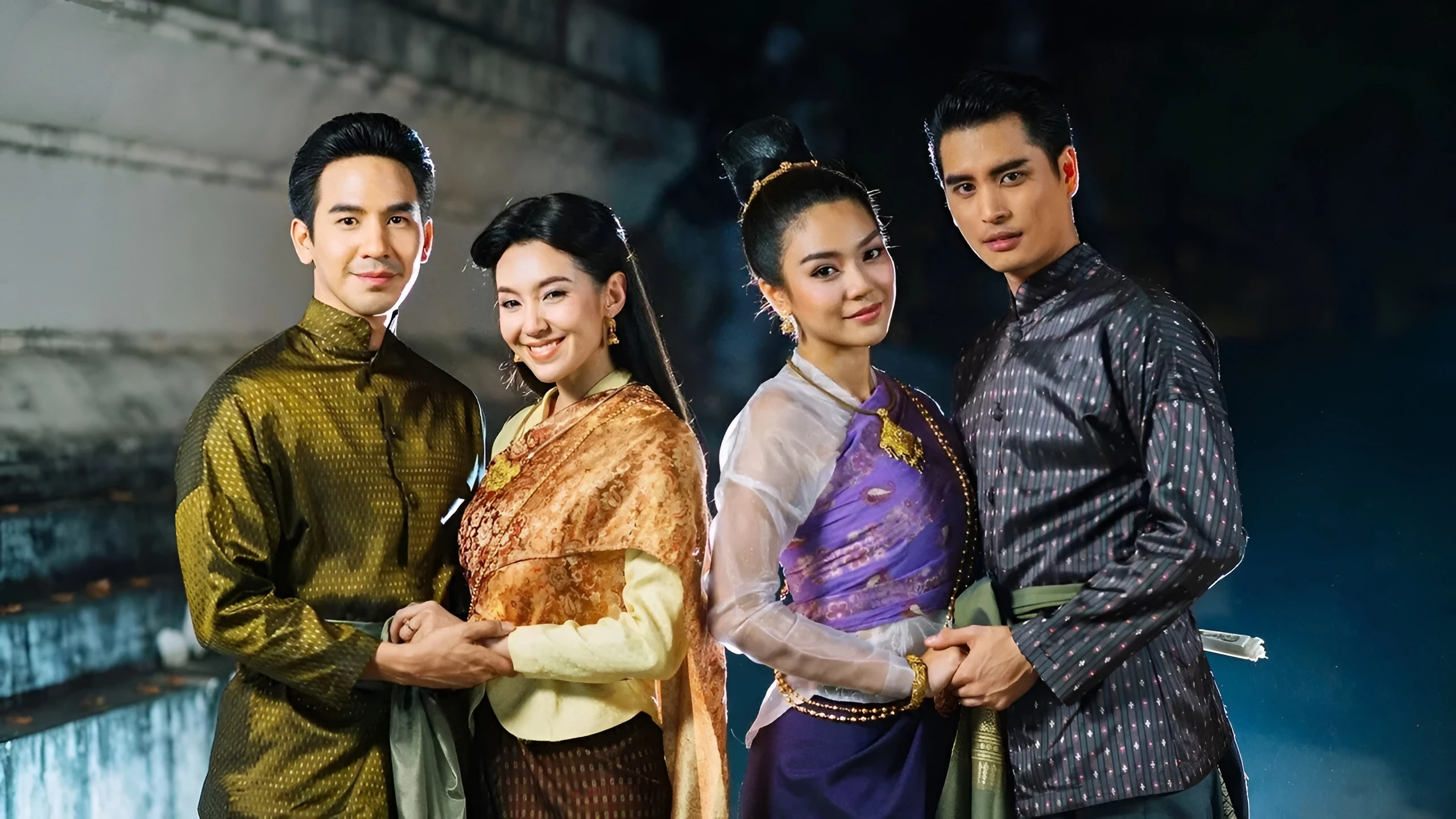
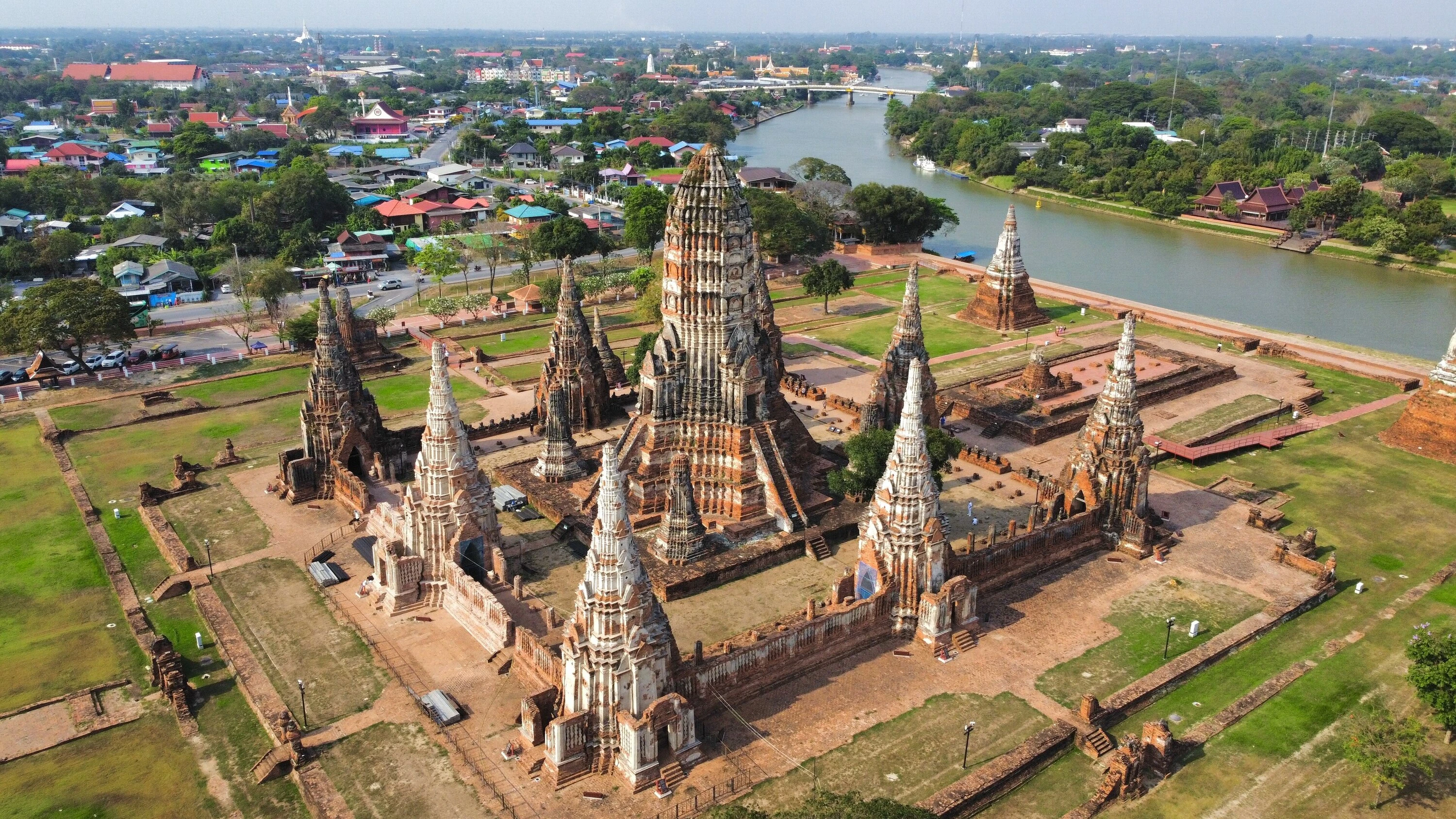
Thai TV doesn’t need Hollywood’s help to move people. Bupphesanniwat, released internationally as Love Destiny (2018), is a time-travel romance set in 17th-century Ayutthaya. Within weeks of its debut, local tourism officials were reporting precise results at Wat Chaiwatthanaram: an average weekend footfall jumped from around 3,300 visitors to more than 9,000, with 5,773 people through the gates on one Sunday alone. The Ayutthaya governor coined a nickname for the chaos – ‘Bupphealawart’ – blending the show’s name with the Thai word for pandemonium.
What visitors did on arrival is the fun part. They rented full 17th-century court dress from roadside shops that sprang up opposite the temple, then posed among the ruins like the show’s characters. The trend spread beyond Ayutthaya: government officials wore traditional Thai dress to work, while people arrived at government offices in full costume to have their national ID photos taken. Hotels joined in too. Hotel Indigo Bangkok now runs a ‘Borrowed by Hotel Indigo’ programme, lending guests Thai outfits for Ayutthaya day trips. It’s the clearest example here of a screen hit not merely selling a place, but reviving a style of national dress dormant for a generation.
2025: the show Thailand planned for
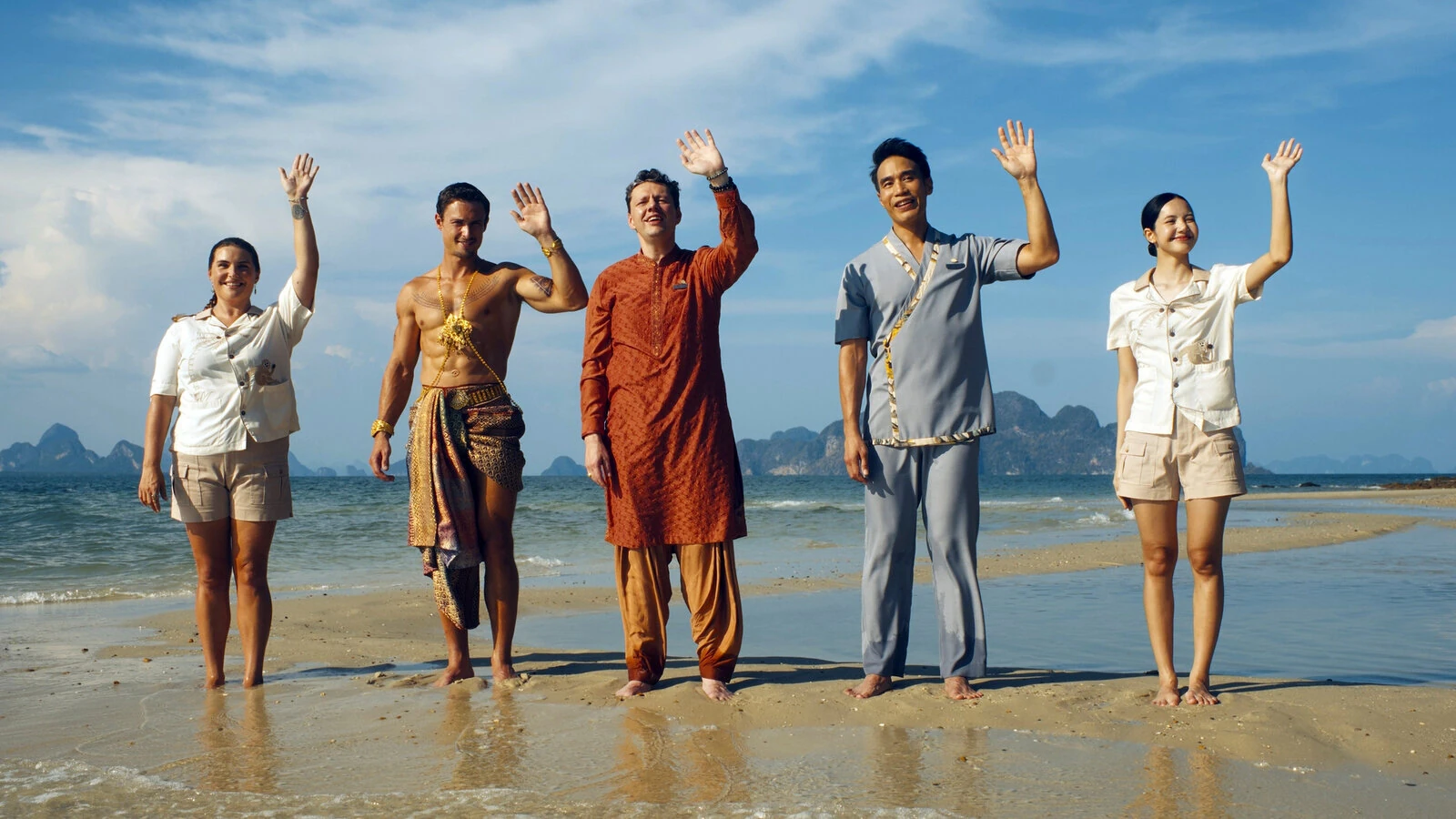
Then The White Lotus (2025) landed in Koh Samui. For the first time in this story, Thailand wasn’t reacting to a surprise; it was executing a plan. TAT had already launched a dedicated ‘SetJetters’ website, having watched Hawaii and Sicily absorb the same effect of the show’s first two seasons. Maui alone saw Four Seasons booking enquiries jump 400% after season one aired.
Four Seasons Koh Samui searches spiked 65%, and the brand's Thailand bookings rose 68% year on year. Book a stay at the actual resort – the hillside sanctuary and PlaPla restaurant are the same ones the show shot in.
The pivot: Thailand stopped waiting to get lucky
That readiness marks the real shift. TAT now runs a formal ‘Location Thailand’ strategy centred on set-jetting, offering cash rebates to international productions, fast-tracking filming permits and flying in press and influencers to follow the exact routes seen on screen.
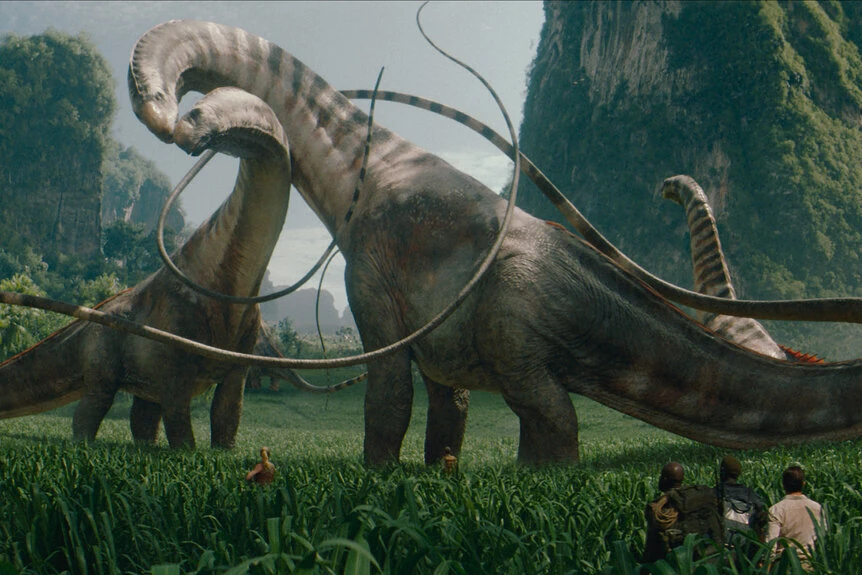
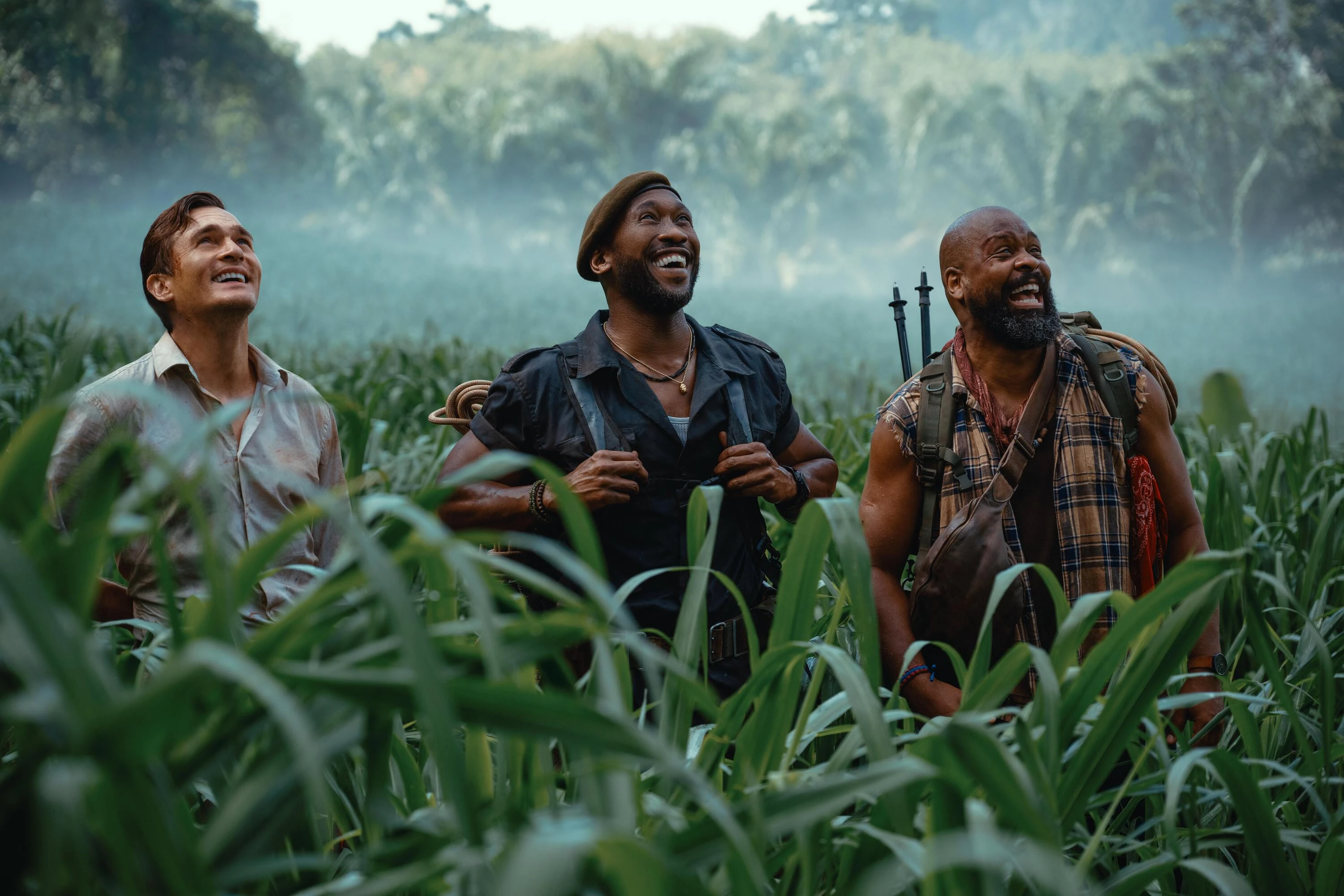
When Jurassic World: Rebirth (2025) filmed across Krabi, Phang Nga and Trang, TAT didn’t wait to see whether tourists would follow. Before the film even opened, it flew in the director and cast for a media tour, treating the production itself as a marketing campaign. Foreign shoots generated more than 6 billion baht in Thailand in 2025, and the country is now pushing for Krabi to join UNESCO’s Creative Cities Network as an official ‘City of Film’.
The real filming spots are all open to visit – Khao Phanom Bencha National Park, Huai To Waterfall and Railay Beach in Krabi, plus Koh Kradan in Trang.
The tall grass field near Man Khao Farm in Krabi didn't exist naturally – director Gareth Edwards had the whole seven-acre field specially grown in Thab Prik because Thailand doesn't really grow grass that tall. Visit the real filming spots at Khao Phanom Bencha National Park, Huai To Waterfall and Railay Beach, or Koh Kradan in Trang.
The pattern repeats even where nobody has measured it properly. Bollywood has fuelled its own version since Kaho Naa… Pyaar Hai (2000) used Krabi’s islands as a honeymoon backdrop. By the director’s own account, the crew had to bunk with villagers because Krabi had just one hotel with eight rooms at the time.
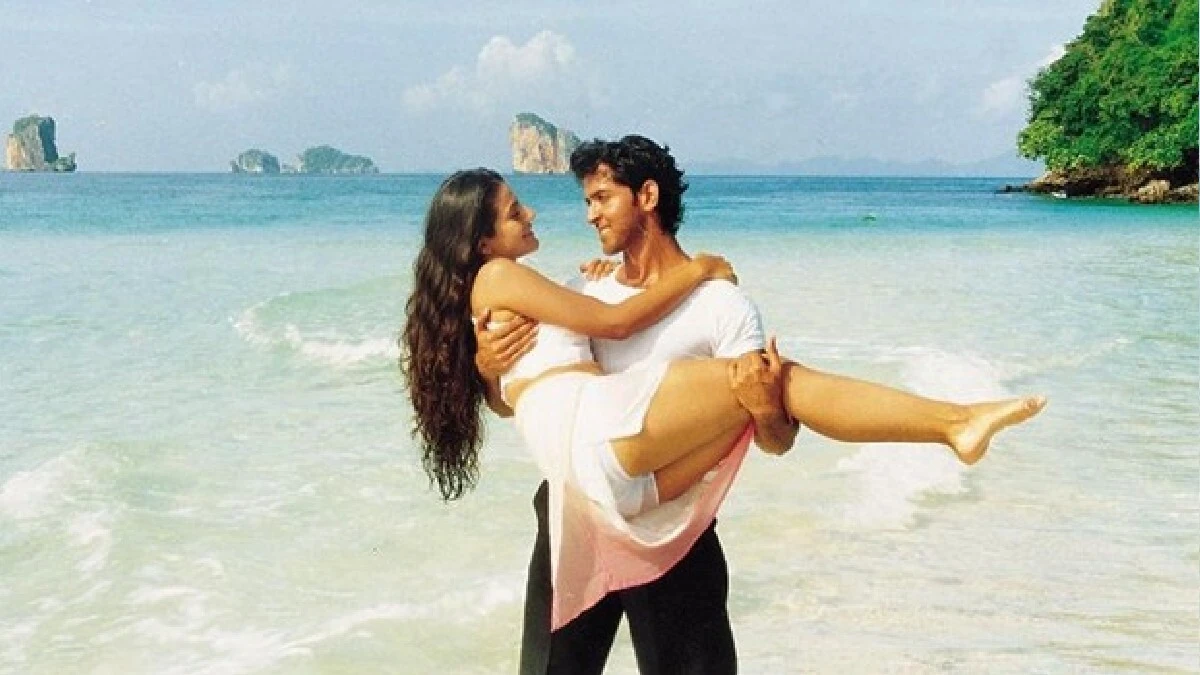
A quarter of a century later, Indian couples still visit the same stretch of coast, posting captions such as ‘at the place where Kaho Naa… Pyaar Hai came alive’. There’s no tourism board data behind it – just people who saw a song sequence 25 years ago and never stopped wanting to stand in it.
That’s the arc of this story: from a river renamed to keep pace with a film’s fiction to a tourism board treating a Hollywood shooting schedule as a strategic asset. Thailand went from being wherever the story happened to land to actively writing itself into the next one. At some point, somebody realised the fastest way to sell a plane ticket isn’t a brochure; it’s a scene people can’t stop thinking about.