[category]
[title]
The David Geffen Galleries are finally ready for visitors. Here’s everything you need to know, including the opening date, ticket info and more.


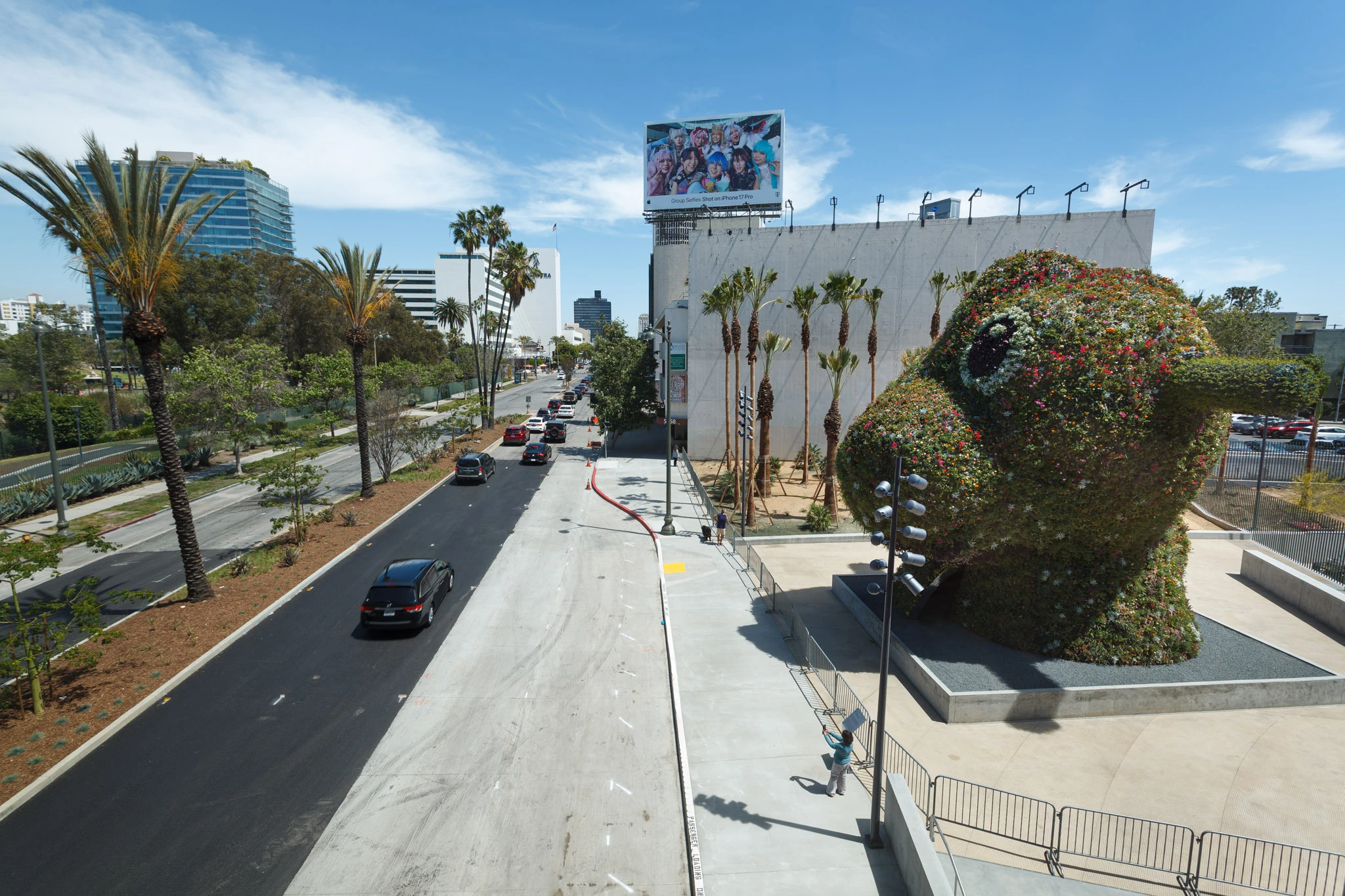
After nearly two decades of planning, five years of construction and $724 million, LACMA’s David Geffen Galleries are finally ready to welcome visitors. Chances are you’ve already seen pictures of the concrete, amoeba-like design by Swiss architect Peter Zumthor—you may have even driven beneath it on Wilshire Boulevard. But now the 110,000-square-foot set of galleries—all housed in one building on a single floor—steps into the spotlight, reinventing LACMA in the process.
I got the chance to visit the David Geffen Galleries during a press preview on Thursday, and walking through the space was incredible, unlike any other museum experience in Los Angeles. But when can the public check out the new building? Here’s everything you need to know.
The David Geffen Galleries open to LACMA members on Sunday, April 19, with a ribbon-cutting ceremony. The members-only preview period continues through May 3. On May 4, the new building will finally be open for the general public to experience.
One of the best things about the David Geffen Galleries is that they’re now home to LACMA’s permanent collection (versus special exhibitions). That means entry to the galleries will be included in general admission tickets, and you won’t have to purchase separate tickets to see the space or artwork on display.
Tickets to LACMA normally cost $25 for L.A. County residents and $30 for those outside L.A. But since the David Geffen Galleries are included in general admission, that means that LACMA’s free weekday afternoon hours for L.A. residents will apply to the new building as well. On Mondays, Tuesdays and Thursdays (the museum is closed Wednesdays), Angelenos with a valid ID can visit for free from 3pm to 6pm, and on Fridays, those hours extend from 3pm to 8pm. You can try your luck at scoring walk-up tickets, but we’d recommend booking ahead of time here (you’ll need to create a LACMA account), as demand is sure to skyrocket once the galleries officially open their doors.
If you’re not a local resident—and even if you are—you should check out the Block Party on June 20, which will be a daylong celebration of the galleries, with free admission for all from 10am to 7pm, guided gallery tours, art activities for kids, live music and DJ sets, culminating in an art parade along Museum Row.
As always, the museum will be free to all on the second Tuesday of each month. And on the ground floor, a selection of sculptures will always be free to visit without even stepping foot inside LACMA (similar to longtime favorite Urban Light). This means you can see works by Rodin, Jeff Koons’s plant-covered Split-Rocker and Tony Smith's massive Smoke for free any day of the week.
There are some 2,500 works of art from LACMA’s collection installed throughout the massive space—you can literally get lost in there. The collection is made up of beloved LACMA mainstays and a number of new commissions. But beyond the breadth of the art, the galleries are making headlines for the unconventional way the artwork has been organized; rather than by historic period, the pieces are arranged by geography—the Pacific, Indian and Atlantic Oceans, as well as the Mediterranean Sea—to demonstrate the way ideas travel across time and borders.
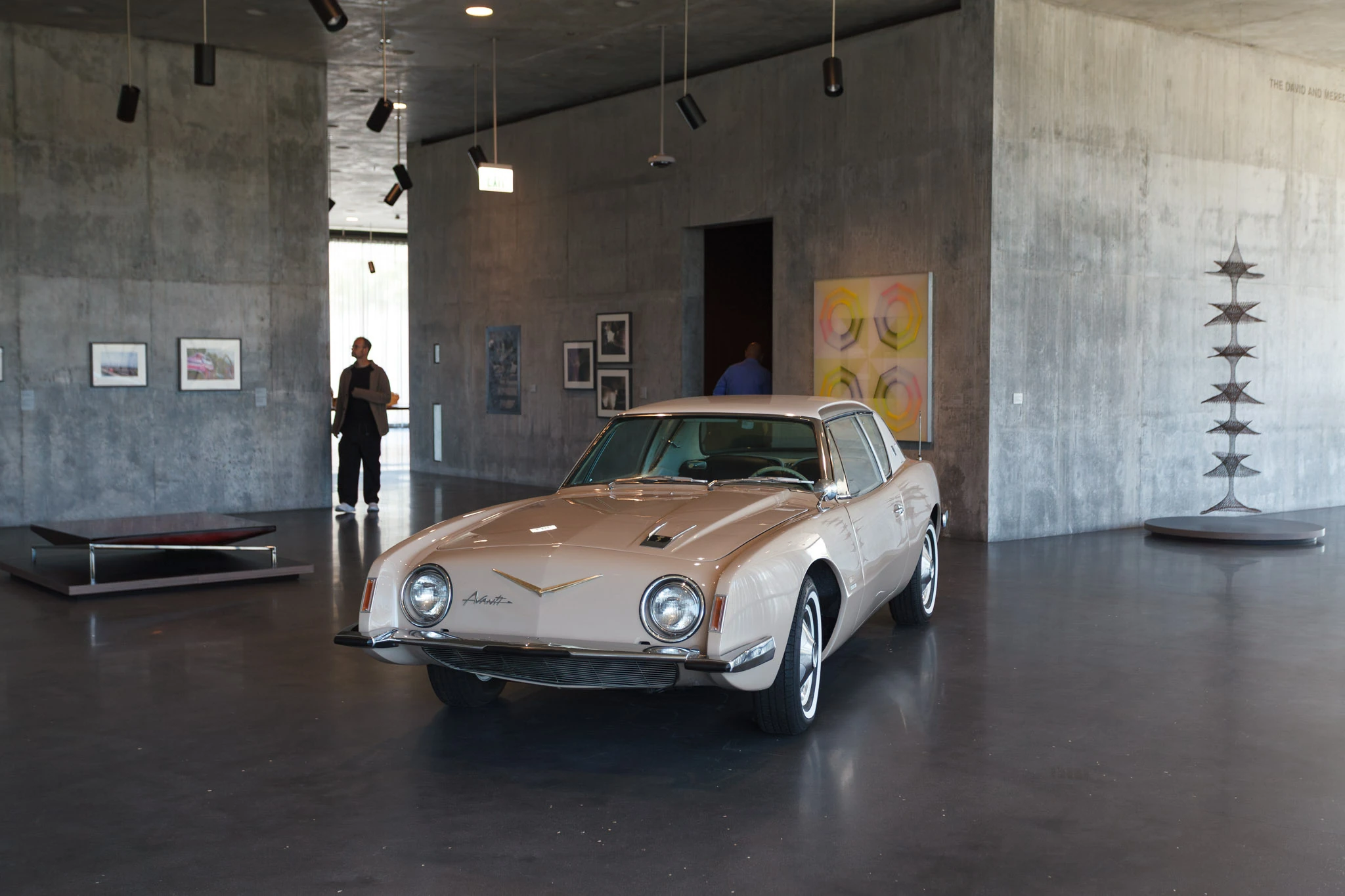
It’s a refreshing, non-hierarchical approach: A room devoted to Car Culture, with a vintage Studebaker and aerial shots of Los Angeles parking lots by Ed Ruscha, soon gives way to an exploration of Blue-and-White Porcelain of East Asia. There’s no single main entrance, and you’re encouraged to “wander,” which makes finding artistic treasures when you turn a corner or duck into one of the doorways all the more rewarding. Furthermore, the building—with its concrete walls, curves and floor-to-ceiling windows—and the views of the city itself also play central roles in the museum experience.
Discover Time Out original video