

[title]
Orchard Street, the eight-block stretch of the Lower East Side named as Time Out’s coolest street in NYC this year, has undergone a host of changes in its history. Often, New York City’s street-level history gets forgotten—demolished, paved over and deemed too small to make history books. But one museum is dedicated to remembering the stories of this street and its people.
The Tenement Museum, located inside a real New York City tenement, documents life here from the 1860s to the 1980s. It shares the stories of working class New Yorkers inside their actual homes. Whether you’re a born-and-raised New Yorker or a visitor, this museum should be on your must-visit list. We sat down with the museum’s president Annie Polland to talk about the museum and pick up some interesting facts you probably don’t know about it.
RECOMMENDED: This buzzy Lower Manhattan street was just named one of the coolest in the world
1. The museum is housed in an actual tenement
The Tenement Museum isn’t your typical museum. You won’t be shuffling through a gallery reading text on a wall. Instead, you’ll venture through a tenement building on a tour with an educator and a group of fellow explorers. On the tour, you’ll hear stories, examine census records and look at photos, making it a dynamic experience.
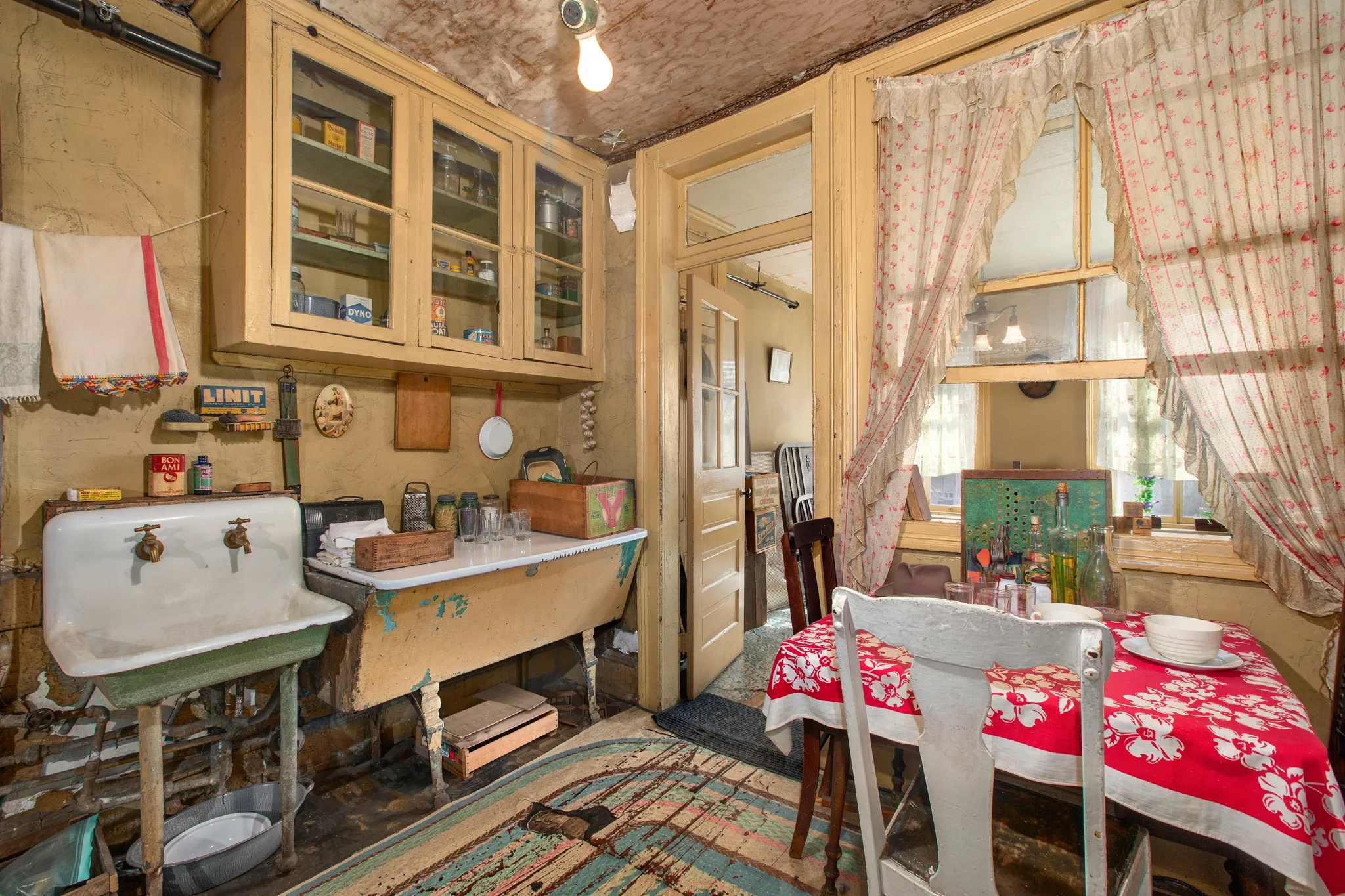
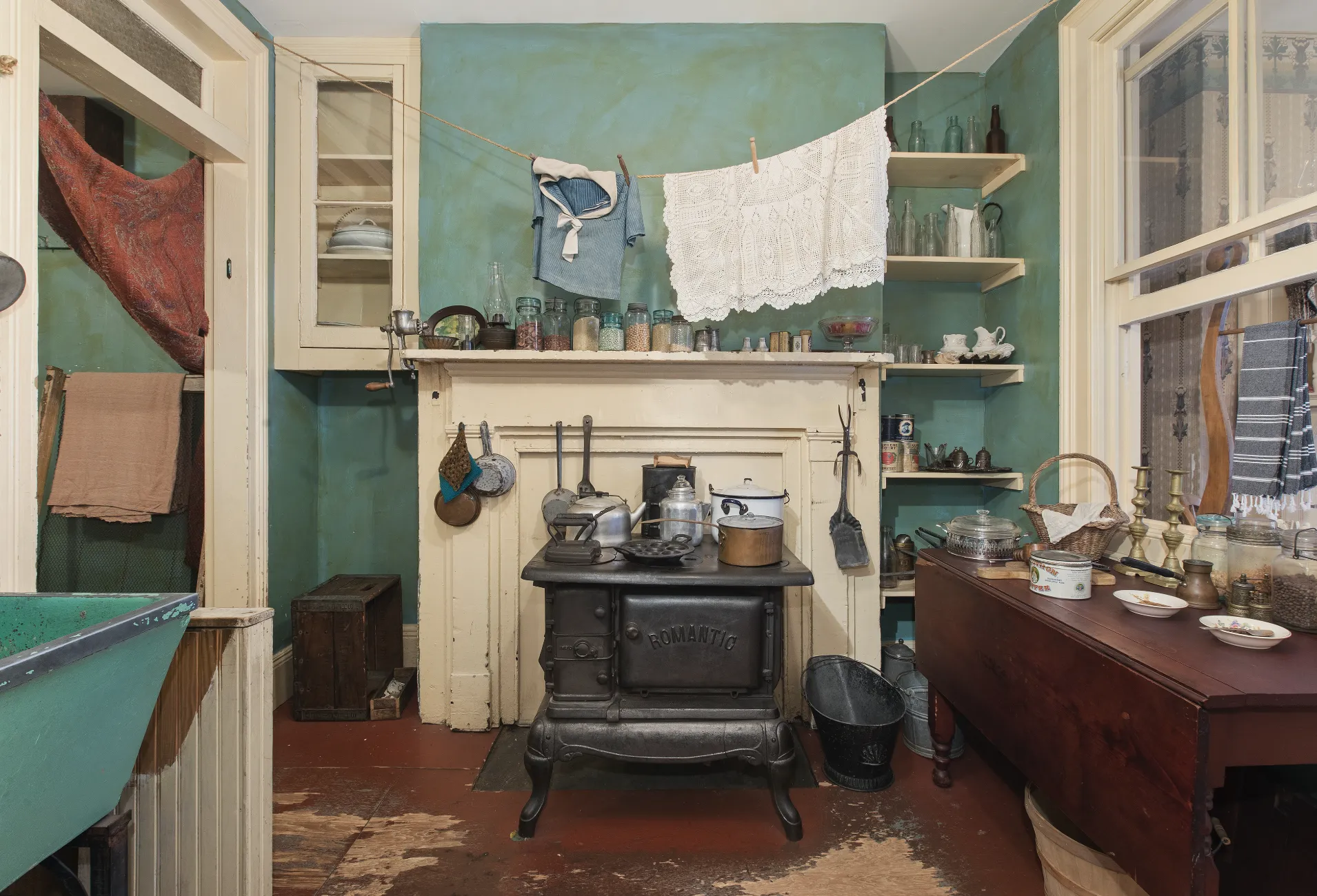
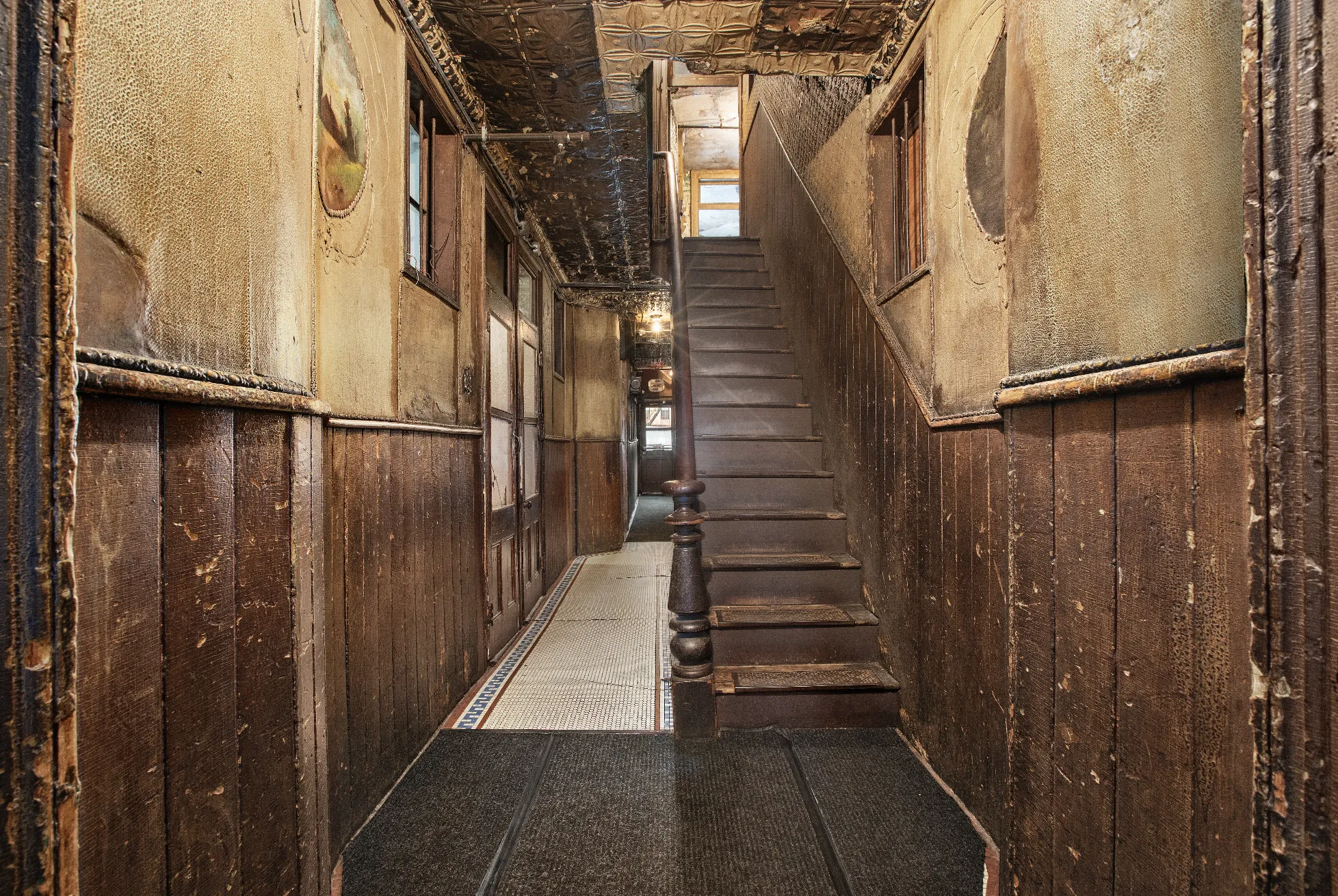
The museum comprises two historic tenements—97 and 103 Orchard Street—exploring the lives of the immigrants and refugees who lived there. Featured families include the Schneiders, a German family from 1865; a Black family named the Moores; a Sephardic Jewish family, the Confinos, from 1916; and a Puerto Rican family, the Saez-Velezes who lived there in the 1960s. You’ll get to walk through the tenement’s hallways, kitchens and parlors while learning about the lives spent there.
2. It explores decades of NYC history
Back in the late 1980s, historian Ruth Abram and social activist Anita Jacobson discovered 97 Orchard Street, a dilapidated tenement building whose upper levels had been shuttered for more than 50 years. They found personal artifacts, such as toys, dolls, hairpins and business cards, that became clues to piece together stories of the people who lived there between the 1860s to 1930s. That everyday ephemera served as the first primary sources for the museum.
Even in recent years, as staff worked to install a modern heating/cooling system in 97 Orchard Street, they discovered more trinkets, from marbles to Turkish cigarettes, beneath the floorboards. The team continues constant research on the building, archiving what they’re learning as they go.
3. The Astors once owned part of the street
Before the area gained its reputation for notoriously tough living, it was owned by New York City’s elite. The wealthy family the Astors, once known as the “landlord of New York,” once owned part of Orchard Street back in the early 1800s. In fact, they owned the very land that would one day house 97 Orchard Street, one of the museum’s tenement buildings.
4. Social reformers moved into tenements
Tenements typically housed working class people, but some of the people living in tenements at the turn-of-the-century were college-educated, American-born men and women who were part of the Settlement House Movement. These middle- and upper-middle-class progressive social reformers had deep concerns of rapid industrialization with little government help. They moved into tenements to spread their ideas about the progressive movement, establishing classes and pushing for housing reform.
5. Hundreds of babies were born inside the tenements
So much life unfolded inside tenements, from garment-making to cooking—and even childbirth. Tenement Museum researchers determined that 219 babies were born at 97 Orchard Street, 75% of them being delivered by midwives. At any time, the majority of the people living in the building would have been children, Polland explains.
“You could be walking in the hallways of the building and hearing a woman going through childbirth,” Polland says. “That fact, I think, more than anything, helps bring to life the history.”
6. The museum has an important mission, especially today
The museum takes seriously its mission to share the stories of immigrants, migrants and refugees. That’s always an important message—and even more so today.
“We bring visitors into their recreated homes in order to draw connections between past and present and also to inspire and build a more inclusive and expansive American identity,” Polland said. “Many New Yorkers understand how important that is, and the tenements give us a great view in seeing how diverse groups of people can come from many different places and help build the city and help build the nation.”