

[title]
Photography today can seem a bit detached. We snap selfies on our phones, take screenshots of memes and document our daily lives—and then promptly forget about the thousands of images in our camera roll. I think that’s why, even at a time when we have easier access to photography than ever before, lines are forming outside of AUTOPHOTO, a new NYC museum dedicated to the old technology of analog photo booths. These machines operate like tiny darkrooms, creating something tangible out of the ephemeral act of sitting for a photo.
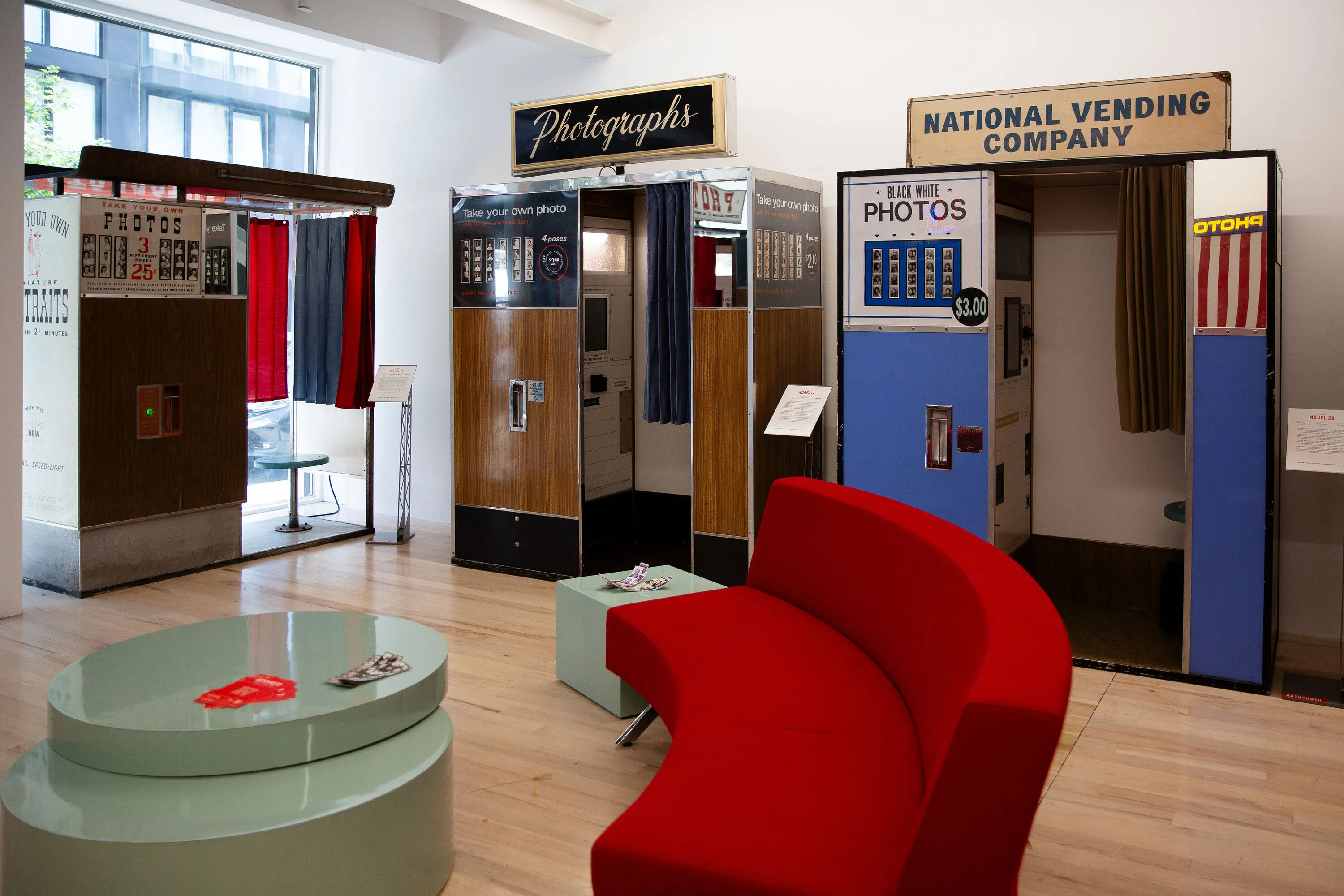
Seven fully restored vintage photo booths have taken up residence inside the 121 Orchard Street venue, each one ready to snap your photo. It’s an incredibly rare collection—fewer than 300 working analog photo booths exist across the globe. AUTOPHOTO, the city’s first photo booth museum, has quickly become one of the coolest things to do on the coolest street in New York City.
RECOMMENDED: This buzzy Lower Manhattan street was just named one of the coolest in the world
Shortly after earning her photography degree, Bre Conley Saxon stumbled upon an analog photo booth in an Alabama thrift store for just $200. Intrigued by the darkroom technology she loved, she found a mentor to help her refurbish the booth. It took 10 years, but that was only the beginning for Saxon, who became enamored with the technology and doesn’t want it to fade away.
“This art is dying. It seemed like it was only older men who were gatekeeping and not sharing (this technology). I was like, this is gonna die with you guys,” she tells Time Out. “So I kind of pushed to learn.”
Now, in addition to founding AUTOPHOTO in NYC, she runs 23 booths in seven states, and she hires and trains women to service those booths.
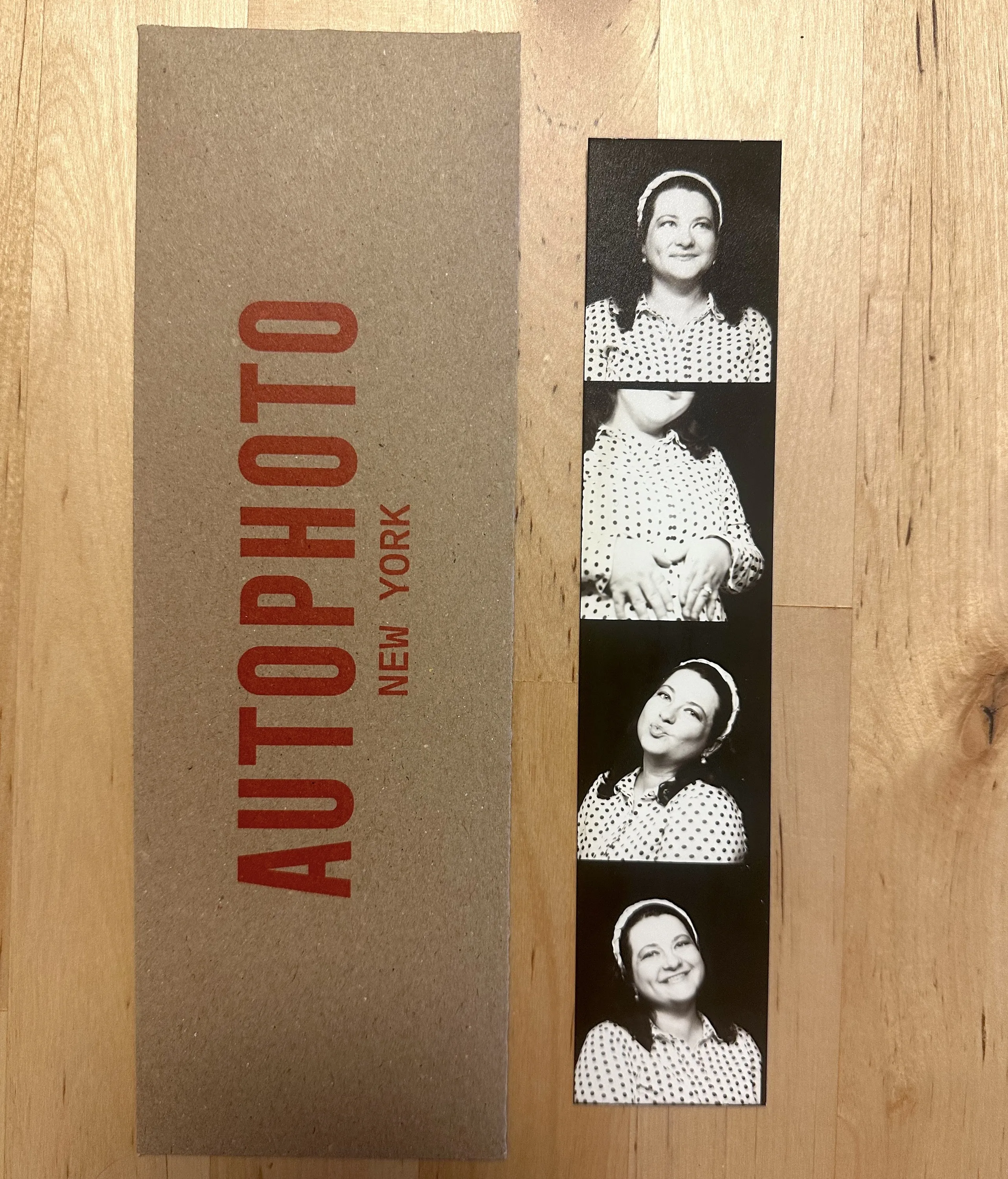
Most of the photobooths you’ll see around town are digital, meaning they use new technology to create instant prints and can even email or text photos to you directly. But that’s not the case at AUTOPHOTO where analog reigns supreme. The museum works to educate visitors on the differences between digital and analog. For example, analog demands patience. The prints take about three minutes to be ready, and they’re wet when they pop out—as if they just came from the darkroom because, in effect, they did.
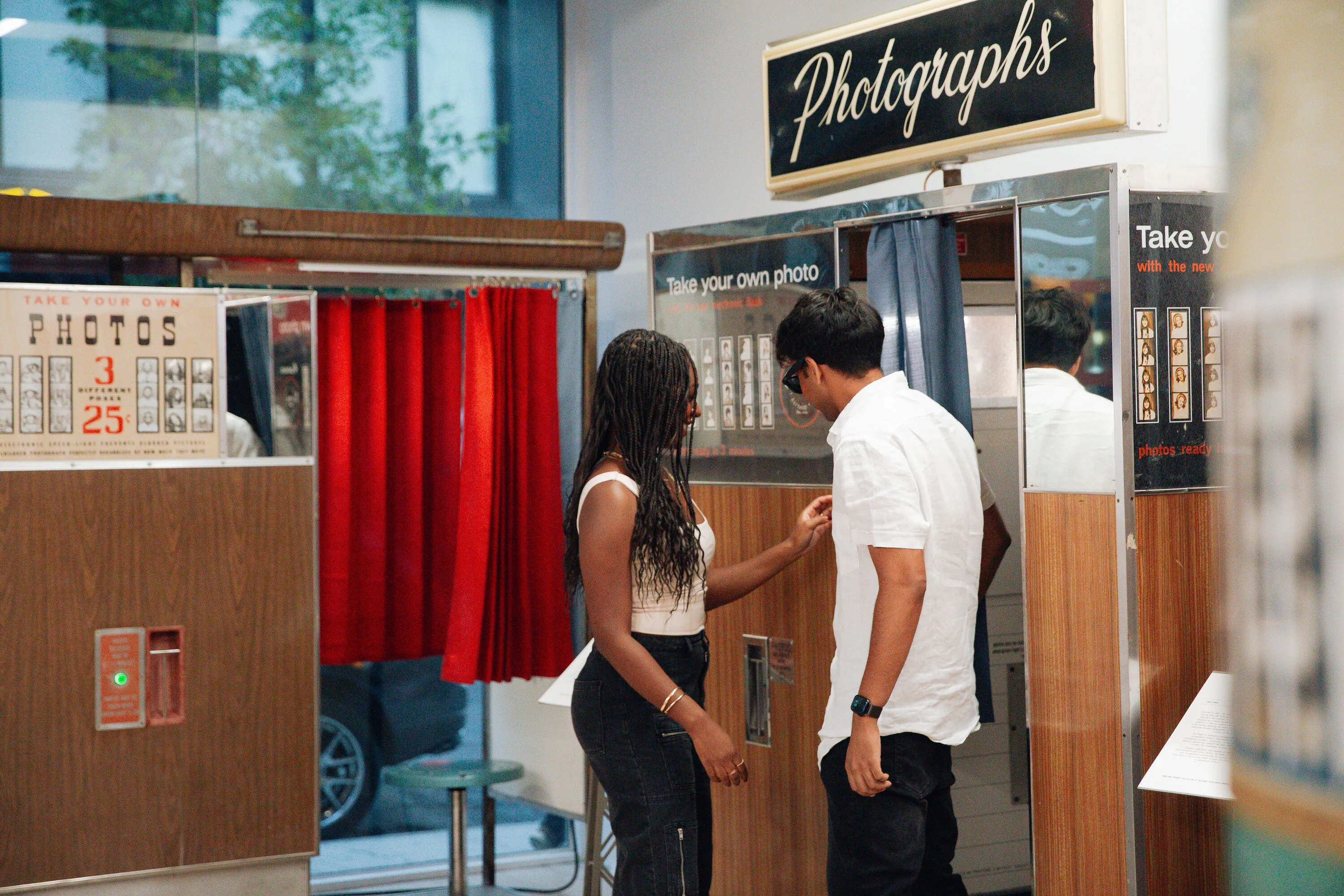
Of course, it’s fun learning about photo booths, but it’s even more fun to climb inside and snap some photos. Booths include the Model 12, a 1959 invention with a unique larger-frame format than its predecessors. There’s also the Model 17, a popular booth from the 1960s to ’80s that made it a landmark in photo booth history for its color photo capabilities. And don’t miss the Polaroid booth from 1993; unlike traditional dip-and-dunk photo booths, this machine was developed to use Polaroid’s instant film. Photos range from $8 to $12 per booth; it’s free to enter the space.
“It’s not always perfect when it comes out. You have to embrace the light leaks and things like that,” Conley Saxon tells us. “Instagram, when they first started, had all these filters that recreated literally what happens in analog.”
In addition to trying out the photo booths, also check out the museum’s historical exhibits, including a celebrity photo strip display, a collection of photo booth technician imagery and a stop-motion film about what it’s like working as a photo booth technician. Also don’t miss the exhibit about Anatol Josepho, who invented the photo booth 100 years ago on Delancey Street on the Lower East Side, not far from AUTOPHOTO’s home.
“It’s not always perfect when it comes out. You have to embrace the light leaks.”
If you feel inspired by Conley Saxon’s passion for the artform, pick up a passport showing where you can find other analog photo booths in New York City and check them off when you visit different locations.
“I developed a print in high school, and immediately watching that photo appear in the darkroom was so magical that I knew then that was my forever passion,” she says. “It’s really magical. It’s such a beautiful art form, I love to keep it alive in this way.”