

[title]
You’d be excused for not noticing Hue House while walking down a midtown Manhattan street. After all, as ambitious as the idea behind this new four-story cultural club showcasing Asian culture may be, the building itself is fairly nondescript, tucked into 56 East 41st Street near Madison Avenue. Step inside, though, and it becomes immediately clear just how much thought has gone into the project.
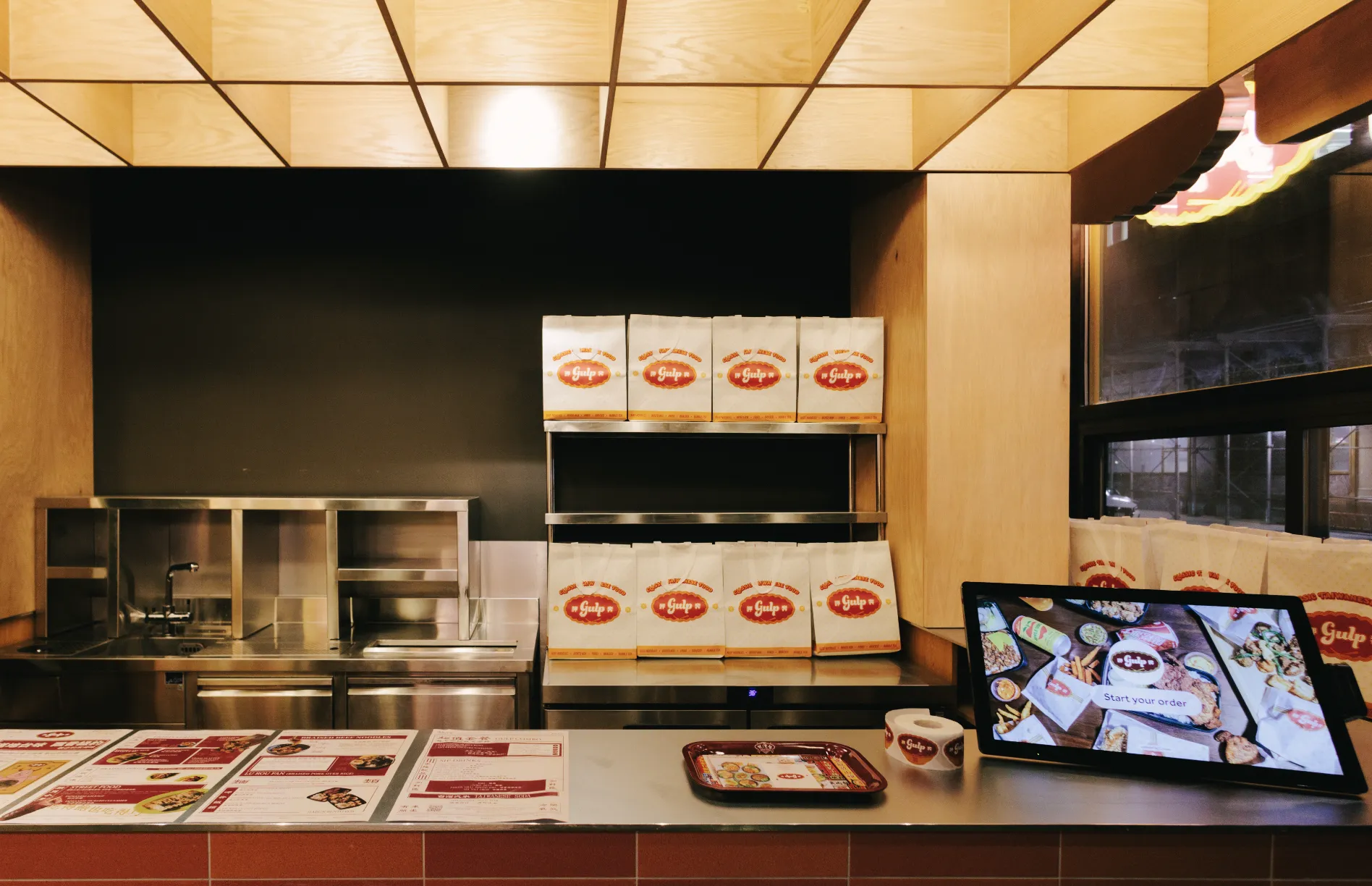
Although the space calls back to Hue House’s first New York location—the one that opened in Long Island City in May 2023—the Manhattan iteration doesn't really look or feel the same. Upon entry, visitors are greeted by Gulp, a to-go Taiwanese spot serving bento boxes, bubble tea and grab-and-go meals. Just beyond it, a striking contraption demands attention. At first glance, it resembles a frozen yogurt dispenser with nearly ten different faucets. But don’t expect anything sweet to come out of it.
This vending machine—available only to guests 21 and over—dispenses cocktails inspired by Taiwanese flavors. The drinks are divided into categories, each denoted by color: green labels feature hard spirits mixed with Taiwanese teas; red labels offer low-alcohol options inspired by Taiwanese bubble tea; and yellow labels highlight cocktails made with Taiwanese spirits. Each shot costs $8.
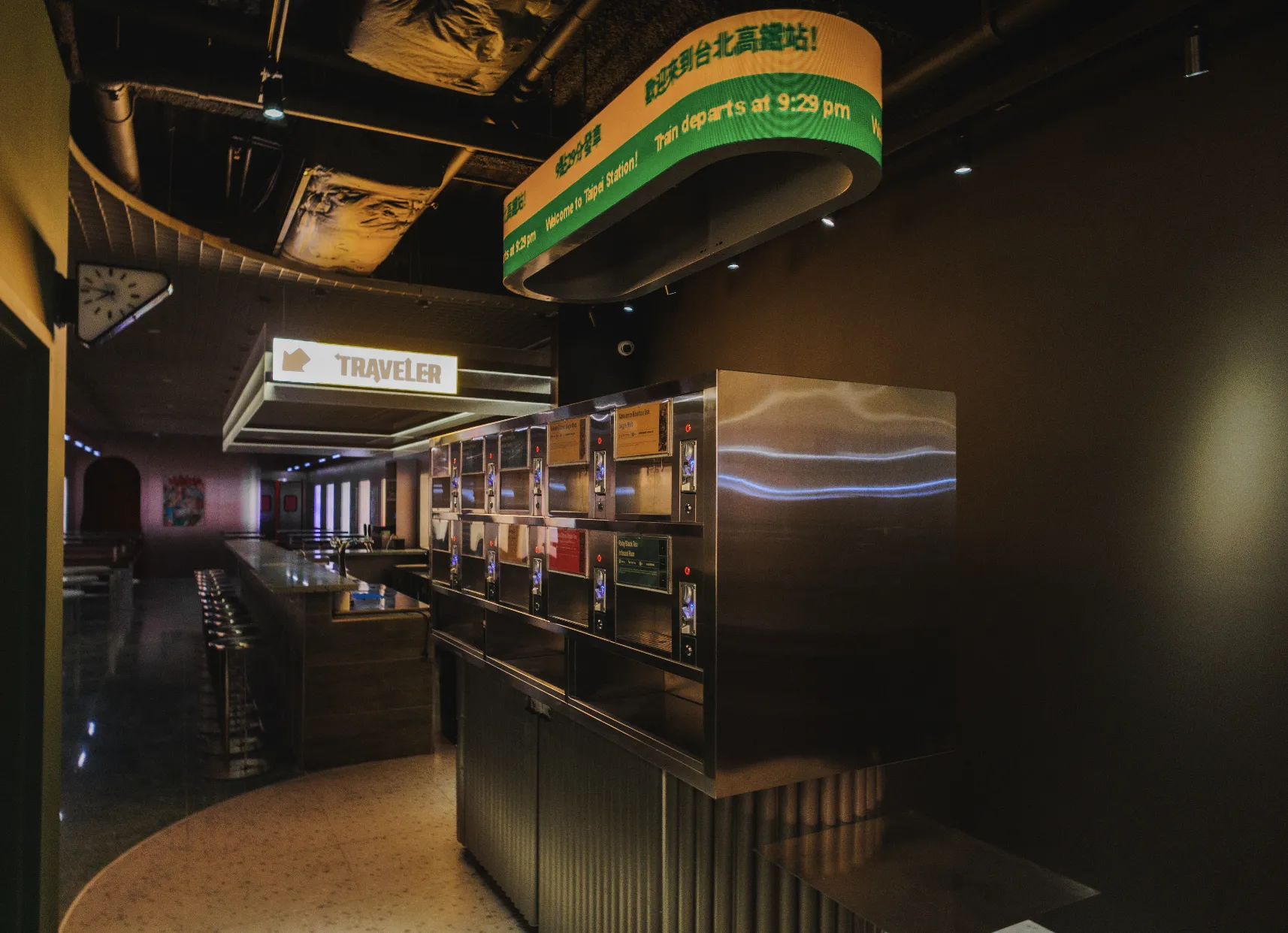
According to co-owner Haoran Chen, who gave Time Out a tour of the space earlier this month, train stations in Japan—another country the space seeks to spotlight—are filled with vending machines that dispense sake. Hue House’s take reimagines that concept through a distinctly Taiwanese lens.
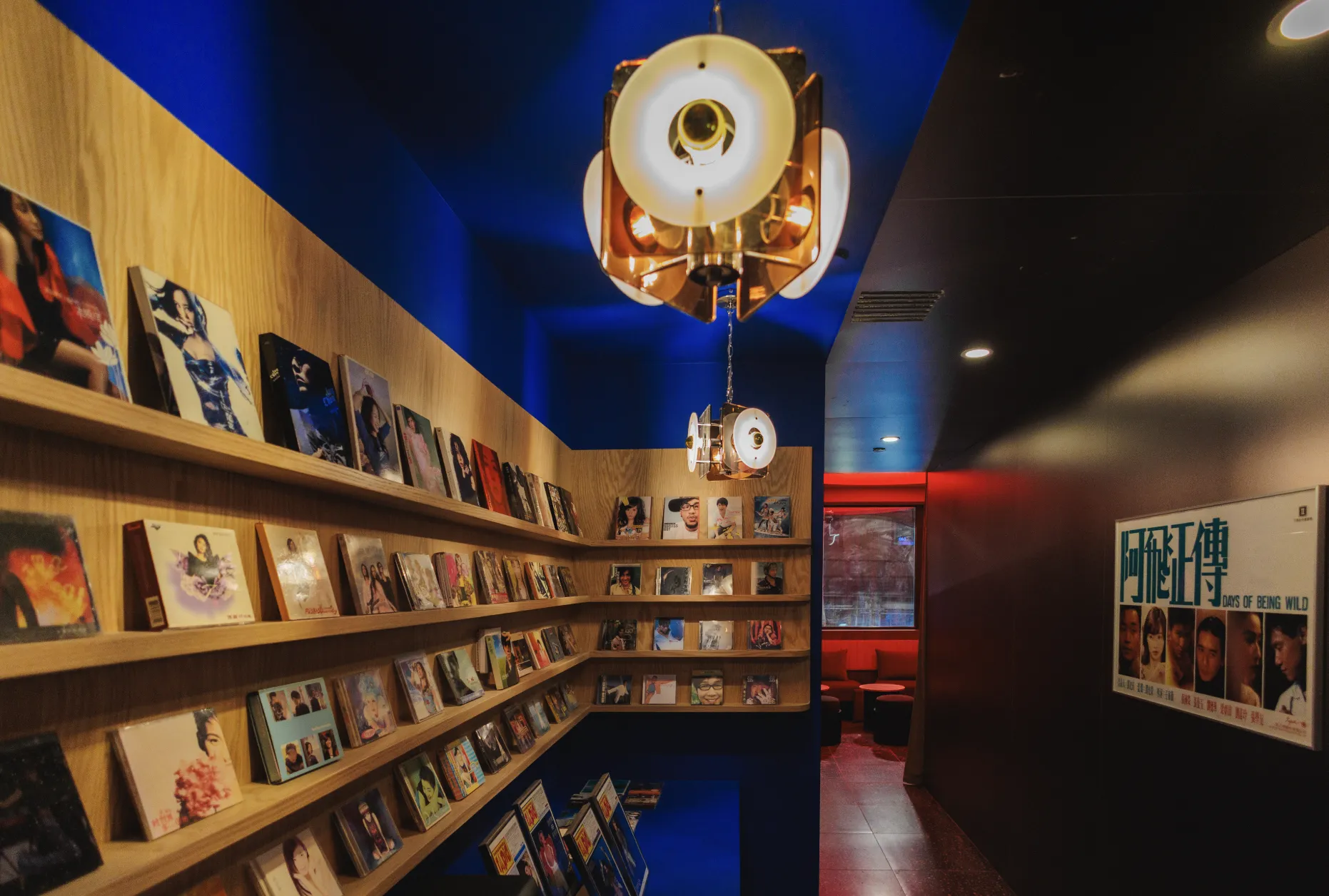
And because this is meant to be a cultural destination, not just a food-driven one, the wall behind the vending machine doubles as a mini history lesson in Mandopop and T-pop—essentially Taiwan’s answer to K-pop.
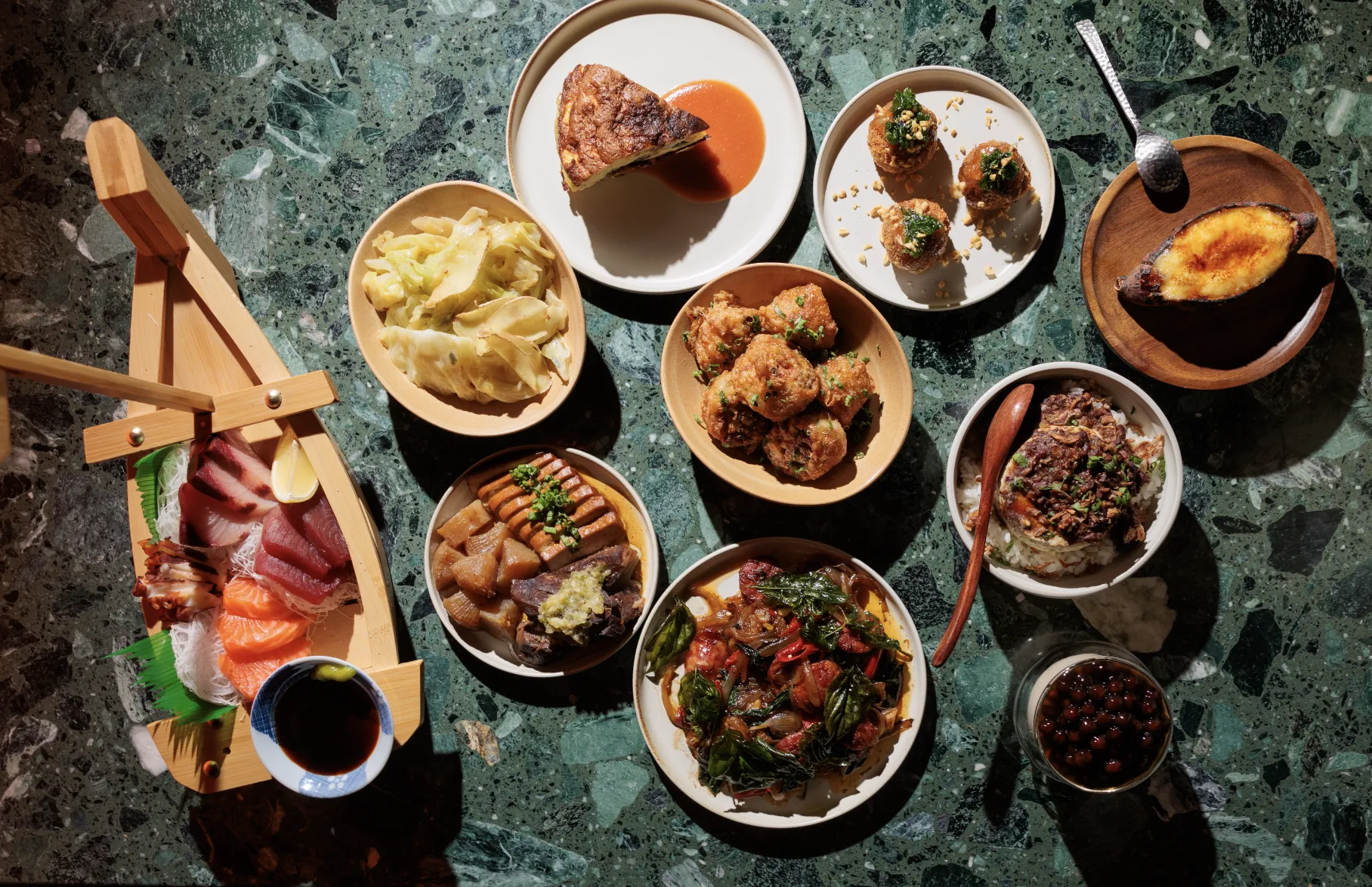
Chen also explained that while Hue House is deeply inspired by Taiwanese culture, its broader mission is to highlight Asian cultures more expansively. As a result, New Yorkers can expect the space to be completely revamped every 15 months or so—which helps explain why the restaurant at the back of the ground floor is called Traveler and is designed to feel like an actual train car. Open for lunch and dinner, the eatery serves classic and reimagined Taiwanese dishes, including herbal chicken soup with rice, popcorn chicken, beef noodle soup, braised pork over rice, scallion pancake sausage rolls and steamed egg with pork over rice, among other offerings.
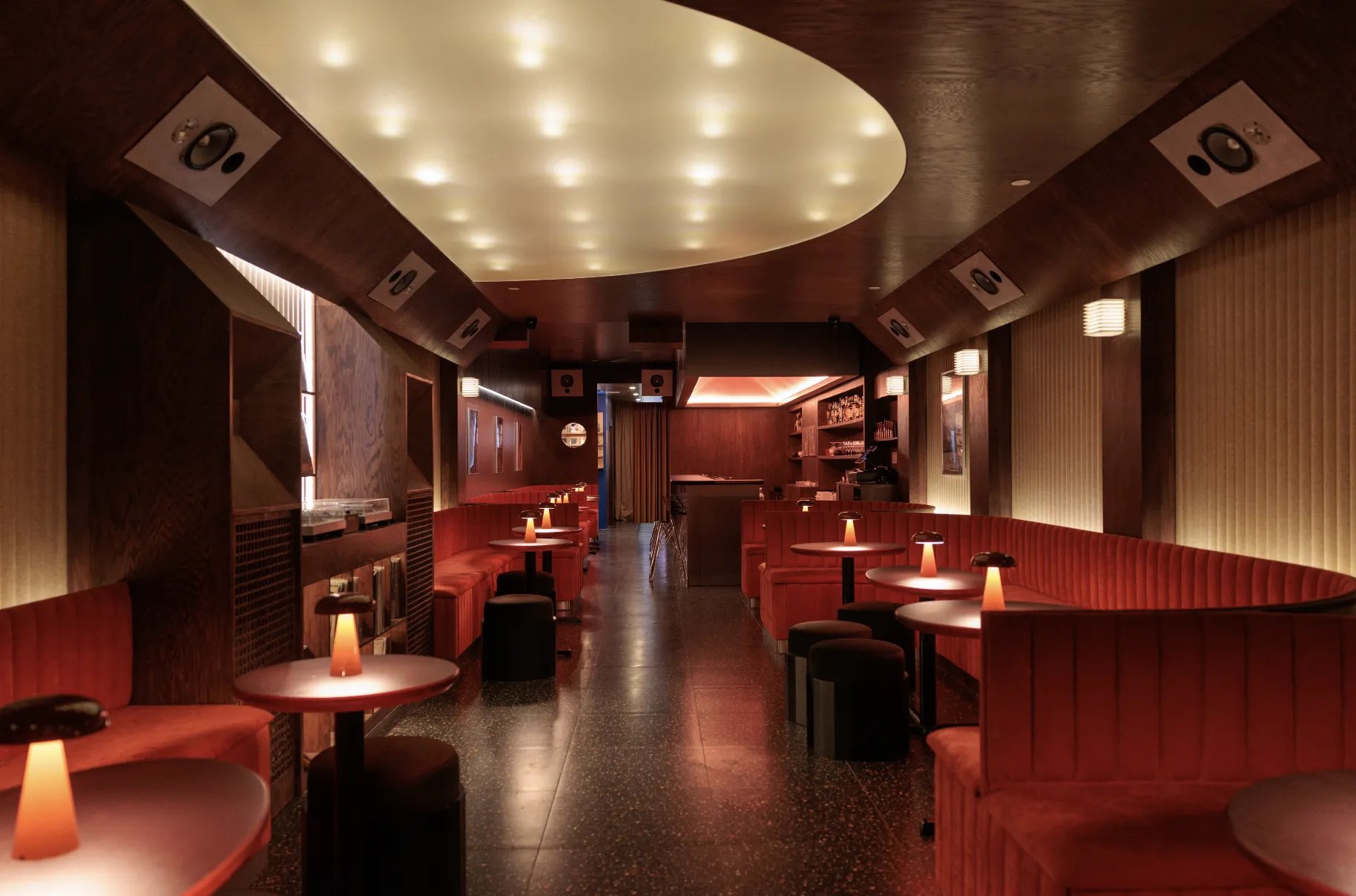
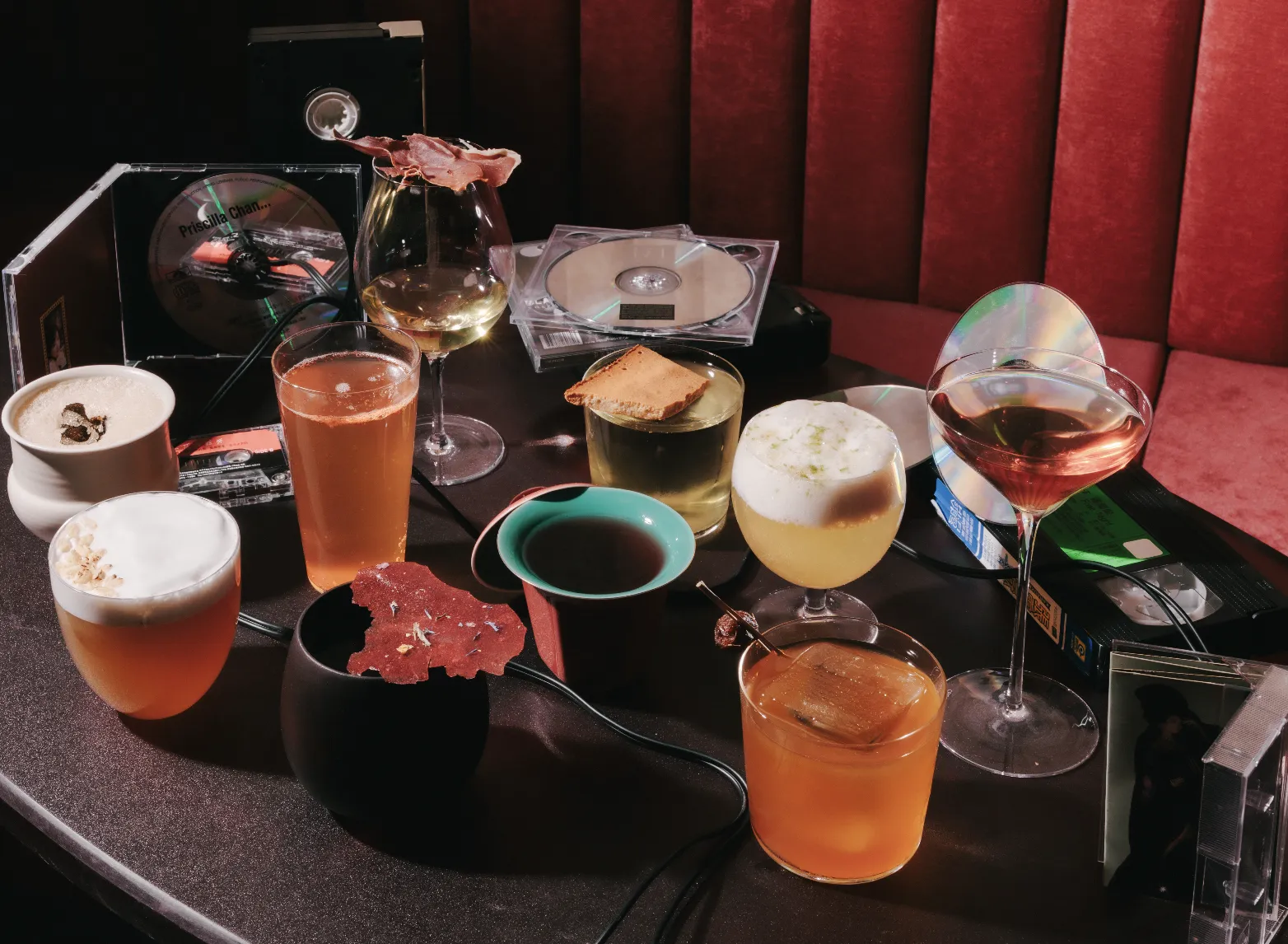
The second floor of Hue House, which is also currently open to the public, is home to 929, a cocktail bar inspired by the same musical genres celebrated downstairs. While the Long Island City location also boasts a bar by the same name, the Manhattan version feels more intimate and intentional. There’s plenty to say about 929, starting with its physical menu, which is presented in a CD sleeve. Each CD features the name of a cocktail inspired by Taiwanese music. Speaking of music, the space is outfitted with listening stations at every booth, blasting selections from Chen’s personal collection played exclusively on CDs or vinyl.
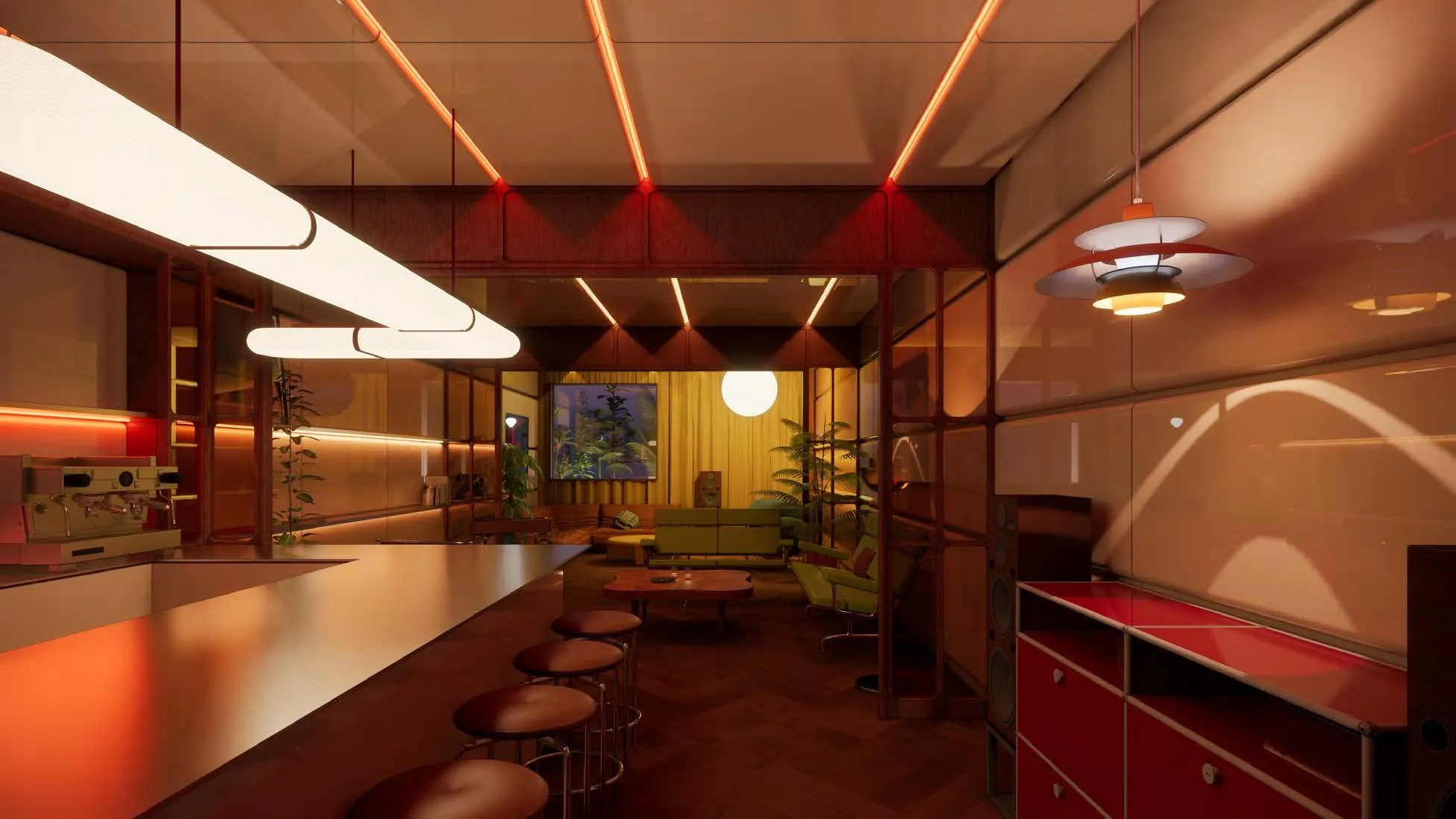
Then there are the third and fourth floors, which are not yet open to the public but promise to cement Hue House as a true cultural fixture in the city—far beyond a place for a good bite or a so-called “ethnic cocktail.” Tentatively slated to open in April, construction permitting, the third floor will be called Apartment Hue. Designed as a cozy living space complete with a living room, dining room and kitchen, it will operate as a coffee and tea shop by day, serving drinks mixed “cocktail-style,” with bartenders preparing them in front of guests. The space will also double as an event venue, hosting book launches, talks and culinary demonstrations meant to help New Yorkers better understand the many facets of the Asian cultures being highlighted. Think of it as a community-forward space at the heart of the building.
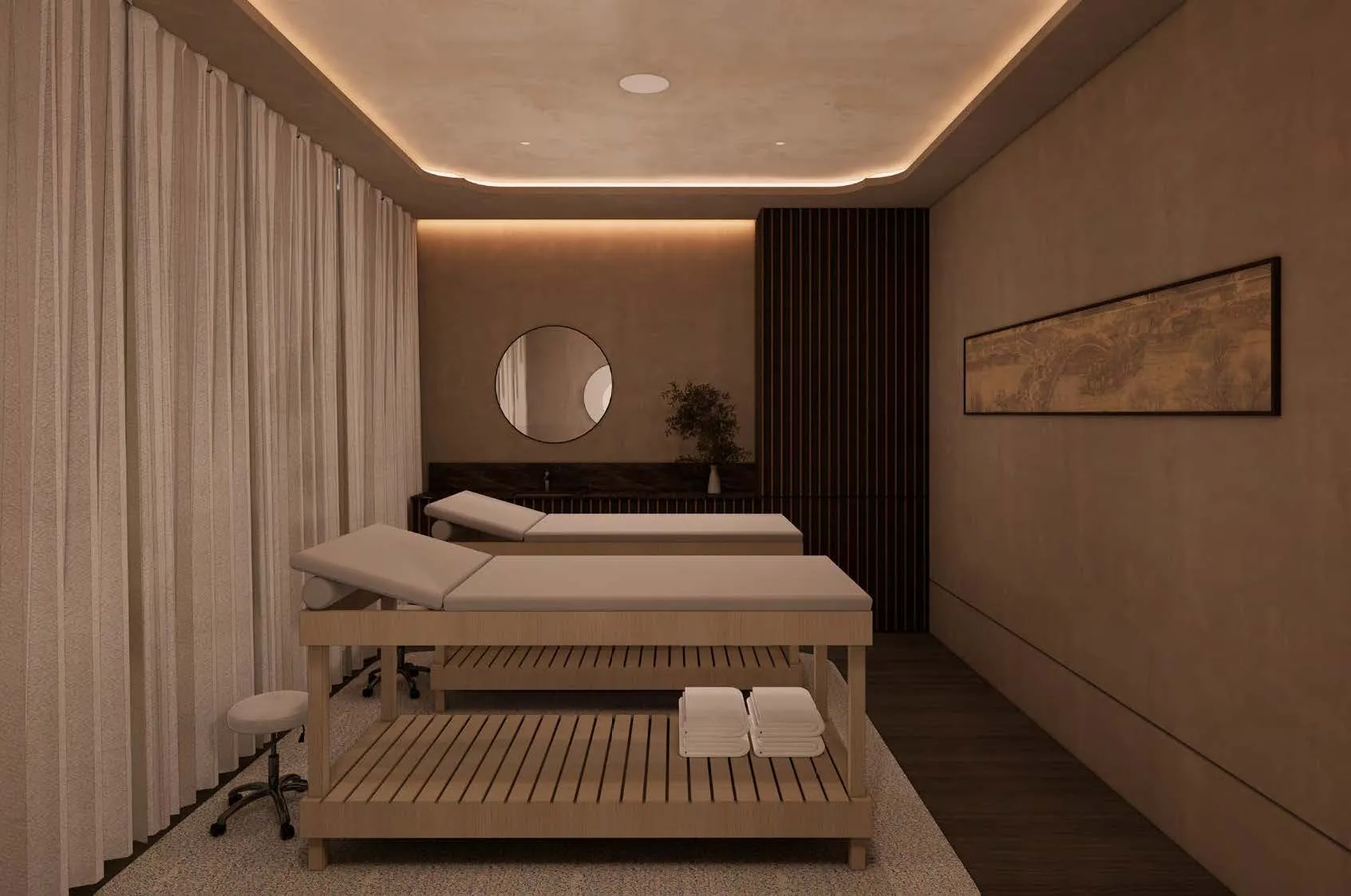
The fourth floor, also aiming for an April opening, will house Puju, a meditation spa inspired by Chinese medicine. The name translates to “island of jade” in Taiwanese—and yes, we’re already feeling calmer. Chen hopes this floor will also lean into the retail side of the business.
All told, Hue House already feels like a trip to the other side of the world. The addition of the two upper floors can only deepen that sense of immersion, reinforcing the space’s ambition to feel like a compact Chelsea Market—one rooted in culture, storytelling and thoughtful design.