

[title]
New York’s pizza scene is about to get a very precise new contender. Pizza Studio Tamaki, the Tokyo-based pizzeria that has helped turn Japan into one of the world’s most obsessive pizza capitals, is opening its first U.S. location this spring—right in the East Village.
Before the permanent debut, some New Yorkers will get a tightly controlled preview: a two-night pop-up next week (February 3 and 4) inside the current Moody Tongue Pizza space on St. Marks Place, which Pizza Studio Tamaki will fully take over later this season. Seating will be extremely limited and reservations, which opened this morning, are already full.
The man behind it all is Tsubasa Tamaki, whose Tokyo restaurants have become global pilgrimage sites for pizza obsessives. His style is often described as Tokyo-Neapolitan: it’s rooted in Naples, but refined through an almost surgical level of control. Every pie starts with a proprietary flour blend—part Japanese, part North American—that’s flown in from Japan. The dough ferments for exactly 30 hours, then hits a custom-built oven fired to nearly 900 degrees Fahrenheit. Just before baking, Japanese cedar shavings are added to the fire, which subtly scents the crust with smoke.
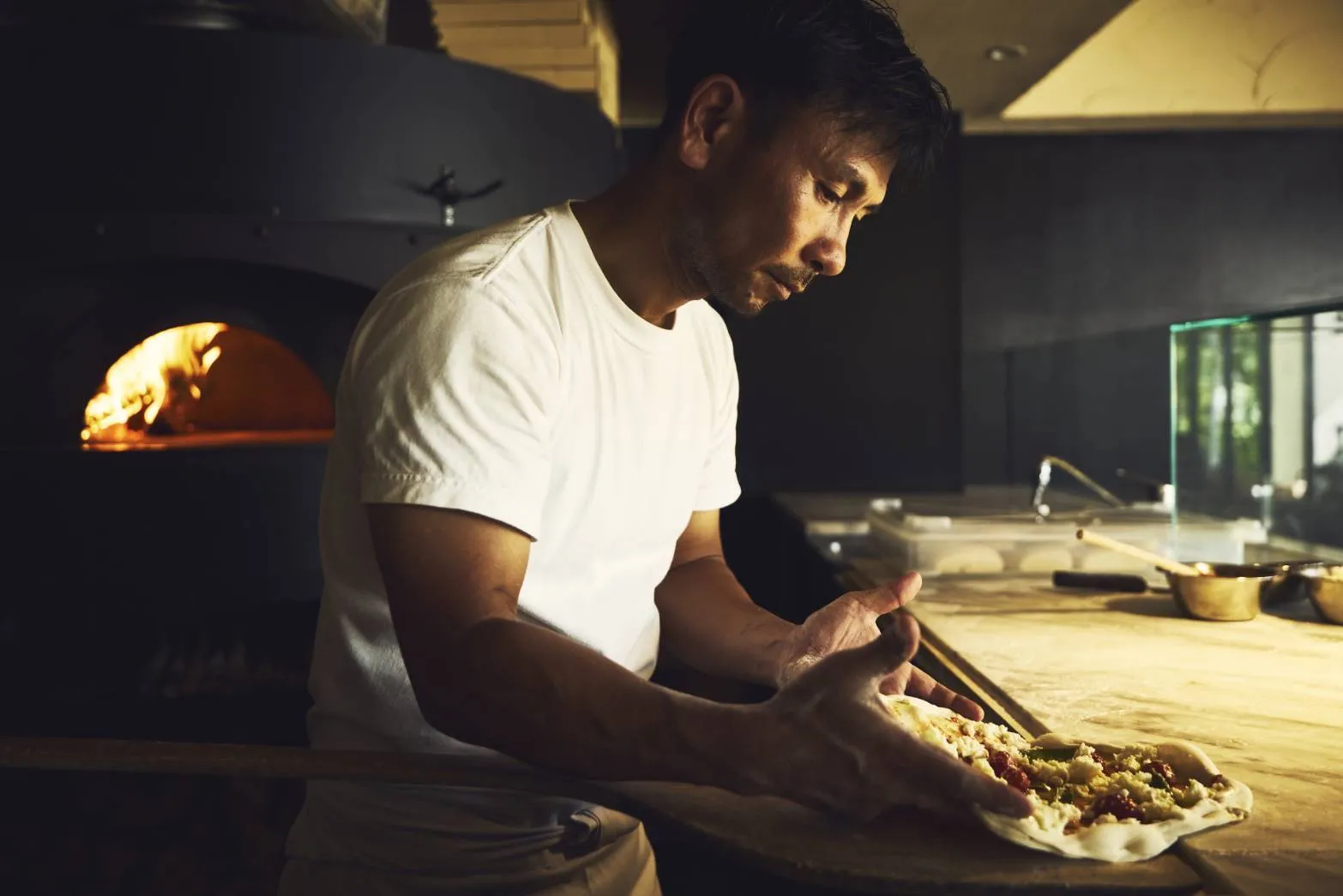
The result is a pizza known for dramatic blistering around the rim, a delicate crunch beneath a soft interior and a savory punch. That rigor has earned Tamaki major international attention, including a recent top-10 ranking among the world’s pizza chefs by The Best Chef Awards.
For the February pop-up, the menu sticks to the hits: a classic Margherita, a house Tamaki pie with smoked mozzarella, a five-cheese overload and a richer Bismarck topped with sausage and egg. Moody Tongue will round things out with small plates, crudo-style crispy rice bites and a tiramisu finished with both matcha and espresso.
After the pop-up, the space will be redesigned and reopened permanently as Pizza Studio Tamaki, marking the chef’s first hands-on U.S. operation. It also puts New York squarely into the ongoing Tokyo-versus-the-world pizza conversation, one that’s been quietly reshaping what “great pizza” means over the past decade.