[category]
[title]
Opening today, the exhibition holds his most famous works, alongside one that’s never been shown before

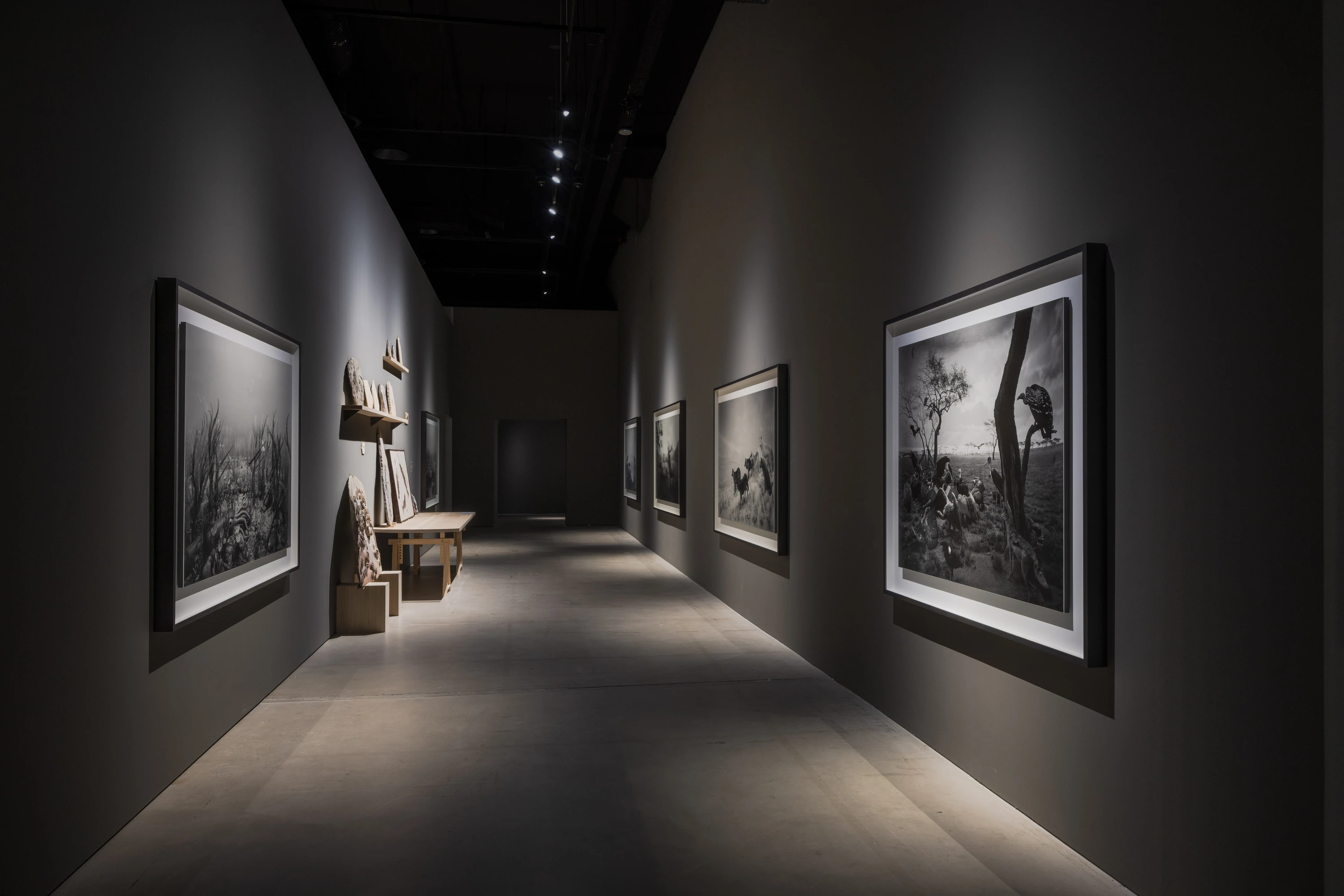
My visit to ‘Form Is Emptiness’, Hiroshi Sugimoto’s upcoming exhibition at the Singapore Art Museum (SAM), was restorative. As the door closes behind you, you are met with a sense of vastness – monochromatic walls, subdued light, and a hush that settles almost immediately. From there, you step into his monumental works and, for the most part, an enveloping silence.
When I first read the exhibition’s intention – to make viewers question their perspectives on how they see the world – it admittedly struck me as the sort of generic curatorial text one often skims past. After all, it is easy to throw around words like “meditative” or “slowing down” when describing exhibitions of this nature. However, ‘Form Is Emptiness’ escapes the cliché and walks the talk. I found myself moving slower, lingering longer, settling into a pace that felt subconsciously guided by the space.
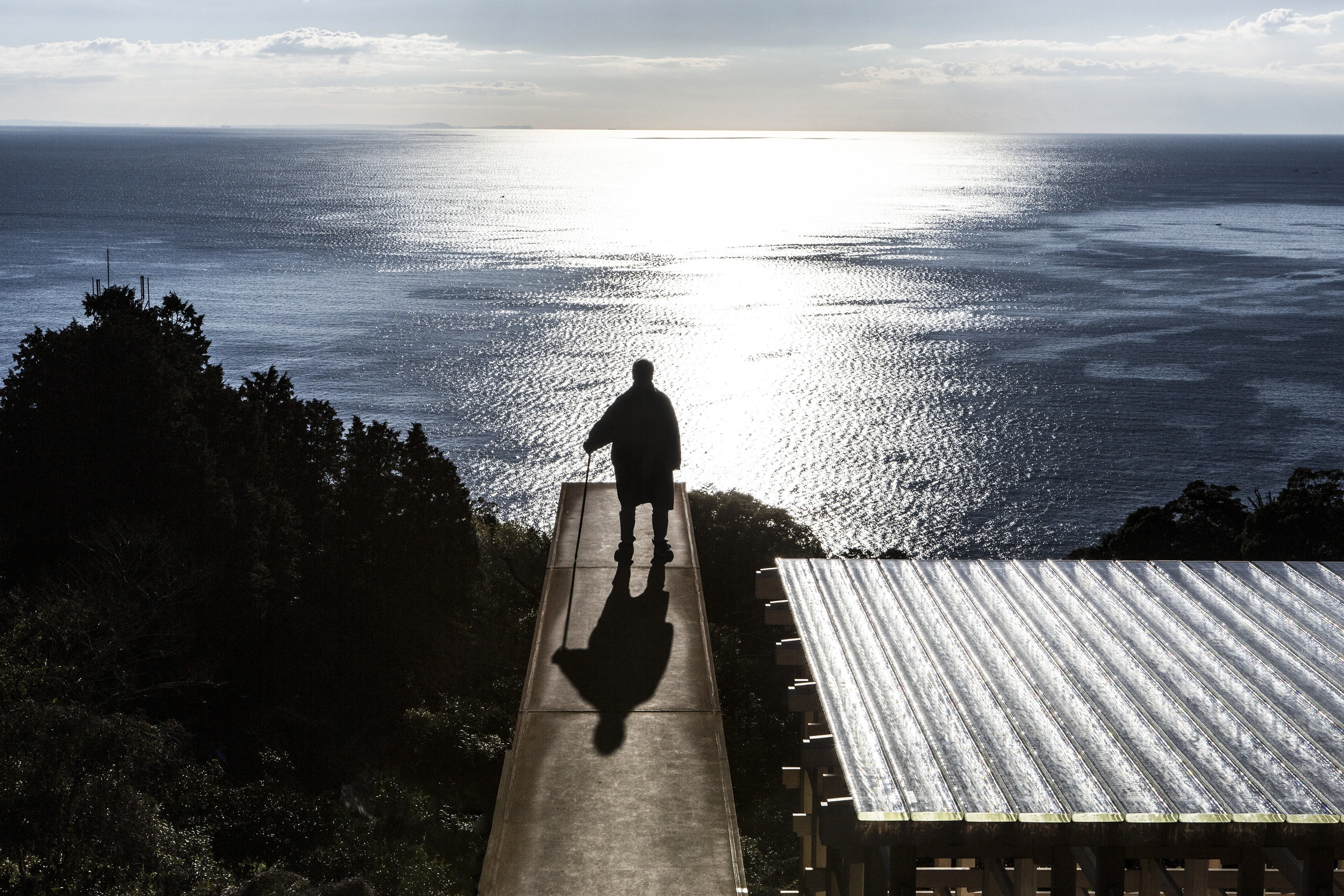
Sugimoto’s name should ring a bell. Chances are you’ve encountered his photographic works before. Born in Tokyo in 1948, the Japanese contemporary artist studied politics and sociology at Rikkyo University before relocating to the United States to attend the ArtCenter College of Design in the 1970s. While he is best known as a photographer, his practice stretches across architecture, writing, calligraphy, garden design, culinary arts, and the performing arts – disciplines that all tethered to a shared preoccupation: how we perceive reality.
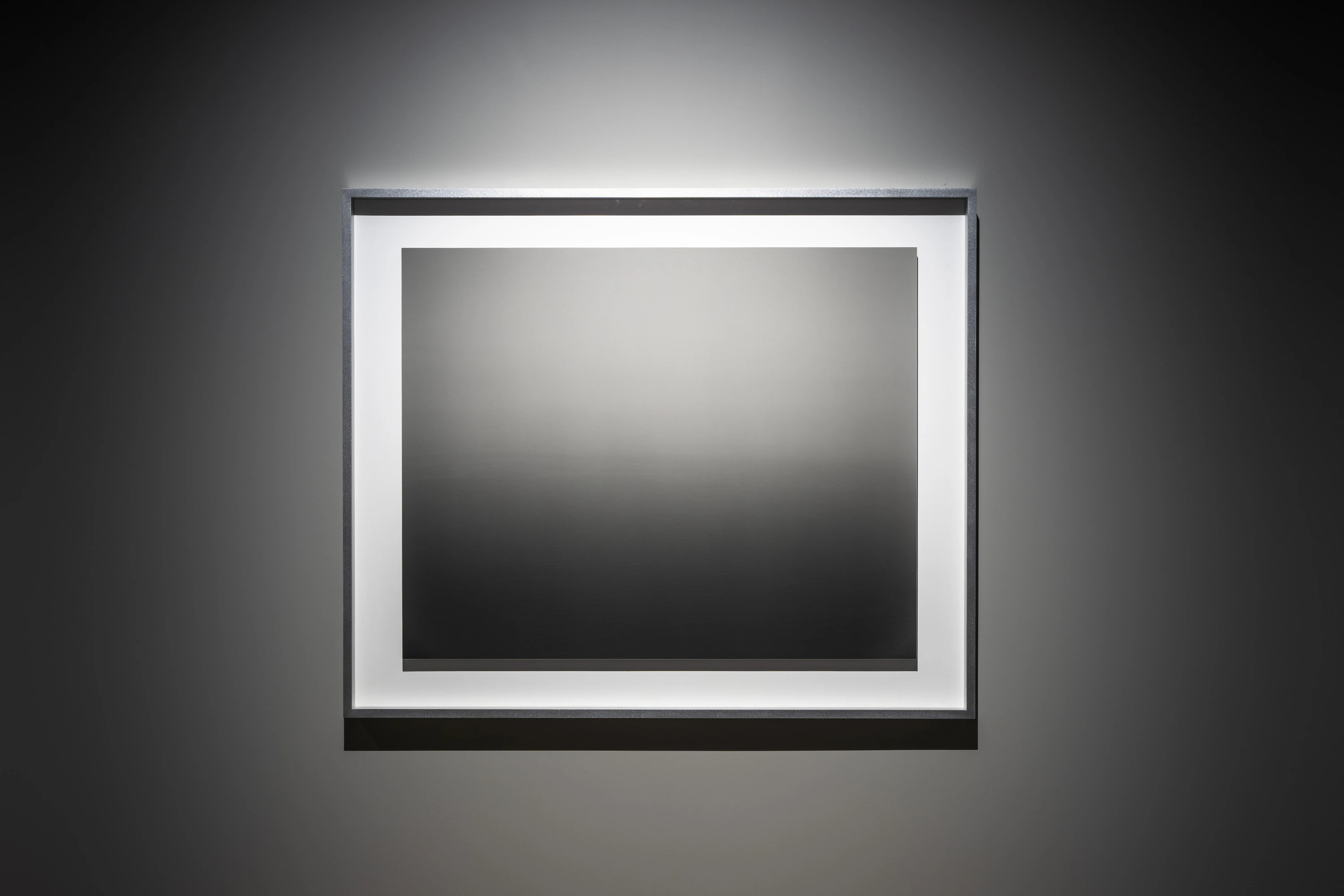
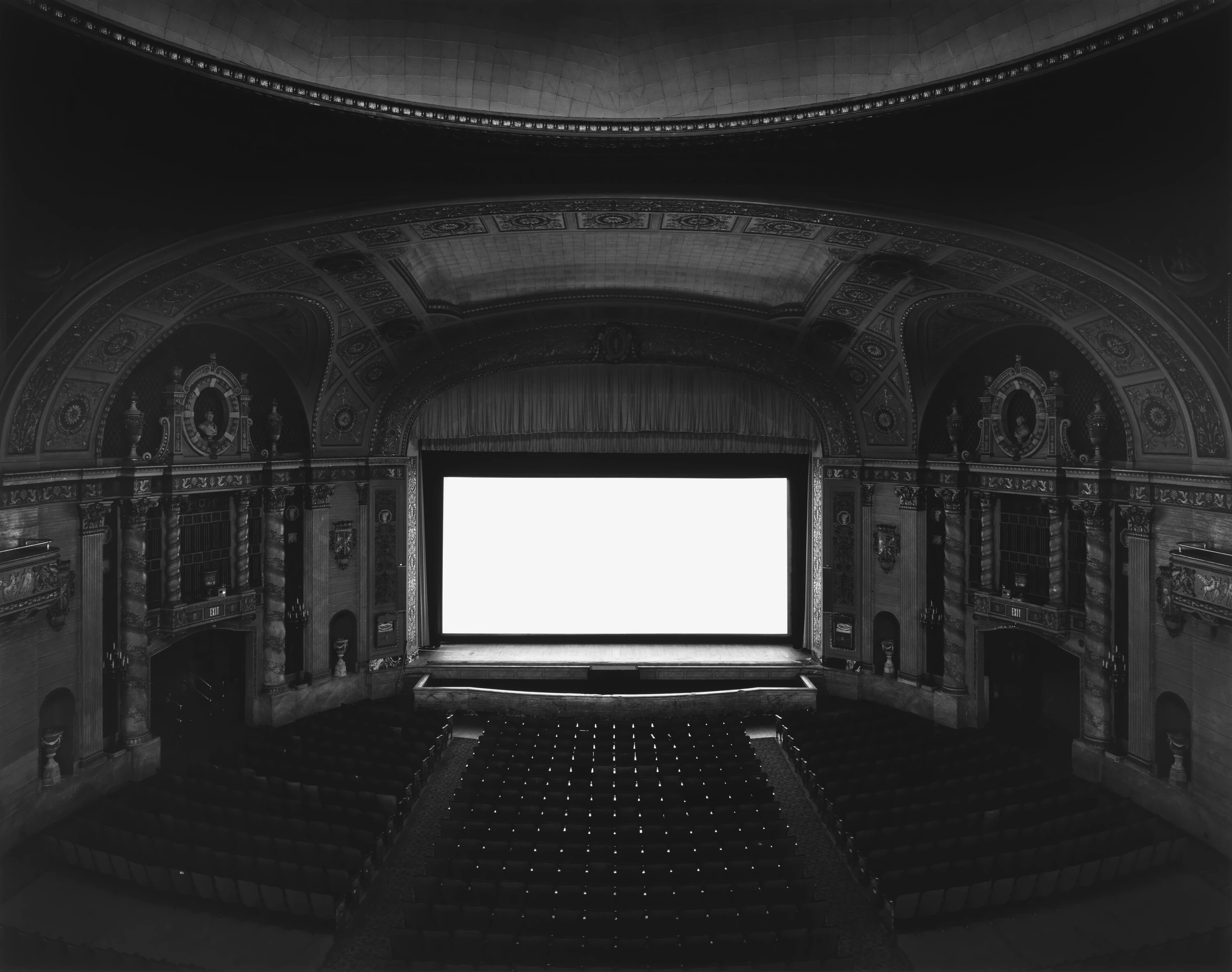
Among his most recognisable works are ‘Seascapes’ – a series of photographs depicting pared-down horizons that collapse sky and ocean into one – and ‘Theatres’, a photographic series in which entire films are captured in a single long exposure, reducing hours of cinema into a glowing rectangle of white light. All of these works can be seen at the upcoming show. Across these works runs a recurring concern: the slippery relationship between appearance and reality, and photography’s peculiar role as both evidence and illusion.
That fascination sits at the heart of the show. Rather than presenting definitive answers, the exhibition feels like an accumulation of questions Sugimoto has spent more than five decades pursuing: What is time? How do we experience memory? What shapes consciousness, history, and our perception of the world?
What also makes the exhibition compelling is the design of the space. Rather than moving linearly, you travel through an interconnected, looping path – described in SAM's words as “a mandala” – all of which is deliberate.
After spending some time inside the exhibition, here are the top three works I think you definitely shouldn’t miss:
I was initially deceived, and perhaps that is precisely why ‘Dioramas’ became one of my top picks from the exhibition. At first glance, the photographs seem like spectacular wildlife photographs but are, in fact, images of natural history displays. When Sugimoto encountered these dioramas at the American Museum of Natural History in New York, he noticed that closing one eye caused perspective to collapse. By doing so, human binocular vision collapses into something closer to the single lens of a camera. The resulting images come from Sugimoto seeing the scene as a camera would, and then translating that way of seeing back into photographic form.
Using careful framing and lighting, Sugimoto photographs stuffed animals and painted backdrops – simulations of life – in ways that make them feel startlingly believable. The series quietly unsettles your trust in what you are seeing, blurring the line between what is real and constructed, while revealing photography’s strange ability to preserve a moment and persuade us of its truth.
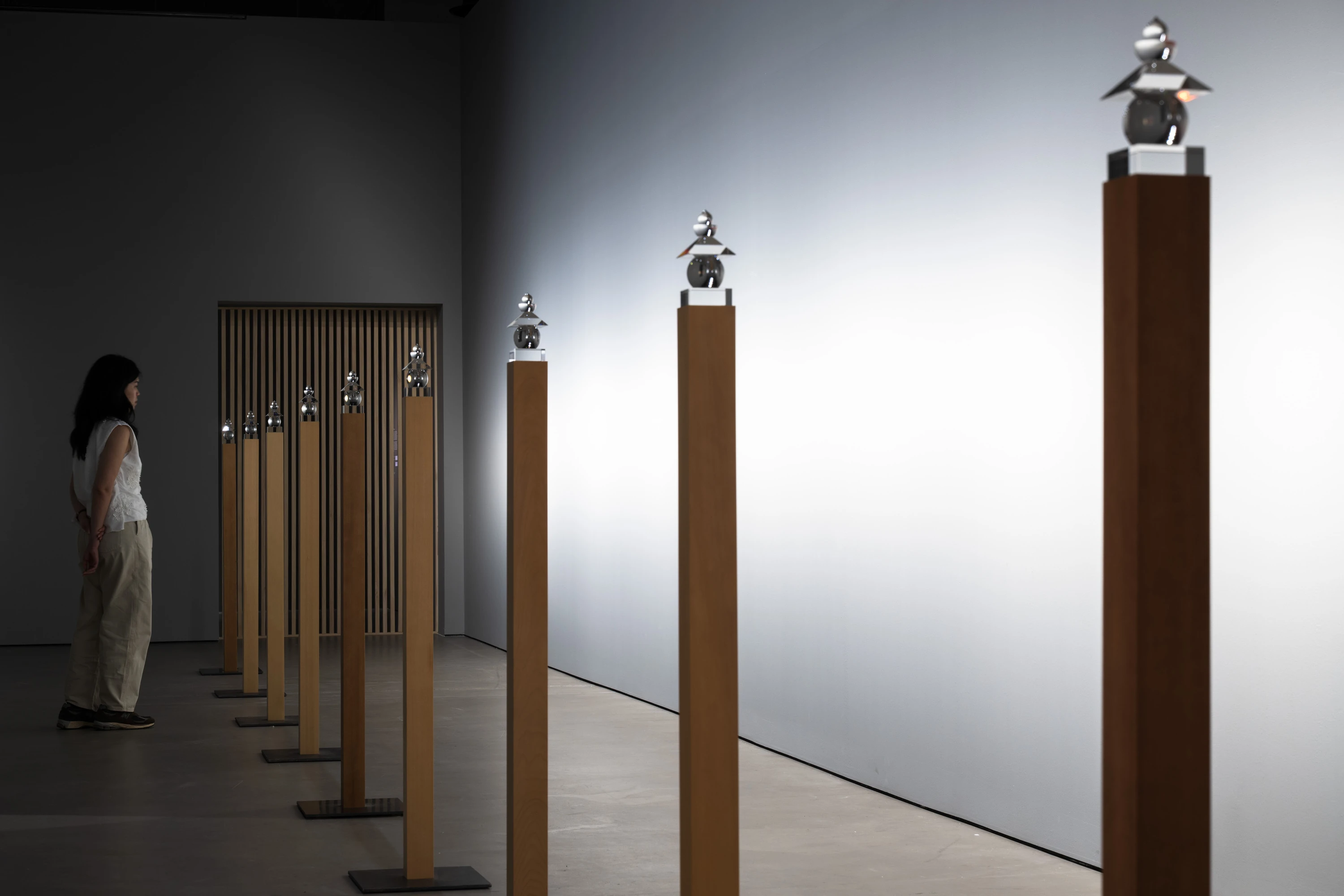
About two bodies of work in, you encounter Five Elements – a series of small, gleaming pagodas made of optical glass – a material that’s used in lenses, prisms, telescopes, and other instruments.
At first glance, the works resemble simple stacked forms – fragile, architectural, almost weightless. Each pagoda is composed of five geometric elements symbolising earth, water, fire, air, and void. The sphere represents water, not only metaphorically but materially, and if you carefully extend your gaze into it, you’ll notice 'Seascape', his iconic series, embedded within.
A small tip: stand directly parallel to the wall, facing it head-on – that is when the inner images reveal themselves most clearly.
Just a few steps before this work lies ‘Seascape’, one of Sugimoto’s most iconic series of photographs where the horizon at sea is rendered so minimal it feels almost eternal. These images are rooted in his fascination with the sea, when he would spend long periods watching it.
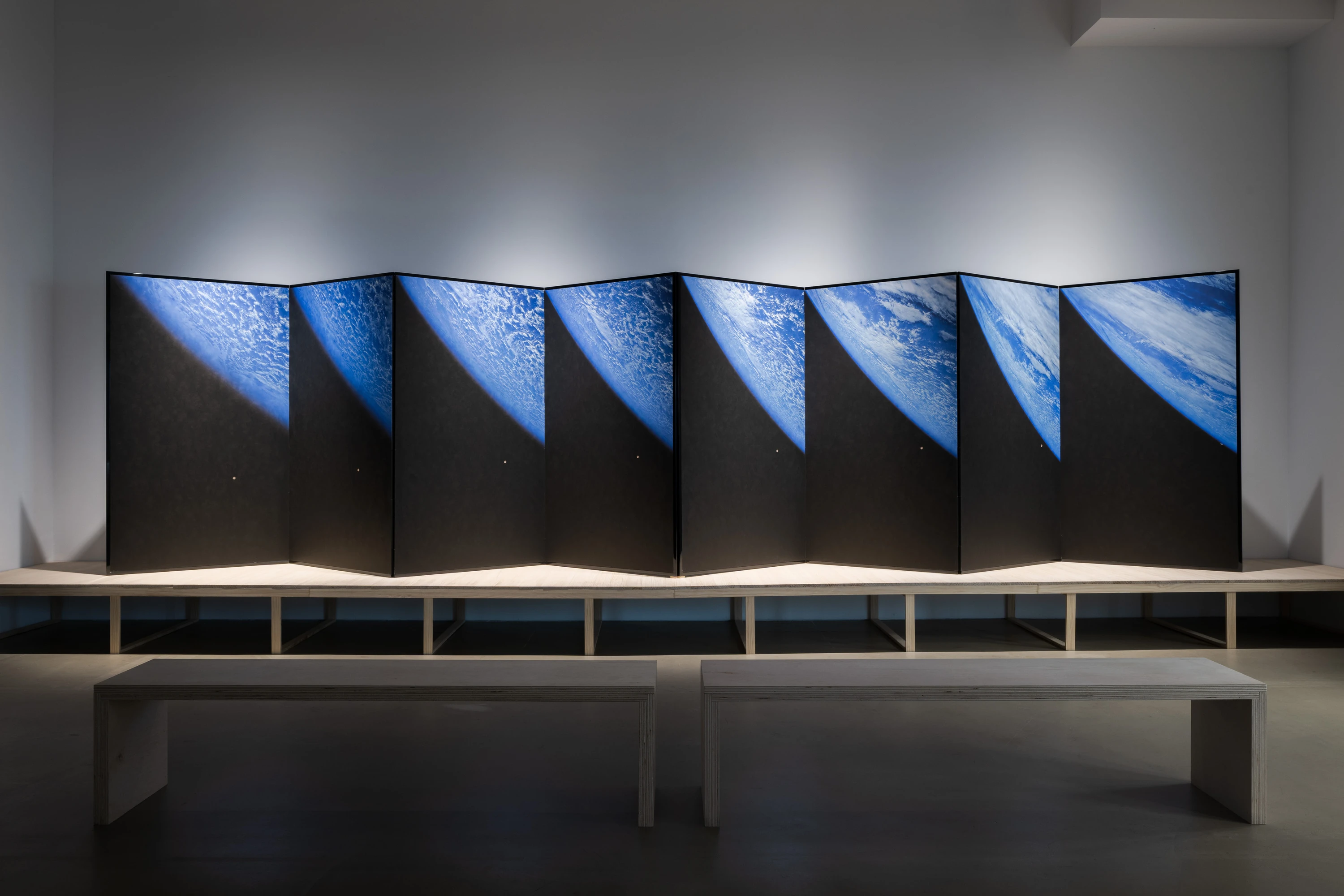
On the contrary, head over to the Engine Room and you’ll find 'Spacescape', isolated on its own and shown for the very first time. While ‘Seascape’ is grounded in the act of personal looking, ‘Spacescape’ is created without Sugimoto seeing at all. This body of work marks the first time he has relinquished the eye entirely.
Instead, he entrusted the process to the Japan Aerospace Exploration Agency (JAXA), which worked with him to launch Eye – an ultra-compact satellite fitted with a Sony camera – into orbit in 2023, capturing images through pre-determined coordinates.
Presented as a folding screen, the work depicts Earth and the Moon at multiple points in orbit, viewed from an almost omniscient vantage point in outer space.
Here, I suggest sitting down and taking it all in – because it’s going to take a while.
Find out more about ‘Hiroshi Sugimoto: Form Is Emptiness’ here.
Hiroshi Sugimoto: Form Is Emptiness runs from now till October 4, 2026 at SAM – Tanjong Pagar Distripark’s Gallery 1 and The Engine Room, open from 10am to 7pm daily.
READ MORE
Flesh and Bones at ArtScience Museum: 5 highlights from the anatomy exhibition
Step into the origins of sci-fi and fantasy art in this 13,000 sq ft walk-through experience
A massive plushie flower market is coming to Gardens by the Bay this June
Discover Time Out original video