[category]
[title]
Spring garden appetisers, seasonal donabe and artfully plated courses make Chef Nobuhiro Nishi’s Tras Street kappo counter a visually stunning experience.


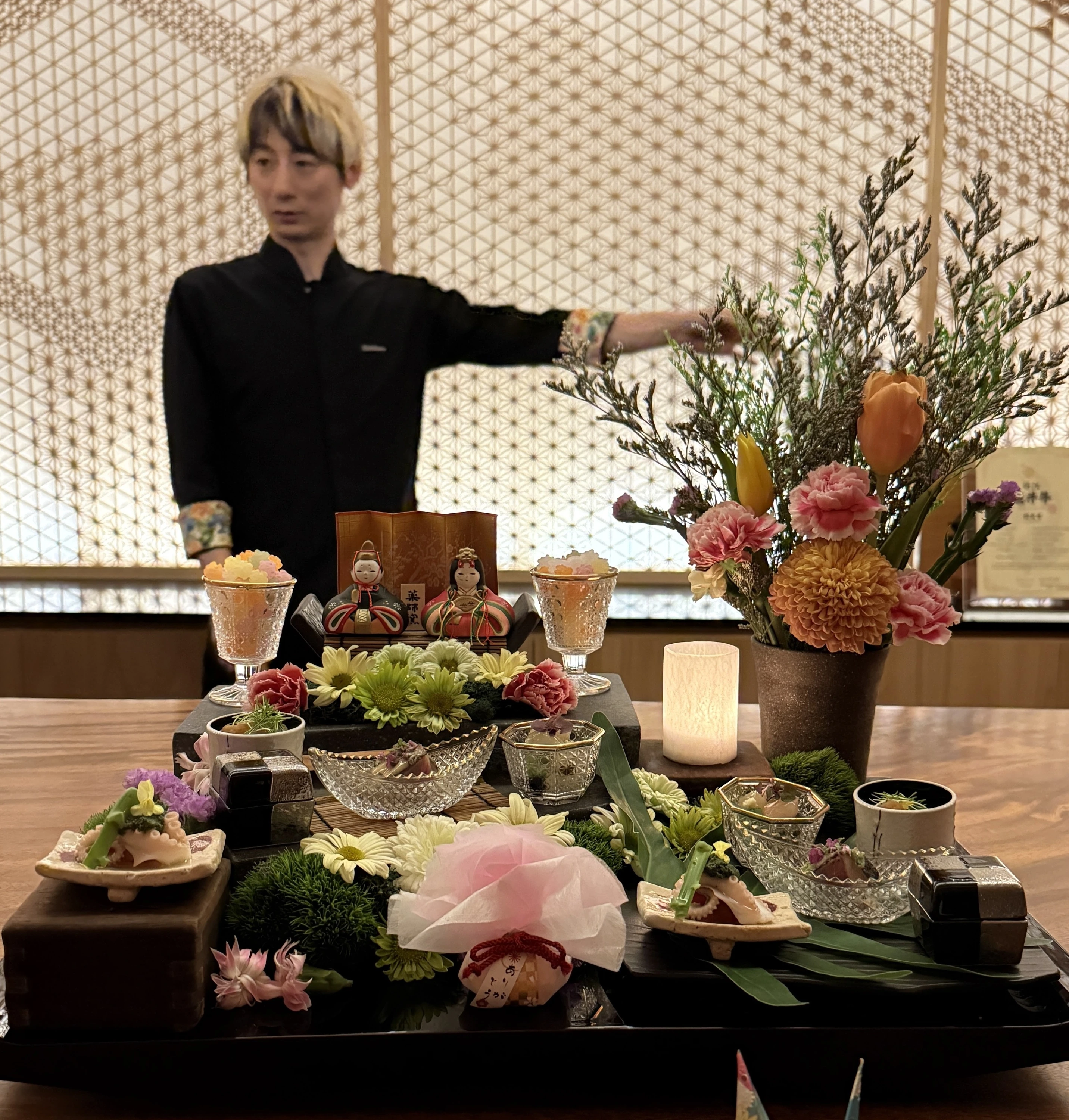
Seasonality in Japanese cuisine is nothing new. But the way it’s showcased at Nishikane takes things up a notch, especially in the presentation. Fukui-born chef Nobuhiro Nishi changes the menu every month, often drawing inspiration from a Japanese festival. On our visit, it’s Hinamatsuri, or Girls’ Day, reflected in delicate spring colours, flowers and doll arrangements.
Chef Nishi comes from a long lineage of Japanese chefs. His family's restaurant in Fukui has been serving kaiseki-style cuisine since 1850 and he's now the sixth generation cooking under the Nishikane name. He moved the restaurant to Tras Street in early 2025, after about five years on Stanley Street. The new space is elegant, with an abstract wooden backsplash inspired by the temples and rivers of the chef’s hometown that anchors the room, while an unexpectedly eclectic playlist softens the usual omakase stiffness.
The $160 celebration menu opens with a Hinamatsuri-inspired appetiser platter, five small bites arranged like a miniature spring garden. It’s delicately presented, but the flavours are bold. The standout is spring bonito paired with fermented bonito entrail sauce, where the crisped skin adds texture and depth. Smoked Japanese cod follows, and it's rich and fatty in the best way, with just enough smokiness to keep it from tipping into excess.
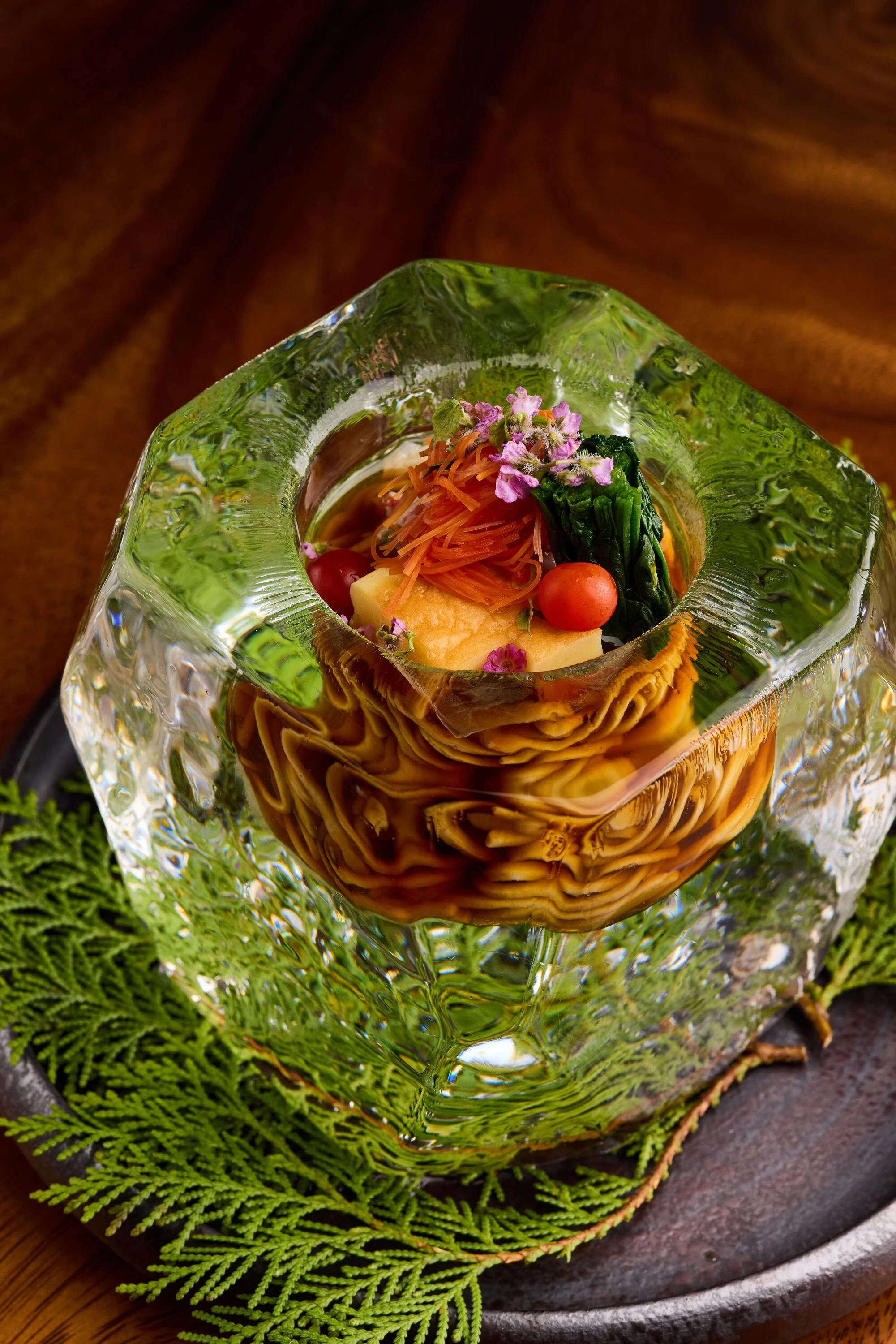
Presentation continues to surprise throughout the meal. We're told that the Omi wagyu is served on a 250-year-old plate and cold somen arrives in a hollowed-out bowl of ice. Then there's the fragrant donabe rice, sprinkled with fresh herbs and edible flowers blanketing the smoky charred cabbage and seared scallops. And just when you think the meal is over, the chef carries out yet another elaborate tray, this time filled with desserts.
If you eat with your eyes first, then this is the omakase for you. And at $160, it's also fairly reasonable in today's highly saturated Japanese fine-dining landscape.
Discover Time Out original video