Eating and drinking sits at the heart of every great city. It shapes neighbourhoods, sparks conversations and gives travellers a reason to book the flight in the first place. So when Time Out releases its annual ranking of the world's best cities for food and drink, it's as much a snapshot of culture as it is a list of places to eat.
Bangkok lands second place once again this year – not a surprise to anyone who's spent real time here. The dining scene comfortably spans both ends of the spectrum: a B50 breakfast from a roadside cart one morning, a tasting menu at a Michelin-starred restaurant the next. Few cities move so naturally between the two.
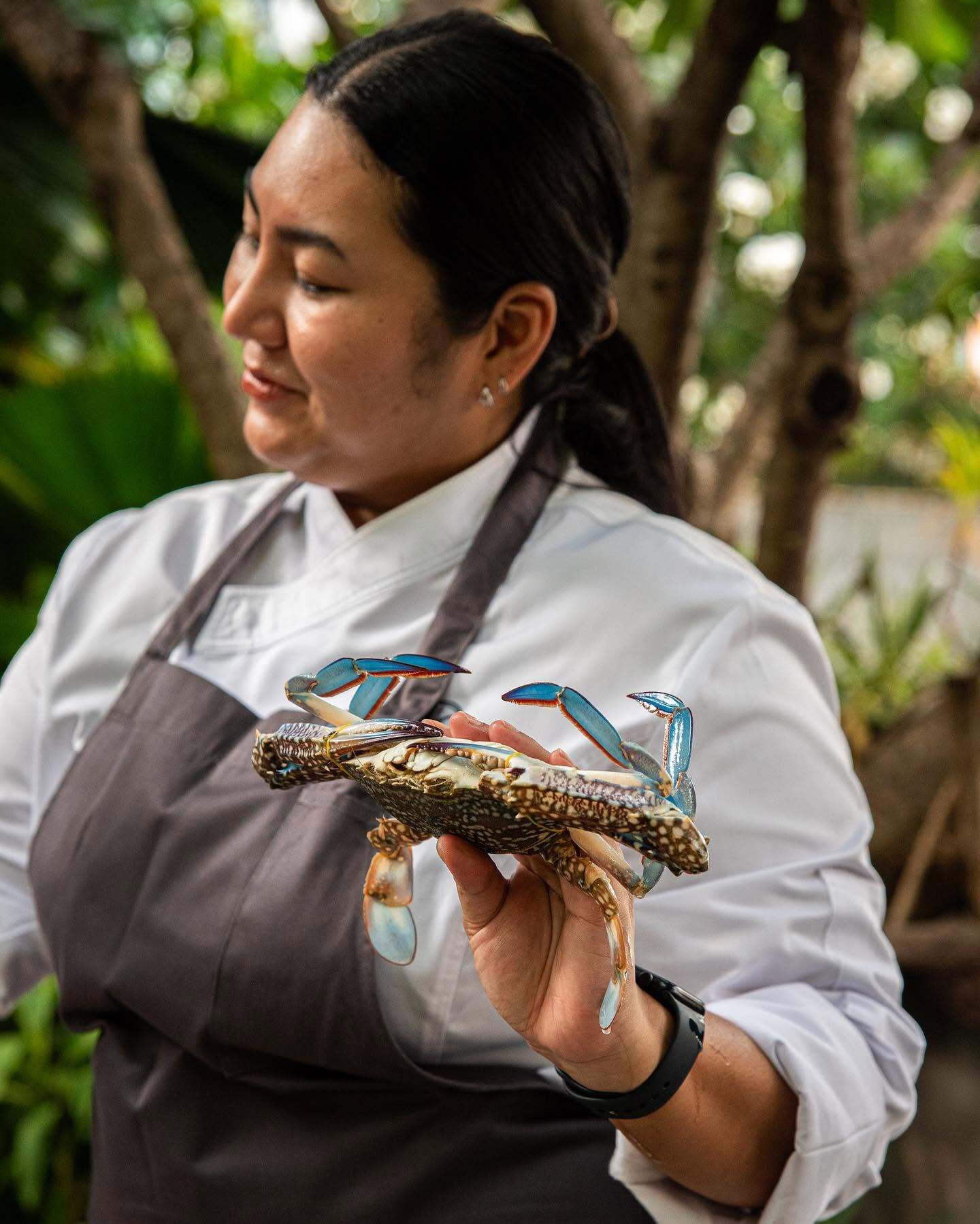
Photograph: SornBangkok ranked #2 best food city in the world
Part of the excitement is the renewed attention on Thai cuisine itself. Last year, southern Thai powerhouse Sorn made the headlines, with countless awards and many stars, while this year, focus moves to the younger generation of chefs who shine a light on regional cooking traditions long overlooked outside their home provinces.
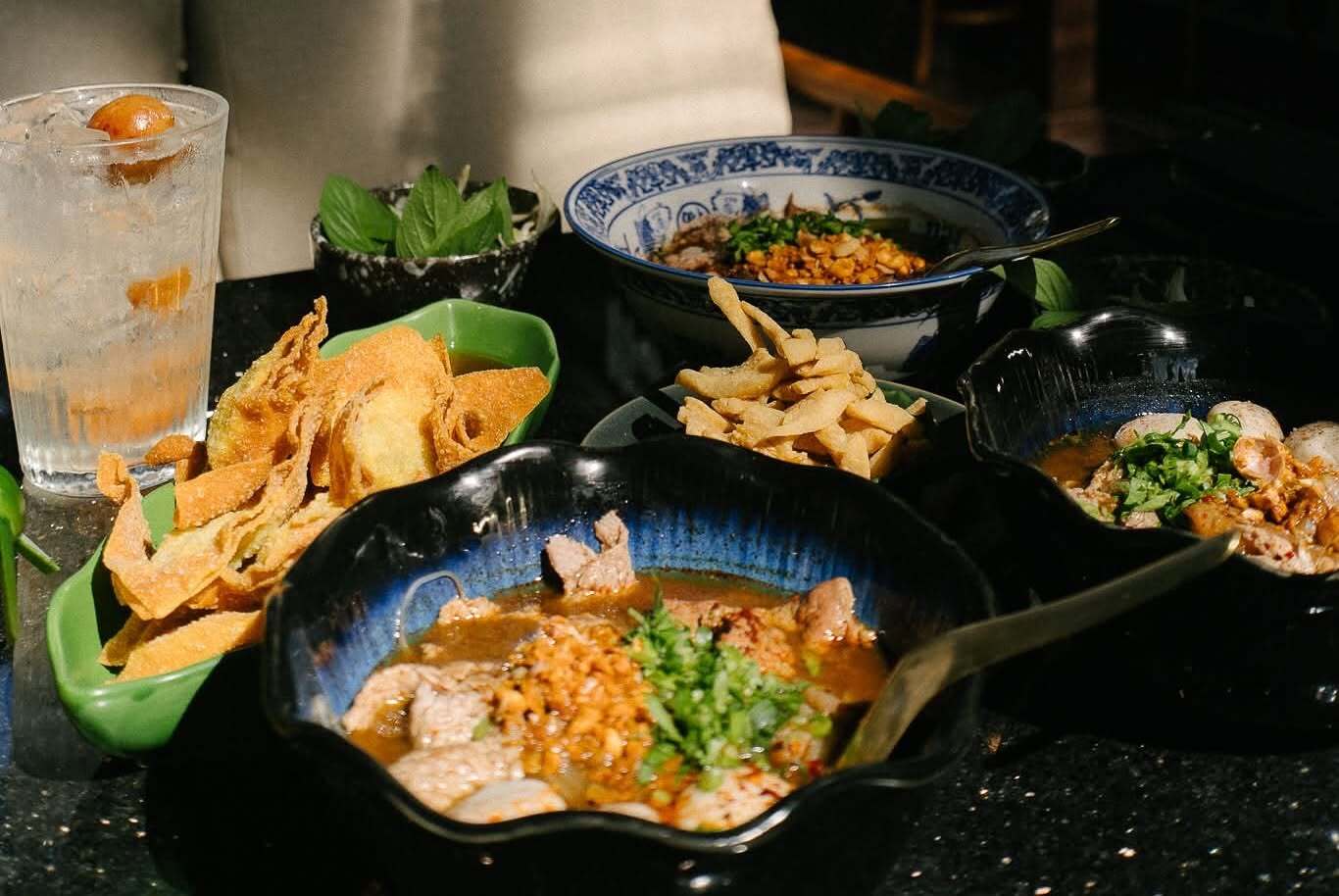
Photograph: ThongSmithBangkok ranked #2 best food city in the world
The city's larger food groups are reshaping familiar dishes too. IBerry Group's ThongSmith turns boat noodles into one of Bangkok's biggest casual dining success stories, while newer sibling Trok Maraga gives bitter melon chicken noodles a similarly polished treatment without losing their everyday appeal.
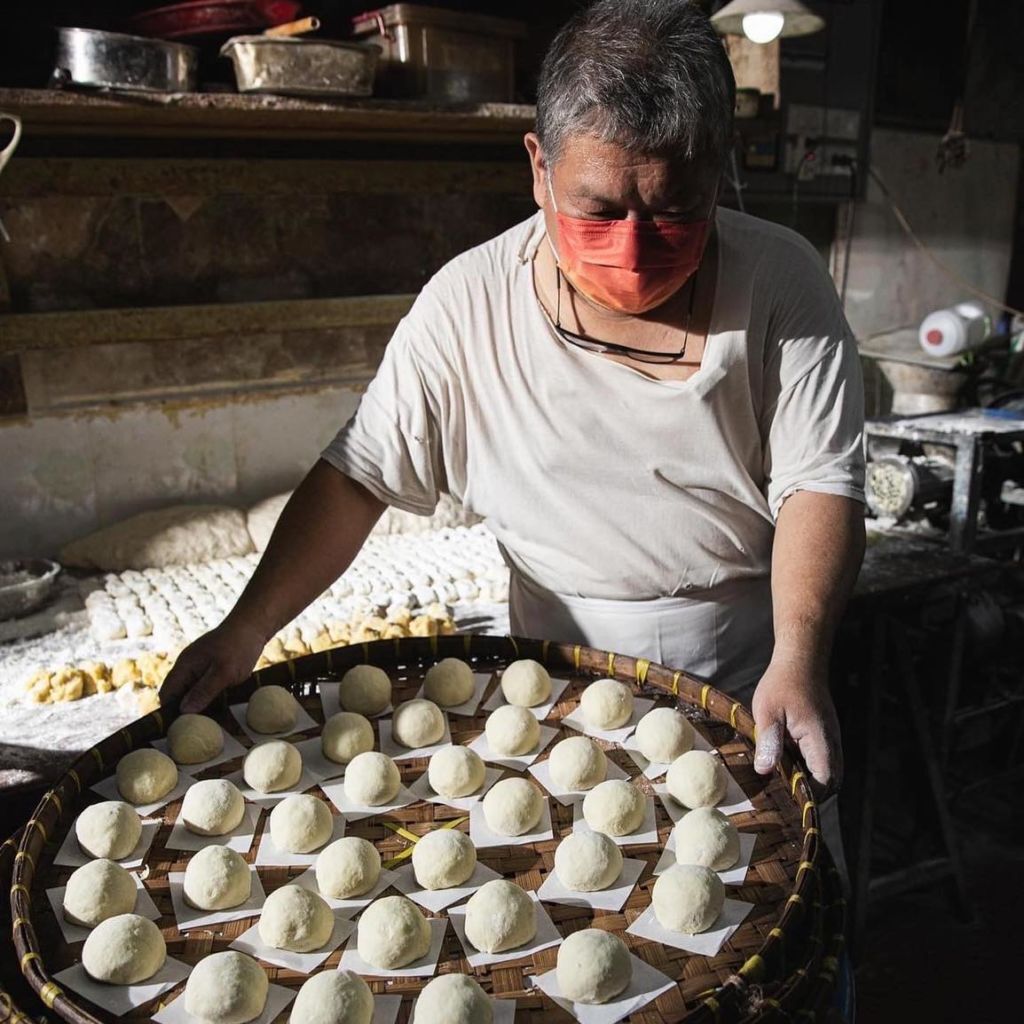
Photograph: Gu Long Bao SapalaoBangkok ranked #2 best food city in the world
Neighbourhoods play their part. Song Wat Road continues its transformation, old shophouses now home to a growing collection of restaurants, bars and cafes that sit comfortably alongside long-standing family businesses. A short walk away, Talat Noi remains one of the city's most rewarding food destinations. Crowds still gather outside Daeng Racha Hoi Tod, patiently waiting for a plate of its famously crisp oyster omelette – proof that some classics never need reinventing.
Here are the world’s top 10 best cities for food in 2026
Looking at Asian cities alone, Ho Chi Minh City comes in sixth, Beijing eighth and Osaka 12th. Check out the full list and the reasons behind each city's selection in the official world's coolest cities coverage on Time Out London.
So if that still isn't enough to convince you, start planning your Bangkok itinerary ahead of your next trip and find out why we think the city absolutely deserves its spot on Time Out's list of the world's best cities for food this year.
Subscribe to our free Time Out Bangkok newsletter and get the very best of the city delivered straight to your inbox.
Bangkok has mastered the double-take business name. You laugh, you question it, then walk in anyway. Behind these baffling shopfronts is some of the city’s best food, drinks and fashion.
A coffee stall in on its own innuendo. A restaurant built around contraception. A bar that poisons you on purpose. Yet none is a gimmick propping up a mediocre business: the food, drinks and ideas behind the names hold their own, making the joke land even harder.
Here are ten Bangkok spots proving a great name doesn’t have to make sense to work.
Every summer, durian splits Bangkok cleanly in two. Devotees treat it like a national event while everyone else avoids enclosed spaces. But for those firmly on team durian, this year’s crop goes well beyond roadside stalls and supermarket trays. Across Bangkok, chefs, bakers and beauty brands are folding the king of fruits into curries, cheesecakes, ice cream and even skincare with surprisingly convincing results .
Here are seven durian creations genuinely worth your time this season.
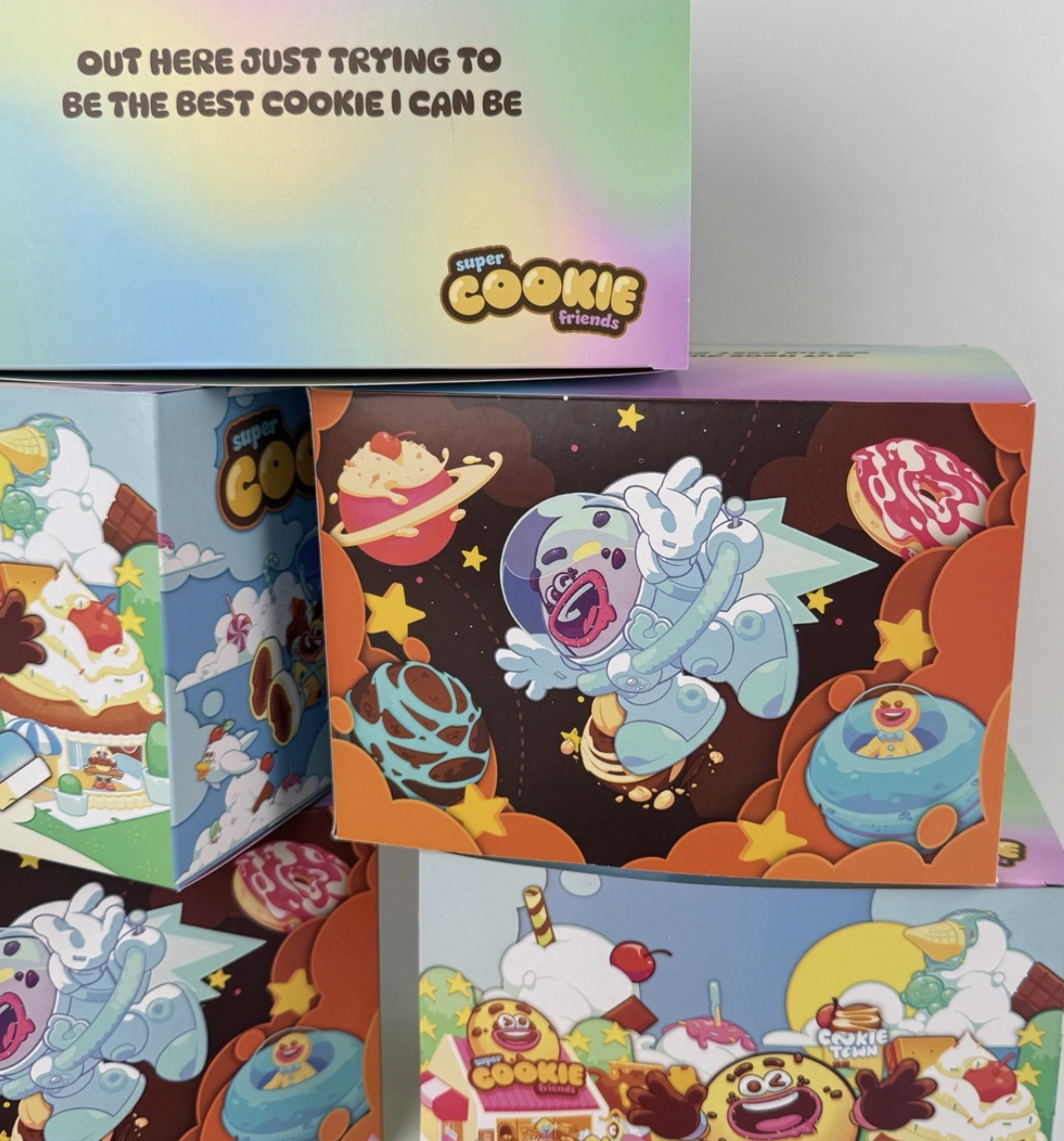
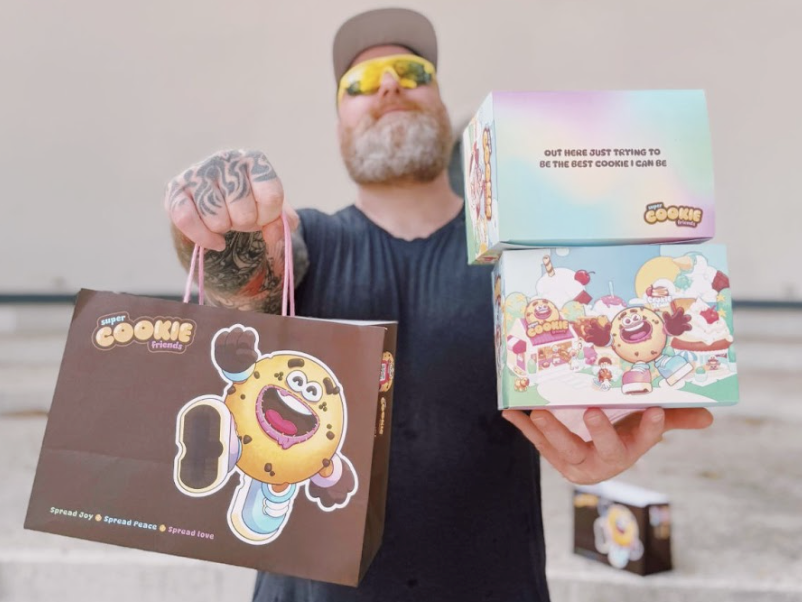
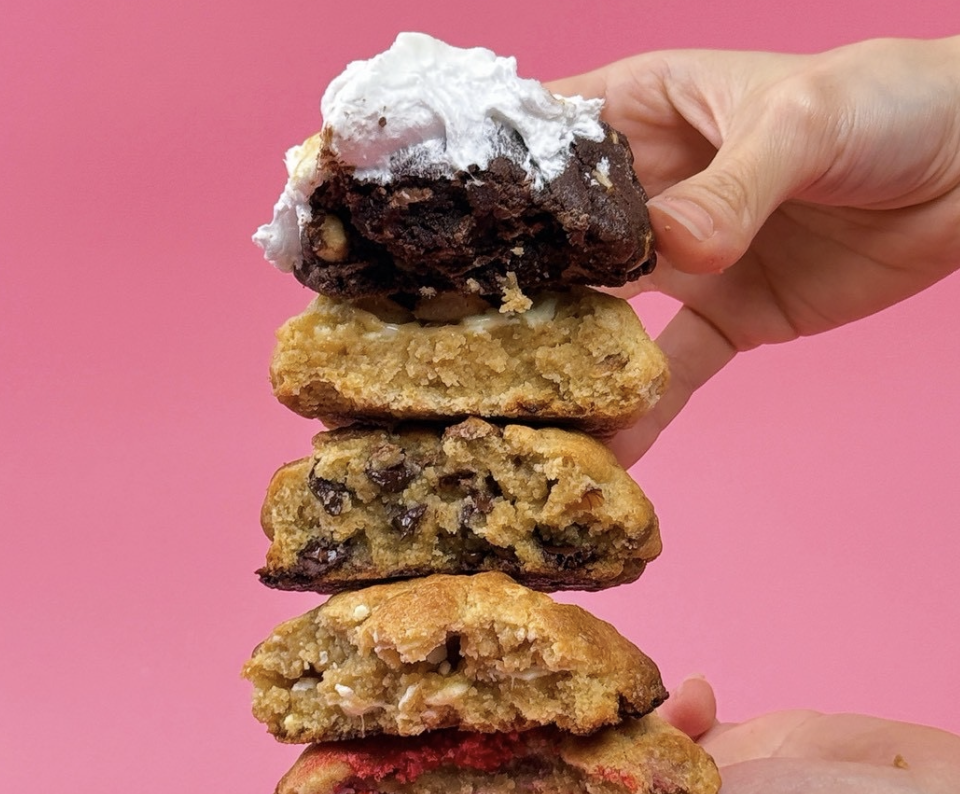
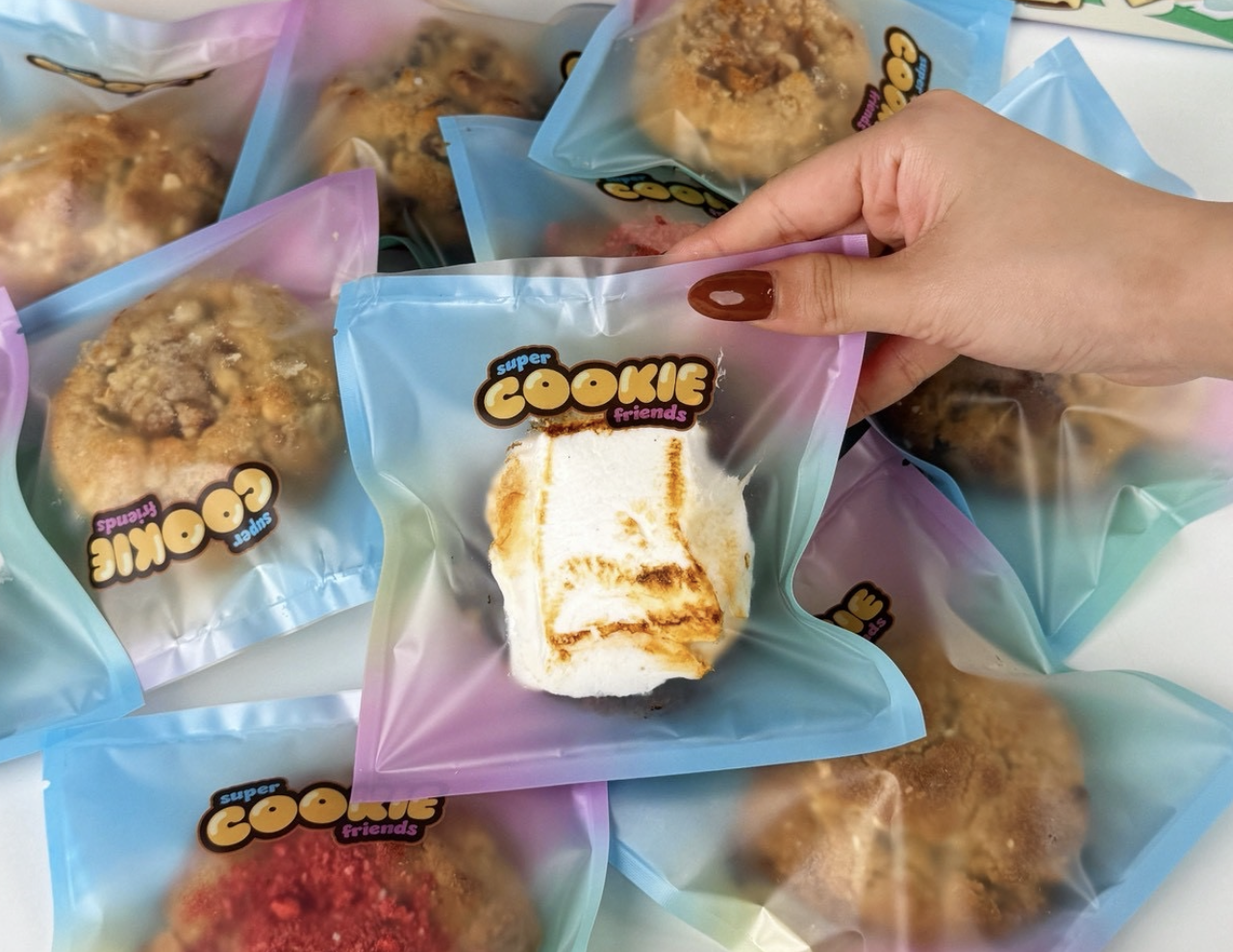
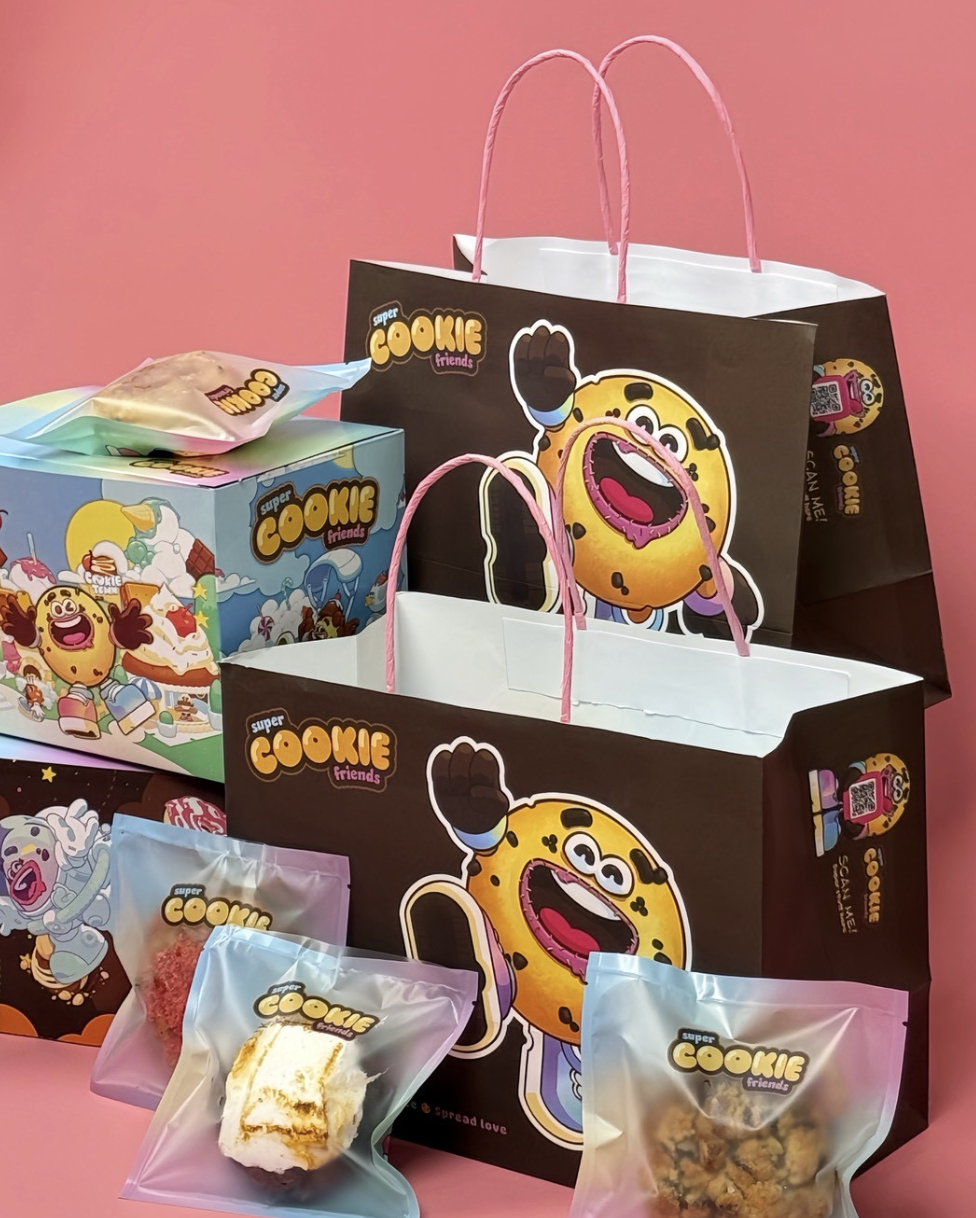
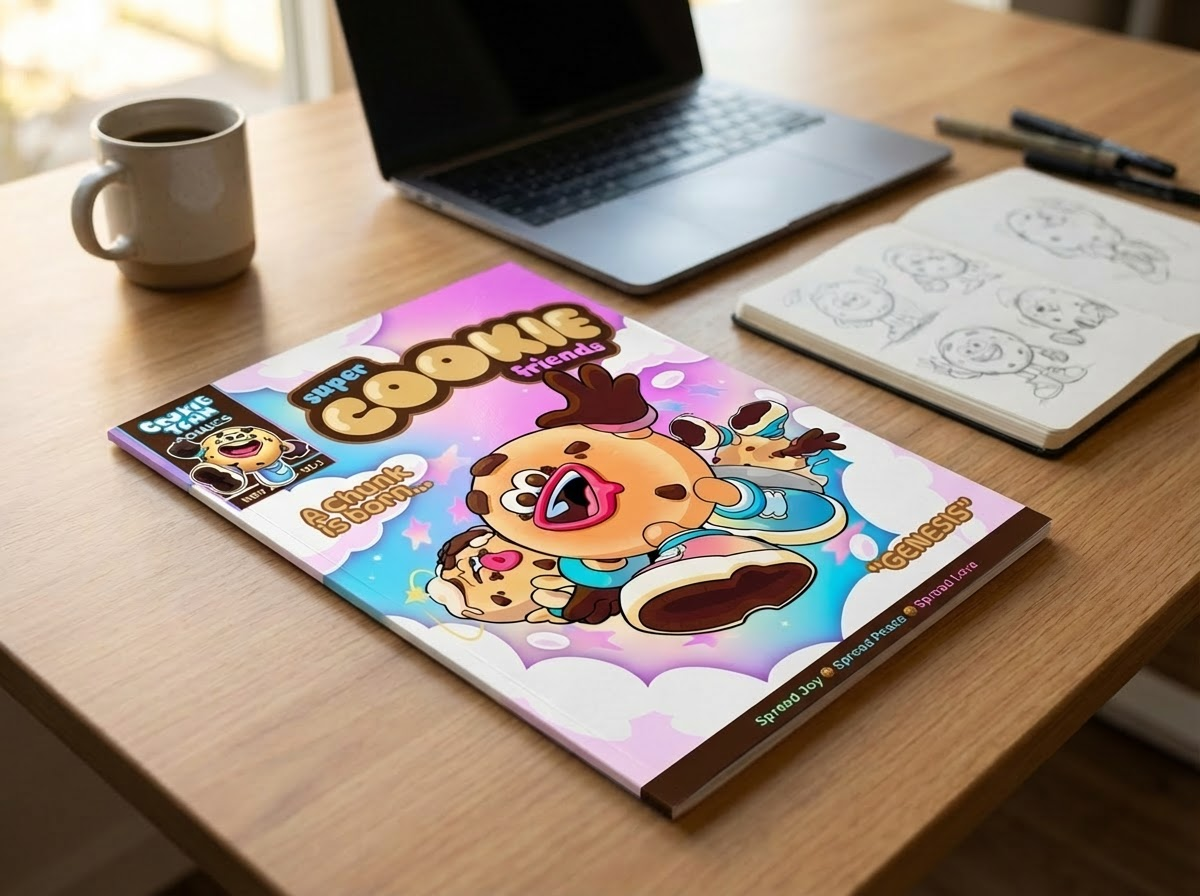
Cookies, comics and collectibles collide one evening at the Time Out Bangkok office. The Super Cookie Friends boxes materialise. Peeking into the bag, the first thing we saw was the top of the box: 'Out here, just trying to be the best cookie I can be.' We went – who said that?
Photograph: Super Cookie Friends
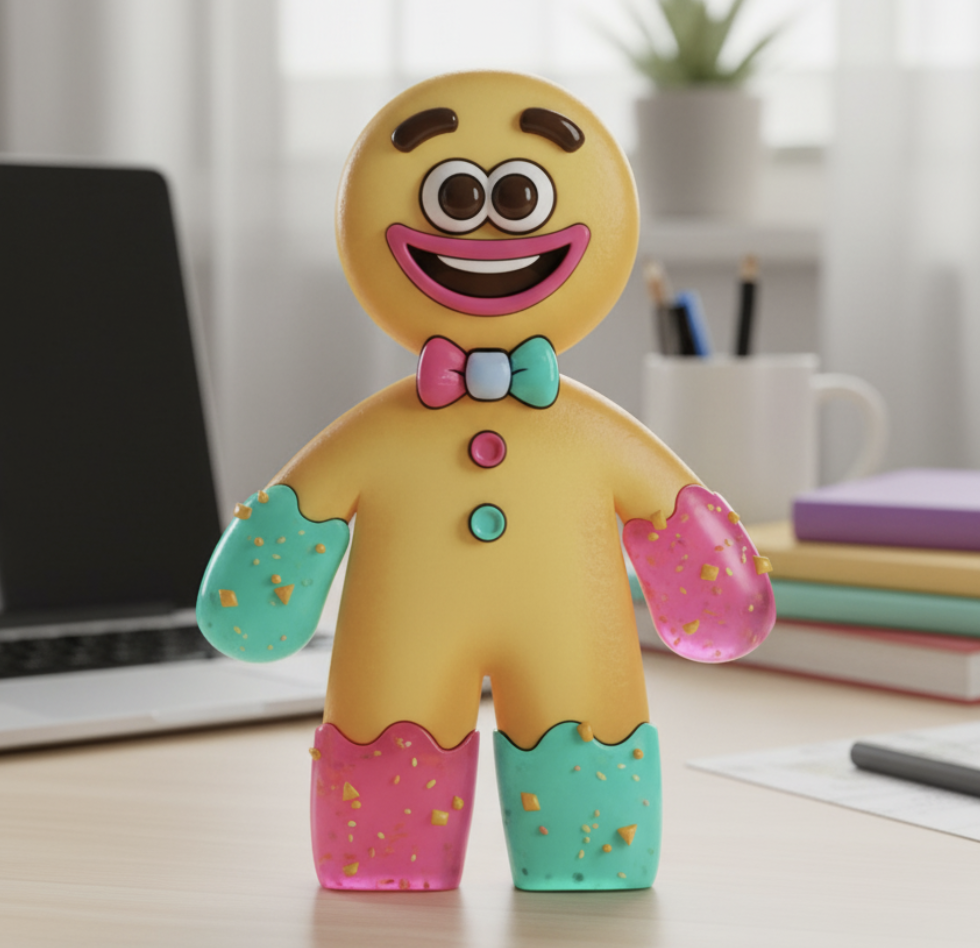
We took the box out and followed the artwork around. Then this round, beaming Chunk guy showed himself. Oh, it's Chunk. Cookie Town below him.
And if you look closely there are clues – products and lines not yet out, hiding in plain sight. Then Chunk again, flying back through space with his gingerbread friend.
Photograph: Super Cookie Friends
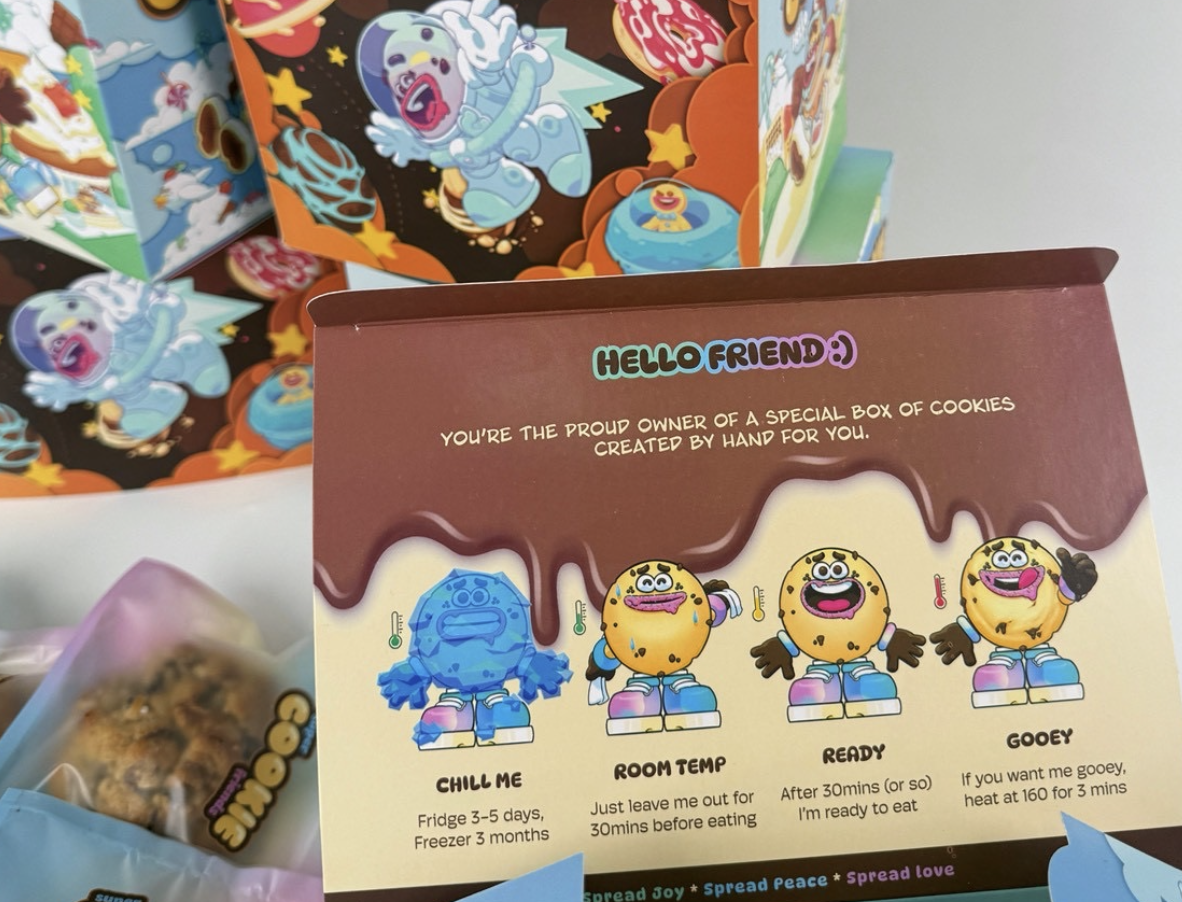
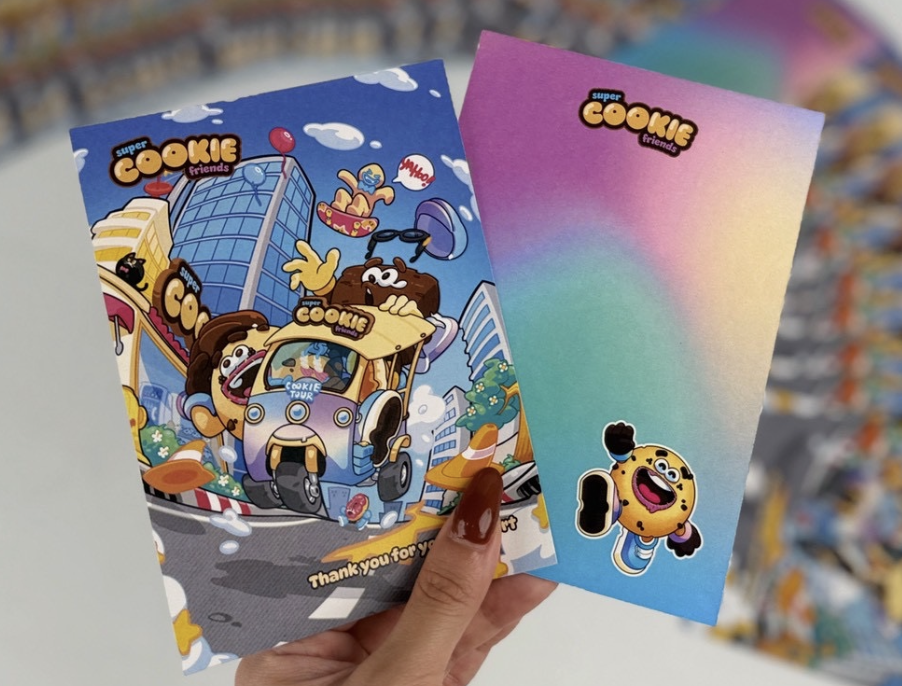
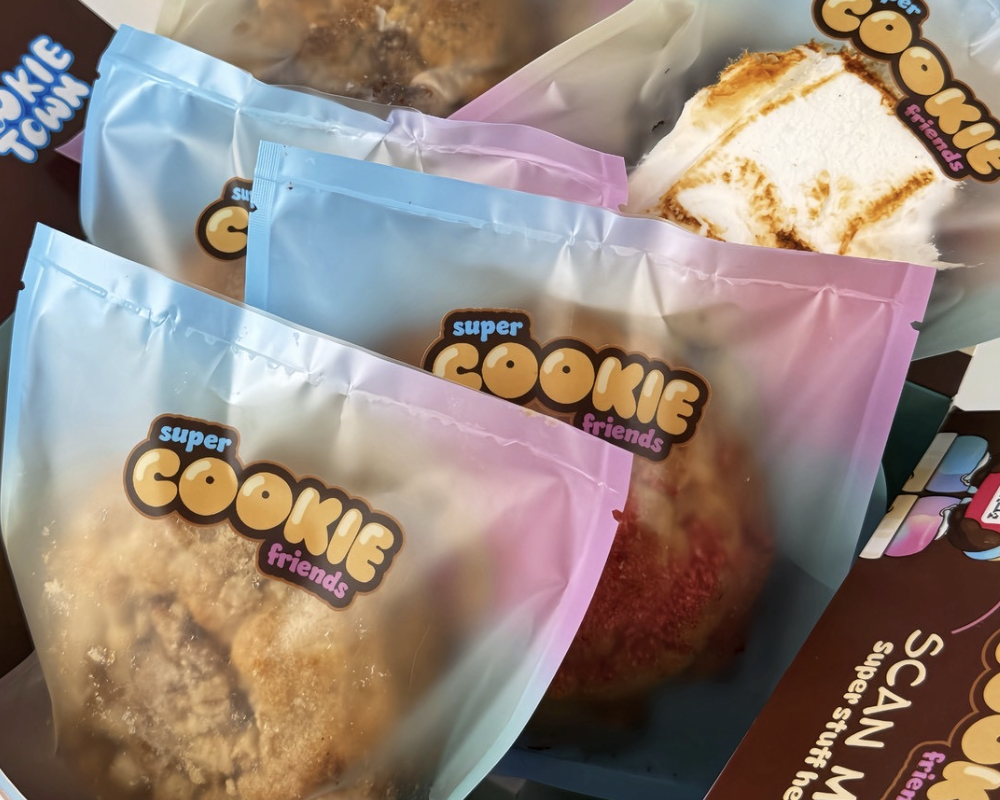
Open it up and you're back with Chunk(s). 'Hello, Friend. You're the proud owner of a special box of cookies, created by hand for you.' Illustrated instructions for getting the most out of them. Then you notice the side flaps – open those and the scene keeps going, extending outward, which is a fun thing to find. Look inside the box itself: Take Me Down To Cookie Town and the link to the rewards community – Super Cookie Friends Friends. We'll get to that.
Then the cookies. Lined up left to right at a very deliberate angle, what their creator calls 'tasty soldiers.'
Reader, we demolished them. Chuck got early access to our February 19 to 25 edition of Table Talk in Bangkok, our weekly roundup of the capital’s must-know culinary happenings.
But here’s how deep the Chuck cosmos really goes.
Photograph: Super Cookie Friends
The man responsible for all of this is David Fine – London-born, with the kind of restless creative energy that has a habit of pulling him sideways off whatever path he thought he was on. He has been, at various points in his life, a graphic designer, a tailor's assistant with a Royal Warrant to the Queen, a house and techno DJ, a record label founder, a fashion buyer and a brand strategist. He now makes cookies in Bangkok. But to call it simply that feels like describing Kubrick as a photographer.
'I've always been very detail obsessed,' he says. 'I can become fixated with details and doing things properly and seeing them through to the best version of themselves.'
Photograph: Super Cookie Friends
The origin story begins, as many good ones do, somewhere completely unrelated. David was running his creative agency out of Greece, helping a pair of American twins who sold gingerbread cookies each Christmas from their bakery. The cookies were popular. Customers kept asking for them year-round. The twins wanted marketing help – funnels, that sort of thing – but David found himself drawn instead to something else entirely: gingerbread characters, mascots, animations, a whole world built around the product. The working relationship ended somewhat abruptly. But something had been unlocked. 'The experience had fulfilled its role as a stimulus for me to change paths,' he says.
He was walking around a golf course with his wife, Quali – his nickname for her, used so constantly that, he admits with a laugh, it's basically what she hears all day – when it came to him. He wanted to make his own cookie brand. He wanted to call it Super Cookie Friends. He didn't know exactly where the name came from but he understood what it meant the moment it arrived: 'my love of comics and collectibles and the idea of a group of characters that are positive and friendly with good energy – also on their own path of development. I thought we could use the characters to inspire and also create deeper meanings in a fun way.'
Photograph: Super Cookie Friends
'Let's go to Thailand,' he told Quali. They had been coming since 2013, always having to leave each time, always planning to return. 'We said, let's go and make a go of this.' They packed up and got on a plane.
Bangkok, as it turns out, was not short of cookies. What it lacked was David's persistence. He spent months trying to find a baking partner, someone whose product he could feel comfortable putting the Super Cookie Friends name on. He tried hundreds of cookies across the city. He did demo tests with three or four different bakers. None of them convinced him. 'The cookies were kind of soft and maybe overly gooey and floppy, or just no interesting textures, not using the finest ingredients. It just fell flat for me.'
Money, he says, is one thing. Soul is another. And soul has always come first – the record labels, the design work, everything has been about the art before the commerce. He was not prepared to compromise on that now.
Then, one afternoon, Quali was browsing a Japanese bookstore and pulled a Scandinavian cookbook from the shelf. They took it to a nearby cafe, ordered coffees and David started flicking through the recipes. Somewhere between the pages, the familiar feeling arrived – one of the ones Quali knows to brace for, because they come all day, every day, announced with the same opener: 'Hey, Quali, I've had an idea.'
'Let's figure out how to make the ultimate cookie,' he said. A pale pink countertop mixer in a homeware shop. They bought it on the spot and carried it home. 'I used to mix vinyl,' David says, 'now I mix dough.'
Photograph: Super Cookie Friends
That first batch, he walked straight down to Tarns coffee in Suan Phlu. The owner had been eating every iteration of his cookies since the beginning – which is why the flagship is named after her. The Atomic Choc Chunk.
'She loved them, told me I was a great baker and I thought I've got it locked.' He pauses. 'But there's a graph, I think.'
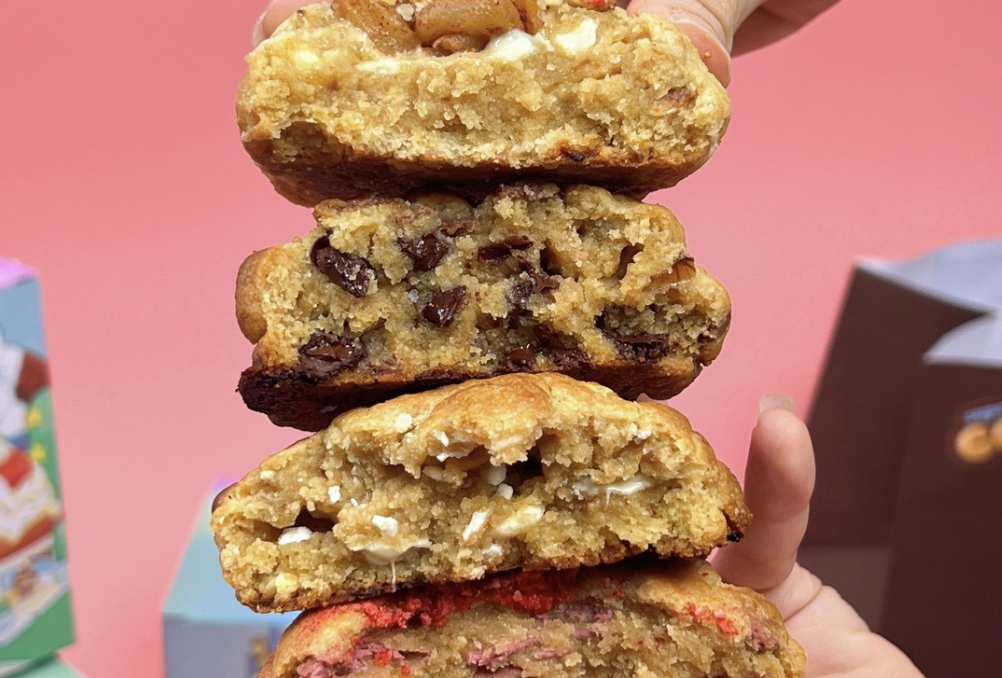
What followed was months of baking. Testing, throwing things away, giving everything to anyone willing to eat it, adjusting and adjusting again. He knew the cookie he was chasing: the New York style, specifically the kind made famous by Levain Bakery in Manhattan. Biscuity and quite crispy on the outside, chewy in the middle, heavy on the mix-ins. Not the soft, yielding things that had started appearing across Southeast Asia under the New York label. 'There are a lot of people claiming to make New York cookies, but they're not New York cookies. A lot of people calling soft cookies New York cookies – but they're different things.' He didn't want to compete with those. He wanted to bring something that people who had eaten the real thing and couldn't find it anywhere in Southeast Asia would actually recognise.
David is particular about ingredients. Belgian chocolate, French butter, free-range organic eggs. Sugar dialled back as far as structurally possible whilst maintaining flavour and integrity. He makes the marshmallow by hand. He makes the meringue by hand. 'Personally I don't like sickly, soggy, over-sweet cookies,' he says. 'I want it to be sophisticated.'
Each recipe follows a process. It starts with balance across the box – a solid mix of flavour profiles: nutty, salty, fruity, chocolatey. Then the season and the calendar come in. Then, crucially, personal inspiration: 'we think about flavours that have touched us personally and are inspired by our backgrounds.' David was born in London. Quali has Japanese roots. Their childhoods and travels move through every recipe, even when that's not immediately obvious. He'll only say 'watch this space' about what the British pudding classics series will bring.
Photograph: Super Cookie Friends
Once a direction is clear, he sketches the composition – mix-ins, fillings, toppers – and thinks about how it will look and how it will feel to eat before a single gram of flour is weighed. Then the baking begins. 'We will bake a lot of them and make sure they're repeatably good and the flavour and texture is balanced.'
Photograph: Super Cookie Friends
A recipe is done, he says, 'when it's consistently delicious.' But even then it isn't necessarily finished. He's currently playing around with adding a lemon drizzle to the lemon meringue cookie, which goes by the name 'Zest You Try' – if the tweak works, the recipe updates.
Photograph: Super Cookie Friends
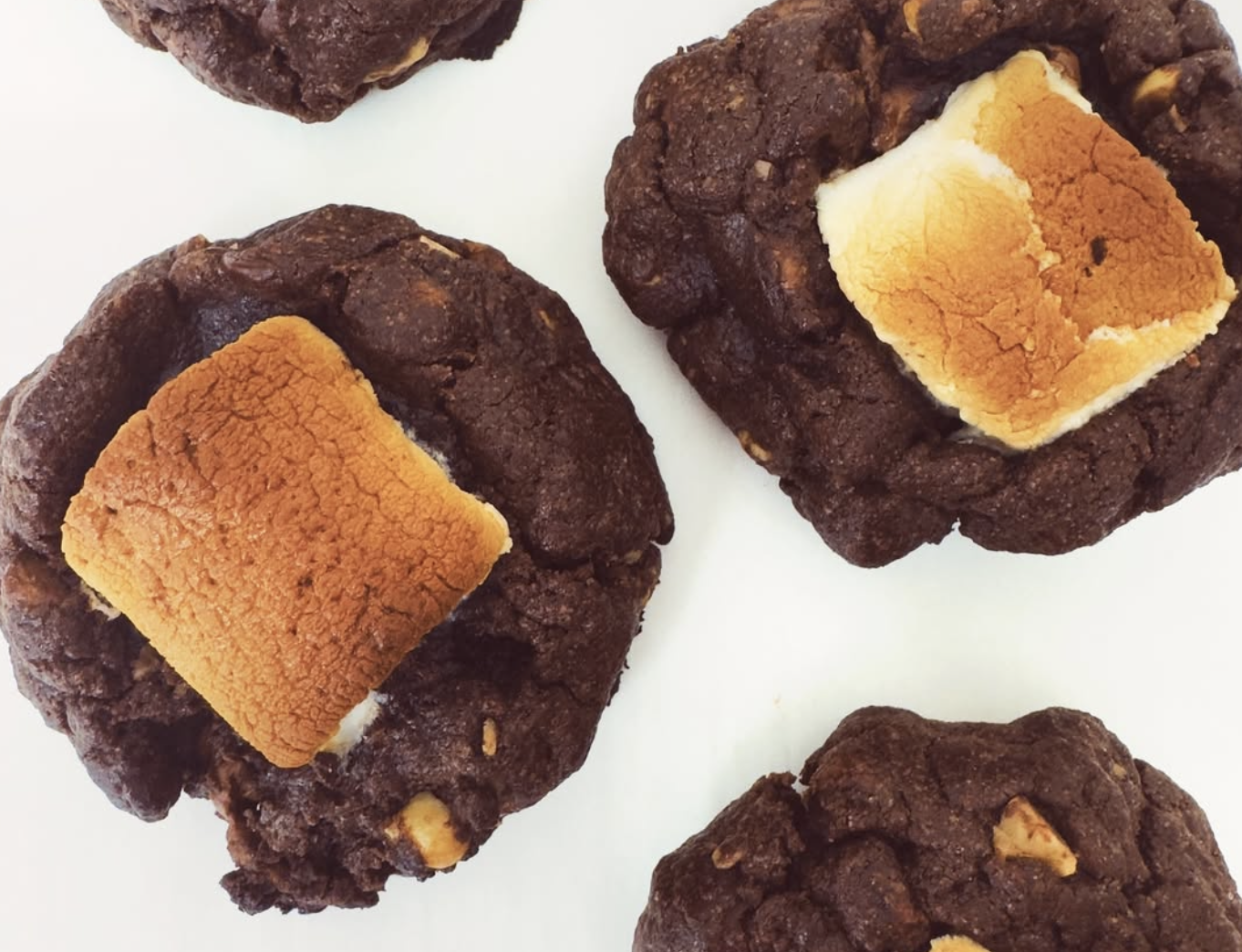
The marshmallow saga is the best illustration of how his mind works. He started by buying shop-made marshmallows for the double chocolate and hazelnut cookie, but when he read the ingredients list he didn't feel good about it. So he made his own. Home-made marshmallow, it emerged, does not survive the oven – it melts into something 'super chewy and stretchy and fun' but becomes, essentially, extra sugary caramel. The cookie was ruined. He went back to shop-bought for a week. Still didn't feel right.
'I said, there must be another way.' Eventually he landed on the solution: bake the cookie, finish it with sea salt the moment it comes out of the oven, lay the marshmallow on top while the heat is still coming off it, let it begin to melt naturally, then torch it. Campfire effect. Structural integrity maintained.
There is also a cookie that hasn't made it yet. In Britain, ice cream vans – known as Mr Whippy – serve soft serve in a wafer moulded into the shape of an oyster shell, filled with marshmallow, chocolate and hazelnuts. It's a childhood thing. David has been trying to translate it into cookie form but the buttercream, stable enough to survive a day or so of delivery, has evaded him. 'But we won't forget it,' he says, in a tone that suggests the Oyster cookie is less a failed experiment and more an unfinished argument.
The whole process takes two days. He is fairly confident – his phrasing is 'almost 100% conviction' – that nobody else is using the same recipes or the same method. 'These are not your auntie's cookies!'
Photograph: Super Cookie Friends
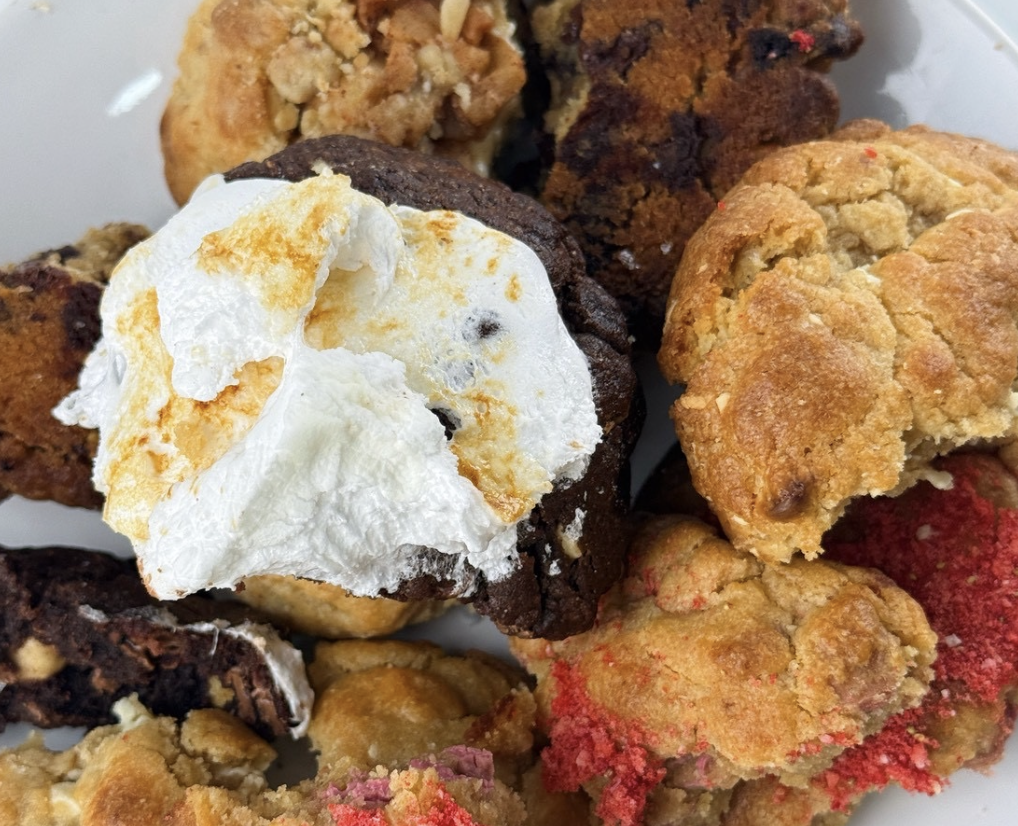
Super Cookie Friends launched this year with five flavours – Atomic Choc Chunk (choc chunk and walnuts), Double Choc Marsh (double choc marshmallow), Adults Only (double choc granola), Zest You Try (lemon meringue) and Apple Crumble – capped at 100 cookies a week, with a whole lot of creative infrastructure built around the whole thing.
The hundred-cookie limit is not a gimmick. It's a philosophy. He watched what happened to brands that blew up – a flood of orders, fulfilment under pressure, quality slipping and then a week later nobody remembers them.
Photograph: Super Cookie Friends
He wants the opposite: slow roots, word of mouth, a community that grows with the brand rather than briefly consuming it. 'We want to ensure a high level of quality control and consistency,' he says. 'And let people tell their friends about them, share the cookies on social, buy for other people as gifts. You will grow steadily, with strong foundations, with people that really care.'
Photograph: Super Cookie Friends
The weekly line-up is curated for balance: nutty, salty, fruity, chocolatey and something with a sense of fun. It shifts with the season and the calendar – last Valentine's brought Ruby chocolate, made from a rare natural pink cocoa bean.
The Chinese New Year special is the Fortune Cup. Finding Reese's Cups in Bangkok is a bit of a treasure hunt – David's words, not ours, but he did claim to have bought them all!
Easter will hinge on finding a reliable supply of Cadbury Mini Eggs. Flavours earn their place week by week; at some point the five-flavour line-up will grow, because David knows that cutting a cookie customer’s love is not a decision taken lightly.
Photograph: Super Cookie Friends
Coming soon and occupying a different register entirely, is the Doughpamine series – bigger cookies, more indulgent, pushing in the opposite direction from the studied restraint of the main range. 'Doughpamine is to Chunk,' he says, 'what Venom is to Spider-Man.'
Photograph: Super Cookie Friends
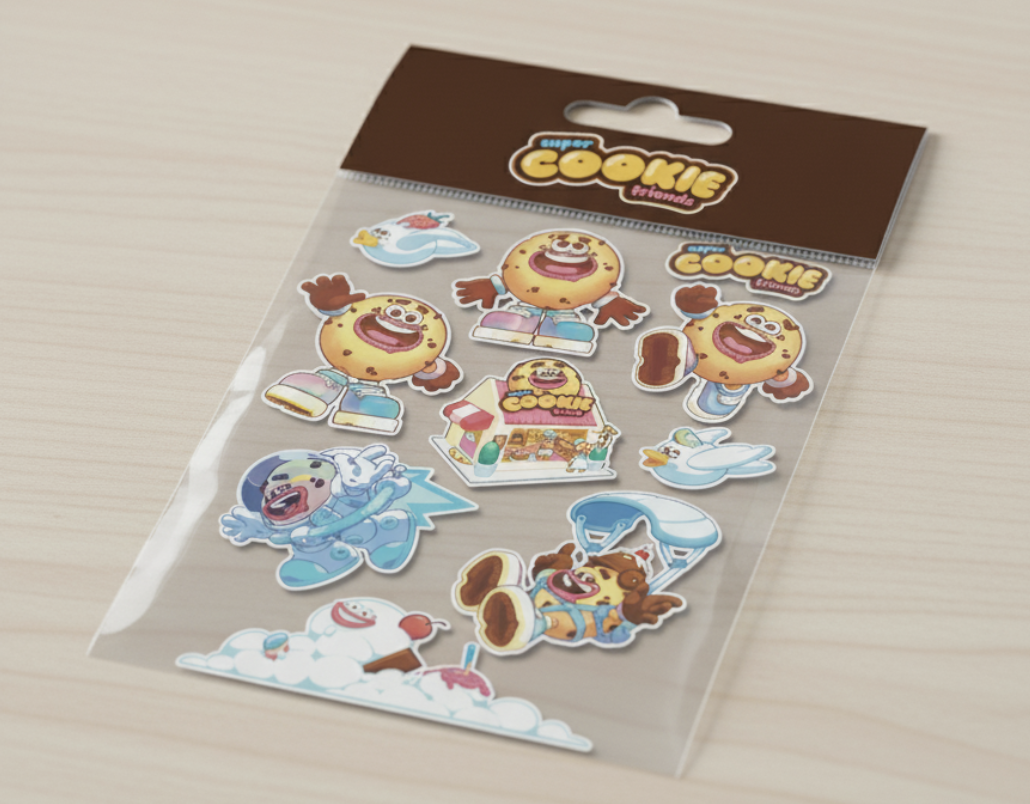
The characters deserve their own section, because this is where Super Cookie Friends stops being a bakery and becomes something harder to categorise. David grew up the son of a man who held licences for Thundercats, Transformers, Care Bears and He-Man – waking up to new toys by his bedside, helping his dad decide which characters to back. At 15 he was already designing sticker storybooks for Power Rangers and G.I. Joe for publishers stocked in WHSmiths. The love of characters, of storytelling through mascots and worlds, has been there since before he can really remember.
Photograph: Super Cookie Friends
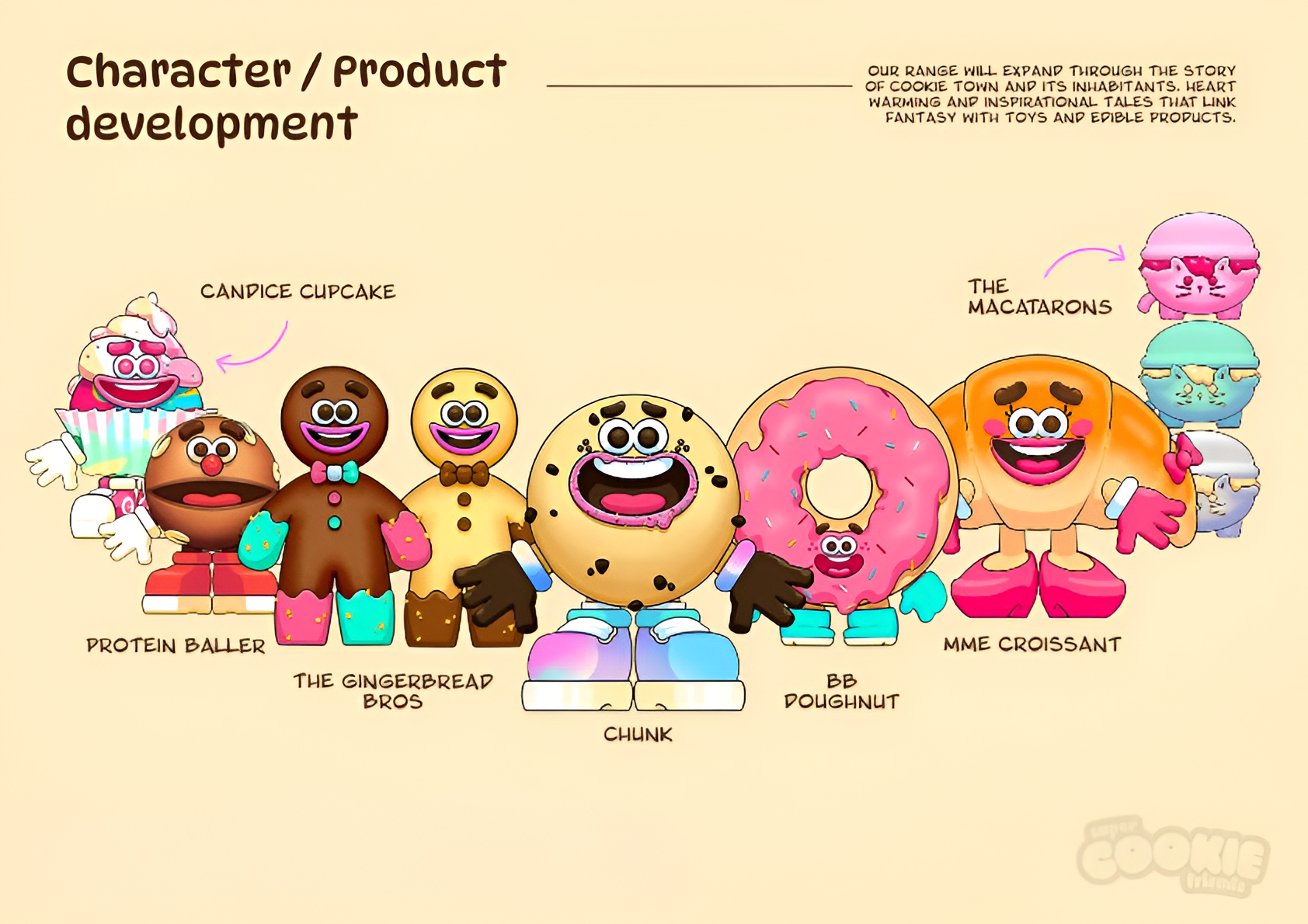
Chunk – the cheerful, spherical mascot – was, David says, 'born from love and hope for a better future.' His genesis story will be told in a limited-edition comic arriving in the coming weeks, volume one of what is clearly intended to be a much longer run.
Photograph: Super Cookie Friends
Chunk is, technically, Master Chunk – the cookies you eat are his clones, a detail David delivers with barely concealed delight. He is upbeat, positive, happy and 'he wants you to eat him.' His story will follow his progression, his development, his attempt to be the best cookie he can be. The gingerbread characters who appear on the packaging are the workers of Cookie Town. 'They're a bit downtrodden at the beginning,' David says, 'but their time comes when they're recognised for their hard work and can-do attitude.'
Photograph: Super Cookie Friends
Next in line for an origin story is Biggie Brownie, about whom David has revealed precisely nothing (yet!).
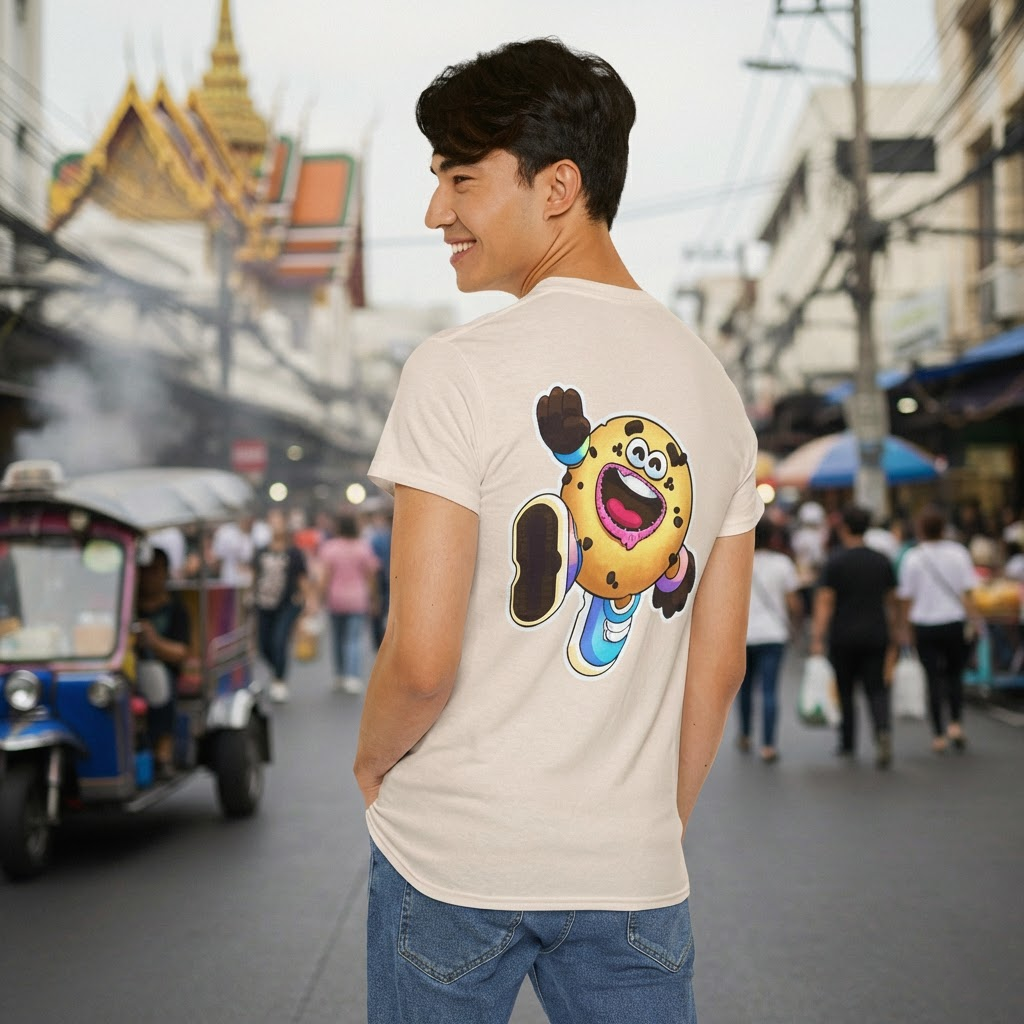
After that: T-shirts. A limited toy run. Bag charms. Keyrings. He has also written the Gingerbread characters' comic and a backstory for the forthcoming brownie range. The universe, as he puts it, is already written – it's just being released slowly.
The last thing he talks about is what comes next: a cafe, eventually, a proper Super Cookie Friends experience. Pop-ups. Collaborations. Hong Kong already in conversation. Japan on the horizon. UK and Australia circling. A community rewards programme called Super Cookie Friends Friends, where the highest-earning action is buying a box for someone else – and not a review or a social share.
'I think that's a lovely gesture,' he says. 'And a lovely way to introduce new people to the brand.'
Some people just care like that. And it turns out a cookie can hold quite a lot of soul.
Super Cookie Friends ships out of Bangkok every week. You can catch them on Instagram for now, while their website is still in the oven.
Bangkok doesn't really do slow. The city runs hot – always another plate to try, another bar to find, another corner of the night to chase down. Sometimes you just need out. Not far, but far enough: somewhere the air is cooler, the pace drops and the view stretches past concrete and neon.
Chiang Mai answers that call. Head north and the landscape shifts, mountains roll in, the Ping River winds through and centuries of Northern Thai culture sit quietly on every corner. The food up here has its own character too: bold, rooted and built on recipes that haven't needed fixing.
This guide is put together by the Koktail Thailand Restaurant Guide, spotlighting restaurants where mountain panoramas and riverside vistas do more than set the scene – they're part of the meal itself. Local ingredients take centre stage, each dish a small piece of the larger story that Northern Thailand has been telling for a very long time.
The capital’s enormous ethnic Chinese community has been shaping everything from the business scene to the street food landscape here for generations, especially around Yaowarat where Chinatown buzzes with that perfect mix of heritage and hustle. You've got your casual street side spots or the full on formal family banquet venues. Not much in between for when you just fancy really good Chinese food on a random Tuesday or any day.
Photograph: Andaz One Bangkok
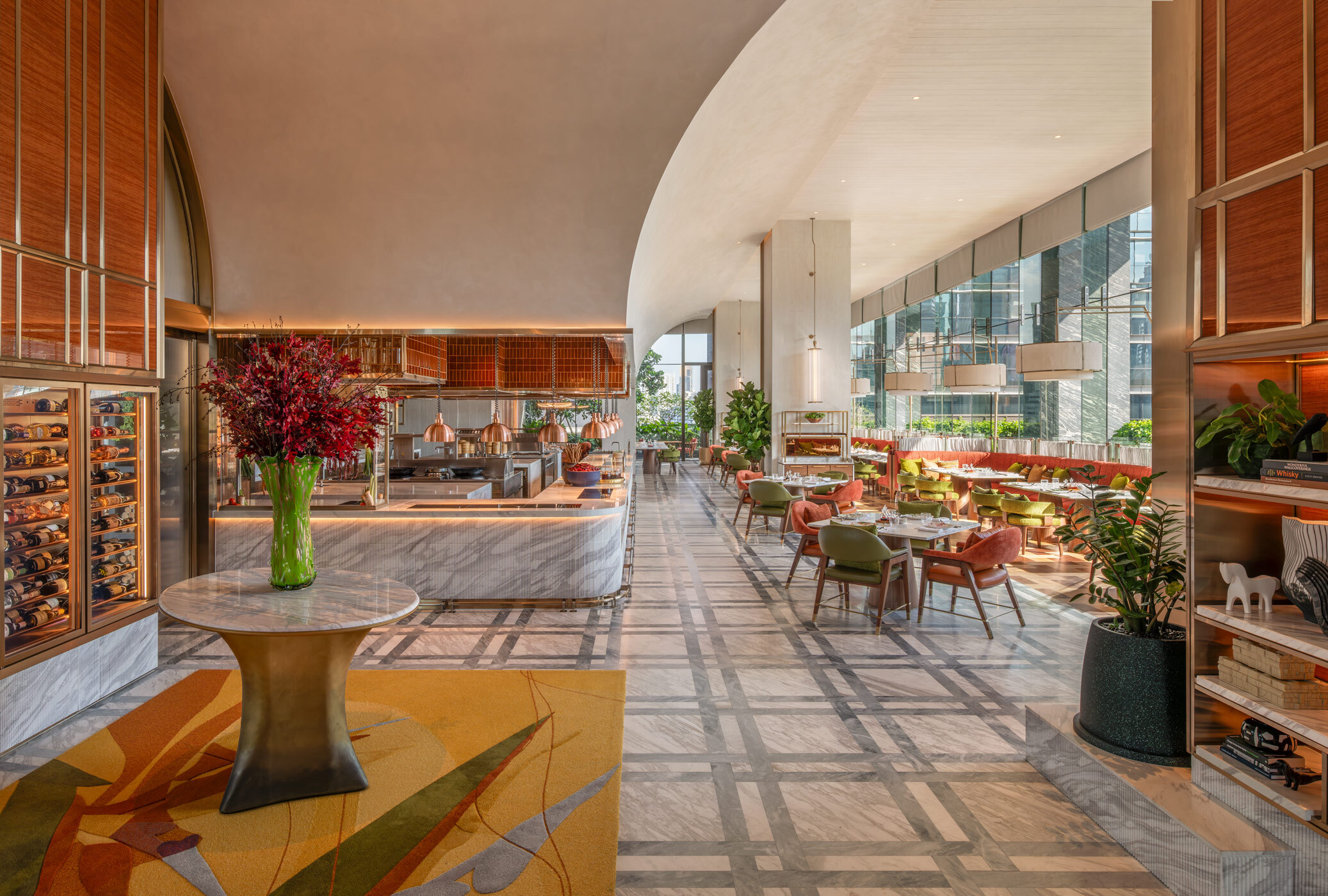
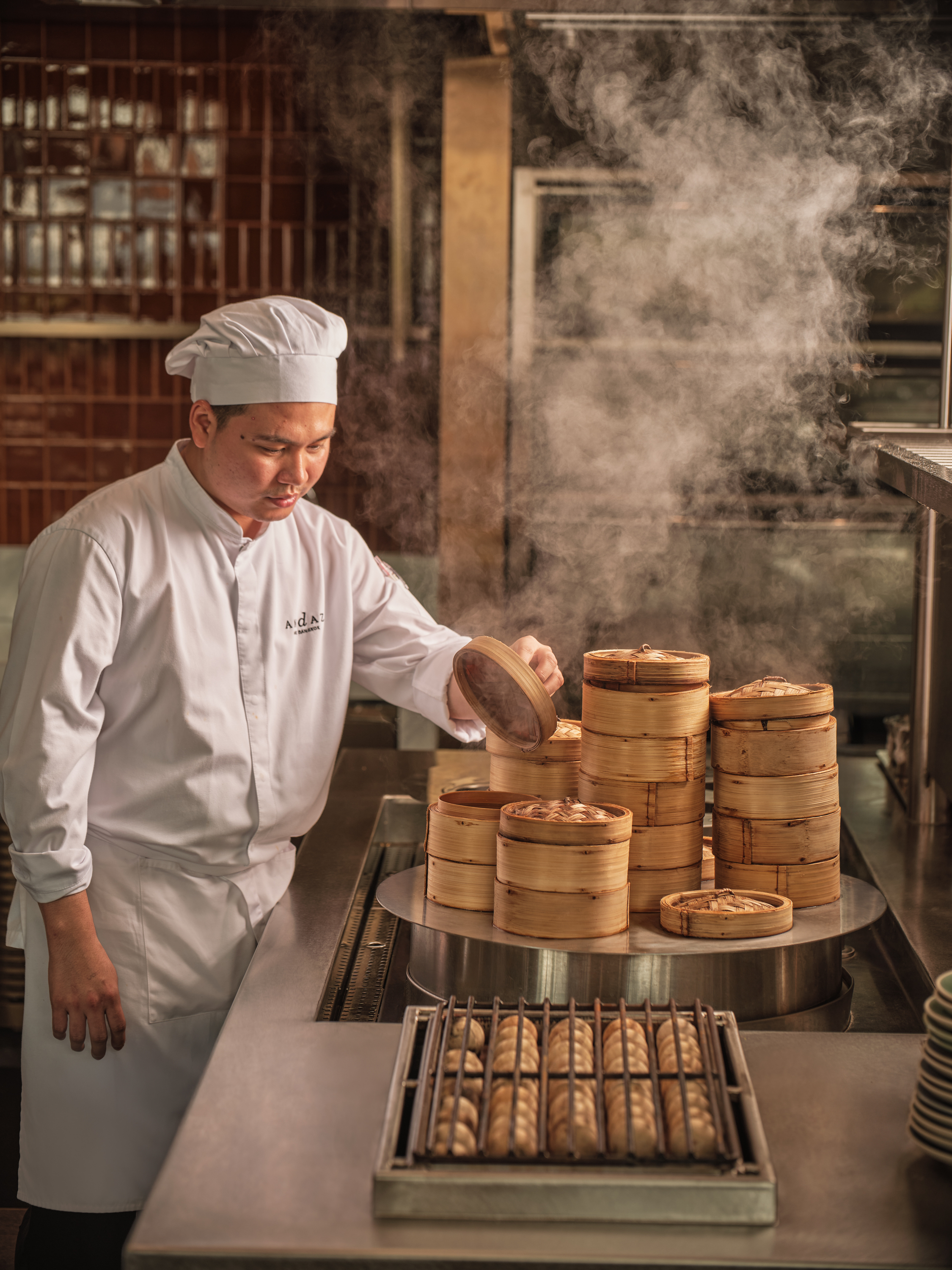
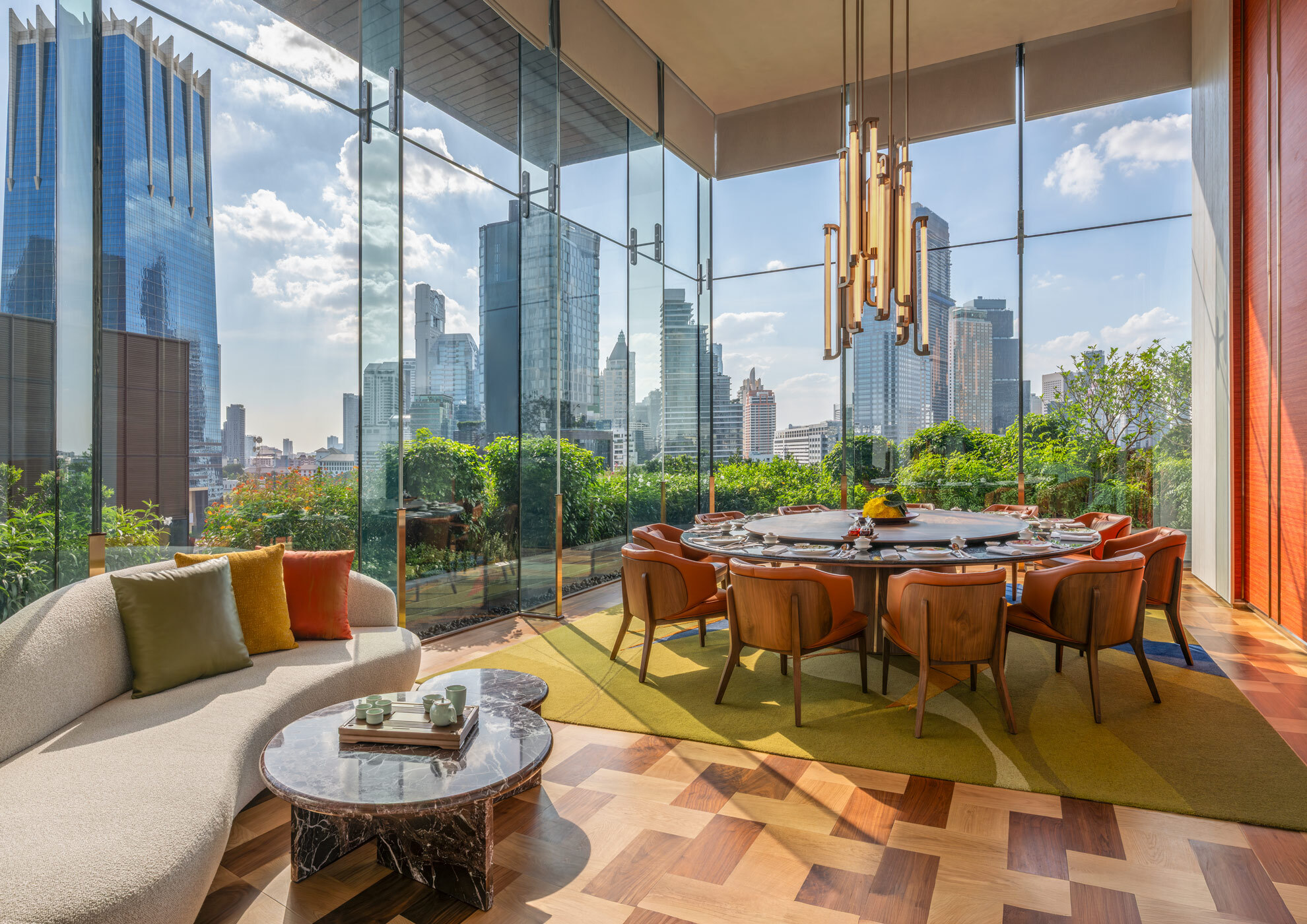
That's the gap Jǐng fills at Andaz One Bangkok. The name means 'scenery' or 'view' in Chinese, which clicks the moment you walk in. Natural light pours through the windows on the L Floor, making the restaurant feel airy and relaxed.
Before you start worrying this means the food has gone all fusion and experimental, take a breath. The kitchen runs on pure authenticity. Experienced chefs use techniques they've spent years perfecting. Quality ingredients arrive daily. Traditional preparations get the respect they deserve.
Photograph: Andaz One Bangkok
The open kitchen steals the show before you even taste anything. It's built like a theatre stage so you can watch the entire performance. Woks crackle and hiss. Flames leap up in controlled bursts. You're eating dinner and watching a masterclass at the same time.
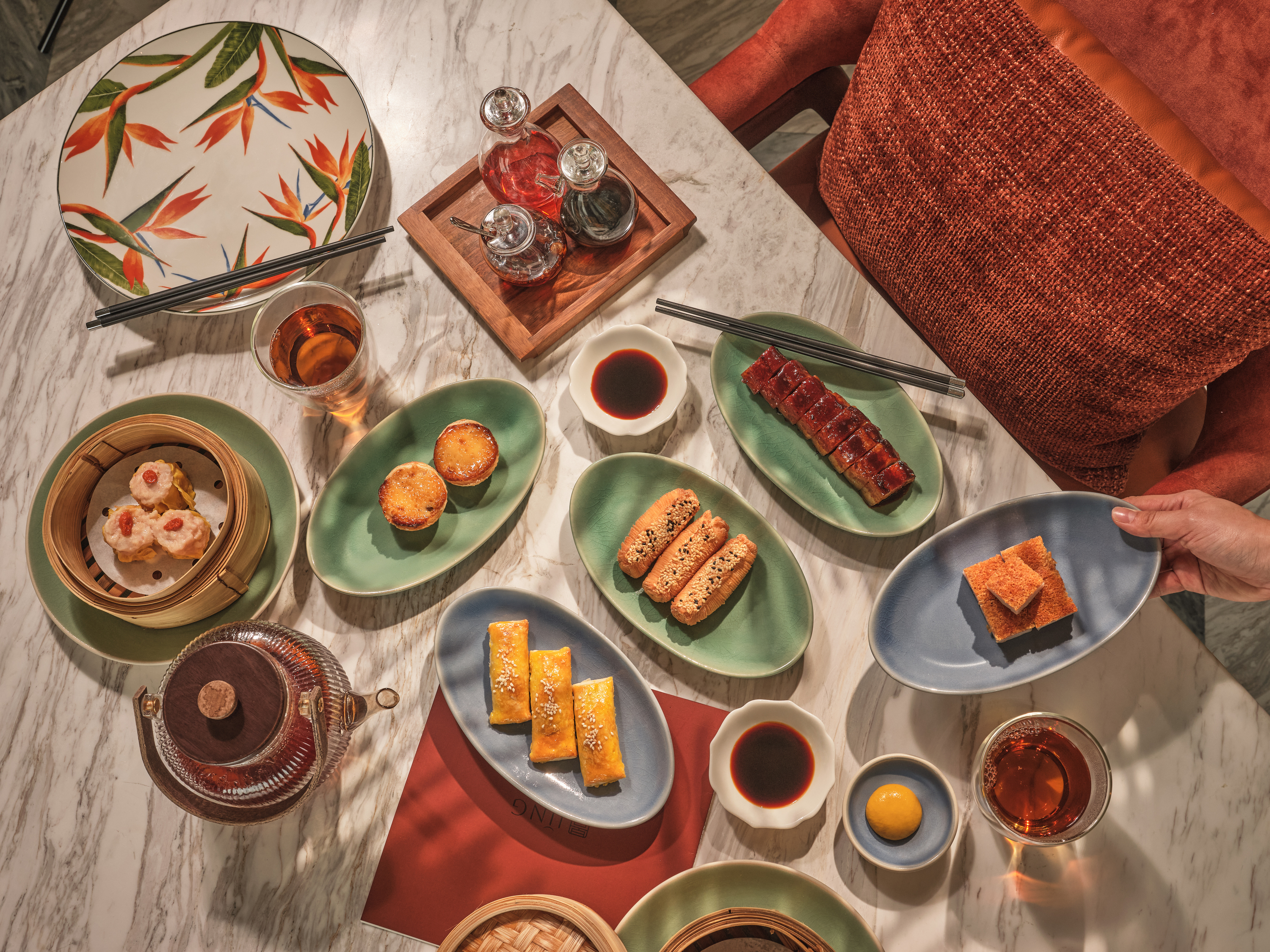
Jǐng plants its flag firmly in Sichuan and Cantonese territory. Breakfast is served as a buffet with Chinese-focus selections. It features fish congee that tastes like comfort in a bowl, X.O. sauce omelet with proper savoury punch, dim sum selections and noodle soups that steam gently.
Photograph: Andaz One Bangkok
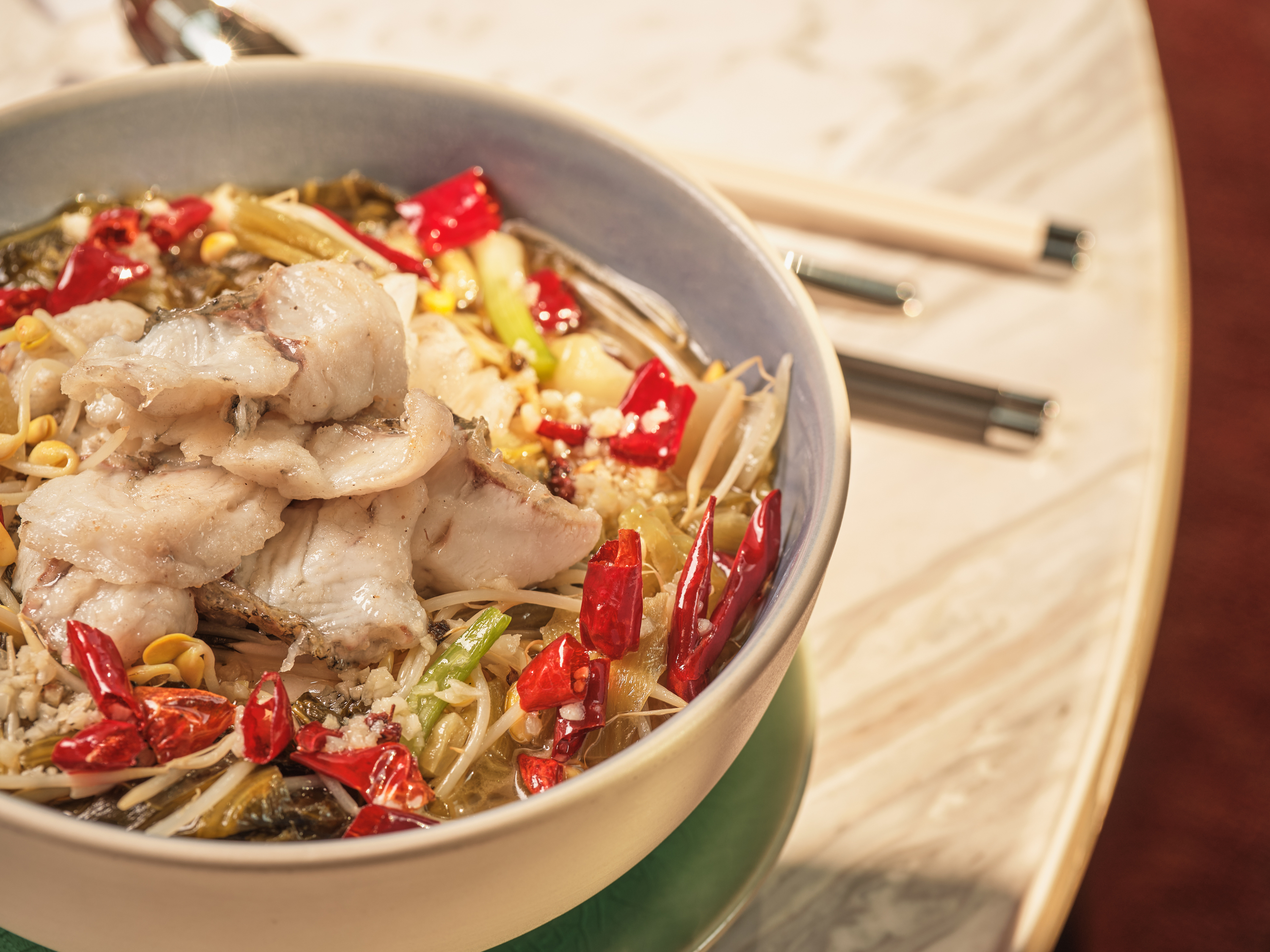
Lunch and dinner open up the full repertoire. The dim sum gets made fresh every single day. Seafood receives serious attention. The poached sea bass swims in pickled sour cabbage soup spiked with Sichuan pepper, creating this incredible push and pull between sour, spicy and clean fish flavour.
Photograph: Andaz One Bangkok
Typhoon shelter tiger prawn arrives crackling with crispy garlic and chilli. The poached chicken sounds simple except when chicken gets treated this well, it becomes something you remember. Chongqing noodle delivers that signature Sichuan pepper numbness that creeps up on you. The baked wagyu beef tart takes dim sum into luxury territory without losing its comfort food soul. Turnip puff might be the sleeper hit, the thing you order because someone at the next table has it and you suddenly need to know what you're missing.
Leave space for the mango sago with coconut soft serve. It tastes like summer sorted itself out in a bowl. The ginger milk custard brings those warming spice notes that Chinese desserts do so well.
Here's where Jǐng does something genuinely unusual. They employ an actual tea sommelier. Not just someone who pours tea and knows a few facts, but a proper trained professional who understands how different teas interact with different flavours. The selection sources from Thai artisanal producers. Your sommelier walks you through pairings that genuinely elevate the food rather than just giving you something nice to sip on.
The tea cocktails offer another route if you're not feeling traditional. You basically design your own drink from five different housemade tea infusions. It's creative bartending that respects the tea rather than drowning it.
Photograph: Andaz One Bangkok
Two private dining rooms are tucked away for when you need them, but the real triumph of Jǐng is how it refuses to add be just a special occasion restaurant. This is the spot you text your mate about on a Wednesday when you both fancy dim sum. It's where you take yourself for a solo lunch because you're craving those noodles. It's equally good for your anniversary dinner or a casual Saturday with friends. That versatility matters in a way most restaurants never achieve.
The whole thing sits right on Wireless Road. Breakfast buffet runs from 6.30am to 10.30am. Lunch service covers 11.30am to 2pm. Dinner goes from 5pm to 10pm. Book through jing.bkkaz@andaz.com or call 02-483-1234.
Before we get into the rankings, here’s a little history on the list. 12 years ago, Asia’s 50 Best Restaurants launched as an offshoot of the World’s 50 Best Restaurants, which started life in London in 2002 as the brainchild of someone at Restaurant magazine. The first Asia list was announced in Singapore, with just four Bangkok restaurants finding their way on to the list that year.
Nahm led the way back then in third place, Gaggan was at 10, Eat Me at 19 and bringing up the rear at 36 for Thailand was Bo.lan. No-one really knew how the ratings were achieved and hardly any attention was paid to a mystical list of foodies who apparently travelled around the region eating at well-known and very expensive restaurants. But the PR team back in London did a fabulous job and media outlets across Asia started to publish the results as if it was the definitive list, and a serious assessment of the best places to eat in Asia.
Not long after that, the Asia’s 50 Best awards moved to Bangkok for a while, where a savvy cabal of established Thai restaurants found a way to influence the results, having become fixtures on the annual list. This year we offer our congratulations to nine Bangkok restaurants that made the Asia’s 50 Best list and in alphabetical order they are: Baan Tepa, Gaggan, Gaggan at Louis Vuitton, Le Du, Nusara, Potong, Samrub Samrub Thai, Sorn and Suhring. Many familiar names from earlier lists in there, albeit with some shuffling of the positions to keep a sense of impartiality.
In all fairness to Asia’s 50 Best, it cannot be easy to produce a list that will be taken seriously every year, with so many great restaurants across the region, and especially in Thailand, continuing to be overlooked. So exactly how are the rankings calculated each year? As comedian Nate Bargatze playing George Washinton on Saturday Night Live says, nobody knows. Deloitte, the official adjudicators, however offer re-assurance that they do employ a normalisation process in the event of a significant variance, to ensure the list fairly represents the votes of its panel of food experts. (Time Out Bangkok advice to aspiring restaurant owners: if you wish to get on the list in 2026 perhaps take a re-look at your old accounting textbooks).
Asia’s 50 Best genuinely has a fantastic public relations and marketing team driving its success, as do the group of friends, restaurant owners and chefs in Bangkok that appear annually. While many may scratch their heads in wonder every time the list is announced, those that make the list can be sure to catch a few headlines.
Finally more Bangkok cred and congrats to Chef Tam, of Baan Tepa, for being awarded Asia’s Best Female Chef 2025, although the award does sound a little behind the times, and Dej Kewkacha for snagging Asia’s Best Pastry Chef 2025. An award that has got everyone talking in Bangkok.
Here is the complete list:
1. Gaggan (Bangkok)
2. The Chairman (Hong Kong)
3. Wing (Hong Kong)
4. Sezanne (Tokyo)
5. Mingles (Seoul)
6. Nusara (Bangkok)
7. Odette (Singapore)
8. La Cime (Osaka)
9. Chef Tam’s Seasons (Macao)
10. Onjium (Seoul)
11. Sühring (Bangkok)
12. Narisawa (Tokyo)
13. Potong (Bangkok)
14. Meet the Bund (Shanghai)
15. Fu He Hui (Shanghai)
16. Sorn (Bangkok)
17. Florilège (Tokyo)
18. Caprice (Hong Kong)
19. Masque (Mumbai)
20. Le Du (Bangkok)
21. Neighborhood (Hong Kong)
22. Den (Tokyo)
23. 7th Door (Seoul)
24. Mono (Hong Kong)
25. Eatanic Garden (Seoul)
26. Logy (Taipei)
27. Ling Long (Shanghai)
28. Les Amis (Singapore)
29. 102 House (Shanghai)
30. Crony (Tokyo)
31. Gaggan at Louis Vuitton (Bangkok)
32. Estro (Hong Kong)
33. Sushi Saito (Tokyo)
34. Sazenka (Tokyo)
35. JL Studio (Taichung, Taiwan)
36. Goh (Fukuoka, Japan)
37. Labyrinth (Singapore)
38. Burnt Ends (Singapore)
39. Meta (Singapore)
40. Seroja (Singapore)
41. Ando (Hong Kong)
42. Toyo Eatery (Manila)
43. Maz (Tokyo)
44. Baan Tepa (Bangkok)
45. Myoujyaku (Tokyo)
46. Indian Accent (New Delhi)
47. Samrub Samrub Thai (Bangkok)
48. Euphoria (Singapore)
49. August (Jakarta)
50. Lamdre (Beijing)
Here is Time Out Bangkok’s list of 50 Best restaurants 2025:
Given the surge of fine dining establishments in Bangkok, it's surprising how few spotlight one of the city's most prominent ethnic communities. Despite Bangkok's significant Indian population, only a handful of the city’s Indian fine dining restaurants have achieved international acclaim.
This scarcity makes Haōma’s presence all the more notable, offering a unique culinary experience that bridges Indian heritage with Bangkok's colourful dining scene.
Photograph: Haōma
Freeform expressions of neo-Indian cuisine
While Indian food is deeply embedded in the capital’s cultural fabric, Haōma stands nearly alone at the fine-dining level – and it’s not just serving modern Indian cuisine, it’s redefining it.
Tucked down an elegant alley off Sukhumvit soi 31, this isn’t your typical fine dining affair. Step through the entryway and you’ll be greeted by Director of Food and Beverage, Vishvas Sidana, who’ll entertain you through a curated selection of ‘imperfection’ cocktails that help set the scene, and settle your stomach.
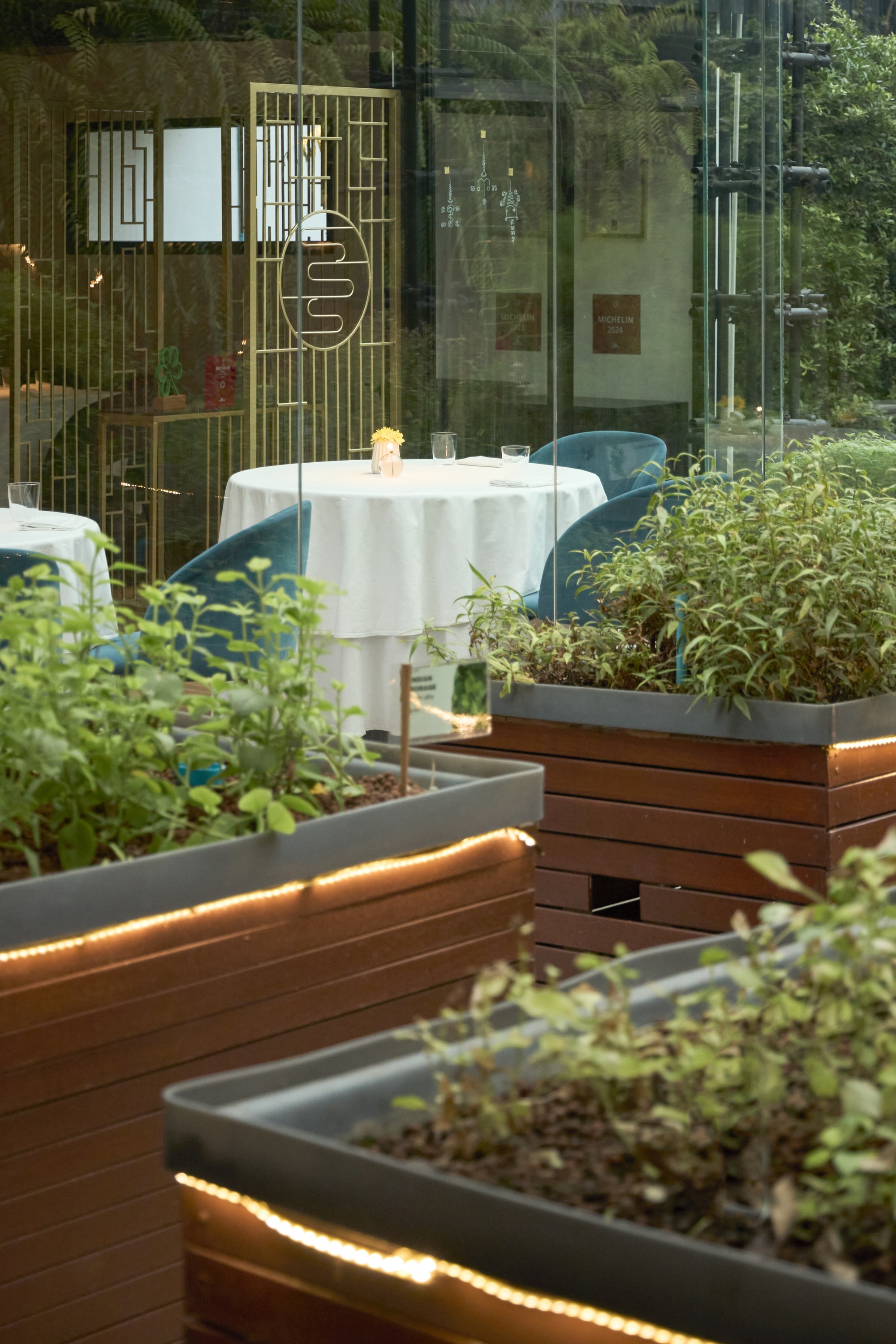
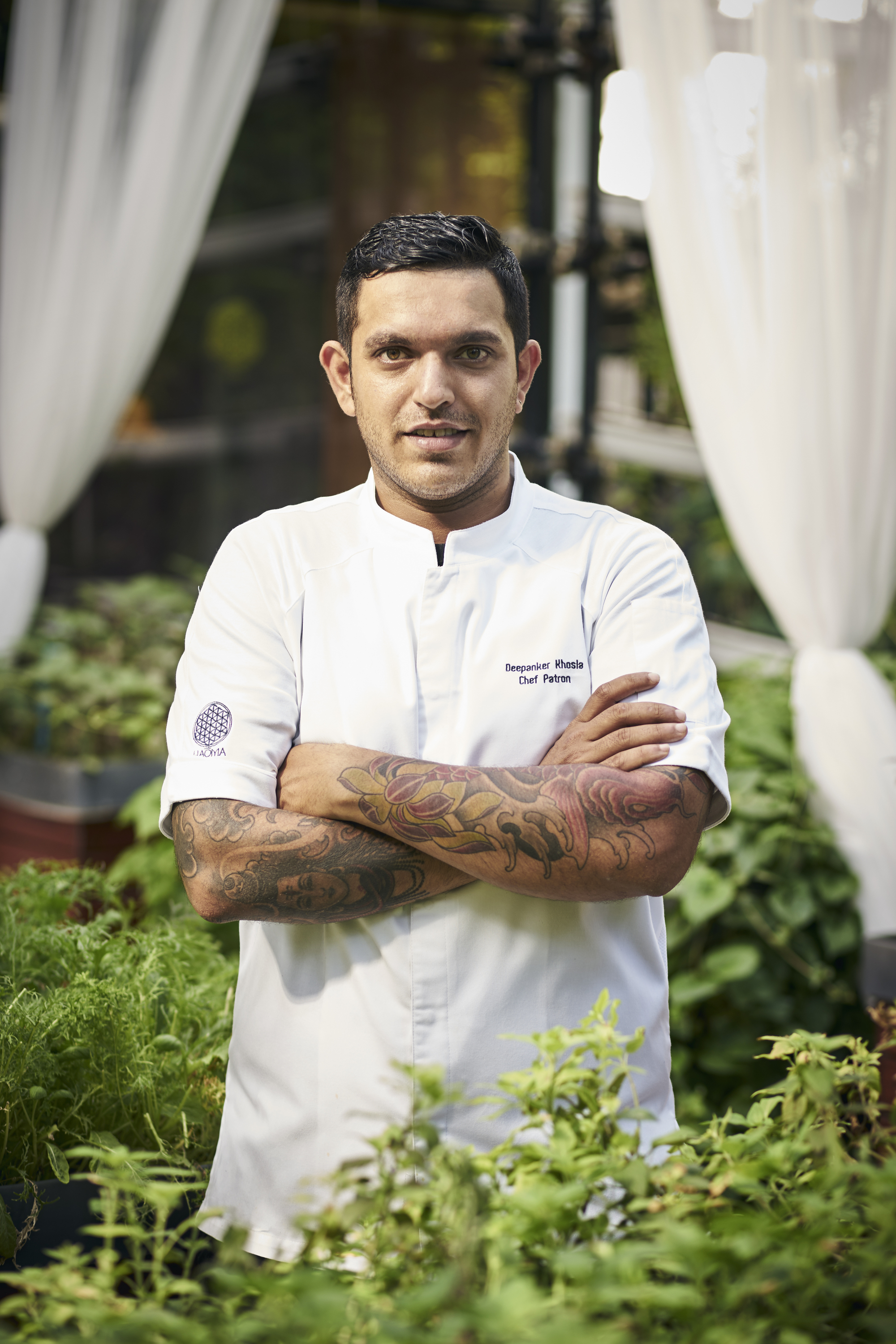
Led by chef Deepanker ‘DK’ Khosla, the restaurant’s ethos is rooted in regenerative sustainability, which in this case is far more than just menu-speak. From cocktail to table, you’ll pass through the restaurant’s garden – showcasing how the restaurant operates on a closed-loop system.
Photograph: Haōma
At both the restaurant and farms in northern Thailand, sustainability takes center stage. The team raise their own chickens, grow fresh vegetables and breed fish on-site. The fish fertilize the water that nourishes the herbs, while food scraps are composted and creatively repurposed into cocktails and coasters.
But green values don’t overshadow the food. Instead, they deepen it. The current 10-course tasting menu is a freeform expression of neo-Indian cuisine, with nearly every ingredient (and even some techniques) sourced from within Thailand. Some flavours speak of Deepanker's childhood in Allahabad. Others reflect techniques picked up on the road. In many ways, it’s a personal journey following DK: one that’s poetic, story-driven and quietly bold.
Photograph: Haōma
The DK experience
Whether you opt for the signature or epicure meat and fish menu, or go traditional with their exceptional vegetarian 10-course option, the experience always opens with snacks and some humorously eye-opening spiel from Vishvas.
‘There’s not a wine in any of the shops here that can be called wine,’ he claims. ‘76 chemicals which are involved in making grape juice feel like a wine – and most of these probably use 70 of them.’
At Haōma, the so-called ‘wine’ pairing throws tradition out the window – in the best way possible. The journey kicks off with IPAs, sake, and a surprisingly punchy sparkling ‘grape juice’ (in Vishvas’ own words), easing diners into a liquid lineup that’s anything but predictable.
Eventually, the pairing settles into wines that are both hard to find and cleverly matched to the bold, layered flavours of Indian cuisine. Oh, and every other glass arrives dramatically frosted with liquid nitrogen and shattered tableside – because why not a little theatre?
‘In Asia – India and Thailand – they’re not making wine, they’re making pesticide juice,’ Vishvas adds, pouring another glass of rare Roc Solare. ‘It’s like truffle oil, there’s no truffle.’ No surprise then that the wine list, which favours low-intervention and biodynamic producers, has been recognised as one of the best wine menus in the world.
Photograph: Haōma
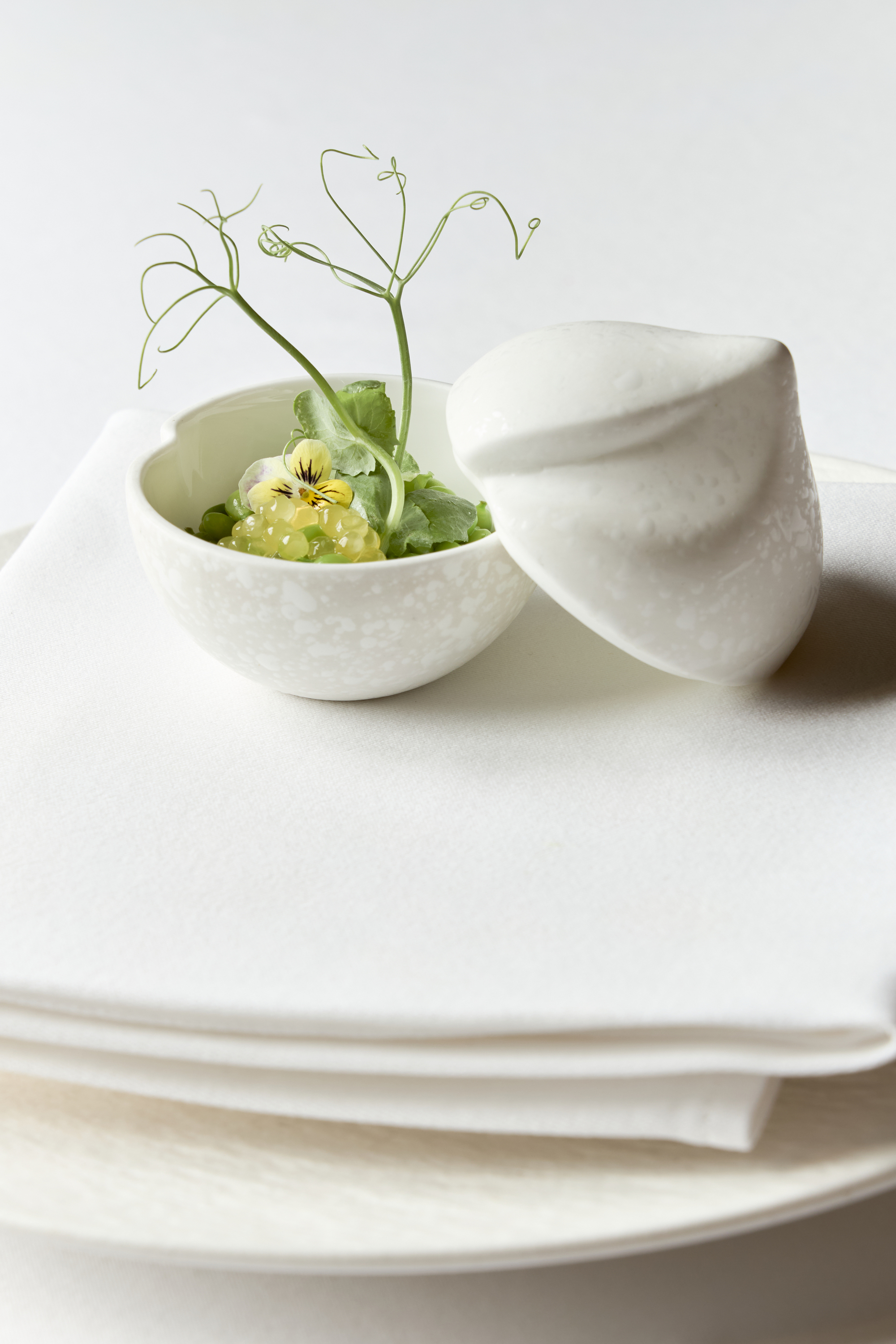
And when it comes to the food, prepare yourself – this isn’t your average tasting menu. The current 10-course meal starts with a smoky mackerel bati, a crisp-onion twist on the Bombay sandwich, and a scallop croustade that’s almost too pretty to eat but too delicious not to.
From there, the tomato chaat arrives – a playful tribute to DK’s childhood – where a shard of frozen shorba melts into a spicy jammy tomato, simultaneously hitting sweet, tart and savoury notes as soon as it hits the tongue.
As Vishvas says, ‘if it’s not spicy, it’s French food.’
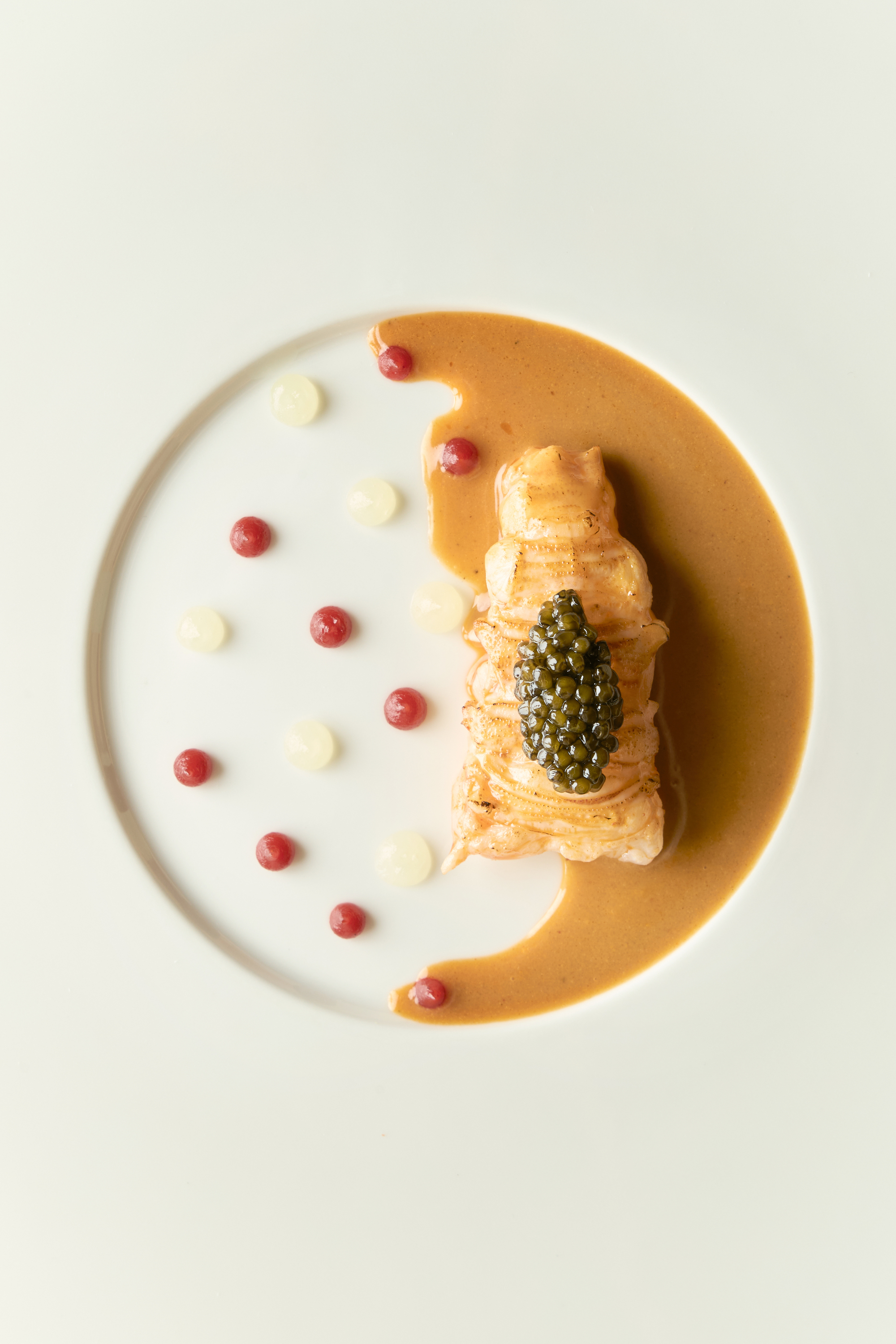
The courses continue, floating from foamy servings of sea-urchin sourced from Sattahip paired with a video of DK diving for the urchins himself, to Haoma’s own chicken served on a makhani curry and wild caught fish with a peanut Thecha.
Photograph: Haōma
Even dessert resists the heavy hand. A honey rasmalai is surprisingly light – lifted by floral notes and saffron milk, tied together with a gentle nod to nostalgia.
As postcards flip to reveal details of each dish, the two-hour experience simply sings refusal to separate ethics from enjoyment. A story, memory or meaning behind every bite, delightfully shared by the waiters, Vishvas and even DK when the time fits. Every dish has a story, though the staff won't recite them unless asked.
Although it has a Michelin Star and Green Star to its name, Haōma doesn’t feel like a restaurant chasing stars. It’s a place where a rather unique chef is trying to break the critical ceiling of fine dining through daring interpretations on a cuisine as old as time.
Since landing at Central World in 2023, Shake Shack has been winning over Bangkokians at lightning speed! With its sleek vibe and premium menu, this iconic American burger chain has already expanded to three more locations across the city. While it’s on the pricier side, Shake Shack feels less like a burger pit stop and more like a cosy escape from Bangkok’s bustling streets. While the signature ShackBurger is a solid option, it doesn’t quite steal the spotlight from the competition.
But Shake Shack seems determined to up its game. The brand has joined forces with Pichaya ‘Pam’ Soontornyanakij – recently crowned the World’s Best Female Chef 2025 and the talent behind Michelin-starred Potong – to create a limited-edition menu infused with bold Thai flavours. Naturally, we couldn’t resist giving it a try.
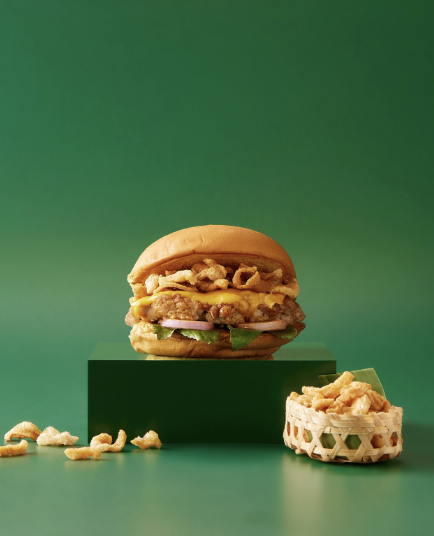
Available at all Shake Shack locations across Bangkok through July 6, the collaboration features two special burgers, a snack, and a dessert that showcase Chef Pam’s culinary creativity. First on the list is the Jaew BBQ Pork Burger (B235), created as a thoughtful alternative for locals who don’t eat beef. This burger debuts Shake Shack’s all-natural applewood-smoked pork patty, which is topped with Chef Pam’s tangy jaew BBQ sauce, melted cheese, fresh shallots, culantro and crispy pork crackling – all sandwiched in a toasted potato bun.
Photograph: Shake Shack Thailand
The standout element of this burger is undoubtedly the pork crackling (kaeb moo), a popular Thai snack made from deep-fried pork skin, often found at noodle shops. While not something you’d expect in a burger, it pairs surprisingly well with the jaew BBQ sauce, which is sweet, slightly spicy, and packed with flavours of fish sauce, chili and tamarind. It’s like a bite of Thai street food in burger form. That said, if you’re sensitive to spice, tread carefully – this one brings a bit of heat.
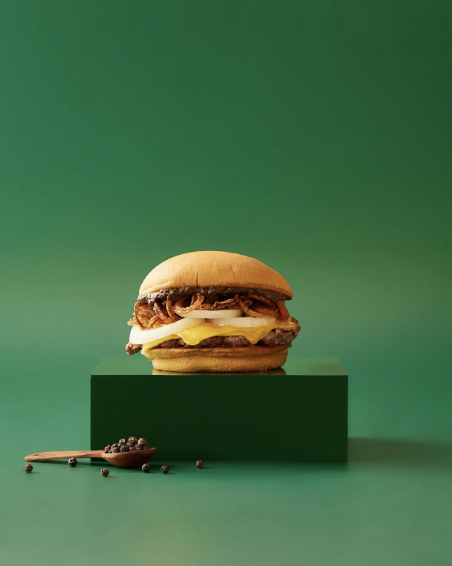
The real star of the menu, however, is the Black Pepper Burger (B265 for a single, B375 for a double). Featuring a juicy 100% Angus beef patty smothered in Chef Pam’s rich black pepper sauce, double cheese, fresh onions and crispy shallots. Shake Shack describes it as a tribute to classic Thai-Chinese black pepper dishes found in old-school Bangkok shophouses, and I couldn’t agree more. Though I haven’t yet had the pleasure of dining at Potong, the combination of freshly cracked black pepper, scallions, soy sauce and oyster sauce delivers a wok-fried, caramelised depth that’s both nostalgic and utterly satisfying.
Photograph: Shake Shack Thailand
For a snack, the limited menu offers seafood mayo fries (B130). These crinkle-cut fries are topped with Chef Pam’s tangy seafood mayo, crispy pork crackling and fresh cilantro. The sauce, inspired by Thai street food dipping sauces, is a clever nod to local flavours, as Thais often pair fried foods with zesty dips. However, this dish didn’t quite hit the mark for me – the sauce made the fries soggy quickly and the mix of flavours left a lingering sweet-and-sour aftertaste that felt somewhat unbalanced.
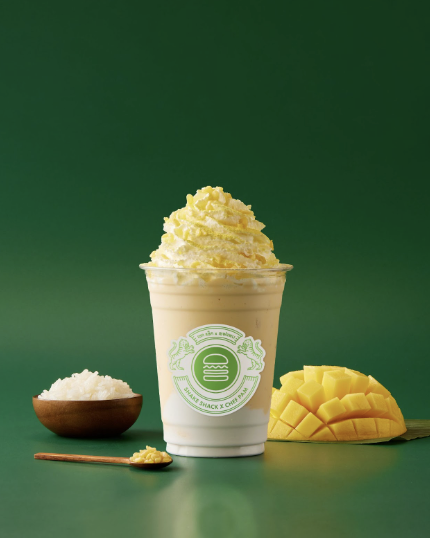
To end the meal, there’s the mango sticky rice shake (B210), a blend of vanilla frozen custard, fresh mango, glutinous sticky rice and salted coconut cream, topped with whipped cream, crispy mung beans and mango powder. Mango sticky rice is obviously a crowd favourite and this shake pulls it off well. The sticky rice texture really comes through and the coconut cream adds that rich, familiar taste. That said, it was a bit too sweet for me to finish on my own. I’d definitely suggest sharing it with a friend.
Photograph: Shake Shack Thailand
Overall, I’d say the Shake Shack x Chef Pam collaboration is worth a try especially if you’re curious about Chef Pam’s cooking but don’t want to wait for a table at Potong. It’s a fun and accessible way to experience her flavour-packed style and honestly, it’s worth the splurge.
Her humble roadside eatery in Phra Nakhon, famous for its sizzling crab omelettes and fiery seafood dishes, has become a national treasure, earning a Michelin star in 2018, a title it has proudly held ever since. Jay Fai’s one-star status not only showcased her exceptional talent but also elevated Bangkok’s street food to global fame, making her a culinary ambassador for Thailand.
Nearing 80, who could blame her for wanting a break? But if this Bangkok institution does indeed close its shutters, we’ve cooked up several plan-B options featuring equally stellar street food.
Just for a moment, picture stepping into a world where the sounds of the city fade away and you find yourself transported to the heart of a lush jungle. At COBA, Bangkok's exciting new culinary sensation, that's the experience you can expect. Surrounded by towering greenery, cascading plants and the soul of nature, diners are treated to a multi-sensory experience. The blend of jungle aesthetics with fine-dining creates an atmosphere so captivating, you'll feel like you've stepped into a tropical rainforest.
The mastermind behind this jungle oasis is the acclaimed Michelin-starred chef and visionary culinary curator Olivier Limousin, with his years of expertise honed in globally renowned Michelin-starred kitchens, he has created a menu that's as imaginative as it is delicious in collaboration with COBA and executive chef Sebastien Lallane. This team has crafted a culinary journey that marries the bold, rich flavours of Latin America with the refined techniques of French cuisine.
From the moment you sit down, you'll be taken on a pulsating sensory journey through bold, creative flavours. A Tapas Tower is the star of the meal and features perfectly seared tuna tataki with a citrusy dressing, delicate confit scallops paired with tangy umeboshi and rich, buttery wagyu tartare that highlights the beef's deep umami. The unexpected fusion of flavours continues with humita gyoza filled with creamy sweetness, complemented by the salty, savoury kick of Joselito Iberico ham – a surprising and mouth-watering combination that balances comfort and adventure. Each dish celebrates the richness of local ingredients, expertly crafted in inventive ways that surprise and delight.
Dining at COBA is an exquisite journey for the senses. From the rich flavours of each dish to the playful textures and complex detail, every element is crafted to delight the senses. The concept of 'fusion' is taken to a level where Latin American zest meets the finesse of French culinary tradition. The food shines bright, no question. But the atmosphere is equally enthralling. Every corner of the restaurant is designed to immerse you in the beauty and mystery of the jungle, while you savour a meal to remember.
K-streat is a newly-opened Korean street food hub that has taken Samyan Mitrtown by storm. Opening its doors on October 3 as the newest spot for Korean cuisine lovers, the hub gathers 11 new eateries originating from South Korea. Covering many things from bibimbap and rice rolls to fruit tea, there’s no better time to relive your favourite K-drama scenes and enjoy authentic food with your friends.
Korean street food has rocketed its popularity in Thailand for more than a decade. This food hall on the fourth floor of Samyan’s shopping mall offers a variety of menus. You can try chewy Korean instant noodles from Nongshim Shin Ramyun, where you can get service from a noodle-making machine. Blended into Thai flavour, their ramyun also have tom yum flavour from Jay Fai, a Michelin-starred street food. Craving for Korean classics, Bbja serves bibimbap with toppings of your choice (Korean rice bowl, B169). Moogyodoong Yoojung Nakji might please spicy food lovers with their spicy stir-fried minor octopus (B260) and you can choose the level of spiciness too.
Not limited to traditional dishes, many fusion foods from Platter 7 also present Thai and other ingredients on their fried rice menus. Grab your finger food at 77Kentucky as they give you many options for their fried chicken from original to spicy flavour.
An egg bread set (B169) from Eggseoul might be a dessert in which you can savour sweetness and creaminess in one bite. Don’t forget to refresh yourself with beverages from Tenpercent as iced peach tea (B90) and caffe latte (B95) are a drink to match your Korean meal.
K-Streat, 4/F Samyan Mitrtown. Rama IV Rd. 02-001-1051. Open Daily 10am-10pm
Mixing whisky with art might seem like a drunken idea, but it’s a concept that’s gaining momentum in the luxury world. From Perrier’s partnership with Andy Warhol to Supreme’s collaboration with Damien Hirst, and even Dom Perignon’s work with Jeff Koons, brands are increasingly turning to artists to elevate their products. Art is no longer limited to galleries and museums – it’s finding its way into everyday life, making luxury products more accessible and visually exciting.
A fresh example of this crossover is the creative collaboration between Glenfiddich and Swedish-French graffiti artist Andre Saraiva. The iconic Scotch whisky brand launched its latest limited-edition release, the Glenfiddich Grand Chateau, which forms part of the exclusive Grand Series. This 31-year-old whisky stands out not only for its impressive age but also for being the first Glenfiddich expression matured in Bordeaux wine casks, blending the rich heritage of Scotch whisky with the elegance of French wine.
But it’s not just the whisky that’s turning heads – the packaging is a work of art. Saraiva, known for his vibrant graffiti style, brings a fresh, playful energy to the product’s design. He reinterprets the classic Toile de Jouy pattern – typically featuring pastoral scenes – by incorporating motifs from both Scotland’s Speyside whisky region and Bordeaux, creating something visually striking yet rooted in heritage.
Mr. A, the cheeky, grinning character who has appeared on walls from Paris to New York, also finds a new home on the Grand Chateau box. His presence adds an element of lightness and fun to the otherwise elegant design, showing that even in luxury, there’s room for a sense of humour.
The artistic flair continues inside the box, where Saraiva’s vibrant watercolour prints turn the packaging into a mini-gallery. It’s a fitting reflection of the whisky itself – blend of history and innovation, art and craft. The result is an unusual but compelling fusion of two distinct worlds.
The whisky’s unveiling took place at ATT 19, a contemporary gallery on Charoenkrung Road, on October 3. The venue's artistic vibe complemented the collaboration, highlighting how traditional whisky can embrace modern creativity.
By entering your email address you agree to our Terms of Use and Privacy Policy and consent to receive emails from Time Out about news, events, offers and partner promotions.
🙌 Awesome, you're subscribed!
Thanks for subscribing! Look out for your first newsletter in your inbox soon!