[category]
[title]
These are the restaurants leaning into nightlife

Chicago’s dining culture has long balanced polish with grit: white-tablecloth steakhouses alongside decades-old taverns, tasting menus a few blocks from shot-and-beer dives. Lately, a familiar Midwestern institution has reasserted itself in a distinctly urban way: the supper club. Not as kitsch revival, but as a format built around long dinners, strong drinks and the expectation that a night out should unfold gradually rather than end with the check.
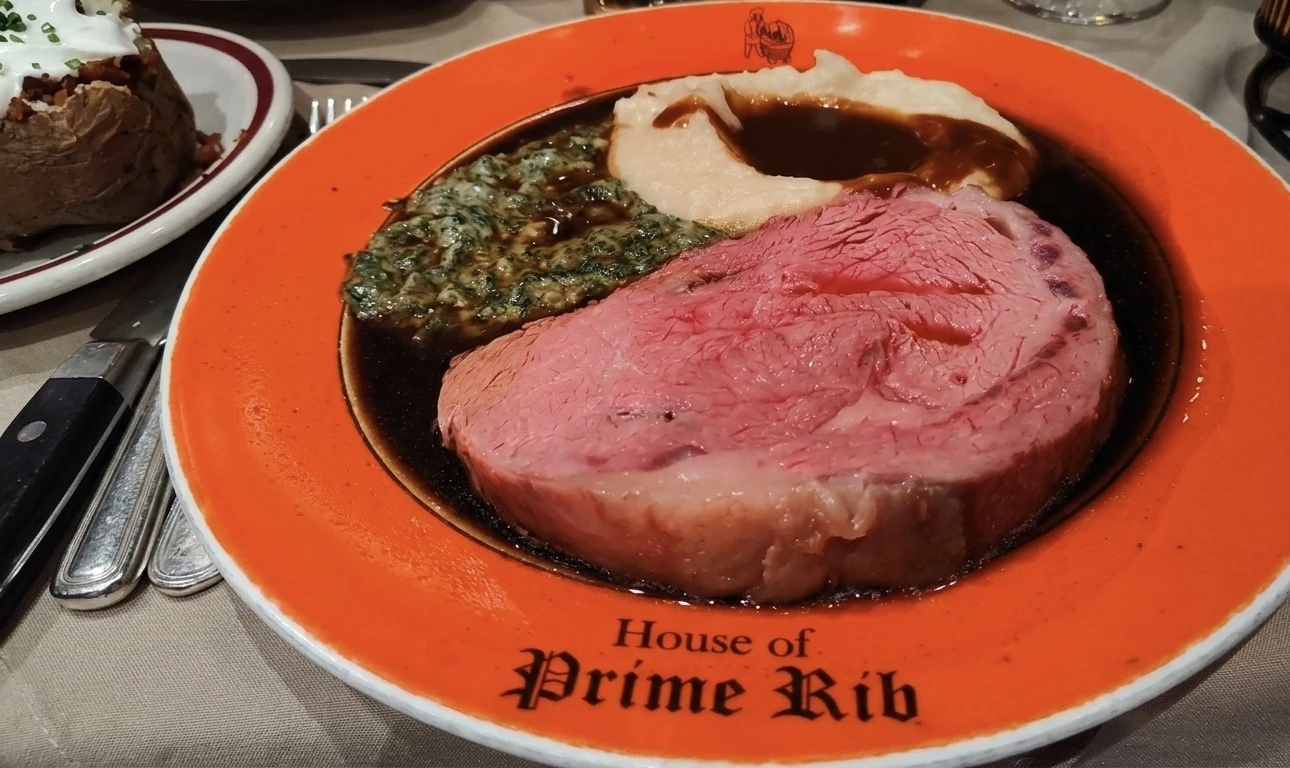
Traditional Midwestern supper clubs, particularly those in Wisconsin and northern Illinois, centered on relish trays, seafood cocktails, prime rib and brandy old fashioneds served in dim rooms where no one rushed you out the door. These meals almost always began with the relish tray, a rotating carousel of crisp radishes, celery, olives, and pickled beets, acting as a crunchy, vinegary prelude to the heavier courses to come. In Chicago, that template has evolved. Some restaurants lean into the classic ritual of carved meats and live jazz. Others blend dinner with entertainment, whiskey programs or late-night dance floors. Together, they form a version of the supper club that feels less nostalgic and more embedded in the city’s current nightlife economy.
Tortoise Supper Club, in River North, is among the clearest expressions of the classic model adapted for downtown Chicago. Inside, the air is thick with the scent of roasted beef and the low hum of a jazz trio. I noticed that the room is anchored by a 'Red Room' library, where the walls are lined with caricatures of Chicago legends. When the relish tray arrives, spinning on a crystal lazy Susan, the server gives it a theatrical little flick. It’s a kitschy, crunchy ritual of pimento cheese and chilled golden beets that forces you to slow down before the king cut prime rib hits the table. Tortoise is known for its reliable steaks, attentive service and an atmosphere that feels formal without being stiff. That emphasis on environment over novelty is central to the supper club model: it’s not about surprise, but about ritual done well.
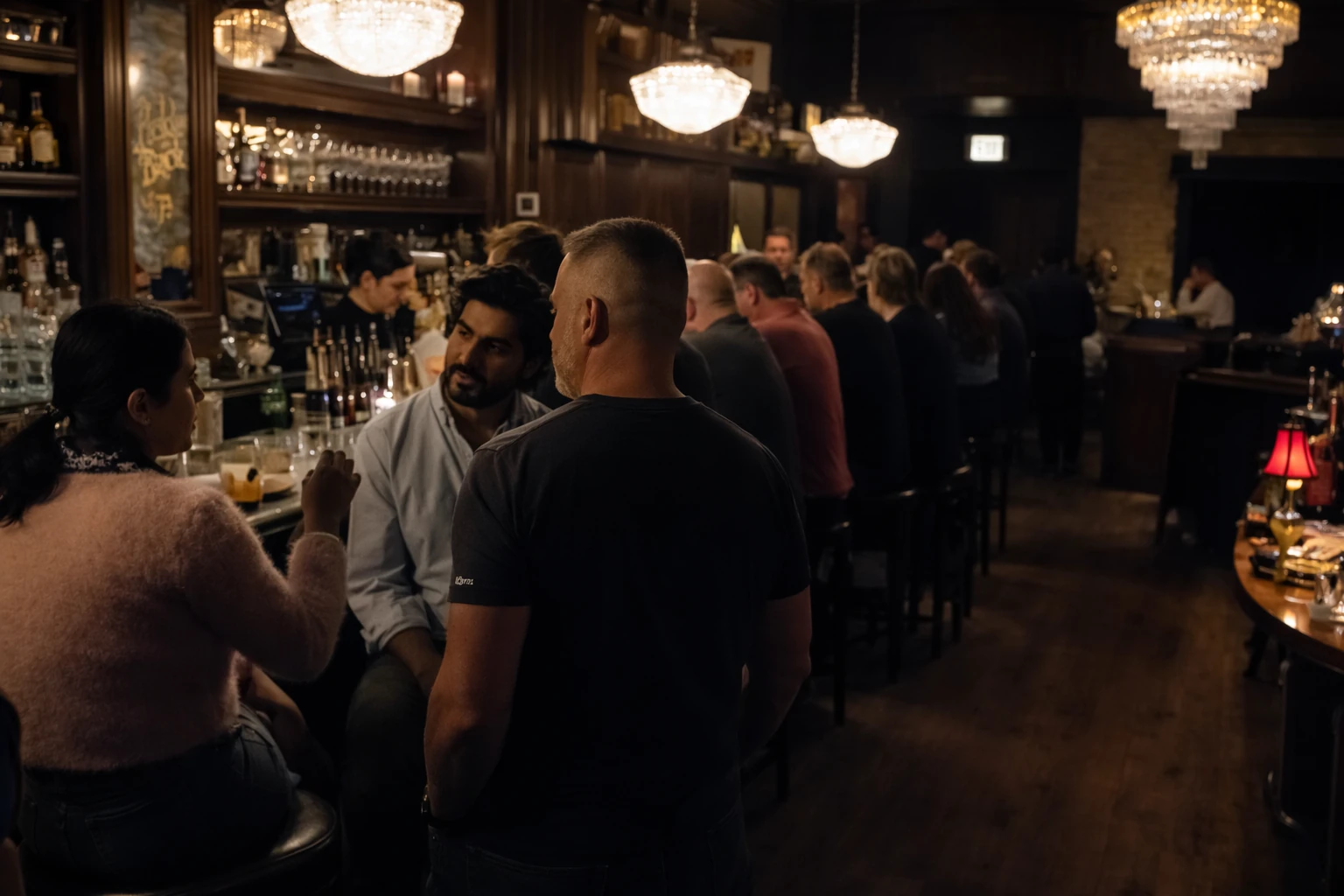
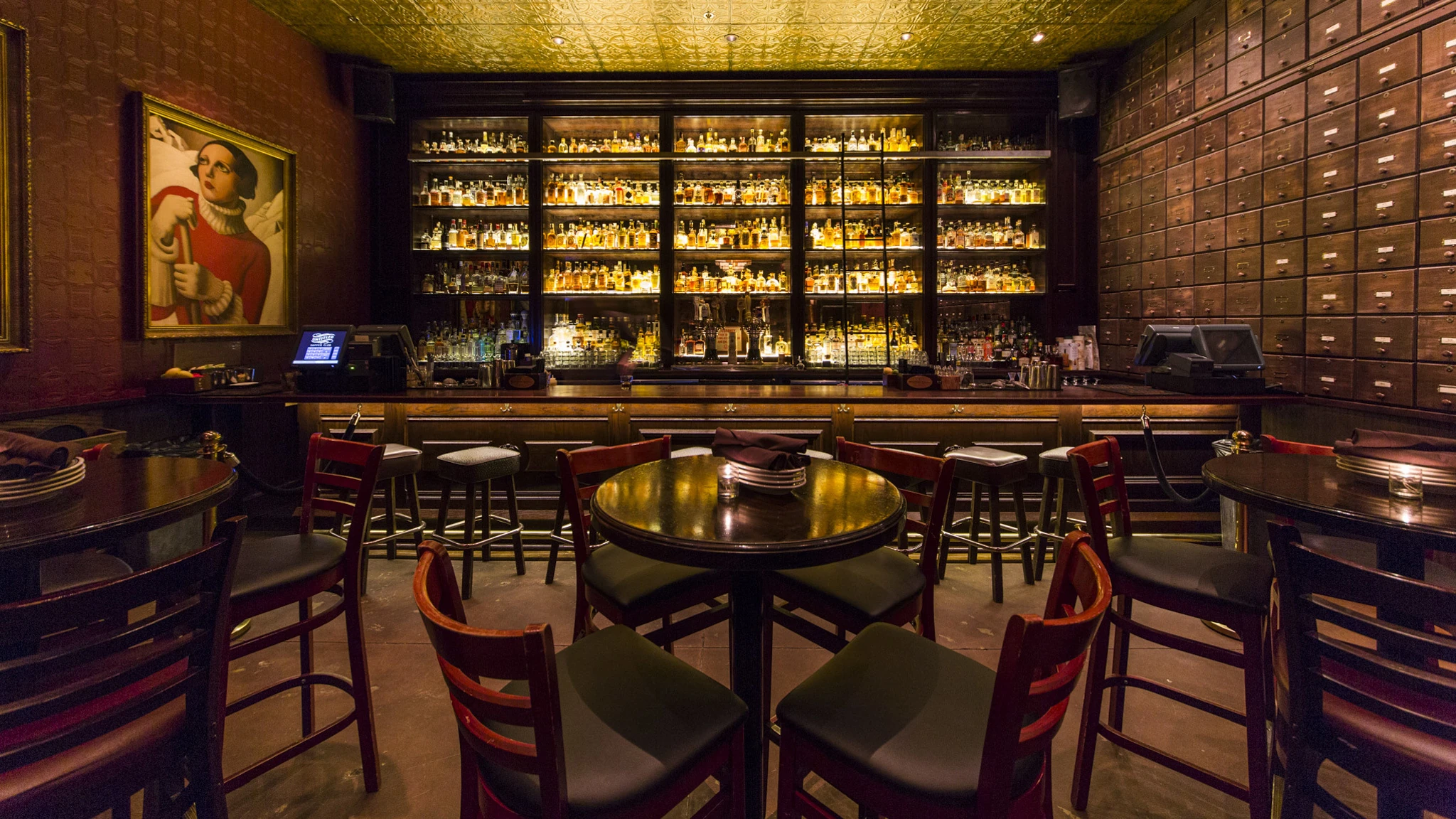
Untitled Supper Club, also in River North, pushes the format toward a nightlife vibe. The multi-room venue combines dining, an extensive whiskey program and scheduled entertainment. The experience starts with a descent down a grand, hidden staircase into a sprawling 18,000-square-foot underground lair. While the Wisconsin tradition would have you sipping a sugary brandy mix, the bartenders here lean into the spirit-forward bite of a rye old fashioned. As the plates are cleared, the 'supper' part of the club quietly shifts; the background music swells, and you find yourself lingering over a second pour as a cabaret performance begins on a stage that, just an hour ago, felt like a simple part of the dining room decor. Untitled is a place where the night evolves: dinner transitions into live music, then into a dance floor. The food is part of the draw, but the broader appeal is structural. The space is designed to keep people moving between rooms, lingering over drinks and staying past midnight. That format aligns closely with historic supper clubs, which often blurred the line between dining room and stage.
Astor Club occupies a slightly different position. Operating as a private club with public-facing dining options, it has drawn attention for its chef’s table experience and refined menu. In 2023, Michelin included Astor Club in its Chicago Guide under the “Recommended” category, noting its seasonal tasting menu and formal setting. The distinction matters in a supper club conversation because it situates Astor within a lineage of destination dining rather than casual nightlife.
Astor's appeal lies somewhere between the standard dining room and the more immersive chef’s table experience. That nuance reflects how Chicago diners parse value: not simply whether a restaurant is “good,” but whether the level of service, access and environment matches the price point. In a city with no shortage of high-end options, the supper club dynamic depends on more than plating. It depends on whether guests feel they are participating in something shared and memorable.
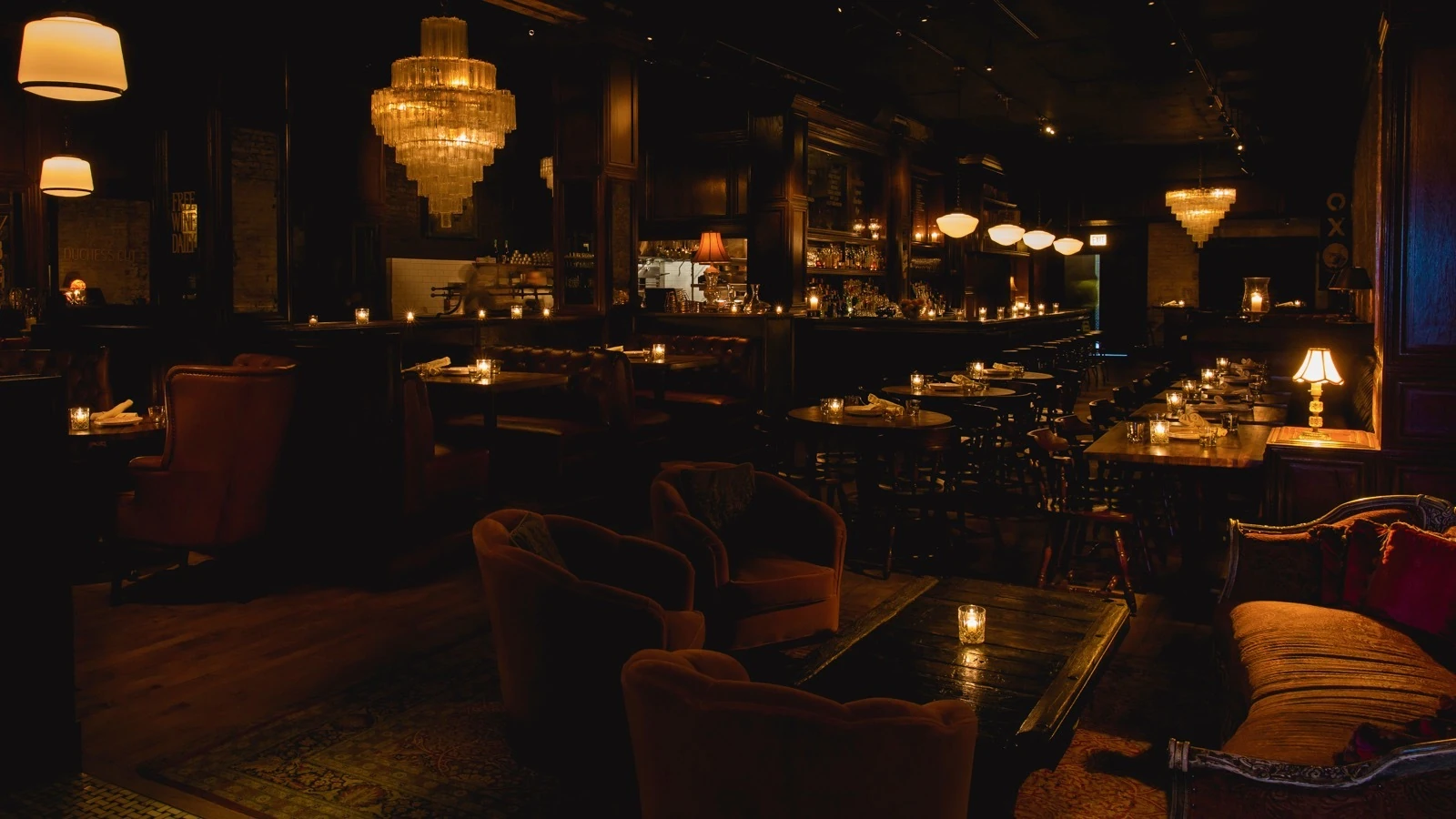
Few places illustrate that communal ritual more clearly than Bavette’s Steakhouse & Bar in River North. The restaurant’s official menu lists dry-aged steaks, classic cocktails and a dessert lineup that includes chocolate cream pie and profiteroles. There is a boisterous energy here that makes it feel less like a steakhouse and more like a private cavern. It’s loud, dark, and outfitted with tobacco-brown Chesterfield sofas and mismatched dangling lights that catch the steam rising from the short rib stroganoff. Watching the tables around me, the 'Bavette’s script' is undeniable: every party seems to follow the same sacred rhythm, starting with a bracingly cold martini and ending with a shared slice of chocolate cream pie.
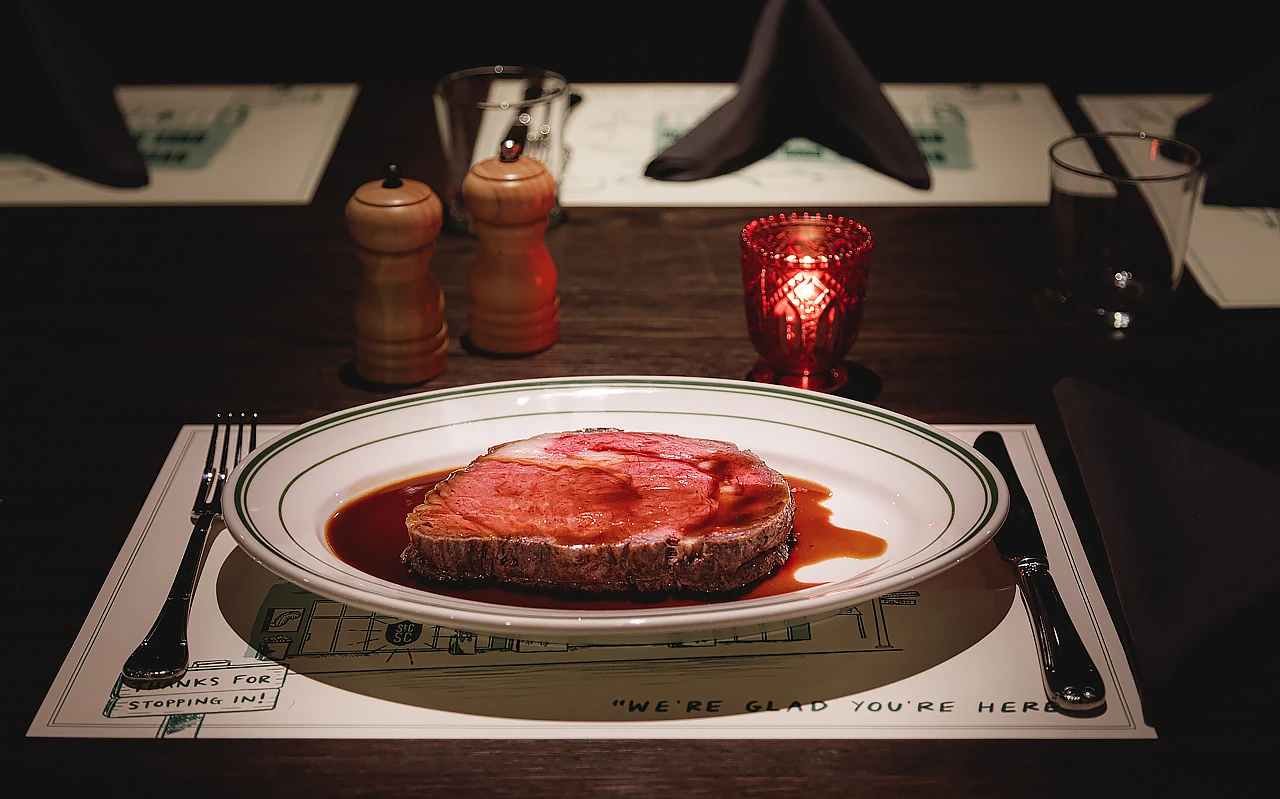
The trend has even captured the attention of the city’s most avant-garde culinary minds. St. Clair Supper Club, a basement-level concept from The Alinea Group, strips away the group's signature molecular gastronomy in favor of a hyper-focused 'prime rib museum.' By narrowing the menu to just a few essentials, perfectly pink beef, 50/50 mashed potatoes, and chilled martinis, they prove that even in a city obsessed with the 'next big thing,' the most radical move a chef can make is a return to unironic Midwestern abundance.
The resurgence of these restaurants is inseparable from Chicago’s broader bar culture, which supplies the pre- and post-dinner infrastructure that makes long nights possible. Discussions about the city’s “essential bars” routinely produce a mix of craft beer institutions, music venues and long-running dives. Hopleaf, for example, publishes a detailed beer list that has anchored its Andersonville location for decades. Delilah’s in Lincoln Park highlights its expansive whiskey inventory, which has earned national recognition in spirits circles. The Empty Bottle maintains an active concert calendar that reinforces its identity as both bar and venue.
When locals describe these bars online, the tone is rarely about trendiness. Instead, it emphasizes reliability, neighborhood identity and the feeling of ownership regulars develop over time. That culture feeds directly into the supper club ecosystem. A night might begin at a beer bar, move to a steakhouse for dinner, and end at a music venue down the street. The boundaries between categories are porous.
What distinguishes Chicago’s version of the supper club revival is not novelty but integration. These restaurants and bars are not themed throwbacks. They are functioning pieces of a nightlife grid where food, drink and performance intersect. Michelin recognition situates some within fine-dining hierarchies; extensive whiskey inventories and event calendars anchor others in entertainment. Official menus and programming schedules, publicly available on their respective websites, confirm that the emphasis is on depth, selection, time, and atmosphere.
In practical terms, the modern Chicago supper club offers three things: duration, density and continuity. Duration, because the format encourages people to stay for hours. Density, because rooms are designed to feel full and alive rather than sparse. Continuity, because many of these establishments position themselves as institutions rather than experiments.
In a city defined by neighborhoods, that continuity carries weight. Chicago’s restaurant scene regularly welcomes ambitious newcomers, but its identity is shaped just as much by places that become part of people’s routines. The current supper club moment is less about revival than about recognition. It acknowledges that what many diners want is not constant reinvention, but a dependable setting where food, drink and company align.
That alignment, prime rib carved to order, whiskey poured without ceremony, music starting as dessert arrives, is what keeps tables booked and barstools occupied. In Chicago, the supper club never entirely disappeared. It simply adapted to the tempo of the city around it.
Discover Time Out original video