

[title]
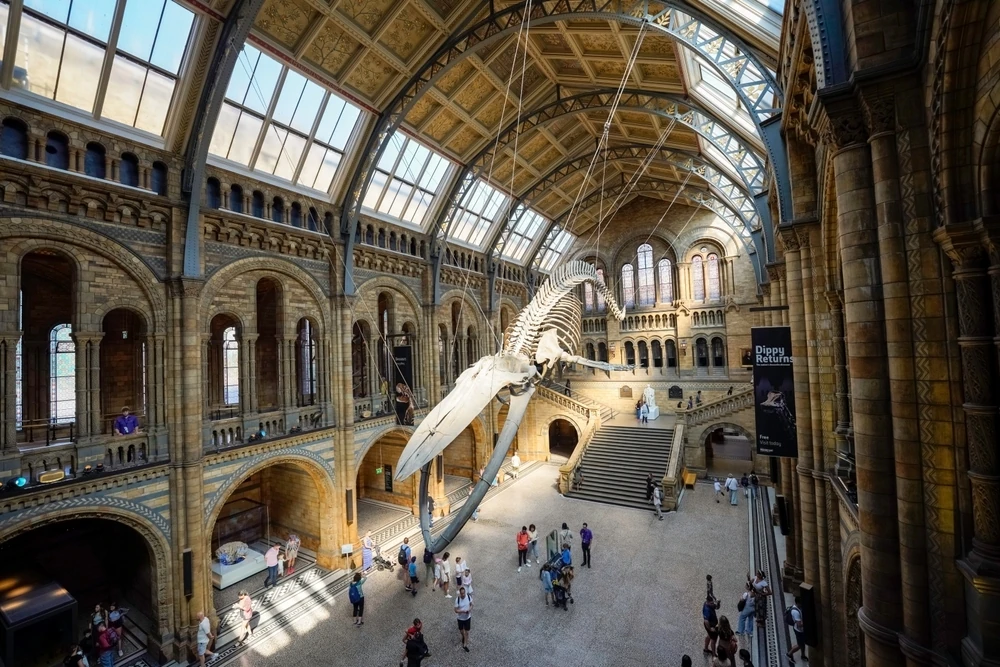
London’s collection of free-to-visit galleries and museums is one of its greatest assets. People from any and every walk of life can access ancient treasures like the Rosetta Stone and Pantheon Marbles at the British Museum, world renowned masterpieces like Van Gogh’s ‘Sunflowers’ at the National Gallery, or Raphael’s Cartoons at the V&A. But now, they could be at risk of turning into paid attractions.
In an effort to boost arts funding, UK ministers are reportedly considering charging international visitors for access to permanent collections at national museums. Brits would still be able to enter for free.
The capital’s national museums and galleries have been free for all visitors since 2001 and their accessibility has been cited as a ‘one of the top motivators for international tourism to this country’. Around 43 percent of those who visit Britain’s major museums and galleries come from overseas.
The idea to charge international visitors was laid out by politician Margaret Hodge in December in her Arts England independent review. In response to the recommendations, the government said: ‘We will work with the museum sector to explore the potential opportunities that charging international visitors at national museums could bring to support access to arts everywhere, and the timeframes for this.
‘The government believes charging international visitors at national museums could provide significant benefits. It could underpin our commitment to ensure art and culture is accessible, representative and shared across the country, and support the long-term financial resilience of these organisations.
‘We will work with the museum sector to explore options for charging international visitors that will deliver benefits for the sector and we will provide an update before the end of the year.’
The plan would require digital IDs to distinguish between domestic and international visitors, but they don’t exist yet. There’s already plenty of controversy over the introduction of digital ID and some worry that the requirement would deter Brits from visiting museums and make them less accessible. According to arts charity Art Fund, only 49 percent of people who struggle to make ends meet always carry ID.
Other options are being weighed up, though. An alternative recommendation is introducing a hotel levy. The Cultural Policy Unit think-tank reckons that a levy would generate over £1.2bn a year, and much of that can go towards supporting the cultural sector. Research carried out by Art Fund found that 72 percent of the public support a tourist tax that would be used help keep national museums free to enter.
Jenny Waldman, the director of Art Fund, said: ‘Our free national museums are one of the great success stories of UK cultural policy — opening up world-class collections to everyone, driving tourism, and enriching millions of lives every year. But they need additional funding in the face of rising costs and declining grant-in-aid.
‘It is striking that the public does not want museums to start charging tourists but supports using a tourist levy. A levy, with some funds ringfenced, is a simpler way to deliver funding to keep the national museums free for everyone and ensure they continue to make the UK such a vibrant tourist destination.’
The best museums in London, according to Time Out.
The 6 best free things to do in London this weekend.
Plus: London’s new Museum of Youth Culture has revealed its opening date.
Get the latest and greatest from the Big Smoke – from news and reviews to events and trends. Just follow our Time Out London WhatsApp channel.
Stay in the loop: sign up for our free Time Out London newsletter for the best of the city, straight to your inbox.