

[title]
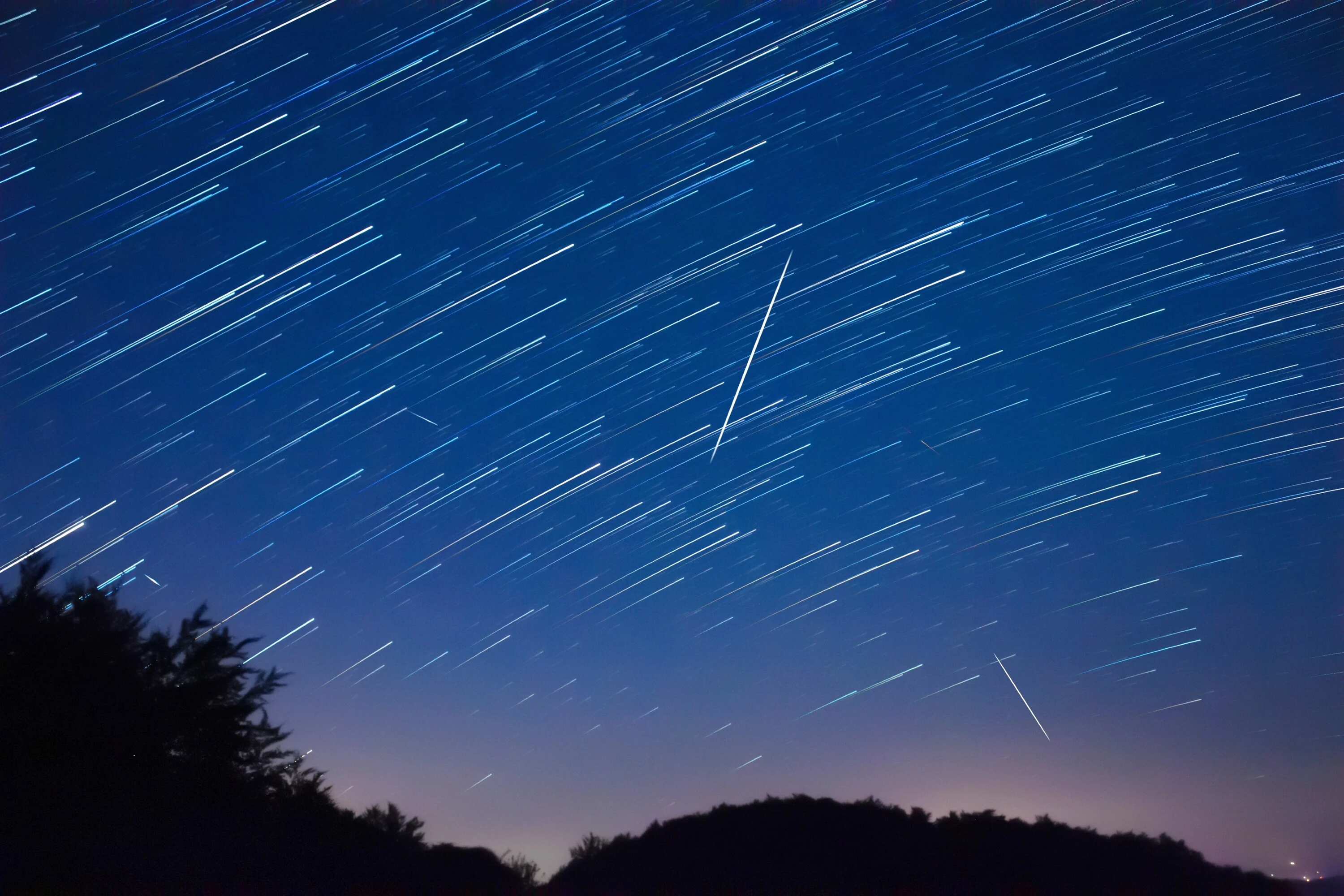
If you’re hoping to see a shooting star from the streets of London, tonight (August 12-13) is the best opportunity to do so. It’s when the Perseids – the biggest and brightest meteor shower of the year – peak.
The Perseids have actually been soaring through our skies for a few weeks now, so you may have spotted a few meteors already. However, it reaches the peak (or ‘maximum’), the moment that the highest number of shooting stars are visible, in mid-August.
The year’s most dazzling meteor shower isn’t the only celestial spectacle to watch out for this week. On August 12 – the same date as the Perseids peak – will also be a deep solar eclipse. You can find out all about that with Time Out’s guide here.
Here’s what you need to know ahead of the big event.
SKIP TO
🗓️ Date
⏰ Time
⭐️ Viewing tips
What is the Perseids meteor shower?
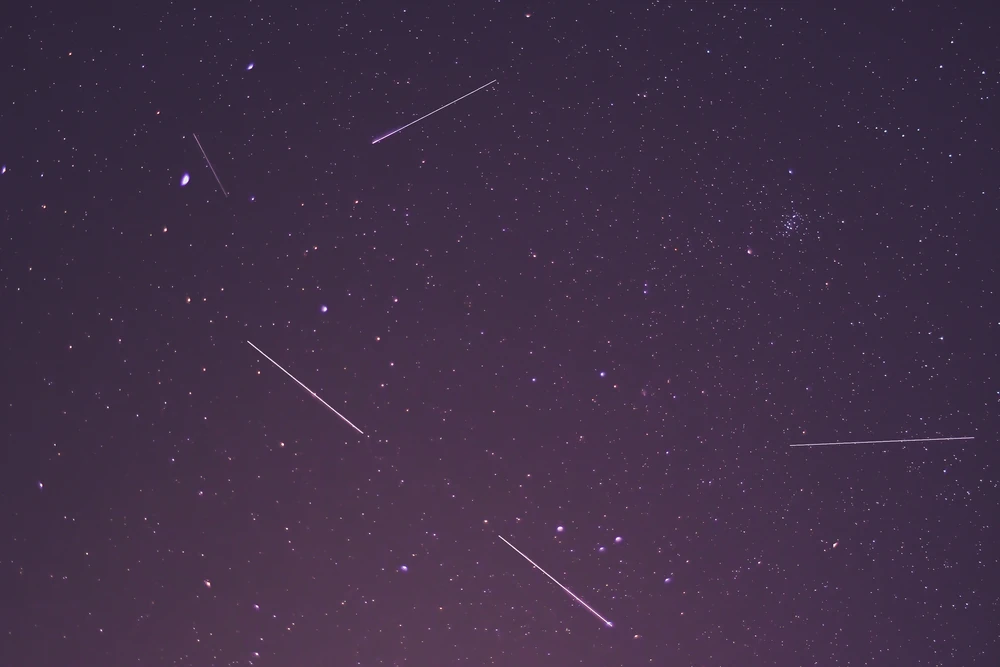
Meteor showers are made up of debris from comets hurtling around our solar system. Some of that debris will hit our planet’s atmosphere at speeds of up to 45 miles per second and vaporise, leaving bright streaks of light behind them that we can see from Earth.
The Perseids meteor shower stems from a comet called 109P/Swift-Tuttle and has been dazzling humans since at least the year 69BC. At its peak it has around 125 vivid meteors per hour. Royal Museums Greenwich calls the Perseids ‘one of the best meteor showers of the year’.
When will the Perseids peak?
The Perseids will hit their maximum overnight tonight, on Wednesday August 12 into Thursday August 13.
Will they be visible from London?
Yep! Just as long as weather conditions are good (more on the forecast below).
What is the best time to see the Perseids meteor shower?
According to Royal Museums Greenwich, the ideal time to look out for the Perseids will be between midnight and 5am when the moon is below the horizon.
How can I watch?
Find a spot that gives you an uninterrupted view of the sky with minimal light pollution (but bear in mind that many London parks shut after the sun goes down), give your eyes 15 minutes or so to adjust to the darkness, look up and be patient. Don’t bother with binoculars or a telescope as they’ll limit the amount of sky visible to you.
Best places to watch meteor showers in London
Primrose Hill
Primrose Hill will be open all night on Wednesday.
Parliament Hill
Like Primrose Hill, Parliament Hill is open 24 hours on Wednesdays (well, every day, in fact).
London’s best parks
You can find Time Out’s guide to the city’s top parks here. Check which ones are open overnight in advance.
What will the weather conditions be like?
The weather overnight on Weds-Thurs is looking ideal for stargazing: cloud-free and rain-free. It’ll be pretty toasty, too, staying above 20C all night.
When is the next meteor shower?
After Perseids, the next meteor shower is the much smaller Draconids, which will peak on October 9.
Did you see that 4 London restaurants were added to the prestigious Michelin Guide in July 2026?
Plus: One of the UK’s greatest hikes is in London.
Get the latest and greatest from the Big Smoke – from news and reviews to events and trends. Just follow our Time Out London WhatsApp channel.
Stay in the loop: sign up to our free Time Out London newsletter for the best of the city, straight to your inbox.