

[title]
With more than 100 cinemas, London is a wonderland for cinephiles. Pull back the curtain of some the most beloved picture houses and you’ll find fascinating histories galore. The Regent Street Cinema is one of those places. This month it celebrates 130 years since it became the birthplace of British cinema with screenings of the Lumière brothers’ groundbreaking Cinématographe show in 1896. It changed entertainment forever.
In the decades since, the institution has hosted dubious nature documentaries, X-rated movies, naked theatre performances and even royals and rock ’n’ roll stars. As the glimmering and golden single-screen cinema marks this anniversary with ten days of celebrations this month, Time Out takes a tour of the University of Westminster’s archives to unpack the history behind one of the capital’s most storied cinemas. Grab the popcorn and get ready to time travel.
Explosions and experiments (1838–1862)
In 1838, The Polytechnic Institution at 309 Regent Street opened to the public. And amid the opening of Europe’s first photographic studio in the roof in 1841, and the crucial addition of a theatre in 1848, the education centre quickly developed a reputation for Victorian-era technological innovation. ‘It was like a mix of the Science Museum today, with lectures and laboratories,’ says University of Westminster archivist Elaine Penn. ‘There were experiments with electricity, explosions, and even a diving bell [that fit] six people.’
One famous optical illusion, known as ‘Pepper’s Ghost’, made a spectre appear on stage during a Christmas Eve performance of Charles Dickens’ The Haunted Man in 1862. It would foreshadow the venue’s future as a temple of visual storytelling. ‘We take things like CGI for granted today,’ Penn continues. ‘But these things were being done manually, and they really were quite magical.’
The birthplace of British Cinema (1896)
History was made again in 1896 when the Lumière brothers chose the Regent Street Theatre to show off short films Workers Leaving the Lumière Factory and Train Pulling into a Station on their revolutionary Cinématographe machine. It was the first time moving pictures were shown on-screen in Britain.
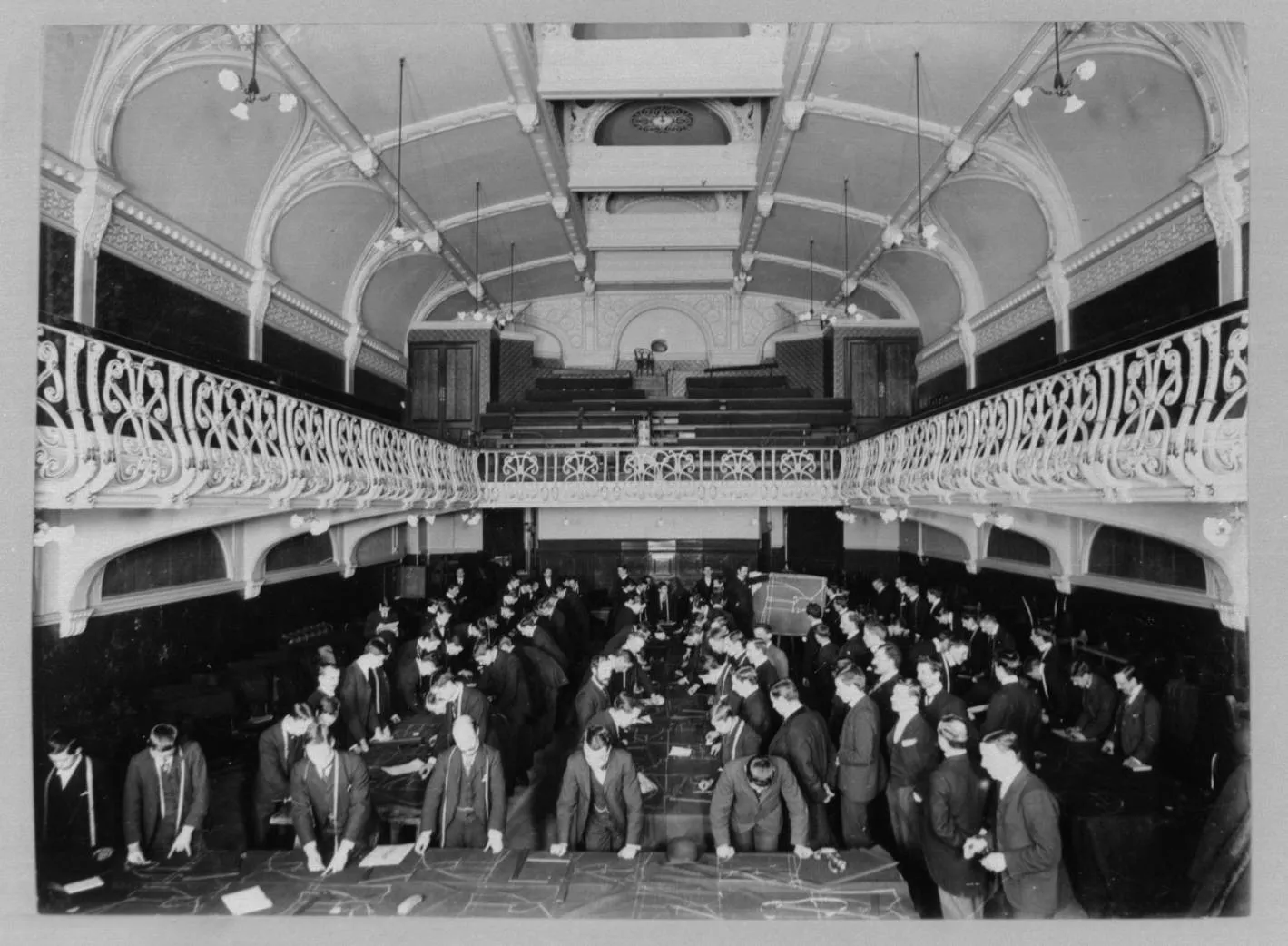
The stories of paying punters fleeing the building in panic may be exaggerated, but a February 1896 edition of the Polytechnic Magazine did attest to the wow factor in a glowing write-up. ‘It is, briefly, living photography,’ the article gushes, ‘[and] the effect is really most wonderful.’ The revolution wasn’t instantaneous: in 1899, the theatre was still being used for other purposes, including tailors’ cutting classes.
Rallying the troops (1899-1913)
At the dawn of the 20th century, the theatre was staking its claim as one of the first permanent cinema spaces in the country, as photographer Alfred West’s Our Navy and Our Army films played continuously over a 14-year period from 1899. With the Second Boer War commencing that same year, these promotional shorts, showing troops on manoeuvres, were intended to help with recruitment. West would claim that over two million people saw them.
Wonders of the world (1923-1931)
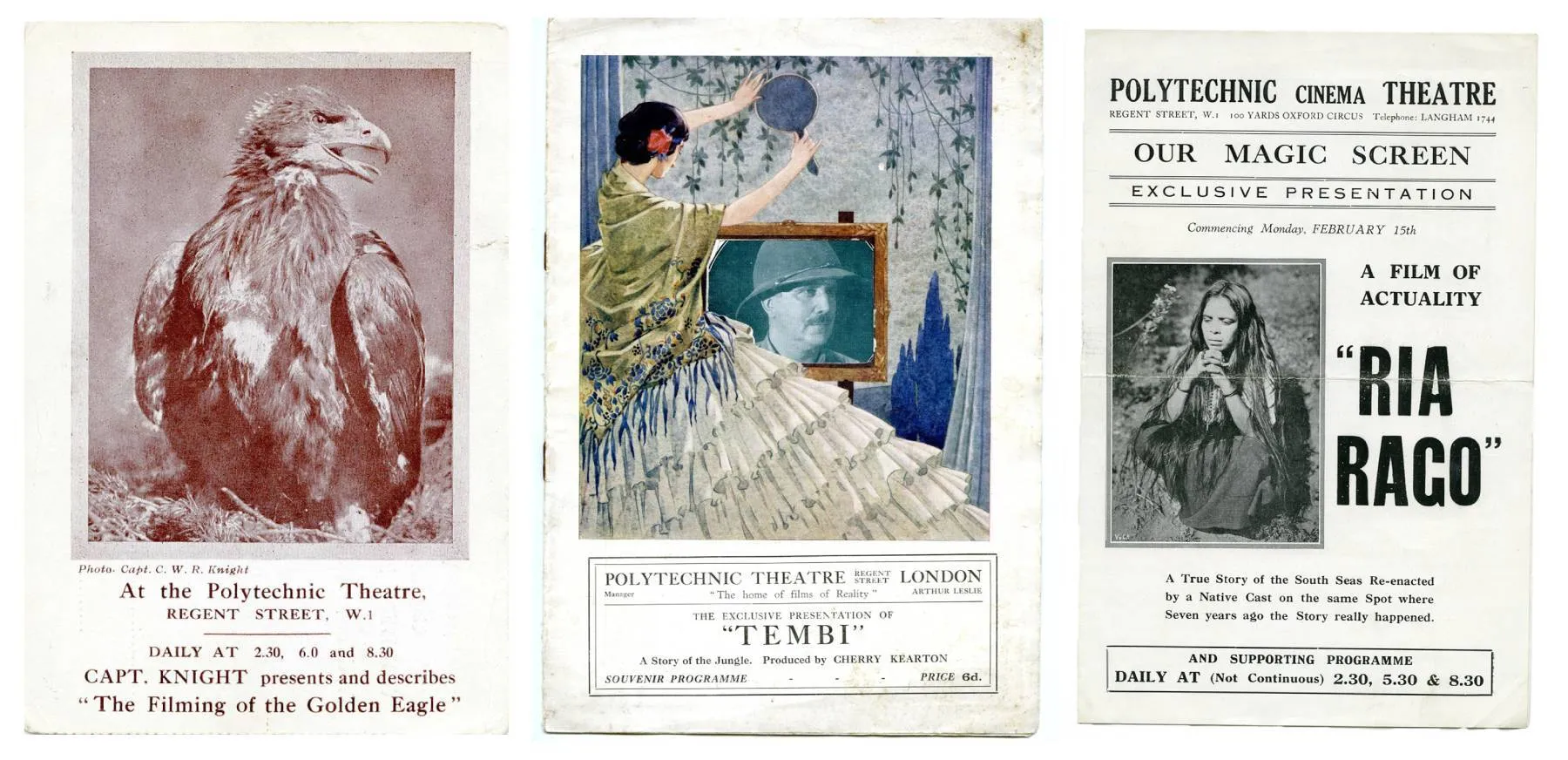
The programming became even more colourful after The Times announced the Polytechnic Cinema as ‘a permanent home for travel films’ in 1923. ‘It became very well known for nature films depicting expeditions to places like Africa and the Himalayas,’ says Penn. ‘It was things that people were reading about in the news that they could come and see on the screen.’
Those films included Chang: The Serendipitous Screen Epic of the Jungle, shot in Thailand, and Climbing Mt. Everest, while The Wonderland of Big Game was screened 280 times in just three months. These were silent films, enriched with narration, music and animal noises, some of which were recorded at nearby London Zoo.
Things get musical (1936)
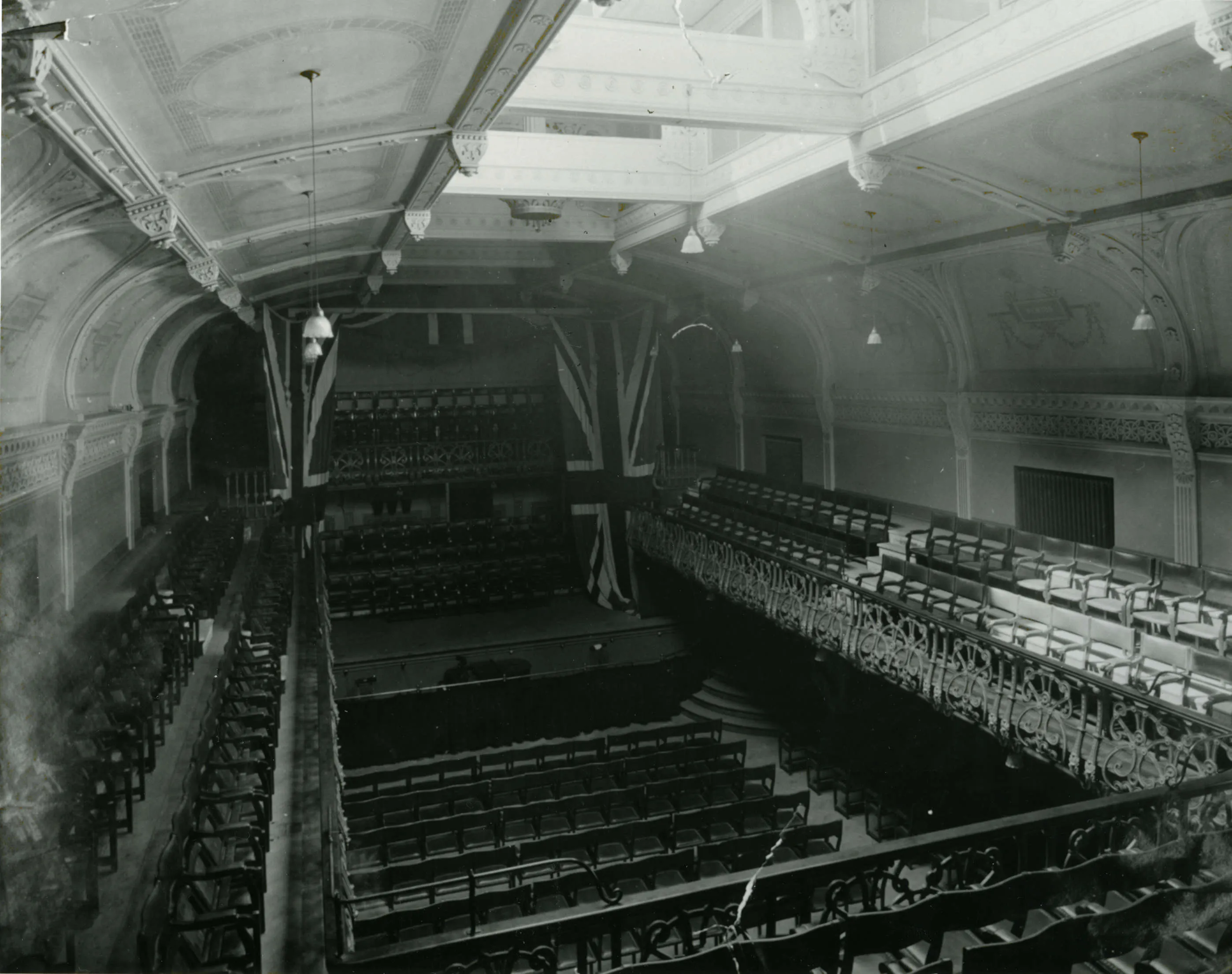
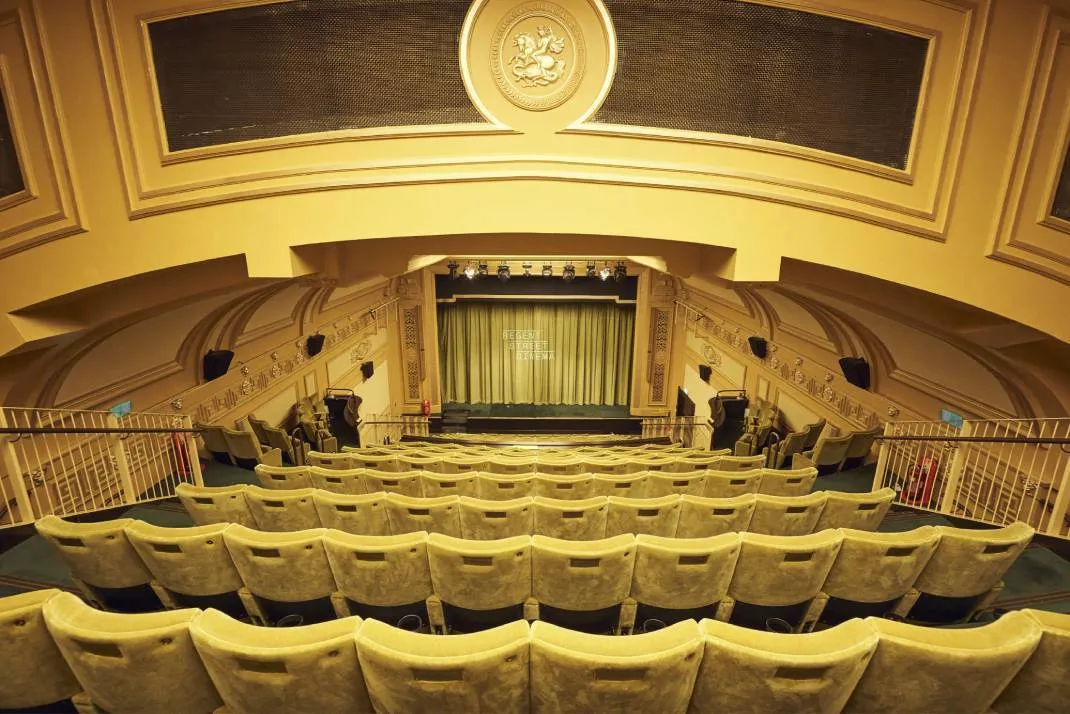
A comprehensive refurb between 1923 and 1927 introduced a curved balcony and art deco style, in what was now a 610-seat venue. Then, in 1936, the cinema purchased its famous John Compton organ, which is still used today for monthly recitals and play-along score performances for ‘Matinee Classics’ like The Cabinet of Dr Caligari, The Third Man and The Ladykillers.
Lifting morale (1939-1951)
During World War II, the venue played newsreels to keep Londoners informed as loved ones fought overseas. But it also screened morale-boosting films like The Wizard of Oz as the UK was ravaged by the Blitz.
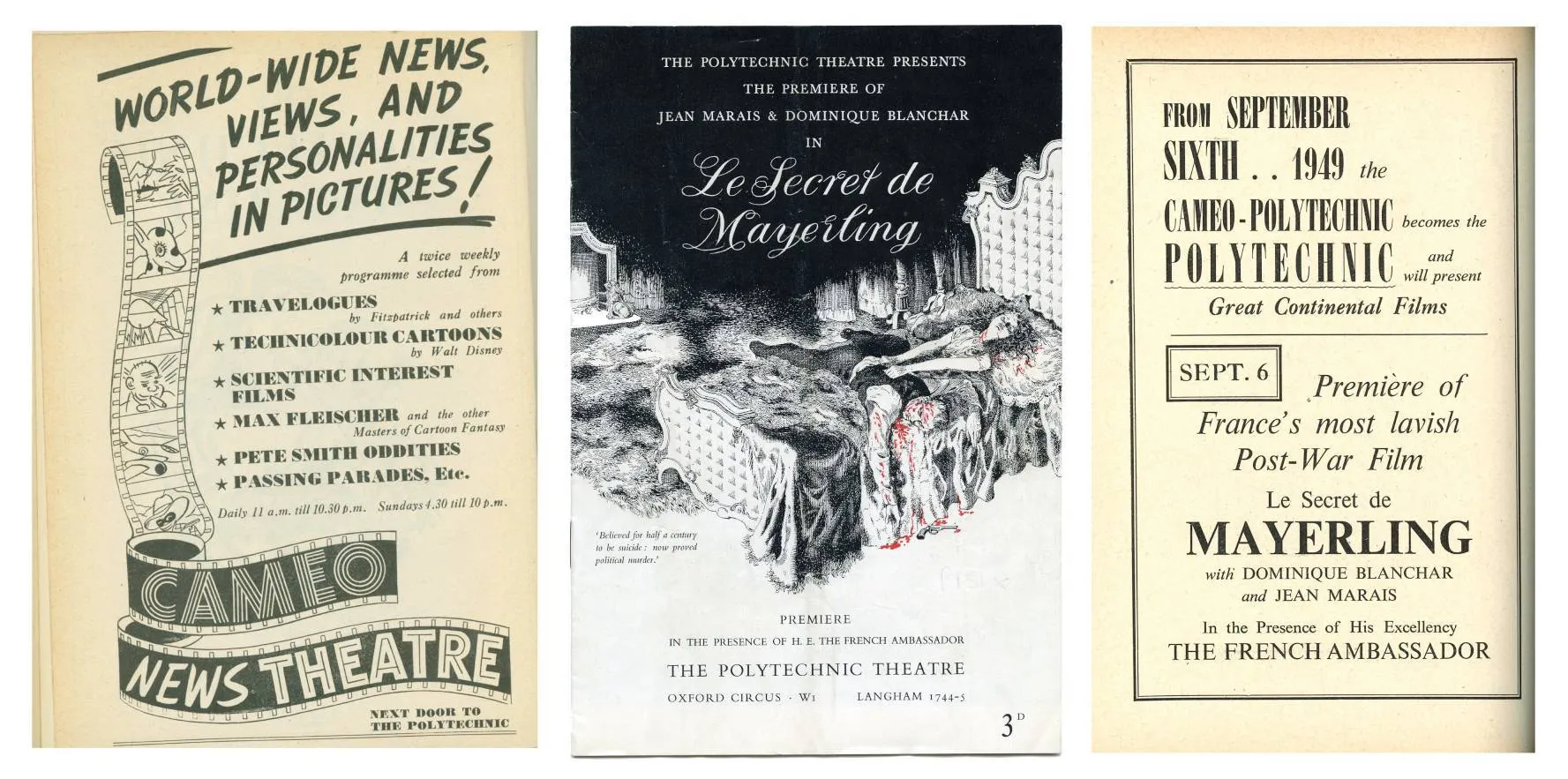
The venue was renamed Cameo News Theatre and then Cameo Polytechnic, building a reputation for racy foreign films ‘on the art-sex boundary’. Sensational promo flyers were used to entice audiences to The Secret of Mayerling (1949) and Minne, l'ingénue libertine (1950). In 1951, more history was made: the venue became the first in the UK to screen an X-rated film – though admittedly, the ‘adults-only’ rating for La Vie Commence Demain (1950) was down more to the images of animal dissection and atomic destruction than anything kinky.
The rock star years (1962-1970)
As the Polytechnic’s student populace turned out bands like Pink Floyd in the ’60s, pop culture icons from The Rolling Stones’ Keith Richards to actress Sharon Tate flocked to the ‘Cameo Poly’ for premieres of films like Roman Polanski’s Cul-de-sac (1966).
This was a decade in which the cinema flourished as a trendy art house, dressing the foyer to depict scenes from Japanese classic Kwaidan (1964) one week and showcasing works by Italian auteurs like Fellini and Antonioni the next. ‘It became a place for people to be seen,’ says Penn, with royals such as Princess Anne attending the gala premiere of Laurence Olivier’s Three Sisters in 1970.
Letting it all hang out (1972-1977)
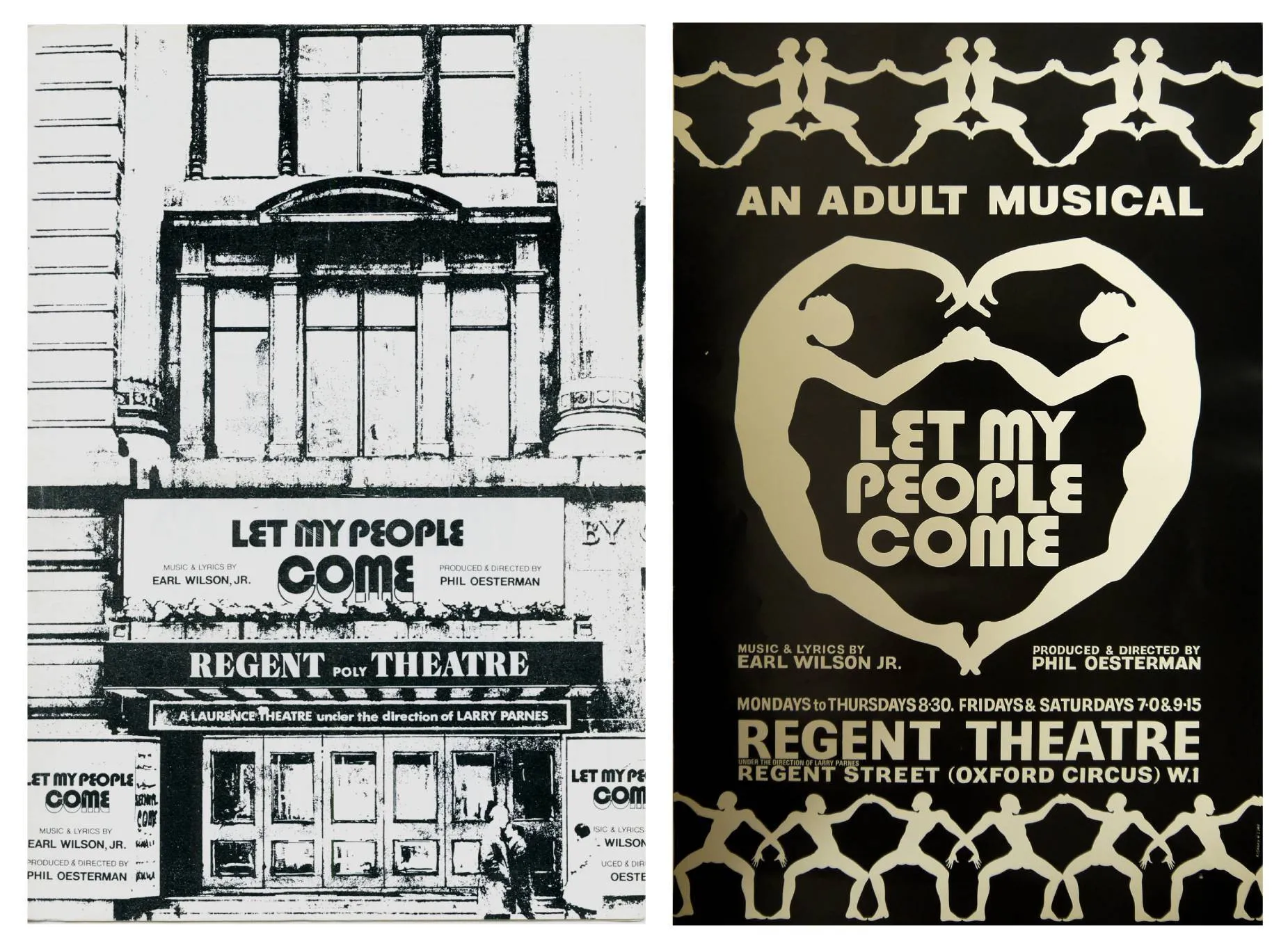
When its lease expired in the mid-‘70s, the cinema (referred to as the ‘Classic Poly’ from 1972) became a theatre, hosting musicals and risqué productions such as Let My People Come, which arrived from New York’s Greenwich Village. ‘It was a nude theatre performance,’ explains Regent Street Cinema tour guide Kate Fothergill – the entire cast was in the nip. It ran for three years and was a raging success for what was now known as the ‘Regent Theatre’.
A memorable centenary (1996)
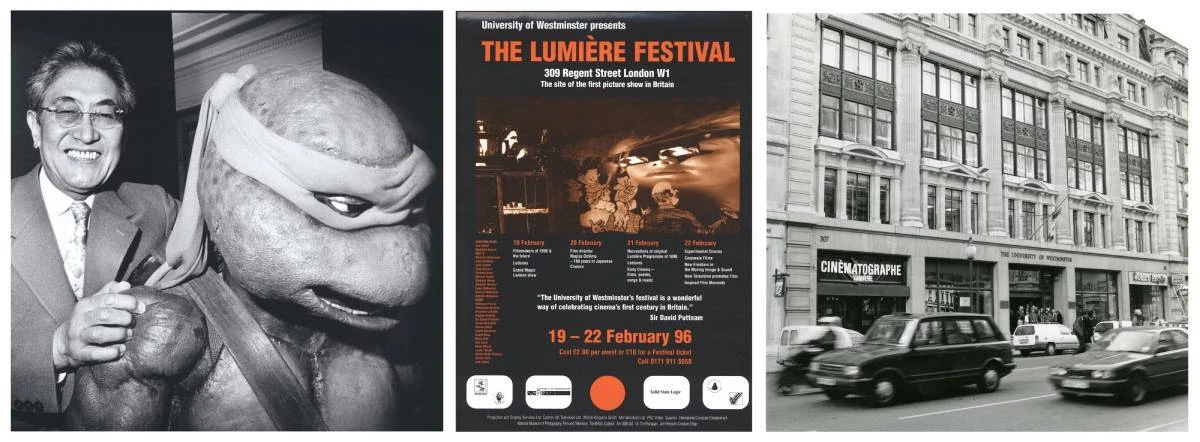
In 1980, the theatre-cinema was fully reclaimed by the Polytechnic Institution for teaching space and closed to the public. It reopened for ‘The Lumière Festival’ in 1996, a centennial celebration of the first film screening at the site. Among those in attendance was Merry Christmas, Mr Lawrence director Nagisa Ōshima, who was snapped with a Teenage Mutant Ninja Turtle while promoting his own ‘100 Years of Japanese Cinema’ documentary.
The make-over (2012-2022)
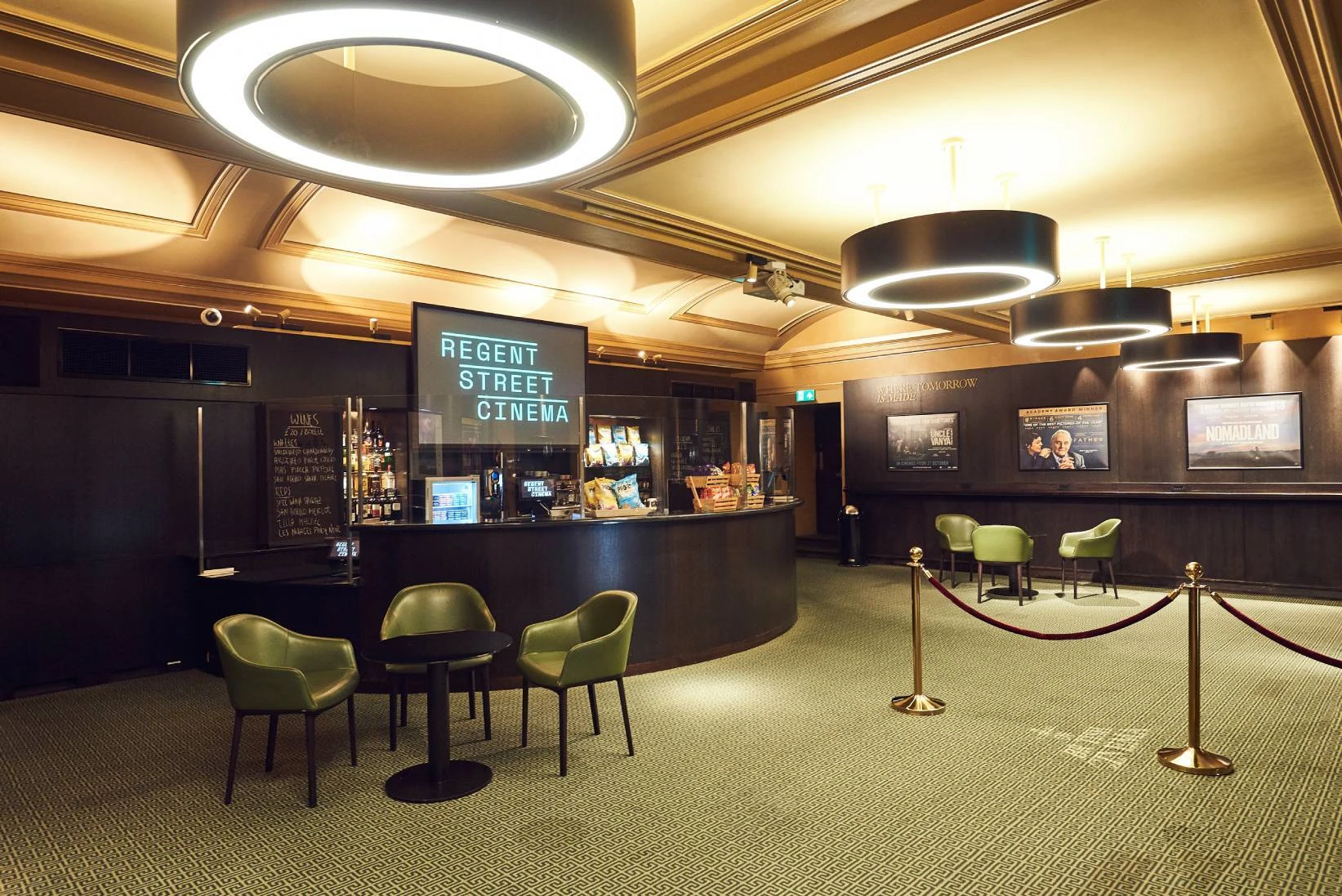
Between 2012 and 2015, the University of Westminster undertook a full restoration of the building to the sum of £6.1 million, with the cinema redesigned by Hackney Empire and Wilton’s Music Hall architects Tim Ronalds. It finally became the Regent Street Cinema, with former cinema director Shira MacLeod emphasising her desire for the 187-seat single screen space to ‘support British films’, as well as be a repertory cinema ‘doing double-bills’.
Filmmakers and stars from Edgar Wright and Luca Guadagnino to Gary Oldman and Daniel Craig are among those who have since parked their tushes in those plush yellow velvet seats.
Today, Regent Street Cinema screens everything from Wicked, Marty Supreme and Sunset Boulevard to documentaries on The Doors and Picasso – with 35mm and 4K digital projection, 7.1 surround sound, and all other mod cons at their disposal.
February marks the 130th anniversary of that historic first movie screening and the cinema is going all-out to celebrate. ‘We’re showing everything from [those] Lumière brothers’ films and Buster Keaton’s The General to The Matrix and Parasite, dedicating roughly a day per decade of cinema,’ says head programmer Anna Paprocka. ‘We might all need to take the week off to watch them!’
There’ll even be £4 tickets at some events to roll back the years. ‘That correlates with the prices that tickets have cost historically,’ says Paprocka. ‘We calculated it by the shilling!’ There’s never been a better time to rediscover one of Britain’s most historic movie temples.
Regent Street Cinema’s 130th anniversary celebrations run throughout 2026. Head to the official site for information on special events and programming.
The 25 best cinemas London – as picked by Londoners.
The 10 best films to see at the cinemas this month.