

[title]
The Bull and Gate, London Astoria, Rainbow Theatre, the End, Turnmills and Plastic People. For Londoners of a certain age, hearing the names of these now-closed music venues will conjure memories of early Blur gigs where a young Damon Albarn swung from the rafters of the Kentish Town pub, of hearing dubstep for the first time, and sweaty club nights where megastars like Prince might just show up. For anyone younger, they might feel a pang of loss that they never got to experience this messy, unbridled version of London nightlife.
In a new exhibition, opening on May 30, the V&A is spotlighting some of these legendary lost music venues.
‘I was concerned about the reports during the pandemic and post-pandemic that a lot of venues were struggling and closing. It was an unprecedented situation which was affecting the whole creative sector,’ says Harriet Read, lead curator of Lost Music Venues, which was created in collaboration with the Music Venue Trust.
RECOMMENDED: An oral history of Madame Jojo’s
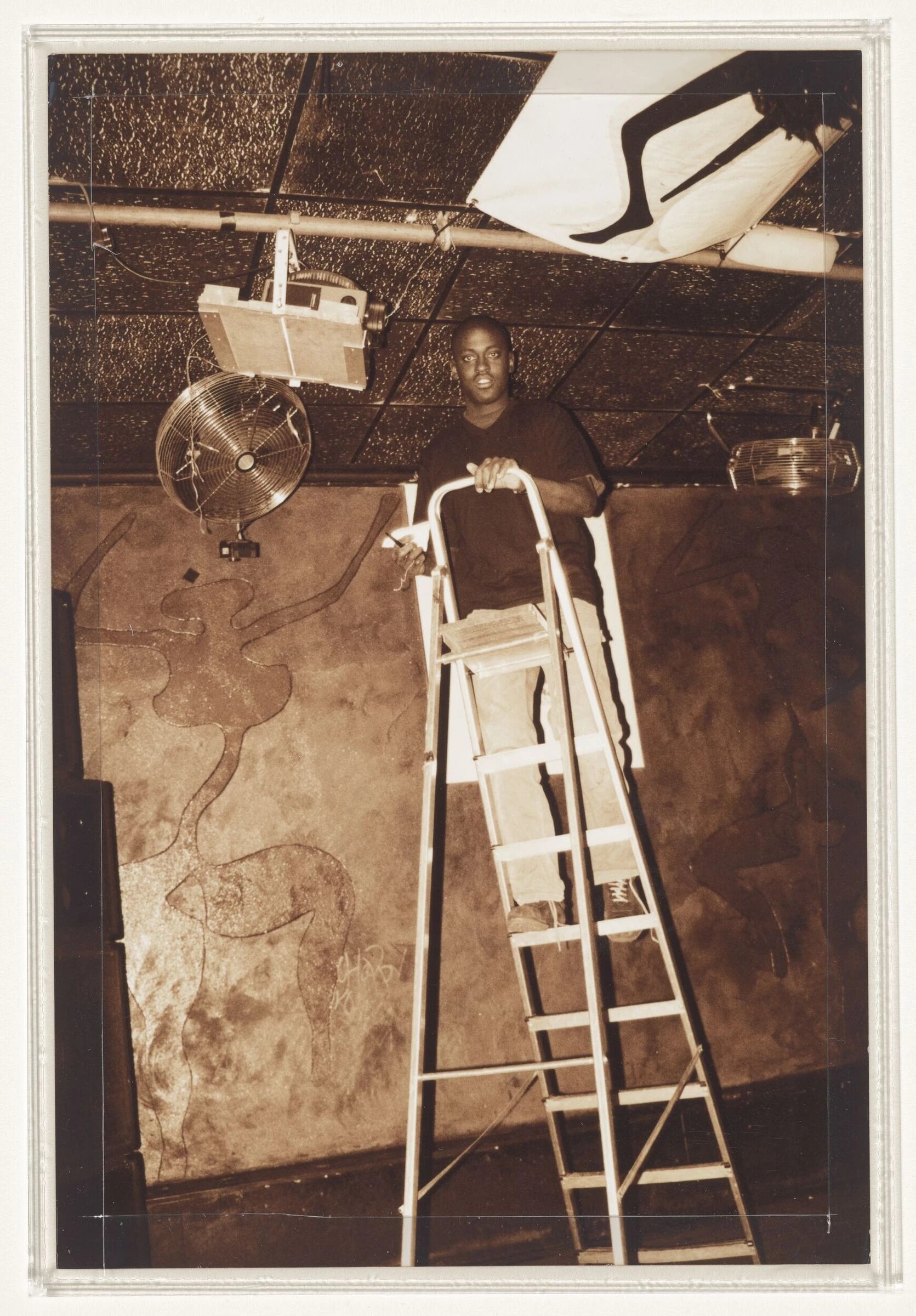
‘Because of that there’s been this increased awareness of music venues and their importance in the creative economy and the music industry.
‘[The V&A wanted to] highlight these spaces not just for their musical significance but as a place for design and art and performance, from poster design, to architecture and sound design.’
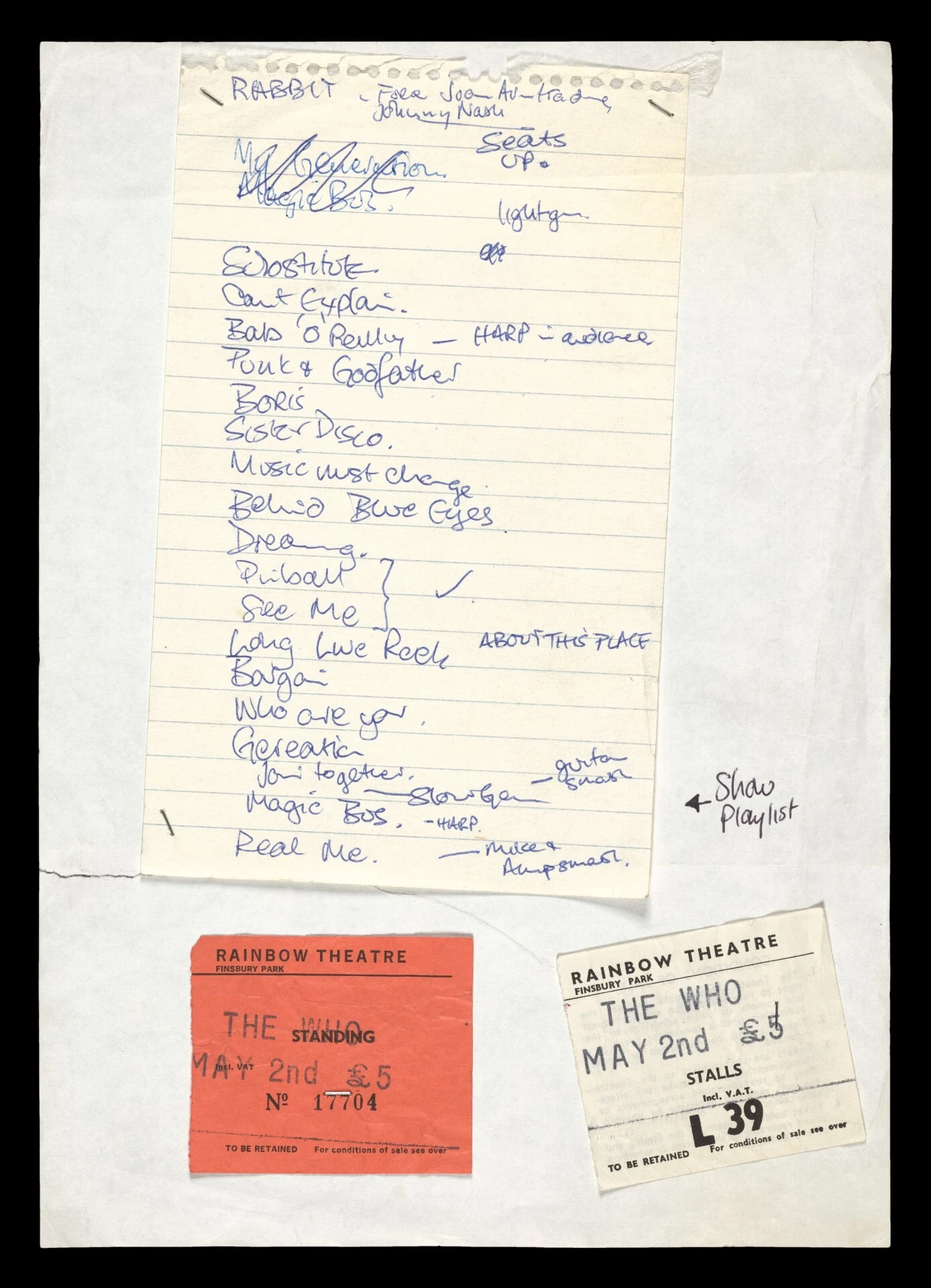
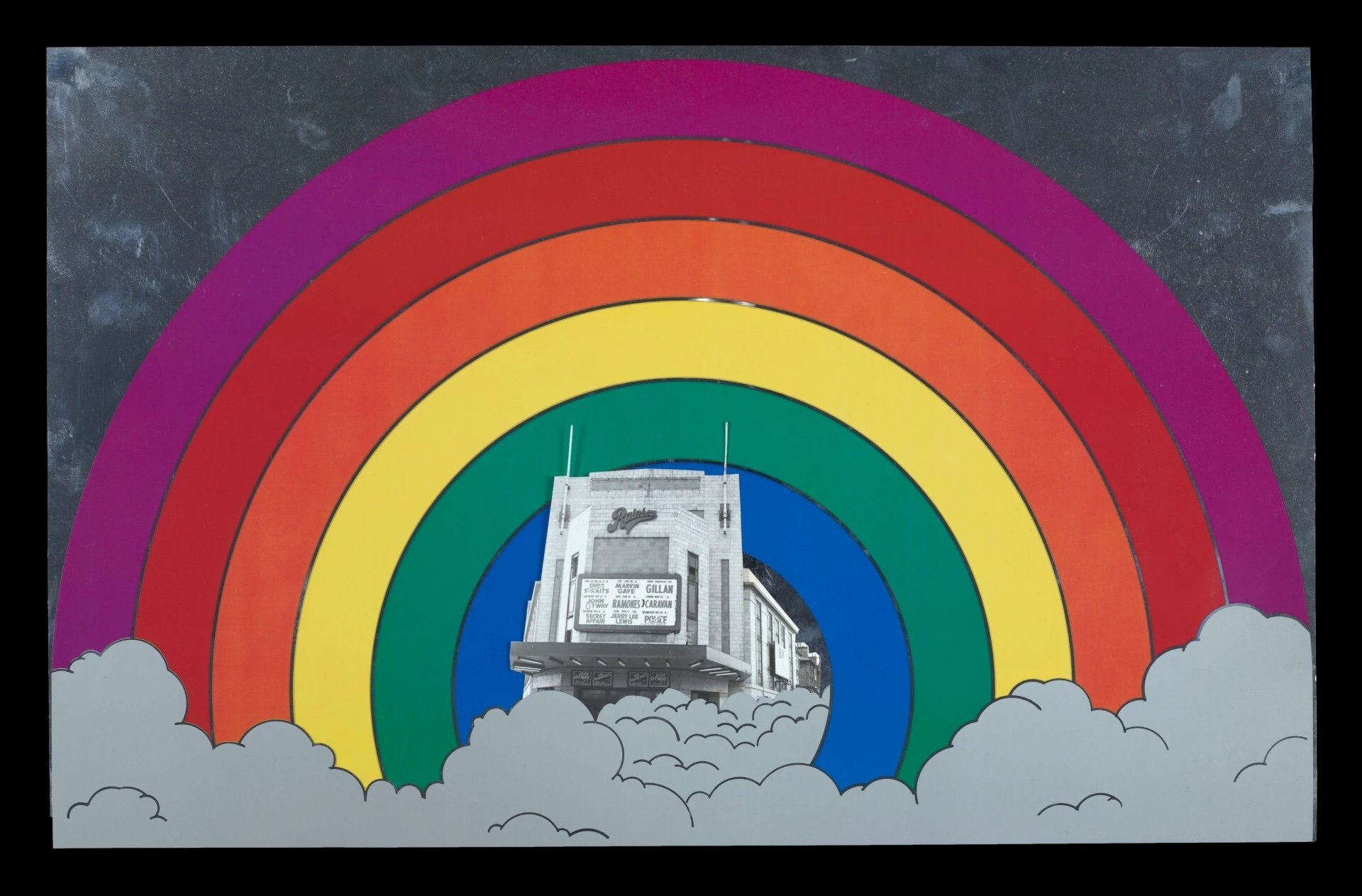
After an open call-out for music memorabilia, the V&A has pieced together an exhibition highlighting 50 different venues through around 150 items, spanning the 1980s to the 2010s. Gems going on display will include handwritten Oasis lyrics, the sign from the London Astoria (on loan from Damon Albarn) – the building was demolished in 2009 to make way for what would become the Elizabeth line – flyers from Plastic People, and Joan Baez’s note of support for Finsbury Park’s Rainbow Theatre (the Grade II*-listed building on Seven Sisters Road is now a church).
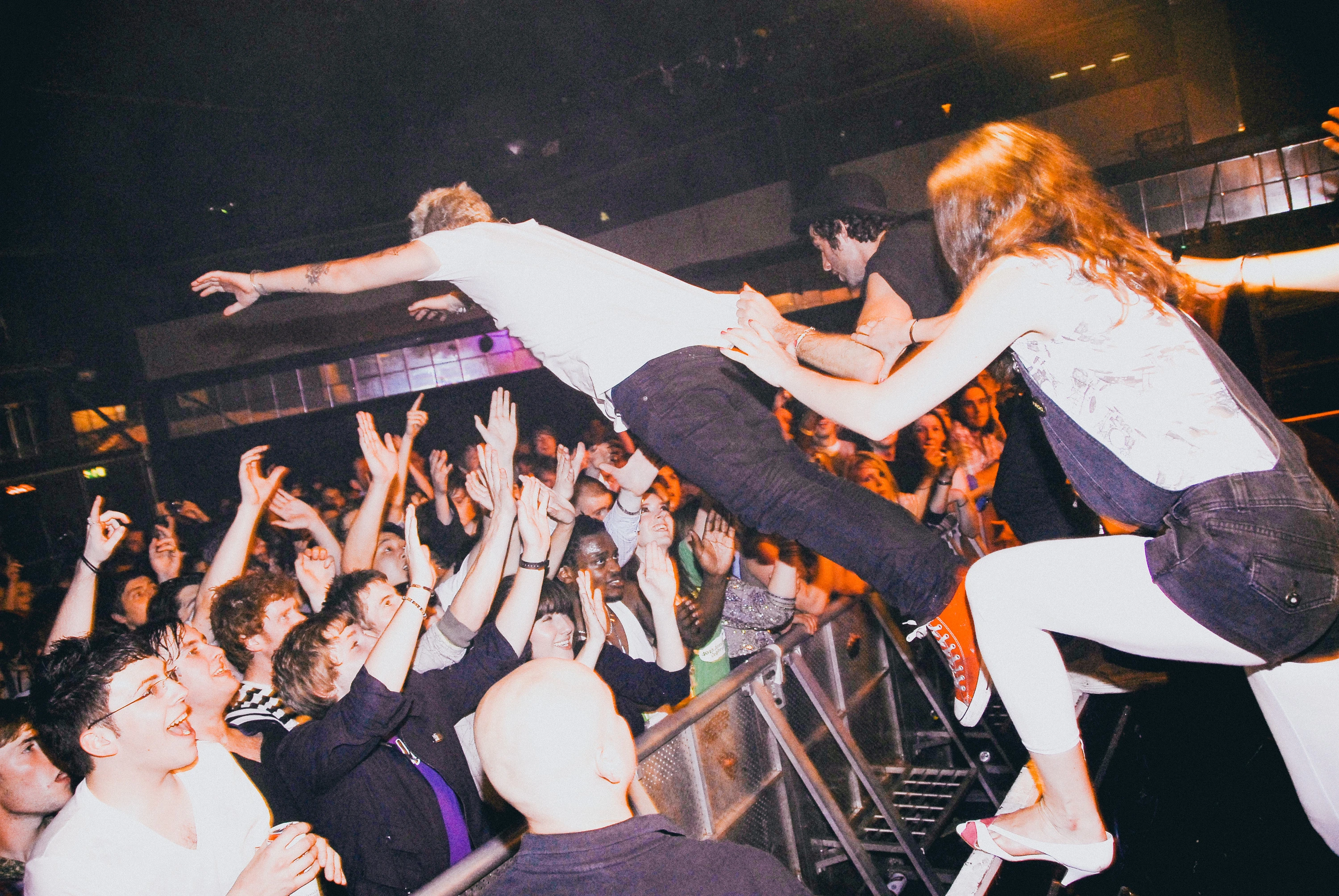
‘This is a photograph of Kid Harpoon (who is now one of Harry Styles’ songwriters) taken by Gregory Nolan, who was based in London throughout the explosion of the indie scene. He was a photographer, but also a completely devoted gig-goer and lover of nightlife.
‘He also took a lot of photographs of Florence the Machine at her really early open mic nights, Bloc Party, Maximo Park, Babyshambles.
‘The role of the club photographer declined with the rise of smartphones. People might have digital cameras which would have varying results, but you would have someone professional in the crowd.’
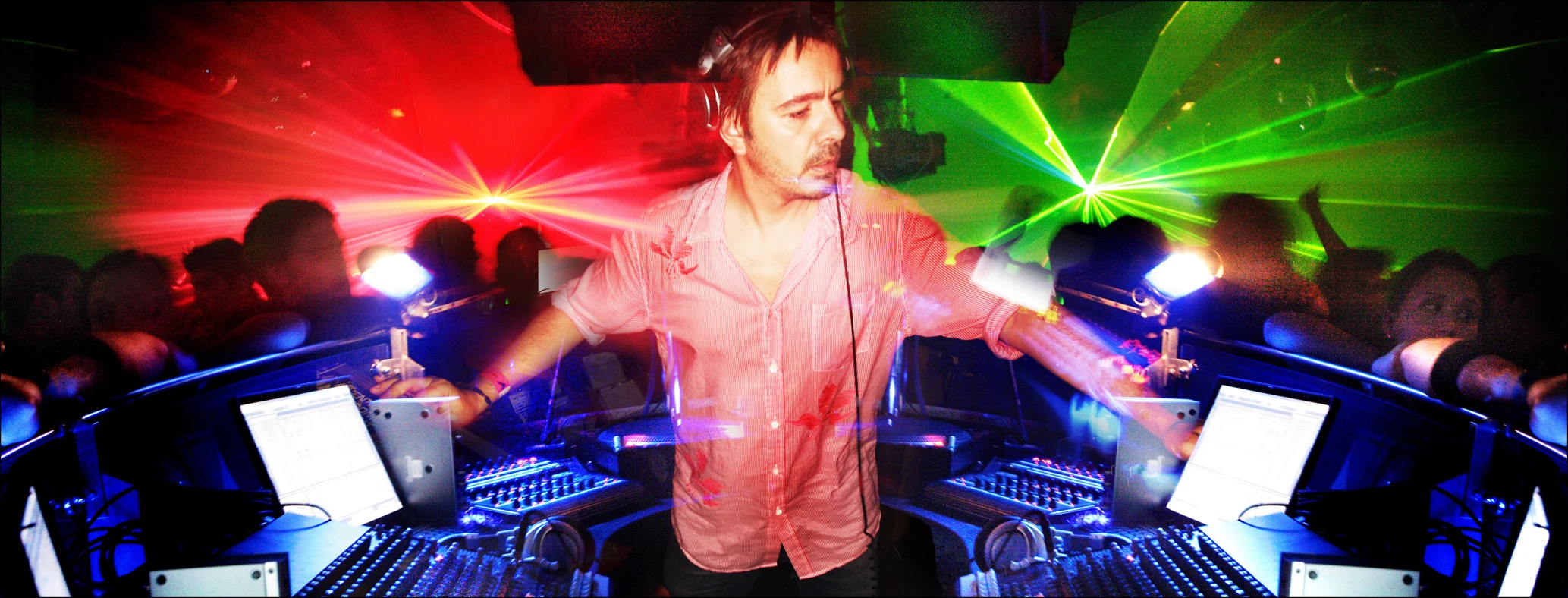
Reed has also curated stories from club managers, devoted gig-goers, photographers and collectors. ‘There are great stories about Prince turning up at the door of the End and being one of the biggest Champagne buyers in the whole country at the peak of the club’s success. He seemed to visit a lot of the clubs in London,’ she says.
Personally, Reed remembers the ‘tail end of places like Madame Jojo’s and the Barfly’ in the 2010s, which were both popular for alternative and indie nights. ‘White Heat was a really popular indie disco at Madame Jojo’s. There wasn’t a phone in sight. People were all just dancing and enjoying themselves. If [your band] made it onto the playlist of an indie disco, you were getting somewhere.’ The Barfly closed in 2016, while Madame Jojo’s shuttered in 2014 after having its license revoked following a violent incident.
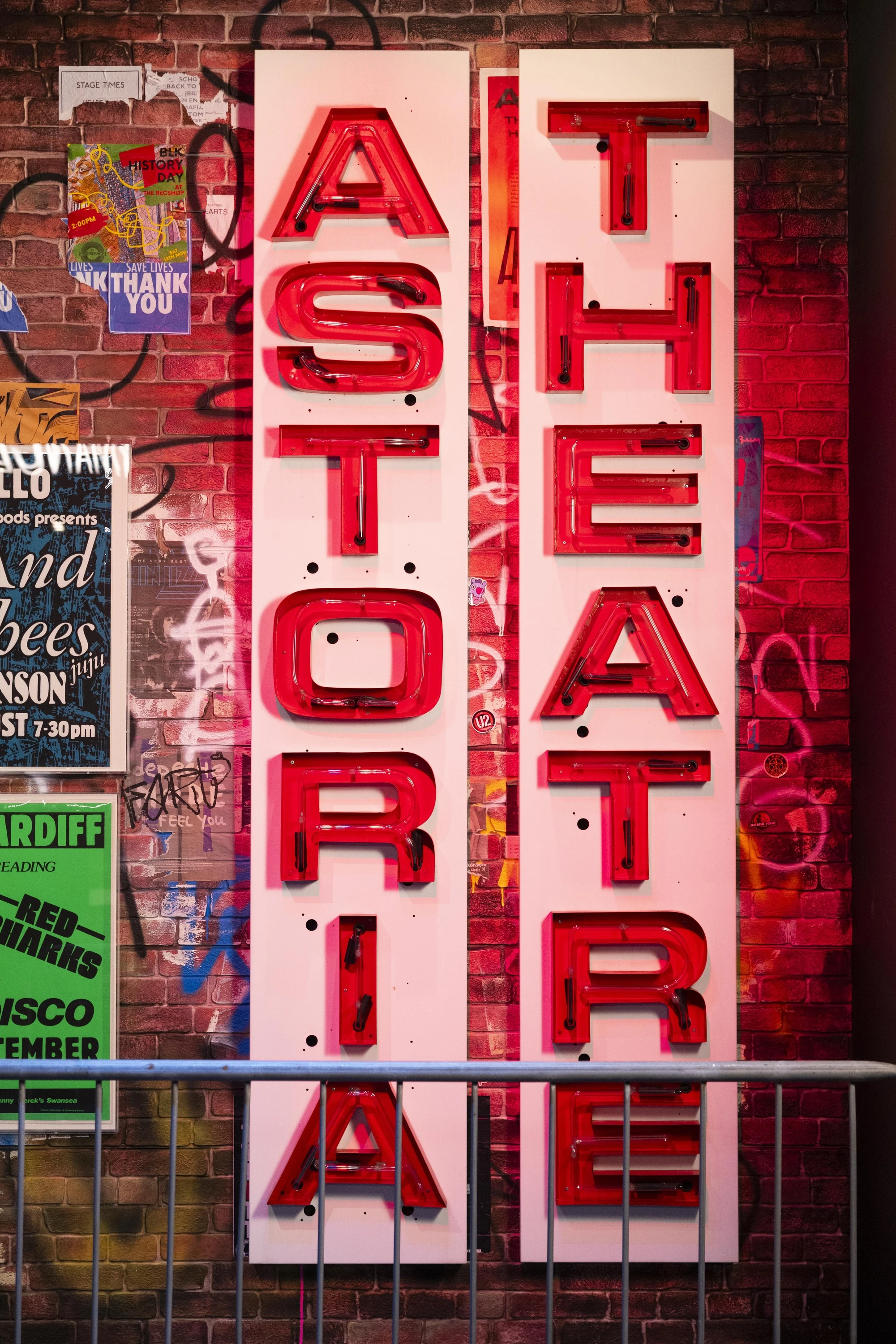
For those young enough to have missed the heydays of many of these venues, they’re likely to experience some ‘secondhand nostalgia for something [they] weren't even there for.’
‘I hope the exhibition reminds visitors of the places that they went to when they were growing up, even if they aren’t the exact venues that they remember being represented. And I hope it inspires people to support their local venue, to understand them and how they run a bit more, and to appreciate them.’
Lost Music Venues, V&A South Kensington. Opens from Sat May 30. Free.