

[title]
Heads up, Londoners. Earlier this month the RMT union announced a wave of new strikes on the London Underground. Eight 24-hour walk-outs will take place across 16 days between now and February 2027, impacting several dates in the lead up to Christmas. But that isn’t all. The Transport Salaried Staffs' Association (TSSA) union is going on strike on tube services this weekend (November 20-21).
TSSA members who are part of ‘service control’ will walk out in support of a colleague that the union says was unfairly dismissed. Train drivers who are members of the Rail, Maritime and Transport (RMT) union are striking to protest ‘attacks on working conditions’. Union members are walking out in response to plans to introduce a four-day working week for tube drivers. The other major train drivers’ union ASLEF has not announced any London Underground strikes.
Worried about more industrial action hitting the capital? Here’s everything you need to know, from the confirmed walk-out dates to the expected scale of the impact.
RECOMMENDED: When are the next UK-wide train strikes? What you need to know about nationwide industrial action.
Piccadilly line strike this weekend
Strikes are taking place on the London Underground this week. On Friday November 20 and Saturday November 21, severe disruption is expected on the Piccadilly line.
Find a full guide to getting around the city during the TSSA strike here.
When are the next London tube strikes?
London tube strikes are taking place place across November and December 2026, and January and February 2027.
First up is the TSSA, which is walking out for 24 hours this weekend, spread across two dates (starting at midday and ending the following day).
- Friday November 20 2026
- Saturday November 21 2026
Each of the RMT’s 24-hour strikes will start at midday and end the following day. Here are the RMT walk-out start dates to watch out for:
- Thursday November 26 2026
- Thursday December 17 2026
- Saturday December 19 2026
- Monday January 4 2027
- Wednesday January 6 2027
- Wednesday February 17 2027
- Tuesday February 23 2027
- Thursday February 25 2027
What time do the tube strikes start and end?
Due to the noon start, each walk-out will hit an afternoon and a morning commute. The timing for the TSSA strike is:
- 11.59am on November 20 to 11.59am on November 21
The RMT strikes are likely to impact the following times:
- 12pm November 26 – 12pm November 27
- 12pm December 17 – 12pm December 18
- 12pm December 19 – 12pm December 20
- 12pm January 4 – 12pm January 5
- 12pm January 6 – 12pm January 7
- 12pm February 17 – 12pm February 18
- 12pm February 23 – 12pm February 24
- 12pm February 25 – 12pm February 26
Which London Underground lines are affected by strikes?
For the TSSA strike only the Piccadilly line is expected to be severely impacted. However, parts of the District line could also be interrupted due to shared infrastructure – there will be no District service between Earl's Court and Richmond/Ealing Broadway from midday Friday to Saturday evening.
There will be no night tube on Friday November 20, though Saturday night tube will run as usual.
As for the RMT strike later in the month? During major walk-outs, the entire tube network is affected, whether by delays and cancellations or partial and full-line closures. As a reminder, here’s a list of every London tube service:
- Bakerloo
- Central
- Circle
- District
- Hammersmith & City
- Jubilee
- Metropolitan
- Northern
- Piccadilly
- Victoria
- Waterloo & City
However, not all lines are always down in every strike – especially when ASLEF union members do not walk out. During strikes earlier this year, services continued to run across most of the tube network.
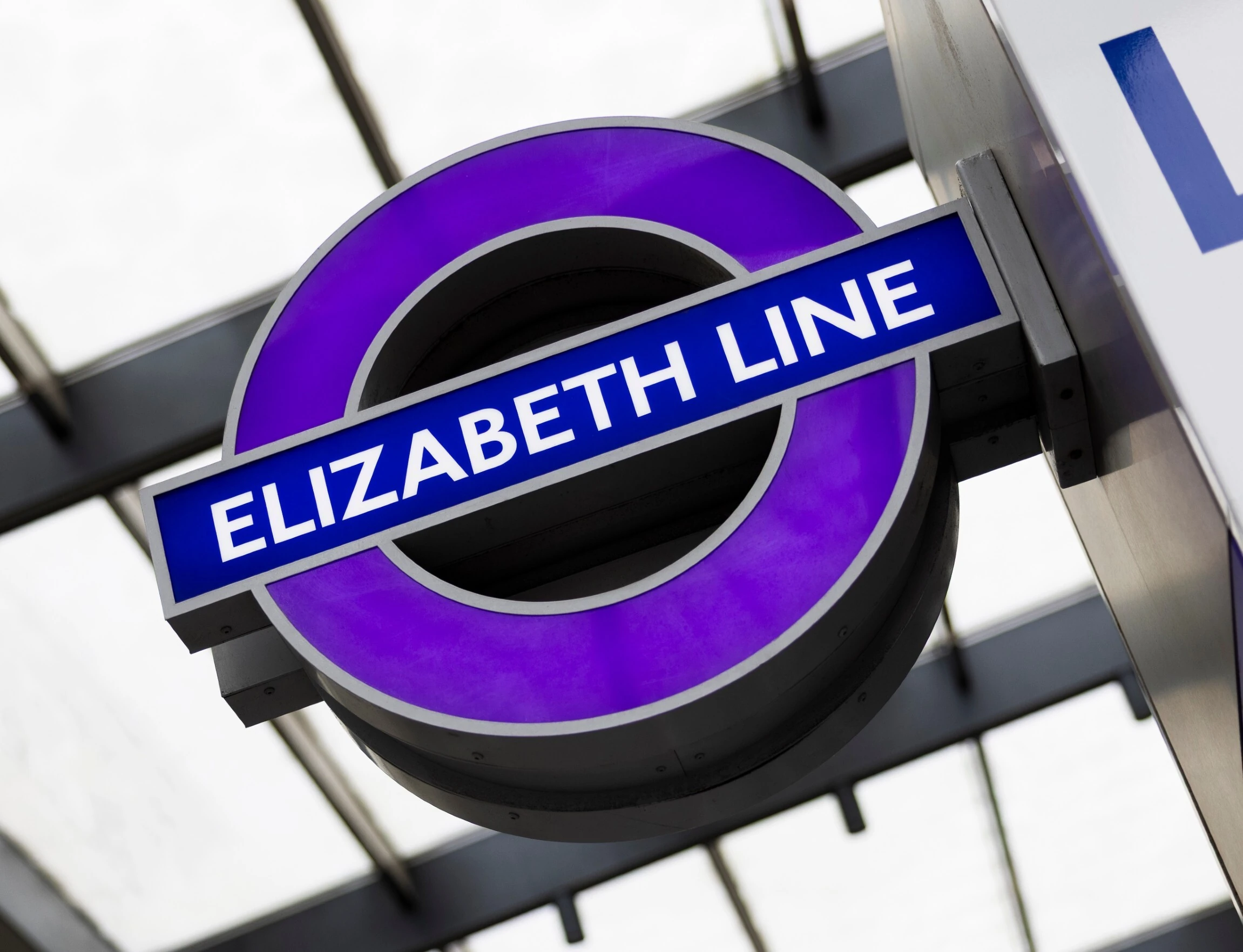
The Elizabeth line is not a London Underground service.
What are the chances of London Underground strikes being called off?
The TSSA strike appears unlikely to be called off, due to tight timing. The strike was confirmed on Tuesday November 17, just a few days before the walk-out.
As for the RMT strikes? Well, industrial action earlier in the summer was called off by the union and it is perfectly possible that the RMT and TfL may strike a deal before strikes begin. However, the chances of a compromise being reached reduce as a strike approaches – watch this space for updates.
How to get around London during a strike
TfL recommends that Londoners should allow more time for their journeys during the Piccadilly line strike, and that all essential journeys should be complete by 10.30am on Friday. Other tube lines, as well as the Elizabeth line, DLR, London Overground, buses and trams, are working as normal.
When the tube is down, bus and National Rail services will offer alternative routes across the city. As we found in the April and June 2026 strikes, e-bike hire schemes prove particularly popular during periods of industrial action.
During the tube strikes, the Elizabeth line, Overground and DLR are still running.
How long will the London train strikes last?
The current period of industrial action is set to end on February 26 2027. However, more strikes could be called if no agreement is reached.

Why are there new tube strikes?
The TSSA says it is taking action ‘in support of a TSSA member and Service Control colleague who was unfairly dismissed by London Underground’, as well as to protest against ‘improper conduct of TfL's investigation team’.
The RMT says that the strikes are due to ‘plans to introduce a so-called voluntary four-day working week alongside a new Trains Modernisation Framework’.
The union warns that ‘the proposals would force drivers to surrender hard-won protections regardless of whether they choose to work four or five days a week’, arguing that drivers face more time driving trains, earlier starts and later finishes. It also says that drivers could be displaced from their current depots, and that it is concerned that the proposals are paving the way for ‘hundreds of job cuts’.
What have union and rail bosses said about the strikes?
TSSA strikes
TSSA General Secretary Maryam Eslamdoust said: ‘An injury to one is an injury to all and our members working in Service Control on the Piccadilly Line are determined to take this industrial action in support of their colleague who has been unfairly treated by London Underground.’
TfL’s Head of London Underground Service Control Lee Stewart responded: ‘We are extremely disappointed that TSSA is proceeding with unjustified strike action in response to the dismissal of an employee working a second job while receiving full sick pay.
‘We do not believe industrial action is justified in circumstances where an employee has been dismissed following a fair process and findings of gross misconduct. We urge the TSSA to withdraw this action and not subject Piccadilly line customers to strike action.’
RMT strikes
RMT general secretary Eddie Dempsey said: ‘London Underground is attempting to dress up a wholesale attack on drivers’ working conditions as a voluntary four-day week.
‘But there is nothing voluntary about a scheme that forces drivers to give up existing protections whether they work four days or five, and threatens those who refuse with displacement from their depots.
‘Our members are being asked to spend more time driving trains, accept longer and more unpredictable shifts and surrender agreements that have been negotiated and defended over many years.
‘This is not about improving work-life balance. It is about squeezing more work out of fewer drivers while giving management greater flexibility at the expense of our members.
‘RMT is not opposed to a genuine four-day working week that benefits our members, but we will not accept it being used as a vehicle for job cuts, intensified working and the erosion of terms and conditions.
‘London Underground must withdraw these damaging proposals and engage seriously with the union to reach a negotiated settlement.’
Nick Dent, director of customer operations for London Underground, said: ‘This will give our colleagues a real, meaningful choice on their working pattern without having to change where they work.
‘This will also mean less time at work for Tube drivers, while delivering a more efficient, reliable Tube service for our customers.’
Finn Brennan, ASLEF’s full-time organiser on London Underground, told the BBC: ‘We are surprised that the RMT has, once again, decided to take strike action to try to prevent Underground drivers moving to a four-day week on a voluntary basis.
‘The voluntary four-day week gives Tube train drivers an extra 35 days off every year with rosters based on a 34-hour week in return for some changes to working conditions and moving to electronic, rather than paper-based, systems for booking on for duty.
‘Management have agreed that anyone who wants to keep working a five-day week will be able to do so without suffering any detriment, and we will be holding them to that.
‘A strike designed to stop people having the choice of a shorter working week and more time off is a strange choice to make.’
When are the next London Overground strikes?
There are no strikes currently planned for the London Overground network.
Will strikes affect the Eurostar?
Eurostar is not expected to be affected by any strike action.
Will the Elizabeth line be on strike?
No Elizabeth line strikes are currently planned. The purple line runs normally on tube strike days, though it is usually much busier than usual.
How will the strikes affect London airports?
This weekend’s Piccadilly line strike will impact travel to and from Heathrow Airport. Customers are advised to instead use the Elizabeth line or Heathrow Express, and allow more time for their journey.
Tubes and trains are rarely on strike at the same time, so travellers can usually get the other, non-striking one to the airport. For example, if you plan on using the on-strike Piccadilly line to get to Heathrow, you can always use the Elizabeth line or Heathrow Express.
Coaches frequently run from central and outer London areas by the likes of National Express. All airports are also, obvs, accessible by road – whether you’d like to drive or get a taxi. Expect potentially higher levels of traffic during strike days.
Timeline of previous London tube strikes
Here’s a lowdown of all the tube strikes that have taken place in the last few years.
- June 6-7 2022
- June 21-22 2022
- August 19-20 2022
- November 10-11 2022
- November 25 2022
- March 15-18 2023
- September 5-12 2025
- April 21-22 2026
- April 23-24 2026
- June 2 and 4 2026
Bus strikes
While east London has been hit by bus strikes over the past year, no more walk-outs are currently planned.
Get the latest and greatest from the Big Smoke – from news and reviews to events and trends. Just follow our Time Out London WhatsApp channel.
Stay in the loop: sign up to our free Time Out London newsletter for the best of the city, straight to your inbox.