[category]
[title]
Travel through 700 years of history through rare artifacts, community stories, and fun interactive stations


700 years of Singapore history, say what? Yes, our youthful 61-year-old nation has a story that stretches far back into the times of 14th-century Malaya – and if that's hard to believe, you'll see it all laid out at the revamped Singapore History Gallery.
Located at the National Museum of Singapore, the new gallery pairs the immersive digital prelude Singapore Odyssea with a physical exhibition spanning seven sections, tracing Singapore's history from the 1300s to the present day.
Far from a dry and textbook-style timeline, the Singapore History Gallery focuses on community voices and lived experiences, alongside some never-before-exhibited objects like a decommissioned HDB lift and an 1881 Singapore census form. Multimedia stations and interactive experiences bring history to vivid life, including voice input stations that encourage you to record your own reflections to generate a personalised future skyline in a concluding gallery.
The revamped Singapore History Gallery reopens on October 10 and is free to enter for everyone until October 12. To help you plan your trip, here are 8 highlights, plus information on tickets, opening hours, and a special reopening event.
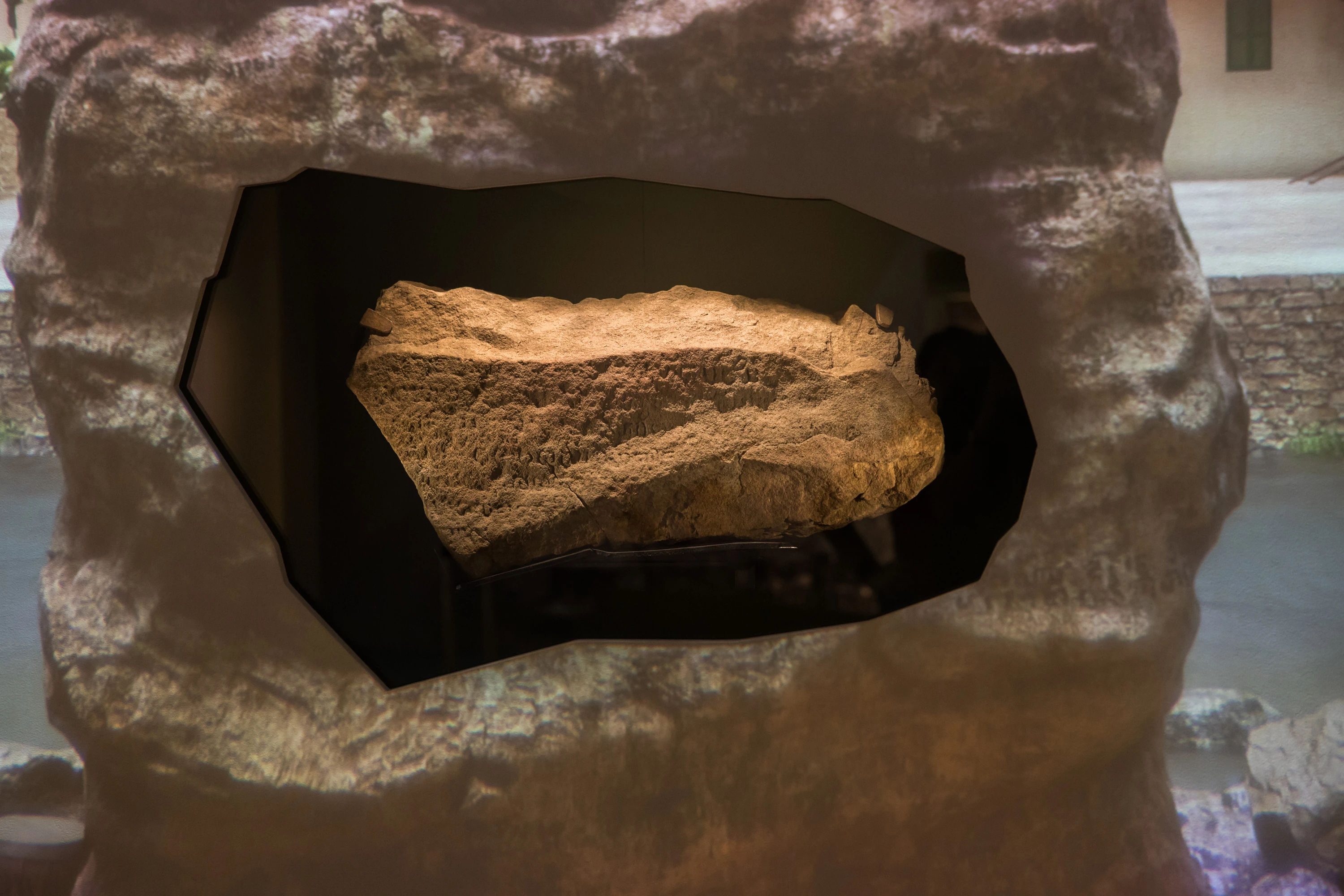
What it is A fragment of the Singapore Stone dating between the 10th and 14th centuries.
Why it's special The stone is covered in Kawi script – typically used by Malay royals and academics – and though undeciphered, is living proof of Singapore's age-old ties to the region. This fragment is all that remains of the larger boulder that once sat at the mouth of the Singapore River, but at the Singapore History Gallery, you can inspect it from all angles via a 3D rendering and even feel its texture and engravings through a fabricated surface.
Where to find it Fluid Beginnings
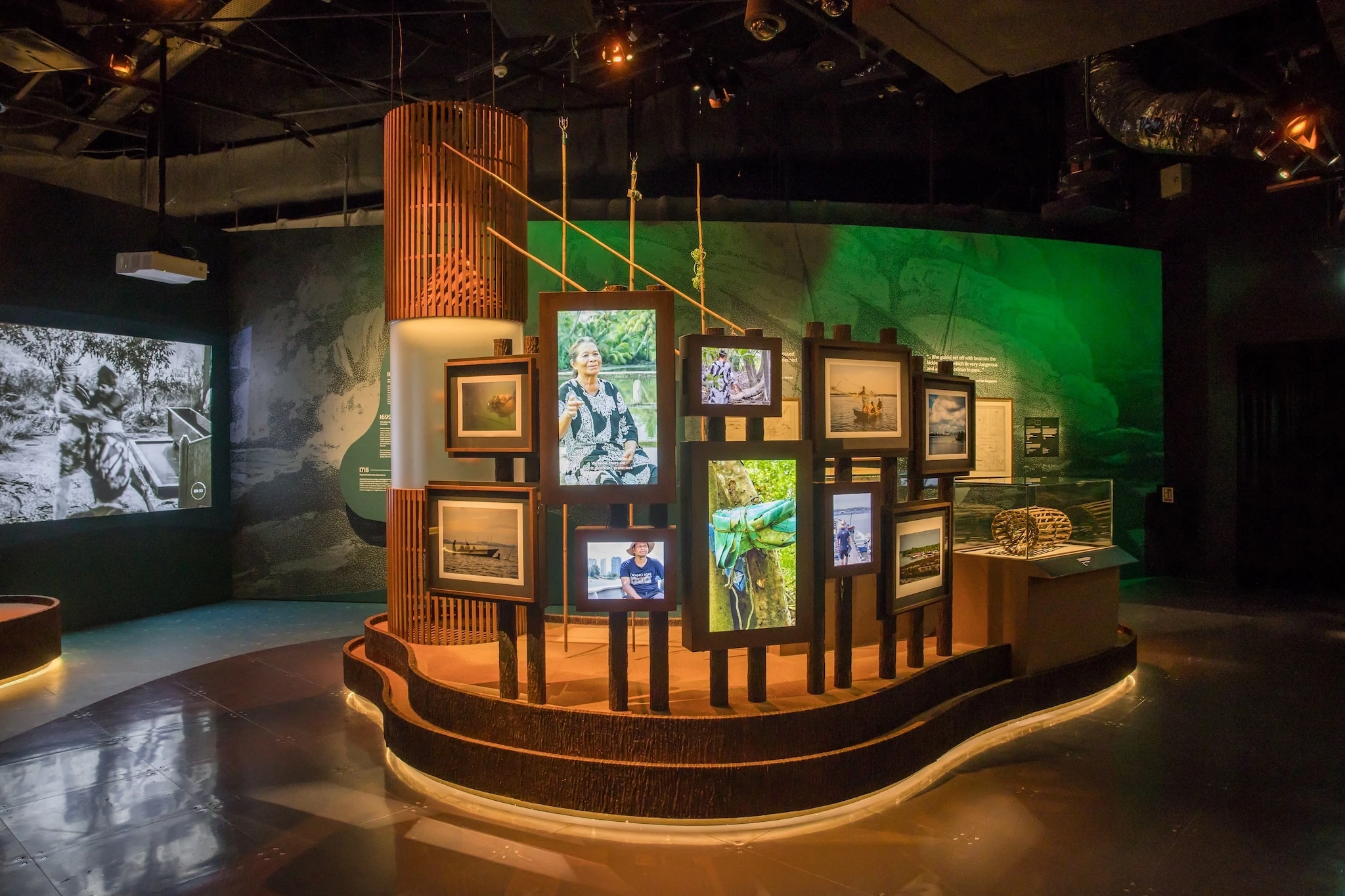
What it is A multimedia showcase of the sea-nomadic Orang Laut and Malay indigenous communities.
Why it's special It's an illuminating, first-hand look into the lives of the sea people, whose ways of life are increasingly threatened. Besides artefacts like spears and fishing bait, there are video interviews and contemporary photos by an Orang Seletar photographer, as well as a moving account of a father passing down generational fishing knowledge and seafaring traditions to his son.
Where to find it Fluid Beginnings
What it is An actual early 20th-century rickshaw, complete with an interactive installation where you can play the role of a rickshaw puller yourself!
Why it's special Most of us have never even sat in a rickshaw, much less pulled one ourselves. But at the interactive station, you can lift the poles and try taking different rickshaw riders around (warning: some of them can be demanding). The installation weighs just 30kg, almost half the weight of a real rickshaw, which really puts into perspective how hard the pullers had to work. You can take a proper look into their lives at the multimedia station "Lives Behind the Rickshaw".
Where to find it Colonial City
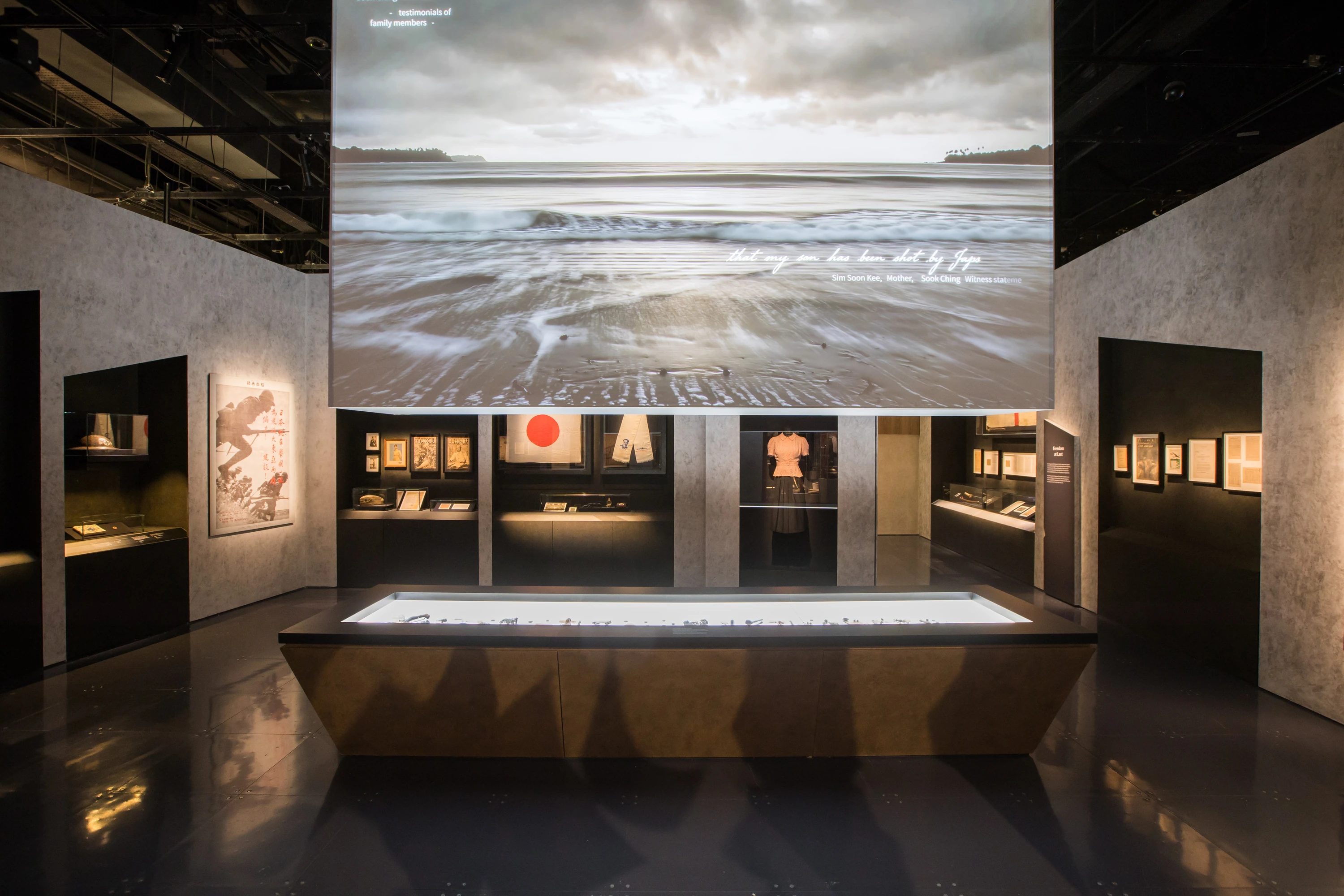
What it is A sobering collection of personal belongings of the victims of the Sook Ching massacre.
Why it's special Much is usually said of the generals and war heroes of WWII, but this exhibit surfaces the local stories and personal voices. And nothing is more raw and personal than seeing the belongings of the Sook Ching victims recovered from mass graves, now laid out under glass in the gallery. Above this exhibit is a projection featuring moving testimonials from survivors and victims' family members. Elsewhere in this section, find WWII resistance artefacts, including Major-General Lim Bo Seng's personal pocket diary and an "American-British Southern Invasion Blood Map" propaganda poster.
Where to find it Fall of the Fortress
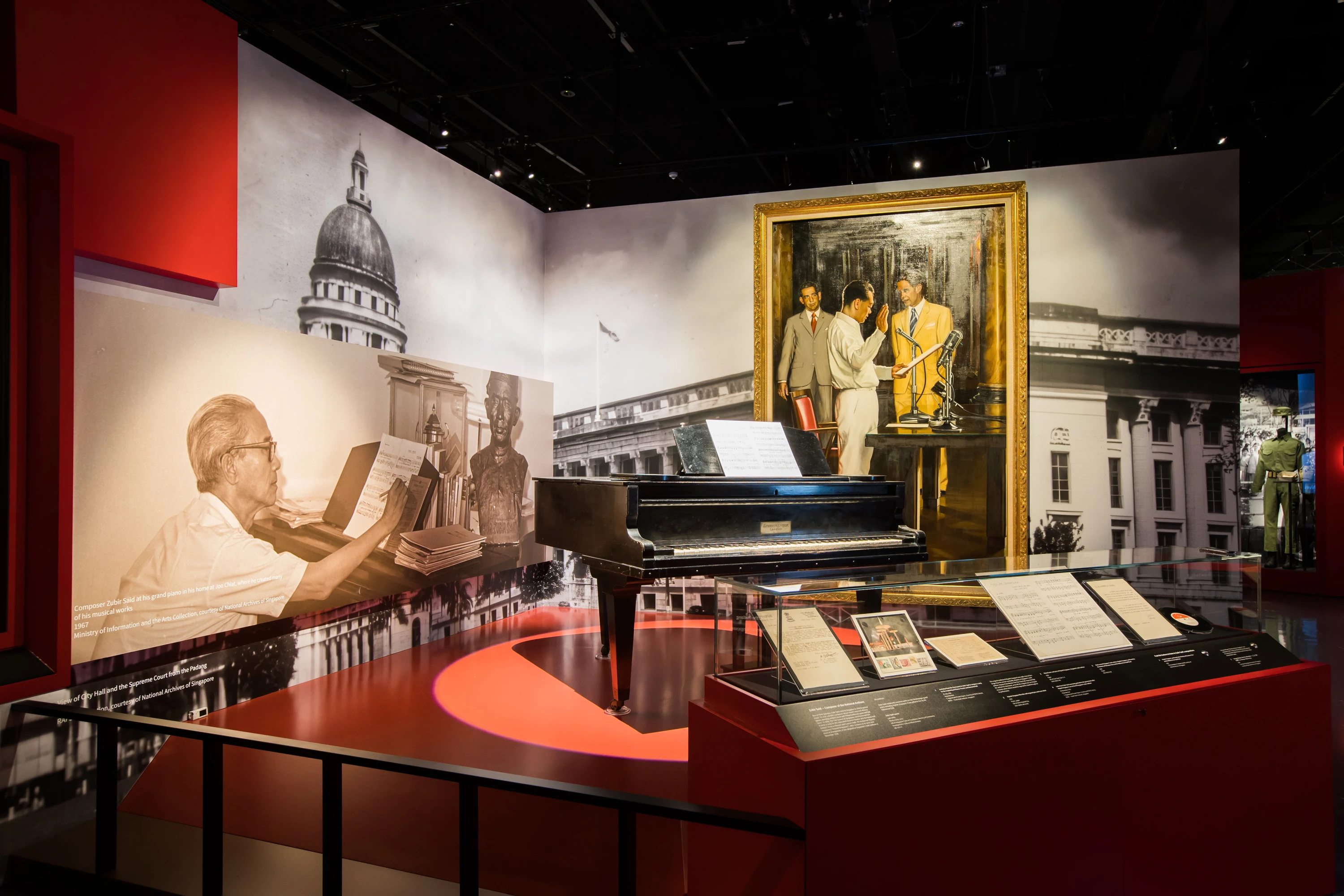
What it is The actual Strohmenger grand piano used by prolific composer Zubir Said to write 'Majulah Singapura'.
Why it's special History buffs will love the backstory: the song was originally commissioned in 1958 for the renovated Victoria Theatre and Concert Hall opening. When Deputy Prime Minister Dr. Toh Chin Chye felt the original arrangement was too long, it was trimmed by eight bars to create the anthem we sing today. Don't forget to visit the audio station to hear the original 1959 Ministry of Education choir recording, too.
Where to find it Towards a New Identity
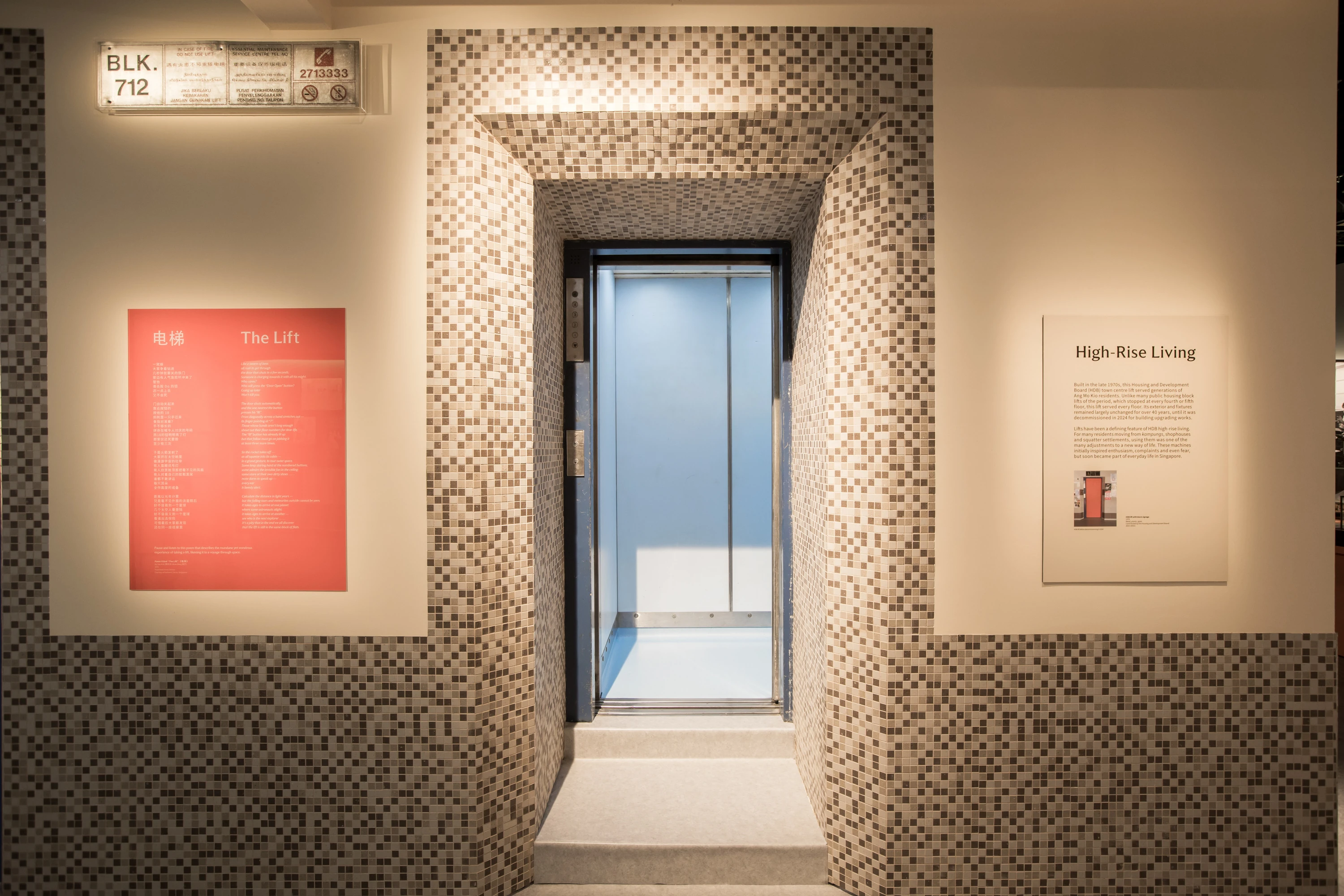
What it is A Housing Development Board (HDB) lift complete with its original block signage and metal door fixtures, retrieved directly from an Ang Mo Kio public housing estate.
Why it's special This is no replica, but a real piece of high-rise living history. And unlike many late-70s public housing lifts that only stopped on every fourth or fifth level, this specific lift served every floor. It remained virtually unchanged for over 40 years before it was decommissioned for upgrading works in 2024. As a bonus, the exhibit features text and audio from Ng Yew Kiat's nostalgic 1976 Chinese poem The Lift, which captures the initial awe – and even fear – of Singaporeans transitioning from kampungs to high-rise housing.
Where to find it Becoming Singapore
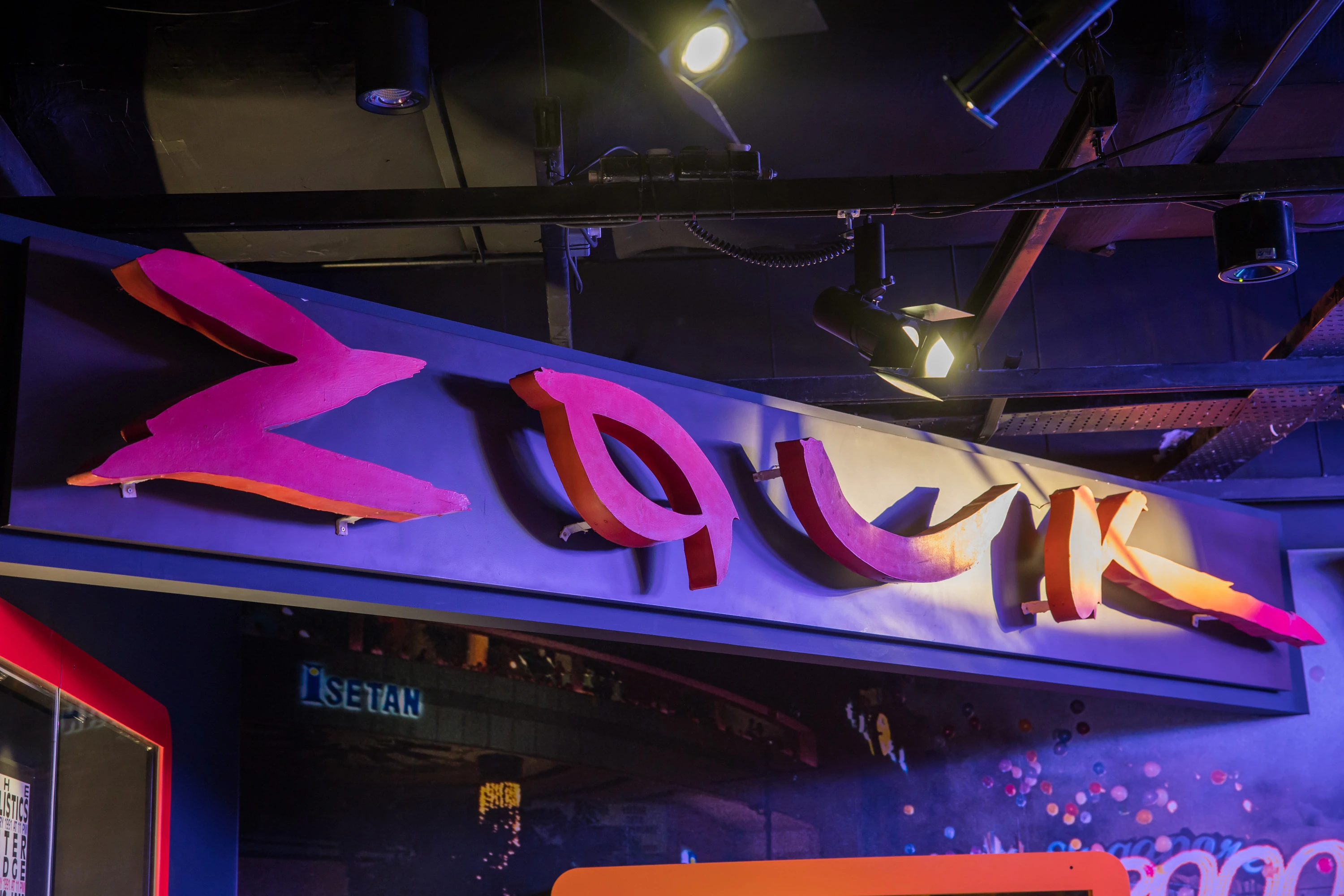
What it is The original 1991 neon-style outdoor signboard from Zouk's legendary Jiak Kim Street venue, alongside the futuristic 1996 fibreglass "Septagon" chair from Phuture.
Why it's special This is for anyone who misses the old Zouk and wants to relive the good ol' days under the original signboard. As for the chair, it was designed by Phillip Connor to seat up to seven clubgoers around a central "VIP" seat – it's avant-garde, and perfectly captures the golden era of Singapore's nightlife and rave culture.
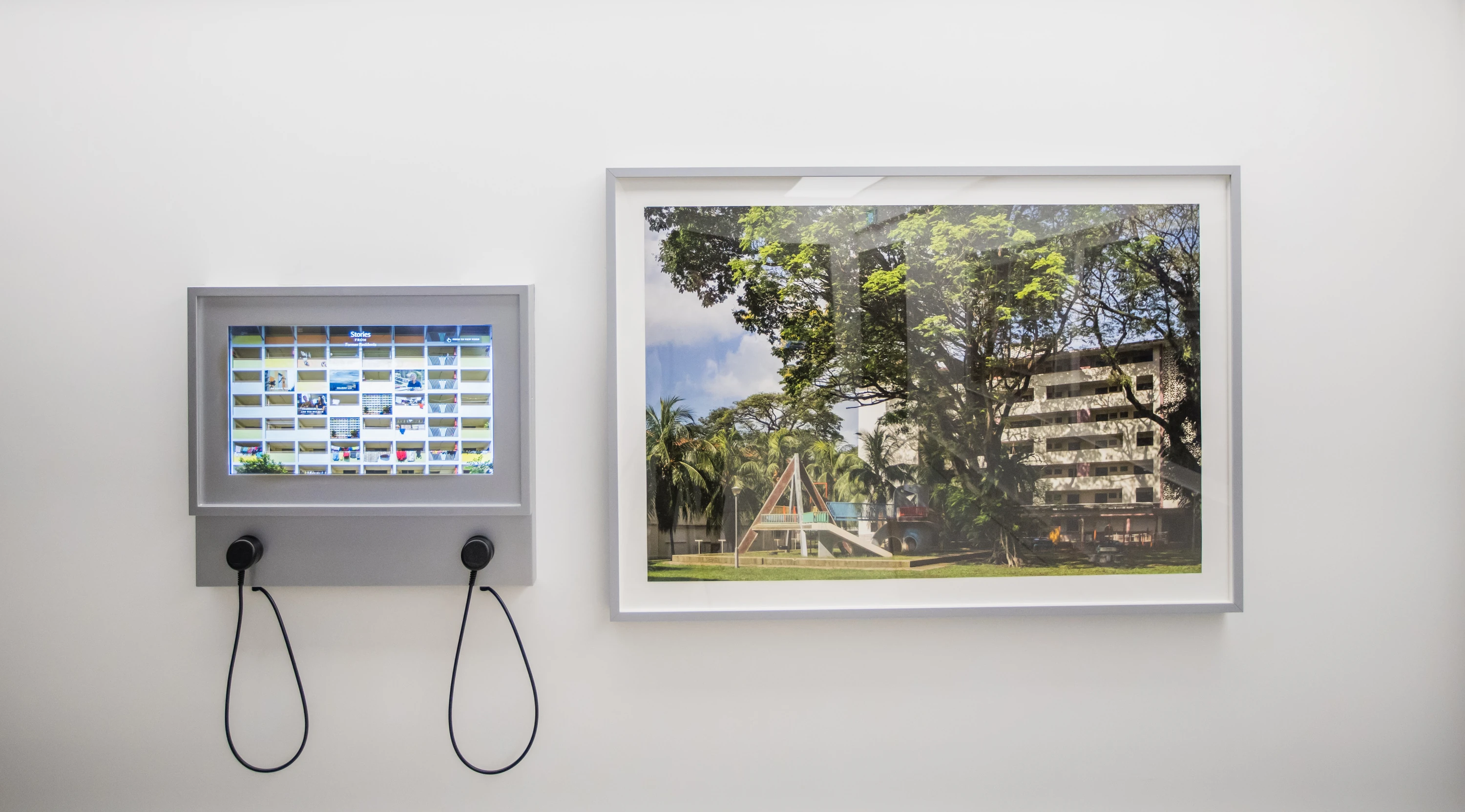
What it is Striking contemporary photography displays featuring Edwin Khoo's Transit series and Darren Soh's documentation of Tanglin Halt and Dakota Crescent.
Why it's special Who's ever felt angry, annoyed, or detached on a peak-hour train? Koo's photographs, which depict commuters on packed trains just as the doors close, capture the urban paradox of being forced physically closer and closer even as we become socially and mentally more isolated. Meanwhile, Darren Soh's panels preserve beloved neighbourhoods and community hubs, paired with first-hand video accounts of former residents navigating redevelopment and resettlement.
Carve out anywhere between 30 to 45 minutes for the Singapore Odyssea section – longer if you want to take it slow and immerse in the digital dioramas. Meanwhile, the Singapore History Gallery itself is packed with photos, artefacts, written materials, and interactive installations. Give it a full three to four hours to properly take everything in, or even split your visit over two days if you're easily fatigued.
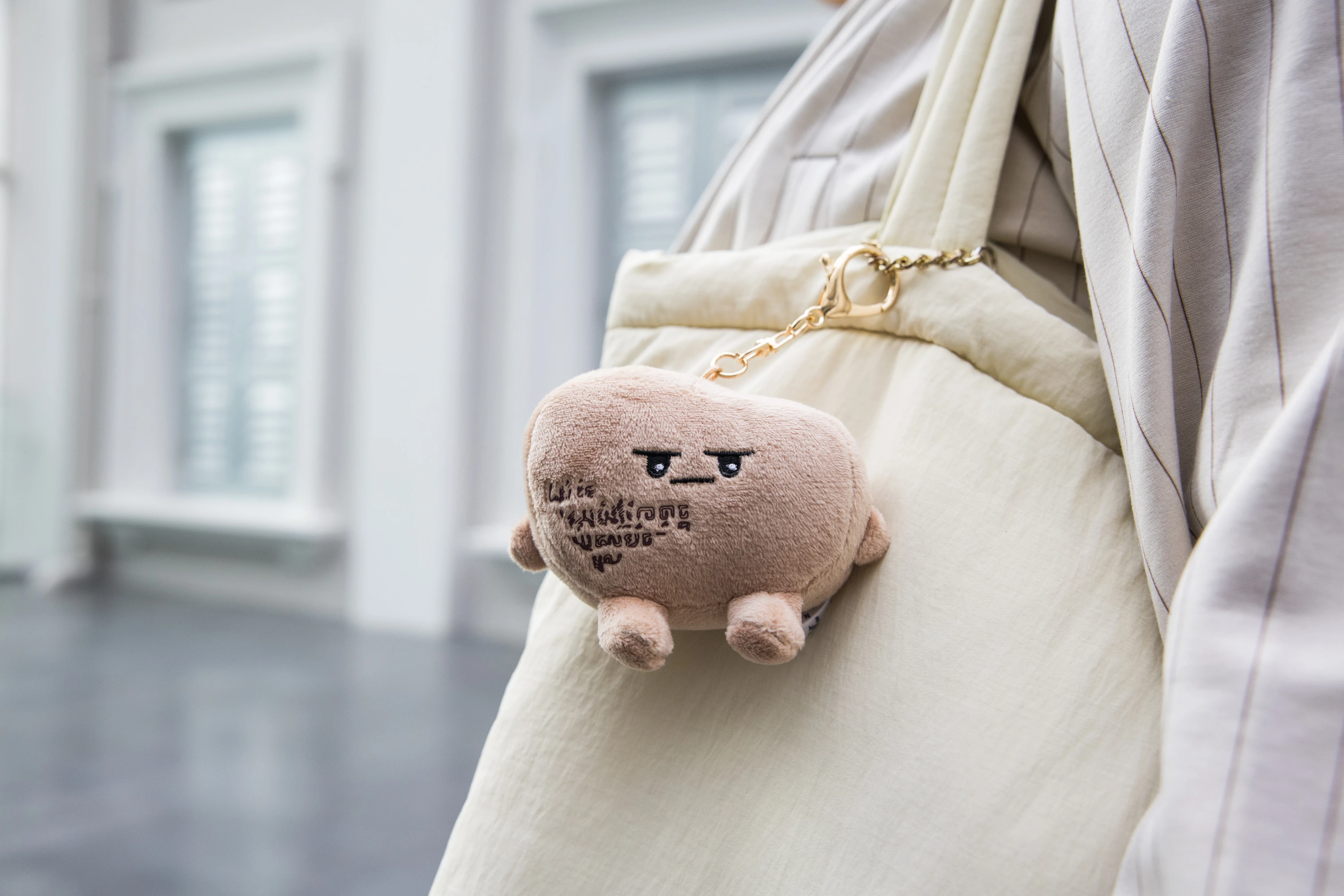
Yes! The museum is throwing the Stories of Everyday Festival from October 10 to 18, 2026. Look out for live performances, a design market, hands-on craft workshops, and appearances by Stoney, the museum's adorable (and slightly grumpy) new mascot. Find out more about the special reopening event here.
Admission is free for all Singapore citizens and permanent residents. Tourists and foreign residents pay $13 (seniors and students) and $18 (adults) – free for children. But some good news: all visitors, including tourists, may also enter for free from October 10 to 12, 2026.
The gallery is open daily from 10am to 7pm (last entry at 6.30pm). You can find it on Level 1 of the National Museum of Singapore.
This gallery launch is just phase one. The level two 'Life in Singapore' Gallery is currently under transformation and is slated to reopen in 2027 – just in time for the National Museum's 140th anniversary.
READ MORE
Koko Kawane pairs matcha from a centuries-old Shizuoka farm with dainty Japanese pastries
F1 Singapore Grand Prix: Best things to do this race season
TWG Tea opens world's largest store at Changi with first tea museum and tea-infused ice cream
Discover Time Out original video