[category]
[title]
Behind the scenes at a 30-year-old pau shop which has been serving customers since 1988


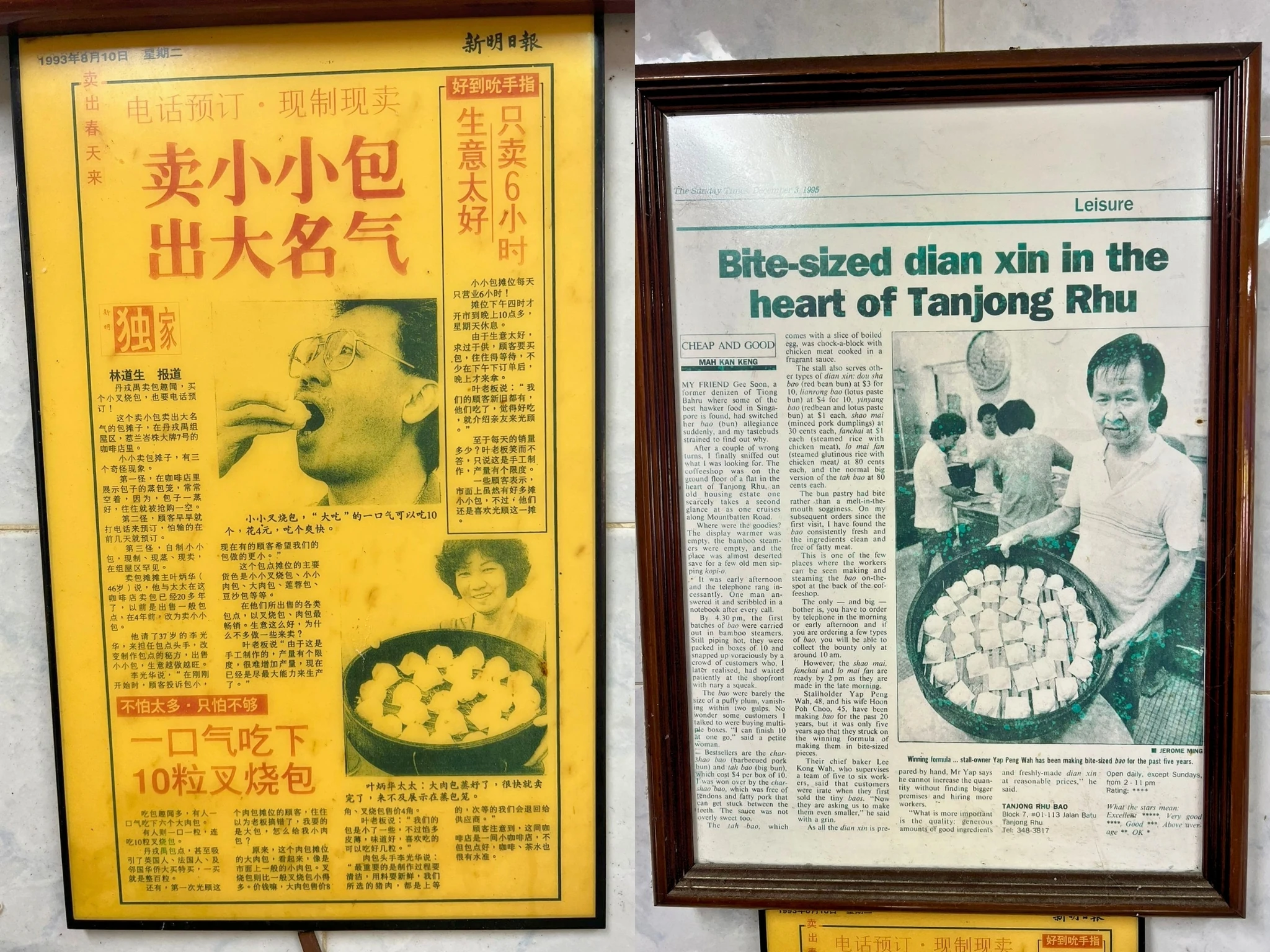
If you took a cab to Tanjong Rhu Pau in the 80s, you might hear the taxi driver remark that it was the shop "without paus in the steamers". It earned that reputation because fresh batches would often sell out as soon as they were made. With that in mind, we make our way down to Tanjong Rhu Pau's Balestier outlet on a weekday afternoon, to find out why this heritage brand remains a favourite till this day.
The story begins with founder Yap Peng Wah, who began learning to make paus in the 80s at his father's coffee shop, Chin Sin Huan Eating House, which still exists at 7 Jalan Batu to this day. He then trained under a seasoned pau master at Old Airport Road, before opening Tanjong Rhu Pau in 1988 with a business partner. The duo introduced Singapore's first mini char siew paus, intended to be enjoyed as a quick, fuss-free snack for time-strapped workers. Now, Tanjong Rhu Pau has grown into an empire of sorts, boasting six outlets across Singapore, including two new stores at Food Republic at Mandai and Food Junction and Bishan Junction 8, which opened in March.
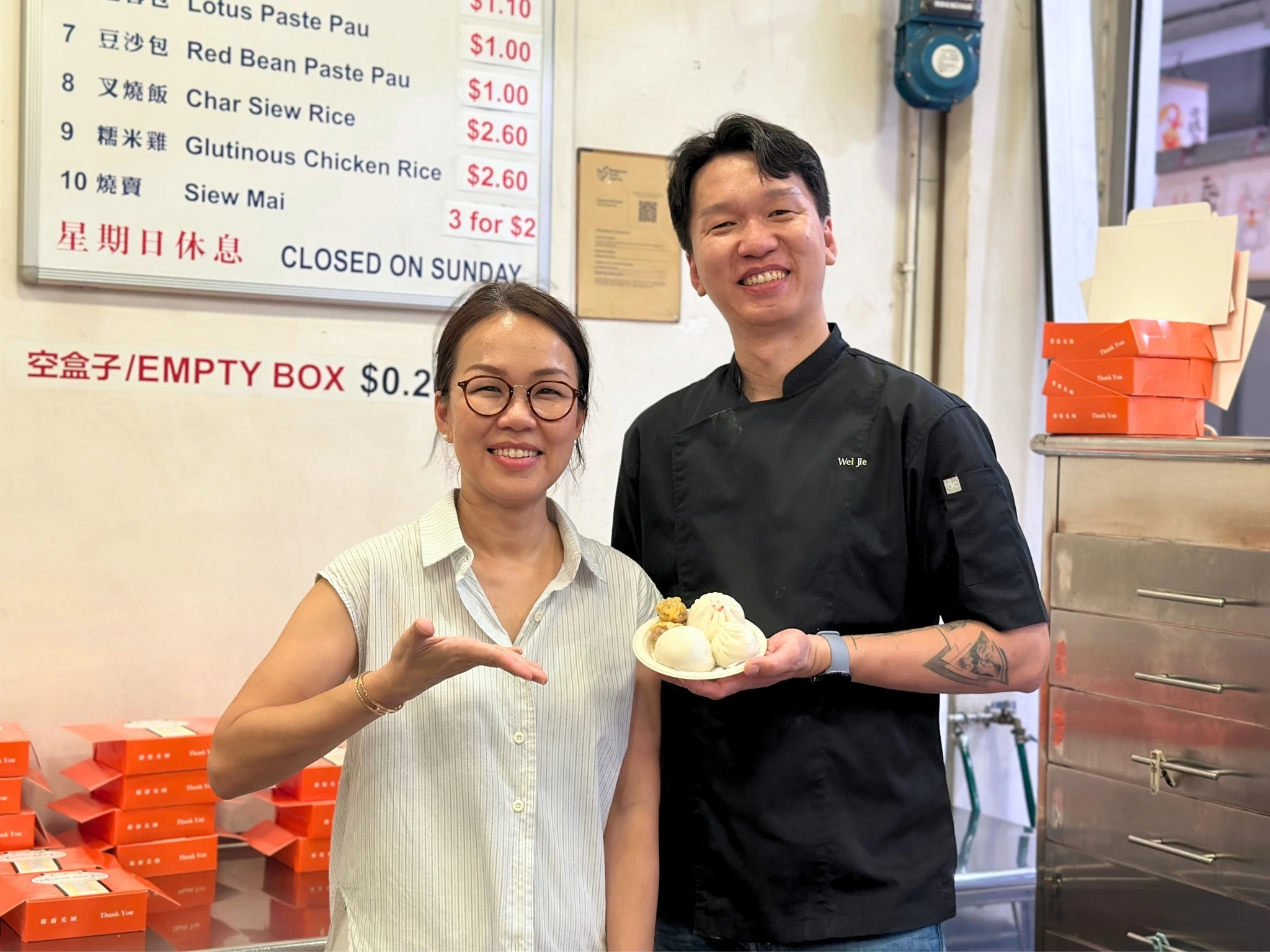
Today, the brand is run by second-generation siblings Yap Wei Jie, 43, and Chloe Yap, 48, who have taken it upon themselves to carry on their parents' legacy. Wei Jie, in particular, works with the pau masters on site daily to ensure consistency across all the outlets. But his commitment didn't come without a cost. Six years ago, he survived a serious accident when his hand was caught in the dough sheeter, almost resulting in an amputation. The date of the incident is now permanently marked by a tattoo running down his arm, as a symbol of what the craft of pau-making and the family business mean to him.
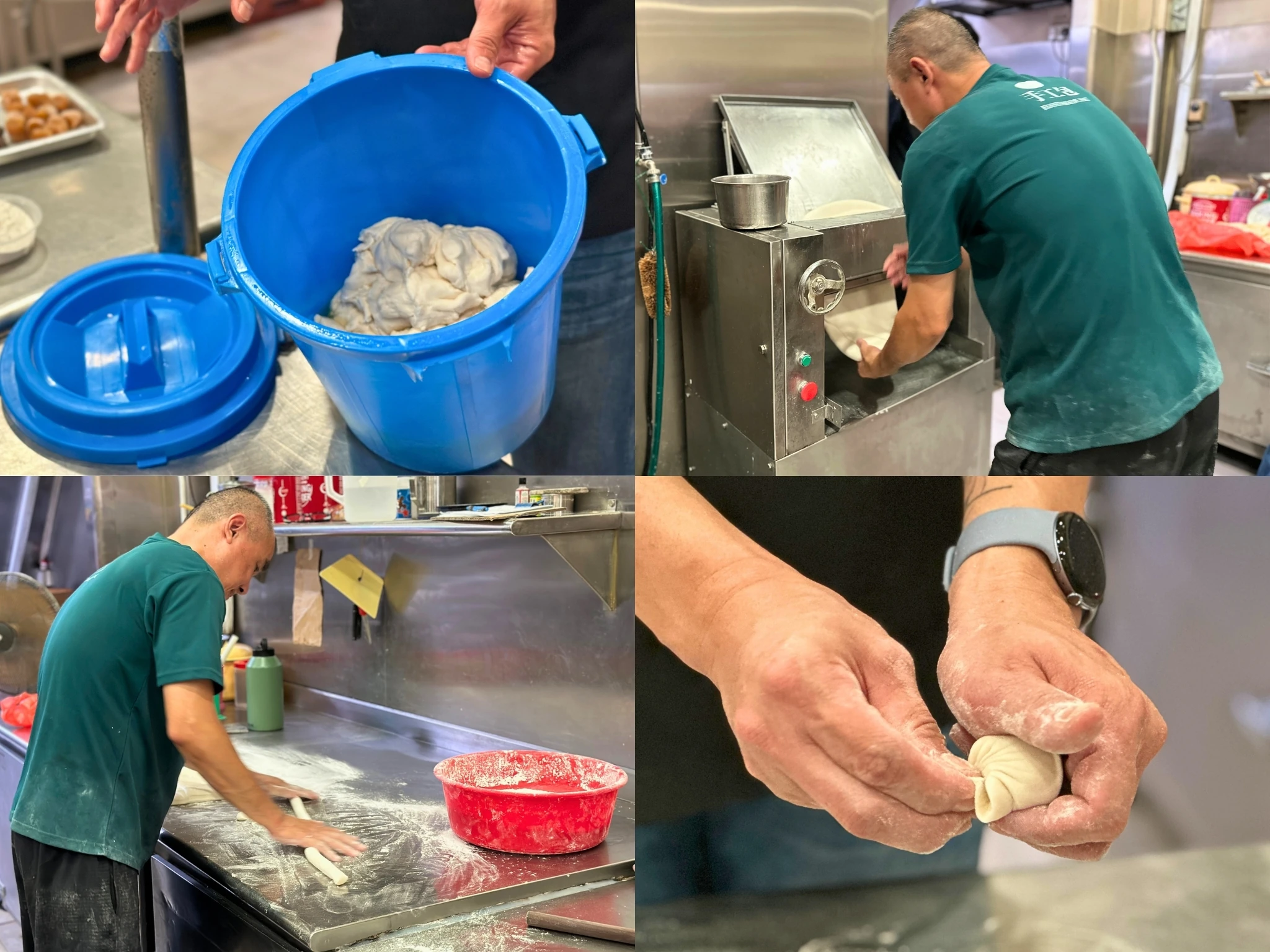
Tanjong Rhu Pau uses time-honoured recipes that have been kept consistent since day one. At the heart of it is a 38-year-old mother dough, which is used to make the skin of the buns. Each day, the dough is fed with wheat flour and water and left to ferment overnight till it expands and becomes porous. A small portion is then reserved for the next day – a practice that's been around since 1988. The laborious process includes running the dough through a dough sheeter several times, kneading by hand and deftly shaping each round of dough till it reaches the perfect thickness. The result? Soft, fluffy and slightly chewy skins between one and two centimetres thick, which hold the filling well and don't disintegrate easily over time.
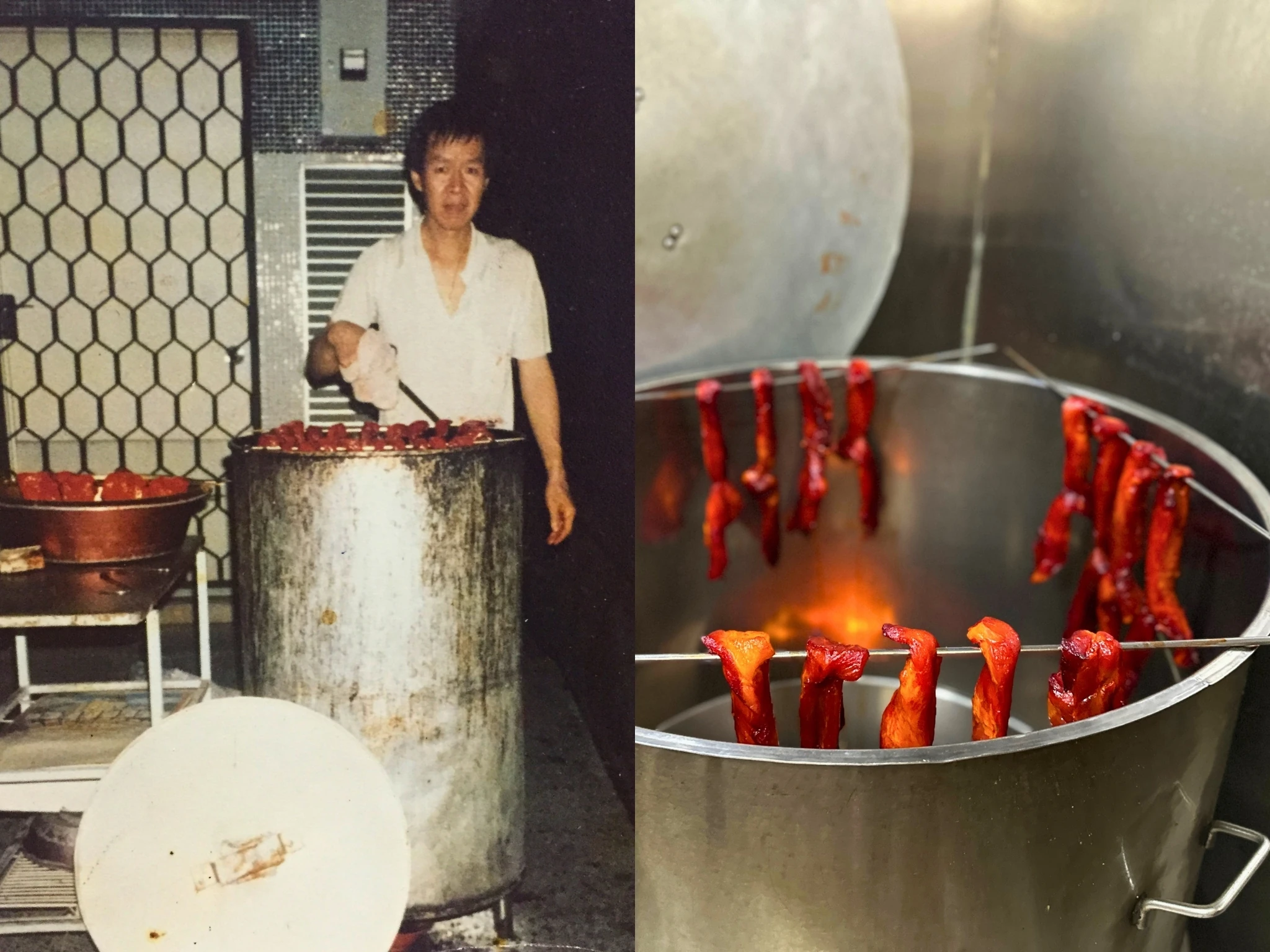
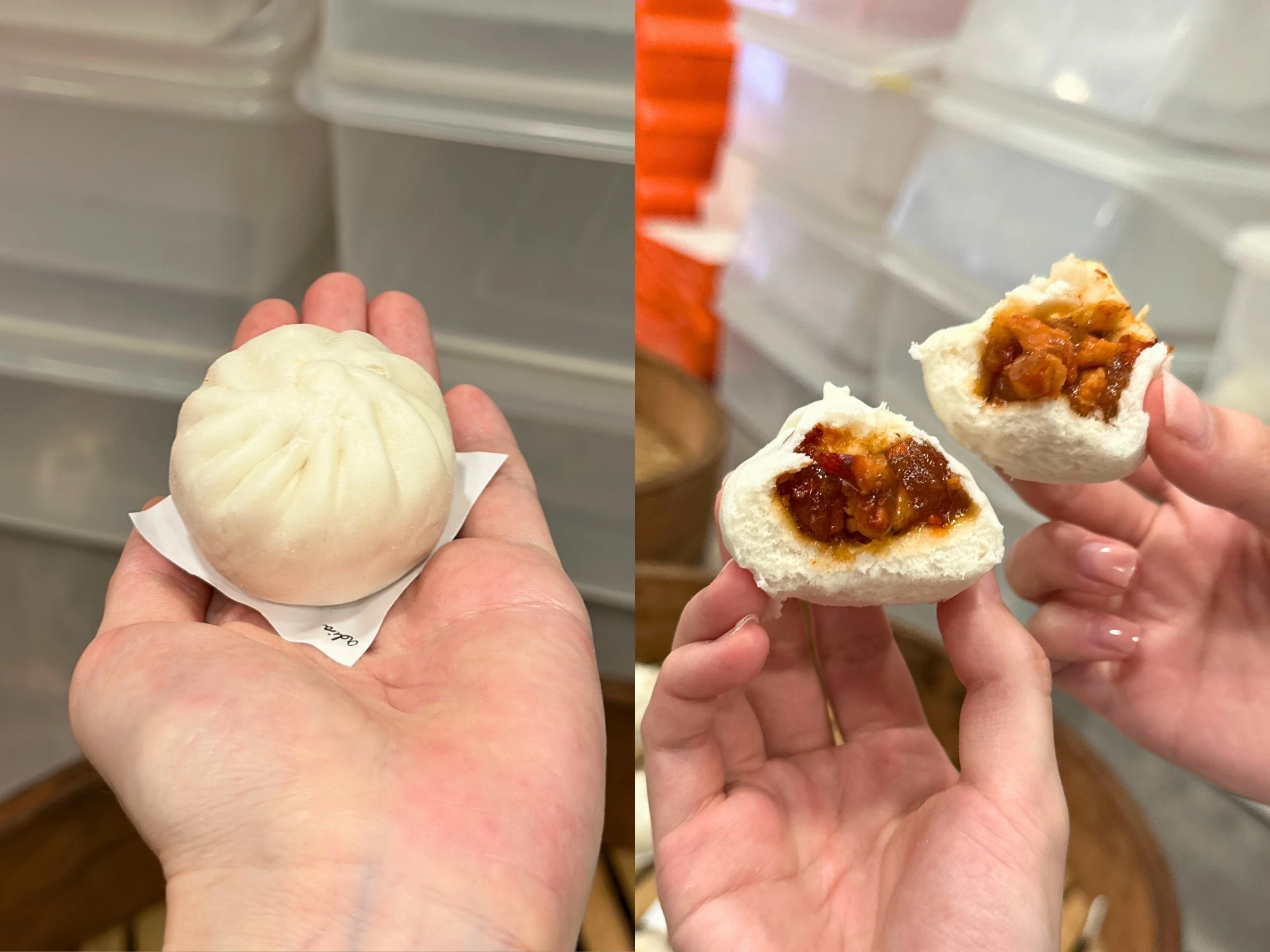
Then there's the char siew. While most industrial kitchens have switched to convection ovens for efficiency, Tanjong Rhu Pau still uses traditional charcoal grilling. Wei Jie and his team have experimented with modern methods, but found that the original way is best for achieving a smoky aroma or 'wok hei' for the char siew. Every piece of pork is meticulously prepped, washed, sliced and marinated before grilling, then they're carefully portioned out into 40 to 50 grams of filling per bun for the perfect meat-to-skin ratio.
Apart from the signature mini char siew and pork pau ($1.10 each or 10 for $10.50), there are other staples like the regular-sized pork pau ($2.20 each or five for $10.50), or the more unique yuan yang pau ($2.20 each or five for $10.50), which sees a mixture of red bean paste, lotus paste and salted egg custard. Beyond paus, you can also pick up snacks like siew mai ($0.70 each or three for $2) or fan choy (char siew rice, $2.60). And if you want to enjoy the paus from the comfort of your home, Tanjong Rhu Pau also offers chilled buns which can be kept three days in the fridge or 10 in the freezer, and are ready to eat after a short steam.
What's the correct way to eat a pau? Bite directly into it, or peel off the skin first?
CY: We've never peeled off a pau skin before, we've always just directly bitten into it.
How many paus do you eat in a week?
WJ: We eat paus on a daily basis. Per week, we will be eating five to 10 paus, a few fan choy, a few lor mai gai and some siew mai.
What's more important, the pau skin or filling?
WJ: To me, the filling.
CY: I'm a skin person.
Mini pau or big pau?
CY: Both.
WJ: I prefer mini paus.
What is your favourite pau?
CY: It's between the pork pau and char siew. I toggle between the two.
WJ: My favourite would be the pork pau.
What's the largest number of paus a customer has bought from you in one go?
CY: 1,500 char siew paus.
If you could make a pau with any filling, what would you choose?
WJ: Roast beef.
CY: Kimchi with pork belly.
Tanjong Rhu Pau's nickname used to be "the shop without paus in the steamers". If you could have a new nickname in 2026, what would that be?
CY: "The pau that makes you go 'Mmm'".
Tanjong Rhu Pau has six outlets across Singapore – check out all its locations here.
READ MORE:
Bangkok’s viral banana cake Bake It Babe opens in Singapore on Desker Road
Lady M reopens at Jewel Changi Airport – with two more outlets to follow
Discover Time Out original video