[category]
[title]
The mature forest has been marked for development – here’s what people are saying


Over the past few weeks, Maju Forest has become one of Singapore's most talked-about green spaces. After the Housing & Development Board (HDB) announced plans to develop part of the forest for a future public housing estate, conversations sparked across social media, petitions, community groups and neighbourhood meetings.
And it's easy to see why. Granted, Singapore needs more homes, especially in well-connected neighbourhoods like Clementi. But at the same time, every remaining patch of mature forest is becoming increasingly precious, especially in a tiny city like Singapore.
If you’ve been out of the news, here's what you need to know.
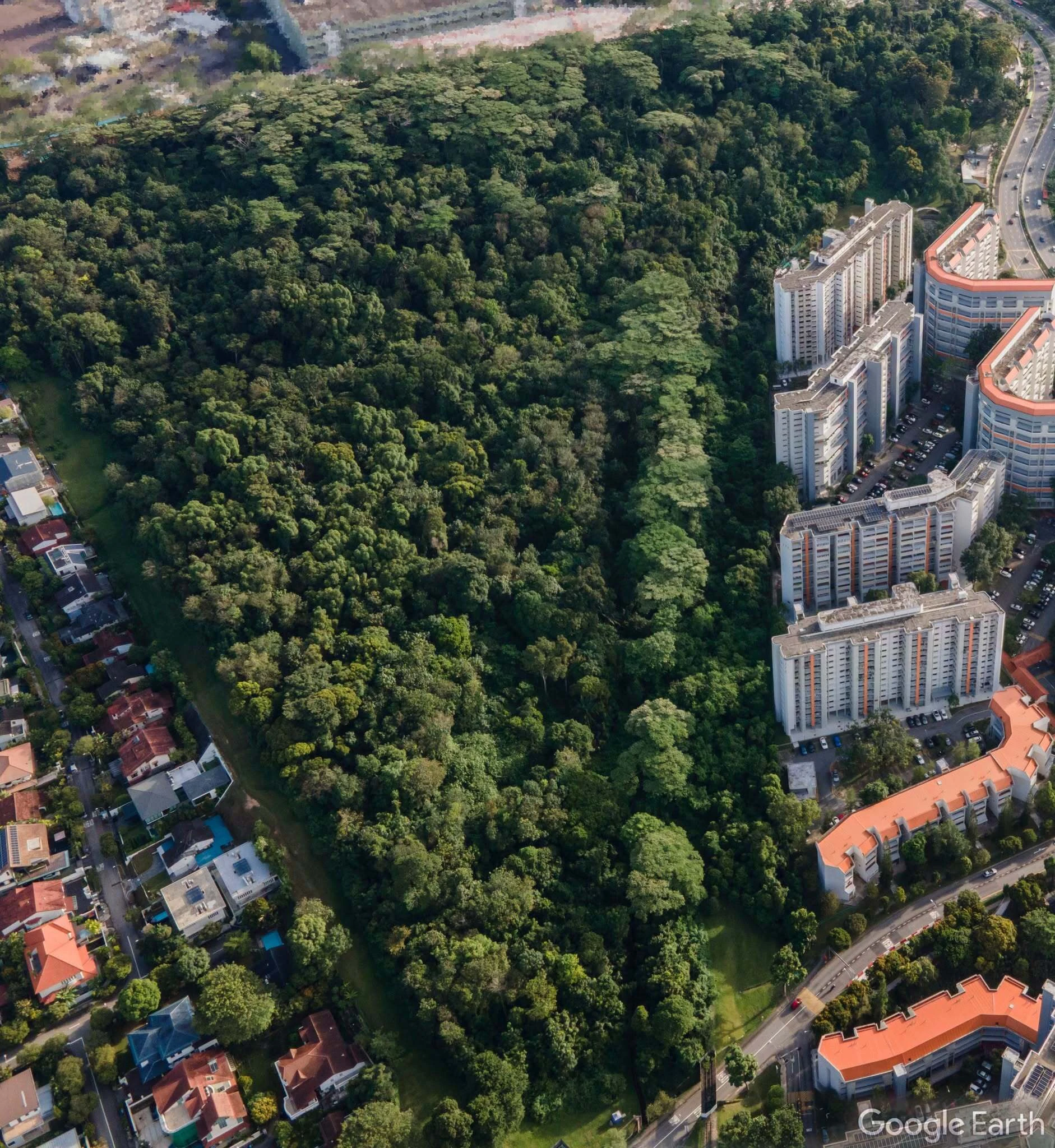
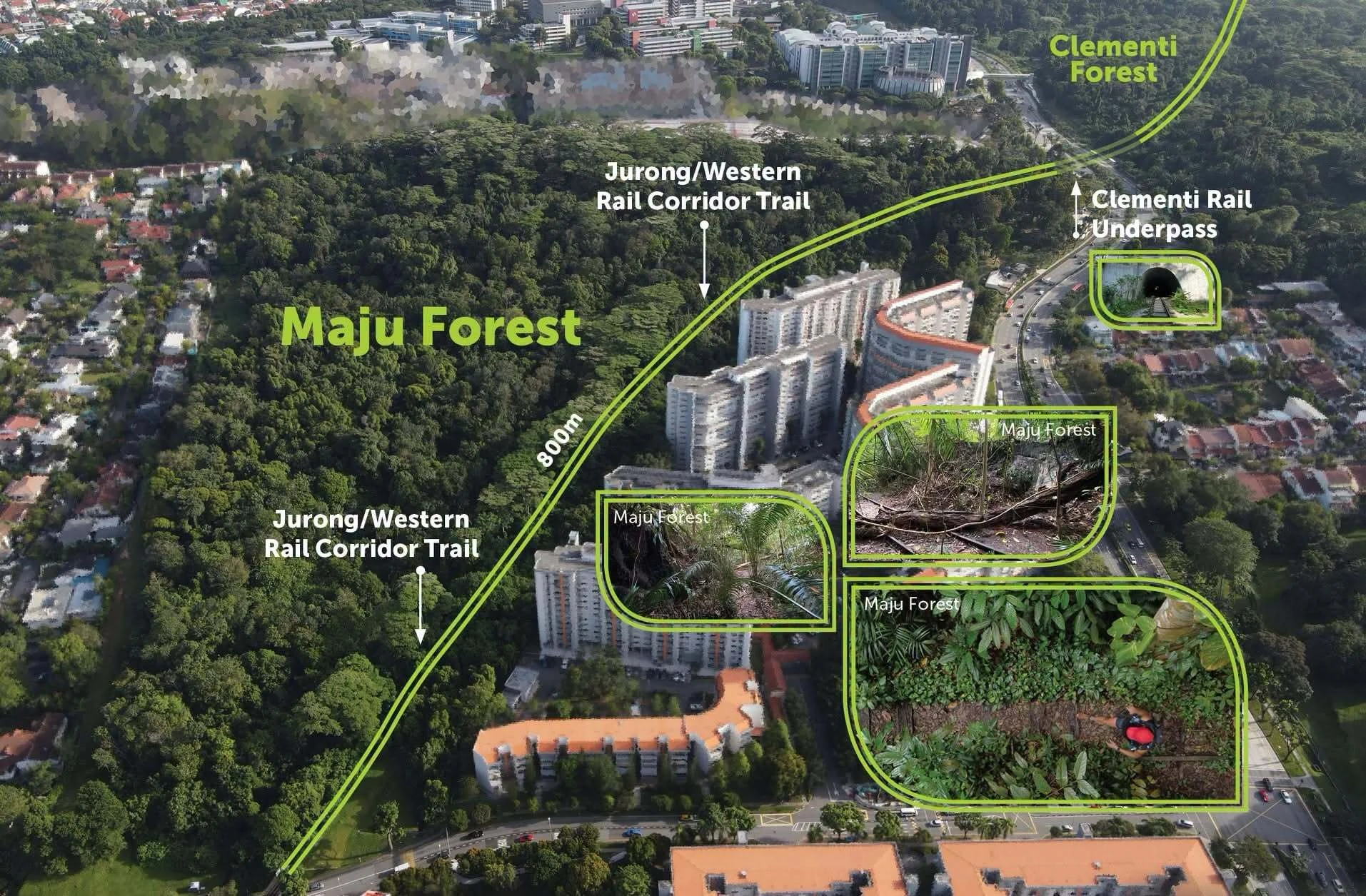
Maju Forest is a 23-hectare mature secondary forest located around Sunset Way, between Clementi Road and Brookvale Drive. While it isn't a gazetted nature reserve, decades of natural regeneration have transformed the site into a thriving habitat for wildlife and native plants.
The forest also sits next to the Rail Corridor and Clementi Forest, forming part of a larger green network that allows animals to move between habitats instead of becoming isolated in small patches of greenery.
For many conservationists, Maju Forest is much more than just another patch of trees.
The forest acts as a wildlife corridor, allowing animals to live and forage safely across connected landscapes.
286 plant species and 113 animal species live in Maju Forest, including several of conservation significance. It’s also home to a natural freshwater stream, making it one of the more ecologically valuable secondary forests in Singapore.
Like other mature forests, Maju Forest also helps absorb carbon, cool surrounding neighbourhoods, and reduce surface runoff during heavy storms.
On July 10, 2026, HDB announced plans to develop about 15 hectares of Maju Forest into a new public housing estate, while around 8 hectares would be retained as a wildlife refuge. The retained area includes the natural stream, sections identified as having high biodiversity value, and the former Jurong railway corridor, where a nature trail is being studied.
According to HDB, the area has been set aside for residential use since the 1980 Master Plan. The agency says the site was selected because of strong housing demand in Clementi, where recent Build-To-Order (BTO) launches have been heavily oversubscribed. It also says environmental studies were conducted before this proposal, and that mitigation measures, such as phased clearing and plant salvage, are being considered.
That said, the plans are not yet final. Following strong public interest, HDB has said it remains open to feedback from residents, nature groups and members of the public before finalising the proposal.
Not really – and it's best not to.
Maju Forest isn't an official nature park, and there are no designated public hiking trails. Entering the forest via unofficial paths can unintentionally damage sensitive vegetation, disturb wildlife or contribute to trail erosion. Needless to say, you may hurt yourself, too.
If you're curious about the forest, the most responsible way to enjoy it is from the outside rather than venturing in on your own.
Take a stroll along the surrounding roads or the nearby Rail Corridor, where you can admire the forest from its edges. If you're into birdwatching, bring along a pair of binoculars and keep an eye out for the many species that inhabit the area. To make it even more fun, if you happen to spot birds, butterflies or other wildlife from the perimeter, consider uploading your observations to citizen science platforms like iNaturalist to contribute to local biodiversity records.
Whether you support preserving more of Maju Forest or simply want your views heard, there are several ways to get involved:
READ MORE
Sentosa GrillFest 2026 is back – here are the stalls worth queuing for
Punggol gets a huge new sports centre with infinity pool, 20 badminton courts, and archery field
I found Singapore's cosiest vinyl listening session – here's what it's like
Discover Time Out original video