

[title]
It’s been 10 years in the making and cost an eye-watering £437 million, but the new London Museum is finally here.
The original Museum of London at the Barbican, with its striking brick rotunda, closed its doors for good in December 2022. It opens at a shiny new location, with a kicky rebrand, at the magnificently restored Smithfield General Market on Saturday November 28.
Inside the thoroughly modern new location visitors will find two galleries – Our Time and Past Time – showing London in all its colours, a 24-hour café that hopes to attract tired ravers traipsing out of Fabric, and a massive third space kitted out with sheep-shaped stools.
The London Museum is one of several swish museums that has opened in the capital within the past couple of years, joining the likes of the V&A East, V&A East Storehouse, the Museum of Youth Culture and Quentin Blake Centre as an institution looking to redefine culture in the modern city.
Time Out had a first look inside the new London Museum – here’s everything you need to know.
What is the London Museum?
The London Museum takes you through 2,000 years of London history – from Roman Londinium to our present day metropolis. It’s got immersive and interactive exhibitions suitable for kids and adults, and tells the story of the capital through its people, sounds, tastes and objects.
While being absolutely jam-packed with gems, this spot is also a brilliant new public space. Totally free to enter, this is the first time in three decades that this almost 200-year-old building (historically used as a wholesale meat market) has been opened to the general public. Alongside the galleries it’s got four bars, cafés and restaurants. These include Clerk’s House, an all-day resto inspired by London’s food heritage; Bartholomew’s, a cocktail bar with drinks by master mixologist Mr Lyan; the Temperance Cocoa Rooms, an alcohol-free café open 24 hours from Thursdays to Sundays; and The Roost (opening early 2027), a rotating residency space that will see takeovers from London’s rising chef talent.
What’s the London Museum like inside?
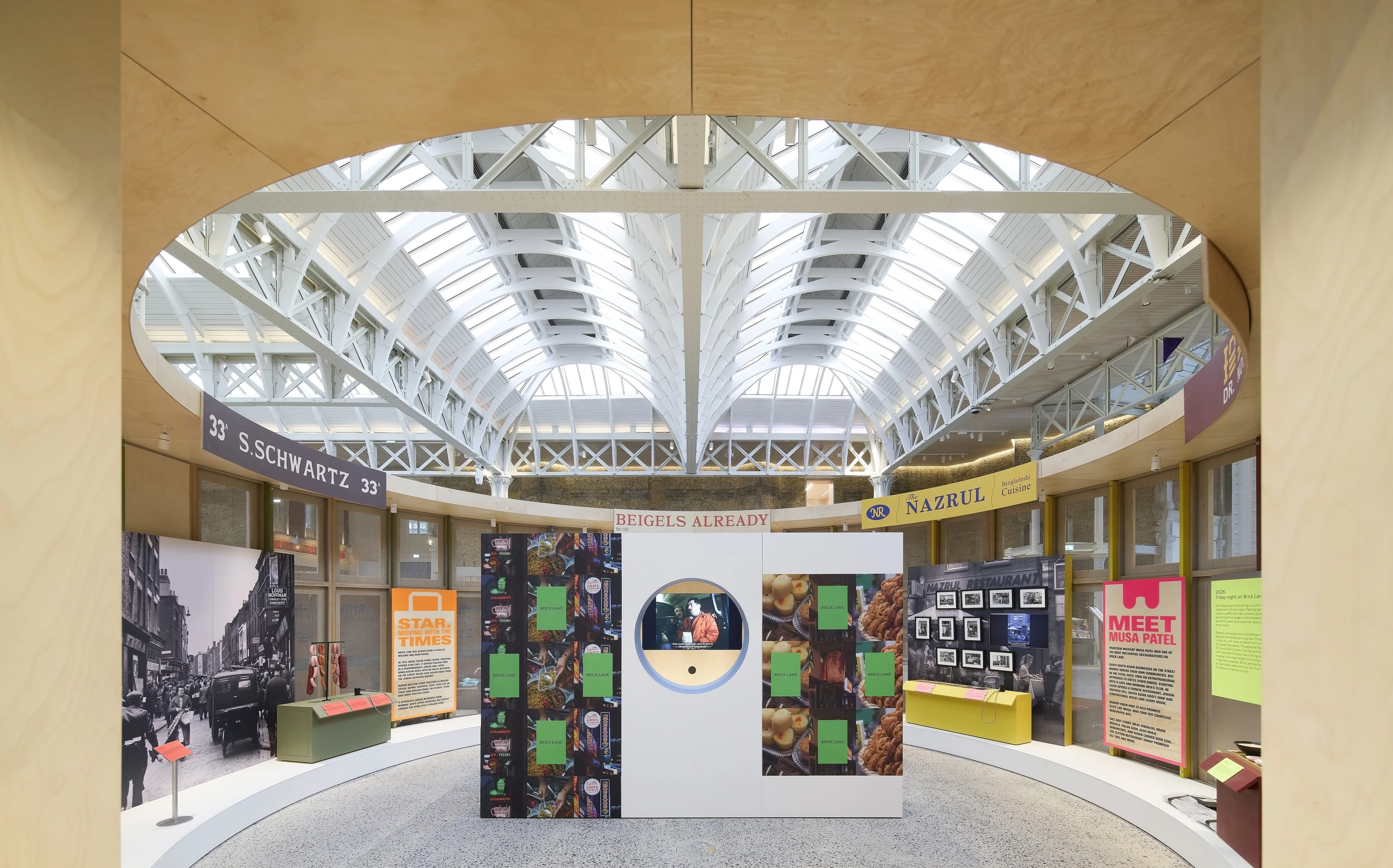
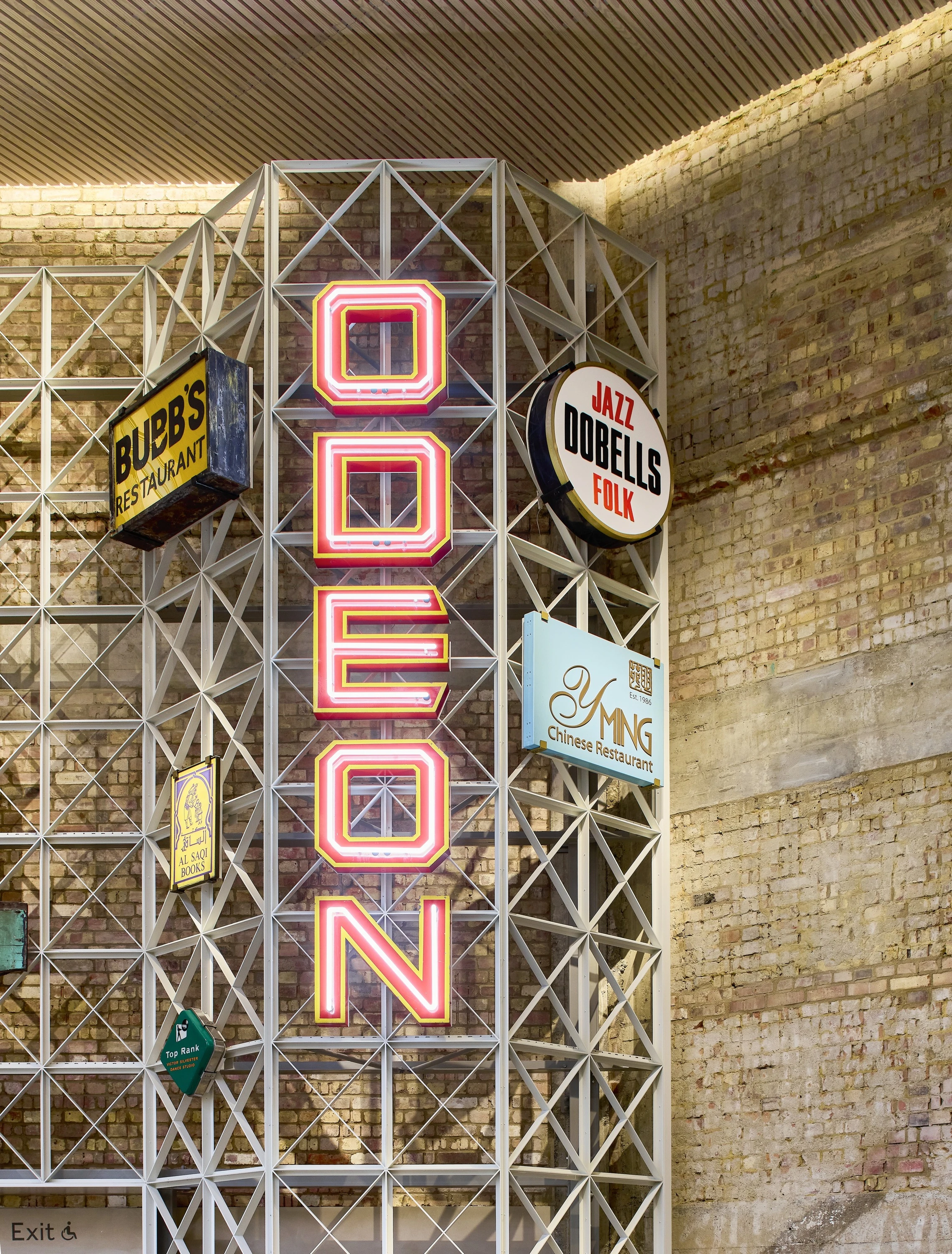
Entering on the ground floor, visitors are greeted with an open space that’s so big you could happily ride a Lime bike around it. In its centre are seats (some shaped like sheep) and places to hang out. Around the edge is a series of displays relating the past 100 years of London. These include the 1757 Lord Mayor’s gilded State Coach, still used in ceremonies today, looking like something straight out of a Disney cartoon, an homage to soundsystem culture where you can listen to reggae and dub classics on headphones, and signs from London institutions including Morley’s, Fabric and Topshop.
The Past Time gallery downstairs is where you’ll find hoards of ancient goodies. It’s hard not to feel a little overwhelmed looking at the sprawling displays, as down here it’s wall-to-wall historical bangers. Covering literal millennia, sometimes it feels a little rushed as we tick off all the big events from the past 2,000 years, including the Romans, the Saxons, the Tudors, the Great Fire, the British Empire, the Blitz and Women’s Suffrage.
The picture painted here is of a multicultural and resilient city
The building is well worth a visit in its own right. Taking over the 1833 Smithfield General Market, originally designed by Sir Horace Jones, the site has been meticulously restored by architects Stanton Williams, along with Asif Khan and conservation architects Julian Harrap. The sleek interior is all exposed brick, wrought iron and concrete, with seven-metre-high brick vaulted ceilings. Look out for beautiful white spiral staircases that decorate the cavernous main hall.
An 800 square-metre network of underground vaults will open to the public for the first time in spring 2027, with a free exhibition about Roman London.
What are the best things to see at the London Museum?
If you’re a fan of London, you’ll be a fan of this museum. In Our Time upstairs you’ll find oral histories of pie and mash shops, chicken shops and a vibrant tour through the beigels and curries of Brick Lane. A sentimental video installation by John Ogunmuyiwa celebrates Londoners for their activism, creativity and style, showing archival footage of Notting Hill Carnival, London Marathon, protests, football fans and street style. The Buckingham Palace switchboard, decommissioned in 1970 and on display for the first time, is a hulking great piece of complicated equipment that makes you grateful for the invention of WhatsApp. You can see a giant model of the 1960s Holly Street Tower Block, featuring graffiti demanding ‘Yuppies Out’ and a burned-out car. And Lisa Nash’s moving Grenfell memorial remembers the people who lost their lives, their names written on paper from the historic Frogmore Paper Mill.
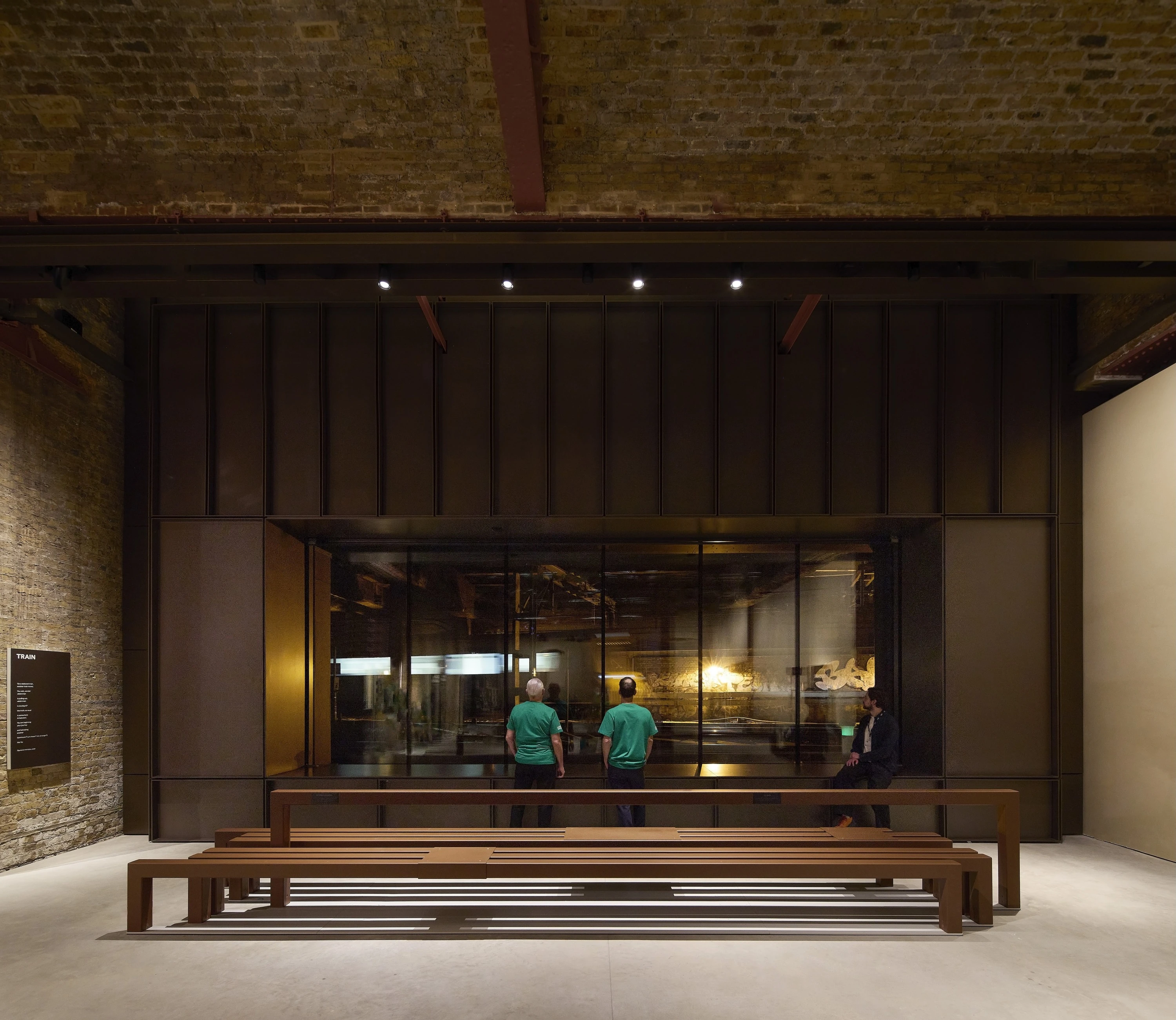
Past Time downstairs feels like stepping inside a time capsule of the city. I could spend hours listing all the treasures that I gawped and gasped at, but some of my favourites included a Roman statue of four goddesses from 100-300 CE; the medal awarded to Emmeline Pankhurst for going on hunger strike; a collection of beautiful shoes from all eras, including some very jazzy Victorian numbers; and the creepy ‘Psycho’ automaton, with moving hands and head that astonished audiences at the Egyptian Hall in 1875. Make sure to wait by the big window at the back of the gallery to see the Elizabeth line whizzing by. And don’t miss the chunk of the Whitechapel Fatberg, a hunk of festering congealed fat that looks as gross as it sounds, displayed proudly next to the toilets.
With its stunning restoration, the London Museum pays homage to its home in one of the oldest parts of London, while bringing the museum firmly into the 21st century. It’s a hard thing to distill 2,000 years of life into two galleries. The London Museum is not perfect, but the picture painted here is of a multicultural and resilient city, filled with ideas, innovation and beauty. It makes you proud to be a Londoner.
Get the latest and greatest from the Big Smoke – from news and reviews to events and trends. Just follow our Time Out London WhatsApp channel.
Stay in the loop: sign up for our free Time Out London newsletter for the best of the city, straight to your inbox.