[category]
[title]
Shoukouwa marks its 10th anniversary with a measured evolution, while staying true to its Edomae roots


When we first reviewed Shoukouwa in its early days in 2016, we landed on two things: the seafood was impeccable, but the sushi rice was simply too soft. Fast forward a decade, and we get to put those conclusions to the test again, especially since several things have changed.
For one, Shoukouwa welcomed a new Head Chef in 2019. Former sous chef Kazumine Nishida, who now has over 20 years of culinary experience, took over the position from Chef Masahiro Suzuki seven years ago. The sushiya has also proven its mettle over the decade, retaining two Michelin stars since 2016. As of now, it’s one of the only two Japanese restaurants in Singapore with this distinction, alongside Sushi Sakuta. So safe to say, a revisit was long overdue.
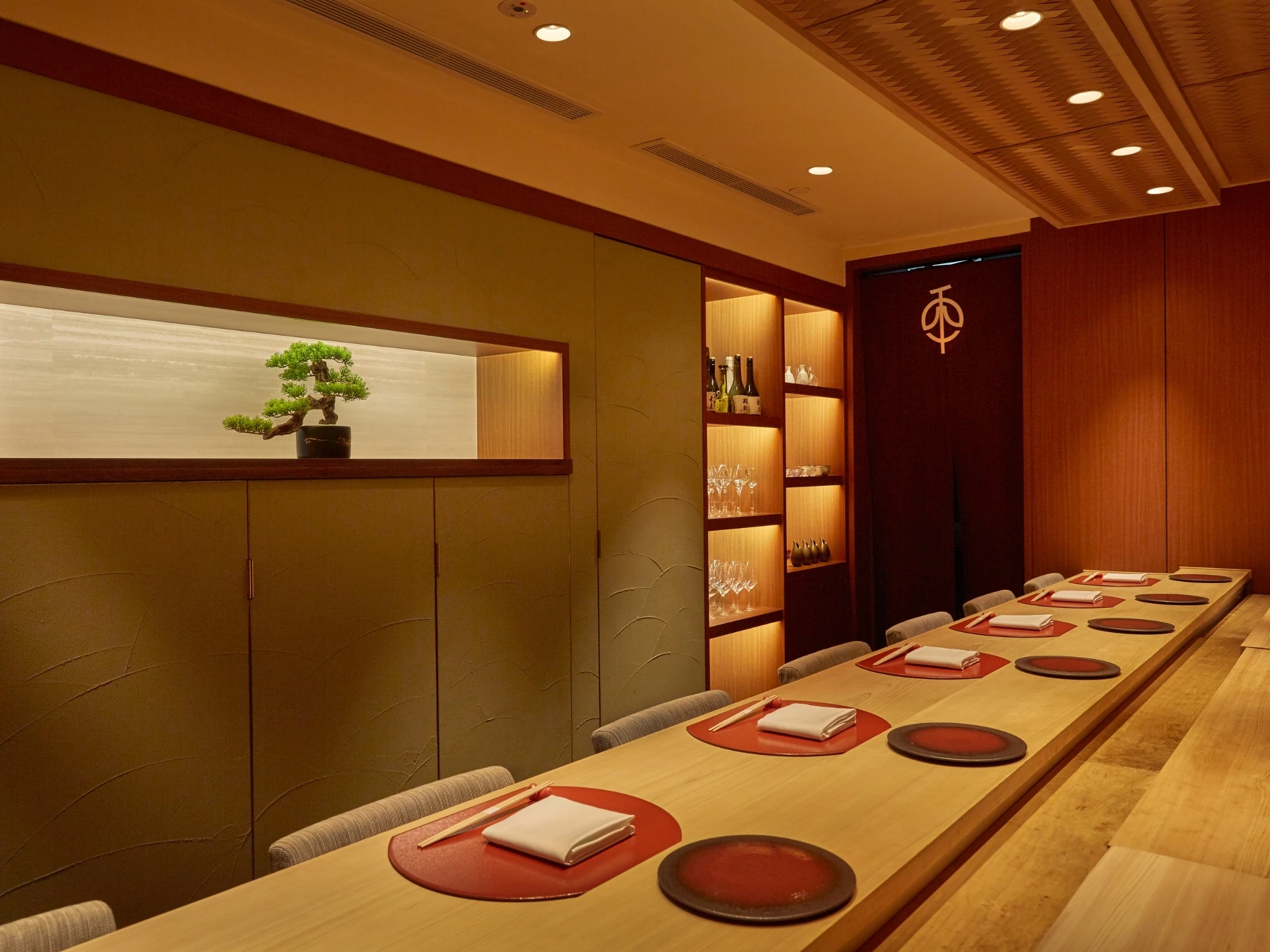
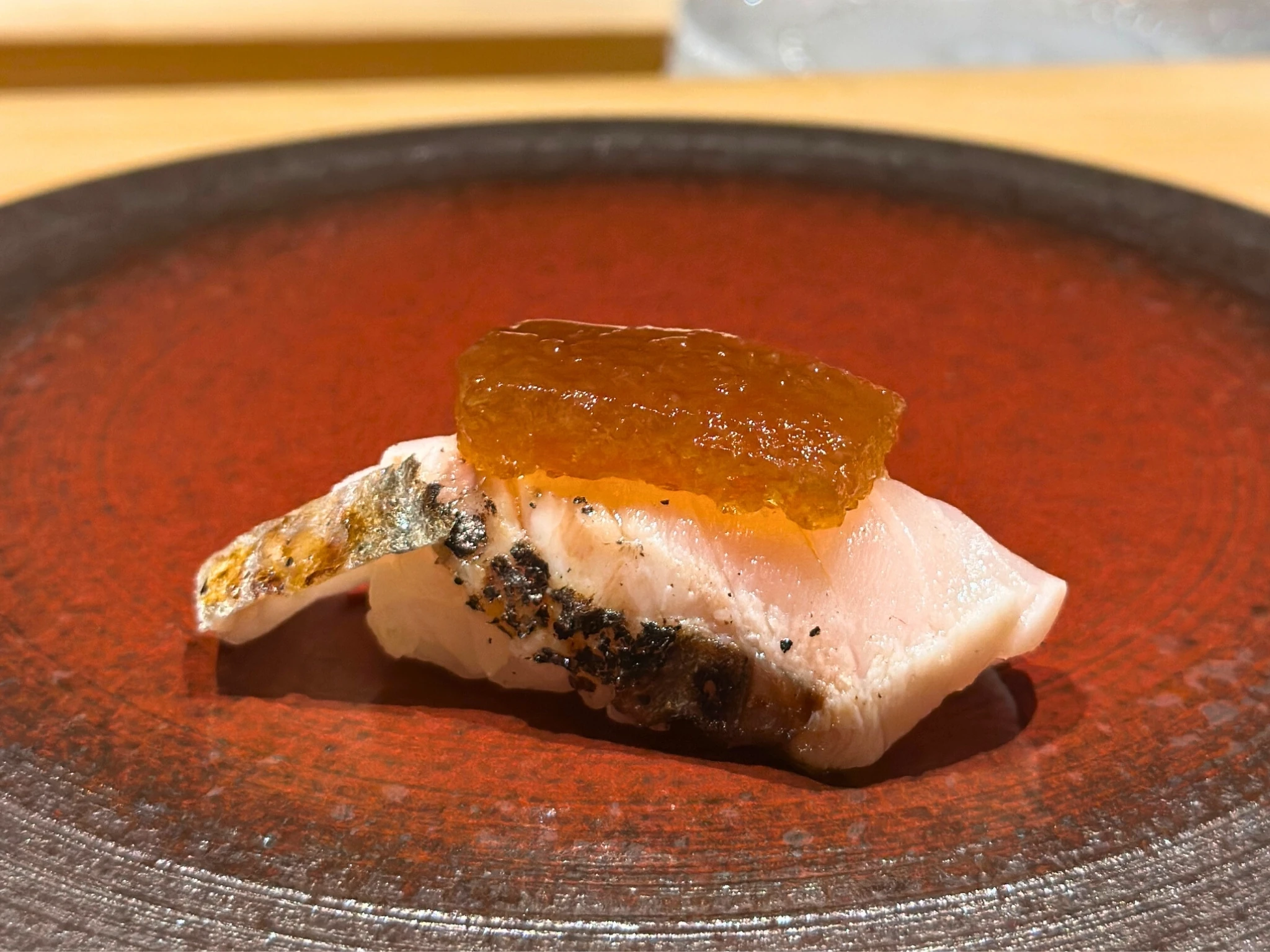
Stepping in, the interiors are largely familiar. A pristine eight-seater hinoki wood counter remains the centrepiece, with a private dining room next door accommodating six guests. It's really the food that has evolved, with a fine example being the lightly torched sawara (Spanish mackerel) served with a cube of ponzu jelly – a new way of introducing acidity to a rather oily cut, as opposed to usual methods like curing the fish in vinegar or brushing it with refined shoyu.
In 2026, lunch at Shoukouwa is more sushi-intensive, with sushi making up 80 percent of the meal. The Miyabi set starts at $380, while the more comprehensive Hana is a 16-course menu that adds up to $520, both including a sequence of appetisers, cooked dishes, nigiri and fresh fruits for dessert. The same Hana menu is offered for dinner, but for the full En omakase with additional Chef specials, be prepared to blow $680 per person.
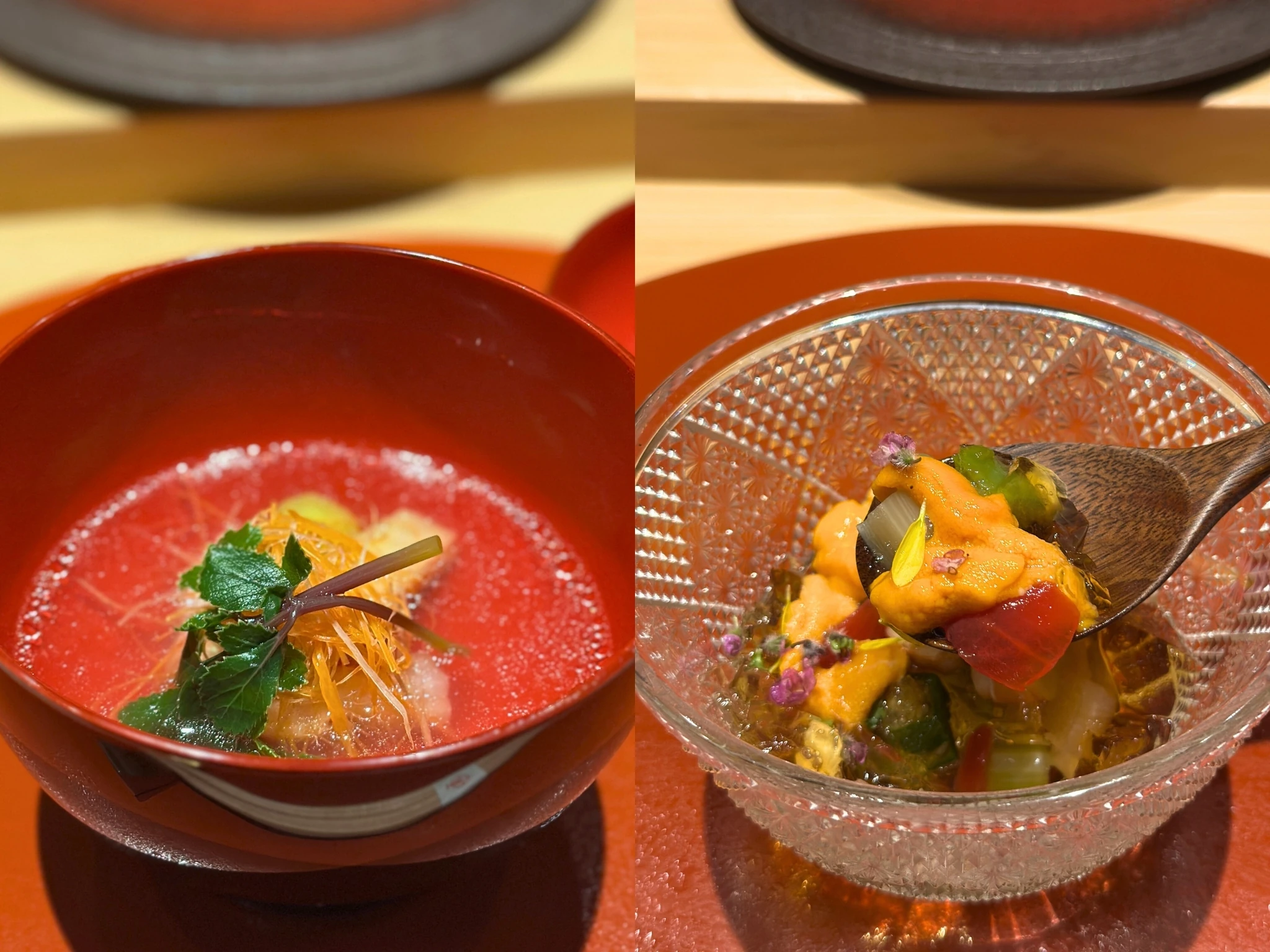
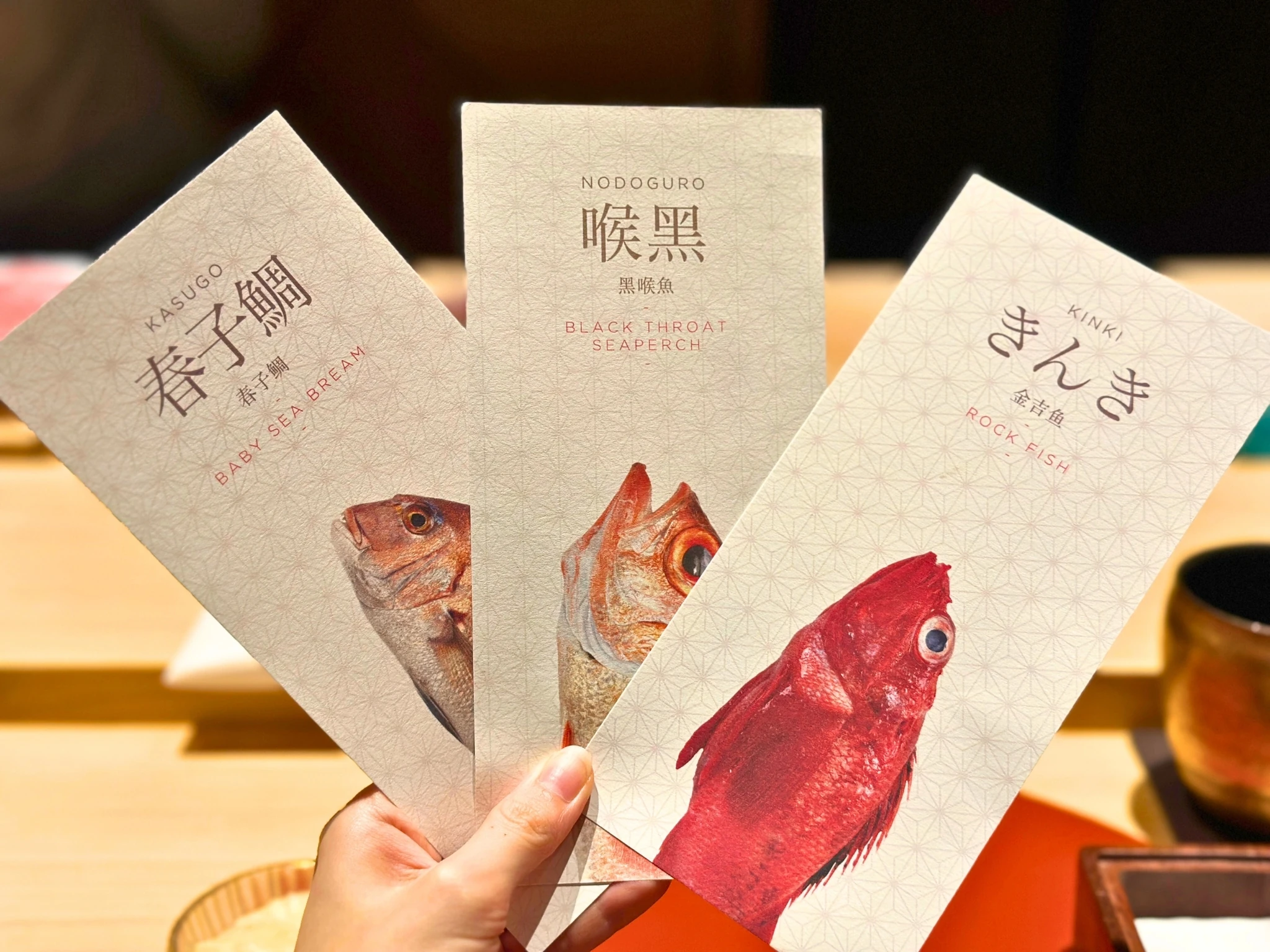
Our first appetiser, kinki (rockfish), arrives in a clear, warm soup brightened with yuzu. This is followed by echizengani, a prized snow crab from Fukui Prefecture, presented with an official tag that even specifies the very fishing boat it was caught in. Talk about dedication to provenance. Speaking of which, another thoughtful touch comes in the form of beautifully printed flashcards, each detailing the origin and distinguishing traits of the seafood served. It bridges the usual language barrier between diner and chef and adds a much-needed layer of understanding to the sushiya experience.
But the most memorable prelude is the uni course. Hamanaka sea urchin from Hokkaido is delivered to the restaurant not on trays, but suspended in bags of seawater. This method shortens the uni's shelf life to a day or two, but the payoff is astounding. Each morsel is sweet and creamy, with a purity that leaves no room for the usual briny flavours of uni. We are encouraged to enjoy just a few slivers on its own, before pouring the rest into a lightly vinegared, jellied mixture of okra, tomatoes, asparagus, shiso flower and other seasonal vegetables. A pity, if you ask us, given its outstanding freshness.
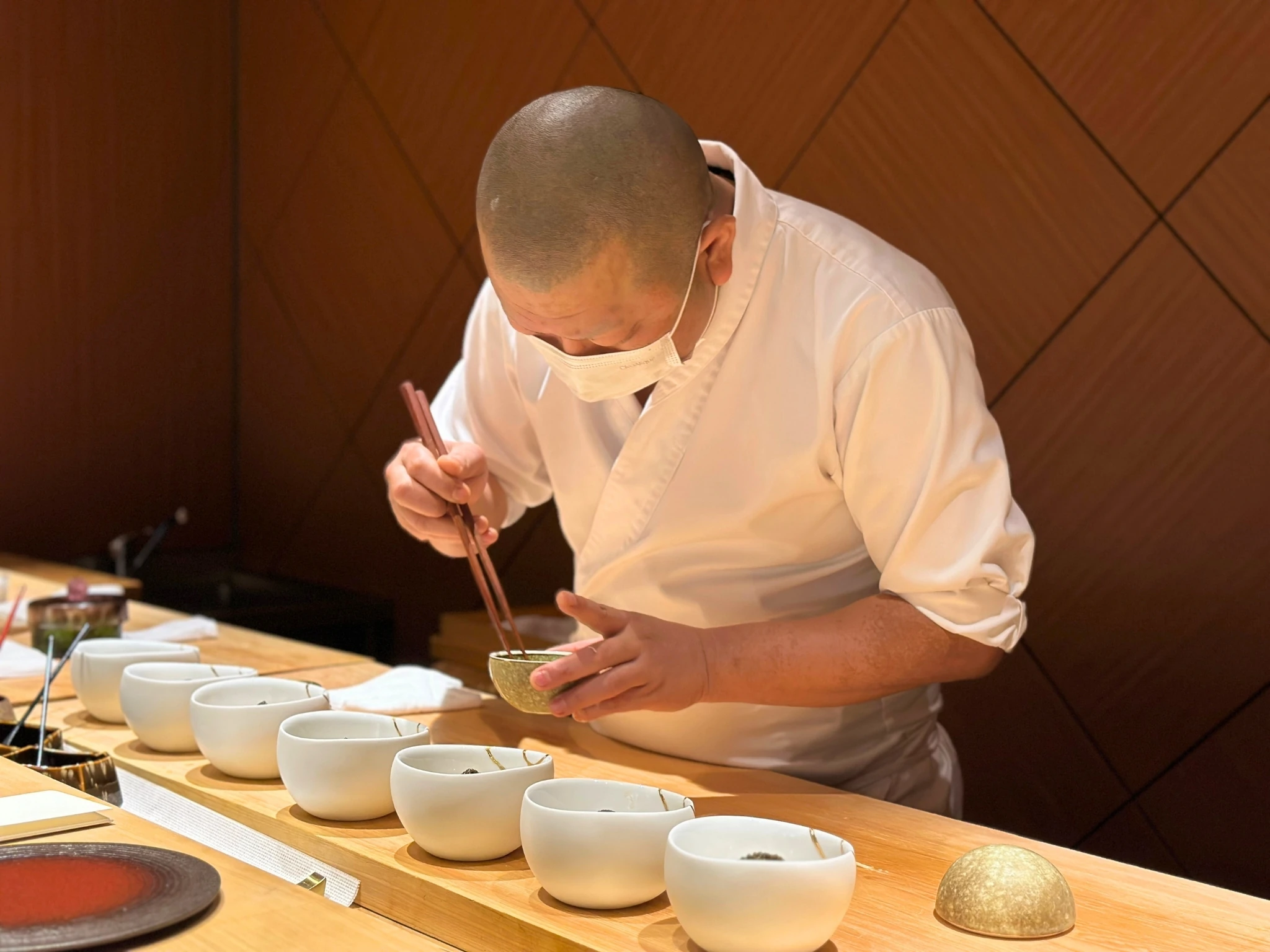
As we savour our appetisers, Chef Nishida works deftly behind the counter to prepare our first sushi course, each hand movement intentional and choreographed with personal flair. We are treated to everything from kasugo (baby sea bream) to nodoguro (blackthroat seaperch), and we quickly learn that Chef has a clear preference for white fish, which work well as canvases for different flavour pairings, whether it's a smidge of ginger or a brush of tare. It's unfortunate, however, that those pairings sometimes sideline the quality of the seafood instead of complementing it – matsukawa garei (barfin flounder) and ginpo (Japanese prowfish) are overwhelmed by a heavy-handed rub of wasabi, while the delicate flavours of hotate (scallop) are lost in a sweet tare glaze.
Of course, the biggest question hanging over our return is the rice. Chef Nishida uses a proprietary blend of grains from Shimane and Gifu Prefecture, treated with distilled water at a certain temperature to reduce starchiness. In 2016, it struck us as too soft and limp. Now, the rice is still unmistakably soft, disintegrating almost as easily as some of the softer cuts of fish. The only difference is that ten years on, it feels more deliberate than accidental. The gently packed, lightly seasoned mounds are meant to dissolve effortlessly together with the fish. Though if you much prefer firmer shari like us, it makes a big difference – something to consider before booking.
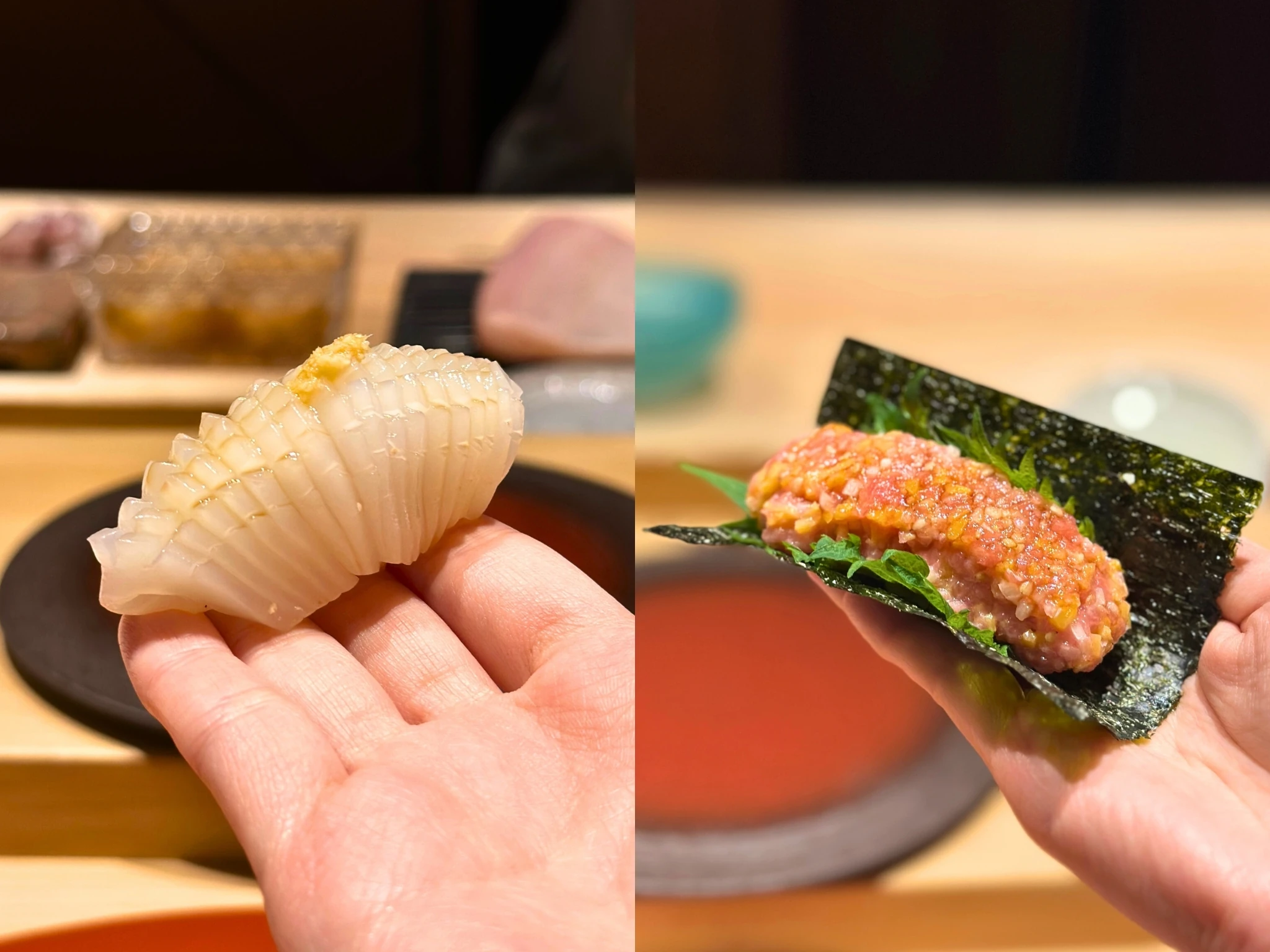
There are moments of brilliance: sumi ika (young white squid), so finely and expertly criss-crossed, is served directly onto your palm, so you feel the warmth of the shari. The buttery parcel melts instantly as it lands on your tongue. The shiro ebi is equally interesting, with each round packed with some 25 to 30 heads of peeled baby white shrimp. But the clear winner for us is the toro maki (fatty tuna roll). It's a sizeable portion of chutoro and otoro, minced by hand and studded with takuan (pickled radish) and negi (Japanese green onion) for tons of texture and crunch, before it's wrapped in shiso leaf and nori.
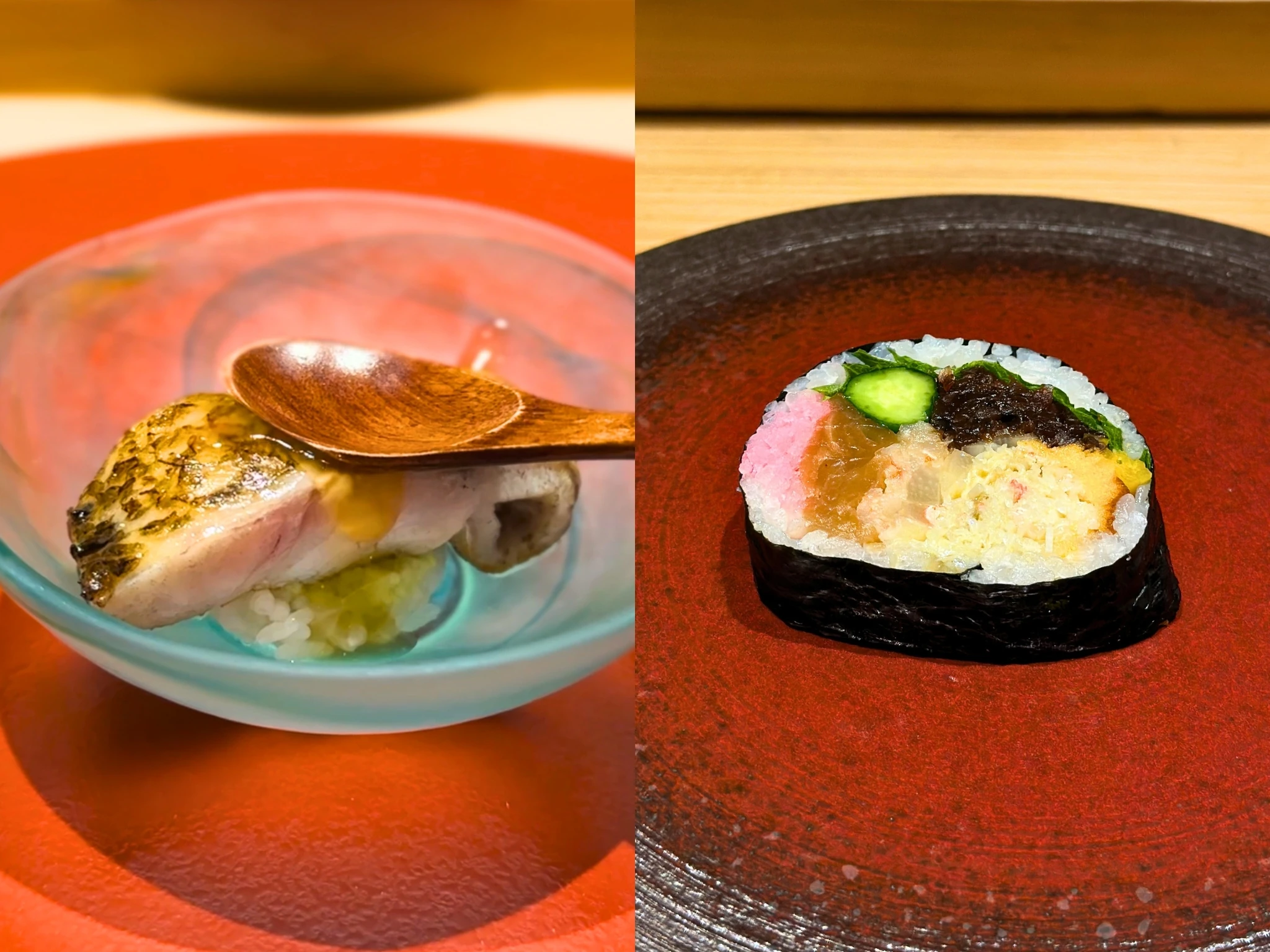
As the blackthroat seaperch is served, we are encouraged to press it down gently with the back of our spoon to release a small trickle of natural oil that seeps into the rice beneath. A shame, though, as by this point in the meal, we're too full to appreciate its richness. And by the time the futomaki (giant roll) arrives as the finale, we are properly stuffed. We gamely polish off the hefty slice anyway, stuffed with a colourful medley of seven ingredients, including kegani (hairy crab), kuruma ebi (tiger prawn) and more.
The meal rounds off quietly with seasonal fruits and Shoukouwa's signature caffeine-free gobo cha (burdock root tea), which combines ingredients like shiso, ginger flower, angelica mint and chrysanthemum for a soothing pour that aids digestion.
Ten years on, Shoukouwa has evolved with intention, refining its craft while staying firmly rooted in Edomae tradition. The quality of seafood is undeniable, and the experience further elevated by the polished, intuitive service led by General Manager Desmond Wong, who picked up the Michelin Guide Singapore Service Award in 2023. Still, with the most expensive omakase priced close to a return trip to Tokyo, this is a meal that demands conviction. The soft, delicate shari will divide diners – you'll either love how it pairs harmoniously with the seafood, or leave unconvinced. Either way, there's no denying that Shoukouwa remains at the pinnacle of Singapore's sushi scene.
Shoukouwa is open from Tuesday to Saturday for lunch and dinner at 1 Fullerton Road, One Fullerton, #02-02A, Singapore 049213. Find out more and make a booking here.
READ MORE:
The best kid-friendly restaurants and cafés in Singapore
These are the four Singapore restaurants on the Asia's 50 Best Restaurants 2026 extended 51-100 list
Discover Time Out original video