[category]
[title]
This year’s hot topics in F&B, according to Time Out Singapore


As we reach the tail end of 2025, it’s time to look back on another eventful year in Singapore’s food and drink scene. Over the past few weeks, we’ve rolled out our annual recommendations of the cafés, restaurants, bars and hawkers we loved this year, alongside a curated list of the best new openings of the last 12 months. This got us thinking about the conversations that dominated the year and shaped the industry in 2025.
Before we start, do note that this is a purely vibes-based roundup. We’ve got no hard data or numbers to show, only thoughts and quips from what we’ve heard in queues, group chats, comment sections and across our own desks at Time Out. Take this as a Spotify Wrapped of sorts, except for all things food and drink in Singapore. Tell us if any of these resonate with you, and continue watching this space for the latest happenings in the city.
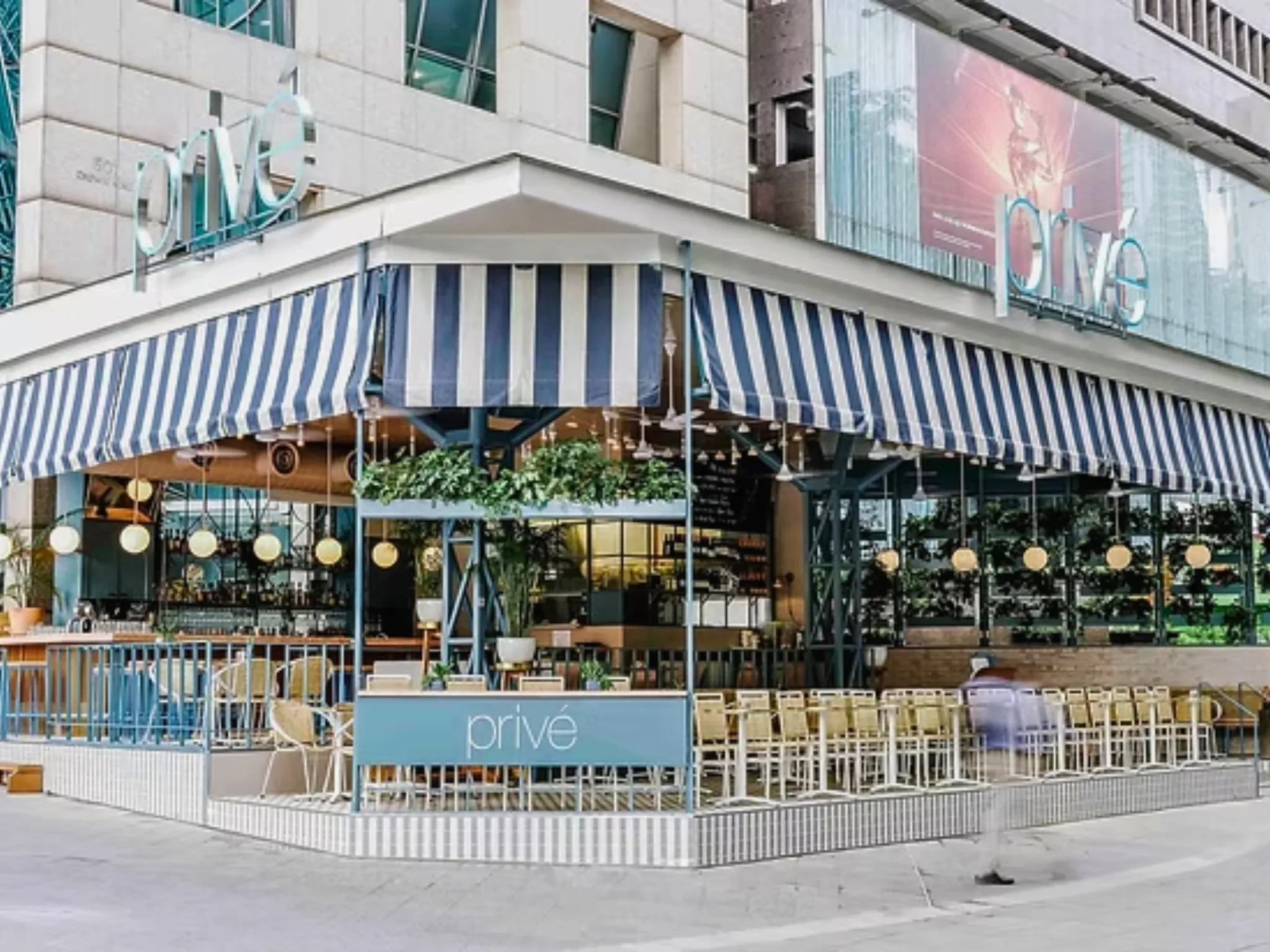
One dominant emotion among foodies and F&B folks in 2025 has to be disbelief. The year saw a steady stream of closures that rattled everyone, and after being inundated by headline after headline, that shock gradually turned into fatigue. Flor Patisserie, Keong Saik Bakery, Burp Kitchen & Bar: gone. Privé Group shuttered all its venues. Supposedly successful international chains fled too, including the likes of Burger & Lobster, Eggslut and Fluff Stack. And Michelin-starred restaurants weren’t spared either. As we bid goodbye to nine one-starred establishments, we’re reminded of the harsh truth that accolades don’t guarantee longevity in the F&B scene.
Then came the blame game, with rent, manpower and changing dining habits among some of the top culprits. The silver lining in all this was that when we reached out to our readers for suggestions on homegrown businesses to support in these trying times, tons of responses came pouring in, with many tagging their favourite neighbourhood joints. You can check out those recommendations here and here.
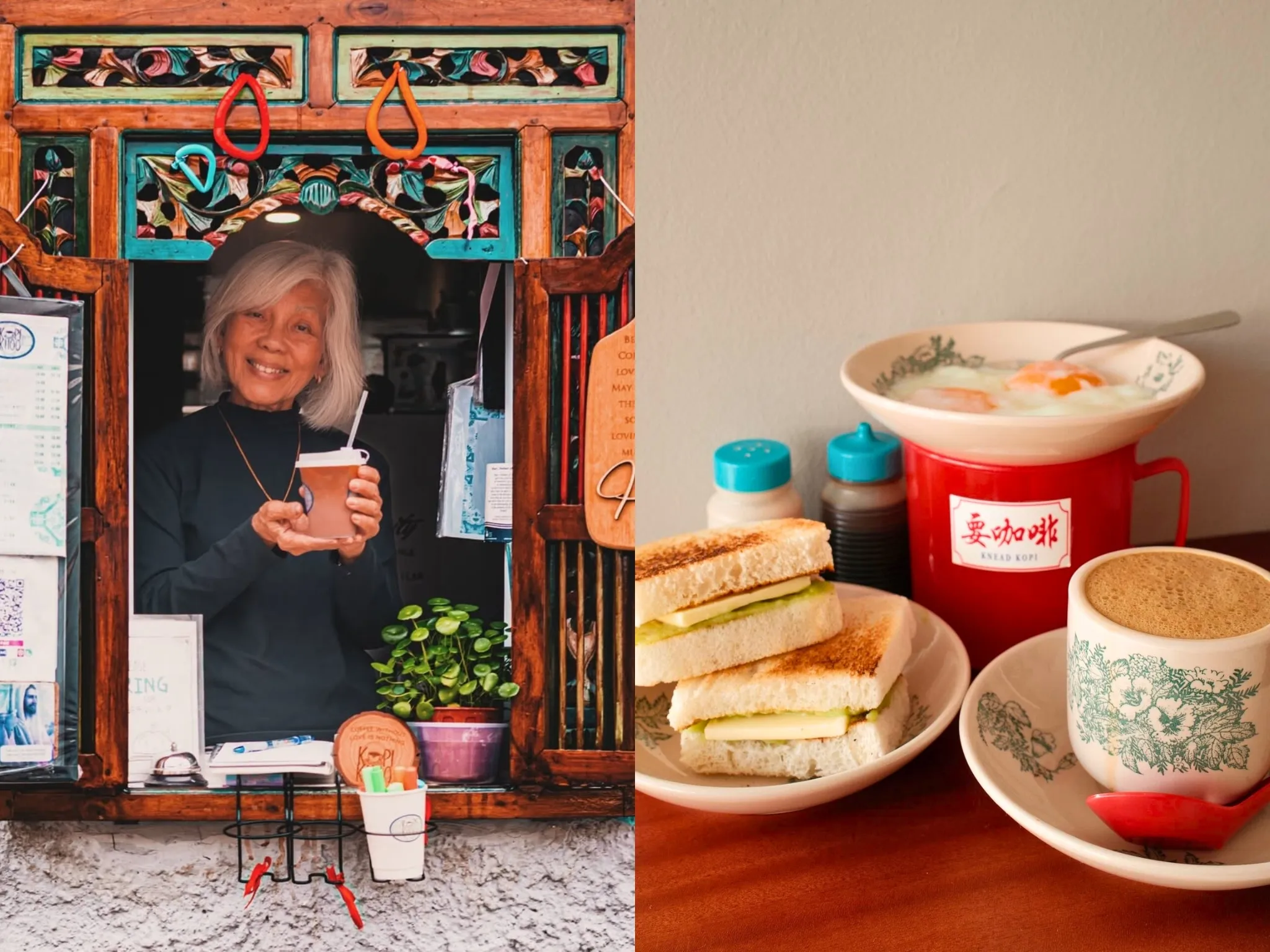
These low-key and often Instagram-discovered spots are your everyday HDB flats and front yards in landed properties turned into quirky, makeshift cafés. It started with simple concepts like Ground Floor Coffee in Pasir Ris as well as the (literal) hole-in-the-wall Kopikhoo at Joo Chiat. Soon after, names like Two Sisters Smoothie and Knead Kopi took over the internet with unique offerings like Erewhon-inspired fruit smoothies and traditional local breakfast sets. Recently, we popped by The Sunday Bunch and 1 Cat Matcha Bar, the former a monthly home-based pop-up with thematic menus, and the latter a quiet HDB unit in Queenstown selling homemade matcha.
But questions also arose. Do they need food licenses? Are they here to stay? Turns out, home cafés don’t require an SFA (Singapore Food Authority) license to operate, though they do have to adhere to food safety regulations. Most owners also treat these as side hustles alongside their full-time jobs, so you never know when they might choose to take a break. Either way, it’s easy to see the appeal of home cafés – drinks are significantly cheaper, and diners get a kick out of the novelty and exclusivity of the experience.
Perhaps the phrase we’ve recycled the most in our articles this year. Amidst all the closures, 2025 was also a year of arrivals. Specifically, international F&B brands are choosing Singapore as their very first overseas outpost. This isn’t a new phenomenon, but the volume and consistency of such openings this year make it impossible to ignore. Japan, in particular, might know a thing or two about our nation’s obsession with its cuisine. We saw everything from casual joints like Udon Shin and Pizza Studio Tamaki, to dressier establishments like Ginza’s Nikuya Tanaka and Suntory’s Hibiki concept restaurant land in Singapore.
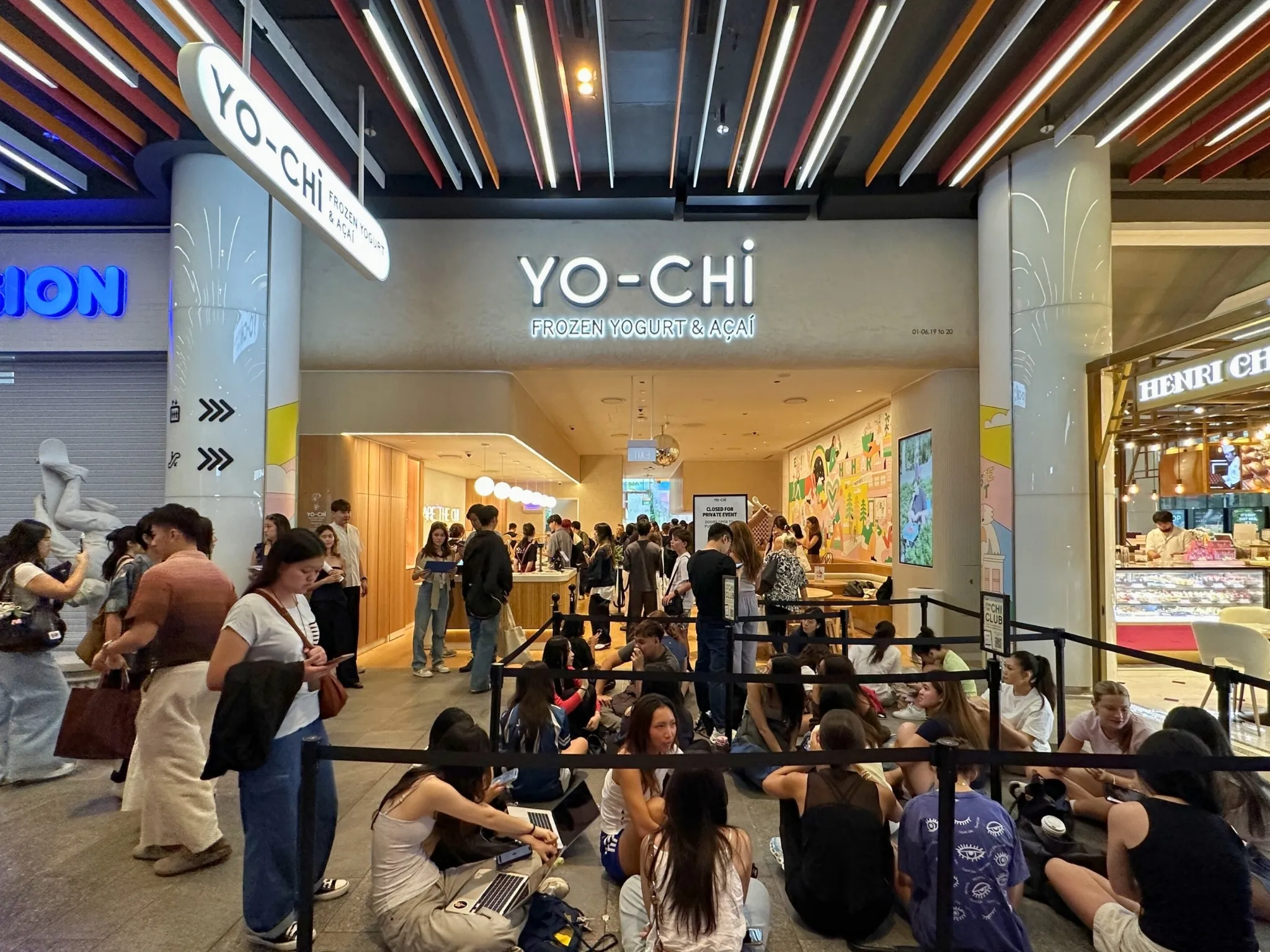
From South Korea, we’ve welcomed Gwanghwamun Mijin, a 70-year-old institution specialising in cold buckwheat noodles. And of course, who can forget Yo-Chi, which single-handedly revived the long-dead froyo craze in Singapore? There are more to come next year, including beloved bakery Mary Grace from the Philippines. Our island definitely remains an attractive test kitchen for the world, though that often brings expectations and concerns of whether brands can replicate their magic here.
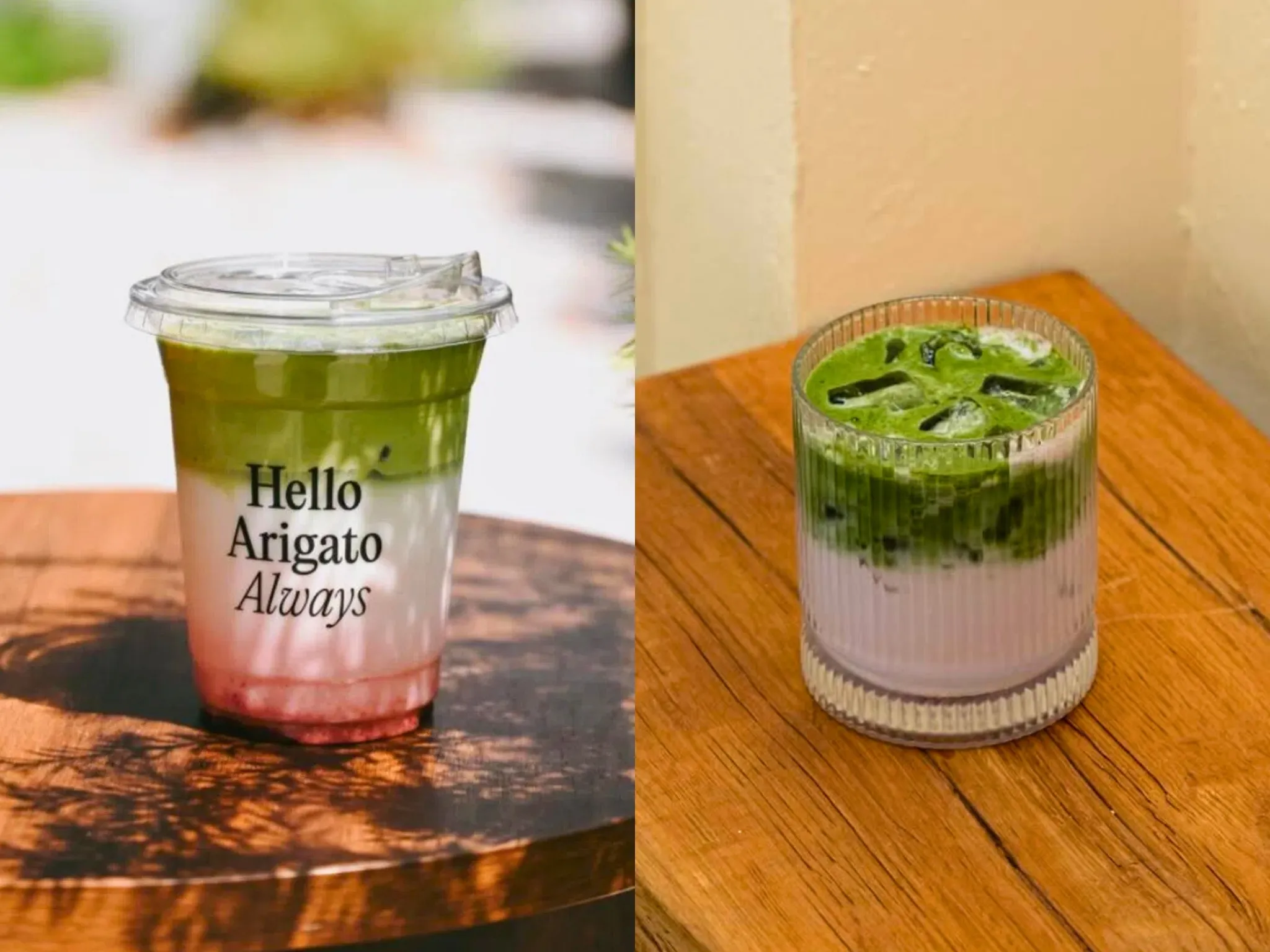
Matcha didn’t just survive 2025, it thrived. And like many other viruses, it is now endemic. Nay, a core component of our bloodstream. What began as a casual alternative to coffee soon became its own animal, ironically soaring in popularity right after the late-2024 matcha shortage in Japan. Interestingly, the scarcity seemed to spark even more curiosity and creativity. Suddenly, it wasn’t just matcha lattes. It was strawberry matcha (and asking the barista if they used jam or purée), banana pudding matcha, blueberry matcha, mango matcha and the list goes on. Most recently, a café in Everton Park started developing matcha beverages in flavours like blue pea coconut, maple earl grey and taro.
And then there were the debates. Purists argued for koicha and usucha over milk-based matcha drinks. Others debated premium versus ceremonial grades, or whether anyone could actually taste the difference. Claims of how the slow caffeine release in matcha makes it “better than coffee” floated around, unverified but widely accepted. Matcha desserts multiplied, and whisk sets became a surprisingly common Christmas wishlist item. Love it or hate it, there’s no avoiding the Matcha Mania (MM). Or flip it around...
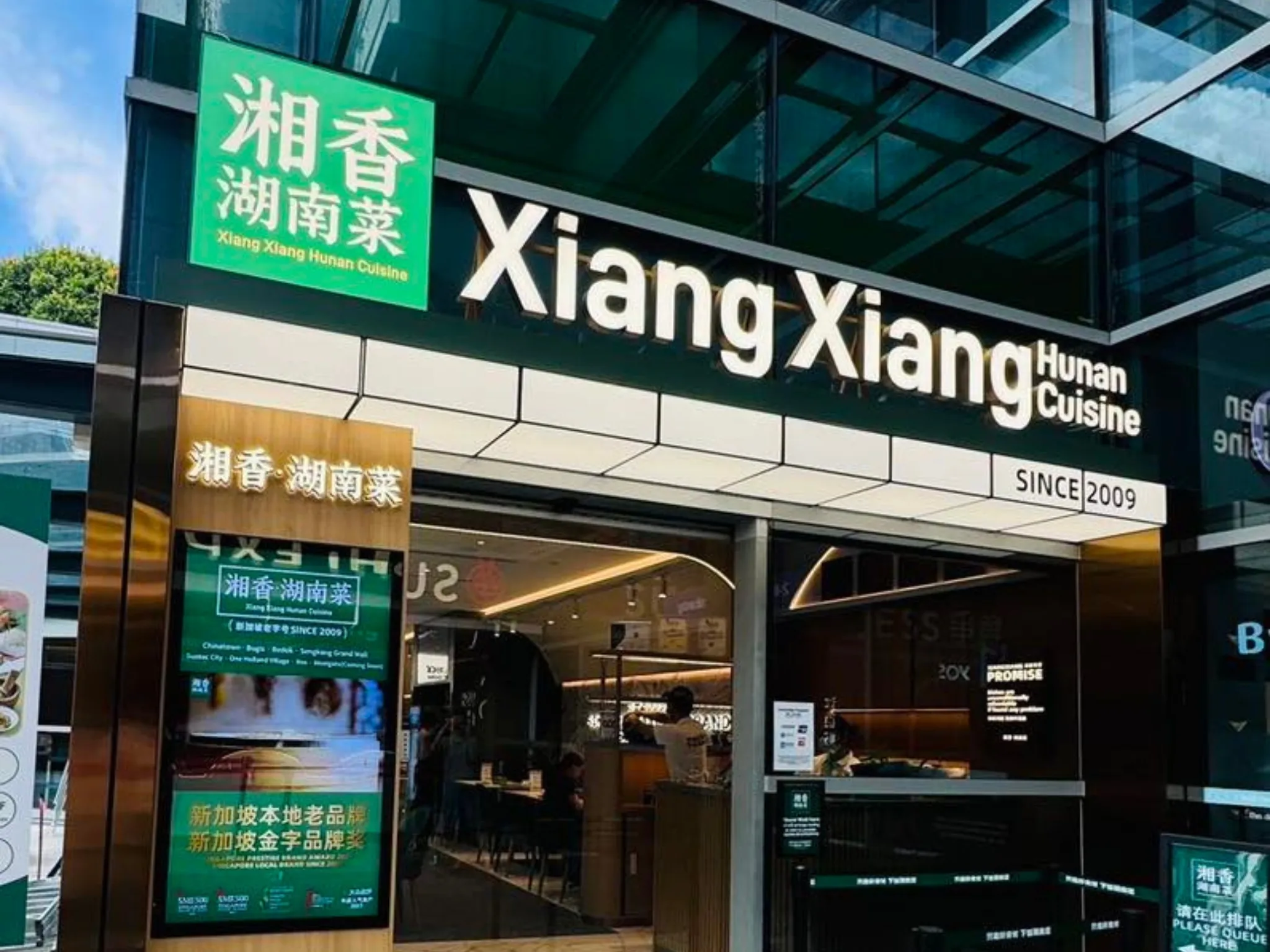
While international brands introduced themselves gradually over the year, Chinese F&B chains arrived in hordes. Haidilao and Tanyu are already fixtures and mall anchors that we’re familiar with. But this year brought an influx of newer names that drew plenty of interest. You might have caught wind of Longjing, the new Zhejiang restaurant at Suntec City, known for its gorgeous interiors, wallet-friendly prices and viral pagoda milk pudding dessert. How about Xiang Xiang, which has probably just opened its 4567th outlet in Singapore? The restaurant, which serves Hunan cuisine, is a family favourite for dishes like its stir-fried pork with green peppers, 18-second Angus beef stir fry and sour and spicy fish broth.
And there are many more, like Nong Geng Ji and Bashu Sichuan, just to name a few. The desserts and drinks categories also expanded. Luckin Coffee and Chagee became staples in almost every office tower, and Mixue’s snowman stared at us from yet another unsuspecting corner. Both 2024 and 2025 felt like a crash course in Chinese cuisine, though not the kind that some of us grew up eating. And with the competitive prices and efficiency that these chains offer, we’re not sure they’ll be vanishing any time soon.
READ MORE:
These are Time Out's picks of the best new restaurants in Singapore for 2025
Park Bench Deli returns after three years with a limited-time pop-up next month
3 establishments from Singapore are newly added to La Liste’s Top 1000 Restaurants 2026 round-up
Discover Time Out original video