[category]
[title]
Both are located in the Western District and are more than 100 years old

Hong Kong is inseparable from its instantly recognisable Victoria Harbour skyline, whether it’s observed from Hong Kong Island side or from Kowloon side. Dispersed among these towering skyscrapers, humble in height but just as formidable in reputation, are time-worn edifices that carry the city’s colonial past and Chinese heritage, numbering in the hundreds, quietly keeping record of Hong Kong’s past. And that tally only continues to grow: Just last week, the Antiquities Authority added two more buildings to that list, declaring them as monuments under the Antiquities and Monuments Ordinance.
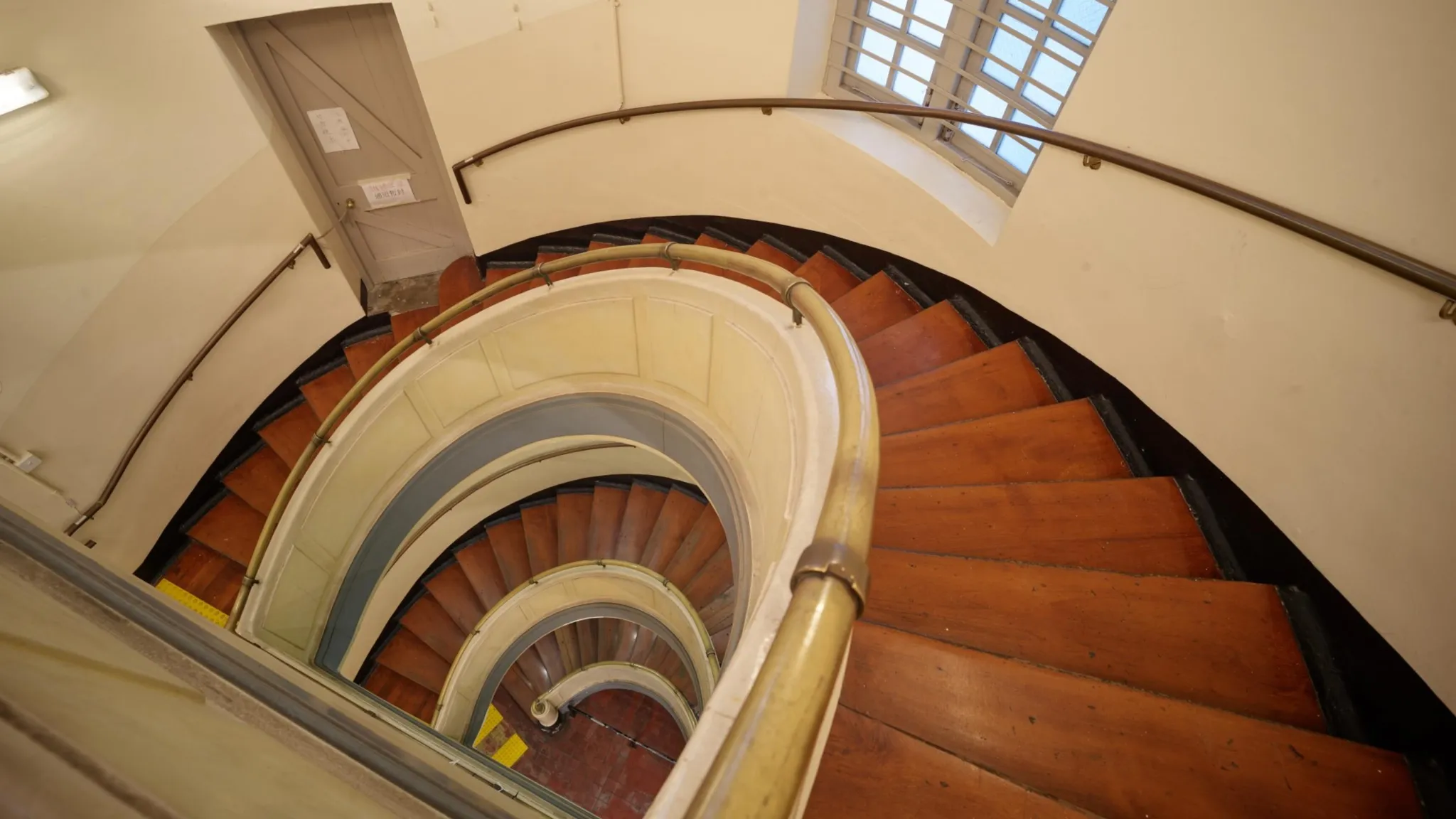
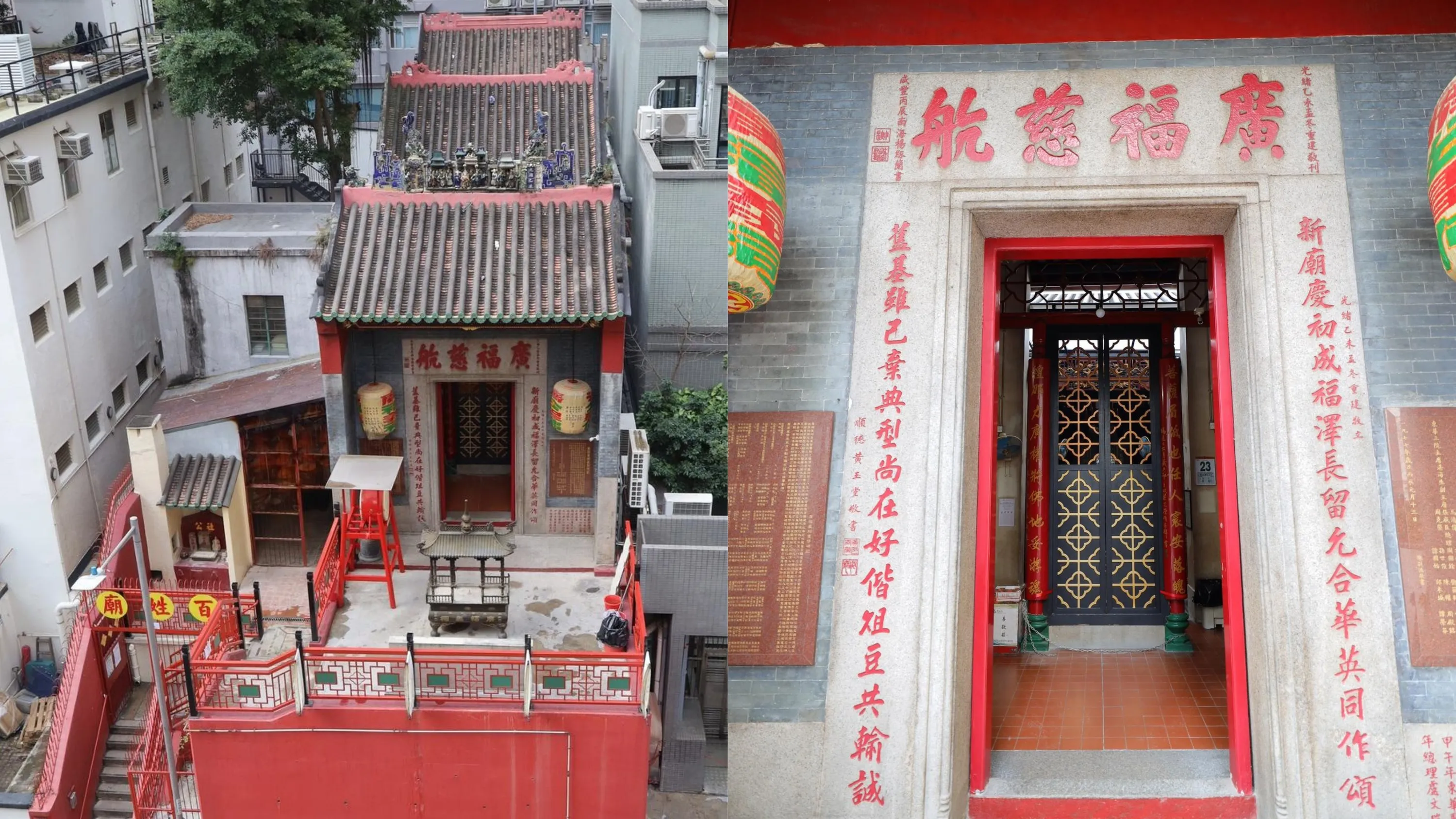
On January 30, the Hong Kong government gazetted a notice stating that the Antiquities Authority has added two structures in the Western District on Hong Kong Island to its collection of preserved and protected monuments: the Main Building of Old Tsan Yuk Maternity Hospital in Sai Ying Pun and Kwong Fook Tsz in Sheung Wan. Both buildings are more than a century old, and are expectedly rich in history and purpose.
Opened in 1922 by the Chinese Public Dispensaries Committee (CPDC) on Western Street in Sai Ying Pun, the Old Tsan Yuk Maternity Hospital served an important function as a centre for maternity services catering to Chinese women. Chinese midwives were also trained on the premises to learn modern nursing methods, demonstrating the cooperative alliance between Chinese and Western medical professionals to promote maternity health and empower women. After the Tsan Yuk Maternity Hospital found a new home on Hospital Road in 1955, the original building – a red-bricked structure standing on a coursed rubble plinth with a granite portico entrance – continued to be a hub for diverse activities and has been used as a community centre since 1961, first operating as the Tsan Yuk Social Centre, later as the Western District Community Centre to this day.
Kwong Fook Tsz in Sheung Wan, also known as Pak Shing Temple, is located on the unassuming Tai Ping Shan Street, and was constructed even earlier than the Old Tsan Yuk Maternity Hospital, in 1895. Prominent Chinese businessmen and members of the emerging Chinese elite raised funds to build the first Kwong Fook Tsz in 1956, hoping to establish a benevolent space for worship in which the Chinese community could store the soul tablets for deceased migrant workers who died in the city, honouring their ancestral roots in this final resting place in light of them being unable to return to their hometowns. Later, Kwong Fook Tsz adopted a dual purpose in providing aid for the sick, homeless, and elderly. Due to poor hygiene standards, this makeshift “Chinese hospital” – a desperate choice for local residents who could not afford medical services – served as the impetus for the Hong Kong government to establish a Chinese hospital, leading to the establishment of Tung Wah Hospital in 1870. Following an outbreak of the bubonic plague in the area, the current Kwong Fook Tsz was eventually rebuilt on the same road. Not only is Kwong Fook Tsz’s structural layout unique, but the communal services it provided in housing soul tablets, medical services, and offering refuge are singular among the surviving temples in the city, lending to Kwong Fook Tsz’s lasting significance.
Both declared monuments are open for public visits, with respective opening hours and further information available on the Antiquities and Monuments Office website.
Stay in the loop: sign up for our free Time Out Hong Kong newsletter for the best of the city, straight to your inbox
Discover Time Out original video