[category]
[title]
Time Out just released its list of the 28 coolest streets in the world, and one L.A. street made the cut.


That whole cliche about nobody walking in L.A. is completely bogus… is what I’d like to say. Because, yes, while we do have districts teeming with sidewalk seating and transit riders, the pedestrian presence in some of the region’s most recognizable areas is limited to folks standing in line for the valet stand. But this year, one L.A. street literally built with automobiles in mind has swiftly become one of the most transit-friendly cultural destinations in the entire city—and earned the honor of the 14th-coolest street in the world on Time Out’s annual ranking.
It’s been a banner year for the span of Wilshire Boulevard through Miracle Mile thanks to a major museum reinvention and a transformational subway extension, but just as importantly, pop-ups and programming that’ve brought people to the area on their own two feet. That’s how it landed on Time Out’s yearly list of the coolest streets; our editors around the globe ranked each street against criteria like street life, unique local businesses and retail and hospitality offerings to come up with a definitive ranking of the streets worth seeking out right now. Bangkok’s Song Wat Road topped the list, while Philadelphia’s East Passyunk Avenue was the highest-ranked U.S. entry at No. 12.
Back to Los Angeles: Wilshire Boulevard runs east-to-west along nearly 16 miles of the city, from its skyscraper dense origin in Downtown L.A. to its bustling segment in Koreatown to its swanky span in Beverly Hills to its blufftop terminus by the beach in Santa Monica. It is, at any given small section, a snapshot of one of the city’s many historic neighborhoods. But you’ll need to break out the large-format film to capture just how big of a year it’s been along the mile-long Museum Row.
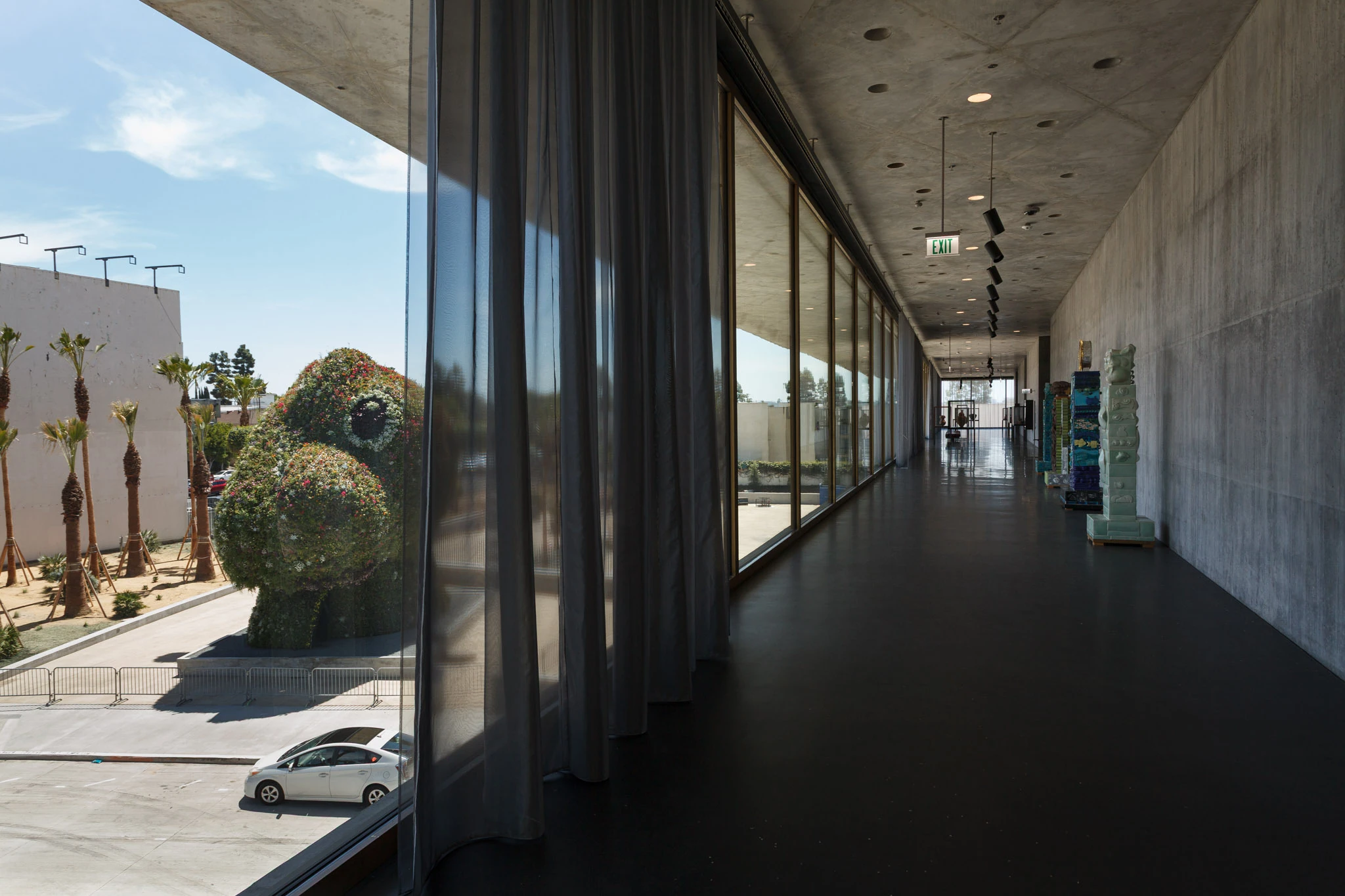
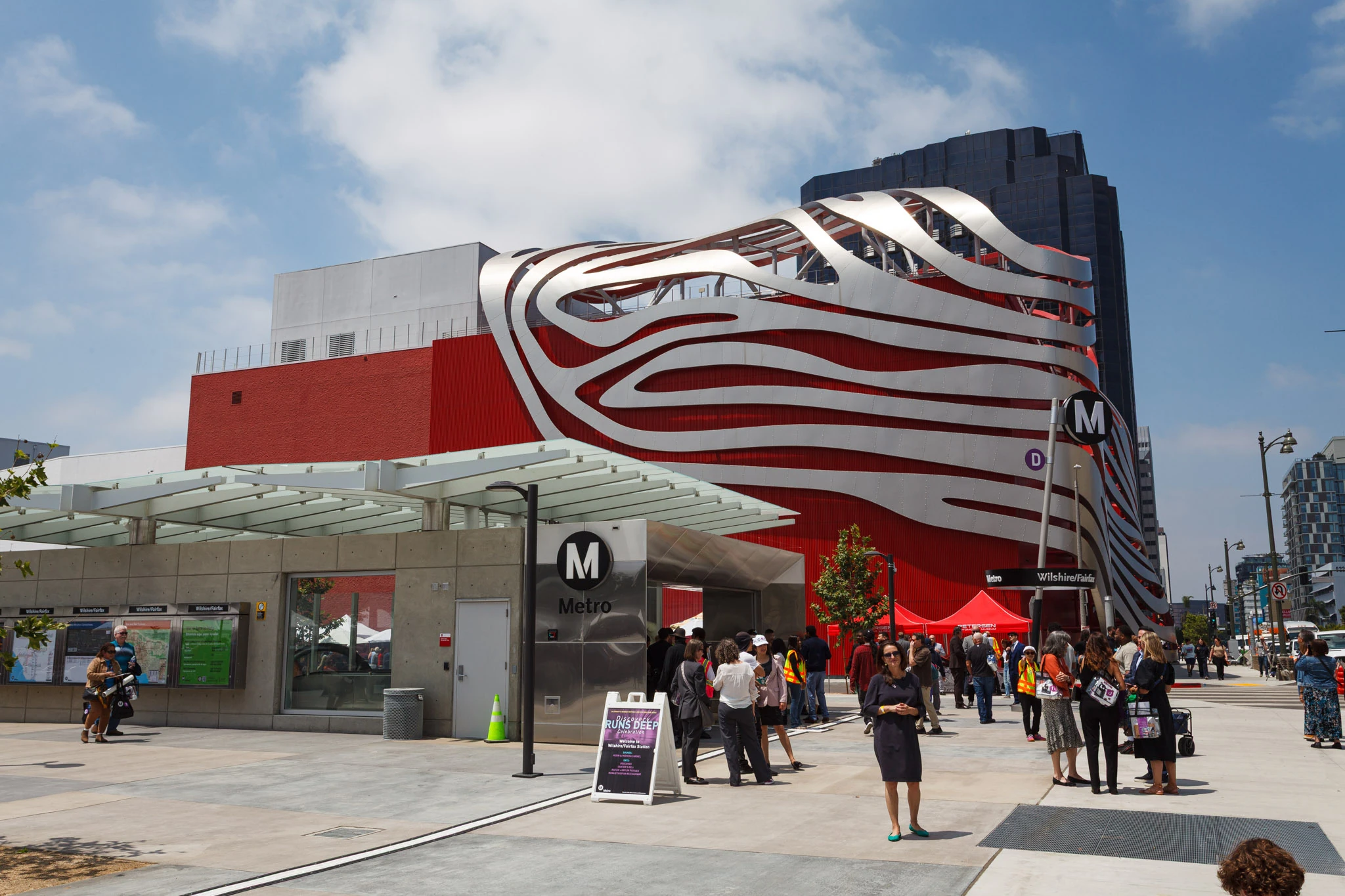
Miracle Mile is packed with destination-worthy museums: the Academy Museum of Motion Pictures, the Petersen Automotive Museum, Craft Contemporary and the La Brea Tar Pits (though the museum is closed until 2028 for a major makeover, its sticky, bubbly, fossil-filled pools are still open). But this year was all about LACMA—and, yes, its Erewhon outpost. With an encyclopedic art collection that spans centuries and the literal street, the museum’s new David Geffen Galleries bridge both sides of Wilshire—and its non-hierarchical, choose-your-own-adventure layout nabbed it the “Best New Museum” title in our Best of the City awards. There’s more to come, too, as LACMA’s southern plaza will soon welcome a wine bar at the foot of Split-Rocker, Jeff Koons’s monumental floral sculpture.
To usher in the landmark building’s arrival, the institution packed the street with a block party and art parade that drew more than 60,000 visitors to the campus. And getting there was a whole lot easier: Metro’s transformational D Line subway extension added two new stations to the neighborhood, including one right across the street from the museum expansion (the other sits near the no-frills Apollonia’s Pizzeria, whose Detroit-style slices rank among the best pizzerias in the world). It’s hard to overstate just how big of a deal the D Line is (and not just because of its viral “ride the D” T-shirts); in the late 1920s, the then-newly-dubbed Miracle Mile turned a dirt road into a wide, paved boulevard with both building facades and department stores that catered exclusively to car traffic. Almost a century later, the street finds itself standing toe to toe with Exposition Park for the most transit-accessible, culture-rich area in all of L.A.
The museum-dense district has welcomed one-of-a-kind gallery pop-ups too, including a group show at a vacant 99 Cents Only Store and artist Gary Baseman’s revival of the beloved Johnie’s Coffee Shop. That’s all while regular events like Jazz at LACMA and cruise-ins at the Petersen attract regular crowds to the area.
Check out Time Out’s full list of the 28 coolest streets in the world in 2026.
Discover Time Out original video